Artwork
Peisaj dobrogean
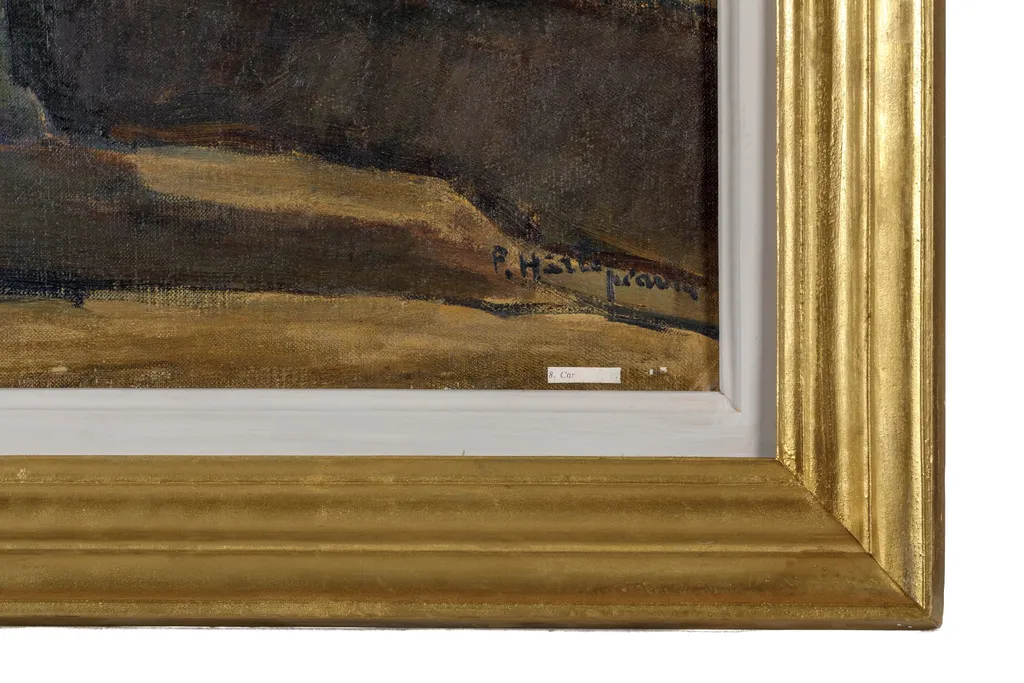
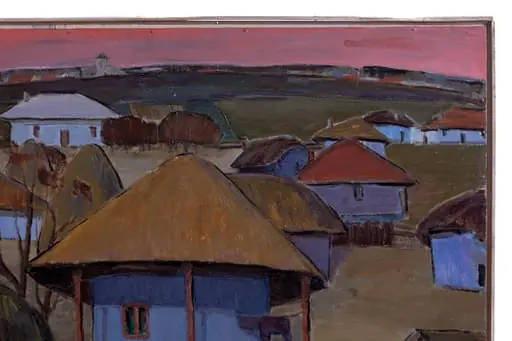
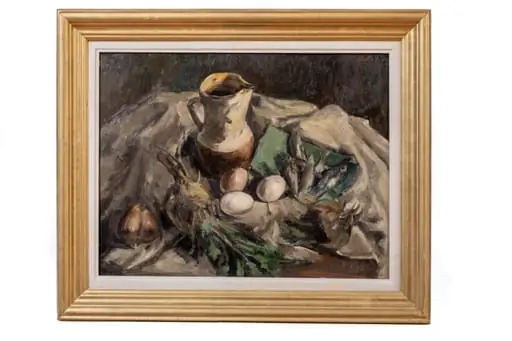
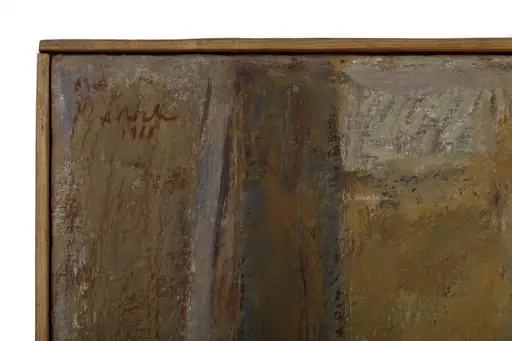
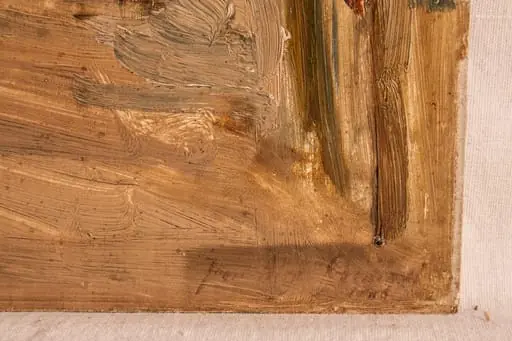
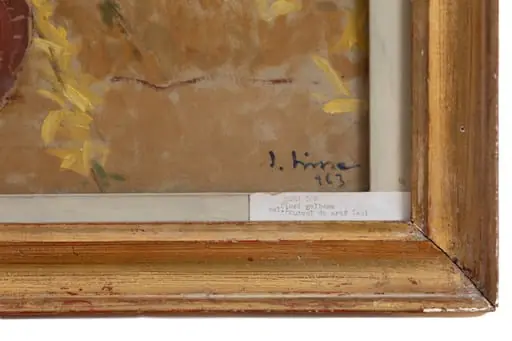
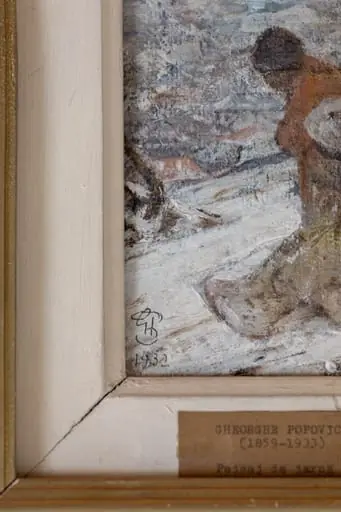
Peisaj dobrogean is an unspecified painting by Hârtopeanu Petru. It dates from 1957 and is held in the collection of the Moldova National Museum Complex.
About this work
Overview
Hârtopeanu, a painter and educator active during the mid-20th century, produced this work while residing in Romania before later moving to Germany.
Created around 1957 by Petre Hârtopeanu, *Peisaj dobrogean* is a landscape painting rooted in the Romanian countryside. Hârtopeanu, a painter and educator active during the mid-20th century, produced this work while residing in Romania before later moving to Germany. The piece reflects his sustained interest in regional scenery and the quiet rhythms of rural life, rendered with a tactile, expressive hand.
Subject & Meaning
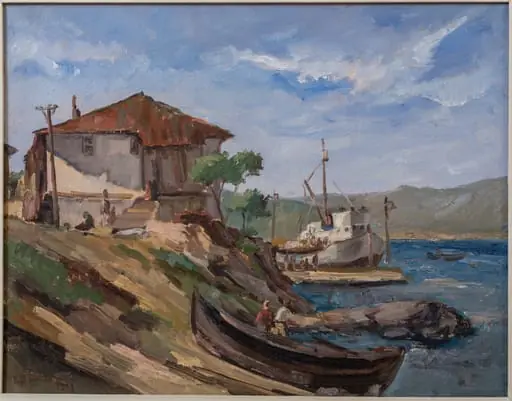
The painting depicts a modest dwelling nestled within the open terrain of Dobruja, a region characterized by rolling plains and sparse vegetation. The house, positioned prominently in the foreground, anchors the composition against a backdrop of trees and a subdued sky. Rather than idealizing the scene, Hârtopeanu presents it with quiet realism, suggesting a contemplative relationship between human habitation and the natural environment.
Technique & Style
Hârtopeanu employed visible, energetic brushwork to build texture and movement across the surface. He used chiaroscuro to define form, contrasting warm tones of the house with cooler, darker hues of the surrounding foliage and sky. The paint is applied with deliberate density in places, while thinner layers suggest atmospheric distance. This handling emphasizes physical presence over idealized detail, aligning with a postwar figurative sensibility.
History & Provenance
The painting was made during a period when Hârtopeanu was deeply engaged with Romania’s artistic community, before his emigration to Germany in the 1960s. While specific ownership history is not documented, the work is part of a broader body of landscapes he produced during his Romanian years. These pieces reflect his personal and professional ties to the land, distinct from his later German-period works.
Context
In the late 1950s, Romanian art operated under state-influenced norms, yet many artists pursued personal interpretations of landscape and everyday life. Hârtopeanu’s work, though not overtly political, offered a quiet alternative to official realism. His focus on Dobruja’s understated terrain aligned with a broader European interest in regional identity and the emotional weight of place during a time of ideological division.
Legacy
Hârtopeanu’s *Peisaj dobrogean* remains a representative example of mid-century Romanian landscape painting that resisted both academic convention and socialist realism. His integration of expressive brushwork and tonal contrast influenced later generations of Romanian artists seeking to reconcile personal vision with national subject matter. The work endures as a testament to his dual cultural engagement and commitment to observed truth.
Artist & collection
Artist
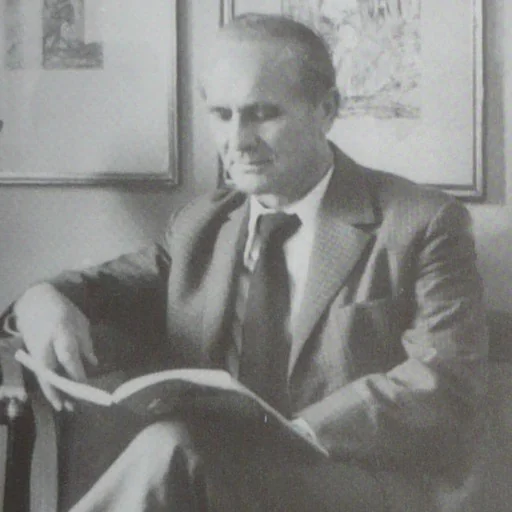
Petre Hârtopeanu (15 June 1913, Dângeni, Botoșani County, Romania — 22 March 2001, Frankfurt-am-Main) was a Romanian-German painter and art professor.