Artwork
Suprematism
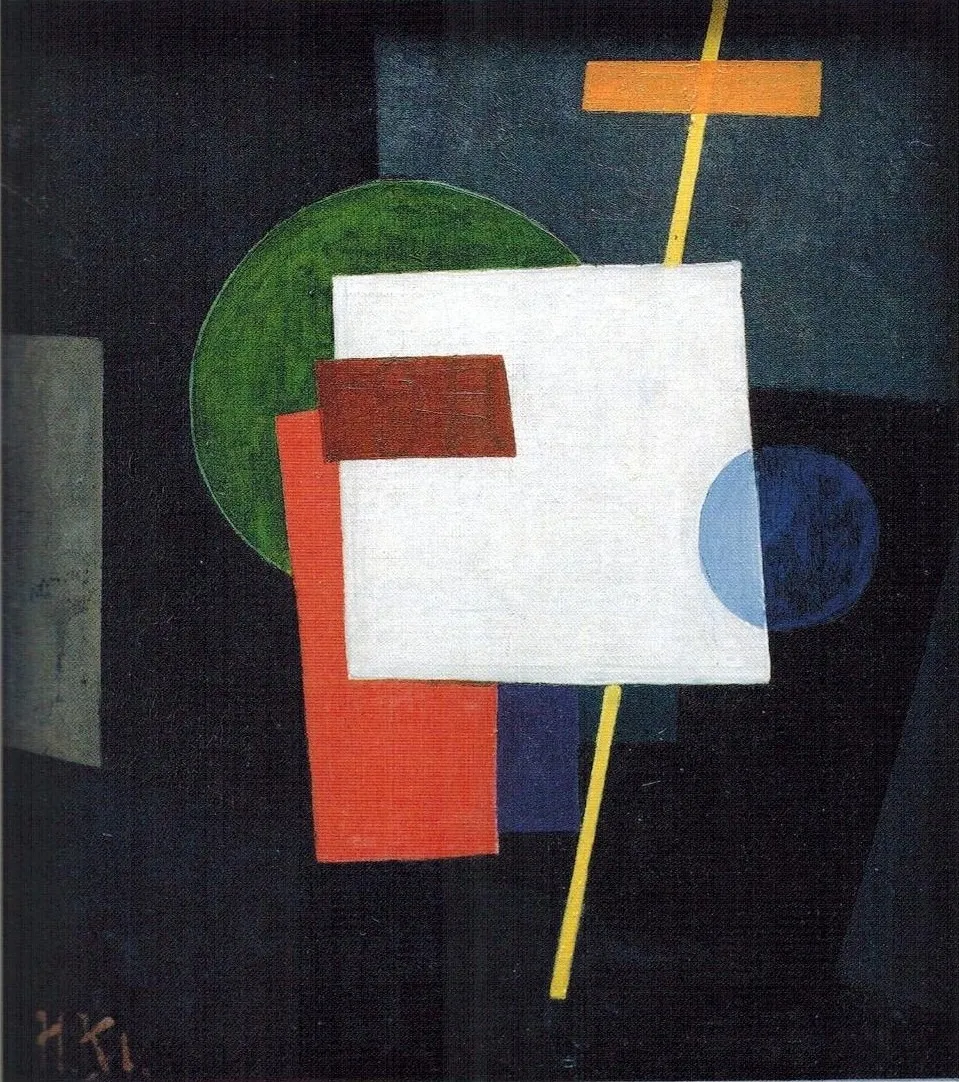
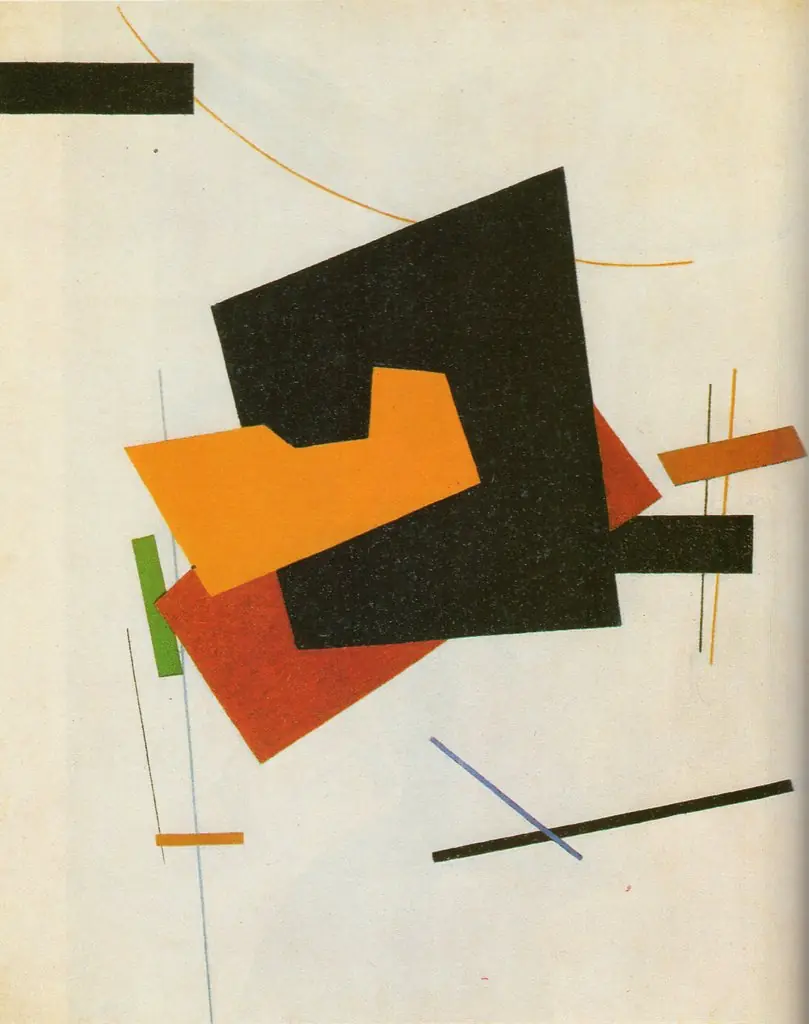
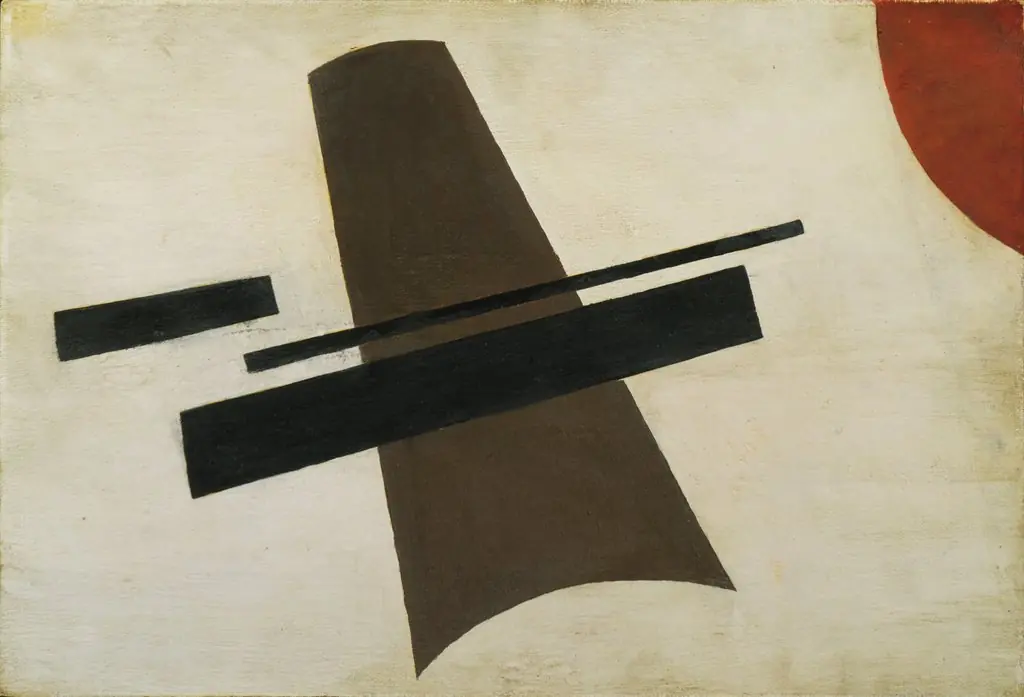
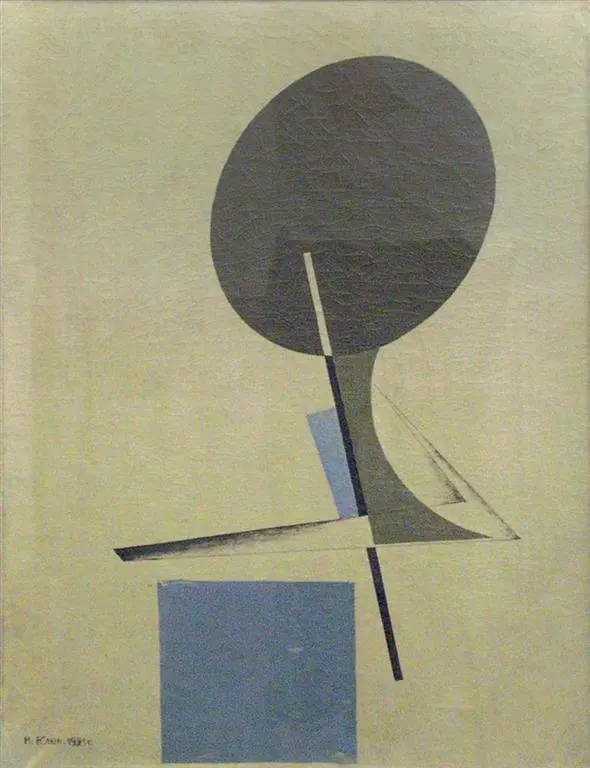
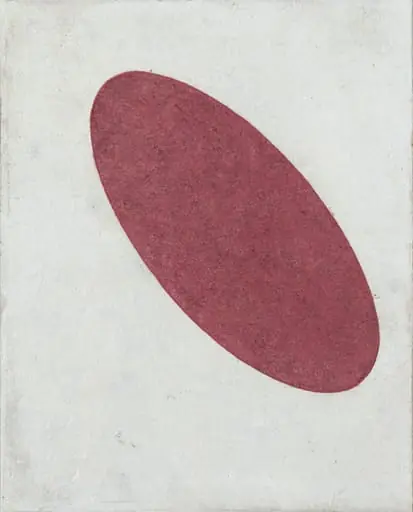
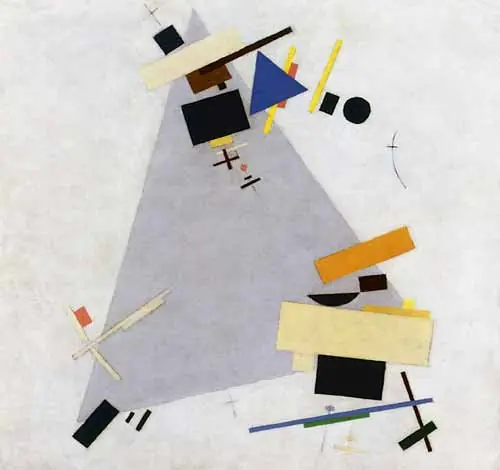
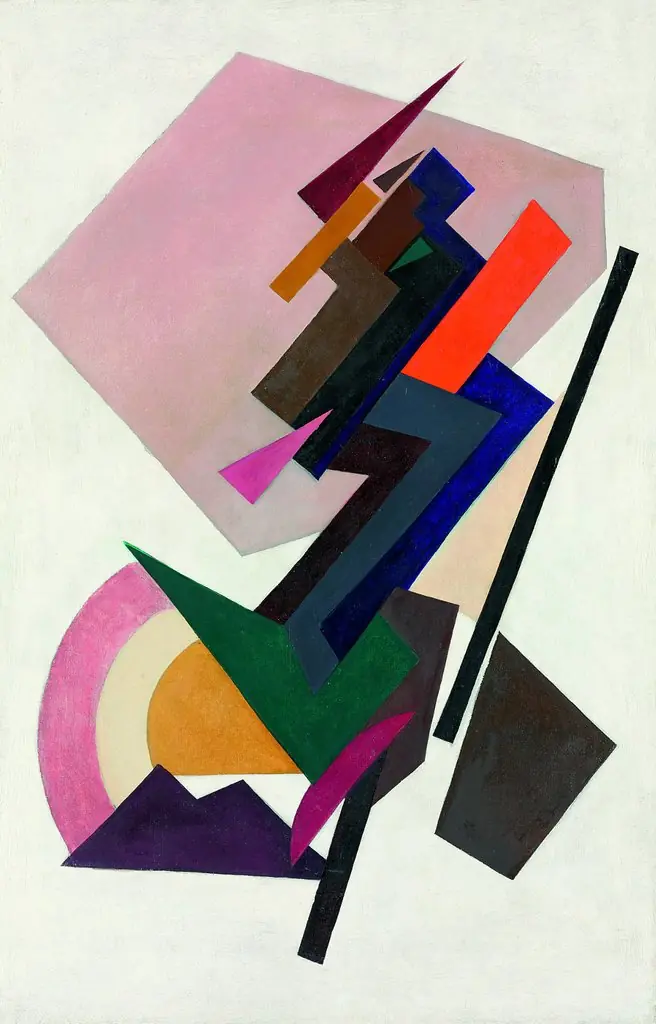
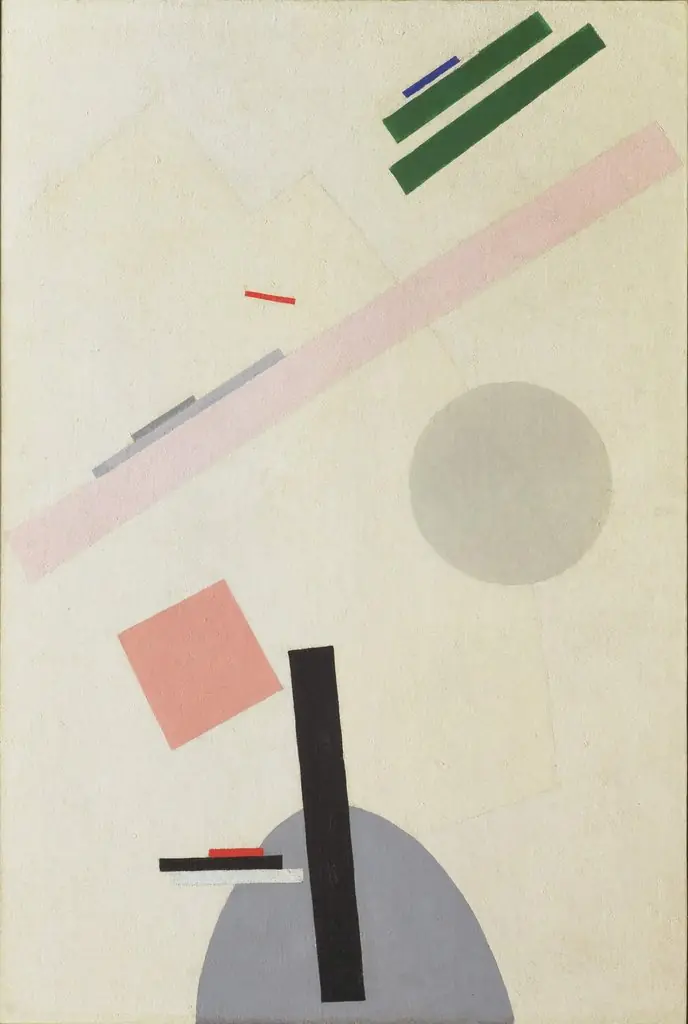
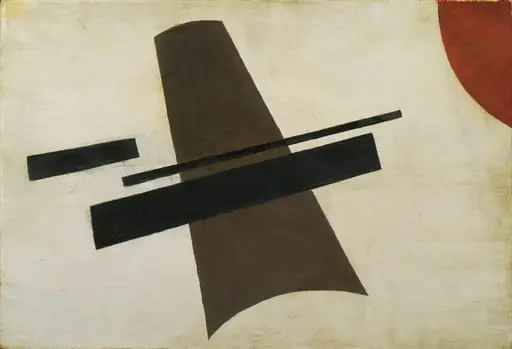
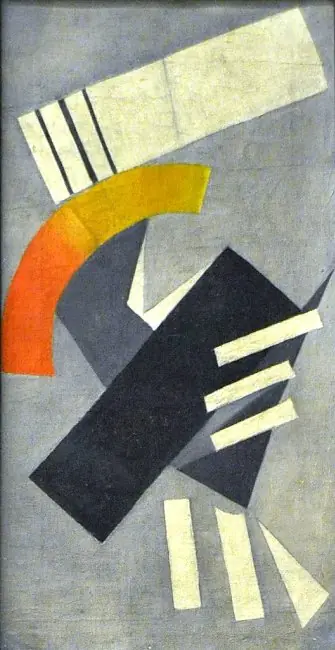
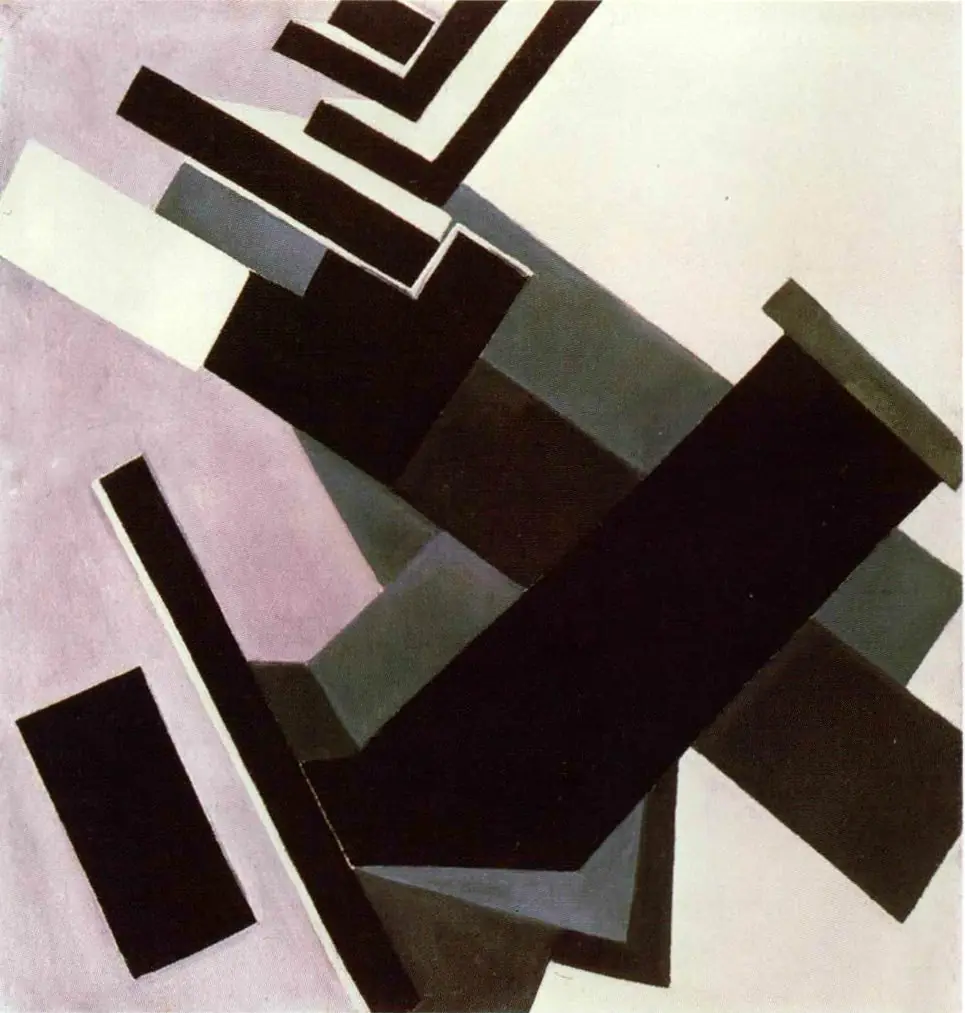
Suprematism is an oil painting by the Suprematist artist Ivan Kliun. It dates from 1917 and is held in the collection of the Yaroslavl Art Museum.
About this work
Overview
The work embodies the movement’s core principles through non-objective composition, emphasizing geometric elements and color as autonomous visual forces.
Ivan Kliun, born Ivan Vasilievich Klyunkov in 1873, produced this oil painting in 1917 as part of the early Suprematist movement in Russia. A painter, sculptor, and theorist, he was among the artists who helped define Suprematism’s radical break from traditional representation. The work embodies the movement’s core principles through non-objective composition, emphasizing geometric elements and color as autonomous visual forces.
Subject & Meaning
The painting rejects depiction of the physical world, instead presenting abstract shapes and planes arranged to evoke spatial relationships without reference to nature. Kliun’s intent was to express pure artistic feeling through form and hue, aligning with Kazimir Malevich’s vision of art as a transcendent experience. The composition invites contemplation of structure and balance rather than narrative or symbolism.
Technique & Style
Executed in oil on canvas, the work features flat, unmodulated colors and sharply defined geometric forms. Brushwork is deliberate and restrained, avoiding texture or gesture in favor of clarity and precision. This methodical approach reflects Suprematism’s pursuit of visual purity, stripping away illusionism to focus on the essential qualities of shape and color as the sole subjects of the painting.
History & Provenance
Created during a period of intense artistic experimentation in post-revolutionary Russia, the painting remained within the circle of Suprematist practitioners before entering the collection of the Yaroslavl Art Museum. Its preservation there reflects its significance as a document of early 20th-century Russian abstraction, though it received less public attention than works by Malevich or Rodchenko.
Context
In 1917, Russia’s political upheaval coincided with a surge in avant-garde innovation. Kliun, alongside Malevich and others, sought to redefine art’s purpose beyond social or religious function. Suprematism emerged as a response to industrial modernity and spiritual seeking, proposing abstraction as a new universal language — one that Kliun’s work helped articulate through disciplined formal inquiry.
Legacy
Though less widely recognized than his contemporaries, Kliun’s contributions to Suprematism influenced later developments in geometric abstraction. His theoretical writings and consistent practice reinforced the movement’s philosophical foundations. The painting remains a quiet but vital example of how Russian artists reimagined visual language in the early 20th century, prioritizing structure over representation.
Artist & collection
Artist
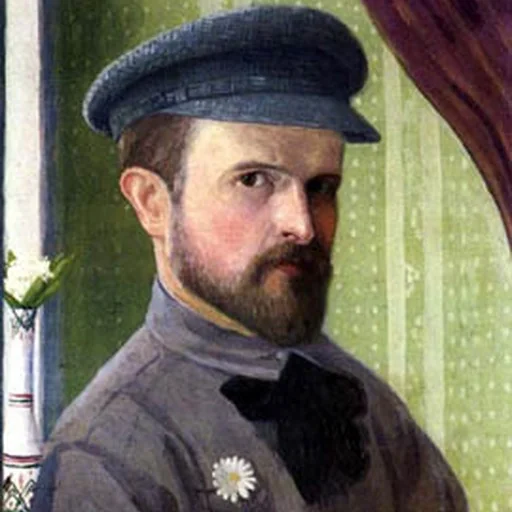
Ivan Vasilievich Kliun, or Klyun, born Klyunkov (Russian: Иван Васильевич Клюн; 1 September 1873, in Bolshiye Gorky, Petushinsky District – 13 December 1943, in Moscow) was a Russian Avant-Garde painter, sculptor and…