Artwork
Portrait of Maria Rayevskaya
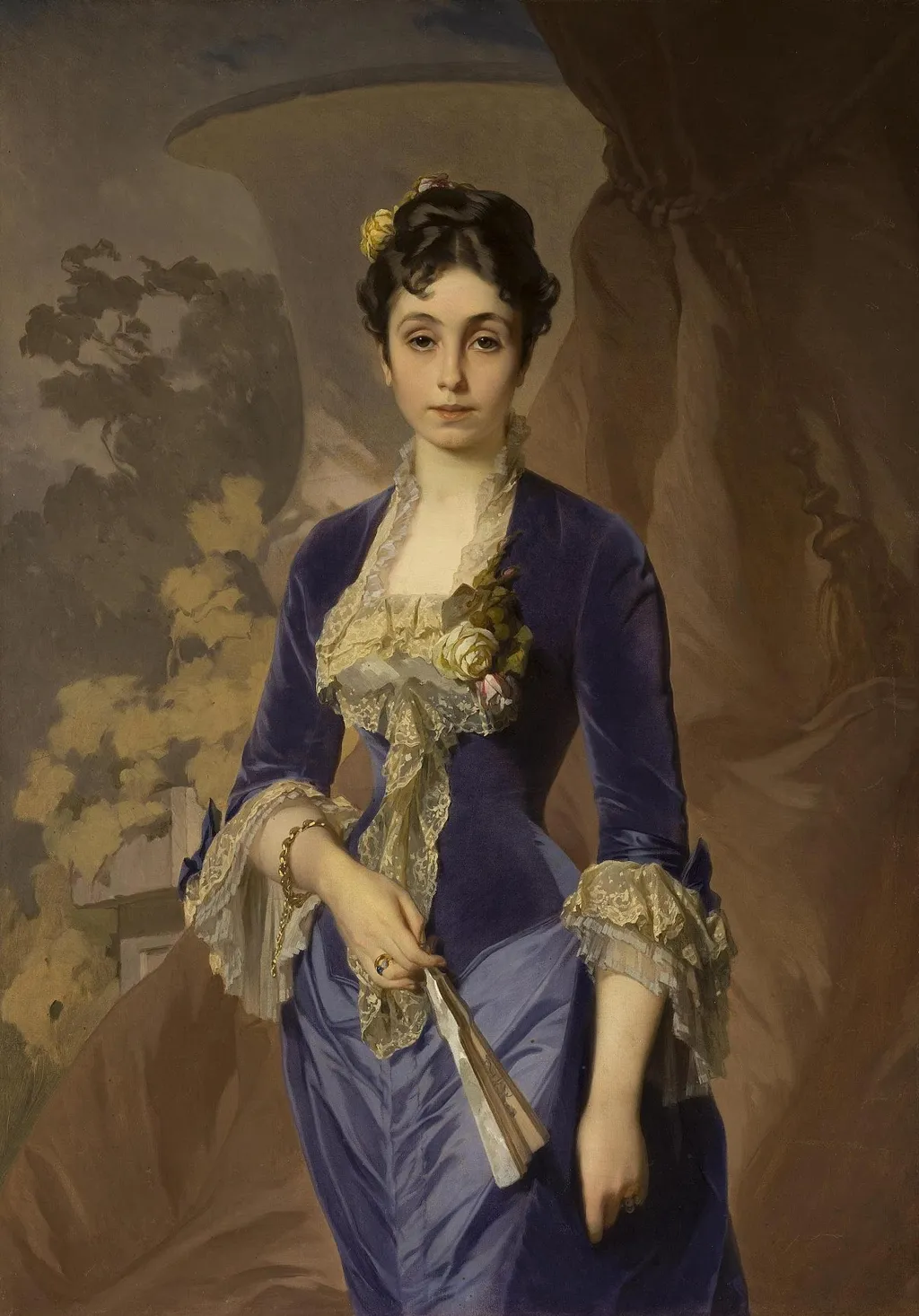
Portrait of Maria Rayevskaya is an oil painting by the Realist artist Ivan Makarov. It dates from 1890 and is held in the collection of the Hermitage Museum.
About this work
Overview
The work is part of the State Hermitage Museum’s collection and reflects late 19th-century Russian portraiture, emphasizing personal presence over grandeur.
Painted in 1890 by Ivan Makarov, this oil portrait captures Maria Rayevskaya, née Gagarina, in a formal yet intimate setting. The work is part of the State Hermitage Museum’s collection and reflects late 19th-century Russian portraiture, emphasizing personal presence over grandeur. The subject’s poised demeanor and refined attire suggest aristocratic status, while the quiet composition invites contemplation rather than spectacle.
Subject & Meaning
Maria Rayevskaya, born into the Gagarin family, is depicted with quiet dignity, her gaze direct but unassuming. The fan she holds is not merely an accessory but a symbol of social grace and feminine refinement in imperial Russia. The absence of overt narrative or allegory focuses attention on her individuality, suggesting a shift toward psychological realism in portraiture of the period.
Technique & Style
Makarov employed rich, layered brushwork to render the deep blue velvet of her dress, with delicate attention to lace trim and the subtle sheen of silk in the fan. The background, a muted brown wall with a faint outline of a tree and a vase, recedes softly, avoiding distraction. Light falls evenly, modeling the face and hands with restraint, emphasizing texture and quiet elegance over dramatic contrast.
History & Provenance
The painting entered the State Hermitage Museum’s collection shortly after its completion, likely through direct acquisition or donation. Its continuous presence in the museum’s holdings indicates early recognition of its artistic merit. No significant alterations or restorations are documented, preserving Makarov’s original handling of pigment and surface.
Context
Created during a time when Russian aristocracy increasingly embraced Western European aesthetics, the portrait aligns with trends in salon portraiture that valued subtlety and personal expression. Makarov, known for his sensitive depictions of women, contributed to a broader movement away from ceremonial formality toward more intimate, psychologically nuanced representations of his subjects.
Legacy
Though not widely exhibited outside Russia, the portrait remains a quiet example of Makarov’s contribution to late imperial portraiture. It reflects the transition from idealized aristocratic imagery to more individualized depictions, influencing later Russian realists who sought authenticity over ornamentation. Its enduring presence in the Hermitage underscores its role as a representative work of its time.
Own this work as a print
Artist & collection

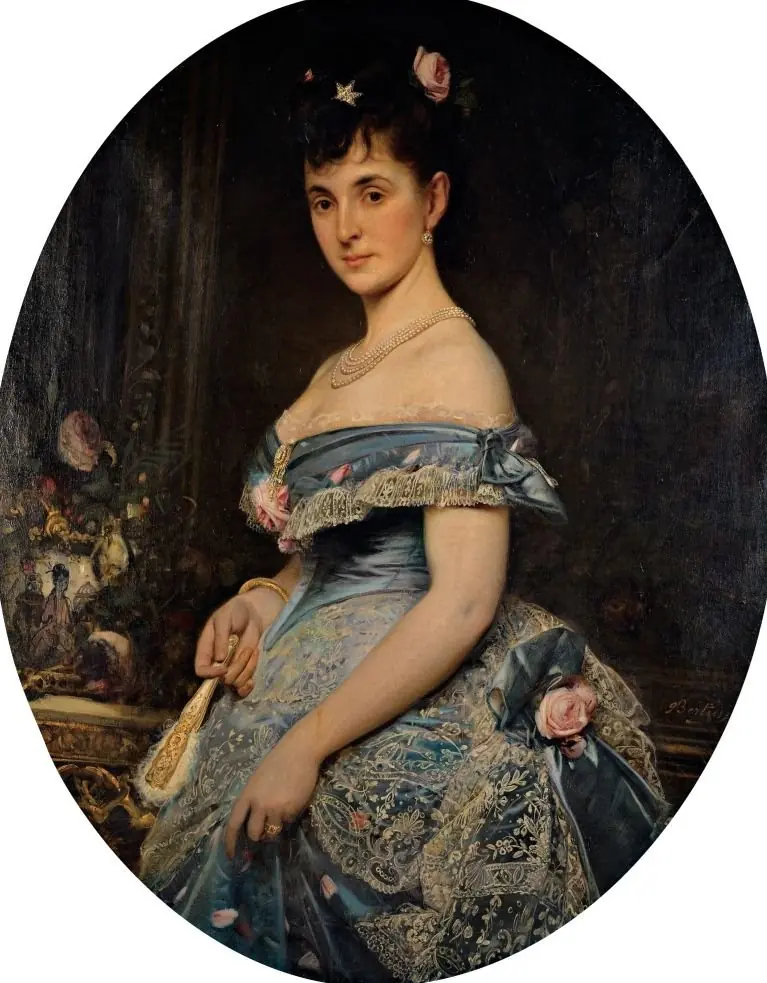 Portrait of Bice Sullam Pisa
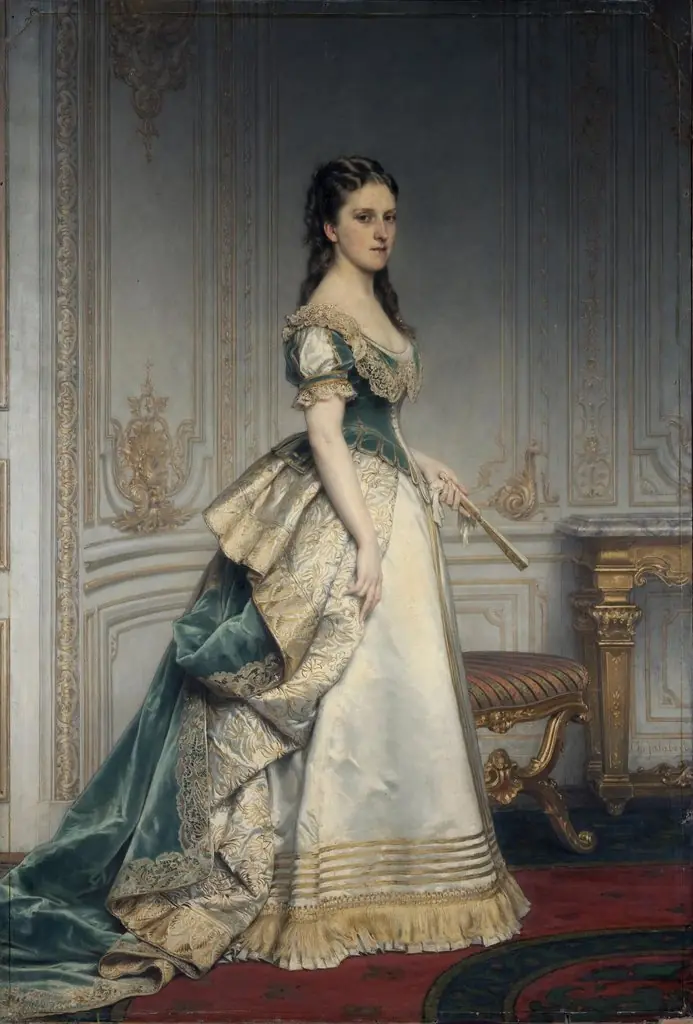 Portrait of Nadezhda Polovtseva
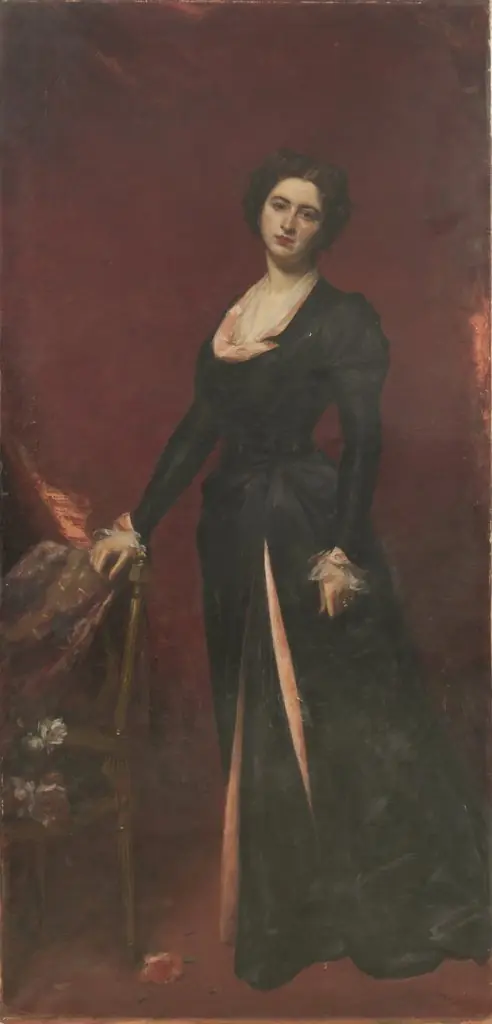 (Retrato de María del Carmen Reyna y Roballos de Fernández Blanco), Retrato de María Reyna de Fernández Blanco
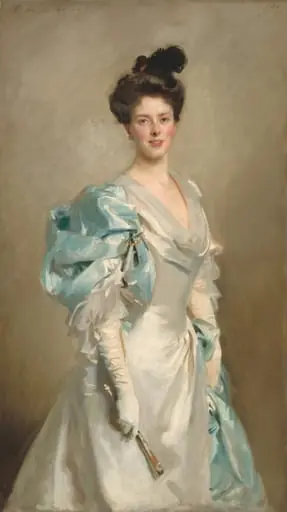 Mary Crowninshield Endicott Chamberlain (Mrs. Joseph Chamberlain)
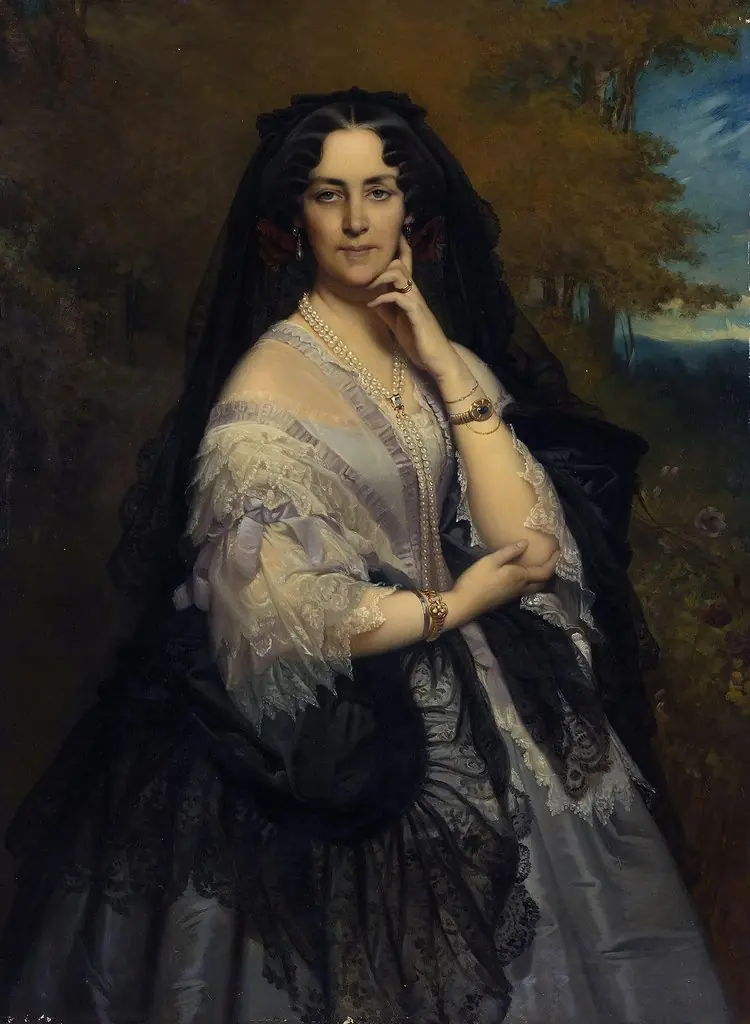 Portrait of Princess Zinaida I. Yusupova
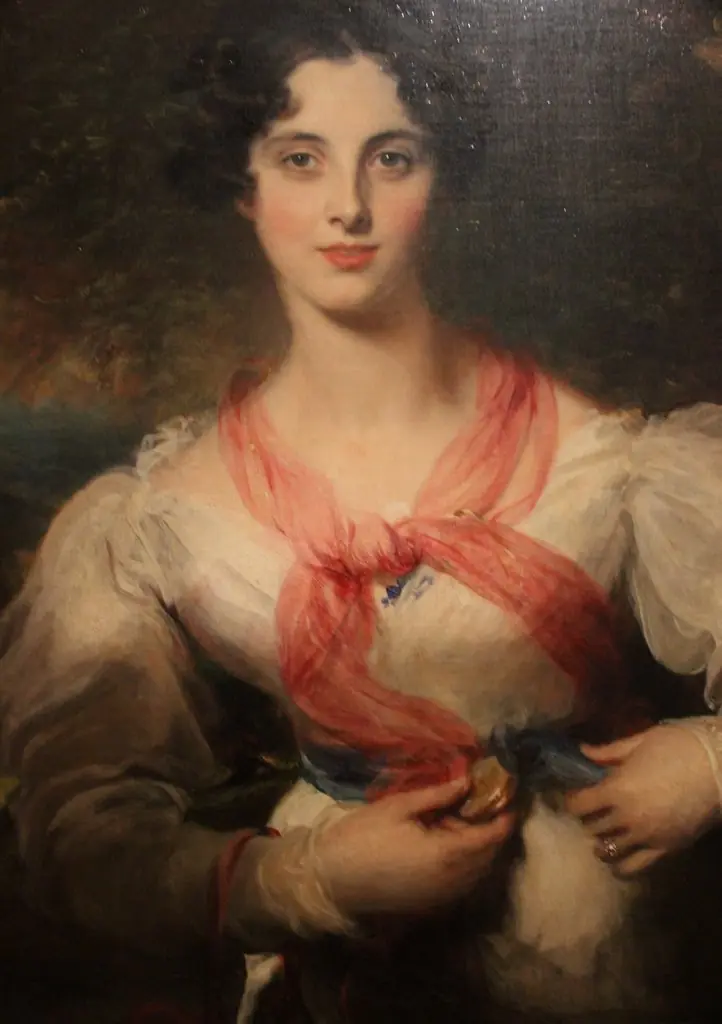 Portrait of Harriott West (Later Mrs. William Woodgate)
 Mrs Frank Millet (Elizabeth Merrill)
 Portrait of Princess Anna Nikolayevna
 Portret van Beatrix van Herreweghe
 Tadea Arias de Enríquez