Artwork
Tadea Arias de Enríquez
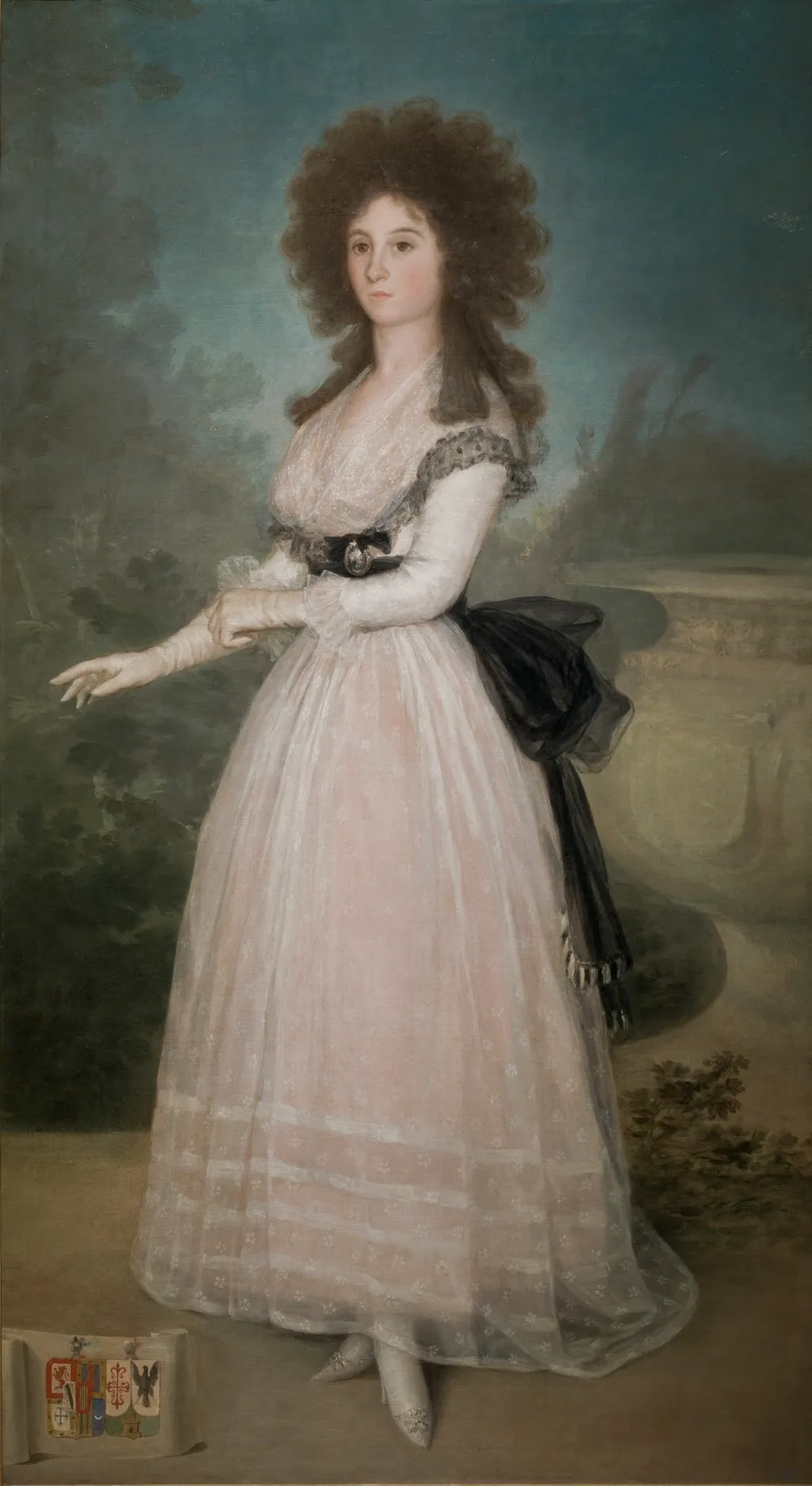
Tadea Arias de Enríquez is an oil painting by the Rococo painting artist Francisco Goya. It dates from 1795 and is held in the collection of the Museo del Prado.
About this work
Overview
Francisco Goya executed this oil painting in 1795. The work belongs to the late Rococo period in Spain and incorporates a modest heraldic device within the composition. It presents a solitary female figure in a tranquil setting, rendered with the lightness and elegance typical of the style.
Subject & Meaning
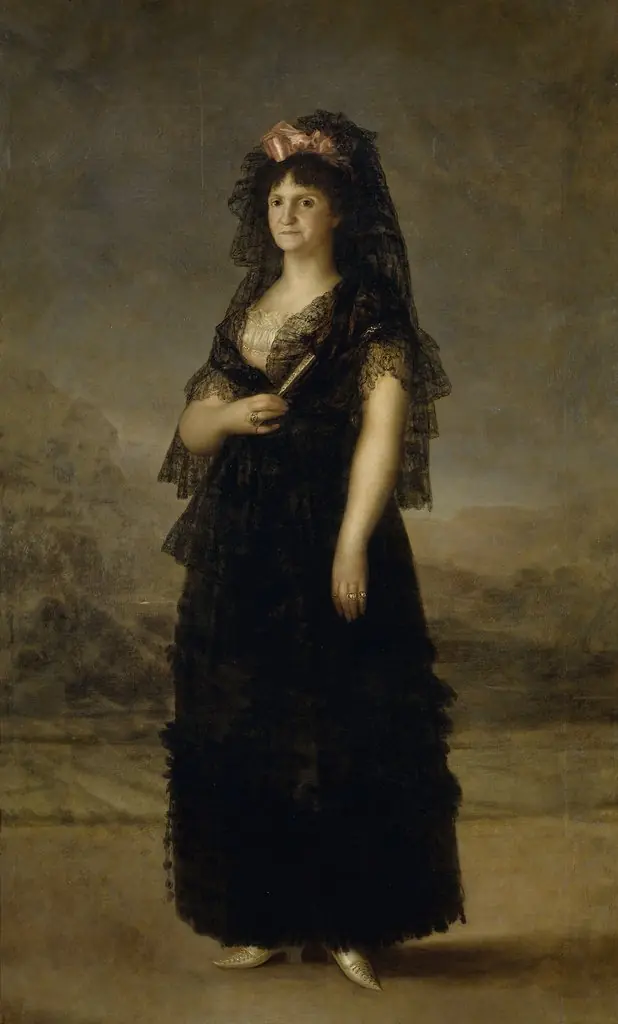
The central figure is a woman turned in profile, attired in a pale, flowing gown with a sheer skirt and delicate lace trim. Her hair is styled in a high updo, and a dark cape is draped over one arm. A small box bearing a coat of arms rests in the corner, suggesting a connection to family identity or patronage.
Technique & Style
Goya employs a soft, blended palette characteristic of Rococo portraiture, allowing the fabric and skin tones to merge gently with the hazy background. The brushwork is refined, especially in the rendering of lace and the subtle modeling of the woman's form, while the blurred landscape behind her provides a serene, atmospheric backdrop.
History & Provenance
Created during Goya’s early career, the painting reflects his engagement with aristocratic commissions before his later, more politically charged works. Although specific ownership records are limited, the inclusion of a heraldic emblem indicates that the portrait was likely intended for a member of the Arias de Enríquez family or a related patron.
Artist & collection
Artist
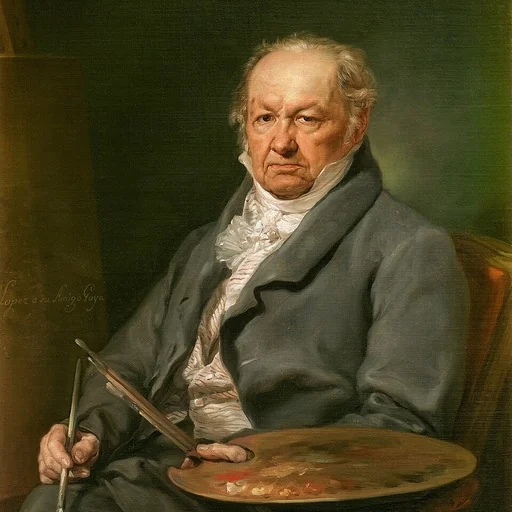
Francisco José de Goya y Lucientes (; Spanish: ; 30 March 1746 – 16 April 1828) was a Spanish romantic painter and printmaker.

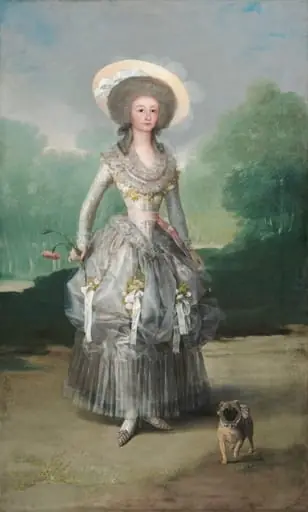 The Marquesa de Pontejos
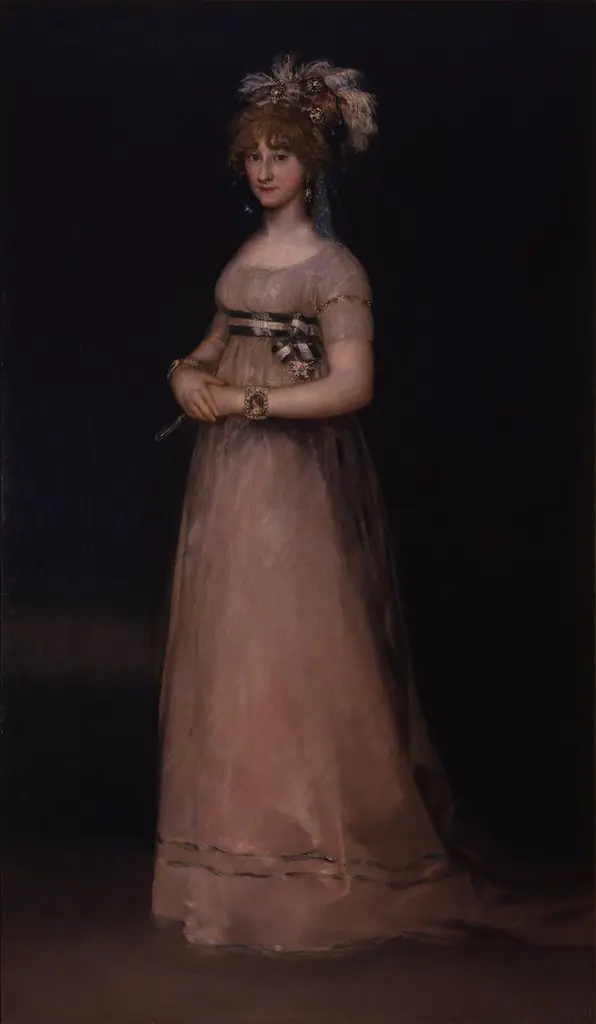 Portrait of María Luisa de Borbón y Vallabriga
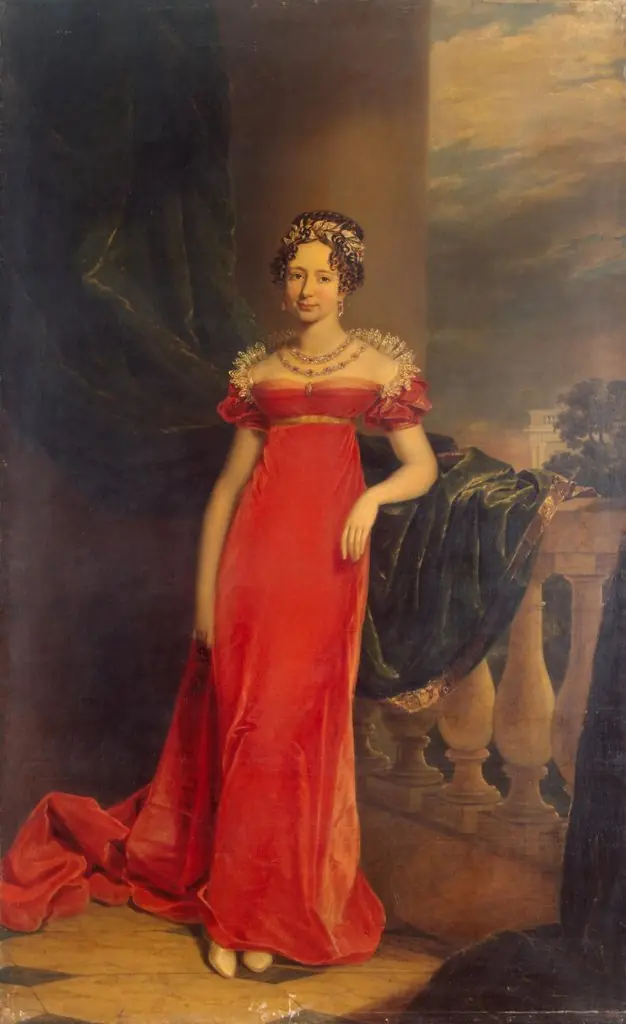 Portrait of Grand Duchess Maria Pavlovna
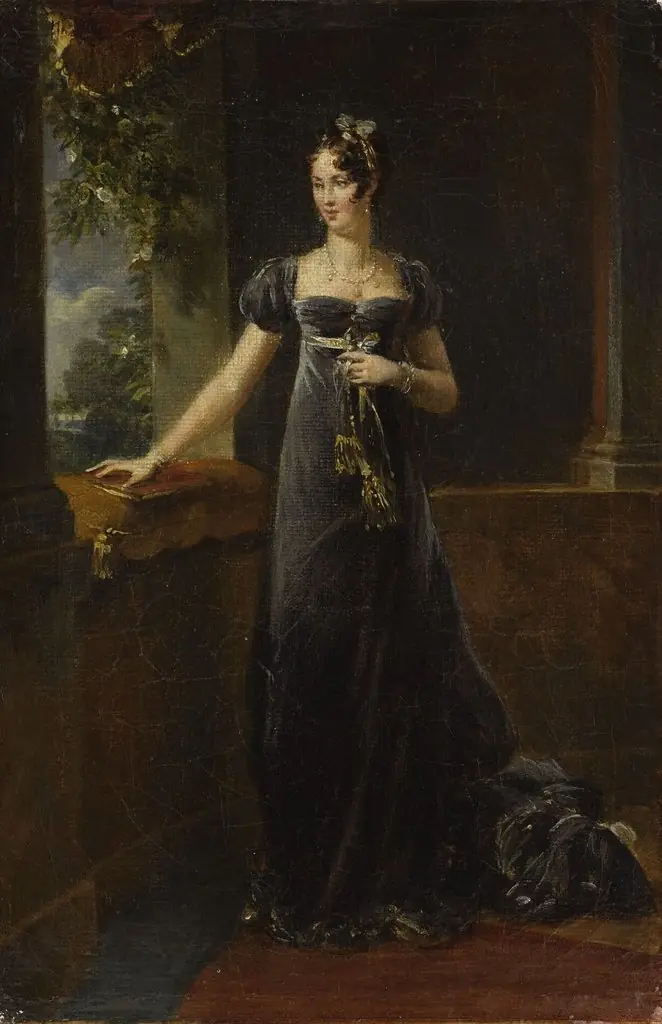 Auguste Amalia von Bayern, Vizekönigin von Italien
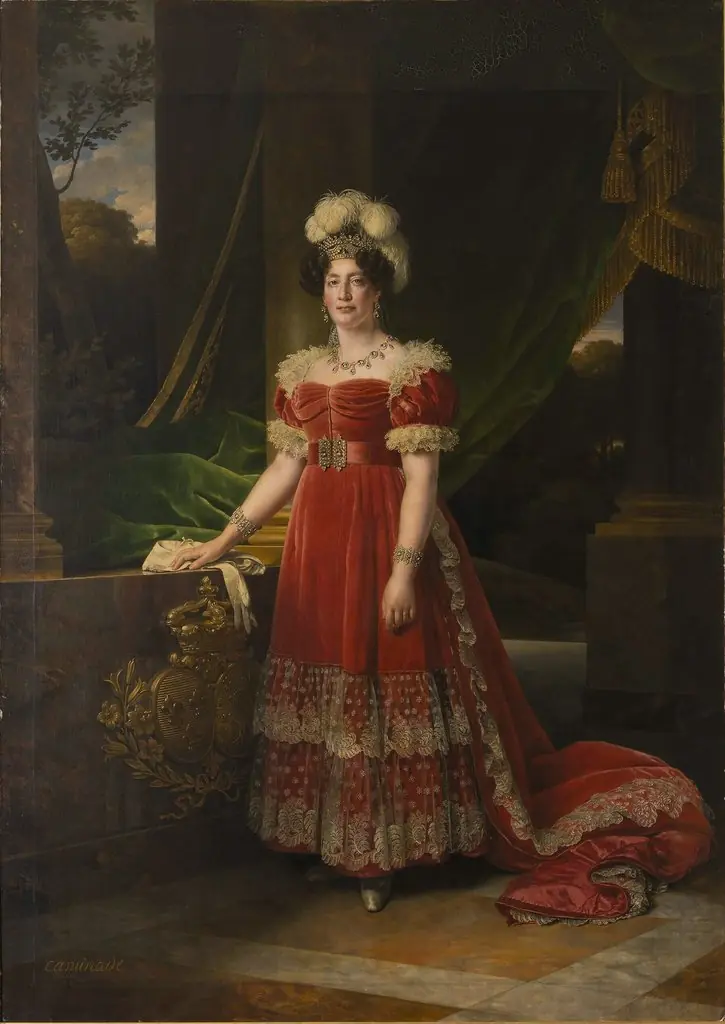 Portrait of Marie Thérèse of France, Duchess of Angoulême (1778-1851)
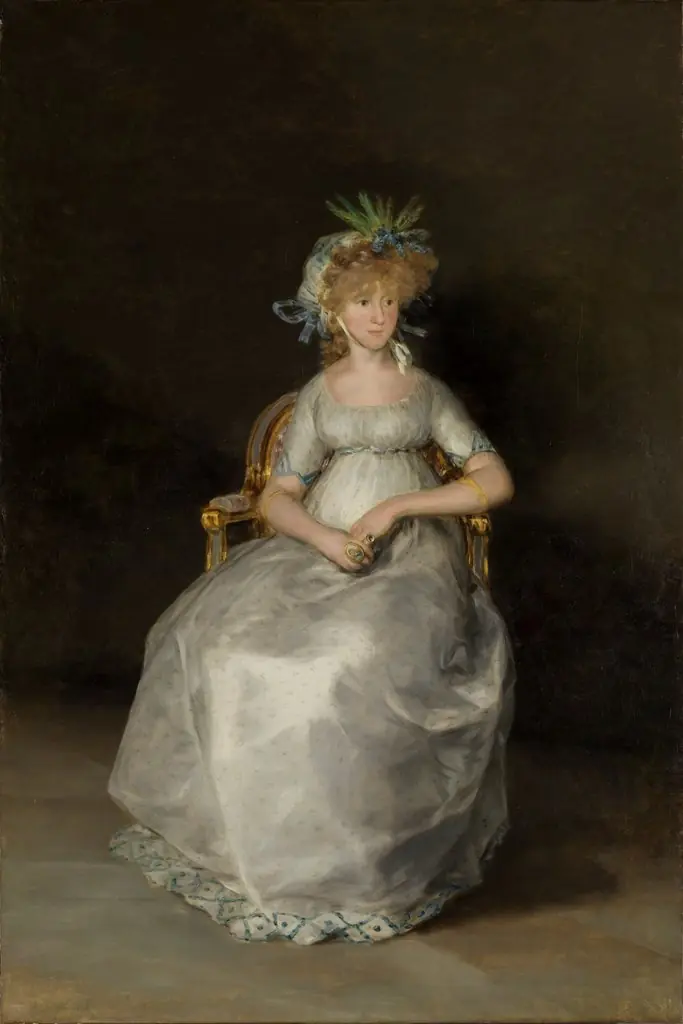 Countess of Chinchon
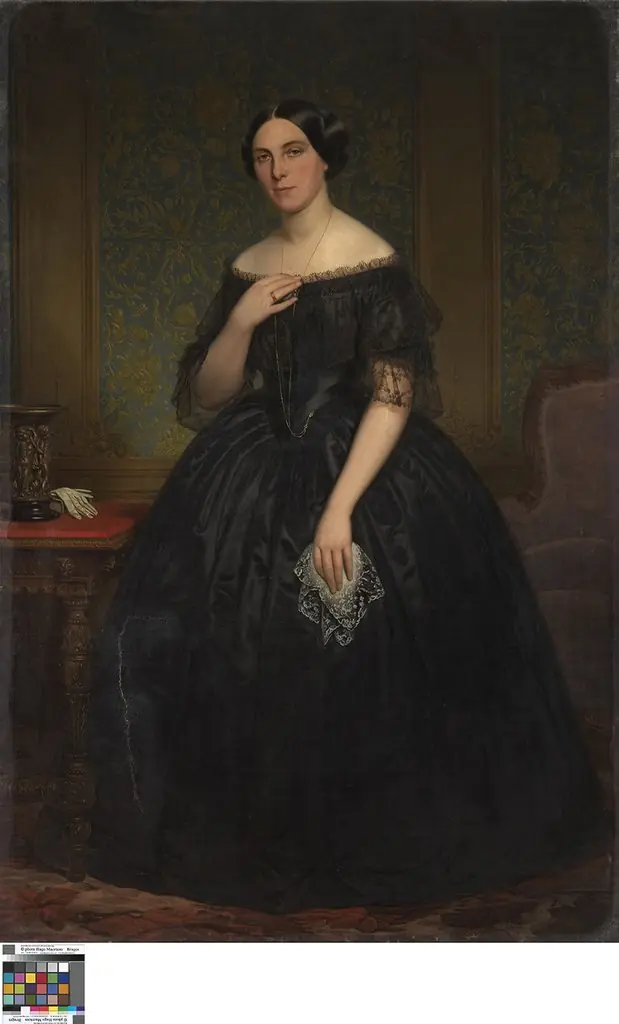 Portret van Beatrix van Herreweghe
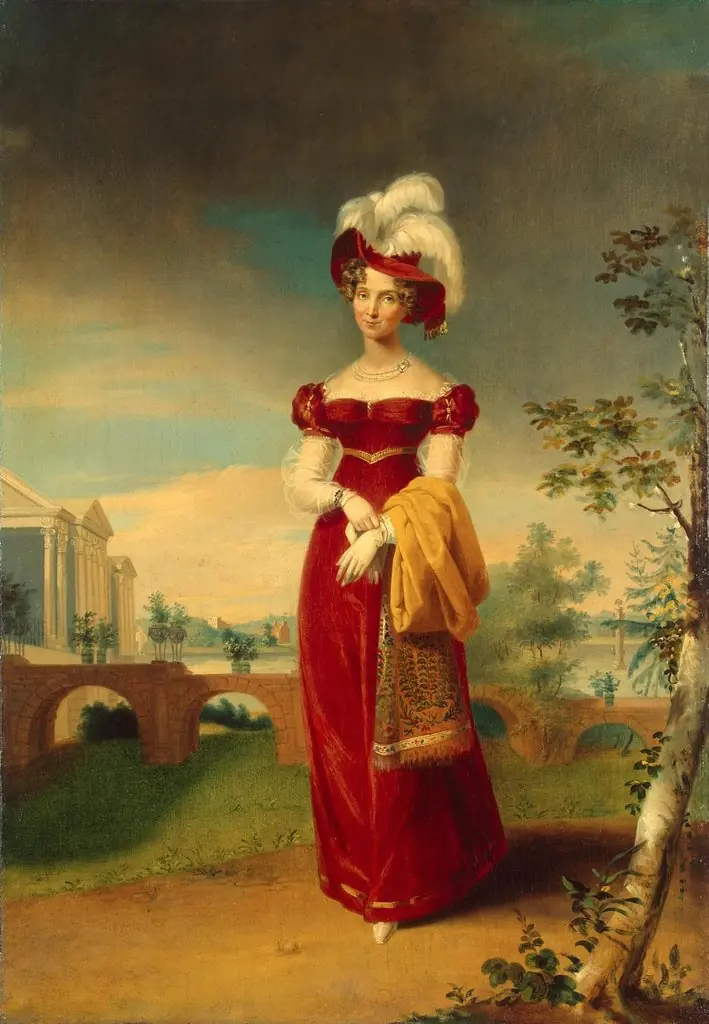 "Portrait of Empress Elizabeth Alexeyevna in a Park in Tsarskoye Selo" (copy)
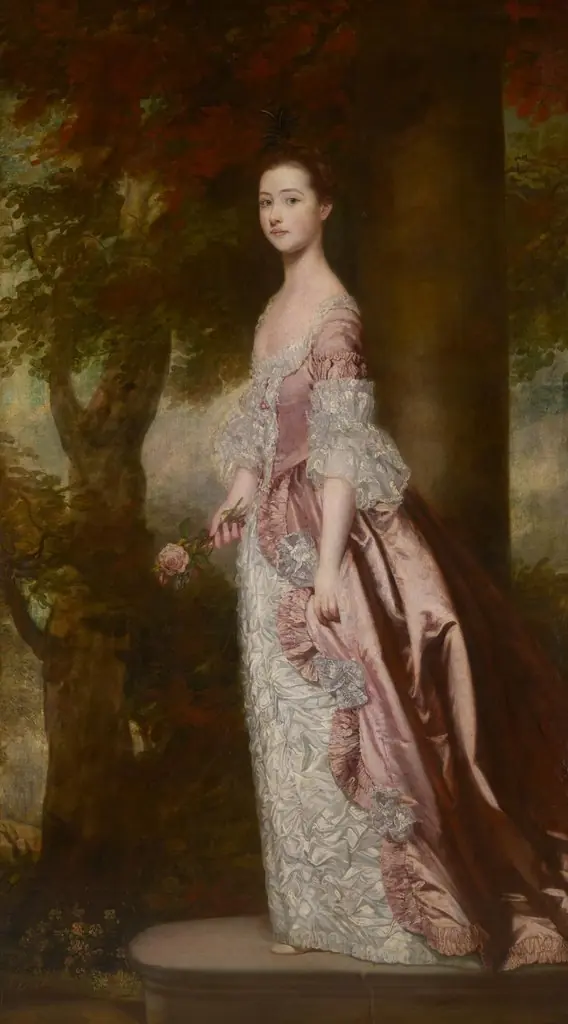 Miss Susanna Gale
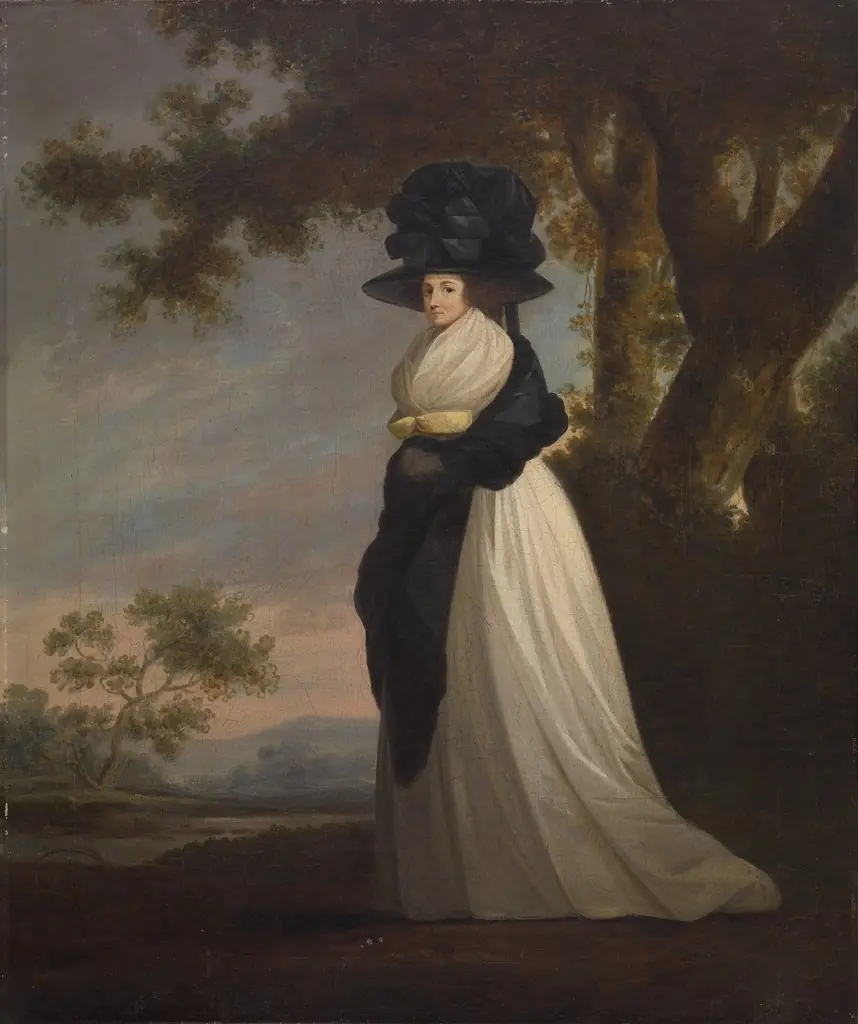 Portrait of a Lady Wearing an Elaborate Hatl
 Queen María Luisa in a Mantilla
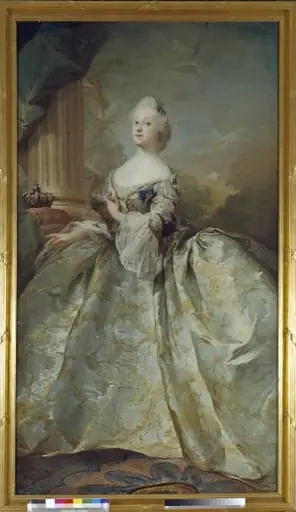 Portræt af Louise, Frederik V's første dronning