Artwork
H Beard Print Collection
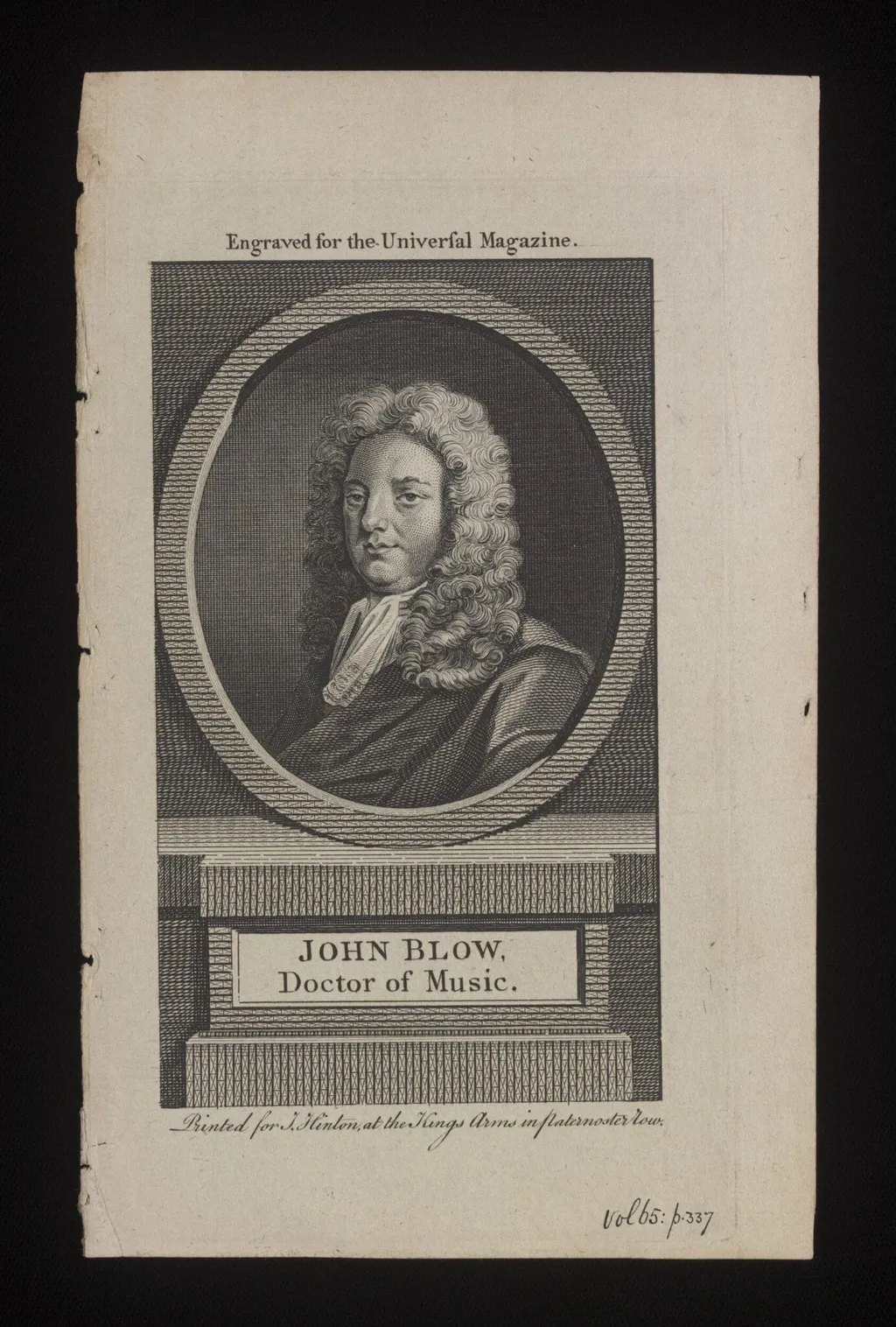
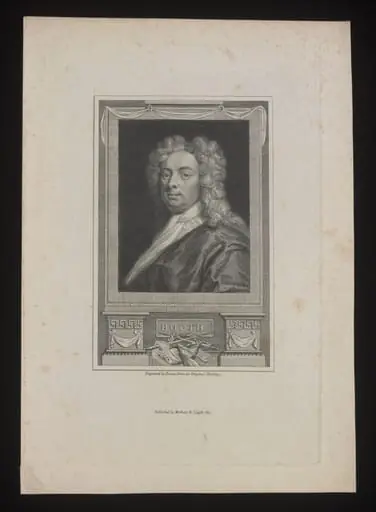
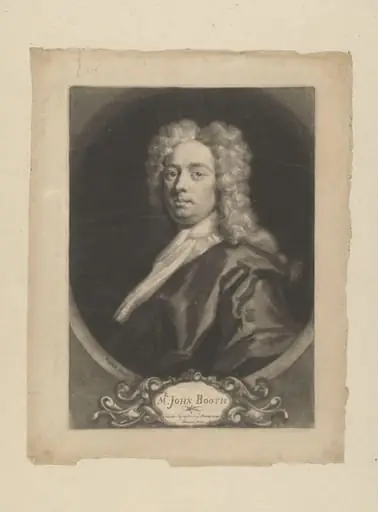
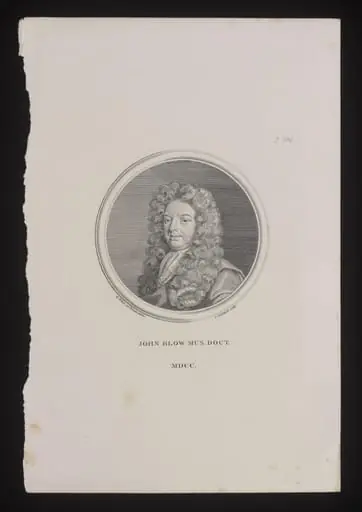
H Beard Print Collection is a print by the Baroque artist J. Hinton. It dates from 1690 and is held in the collection of the Victoria and Albert Museum. This engraved portrait depicts John Blow, an English composer and organist active in the late 17th century.
About this work
This is an etched portrait made around 1690.
It shows John Blow, an English composer and organist.
The print belongs to the Beard collection at the Victoria and Albert Museum.
The image comes from the late 1600s, when prints were a common way to share faces.
Blow worked in London and wrote church music still heard today.
Try looking up J. Hinton next.
Overview
The image reflects the period’s practice of using printmaking to circulate likenesses of notable figures, particularly in cultural and religious spheres.
This engraved portrait depicts John Blow, an English composer and organist active in the late 17th century. Created around 1690, it is part of the Harry Beard Print Collection held at the Victoria and Albert Museum. The image reflects the period’s practice of using printmaking to circulate likenesses of notable figures, particularly in cultural and religious spheres. Its modest scale and detail suggest it was intended for private or scholarly circulation rather than public display.
Subject & Meaning
John Blow was a central figure in English sacred music, serving as organist at Westminster Abbey and composing for the royal court. The portrait captures him in formal attire, likely reflecting his professional status. Though not overtly symbolic, the image functions as a record of his identity within London’s musical establishment. It aligns with contemporary efforts to preserve the visages of artists whose work shaped national liturgical traditions.
Technique & Style
The portrait is an etching, a technique common in the late 1600s for reproducing likenesses with fine linear detail. The artist employed controlled hatching and delicate shading to model facial features and texture of clothing, typical of English printmaking of the era. The composition is straightforward, focusing on the head and shoulders, with no background elements to distract from the subject’s presence.
History & Provenance
The print entered the collection of Harry Beard, a 19th-century British collector of theatrical and musical memorabilia. His holdings were later acquired by the Victoria and Albert Museum, where they remain accessible for study. The print’s origin as a standalone sheet suggests it may have been issued by a publisher or artist to accompany biographical texts, though its original publisher remains unidentified.
Context
In the decades following the Restoration, England saw renewed interest in its musical heritage. Printmakers produced portraits of composers like Blow to accompany publications and honor their contributions to church and court music. This image emerged during a time when print culture helped define cultural memory, linking visual representation with the growing prestige of native composers.
Legacy
John Blow’s compositions, particularly his anthems and the opera 'Venus and Adonis,' continued to influence later composers including Purcell. This portrait, though not widely reproduced today, serves as a tangible link to his presence in late Stuart England. As part of the Beard Collection, it contributes to the historical documentation of British musical life in the 17th century.
Artist & collection
Artist
J. Hinton made prints in the Beard Collection, a group of 17th- and 18th-century engravings. Their two prints here, from around 1690 and 1800, show city scenes, ships, and everyday life in crisp black-and-white lines.…

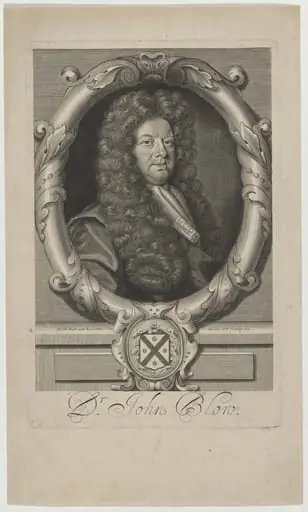 Dr. John Blow, Musical Composer and Organist
 John Lowin
 Dr. John Browne, Surgeon
 H Beard Print Collection
 H Beard Print Collection
 John Baptist Lully
 H Beard Print Collection
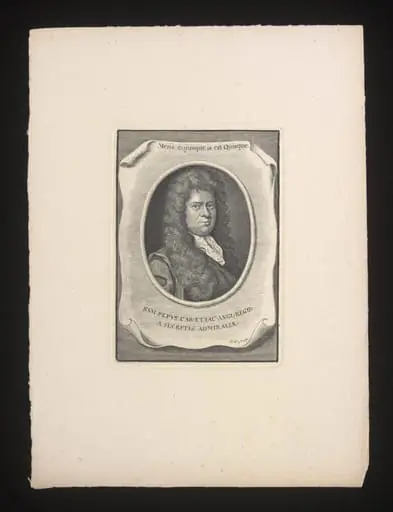 Sam Pepys Car et Iac Angl Regib
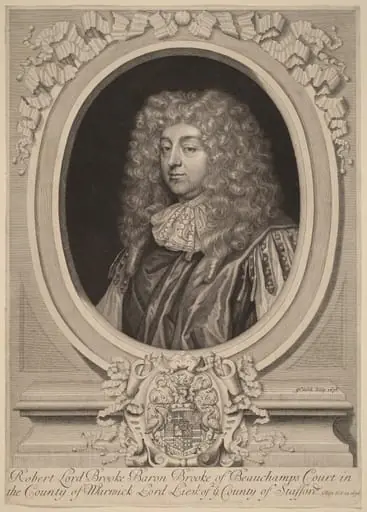 Robert Greville, Lord Brooke
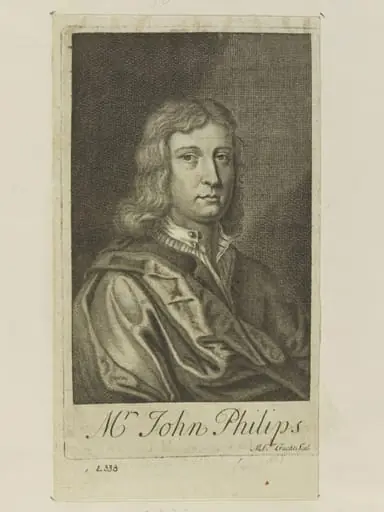 Mr. John Philips
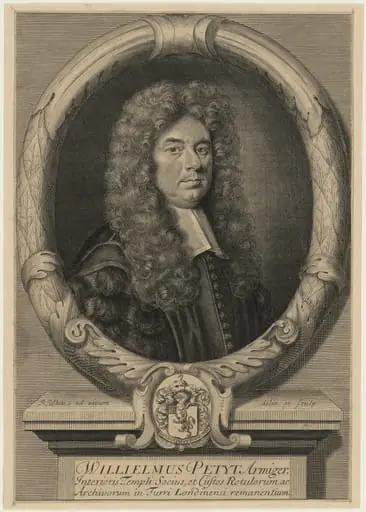 William Petyt, Keeper of the Records in the Tower
 H Beard Print Collection