Artwork
Mr. John Philips
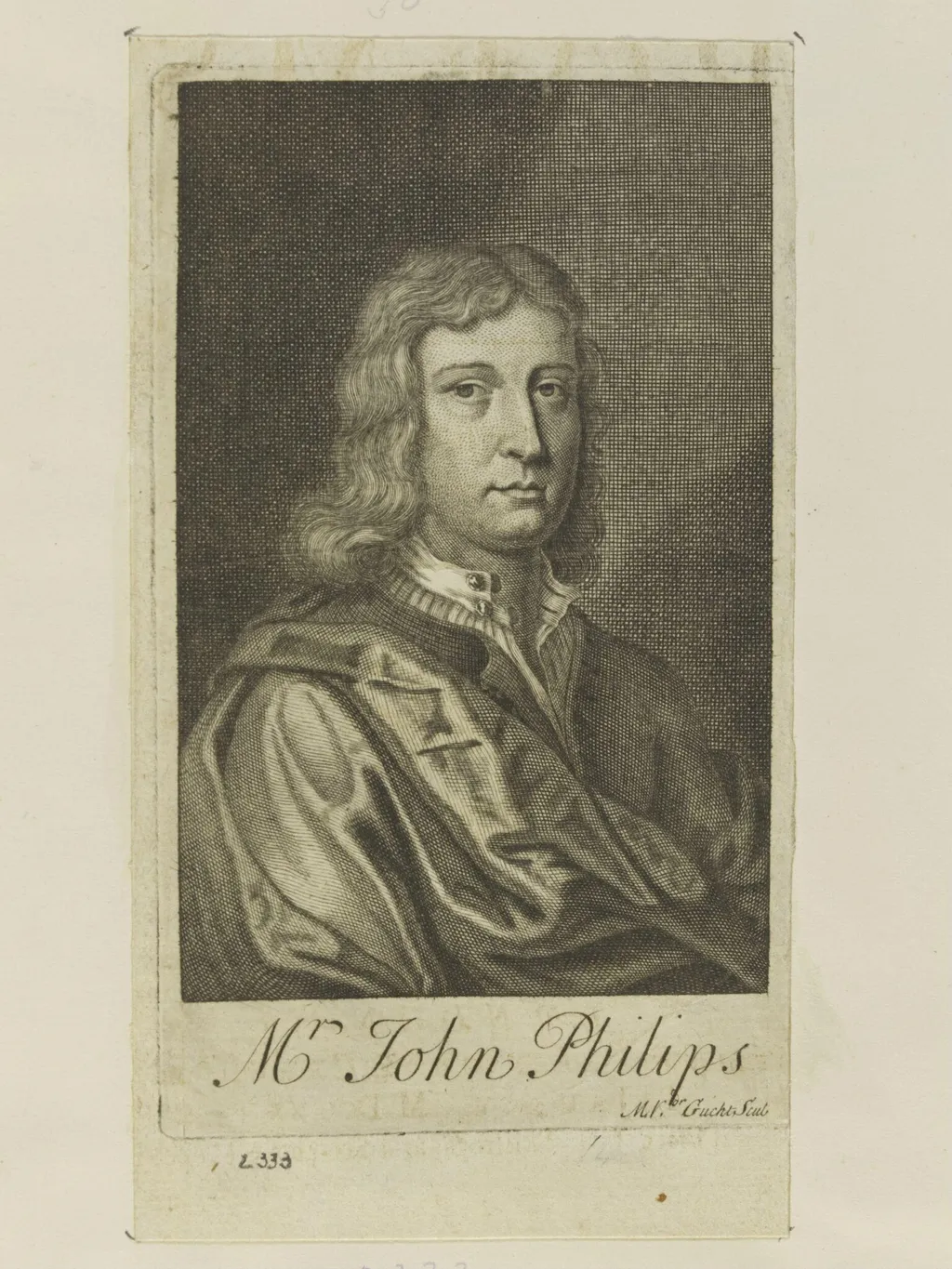
Mr. John Philips is a print by the Baroque artist Michael Vandergucht. It dates from 1720 and is held in the collection of the Victoria and Albert Museum. This black-and-white print portrays Mr.
About this work
Overview
Executed in the 18th-century tradition of engraved portraiture, the image relies on fine linear detail rather than color to define form.
This black-and-white print portrays Mr. John Philips in a three-quarter pose, facing slightly to the right with a composed, serious expression. Executed in the 18th-century tradition of engraved portraiture, the image relies on fine linear detail rather than color to define form. The plain, dark background isolates the figure, emphasizing his features and attire. The inscription of his name beneath the image confirms its function as a formal identification.
Subject & Meaning
John Philips is depicted with the dignity associated with educated or professional men of his era. His long, wavy hair and high-collared ruffled shirt reflect late 17th- to early 18th-century male fashion among the literate classes. The absence of symbolic objects or elaborate settings suggests a focus on personal presence rather than status markers, possibly indicating a private or familial commission rather than public display.
Technique & Style
The portrait is an engraved print, likely produced using copperplate etching or line engraving, techniques common in the 1700s for reproducing likenesses. Fine, controlled lines model the face and fabric textures, while the high contrast between light and dark areas enhances facial definition. The slight fading and aged appearance reflect the material limitations of early print media and decades of exposure.
History & Provenance
Though specific origins are unrecorded, such prints were often made for personal or domestic use, distributed among family or professional networks. The plain inscription and modest scale suggest it was not part of a public series. Its survival indicates preservation within a private collection, possibly passed down through generations before entering institutional or public hands.
Context
In the 18th century, engraved portraits served as affordable alternatives to painted likenesses, especially for those without the means to commission oil paintings. They were widely circulated among the middle and upper classes, functioning as both mementos and markers of social identity. This print aligns with a broader culture of print-based self-representation in pre-photographic Britain.
Legacy
This print exemplifies the role of reproductive engraving in shaping visual culture before photography. It preserves the appearance of an individual otherwise lost to history, offering insight into the aesthetics and values of personal portraiture in early modern Britain. Such works remain valuable for understanding how identity was visually constructed in an age of mechanical reproduction.
Artist & collection

Artist
Michael Vandergucht (née Michiel van der Gucht; c. 1660 – 16 October 1725) was a Flemish engraver and painter who worked for most of his career in England. He engraved portraits, book illustrations, and architectural…

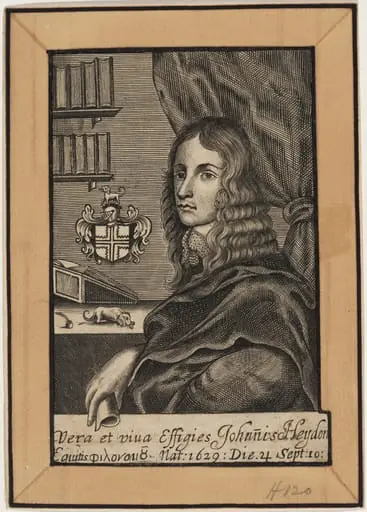 Johannis Heydon (John Heydon)
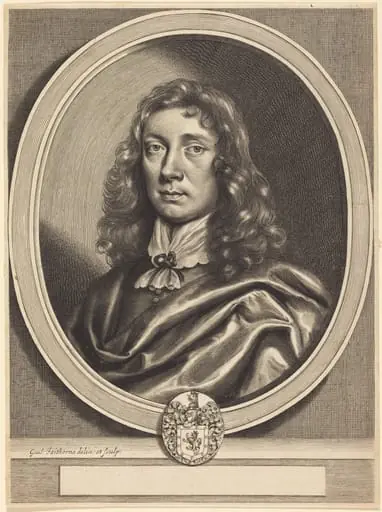 Sir Robert Henley, Bart.
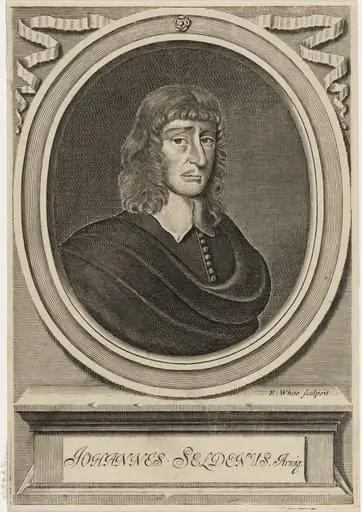 John Selden
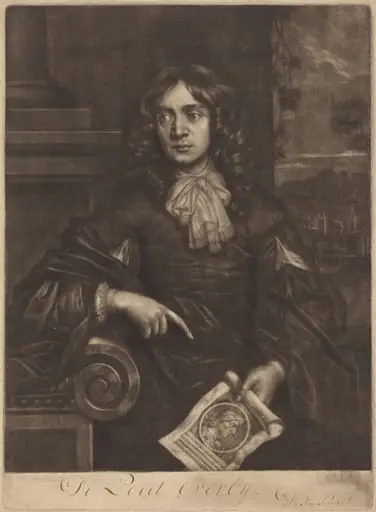 Thomas Flatman
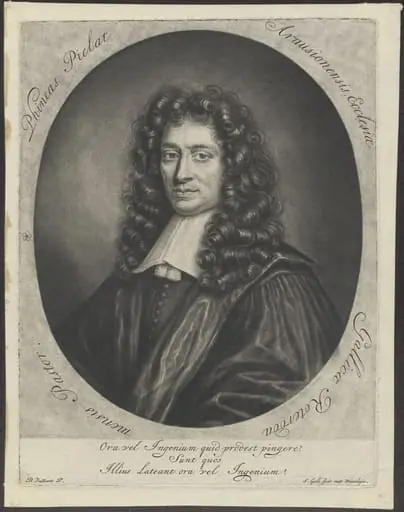 Portrait of Phinéas Piélat, Walloon minister in Rotterdam
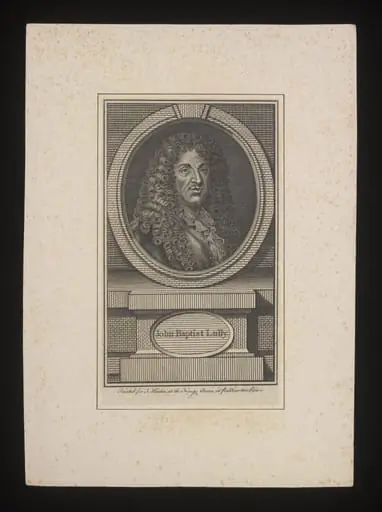 John Baptist Lully
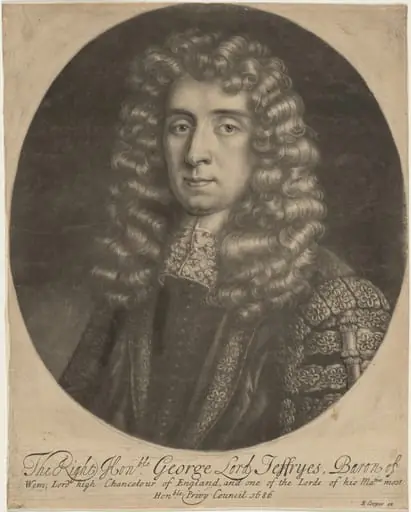 George, Lord Jeffreys
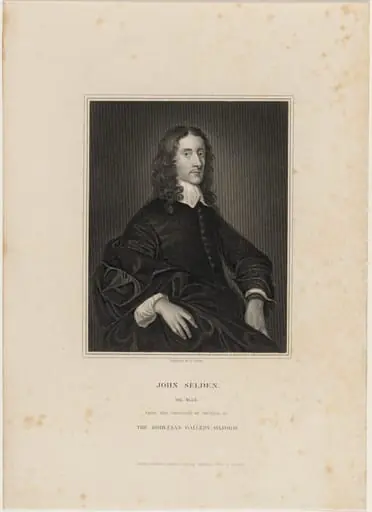 John Selden, Jurist and Antiquary
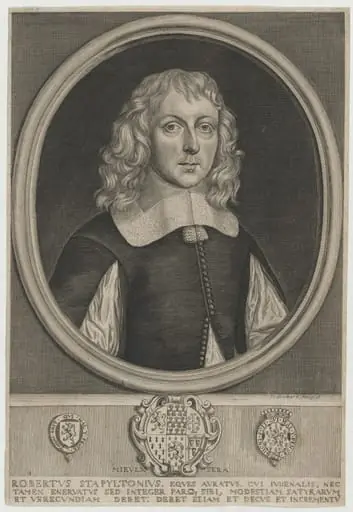 Sir Robert Stapylton, Dramatic Poet and Translator
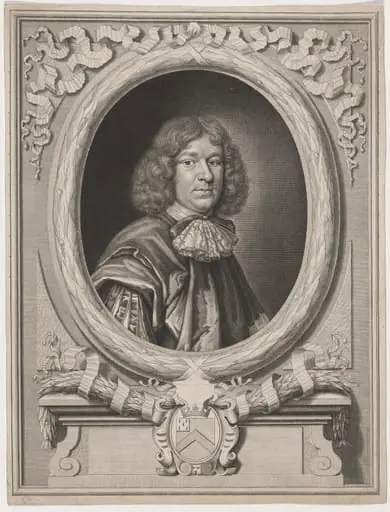 Robert Stafford of Bradfield, Berks
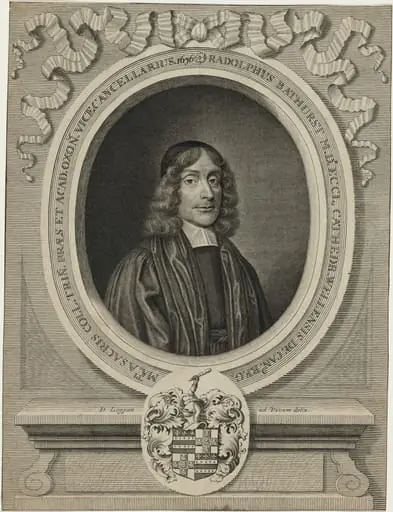 Ralph Bathurst, Dean of Wells and President of Trinity College, Oxford
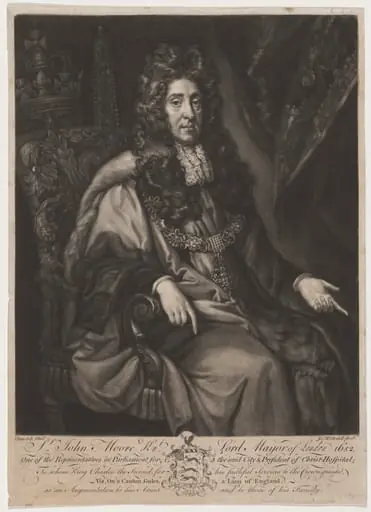 Sir John Moore