Artwork
Bell Rock Lighthouse
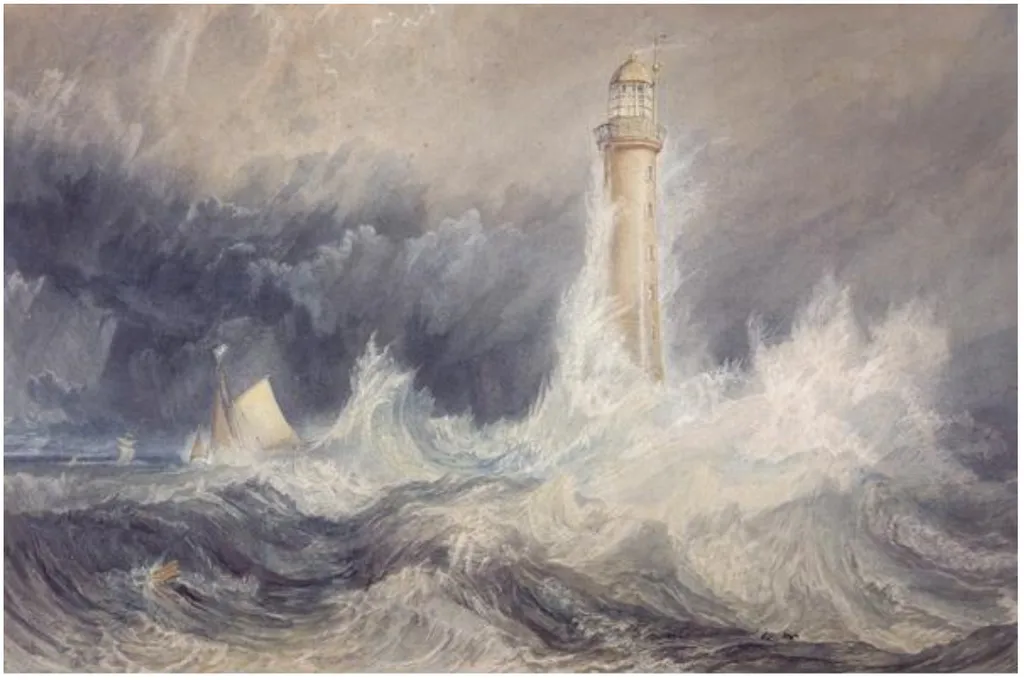
Bell Rock Lighthouse is an unspecified painting by Joseph Mallord William Turner. It dates from 1819 and is held in the collection of the Scottish National Gallery. J.
About this work
Overview
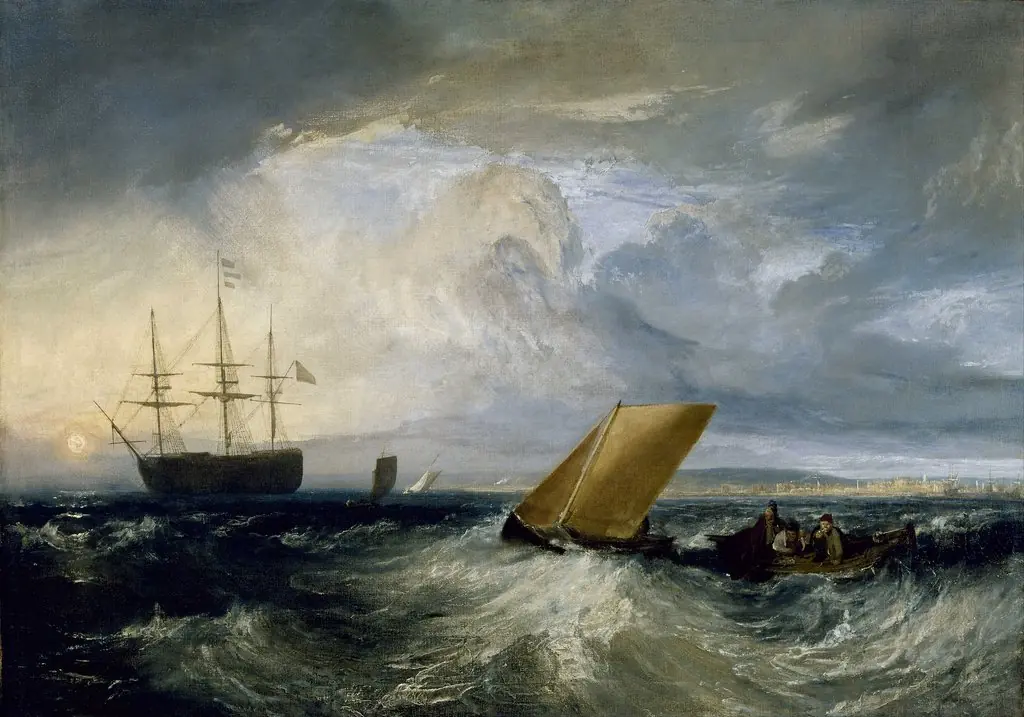
Turner’s 1819 watercolor depicts the Bell Rock Lighthouse, a newly constructed navigational aid off the eastern coast of Scotland.
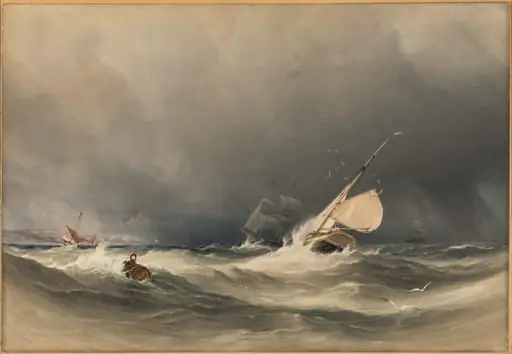
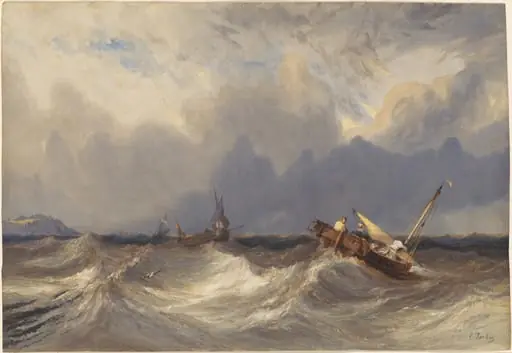
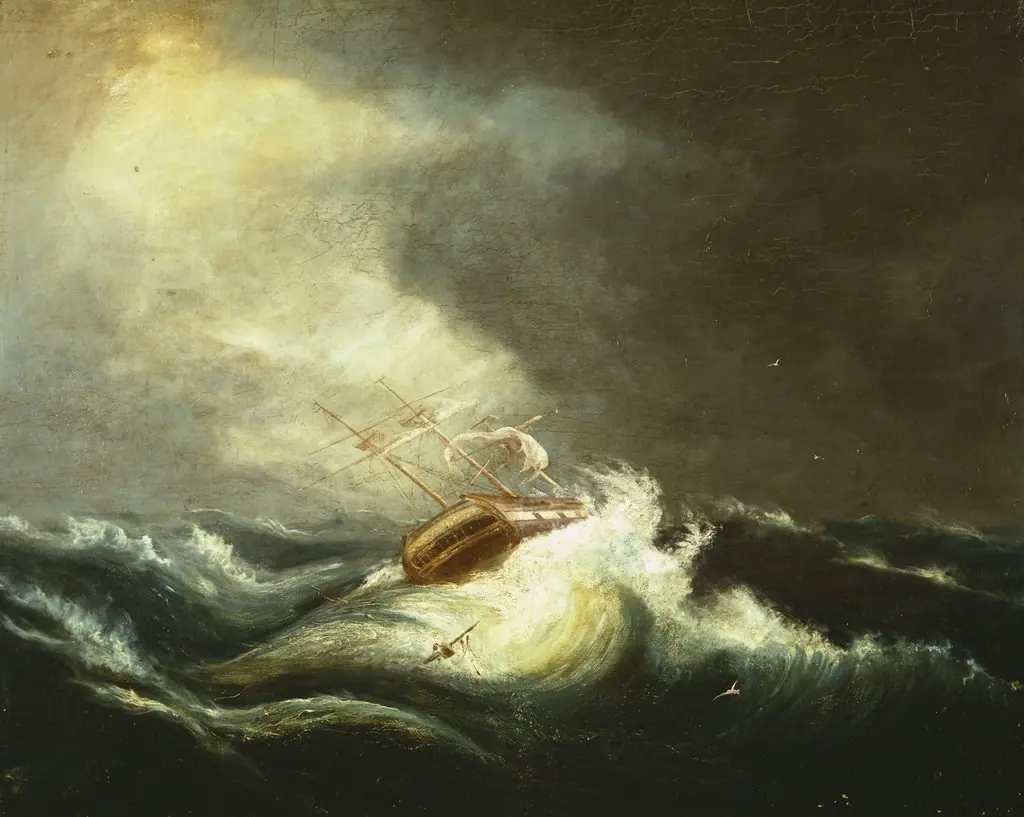
J.M.W. Turner’s 1819 watercolor depicts the Bell Rock Lighthouse, a newly constructed navigational aid off the eastern coast of Scotland. Rendered with fluid washes and atmospheric precision, the painting captures the structure isolated in a violent seascape. Turner’s choice of medium and composition reflects his interest in engineering feats set against nature’s power, blending documentary observation with emotional resonance.
Subject & Meaning
The Bell Rock Lighthouse, built on a treacherous reef, symbolized human ingenuity confronting natural peril. Turner presents it not merely as a structure but as a beacon of resilience, its light piercing storm-laden skies. The surrounding chaos of waves and clouds underscores the vulnerability of human endeavor, while the tower’s steadfast form suggests endurance against overwhelming forces.
Technique & Style
Turner employed watercolor with layered washes to evoke the movement of sea and sky. White pigment suggests crashing foam, while gray tones blend into turbulent clouds, creating a sense of motion without defined outlines. The lighthouse, rendered in cooler, lighter hues, stands in stark contrast to the surrounding darkness, emphasizing its role as a focal point amid elemental chaos.
History & Provenance
Commissioned to document the lighthouse’s completion after its 1810 construction, the painting entered the collection of the Scottish National Gallery in the 19th century. Turner visited the site in 1819, sketching from a boat during rough conditions. The work was among several he produced to record Scotland’s coastal infrastructure, reflecting his engagement with contemporary engineering projects.
Context
In the early 19th century, Britain invested heavily in maritime safety as trade expanded. Turner’s interest in lighthouses aligned with national priorities and Romantic-era fascination with nature’s sublime power. His depiction of the Bell Rock diverged from pure topography, instead framing the structure as a poetic counterpoint to the sea’s fury, resonating with contemporary philosophical and scientific currents.
Legacy
Turner’s treatment of light, atmosphere, and movement in this work anticipated later developments in Impressionism and abstraction. By dissolving form into light and weather, he shifted focus from literal representation to sensory experience. The painting remains a key example of how Romantic artists redefined landscape as an expression of emotional and existential tension.
Artist & collection
Artist
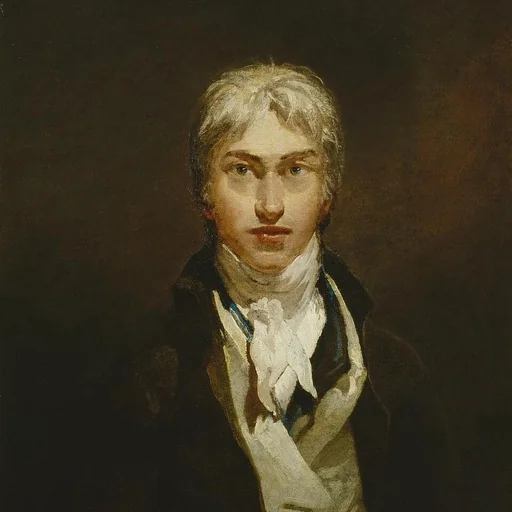
Joseph Mallord William Turner was born in 1775 at Maiden Lane, Covent Garden, where his father kept a barber and wig-making shop.