Artwork
The Dogano, San Giorgio, Citella, from the Steps of the Europa
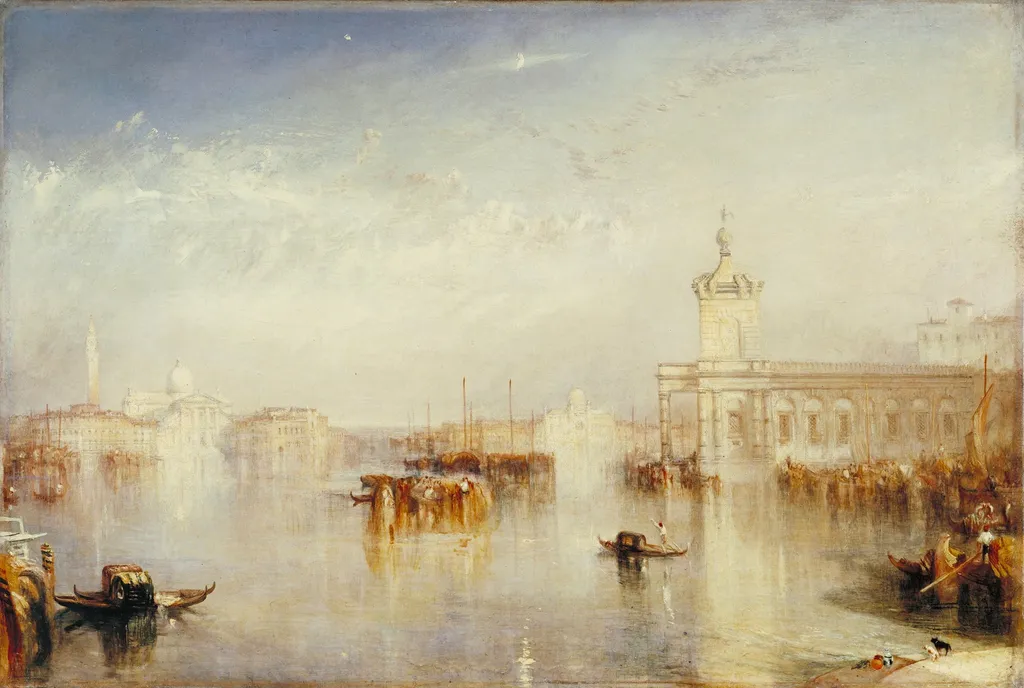
The Dogano, San Giorgio, Citella, from the Steps of the Europa is an oil painting by Joseph Mallord William Turner. It dates from 1842 and is held in the collection of the National Gallery. Painted in 1842, this oil on canvas work by J.
About this work
This painting is an oil on canvas landscape by J.M.W. Turner. It's from 1842.
The painting is described as a landscape, which suggests it features natural scenery. The title also mentions specific locations, like San Giorgio and the Steps of the Europa, which gives us a sense of the scene.
To learn more about the style and methods used in this painting, look up the technique of glazing.
Overview
Painted in 1842, this oil on canvas work by J.M.W. Turner captures a view of Venice from the Steps of the Europa. It presents a sweeping panorama of the city’s waterways, with the Dogana da Mar, San Giorgio Maggiore, and the distant Citella rising from the lagoon. The composition emphasizes atmospheric depth and the interplay of light on water, characteristic of Turner’s late period.
Subject & Meaning
Rather than a topographical record, it conveys the sensory experience of the city—its shimmering reflections, shifting skies, and the quiet movement of boats.
The painting depicts a specific vantage point in Venice, framing key architectural landmarks as elements within a broader environmental scene. Rather than a topographical record, it conveys the sensory experience of the city—its shimmering reflections, shifting skies, and the quiet movement of boats. The focus is less on individual structures than on the ephemeral qualities of light and air enveloping them.
Technique & Style
Turner employed thin layers of glaze to build luminous color and atmospheric haze, allowing underlying tones to subtly influence the surface. Brushwork ranges from precise outlines of buildings to loose, fluid strokes that dissolve edges between sky, water, and architecture. This method enhances the sense of motion and transience, aligning with his evolving interest in abstraction and sensory impression.
History & Provenance
Created during Turner’s final decade, the painting was likely made after his travels to Venice in the 1830s and early 1840s. It remained in his studio until his death in 1851, after which it passed to the nation under his bequest. It is now held in the collection of the Tate Britain, part of the extensive group of works he left to the British public.
Context
Turner painted this during a period when European artists increasingly sought to capture the emotional resonance of place over literal representation. Venice, with its fading grandeur and fluid light, offered a potent subject for his explorations of time, decay, and nature’s dominance over human structures. His approach diverged from traditional topographical views, favoring mood over precision.
Legacy
This work exemplifies Turner’s influence on later movements that prioritized light and atmosphere, including Impressionism. Its dissolution of form into color and light challenged conventional landscape painting, expanding the possibilities of oil technique. Art historians recognize it as a pivotal moment in the transition from Romanticism to modern visual language.
Own this work as a print
Artist & collection

Artist
Joseph Mallord William Turner was born in 1775 at Maiden Lane, Covent Garden, where his father kept a barber and wig-making shop.

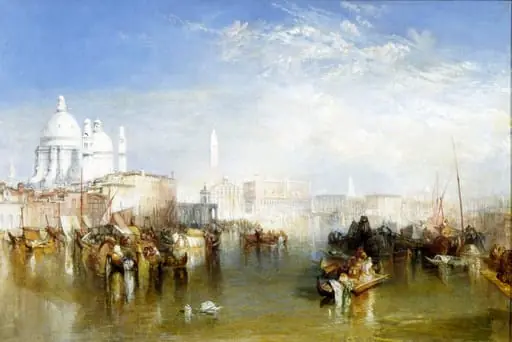 Venice from the Giudecca
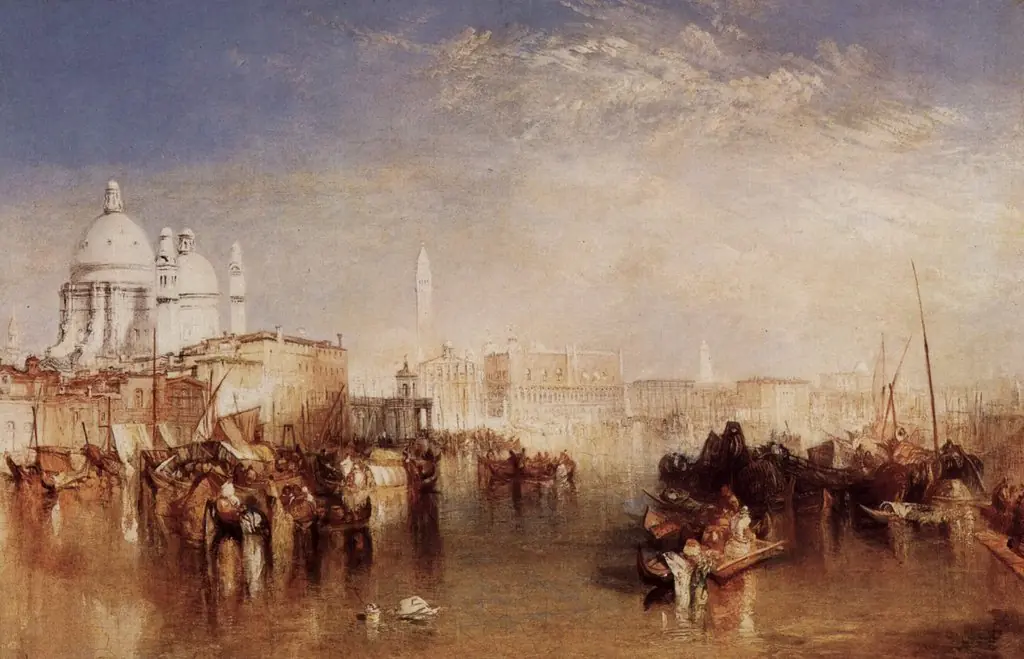 Venice from the Giudecca
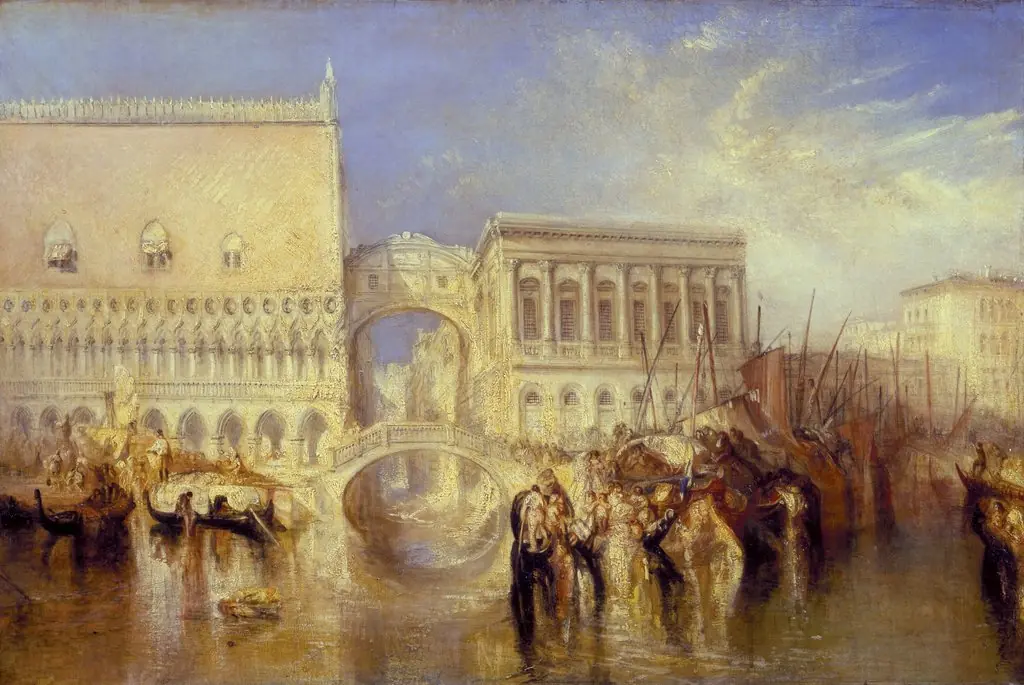 Venice, the Bridge of Sighs
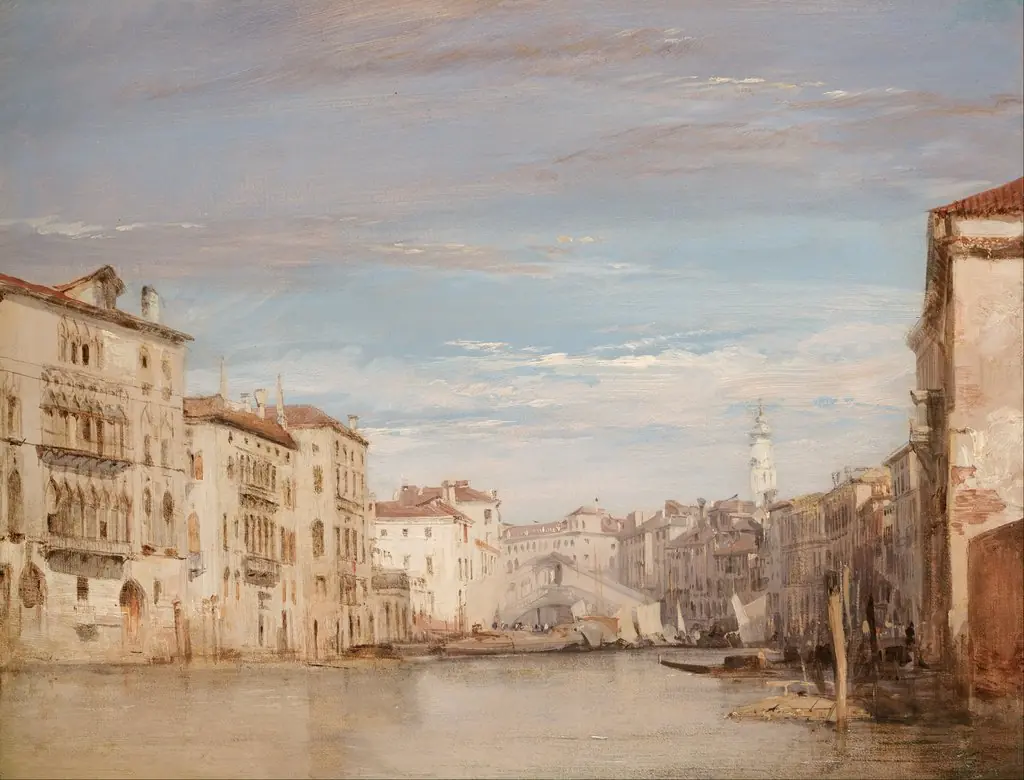 The Grand Canal, Venice, Looking Toward the Rialto
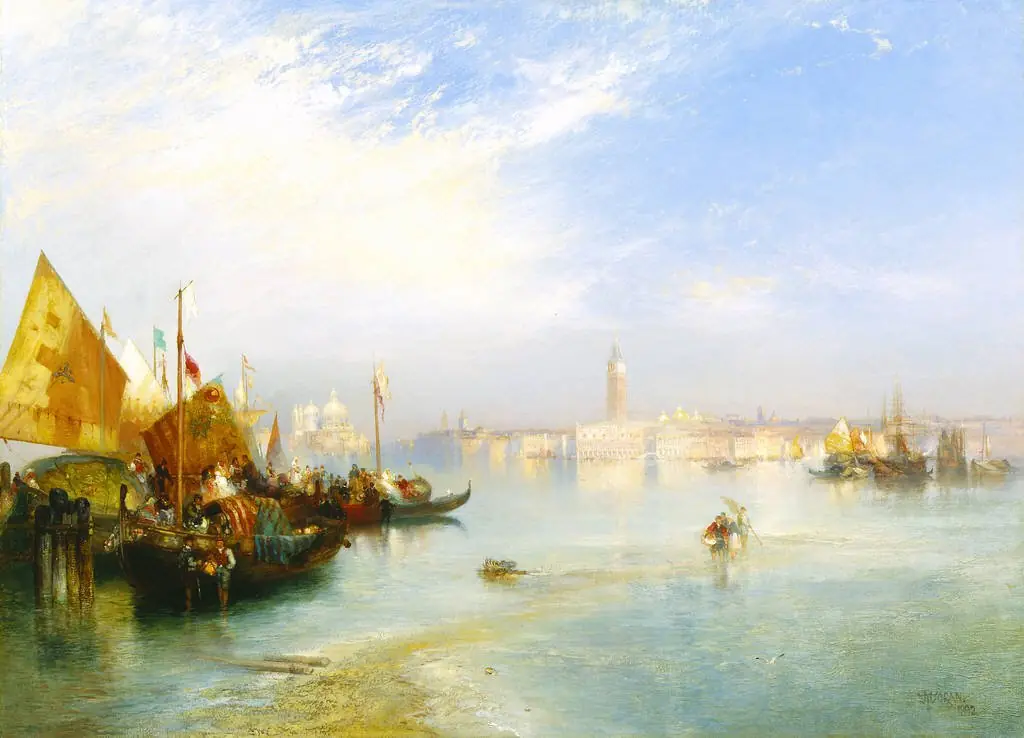 The Fisherman's Wedding Party
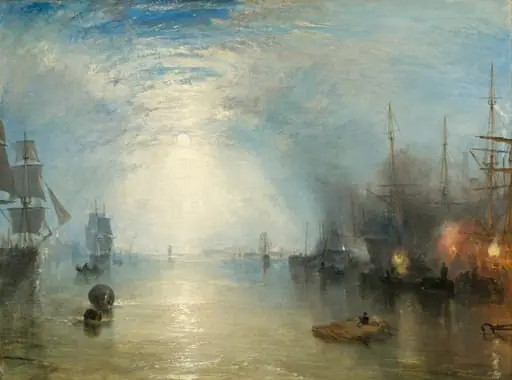 Keelmen Heaving in Coals by Moonlight
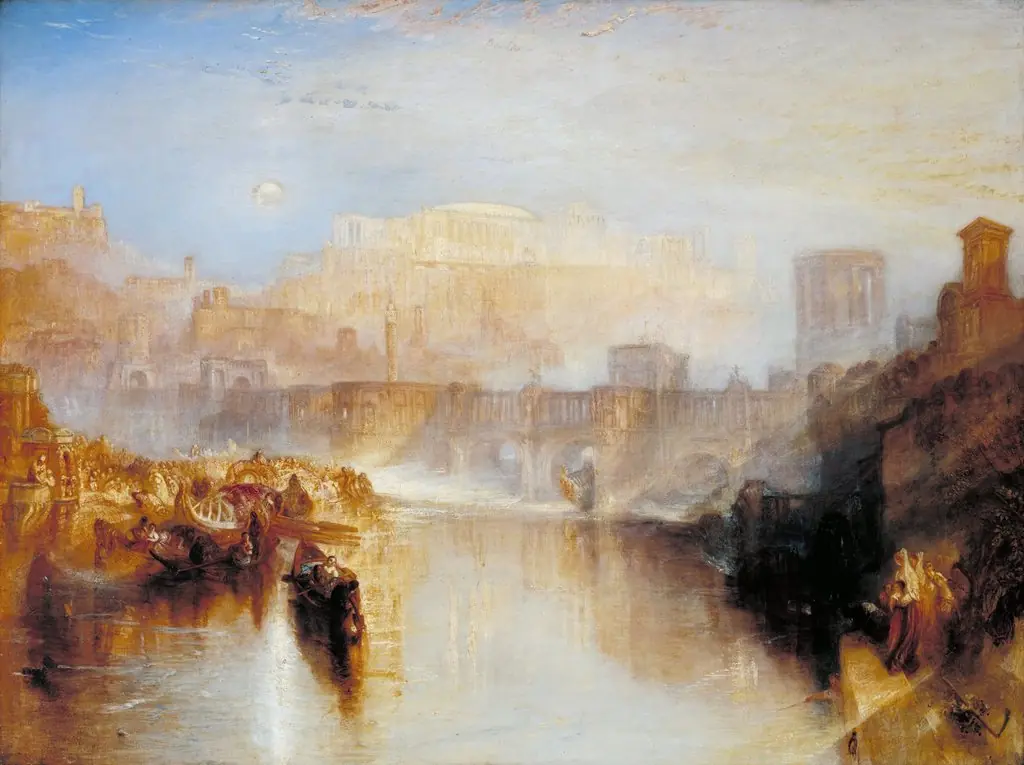 Ancient Rome; Agrippina Landing with the Ashes of Germanicus
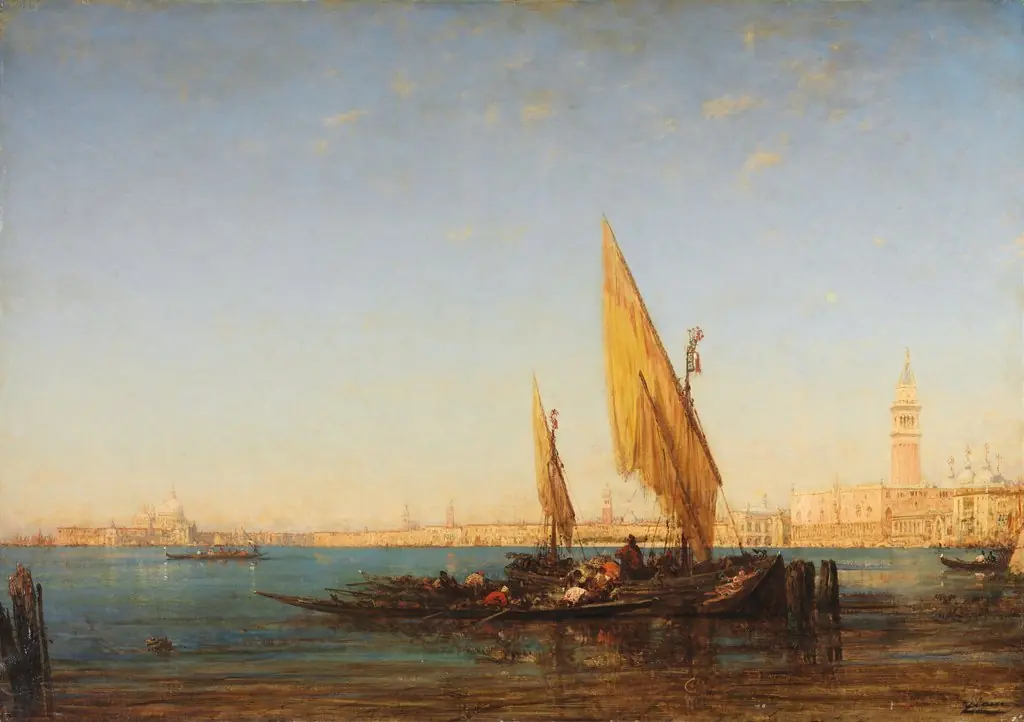 Venice: a Scene with Boats
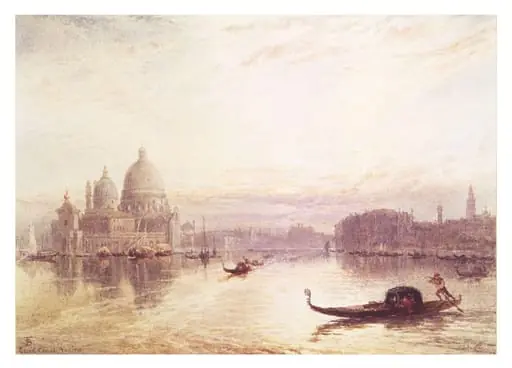 Sta. Maria della Salute