Artwork
H Beard Print Collection
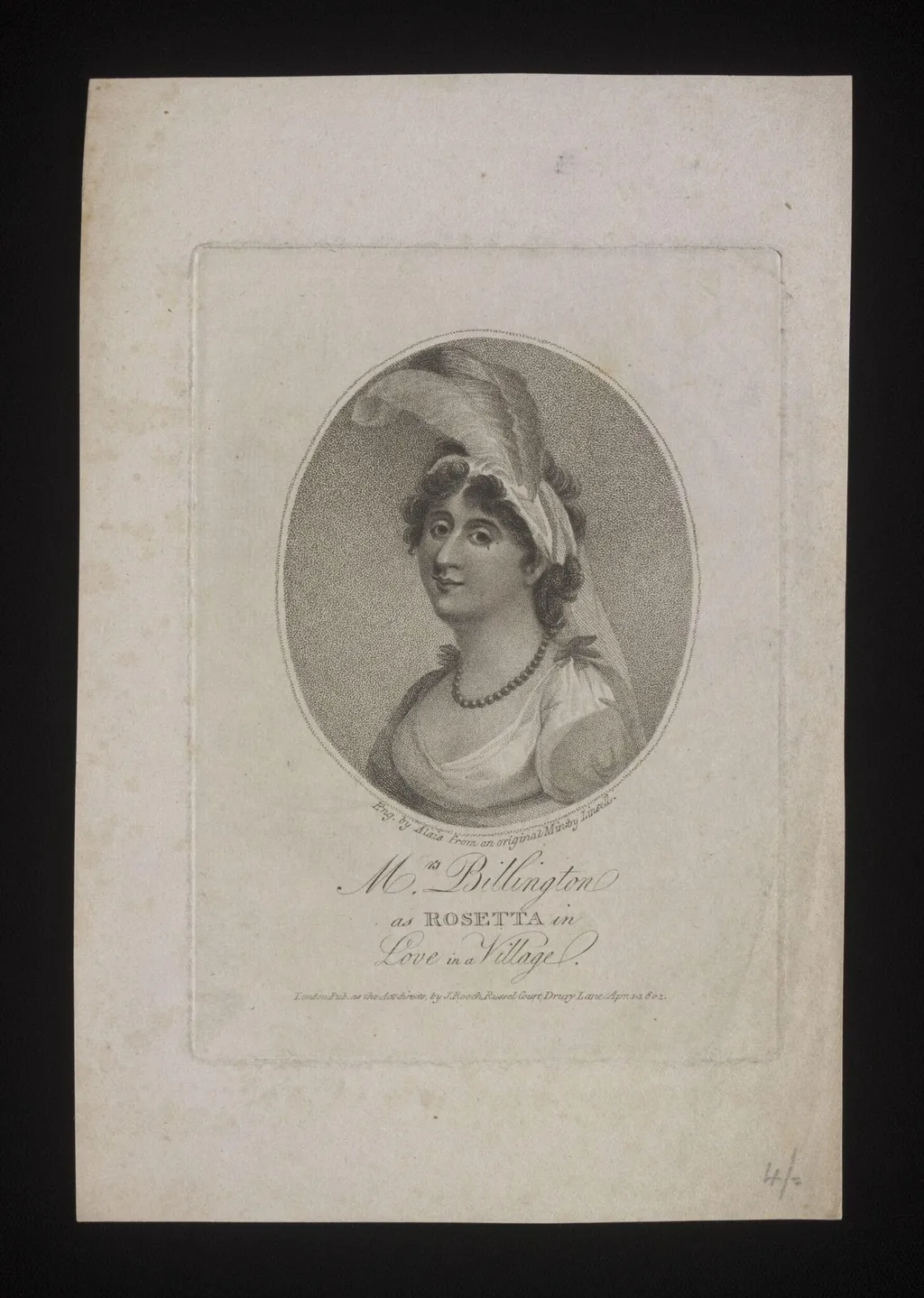
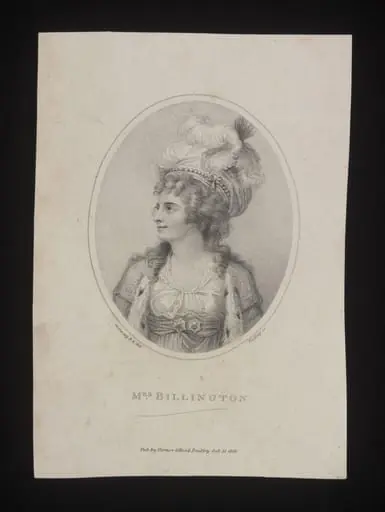
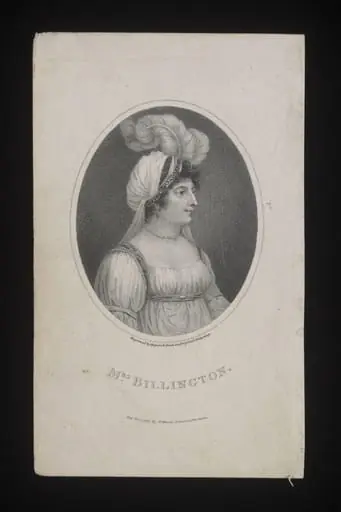
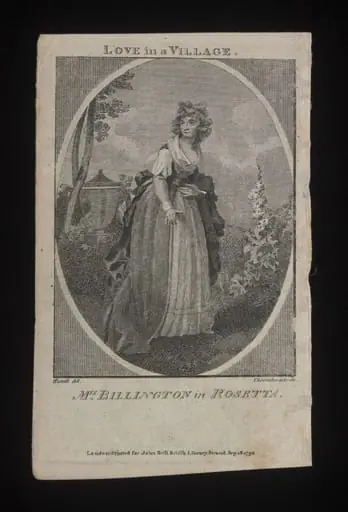
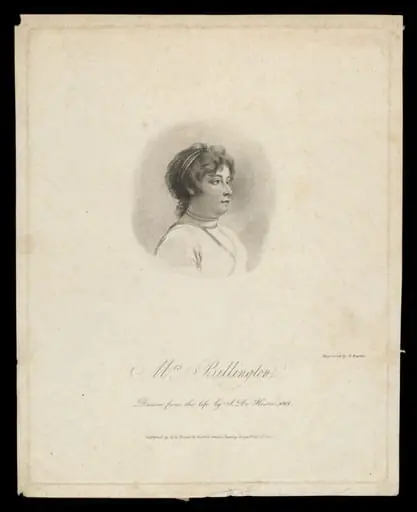
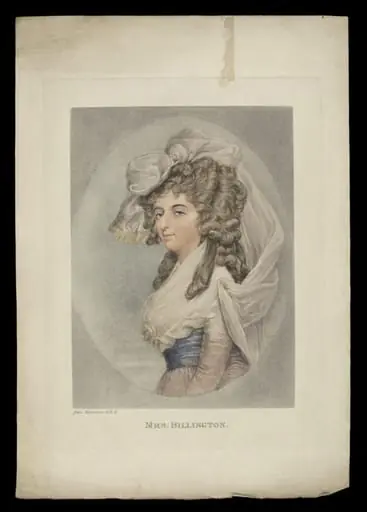
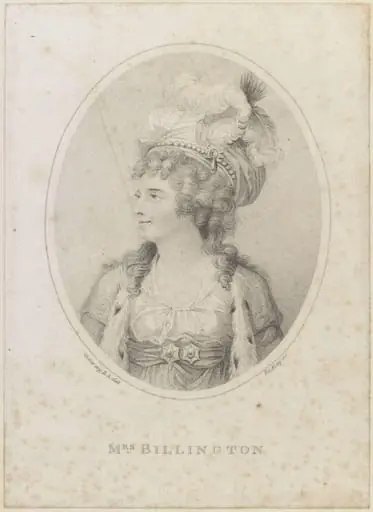
H Beard Print Collection is a print by the Romanticist artist J. Roach. It dates from 2 and is held in the collection of the Victoria and Albert Museum. This 1802 engraving depicts actress Mrs.
About this work
Overview
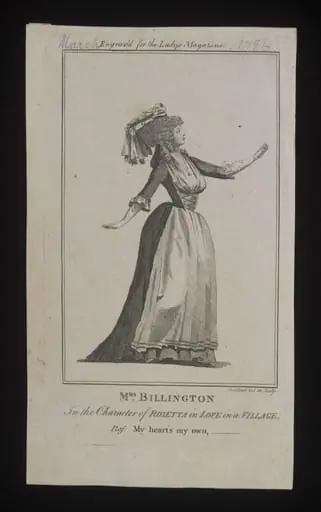
This 1802 engraving depicts actress Mrs. Billington in the role of Rosetta from the comic opera Love in a Village. Part of the H. Beard Print Collection, it reflects a 19th-century interest in documenting theatrical performances through printed imagery. The work belongs to a broader tradition of preserving stage人物 in graphic form for public consumption.
Subject & Meaning
Rosetta, a character in Isaac Bickerstaffe’s pastoral comedy, embodies youthful charm and moral integrity. The portrait captures Billington in costume, emphasizing her embodiment of the role rather than her private identity. Such images served to cement actors’ public personas and connect audiences to theatrical narratives beyond the stage.
Technique & Style
Executed in fine-line engraving, the portrait employs delicate cross-hatching to render texture in fabric and facial features. The composition is formal and centered, typical of theatrical portraiture of the period. The absence of elaborate background focuses attention on the figure, aligning with the era’s preference for clarity and emotional restraint.
History & Provenance
The print originates from the collection assembled by Harry Beard, a 19th-century Englishman with a documented passion for theater memorabilia. His collection, now held by the Victoria and Albert Museum, includes hundreds of such prints, offering a systematic record of British stage performers from the 1700s to early 1800s.
Context
During the early 1800s, theatrical engravings circulated widely as affordable souvenirs. Rosetta’s popularity on stage made her a frequent subject, and Billington’s interpretation was widely admired. These prints functioned as both art and advertisement, bridging the gap between live performance and domestic culture.
Legacy
The H. Beard Collection remains a vital resource for scholars studying British theater history. This engraving, like others in the set, provides material evidence of how actors were represented visually and how public fascination with performance was archived before photography became commonplace.
Artist & collection
Artist
This artist made small printed scenes of daily life and curiosities in the early 1800s.