Artwork
H Beard Print Collection
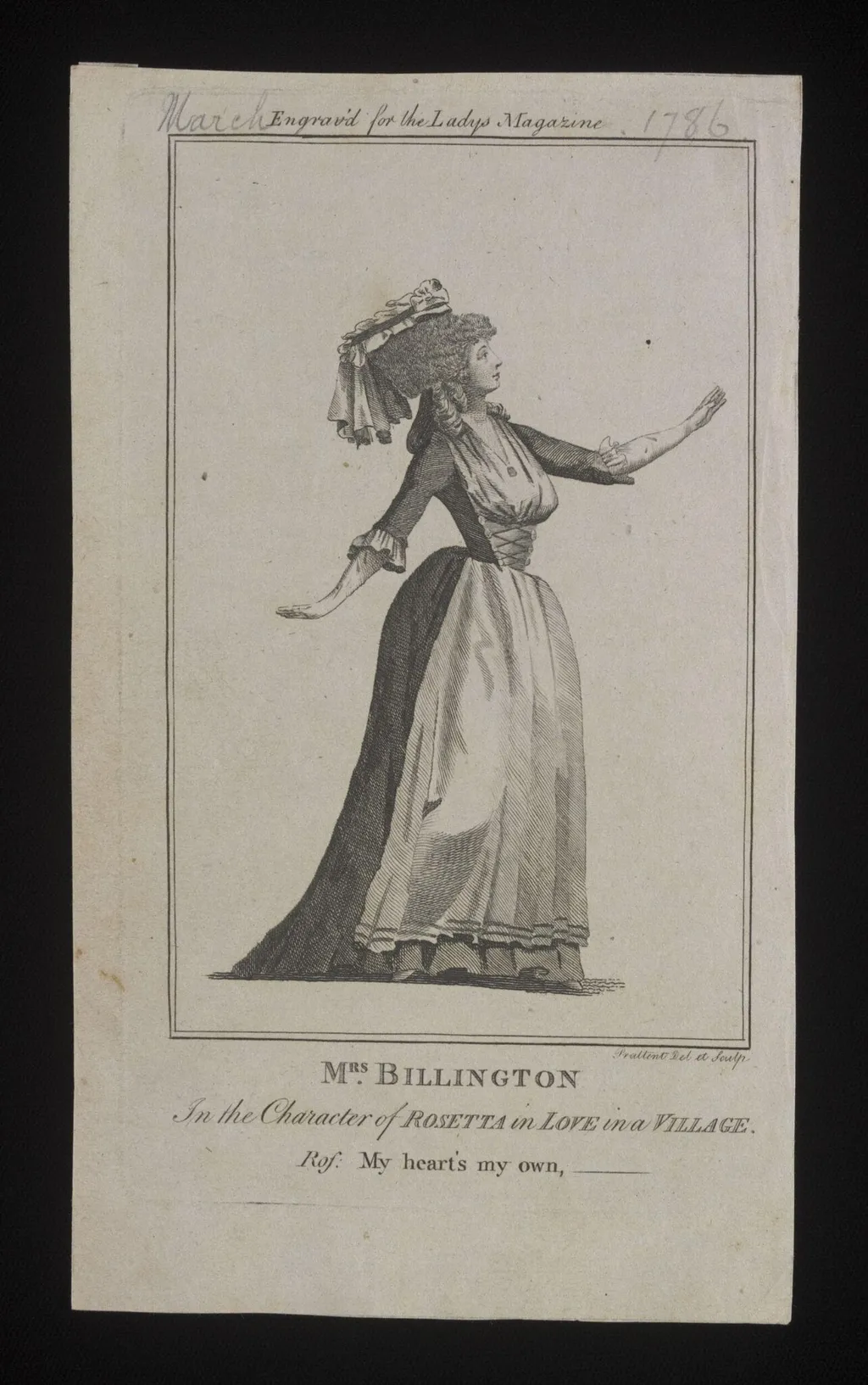
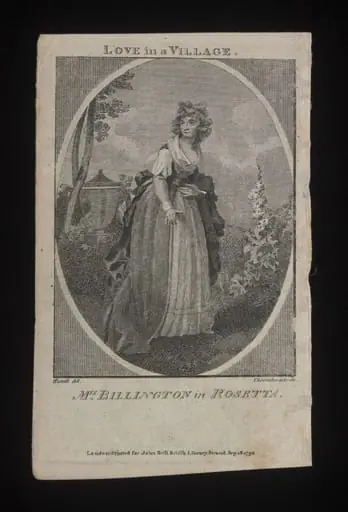
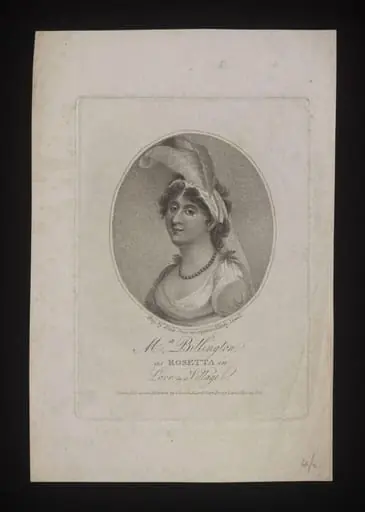
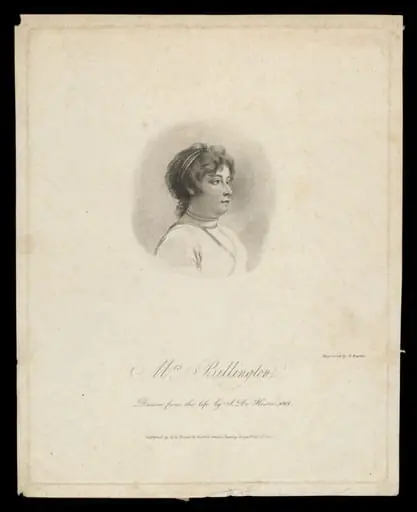
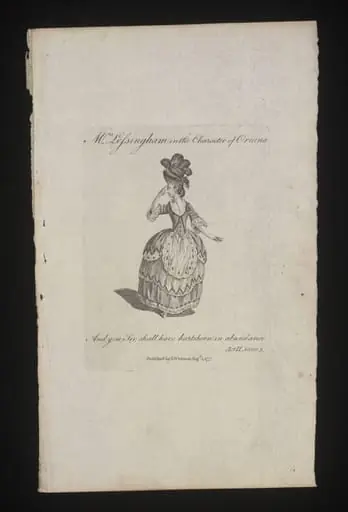
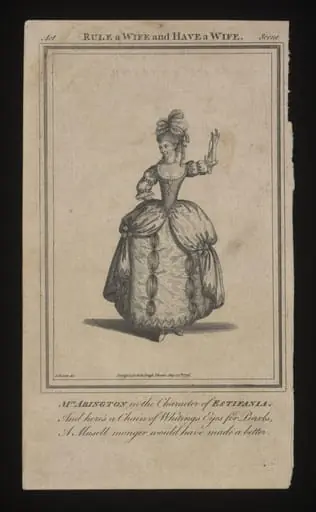
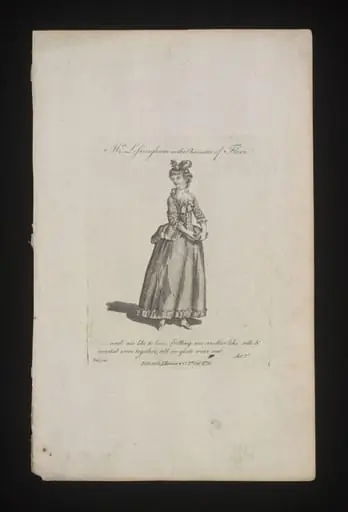
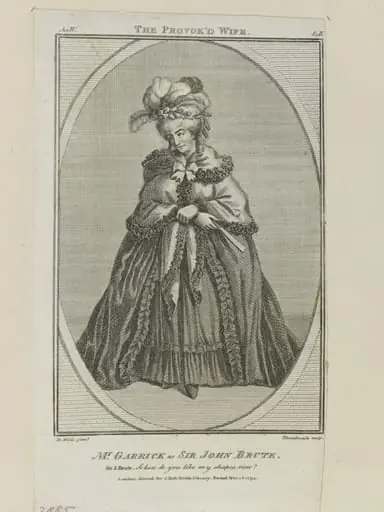
H Beard Print Collection is a print by the Romanticist artist Prattent. It dates from 1786 and is held in the collection of the Victoria and Albert Museum. This 1786 engraving depicts the actress and singer Mrs.
About this work
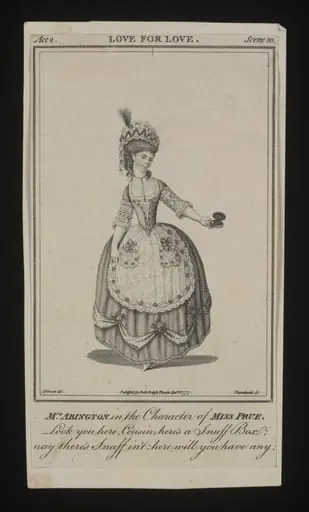
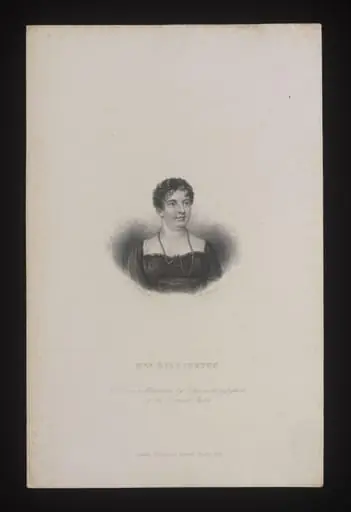
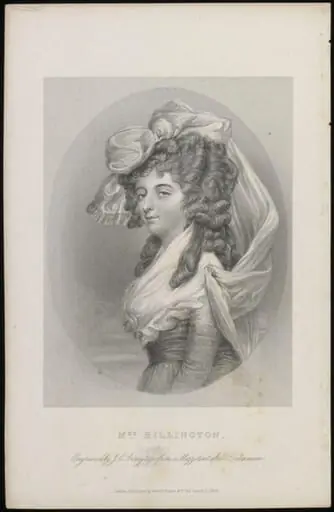
This is a print by Prattent from 1786. It shows Mrs Billington as Rosetta in the play Love in a Village. The work is both a portrait and a theater scene.
Mrs Billington was a well-known singer and actress. The print was made the same year she played Rosetta on stage. It’s part of the Harry Beard Collection.
Look up the Victoria and Albert Museum.
Overview
Created by the printmaker Prattent, the work combines portraiture with theatrical representation, capturing a moment from the stage performance.
This 1786 engraving depicts the actress and singer Mrs. Billington in character as Rosetta from the comic opera Love in a Village. Created by the printmaker Prattent, the work combines portraiture with theatrical representation, capturing a moment from the stage performance. It belongs to the Harry Beard Collection, a significant archive of British theatrical imagery held at the Victoria and Albert Museum.
Subject & Meaning
Mrs. Billington portrayed Rosetta, a central character in Thomas Arne’s pastoral comedy, known for its blend of folk melody and domestic humor. The print fixes her in a moment of performance, emphasizing her role as both singer and actress. Rather than a formal portrait, it conveys the vitality of live theater, documenting a popular stage interpretation of the time.
Technique & Style
Executed as an engraved print, the image uses fine linear detail to render costume, facial expression, and stage setting. The composition frames the figure centrally, with subtle background elements suggesting a rustic interior. The technique reflects standard printmaking practices of the late 18th century, prioritizing clarity and theatrical recognition over artistic experimentation.
History & Provenance
Produced in the same year Billington premiered the role, the print served as a commercial souvenir for audiences. It entered the Harry Beard Collection, assembled by a 19th-century theater enthusiast, and was later transferred to the Victoria and Albert Museum. The collection preserves ephemeral theatrical culture through such printed records.
Context
Love in a Village was a staple of London’s theatrical repertoire in the 1780s, frequently revived for its accessible music and relatable characters. Mrs. Billington’s performance was widely noted for its vocal precision and expressive delivery. Prints like this one helped extend the reach of stage roles beyond the theater, reinforcing performers’ public personas.
Legacy
The print remains a primary source for understanding 18th-century British theater culture and the public image of leading performers. As part of the Beard Collection, it contributes to scholarly study of how theater was documented, consumed, and remembered outside the live performance context.
Artist & collection
Artist
This 18th-century printmaker filled stiff little sheets with lively scenes of city life, ballrooms, and street corners.