Artwork
Portret kobiecy
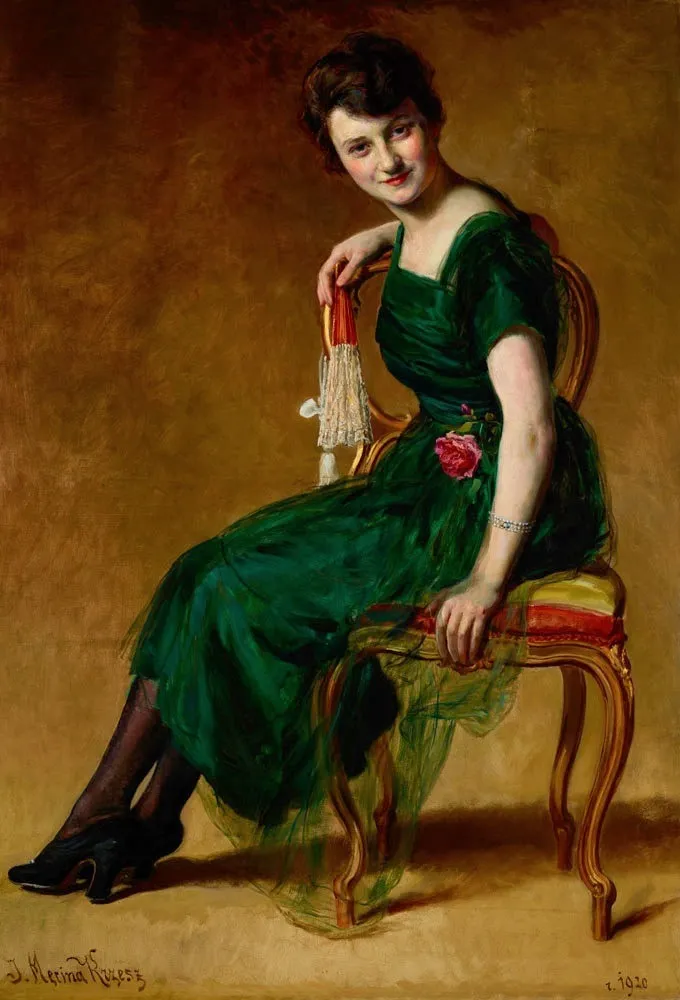
Portret kobiecy is an oil painting by Józef Męcina-Krzesz. It dates from 1920 and is held in the collection of the National Museum in Kraków.
About this work
Overview
It presents a seated woman in a quiet, intimate pose, rendered with attention to texture and subtle lighting.
Józef Męcina-Krzesz painted *Portret kobiecy* in 1920 using oil on canvas. The work is part of the National Museum in Kraków’s collection. It presents a seated woman in a quiet, intimate pose, rendered with attention to texture and subtle lighting. Though Męcina-Krzesz is better known for historical and religious subjects, this portrait reflects his skill in capturing personal presence through restrained composition and tonal harmony.
Subject & Meaning
The subject is a woman seated in a domestic setting, her gaze directed at the viewer with a gentle turn of the head. Her attire—a green dress adorned with a pink rose and a red-and-white tassel—suggests personal adornment rather than formal dress. The bracelet and poised hand imply quiet dignity. The absence of narrative context invites focus on her demeanor, emphasizing individuality over social role or symbolic meaning.
Technique & Style
Męcina-Krzesz employed oil paint to build soft transitions between light and shadow, particularly on the woman’s face and the fabric of her dress. The warm golden background enhances the richness of the colors without competing for attention. Details like the tassel and cushion are rendered with deliberate precision, while the brushwork remains restrained, favoring clarity over expressive flourish.
History & Provenance
Created in 1920, the portrait entered the collection of the National Museum in Kraków shortly after its completion. There is no documented record of prior ownership or exhibition history. Its preservation within the museum’s holdings suggests it was acquired as part of a broader effort to document Polish artistic output during the early years of the nation’s restored independence.
Context
Painted in the aftermath of World War I, *Portret kobiecy* reflects a cultural moment when Polish artists turned toward intimate, personal subjects amid national rebuilding. While Męcina-Krzesz had previously focused on grand historical themes, this portrait signals a shift toward quieter, domestic realism. The work aligns with broader European trends of interwar portraiture that valued psychological presence over grandeur.
Legacy
Though not among Męcina-Krzesz’s most widely exhibited works, *Portret kobiecy* remains a representative example of his portraiture. It contributes to the understanding of his versatility beyond religious and historical painting. The piece continues to be studied for its restrained technique and its role in documenting early 20th-century Polish visual culture.
Artist & collection
Artist
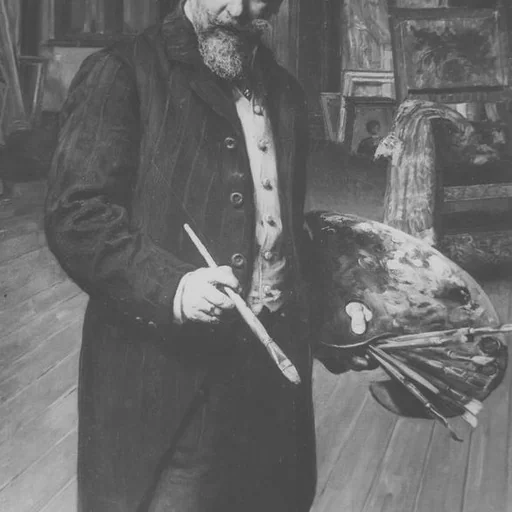
Józef Feliks Męcina-Krzesz (2 January 1860 – 2/3 December 1934) was a Polish painter, known for historical scenes, religious art and portraits.

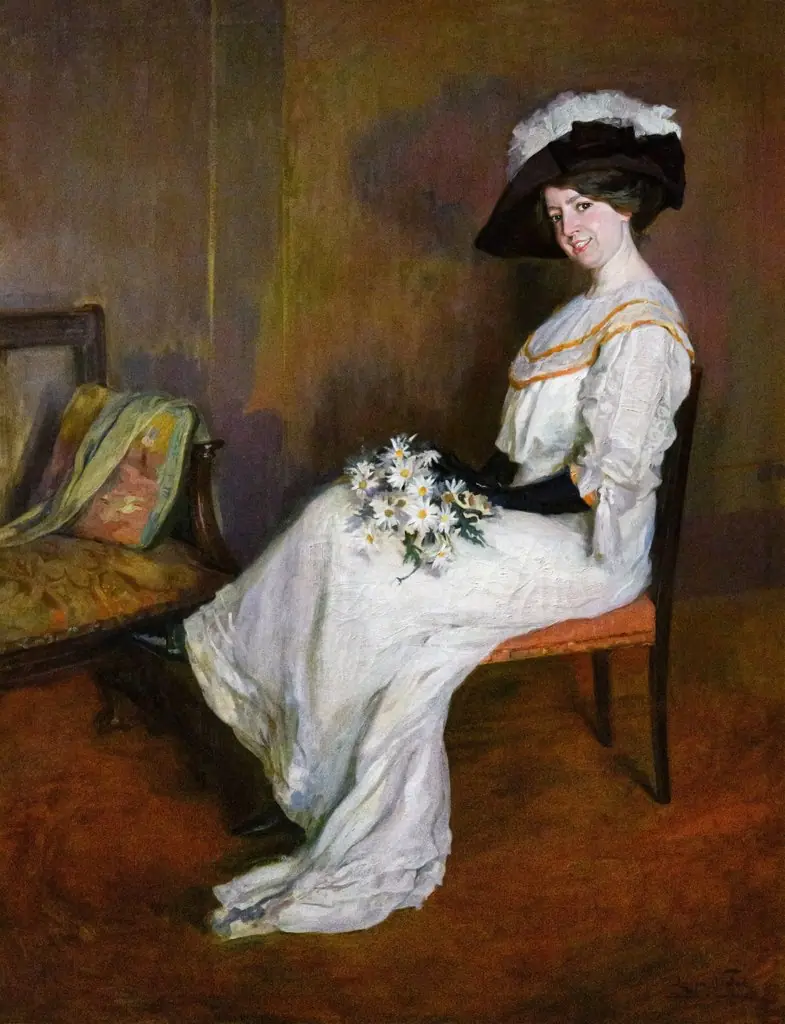 Portrait of Marta Vidal Puig
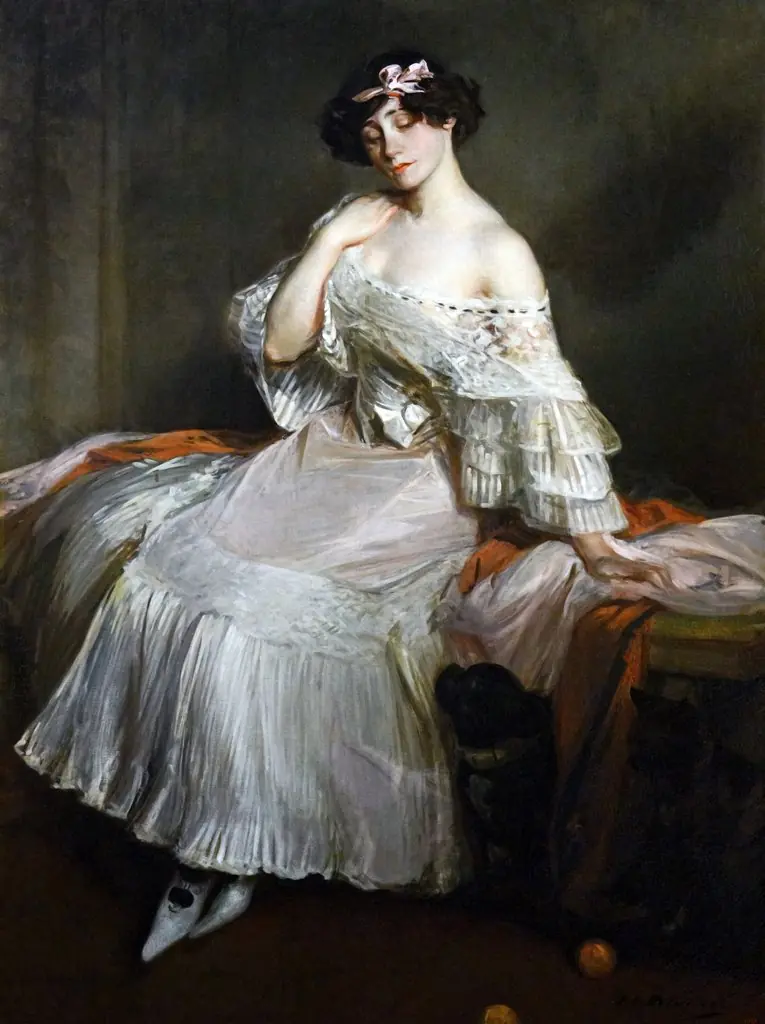 Portrait of the Novelist Colette
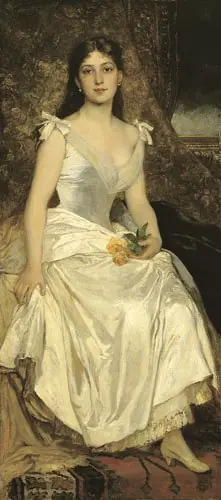 Ilona Lotz in White
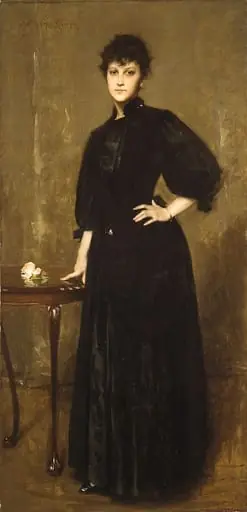 Lady in Black
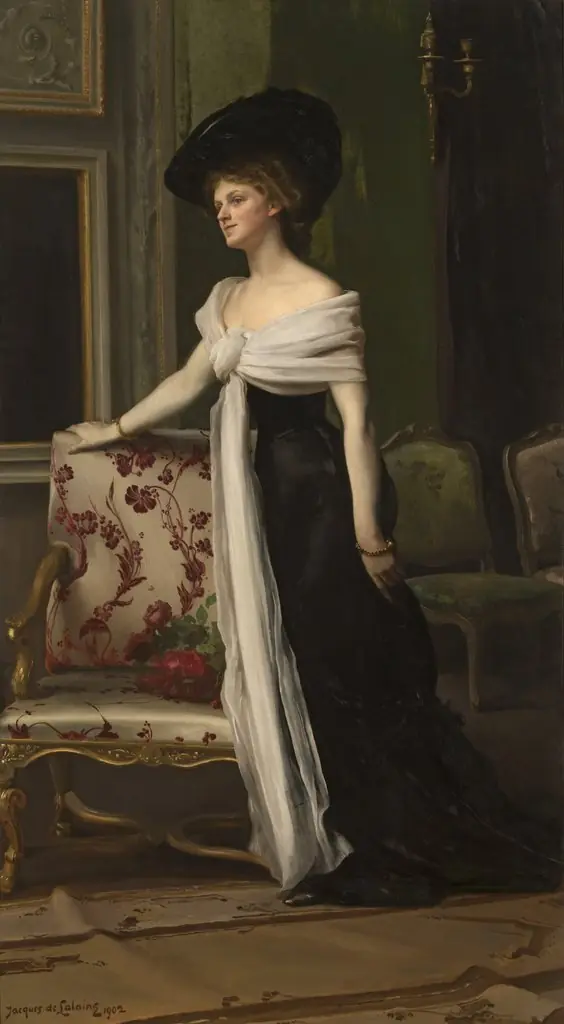 Nanette de Spoelberch, Madame Louis de Baillet-Latour
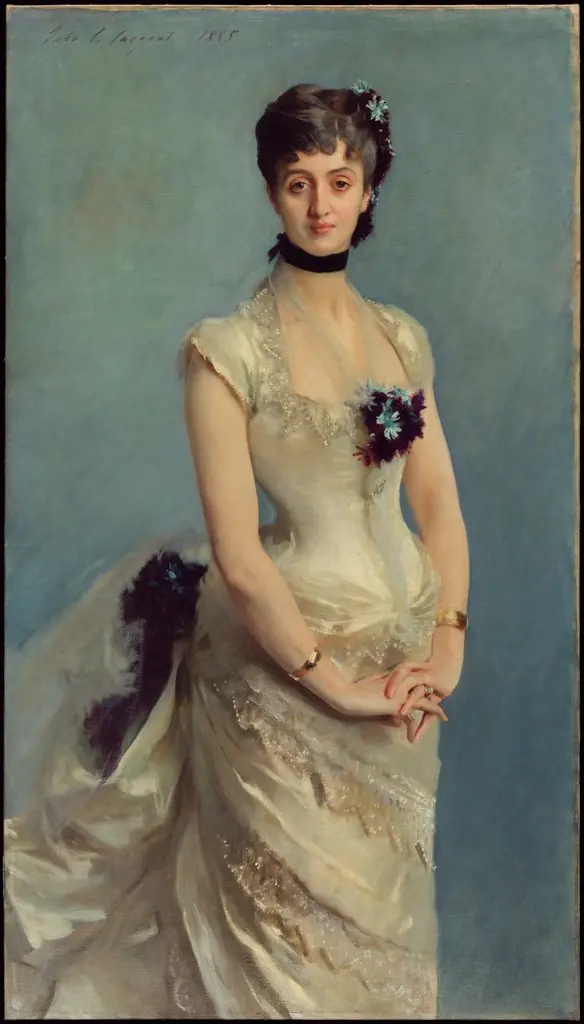 Portrait of Madame Paul Poirson
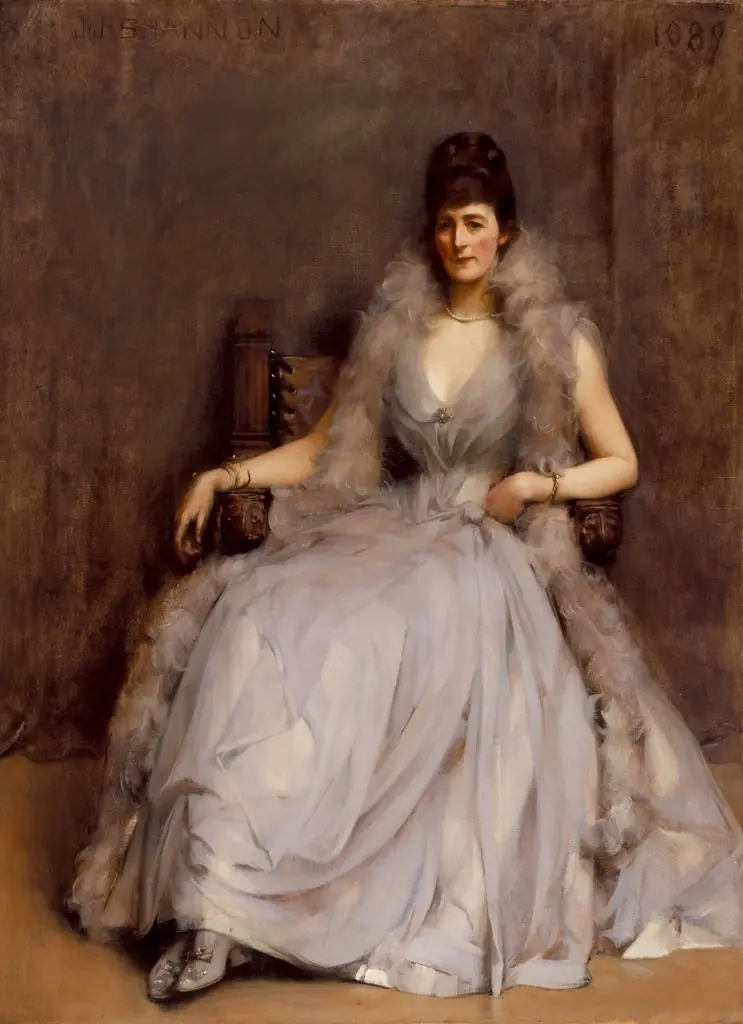 Portrait of Cecilia Tower
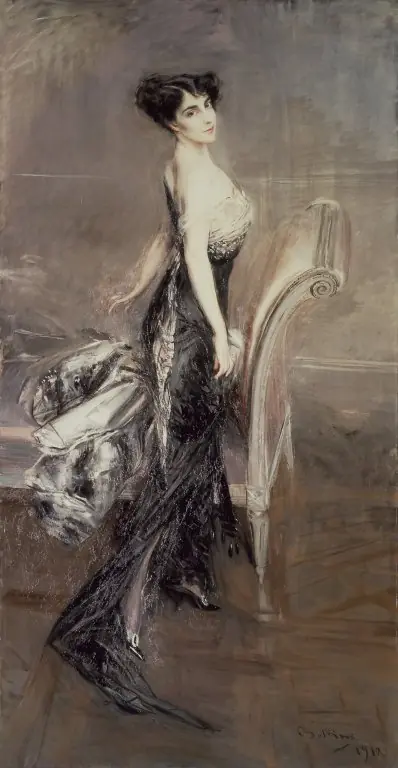 Portrait of a lady
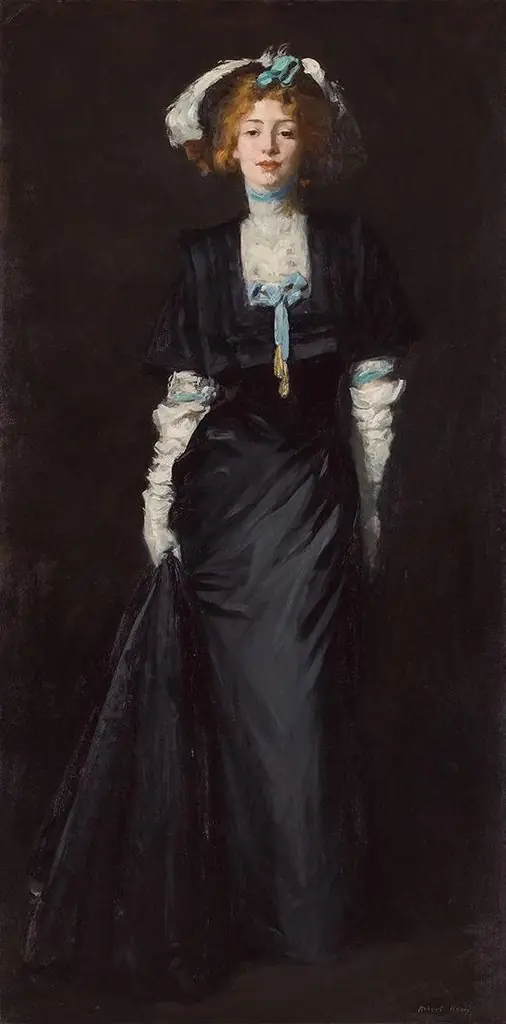 Jessica Penn in Black with White Plumes
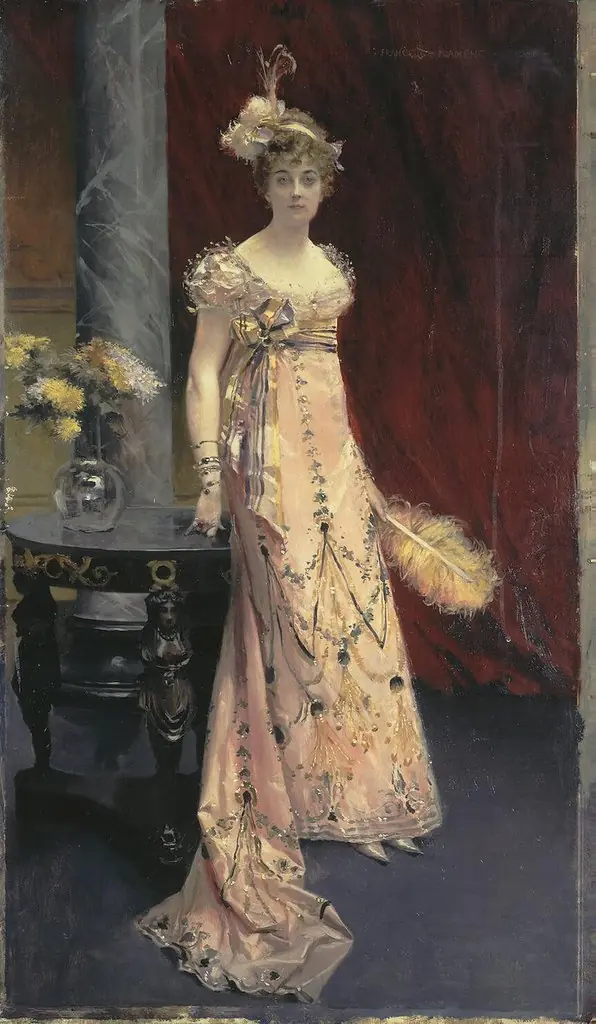 Portrait of Dora of Leuchtenberg
 Portrait of Mrs. Francis Stanton Blake
 Mrs Frank Millet (Elizabeth Merrill)