Artwork
Portrait of the Novelist Colette
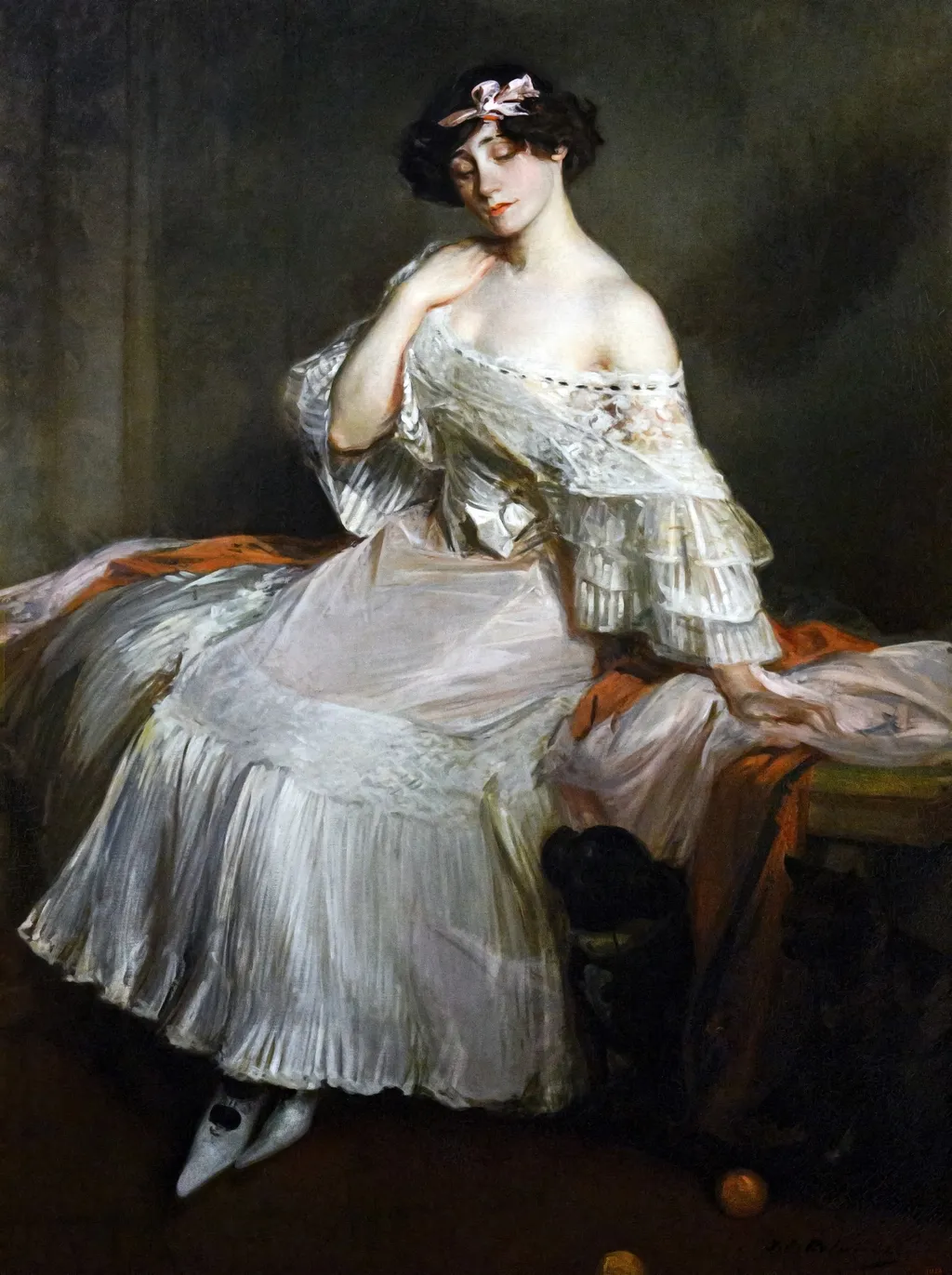
Portrait of the Novelist Colette is an oil painting by the Post-Impressionist artist Jacques-Émile Blanche. It dates from 1905 and is held in the collection of the Museu Nacional d'Art de Catalunya.
About this work
Overview
The painting is now part of the Museu Nacional d'Art de Catalunya’s collection, reflecting its significance in European artistic circles of the era.
Painted in 1905 by Jacques-Émile Blanche, this oil portrait captures the French novelist Colette in a moment of quiet introspection. Blanche, known for his refined portraiture in early 20th-century Paris and London, employed a soft, atmospheric approach that aligns with post-impressionist sensibilities. The painting is now part of the Museu Nacional d'Art de Catalunya’s collection, reflecting its significance in European artistic circles of the era.
Subject & Meaning
Colette, already an established literary figure, is portrayed not as a public icon but as a private individual. Her downward gaze and the slight lift of her dress suggest contemplation rather than performance. The blurred facial features and subdued expression invite interpretation beyond mere likeness, emphasizing inner life over external glamour. The painting resists overt narrative, instead offering a subtle meditation on identity and presence.
Technique & Style
Blanche used loose, fluid brushwork to render Colette’s white dress and the soft folds of fabric, contrasting with the dark, indistinct background that isolates her form. The pink bow in her hair and the off-the-shoulder neckline introduce delicate color accents without distraction. The face, intentionally softened, avoids sharp definition, aligning with post-impressionist tendencies to prioritize mood and texture over precise realism.
History & Provenance
Commissioned during Colette’s rising literary prominence, the portrait remained in private hands until entering the Museu Nacional d'Art de Catalunya’s collection. Its acquisition reflects the museum’s interest in early modern European portraiture. While little is documented about its immediate reception, its preservation suggests enduring recognition of Blanche’s skill and Colette’s cultural stature in early 20th-century France.
Context
In 1905, Parisian artistic circles were shifting from academic traditions toward more personal, expressive forms. Blanche, though trained in classical techniques, adapted to these changes by blending realism with impressionistic light and texture. Colette, known for her candid writing about female experience, was a fitting subject for an artist exploring psychological depth. The portrait thus sits at the intersection of literary and visual modernism.
Legacy
The portrait endures as a quiet testament to the relationship between literature and visual art in early modern Europe. It does not seek to glorify but to observe, capturing Colette’s presence with restraint. Blanche’s approach influenced later portraitists interested in psychological nuance, and the work remains a reference point for studies of gender, identity, and artistic representation in the Belle Époque.
Own this work as a print
Artist & collection
Artist
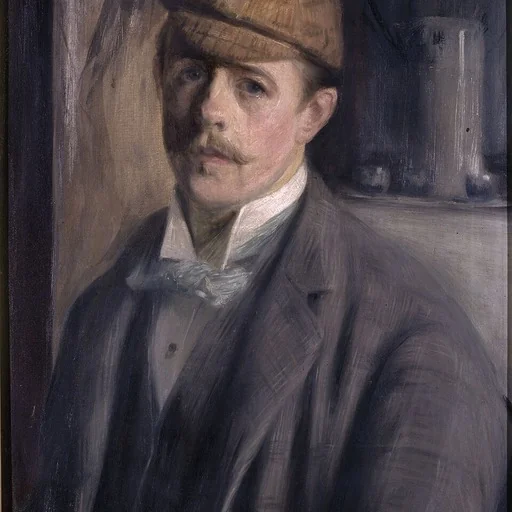
Jacques-Émile Blanche (French: ; (1 January 1861 – 30 September 1942) was a French artist, largely self-taught, who became a successful portrait painter, working in London and Paris.

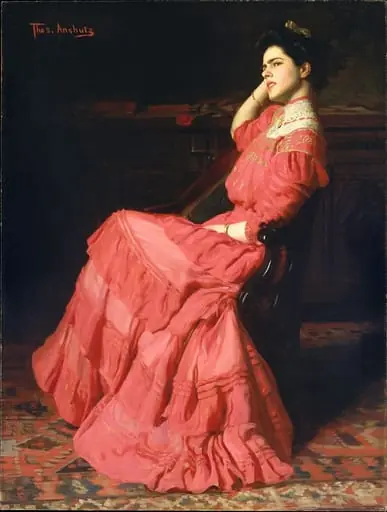 A Rose
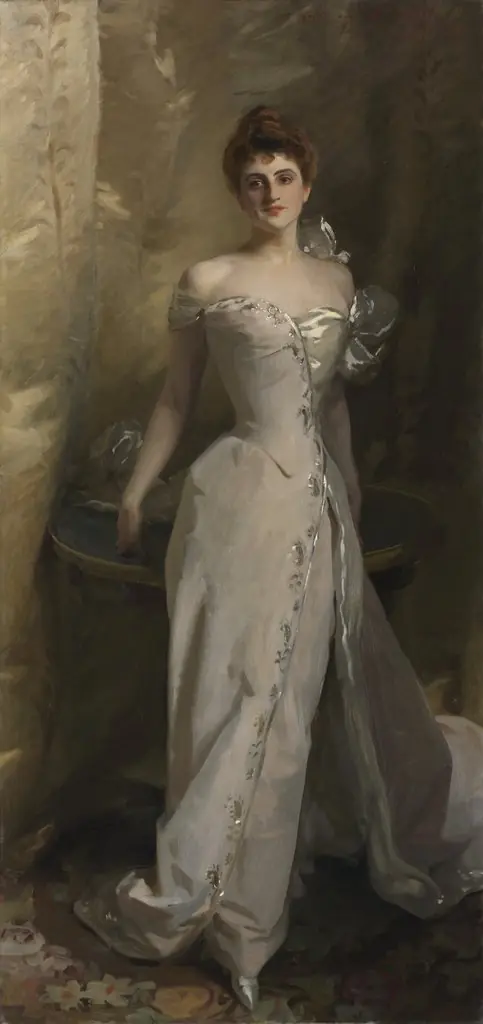 Portrait of Lisa Colt Curtis
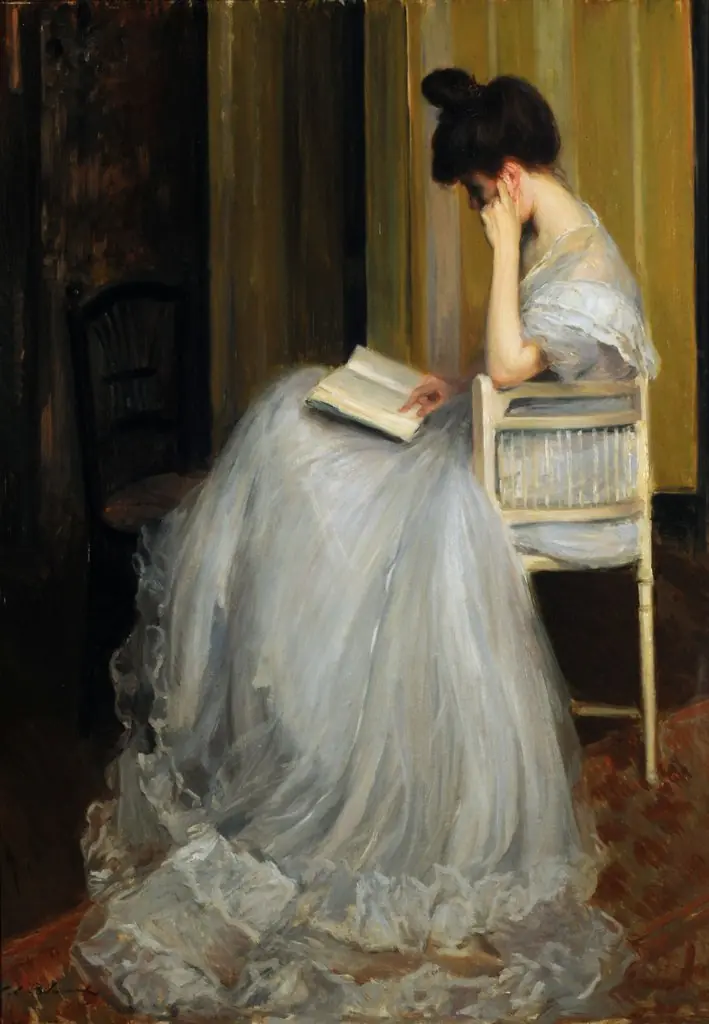
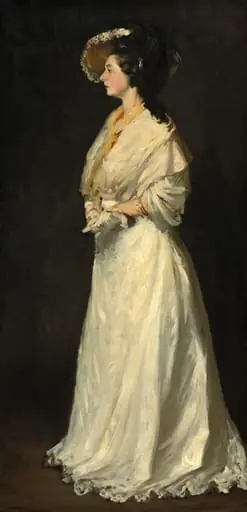 Young Woman in White
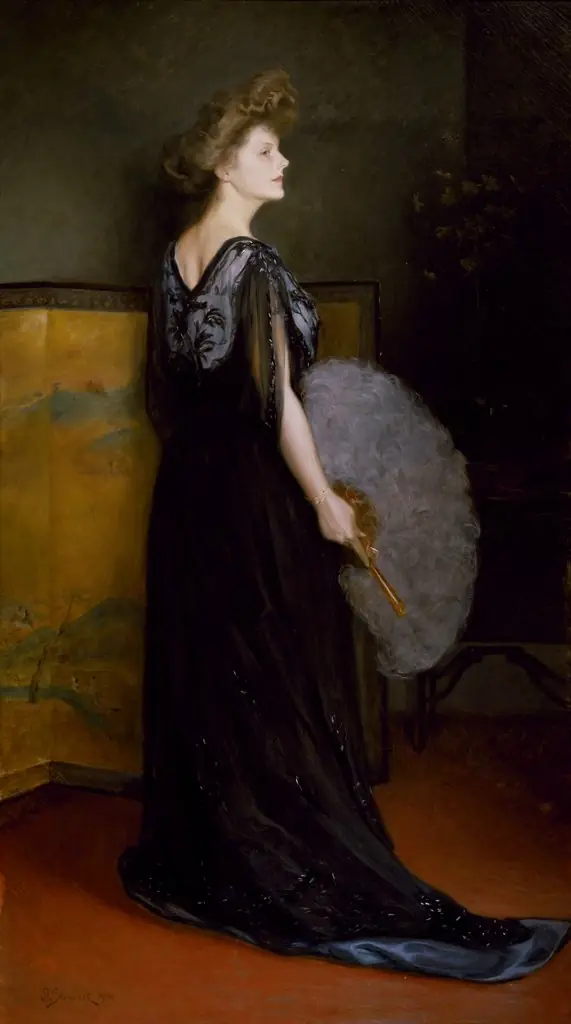 Portrait of Mrs. Francis Stanton Blake
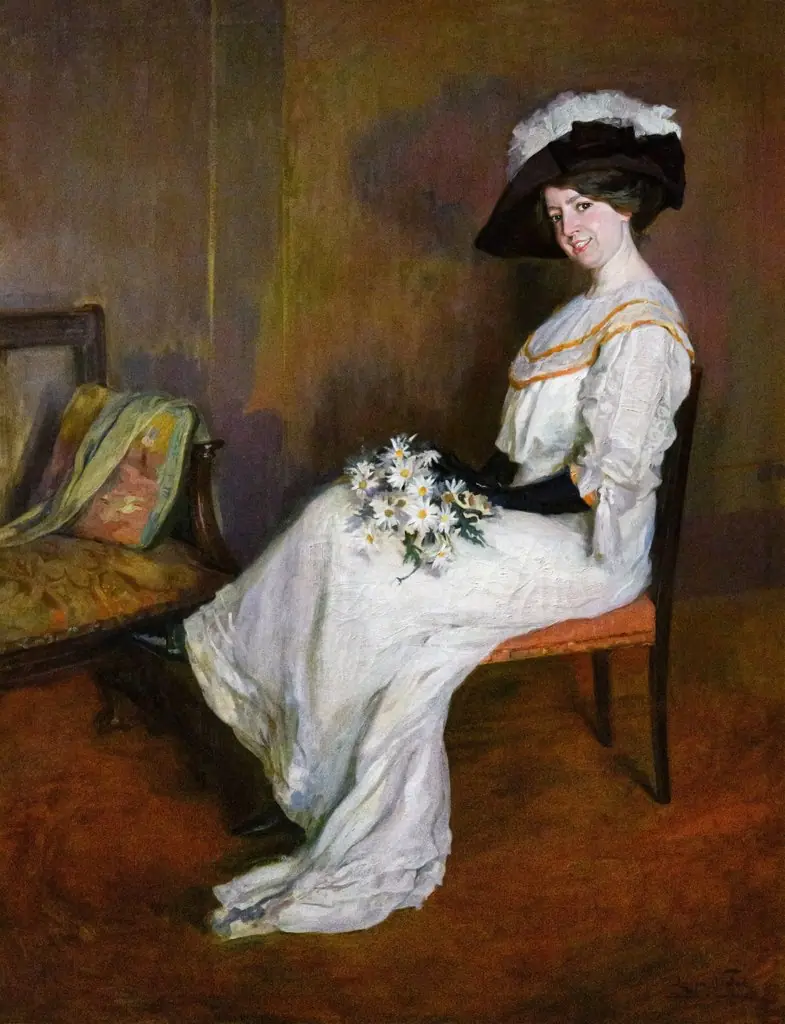 Portrait of Marta Vidal Puig
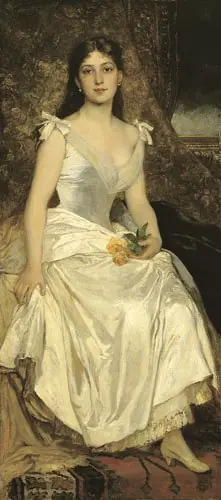 Ilona Lotz in White
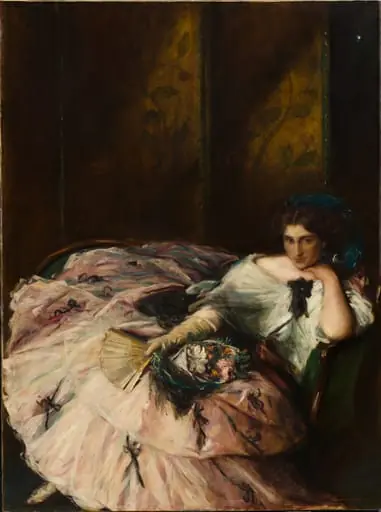 Souvenir of an "International Ball" (Portrait of Miss Kathleen Bruce)
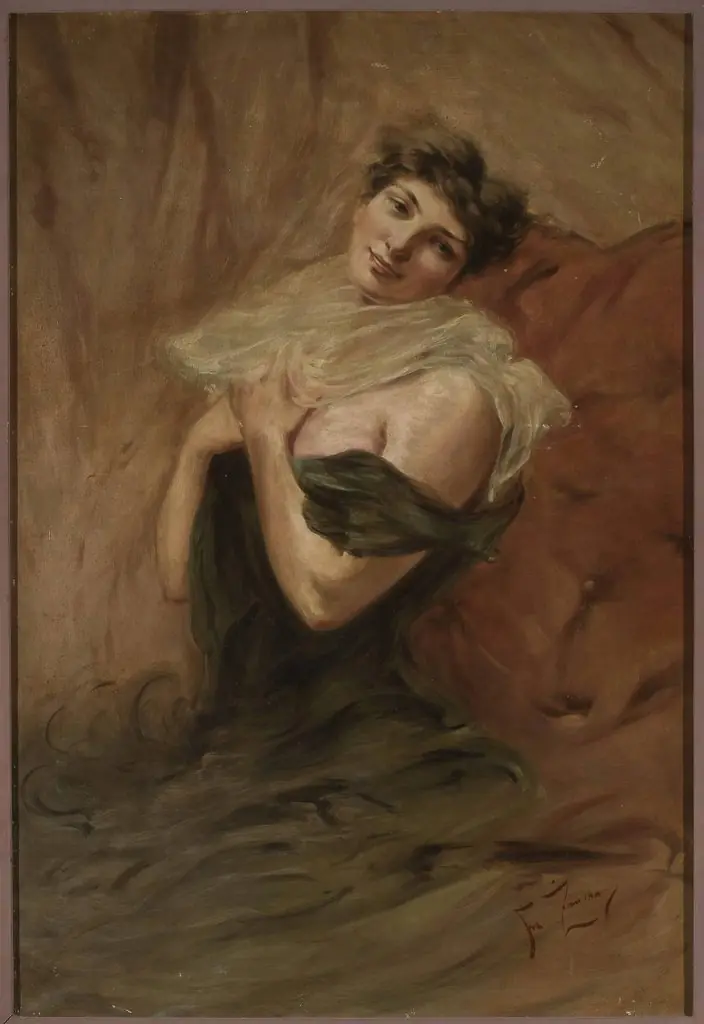 Portrait of a young woman
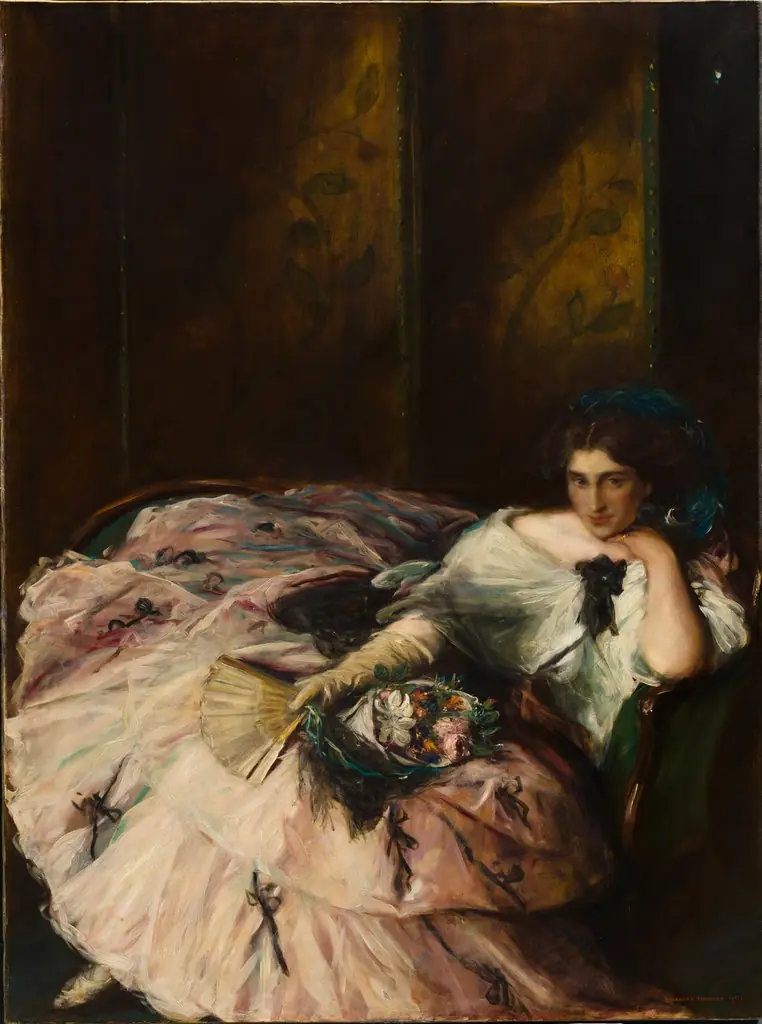 Souvenir of an "International Ball" (Portrait of Miss Kathleen Bruce)
 Portrait of Cecilia Tower
 Portretul Doamnei Grant
 Mrs Frank Millet (Elizabeth Merrill)