Artwork
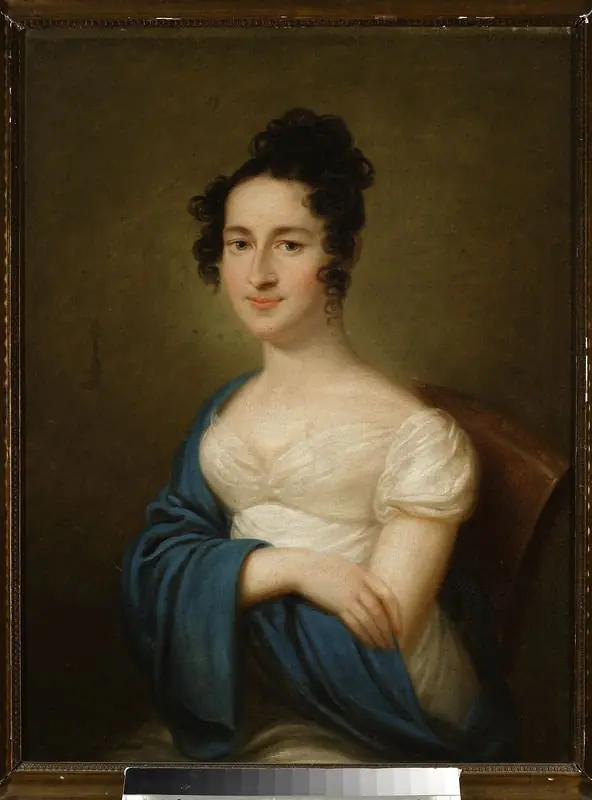
Portrait of Salomea Bécu
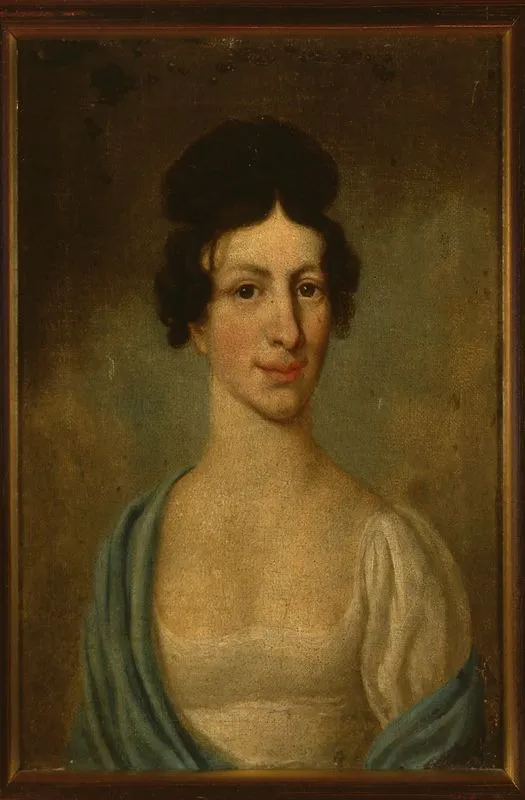
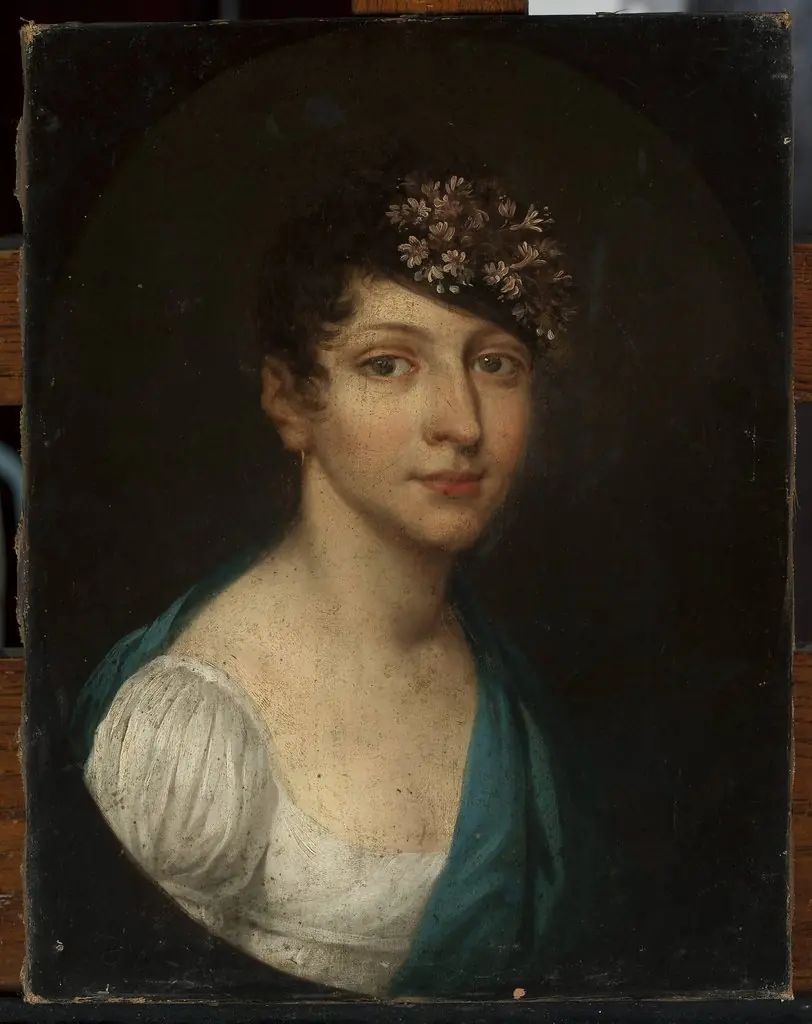
Portrait of Salomea Bécu is an oil painting by Józef Pitschmann. It dates from 1806 and is held in the collection of the National Museum in Warsaw.
About this work
Overview
Created circa 1806 by the Austrian‑born Polish portraitist Józef Franciszek Jan Pitschmann, this oil on canvas depicts a young woman in a white dress with a blue shawl draped over her left shoulder. The composition is set against a subdued brown backdrop, emphasizing the sitter’s calm presence. The painting is part of the National Museum in Warsaw’s collection.
Subject & Meaning
The work portrays a woman identified as Salomea Bécu. Her dark hair frames a delicate face turned slightly to the right, eyes meeting the viewer with a neutral, composed expression. The restrained gesture and muted palette convey a sense of quiet elegance rather than overt narrative.
Technique & Style
Pitschmann employs a smooth, refined brushwork typical of early‑19th‑century portraiture, allowing subtle modelling of flesh tones and the soft sheen of the white dress. The limited colour scheme—dominant whites, blues, and earthy browns—focuses attention on the sitter’s features and the gentle play of light across the fabric.
History & Provenance
Since its creation, the portrait has remained in Poland, eventually entering the holdings of the National Museum in Warsaw. Its provenance reflects the artist’s activity within Polish aristocratic circles during the Napoleonic era, though specific ownership records before museum acquisition are sparse.
Context
Pitschmann, active in Warsaw after settling from his Austrian origins, was known for capturing the genteel class of his time. This portrait aligns with the period’s emphasis on individual likeness and modest domestic presentation, contrasting with the more dramatic historical scenes popular elsewhere in Europe.
Artist & collection
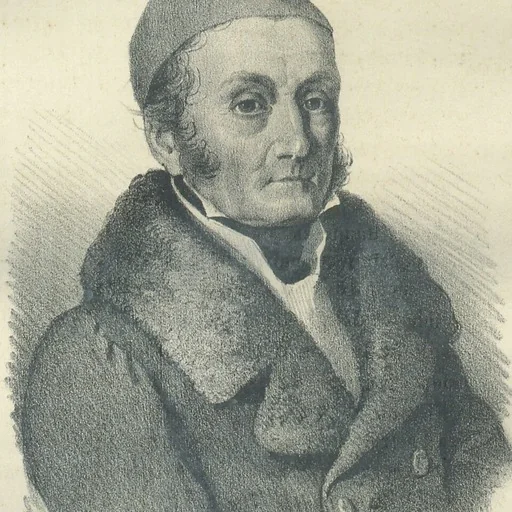
Artist
Józef Franciszek Jan Pitschmann, or Franz Joseph Pitschmann (1758 – 1 September 1834) was an Austrian-born Polish portrait painter.

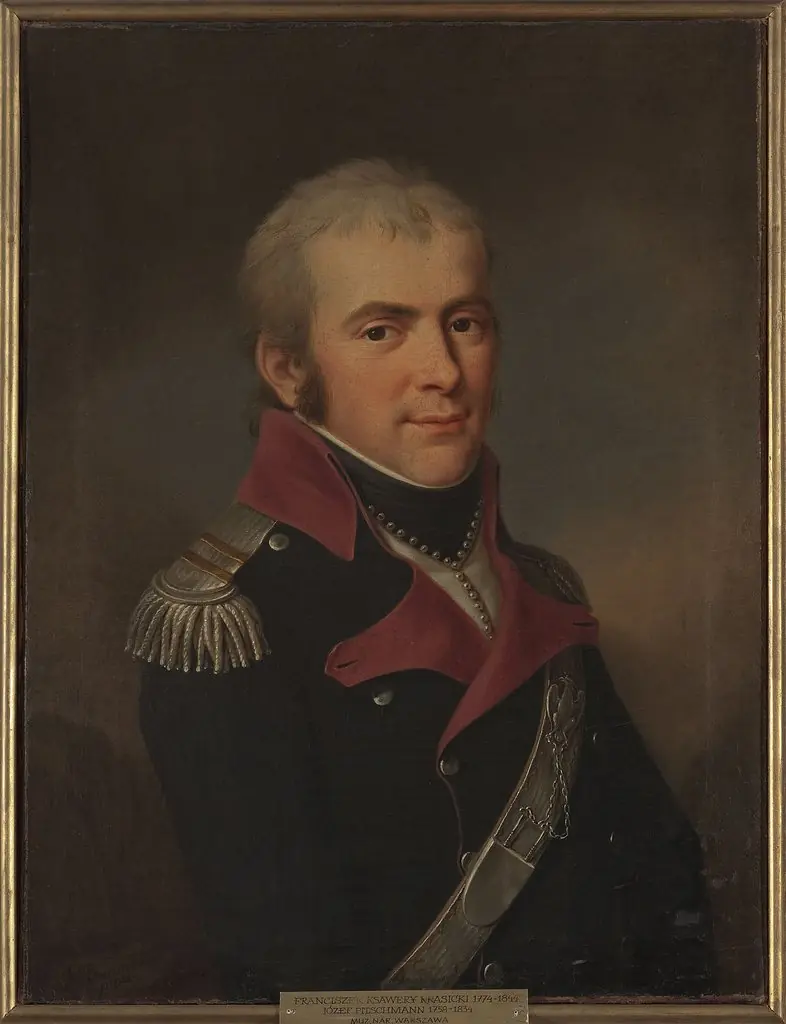 Portrait of Ksawery Krasicki (1774–1844)
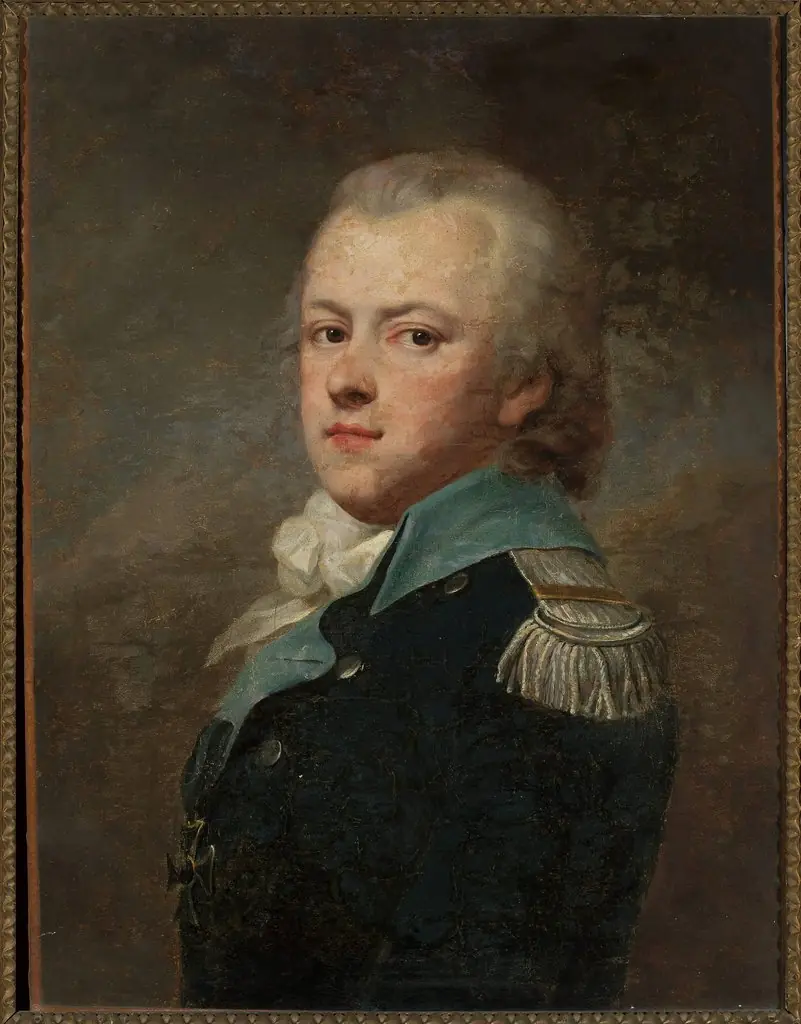 Portrait of Jan Krasicki, Rogala coat of arms (ca. 1764–1831) in a dark blue uniform jacket of the 14th Potocki Infantry Regiment
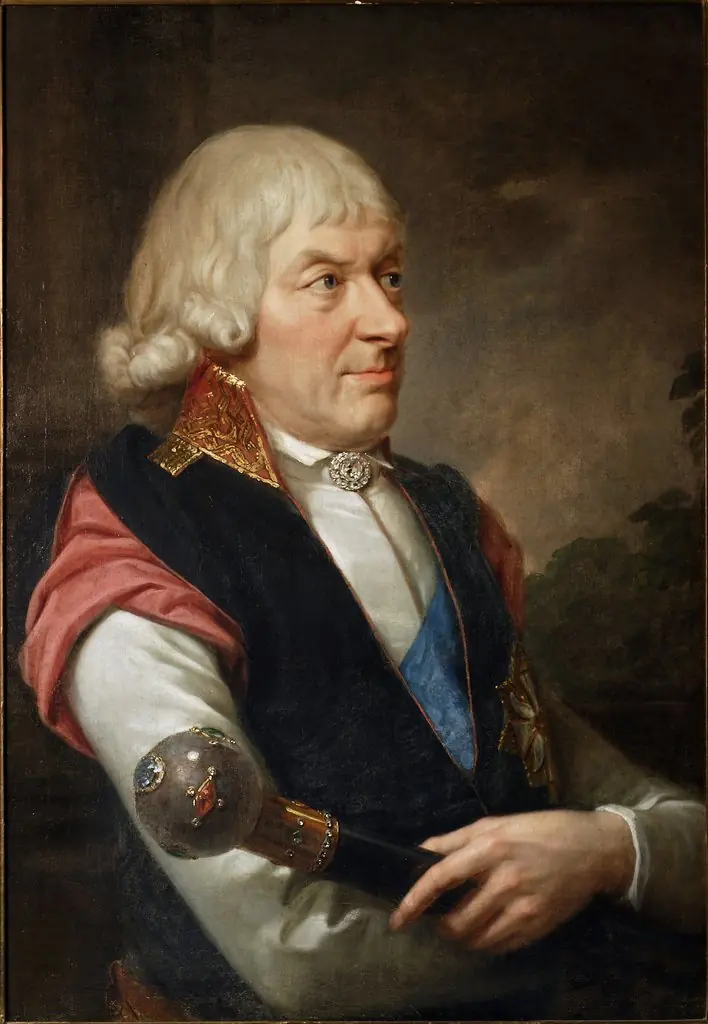 Portrait of Michał Kazimierz Ogiński (1728–1800), hetman of the Duchy of Lithuania
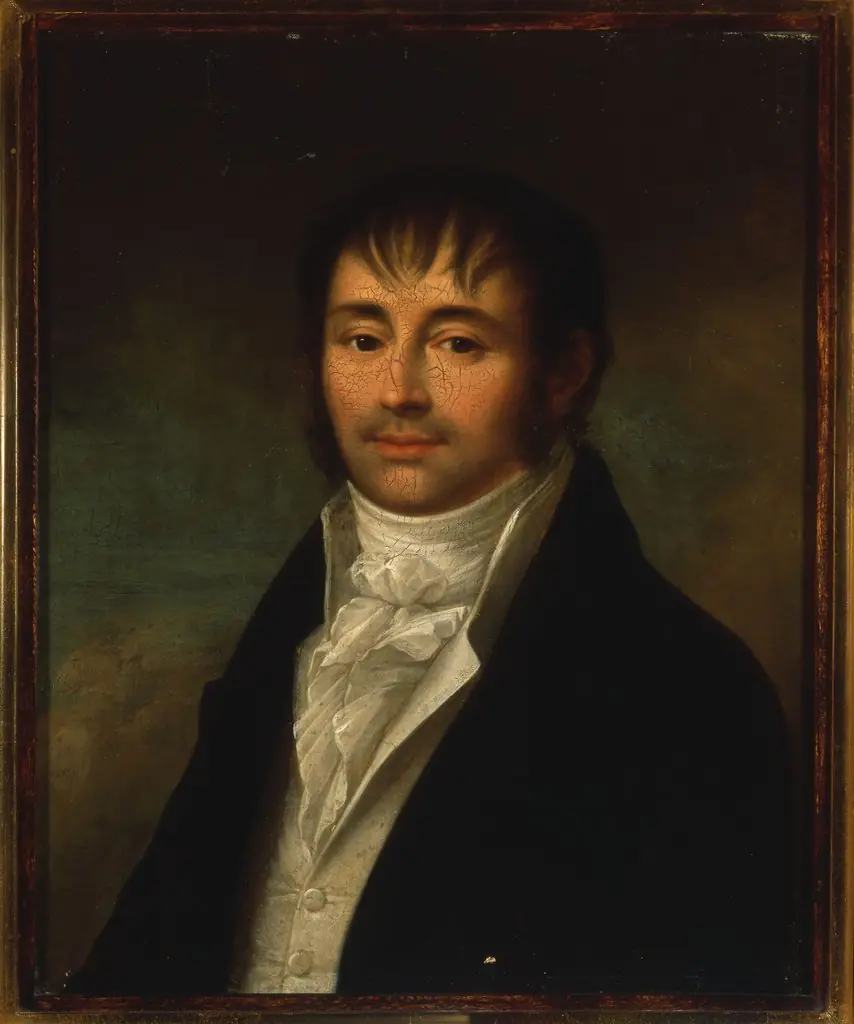 Portrait of Euzebiusz Słowacki
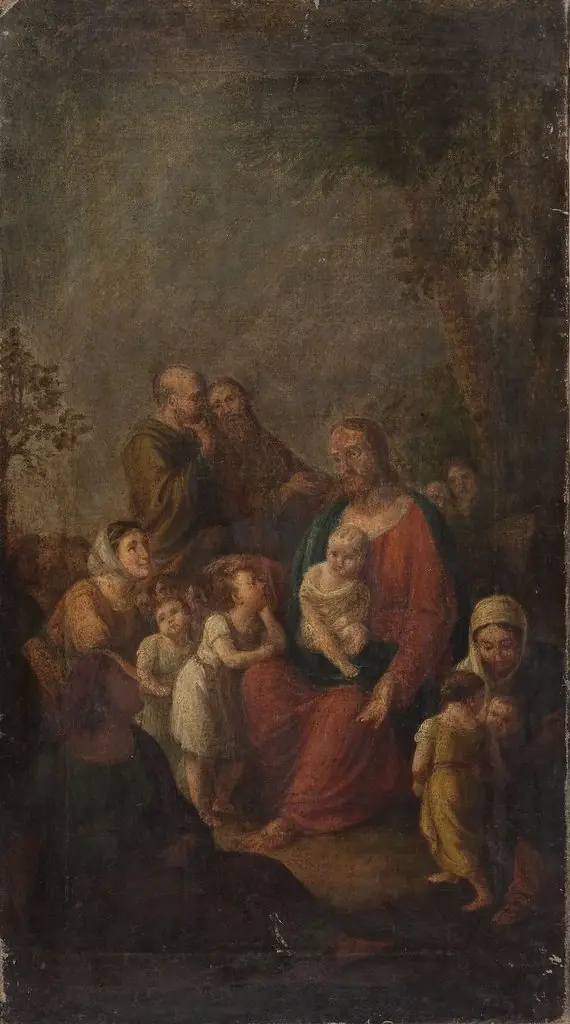 Christ blesses children
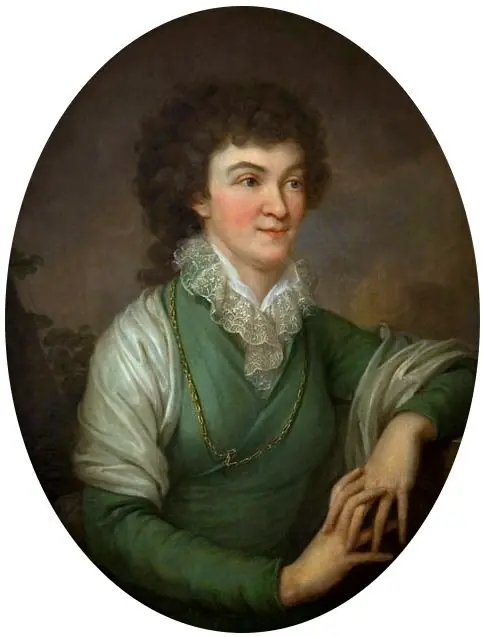 Portrait of Urszuli Tarnowskiej
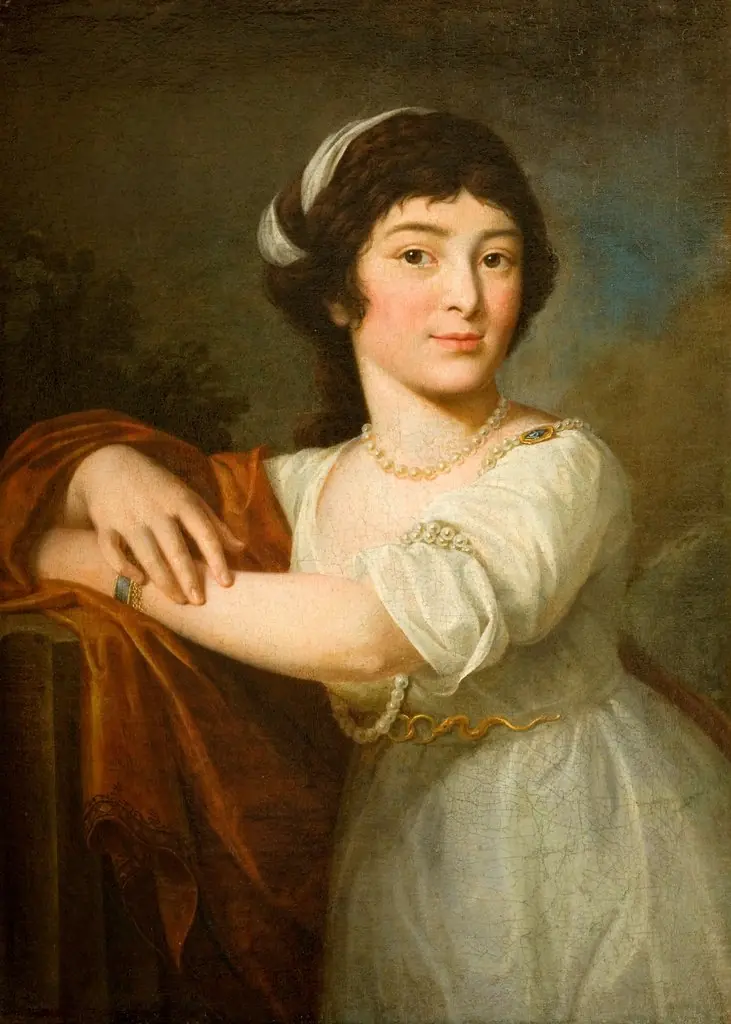 Portrait of Joanna Dzierzbicka
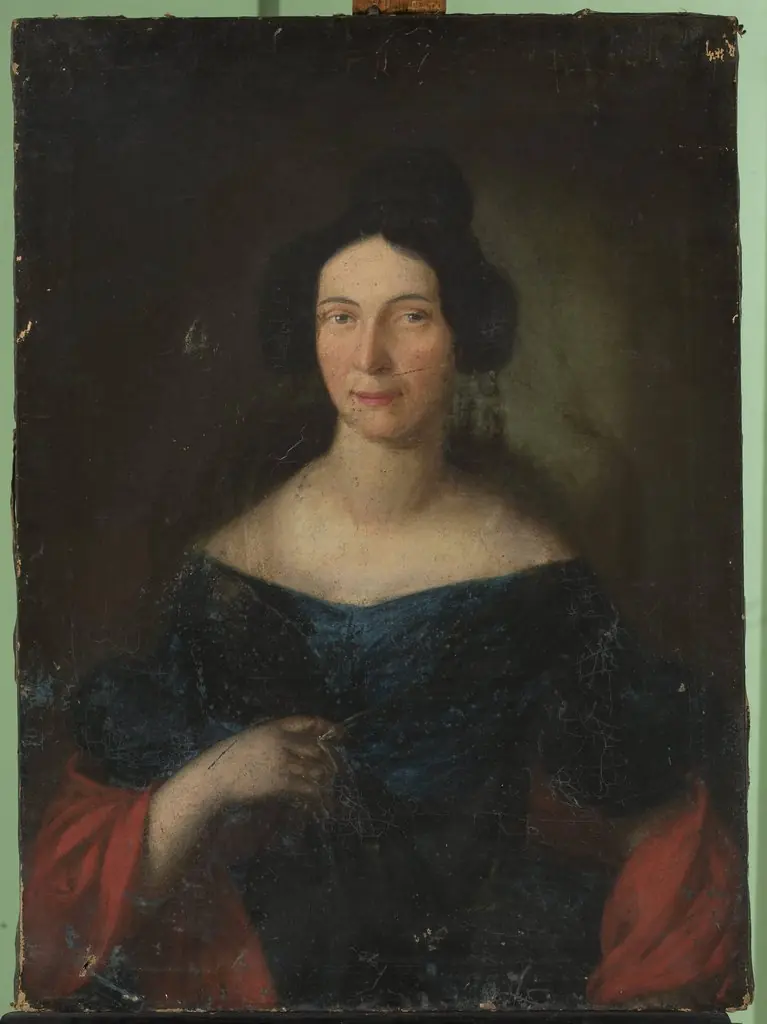 Portrait of a woman
 Portret de femeie
 Mama
Mama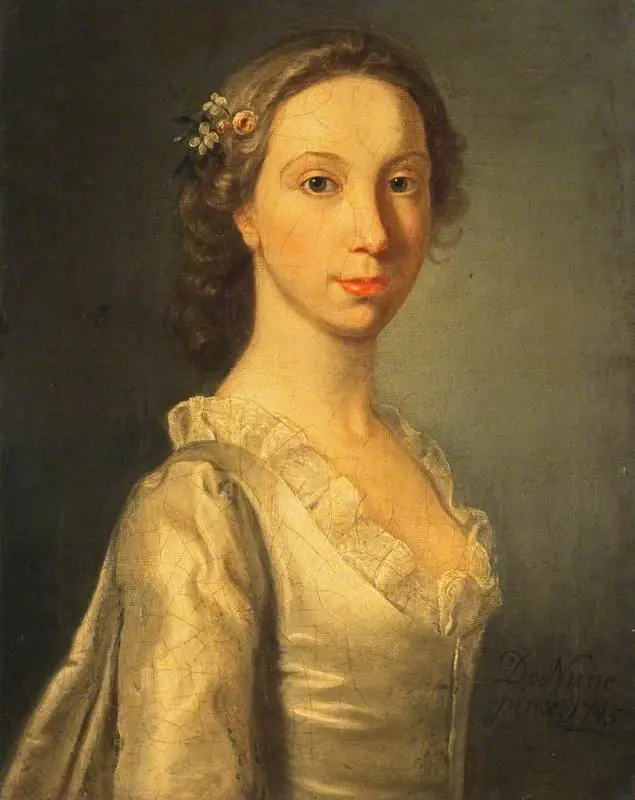 Portrait of a Young Lady
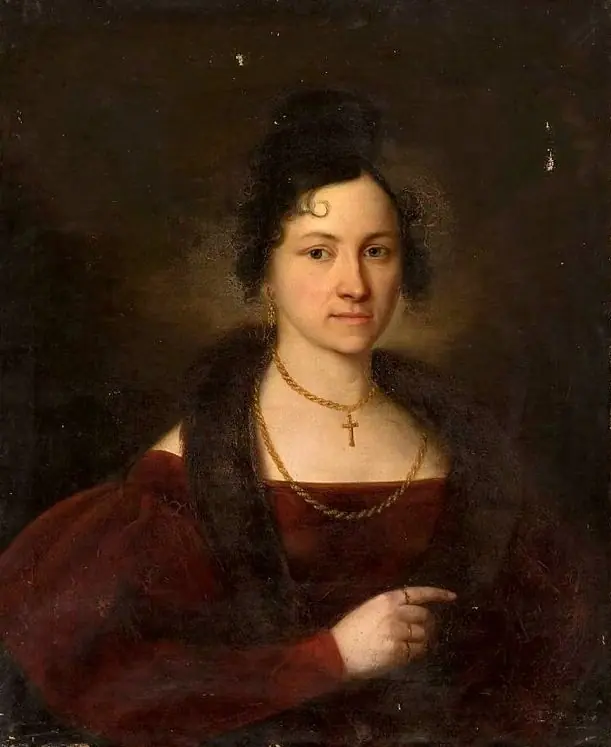 Portrait of Konstancja Narbutt
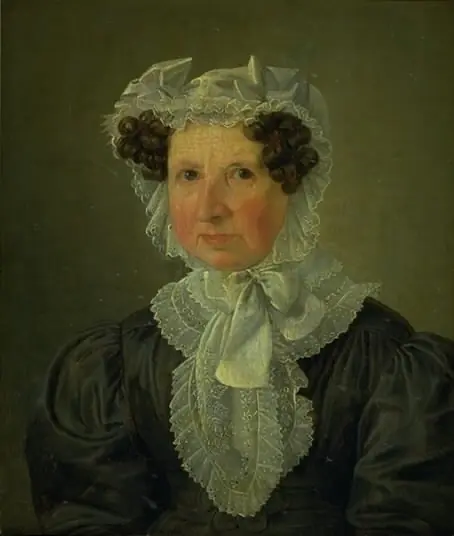 Portræt af jomfru Nissen
 Portrait of Maria Żebrowska née Cieślik
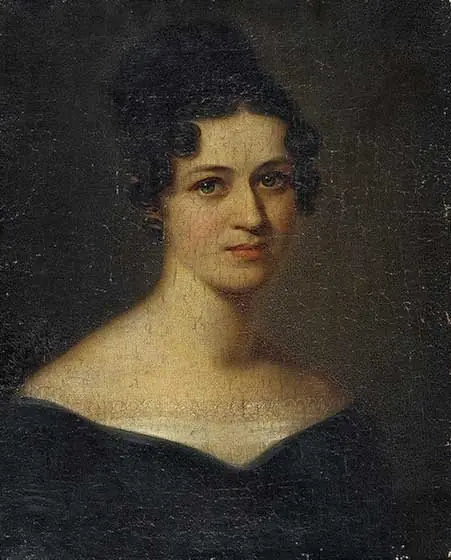 Portrait of Princess A.P. Golitsyna
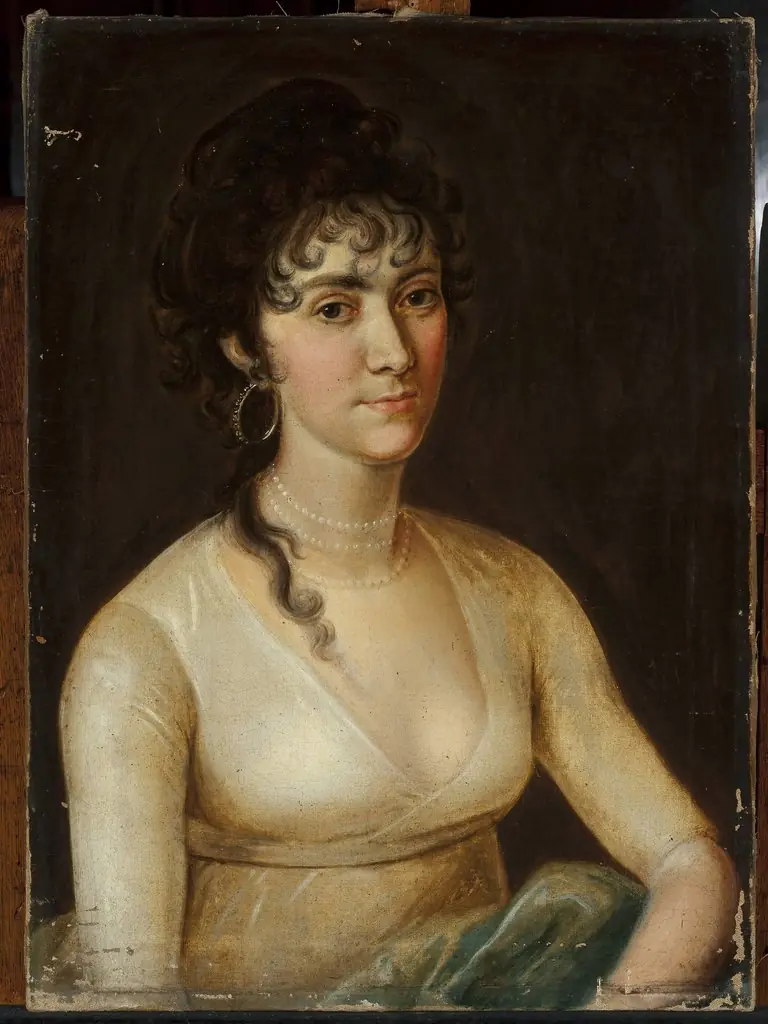 Portrait of Józefa Machan née Layer
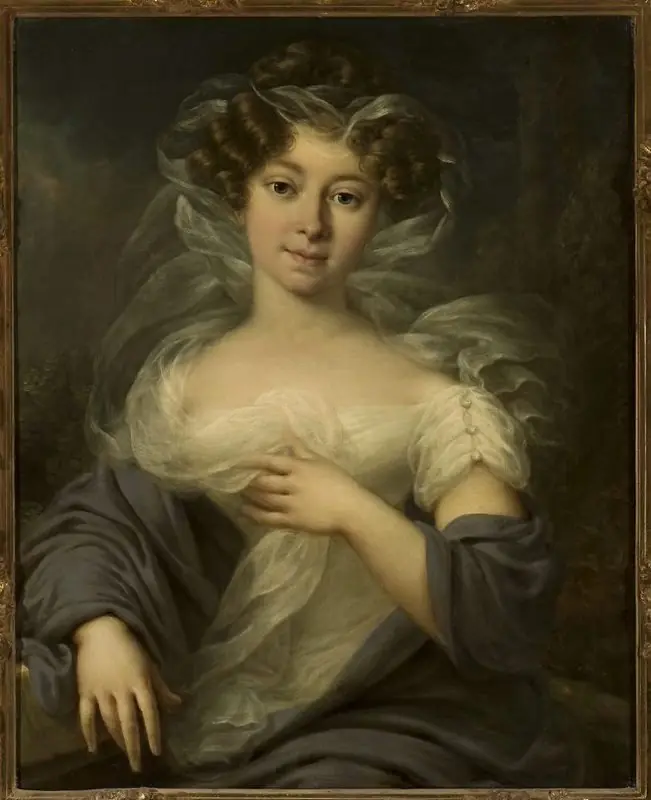 Portrait of Nina Łuszczewska née Żółtowska
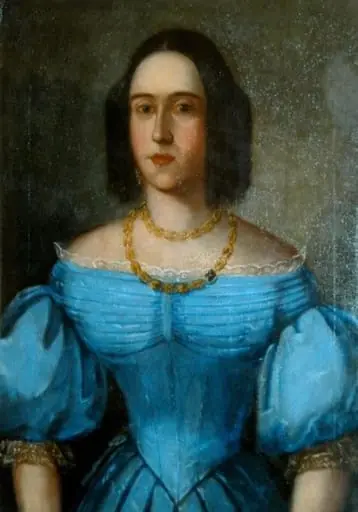 Portret de femeie
 Portrait of Salomea Zawadzka née Mikołajewska