Artwork
Study of Both Hands of the Bishop for the Painting "The Oath of Queen Jadwiga"
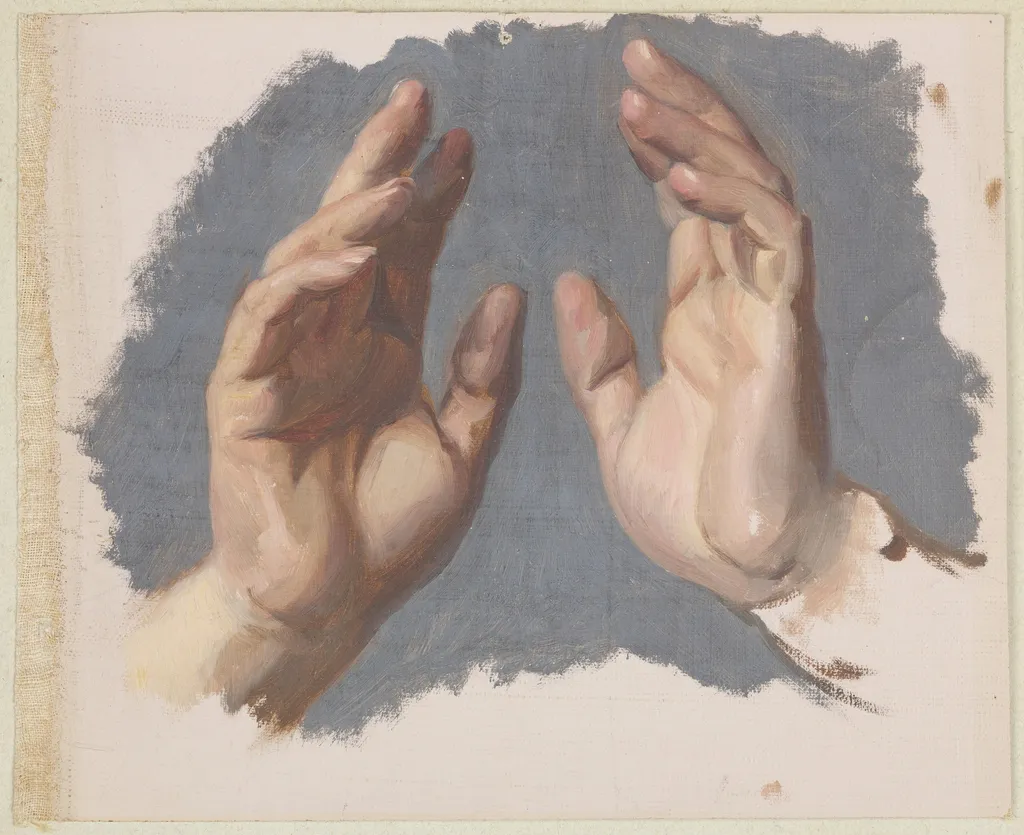
Study of Both Hands of the Bishop for the Painting "The Oath of Queen Jadwiga" is an oil painting by Józef Simmler. It dates from 1855 and is held in the collection of the National Museum in Kraków.
About this work
Overview
This oil painting, created circa 1855 by Polish artist Józef Simmler, is a preparatory study focusing on the hands of a bishop. It was intended for the larger work *The Oath of Queen Jadwiga*, now housed in the National Museum in Kraków.
Subject & Meaning
The painting depicts a close-up of a bishop's hands, palms facing each other with fingers curled inward, conveying a specific gesture. The realistic detail suggests an emphasis on capturing a particular emotional or symbolic moment related to the bishop's role in the oath scene.
Technique & Style
Simmler employed oil paint to achieve a highly realistic and detailed representation of the hands. The use of a light background contrasted with a darker gray smudge behind the hands may indicate the artist's application of chiaroscuro principles to enhance depth and volume.
History & Provenance
Created around 1855 as part of Simmler's preparations for *The Oath of Queen Jadwiga*, this study is now part of the National Museum in Kraków's collection, contextualizing it within Simmler's broader thematic focus on Polish historical subjects.
Context
This work reflects Simmler's classical approach, characteristic of his focus on Polish historical themes. The study's attention to detail and realism align with the artistic values of his time, emphasizing historical accuracy and emotional authenticity.
Legacy
As a preparatory study for a larger historical painting, its legacy is closely tied to *The Oath of Queen Jadwiga*. It demonstrates Simmler's meticulous approach to detail, contributing to the overall impact of the final composition.
Artist & collection
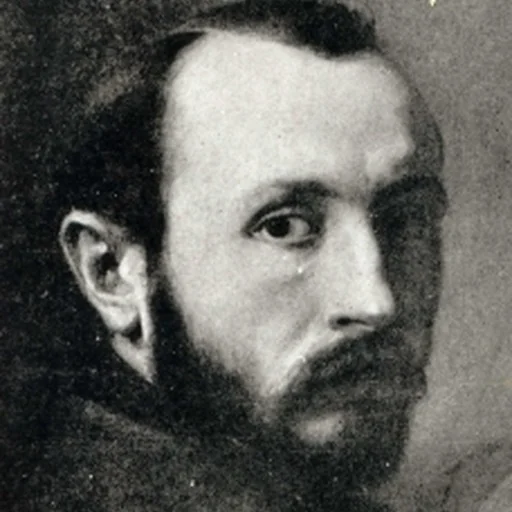
Artist
Józef Simmler (March 14, 1823, in Warsaw – March 1, 1868, in Warsaw) was a Polish painter known for his classical style and his Polish subjects.

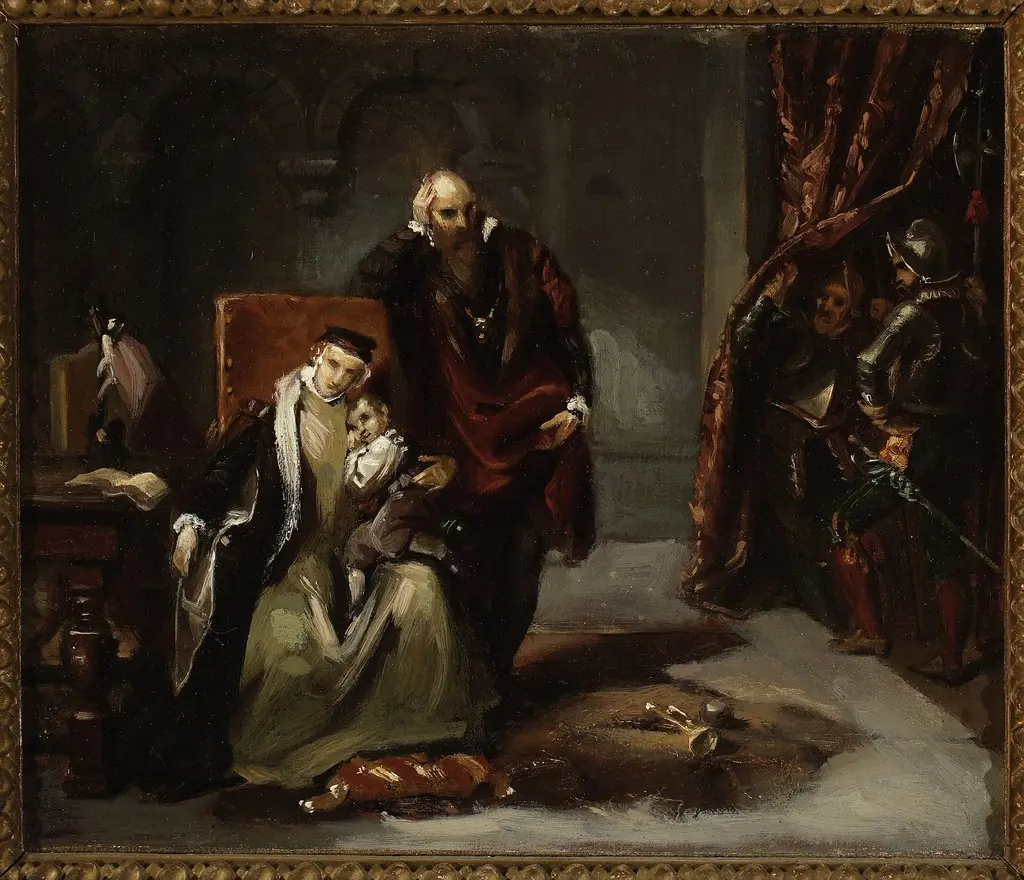 Catherine Jagiellon with her son Sigismund imprisoned in the Gripshom Castle (sketch)
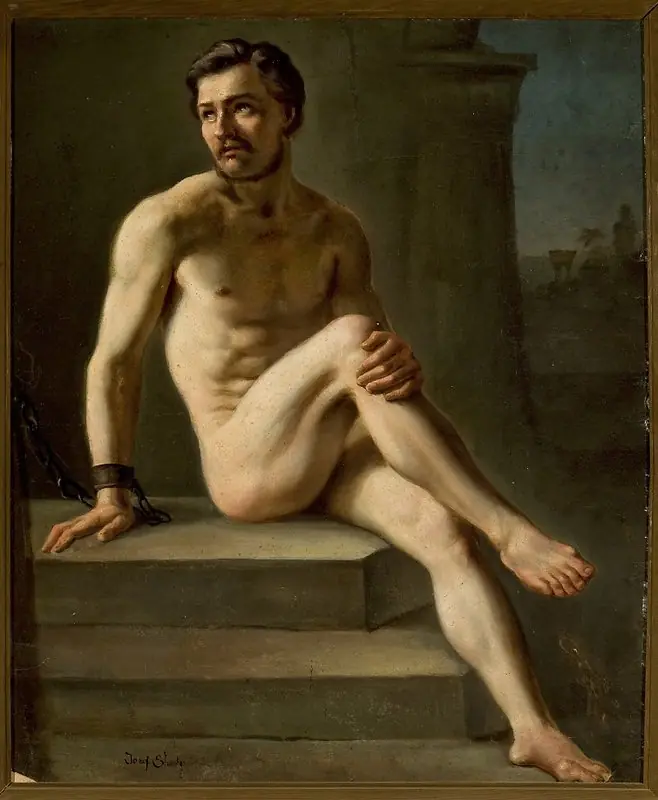 Male nude study
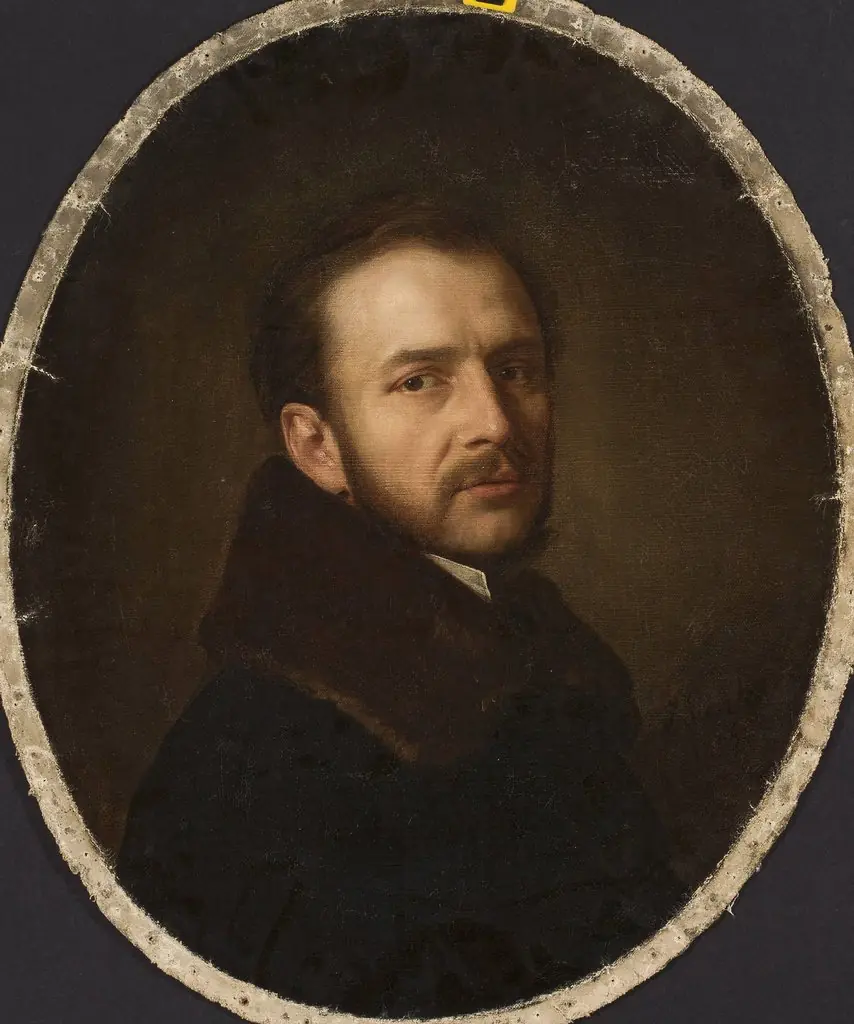 Portrait of a man
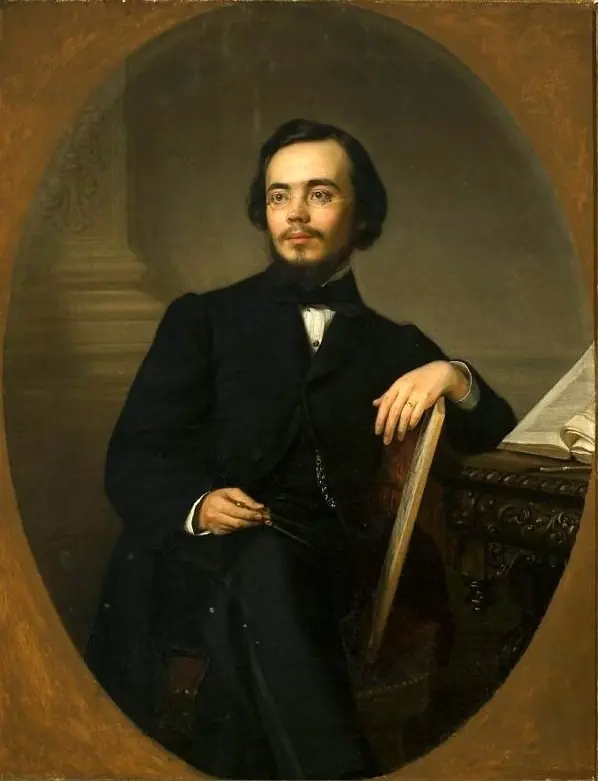 Portrait of Aleksander Waszkowski, member of the National Government in 1863
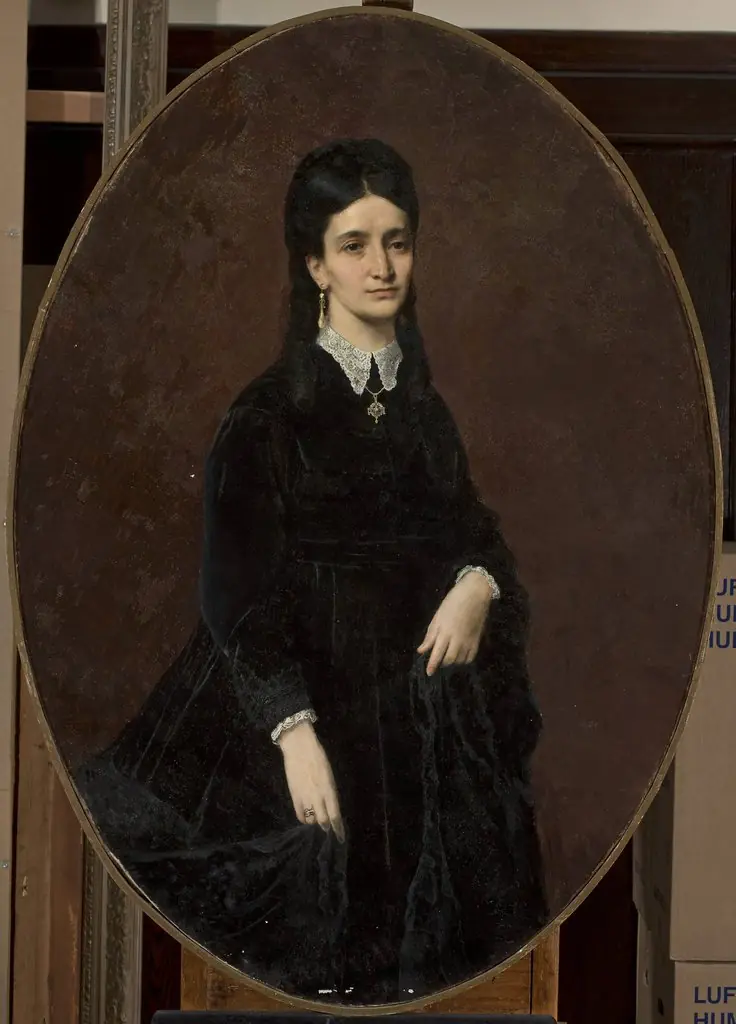 Portrait of a lady
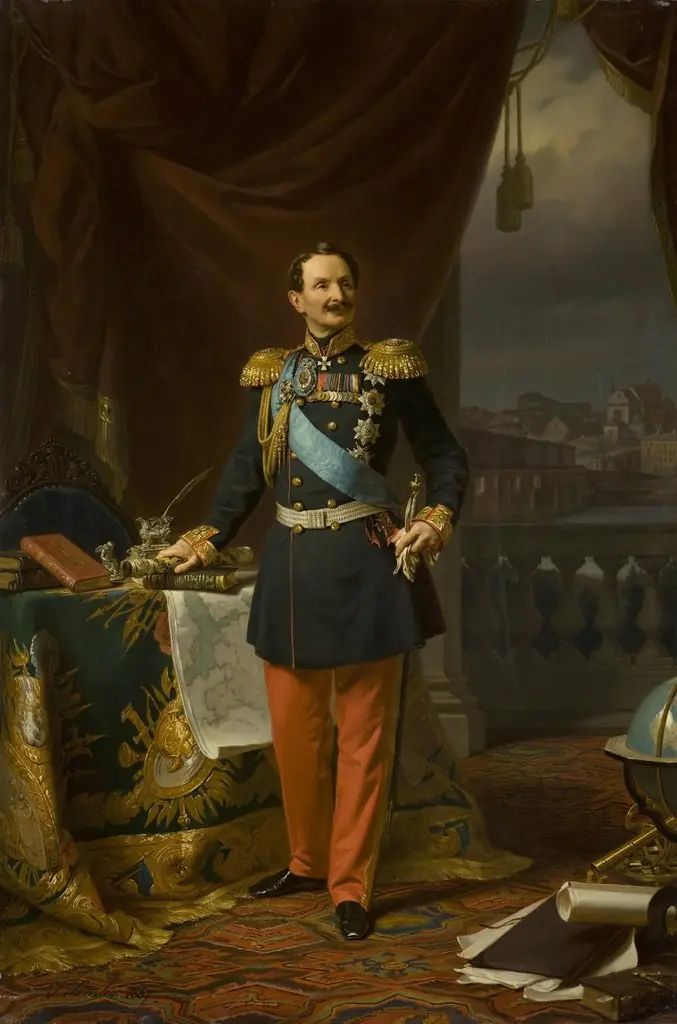 Portrait of Field-Marshal Count Fiodor (Friedrich Wilhelm) Berg
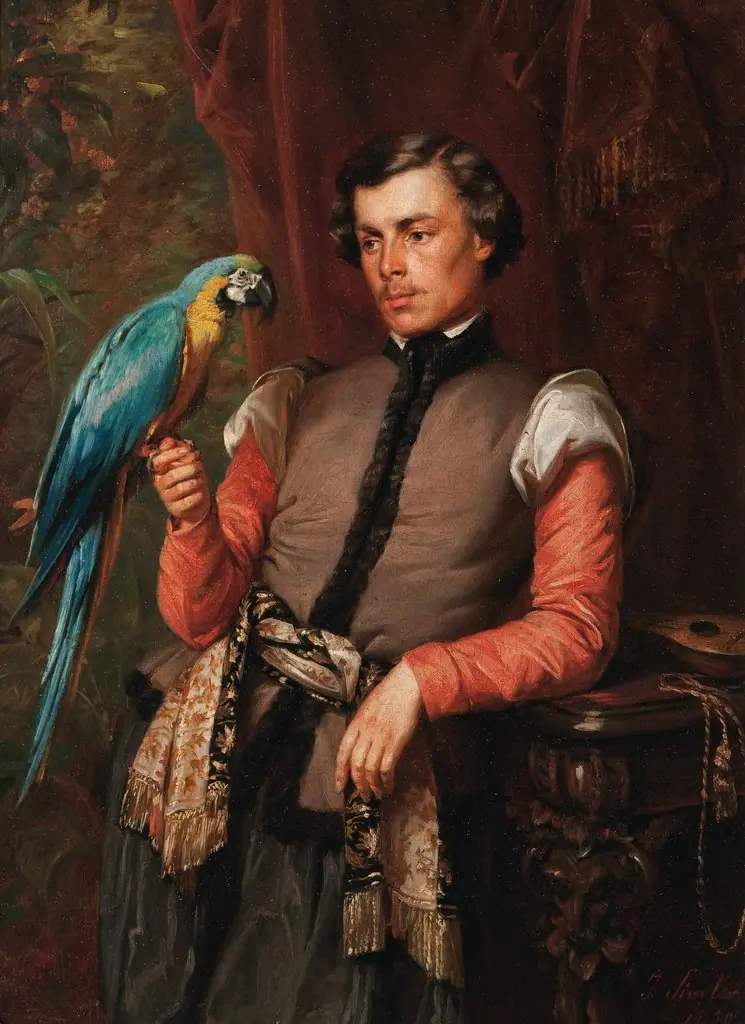 Nobleman with a Parrot
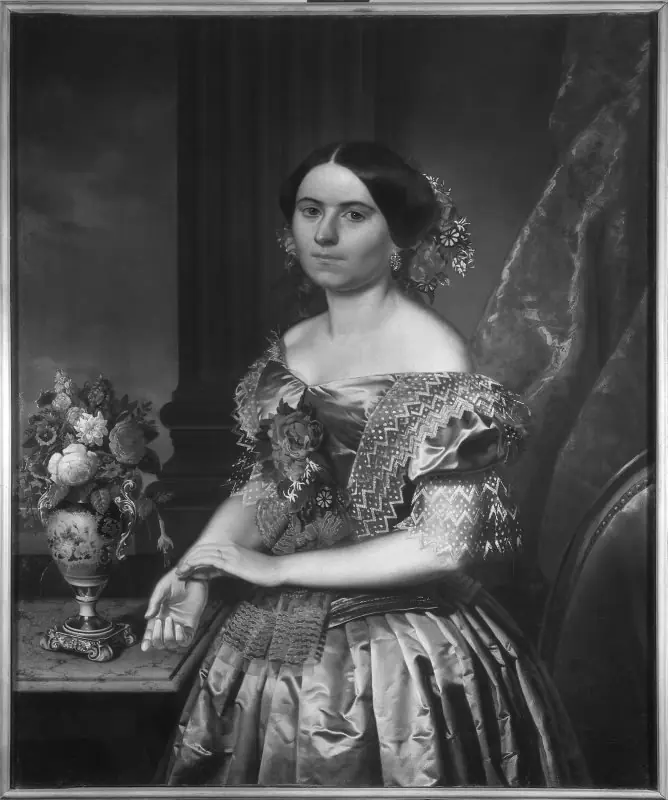 Portrait of Mrs. Skwarcowa
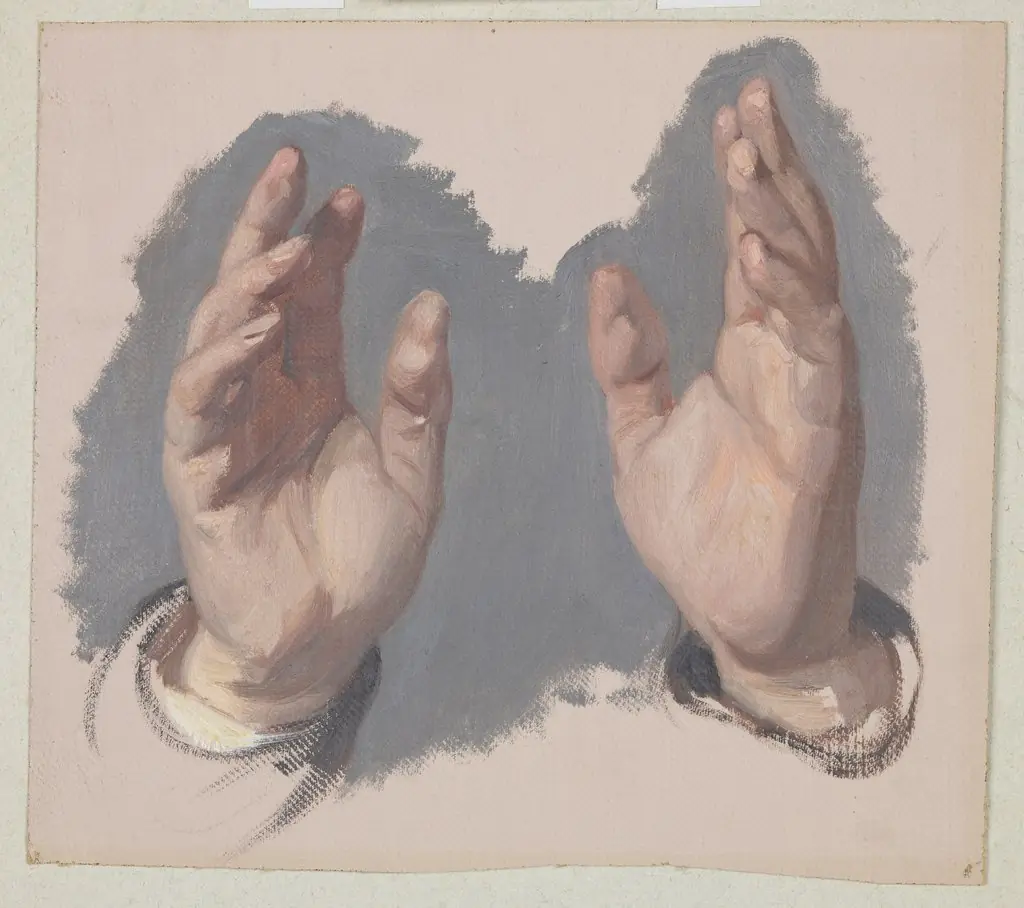 Study (I) of Both Hands of the Bishop to the Painting "The Oath of Queen Jadwiga"
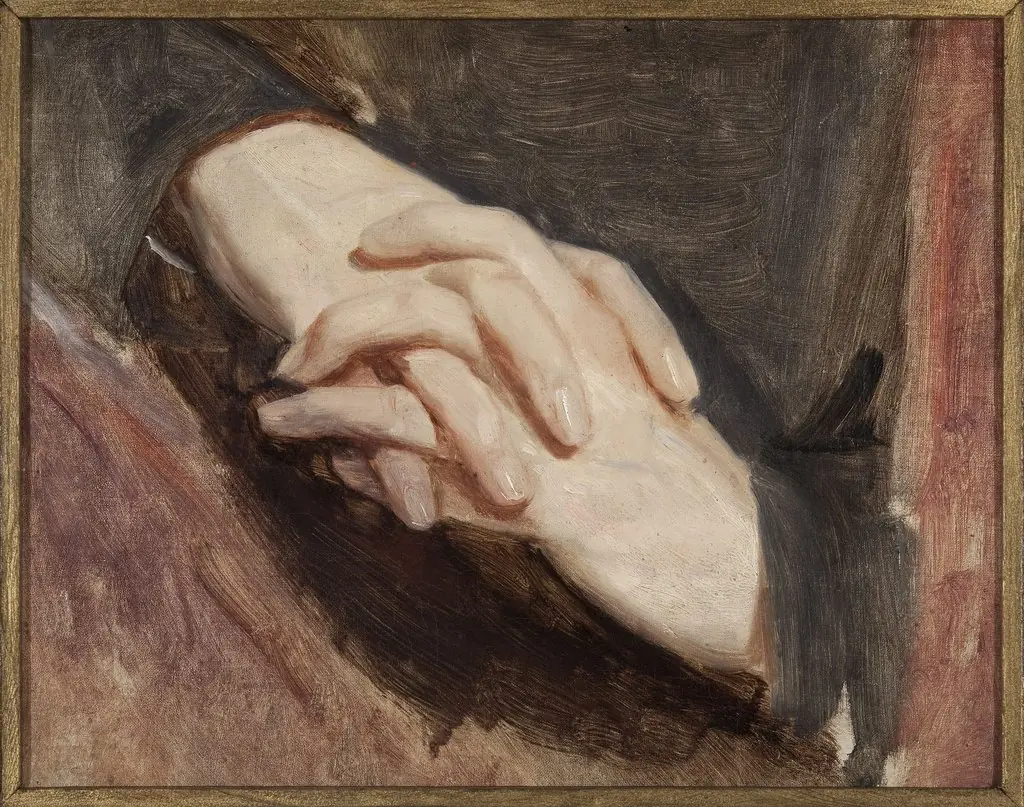 Study of the hands of Sigismund Augustus for the painting “Death of Barbara Radziwiłł”
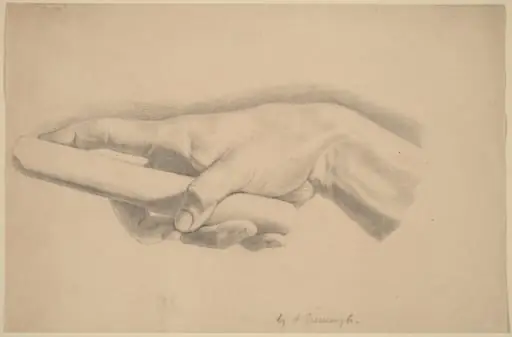 Study of a Hand
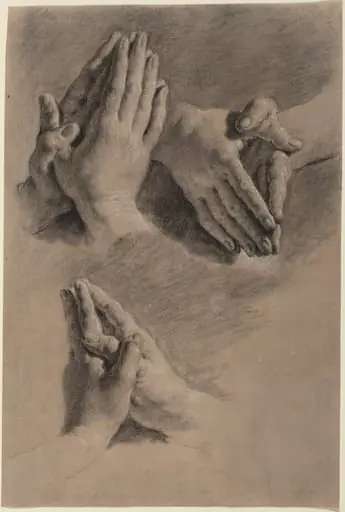 Three Studies of Hands Clasped in Prayer
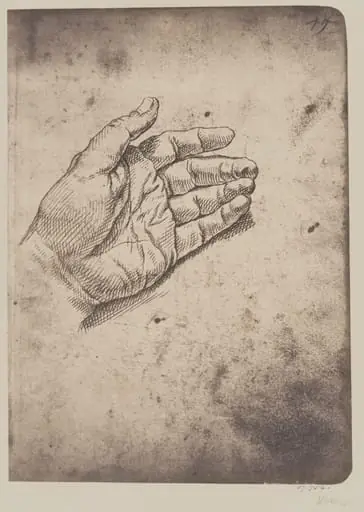 Study of a hand
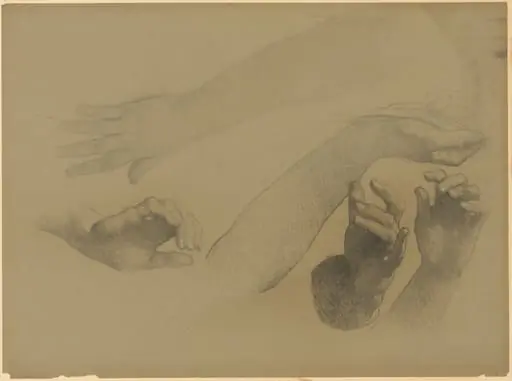 Study of Hands
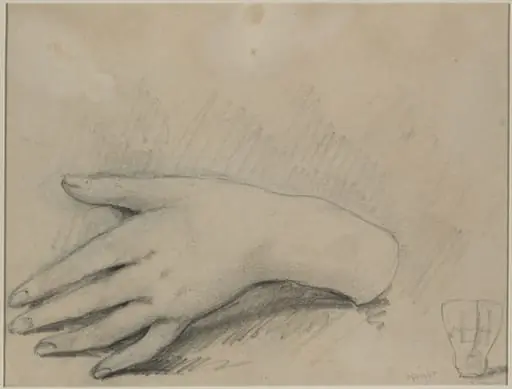 Study of a Woman's Hand (verso)
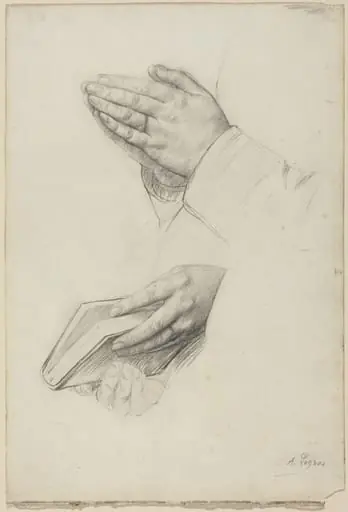 Two Studies of Hands
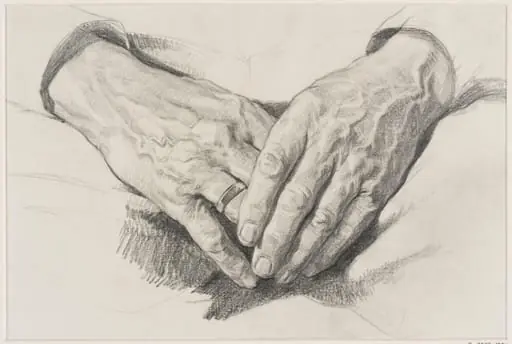 Study of Hands
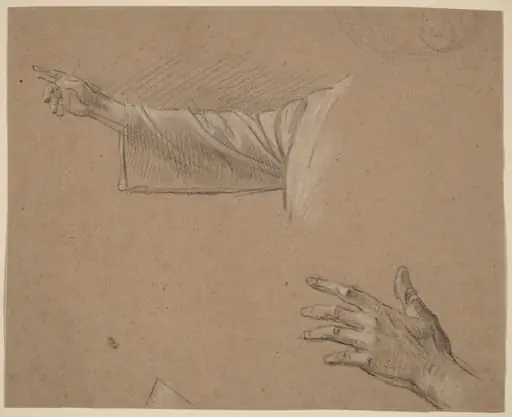 Study of a Right Arm and a Left Hand
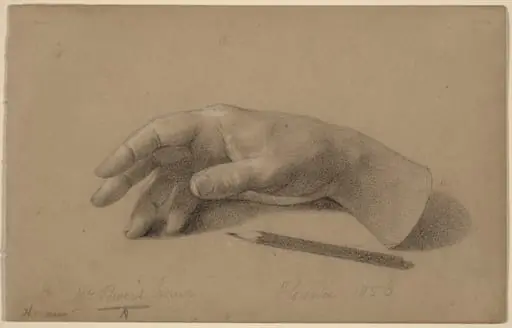 Study of a Hand
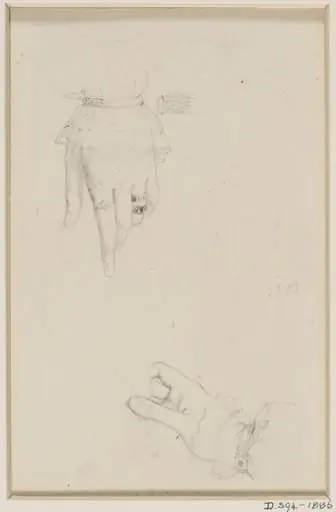 Study of hands