Artwork
Study of a Right Arm and a Left Hand
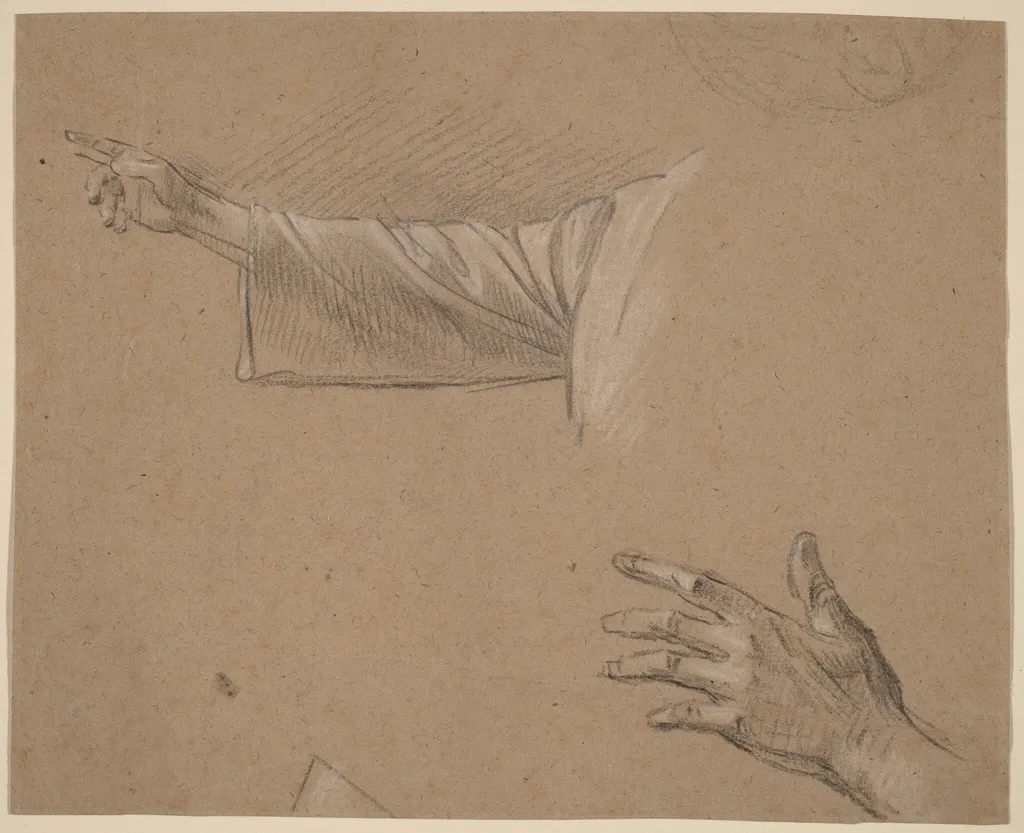
Study of a Right Arm and a Left Hand is a chalk drawing by the Baroque artist Benjamin West. It dates from 1779 and is held in the collection of the National Gallery of Art.
About this work
Overview
Created in 1779, this drawing by Benjamin West explores the anatomical structure of a right arm and left hand using black chalk with white highlights on brown laid paper. It is a preparatory study, likely made to refine the rendering of human form for a larger composition. The medium’s contrast and subtle tonal gradations suggest a focus on volume and gesture rather than finished detail.
Subject & Meaning
The drawing isolates two limbs—right arm and left hand—without context or narrative. This deliberate fragmentation emphasizes the artist’s interest in anatomical accuracy and expressive potential of the human body. The absence of a figure or scene shifts attention to the mechanics of movement and the weight of muscle and bone, reflecting a scholarly approach to form.
Technique & Style
The brown paper provided a mid-tone base, allowing the artist to build form through additive and subtractive marks.
West employed black chalk for its rich, malleable lines, enhancing contours and shadows. White chalk was used sparingly to lift highlights, creating luminous accents on the skin’s surface. The brown paper provided a mid-tone base, allowing the artist to build form through additive and subtractive marks. The handling is direct and observational, avoiding idealization in favor of structural clarity.
History & Provenance
The drawing was produced during West’s tenure as President of the Royal Academy in London, a period when he was deeply engaged in teaching and anatomical study. It remained in his personal collection until his death in 1820, later entering a private collection before being acquired by a public institution. Its survival as a standalone study is uncommon, as most such sketches were discarded after use.
Context
In late 18th-century Britain, academic artists increasingly prioritized anatomical precision as a foundation for historical painting. West, influenced by classical ideals and Enlightenment empiricism, regularly studied live models and dissected cadavers. This drawing aligns with broader trends in art education that valued direct observation over inherited conventions.
Legacy
Though not widely exhibited, the drawing exemplifies West’s commitment to rigorous draftsmanship and his role in shaping American and British academic training. It survives as a testament to the labor behind large-scale history paintings, revealing the quiet, methodical work that underpinned public commissions and institutional pedagogy.
Artist & collection

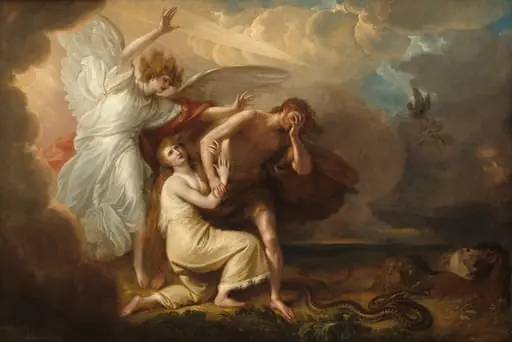 The Expulsion of Adam and Eve from Paradise
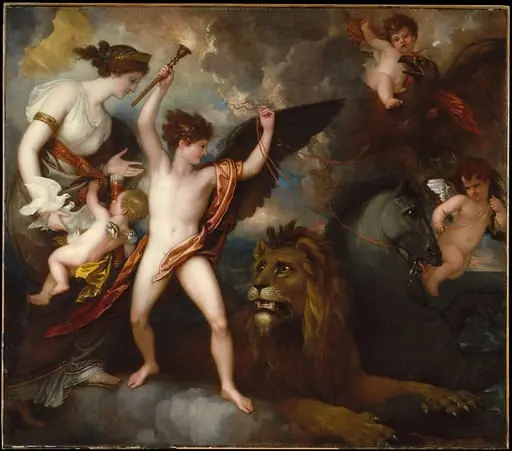 Omnia Vincit Amor, or The Power of Love in the Three Elements
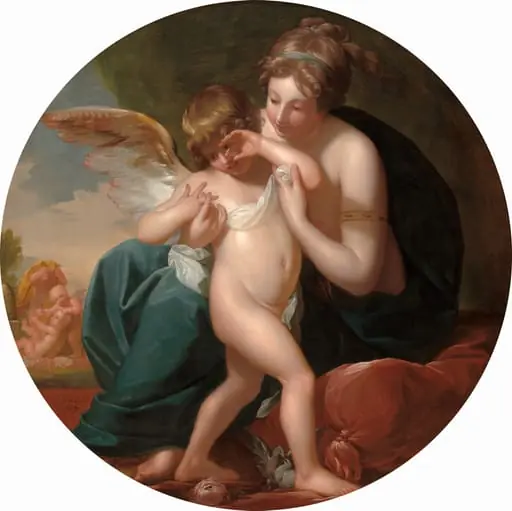 Cupid, Stung by a Bee, Is Cherished by his Mother
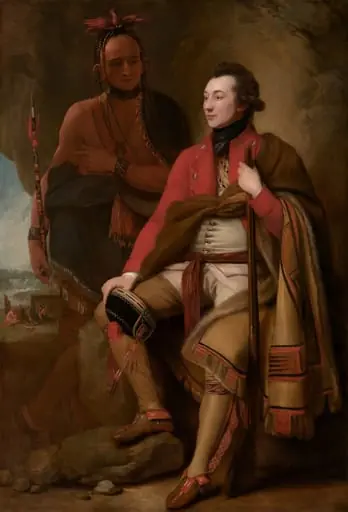 Colonel Guy Johnson and Karonghyontye (Captain David Hill)
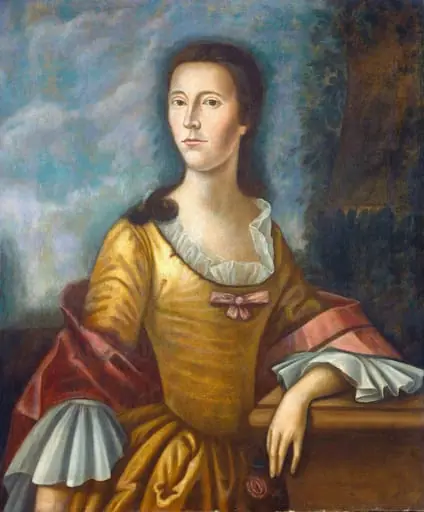 Mary Bethel Boude (Mrs. Samuel Boude)
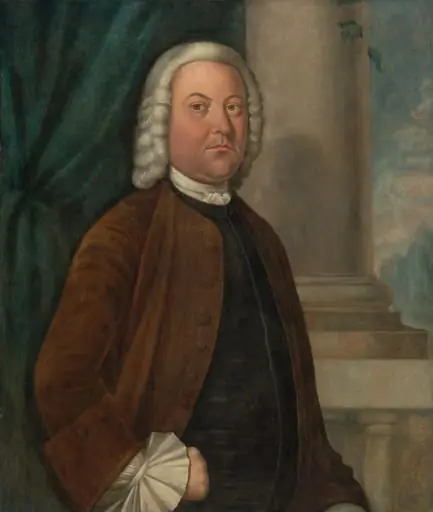 Dr. Samuel Boude
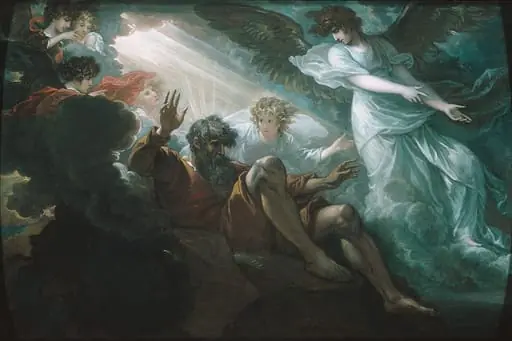 Moses Shown the Promised Land
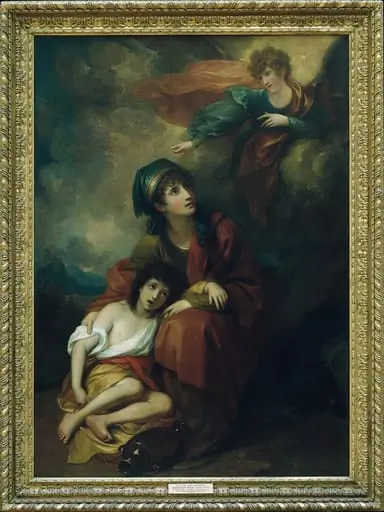 Hagar and Ishmael
![Study of Two Putti and a Draped Arm [verso], by Giovanni Battista Cipriani](https://artifactworldgallery.com/img/giovanni-battista-cipriani--study-of-two-putti-and-a-draped-arm-verso--47f39e682d8c982d-w320.webp)
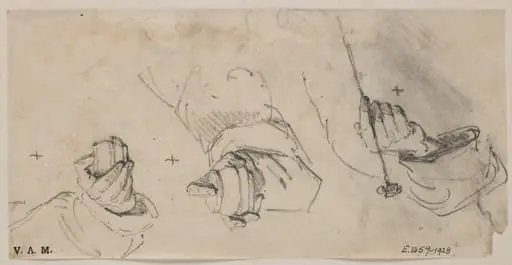
![Study of a Right Hand [recto], by Benjamin Haydon](https://artifactworldgallery.com/img/benjamin-haydon--study-of-a-right-hand-recto--88b544f65d3eb1a7-w320.webp)
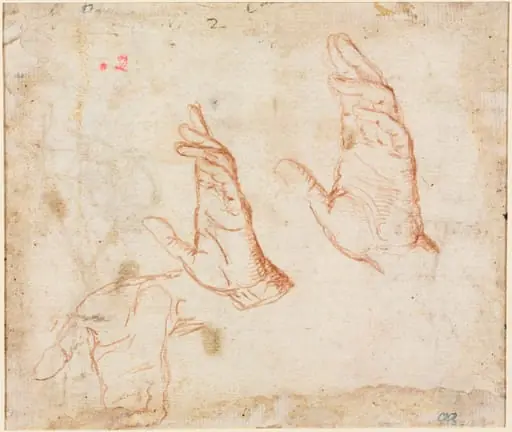
![Hand Studies [verso], by Allan Ramsay](https://artifactworldgallery.com/img/allan-ramsay--hand-studies-verso--f6c634d33f170fe2-w320.webp)
![Study of a Foot [verso], by Benjamin Haydon](https://artifactworldgallery.com/img/benjamin-haydon--study-of-a-foot-verso--1953df802be24b7d-w320.webp)