Artwork
Portrait of John William Friso, Prince of Orange
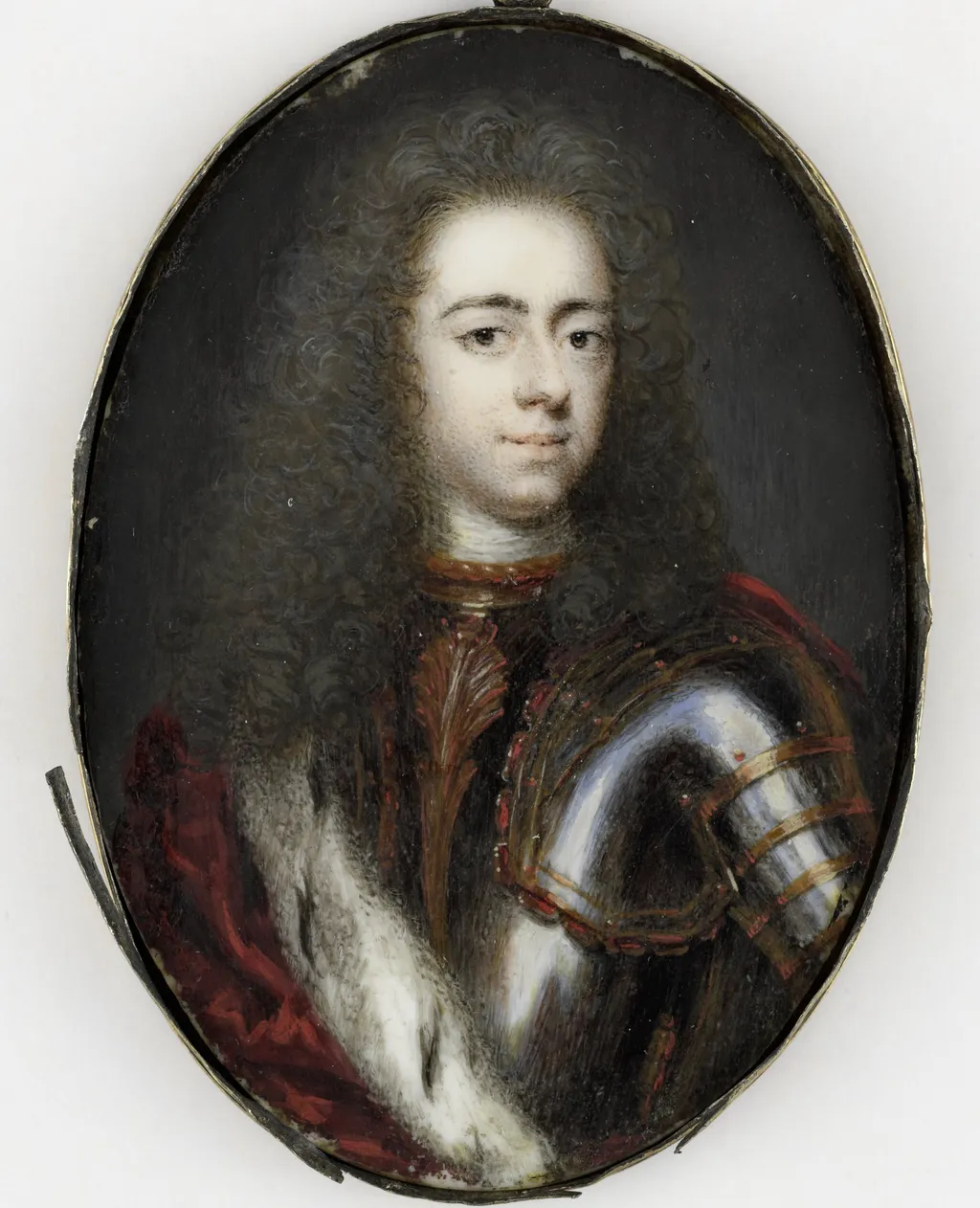
Portrait of John William Friso, Prince of Orange is an ivory painting by the Rococo painting artist Jacob Christoph Le Blon. It dates from 1710 and is held in the collection of the Rijksmuseum.
About this work
Overview
The Portrait of John William Friso, Prince of Orange is an oval ivory painting created in 1710 by Jacob Christoph Le Blon, a Frankfurt-based painter and engraver. The work is characterized by its Rococo style and is part of the Rijksmuseum's collection.
Subject & Meaning
The portrait depicts John William Friso, Prince of Orange, with a serious expression, adorned in a dark red collar and white lace ruff, alongside what appears to be a helmet or armor, symbolizing his status.
Technique & Style
Executed on ivory, the portrait features soft, delicate details due to the medium. Le Blon employed chiaroscuro, with subtle shadows accentuating the subject's facial features through careful manipulation of light and dark.
History & Provenance
Created in 1710 by Jacob Christoph Le Blon, the portrait is notable not only for its subject but also for its creator's innovation in printing technology, precursor to the CMYK process, though this specific work showcases his painterly skills.
Context
As a Rococo piece, the portrait reflects the era's emphasis on elegance and refined detail, while its ivory medium adds a unique texture to the movement's characteristics.
Legacy
While the portrait itself is a testament to Le Blon's artistic versatility, his lasting impact on art and technology lies in his development of a halftone printing system, influencing later color printing technologies.
Artist & collection
Artist
Jacob Christoph Le Blon, or Jakob Christoffel Le Blon, (2 May 1667 – 16 May 1741) was a painter and engraver from Frankfurt who invented a halftone color printing system with three and four copper dyes using an RYB…

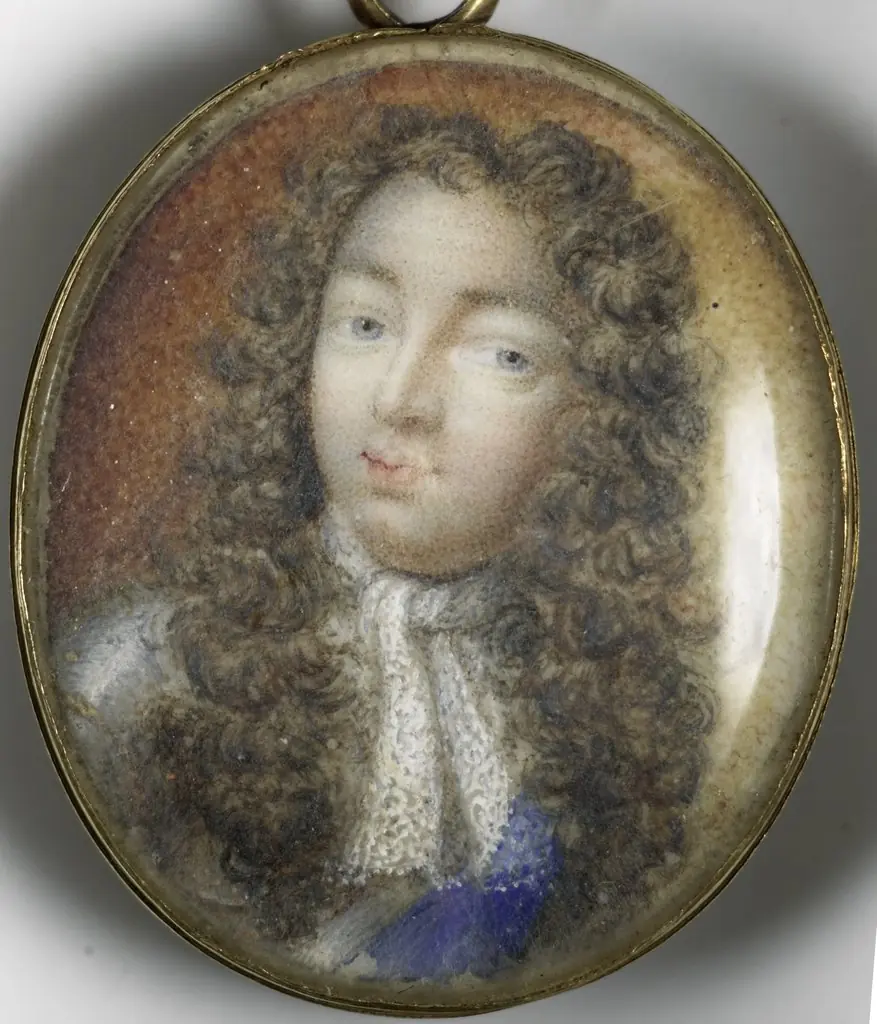 Portret van een man en een vrouw (keerzijde) vermoedelijk Willem Frederik Markgraaf van Brandenburg-Anspach (1686-1723) en zijn vrouw Christiane Charlotte van Württemberg (1694-1723)
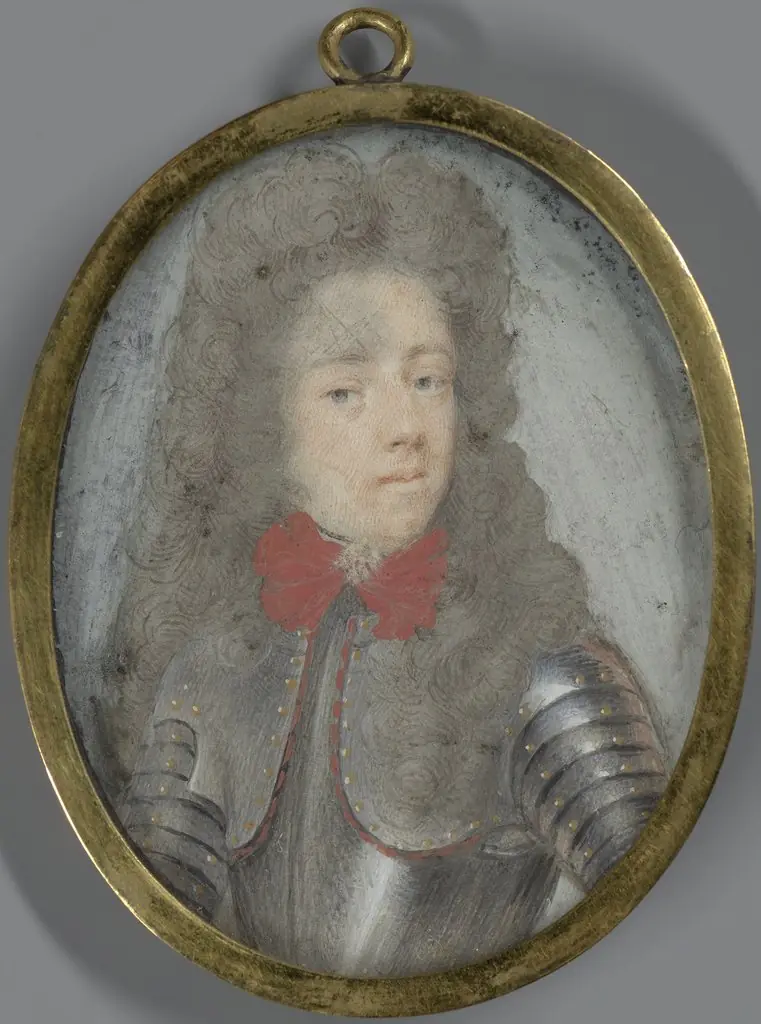 Portrait of Hendrik Casimir II (1657-96), ruler of Nassau-Dietz
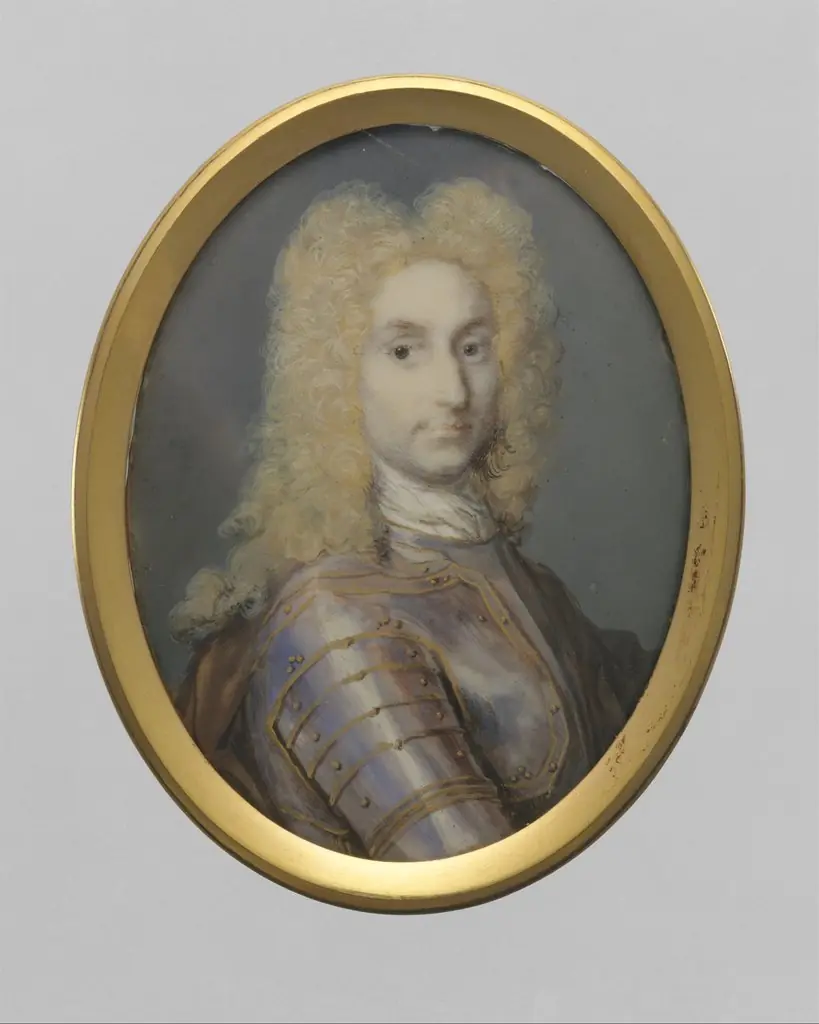 Portrait of a Man
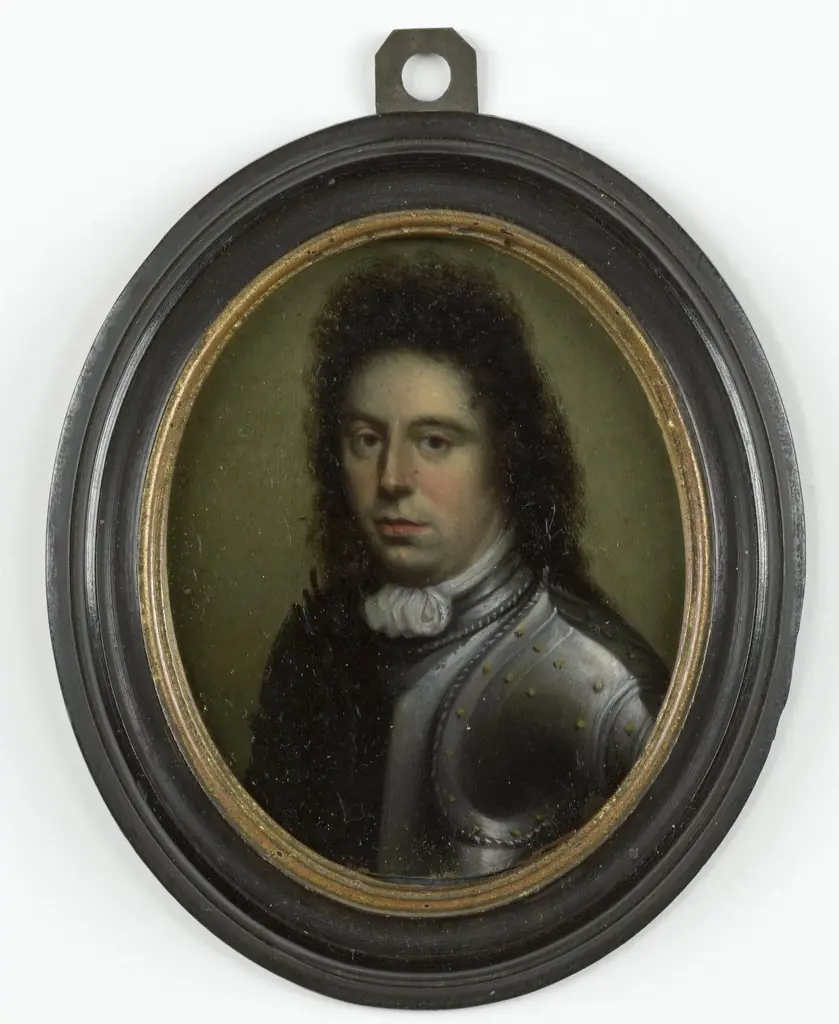 Portret van een officier
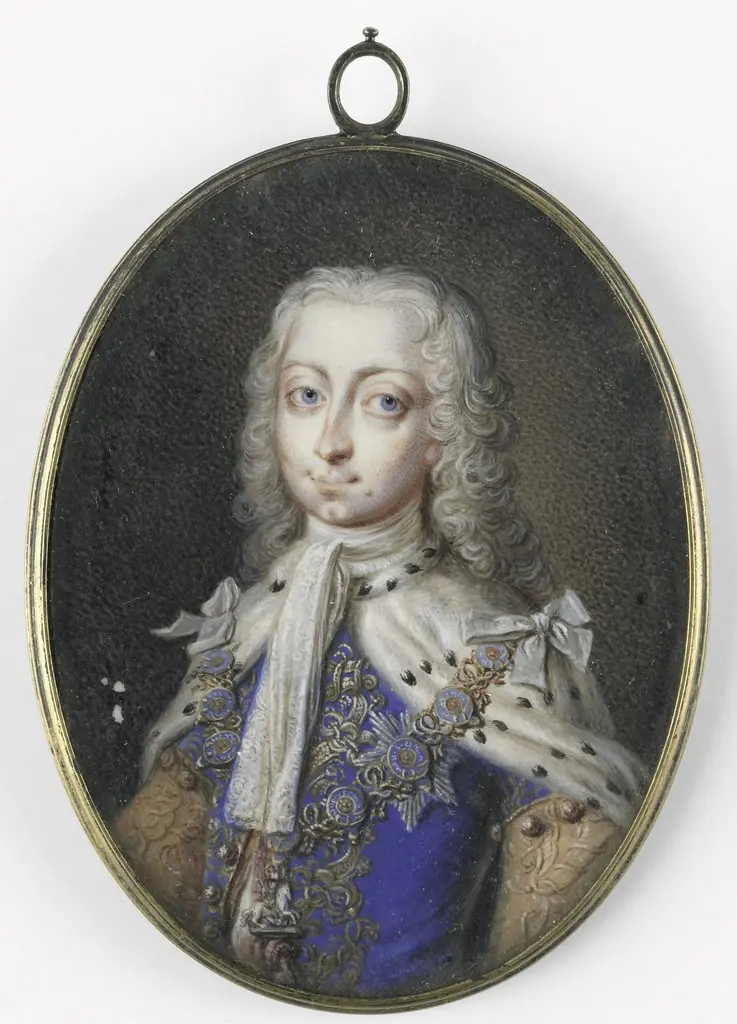 Frederick Louis (1707-51), prins van Wales. Zoon van koning George II
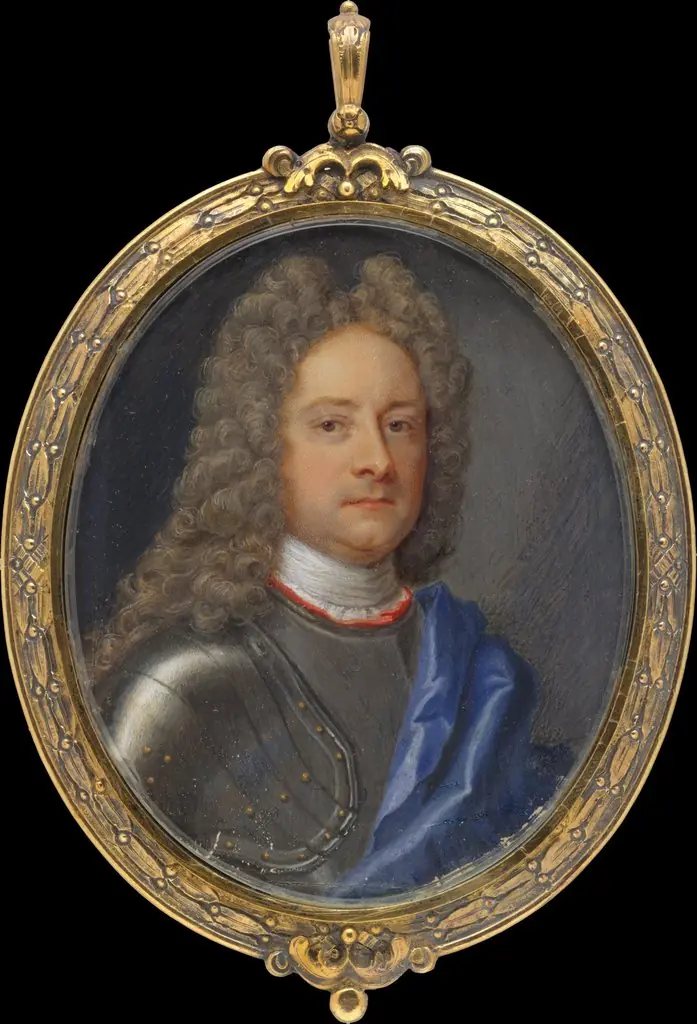 John Churchill (1650–1722), First Duke of Marlborough
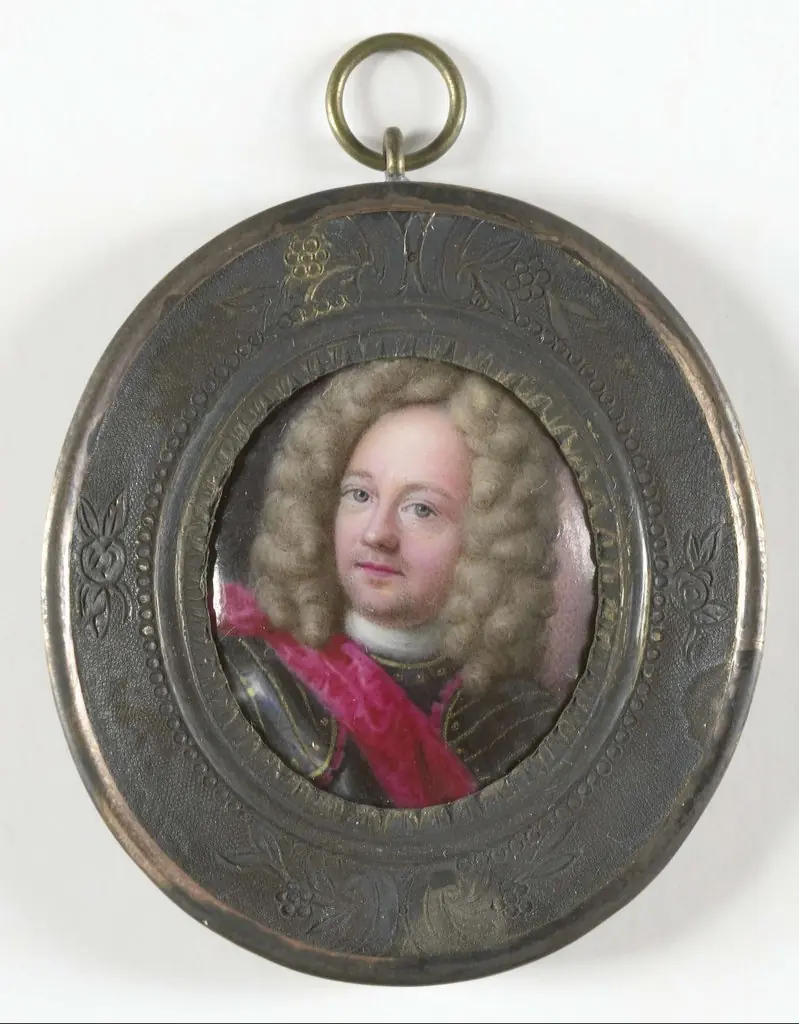 Portrait of John Churchill, Duke of Marlborough
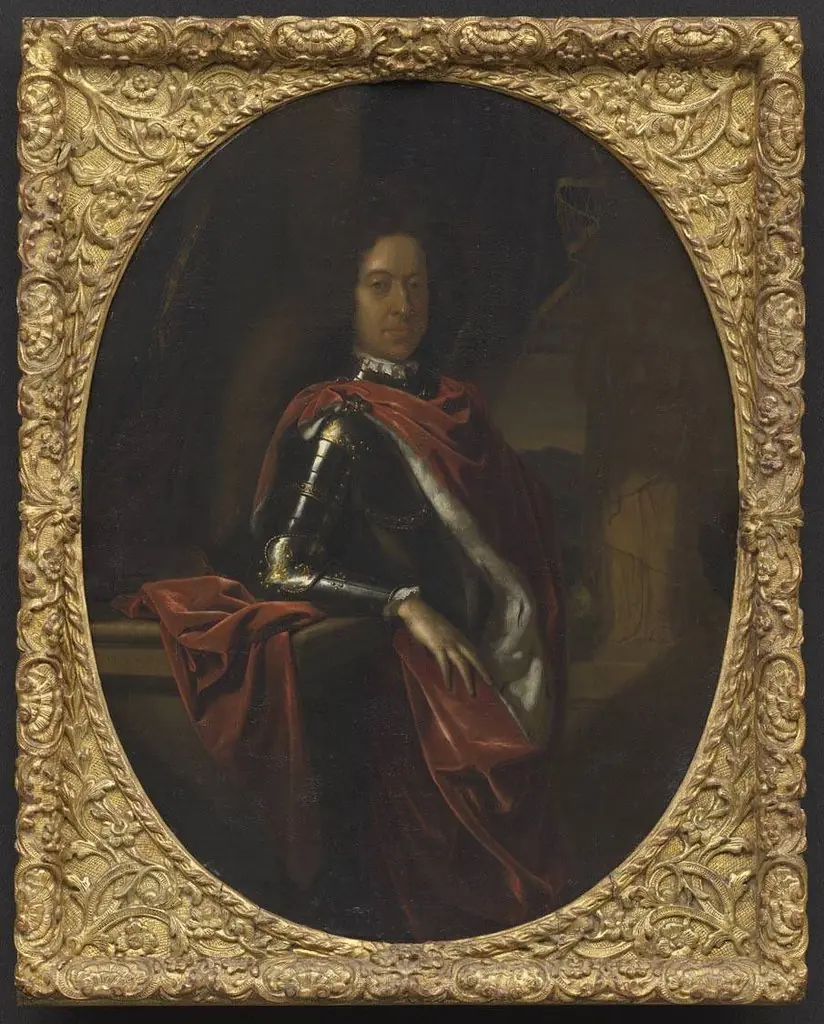 Portrait of Duke Giovanni Gastone de' Medici (1671-1737)
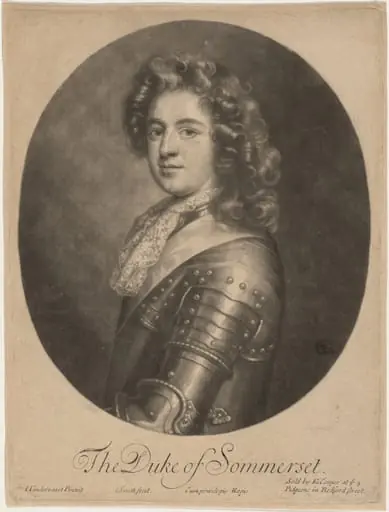 Charles Seymour, Sixth Duke of Somerset
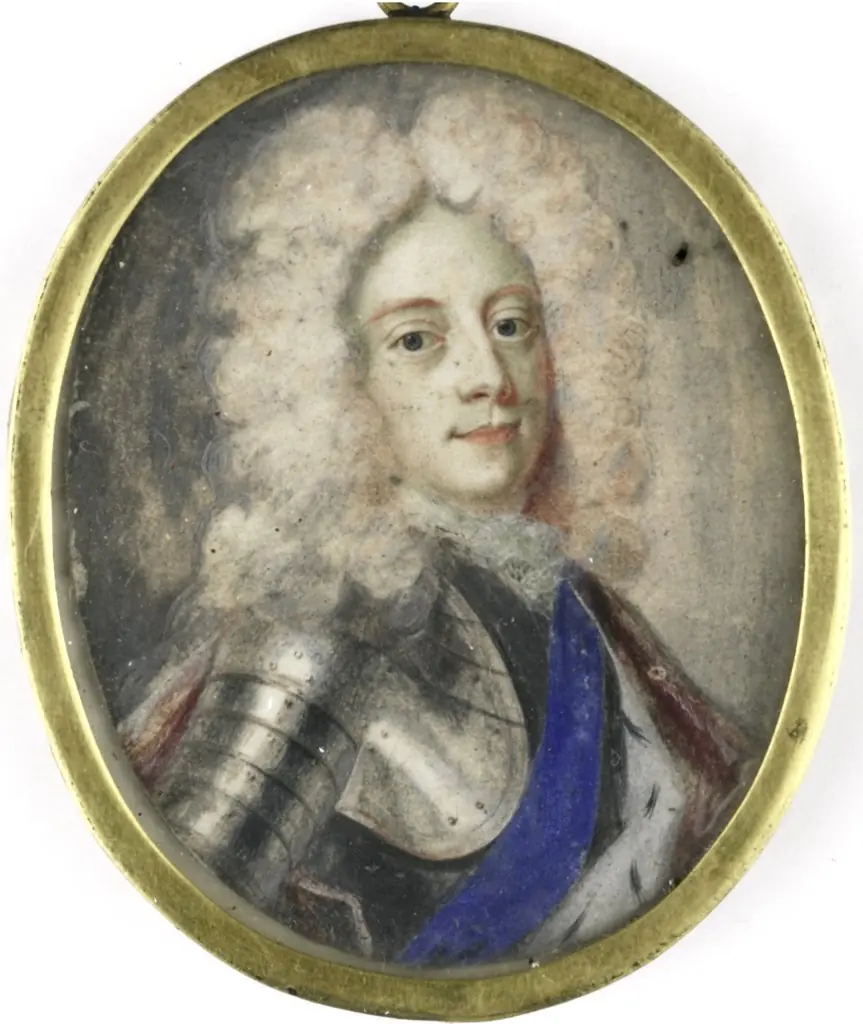 Portrait of Christiaan V van Denemarken (1646-1699)