Artwork
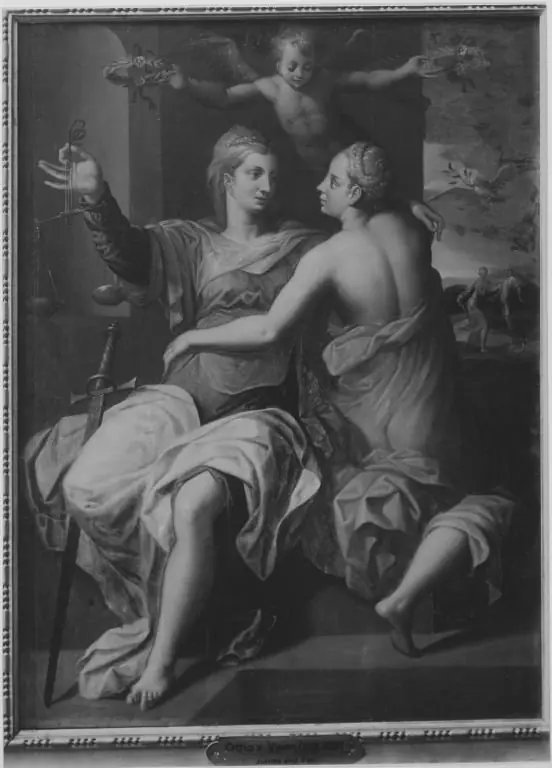
Justitia and Pax
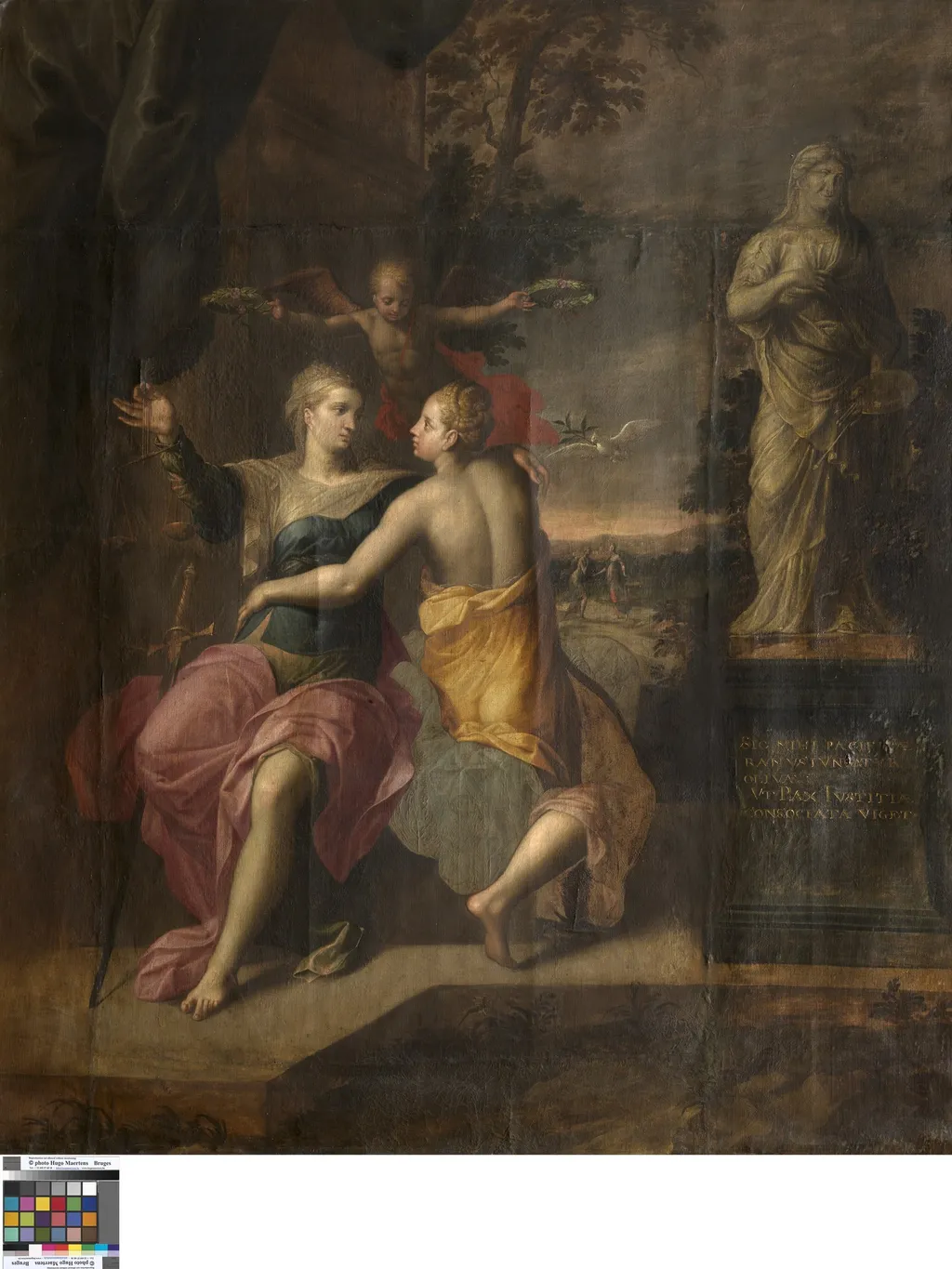
Justitia and Pax is an oil painting by the Mannerist artist Jacob Adriaensz Backer. It dates from 1560 and is held in the collection of the Royal Museum of Fine Arts Antwerp.
About this work
Overview
Painted around 1560, *Justitia and Pax* is an oil work by Jacob de Backer, a Flemish artist active during the mid-16th century.
Painted around 1560, *Justitia and Pax* is an oil work by Jacob de Backer, a Flemish artist active during the mid-16th century. Though often associated with the later Dutch Golden Age, de Backer’s style aligns more closely with Northern Mannerism. The painting resides in the Royal Museum of Fine Arts Antwerp and presents a symbolic representation of justice and peace through two female figures, rendered with classical poise and quiet dignity.
Subject & Meaning
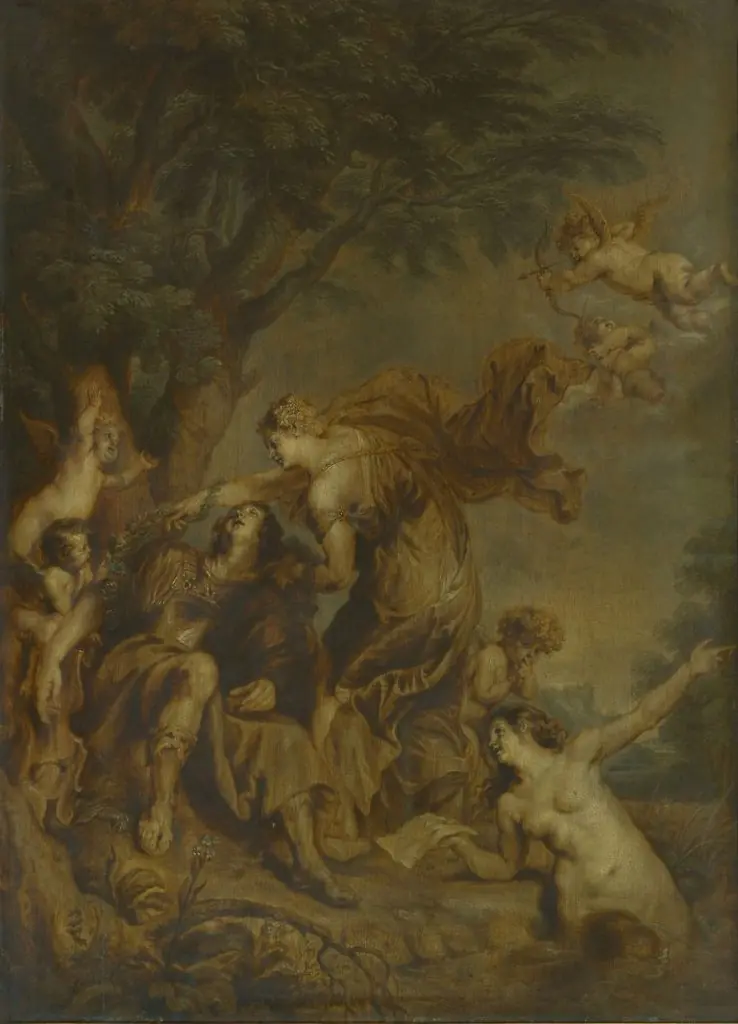
The painting personifies Justitia and Pax as two women, one seated and one standing, embodying the ideals of legal equity and tranquil order. The seated figure, clad in dark blue and pink, suggests stability, while the standing figure, draped in yellow, conveys radiance and harmony. A cherub holds a green wreath above them, symbolizing victory or blessing. A nearby statue reinforces the theme of justice, and the composition as a whole communicates a vision of societal balance under moral law.
Technique & Style
De Backer employs Mannerist conventions with elongated forms and refined detail, emphasizing elegance over naturalism. Chiaroscuro models the figures with subtle gradations of light, lending volume and spatial depth. The background features soft, atmospheric trees and a hazy sky, framing the central figures without distraction. The palette is restrained yet deliberate, with contrasting hues guiding the viewer’s focus toward the allegorical core of the scene.
History & Provenance
The painting entered the collection of the Royal Museum of Fine Arts Antwerp in the 19th century, though its earlier ownership remains undocumented. Its date of c. 1560 places it among de Backer’s earliest known works, predating his more widely recognized period of activity. The small inscription in the lower right corner, though partially worn, likely identifies the artist or patron, offering a rare trace of its original context.
Context
Created during the religious and political upheavals of the mid-16th century, the painting reflects a desire for moral order amid regional instability. Allegorical depictions of justice and peace were common in Northern European art, often commissioned by civic or ecclesiastical patrons. De Backer’s approach, while influenced by Italianate trends, retains a distinctly Flemish attention to texture and symbolic detail.
Legacy
Though not widely reproduced, *Justitia and Pax* exemplifies the transition from early Mannerism to the more dynamic Baroque style that followed. Its quiet composition and symbolic clarity influenced later Flemish allegorical painting, particularly in its integration of classical motifs with local artistic sensibilities. The work remains a quiet testament to the enduring power of visual allegory in early modern Europe.
Artist & collection
Artist
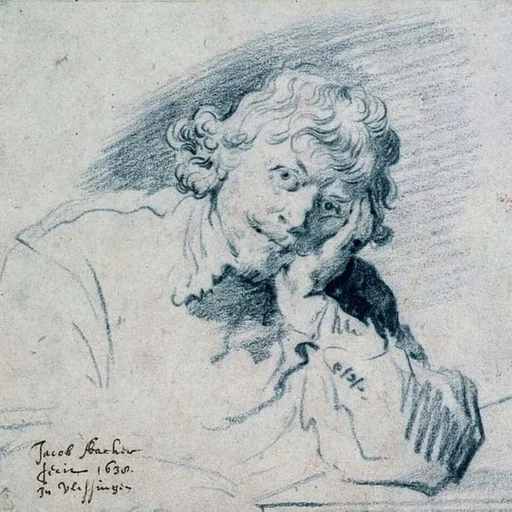
Jacob Adriaensz Backer (1608 – 27 August 1651) was a Dutch Golden Age painter. He produced about 140 paintings in twenty years, including portraits, religious subjects, and mythological paintings. In his style, he was…

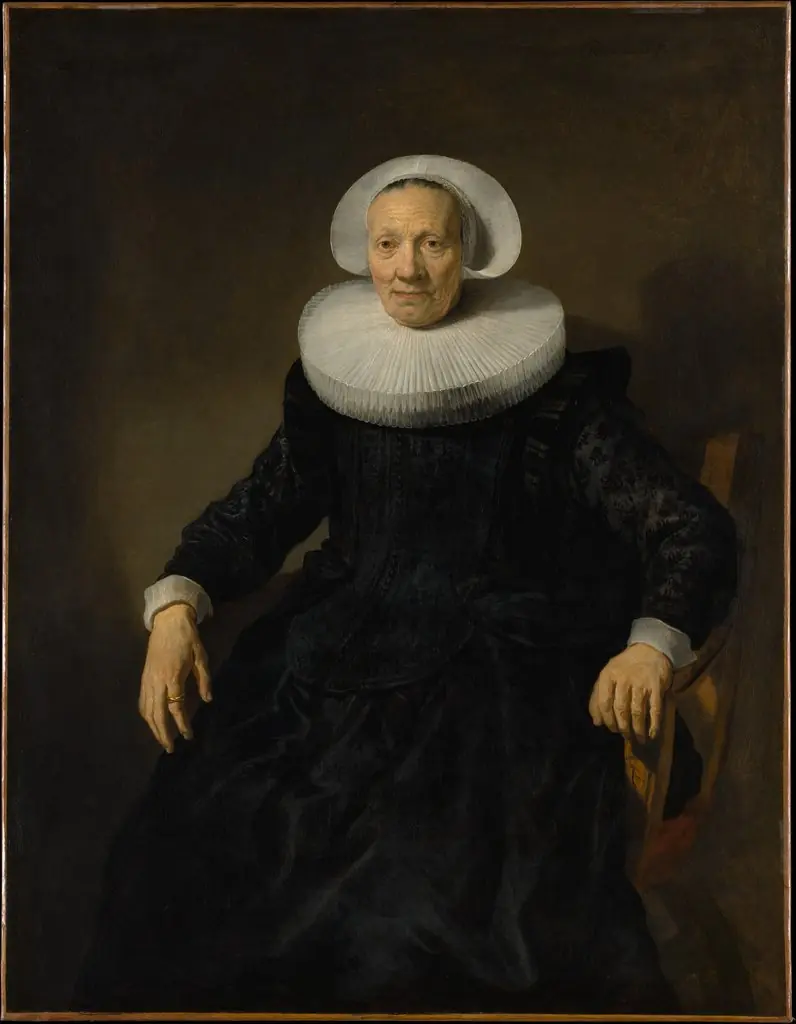 Old Woman in an Armchair
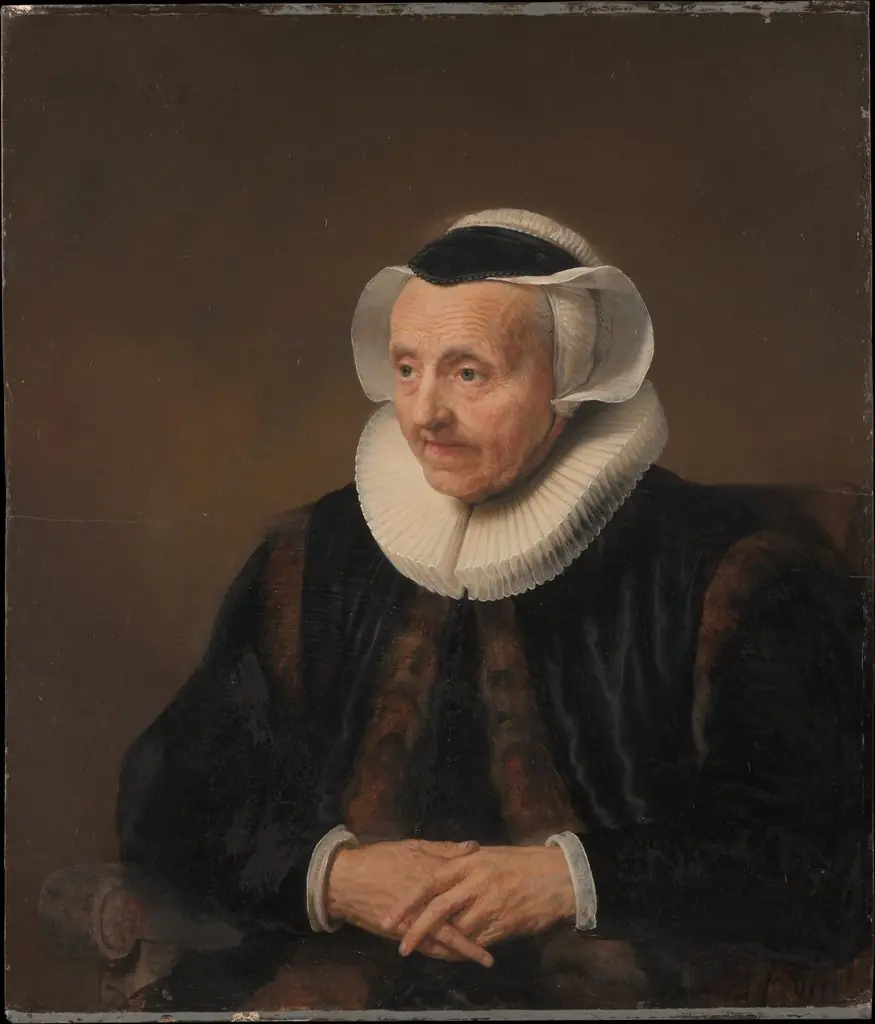 Portrait of an Old Woman
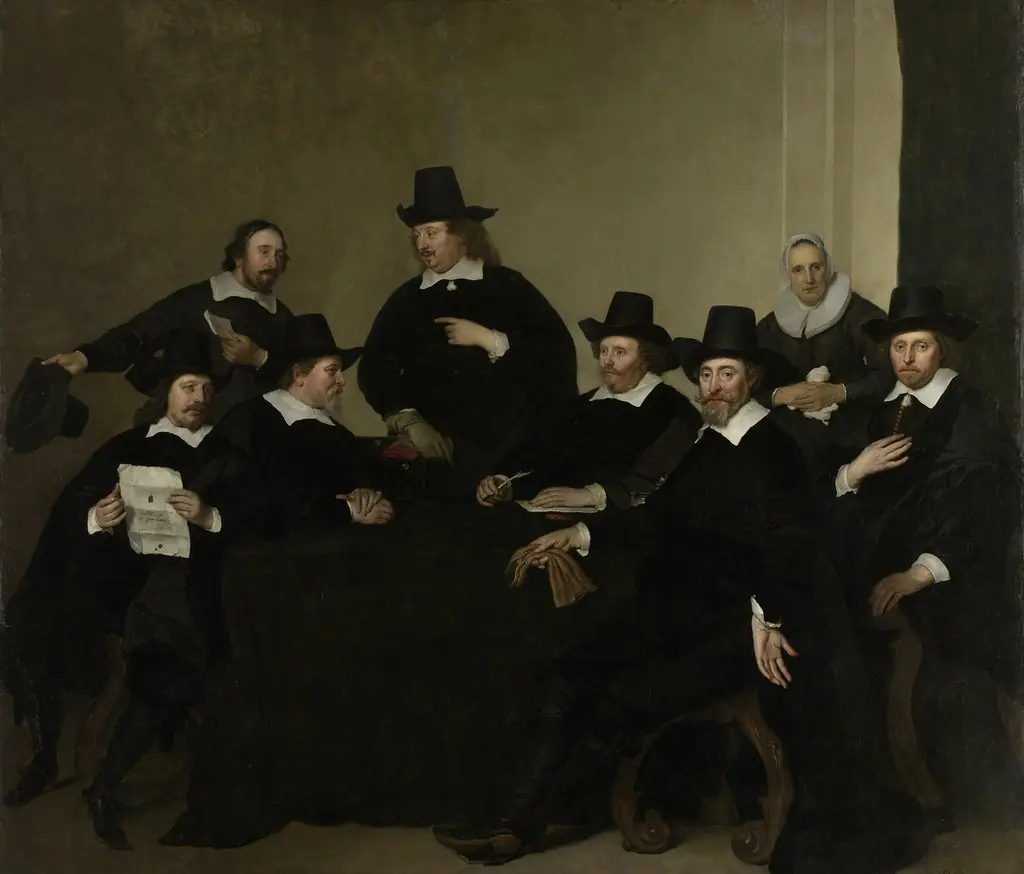 The regents of the Nieuwe Zijds institute for the outdoor relief of the poor, Amsterdam, ca 1650
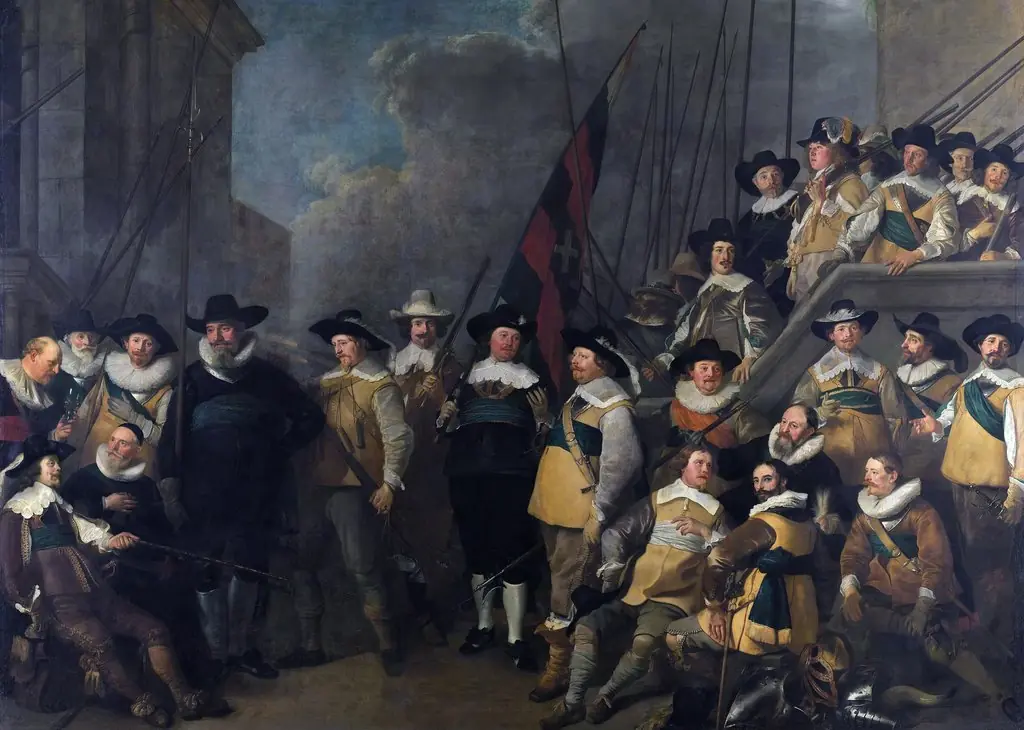 Officers and other Civic Guardsmen of the V District in Amsterdam under the command of Captain Cornelis de Graeff and Lieutenant Hendrick Lauwrensz
 The Garden of Eden
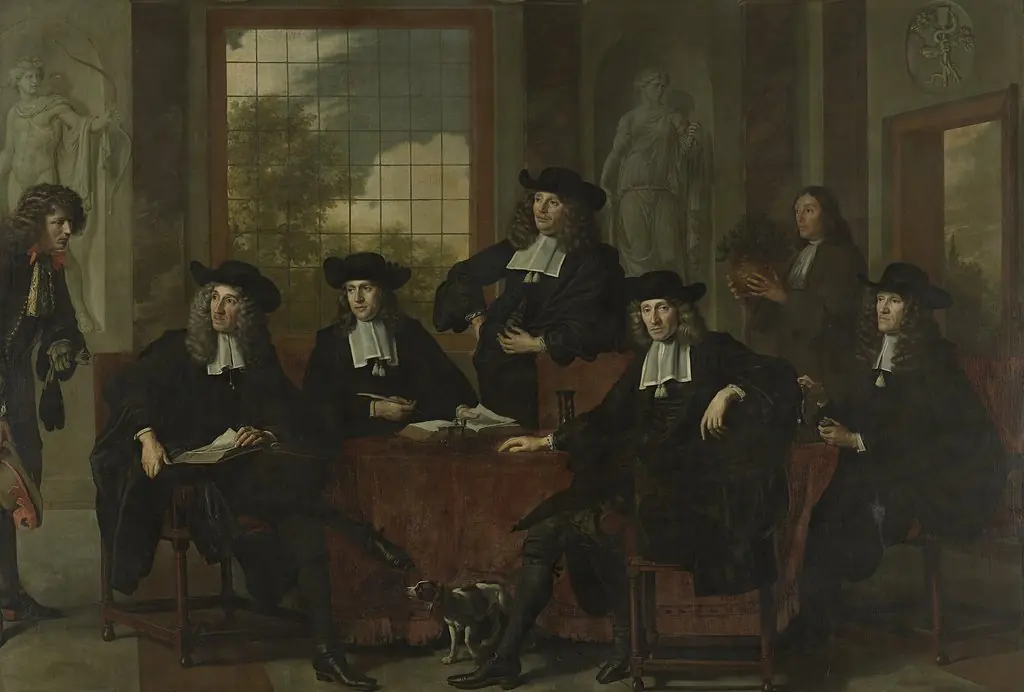 The superintendents of the Collegium Medicum in Amsterdam
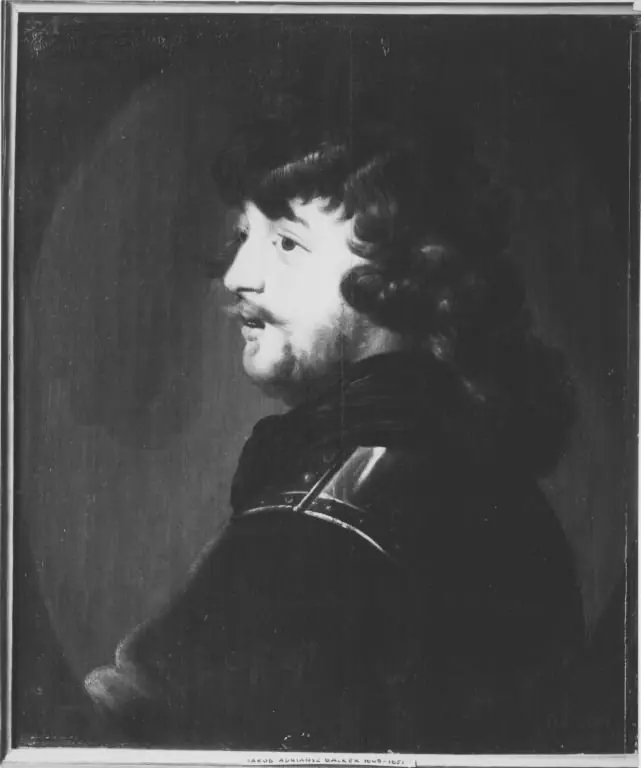 Portrait of a man in armor (self-portrait)
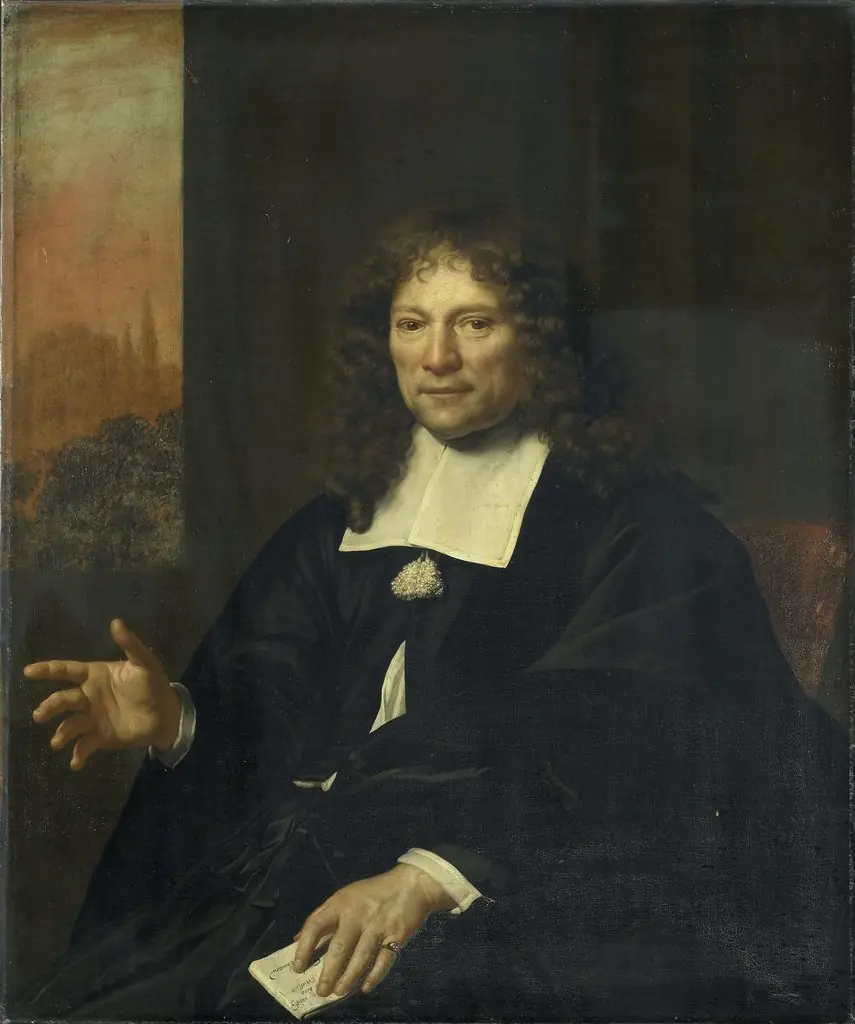 Portrait of Daniel Nellius, elder of the Remonstrant church and sampling official of Alkmaar
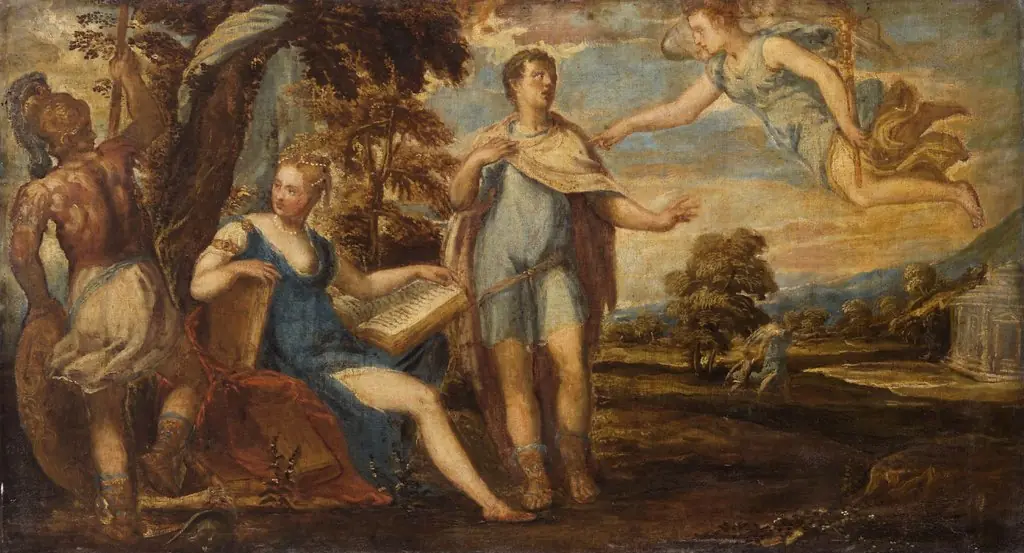 Aeneas called away from Dido
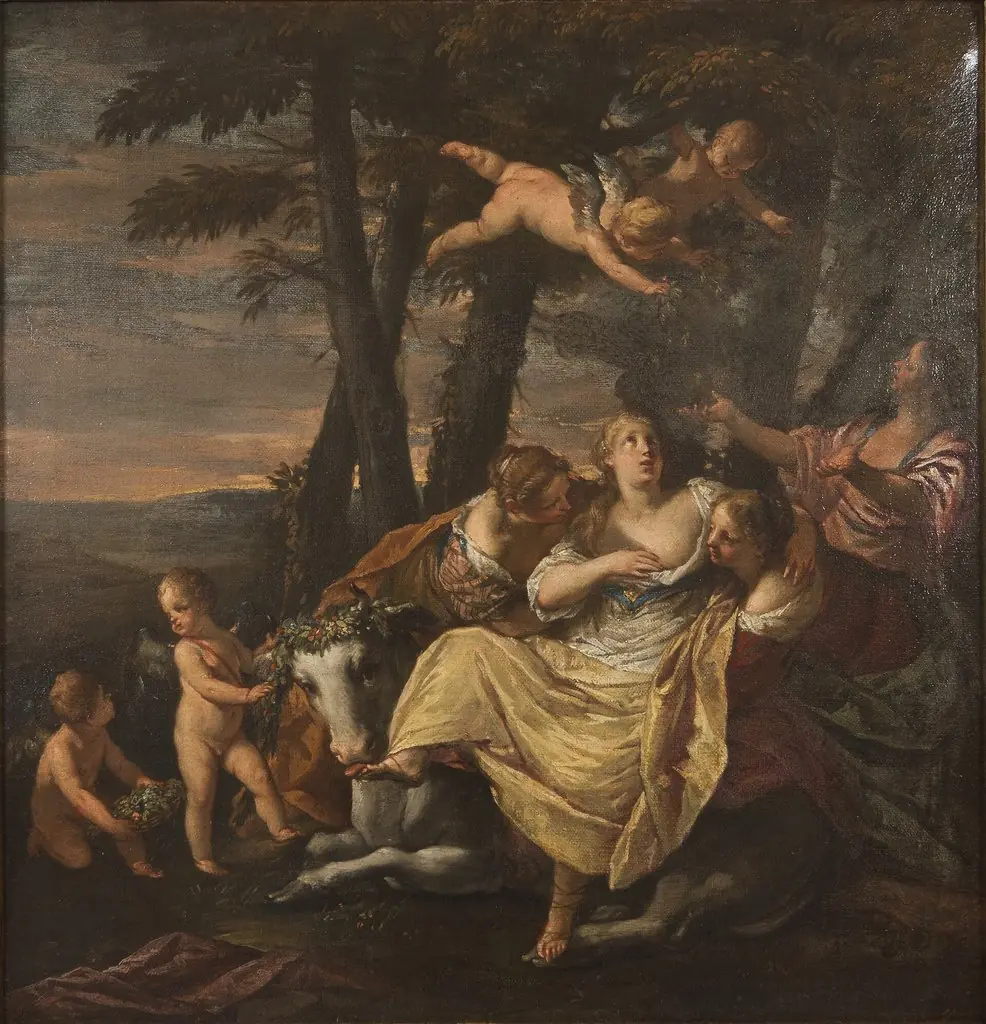 The Rape of Europa
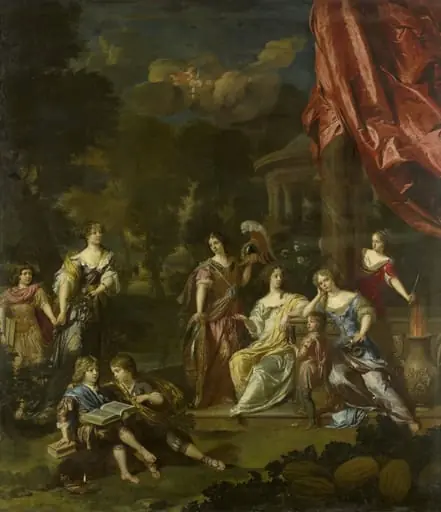 Untitled
 Bacchus și Ariadna
 Eros and Psyche
 Group portrait with allegorical overtones of the children of Diederic Pietersz van Leyden van Leeuwen (1628-1682), burgomaster of Leiden, and Alida Paets (1625-1673)
 Reconciliación de Reinaldo y Armida
 Justitia und Pax
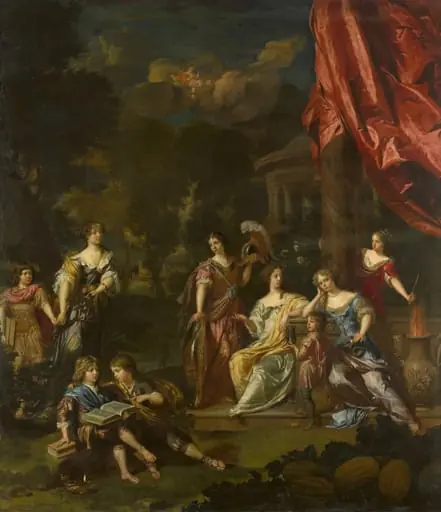 Allegorizing Group Portrait of the Children of Diederic Pietersz van Leyden van Leeuwen, Burgomaster of Leiden, and Alida Paets
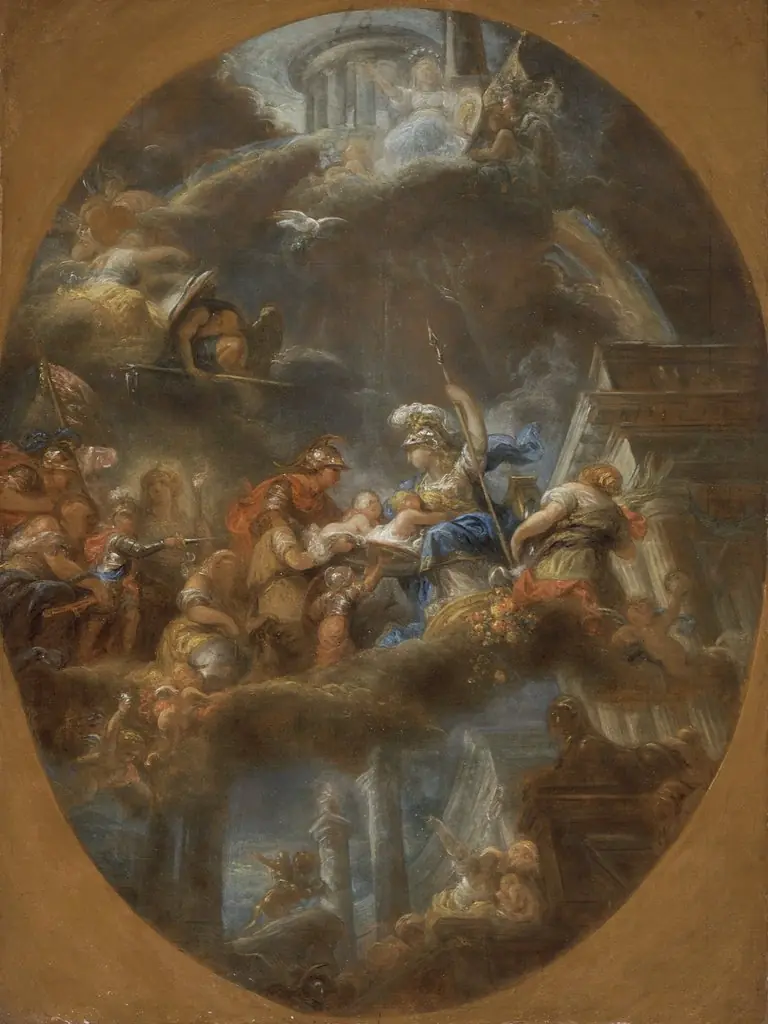 Nobility Offering the Imperial Russian Children to Minerva
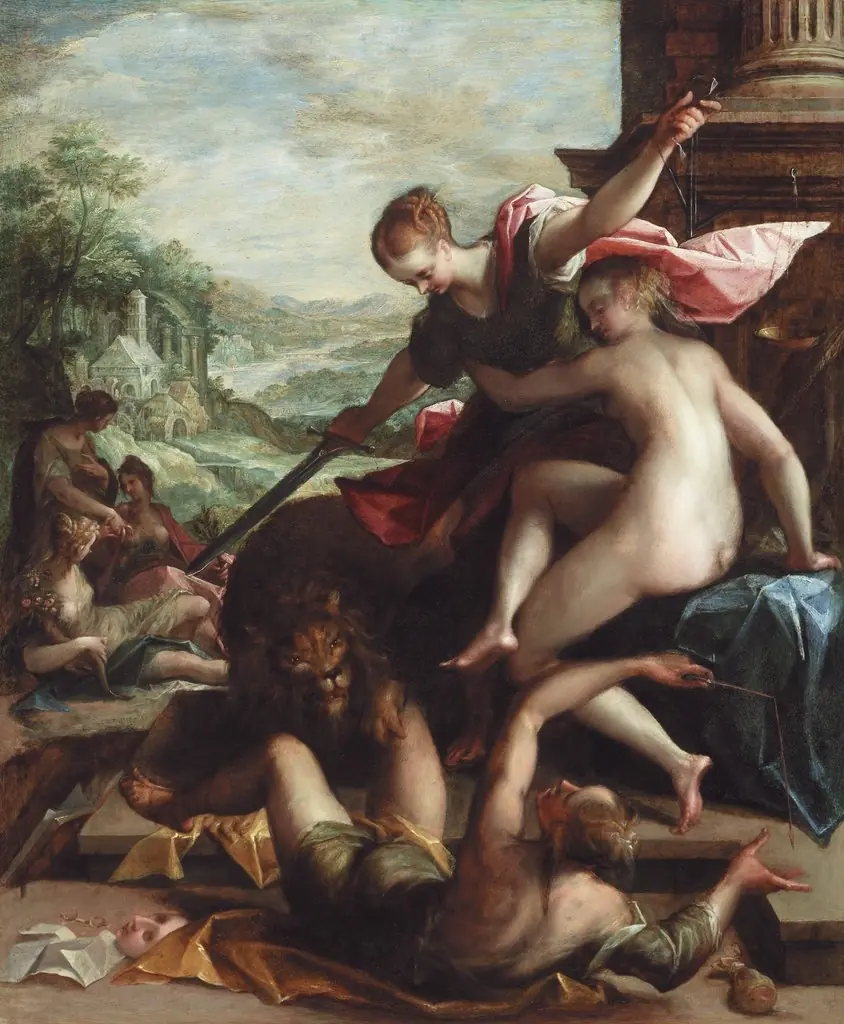 The Triumph of Truth
 Rinaldo and Armida