Artwork
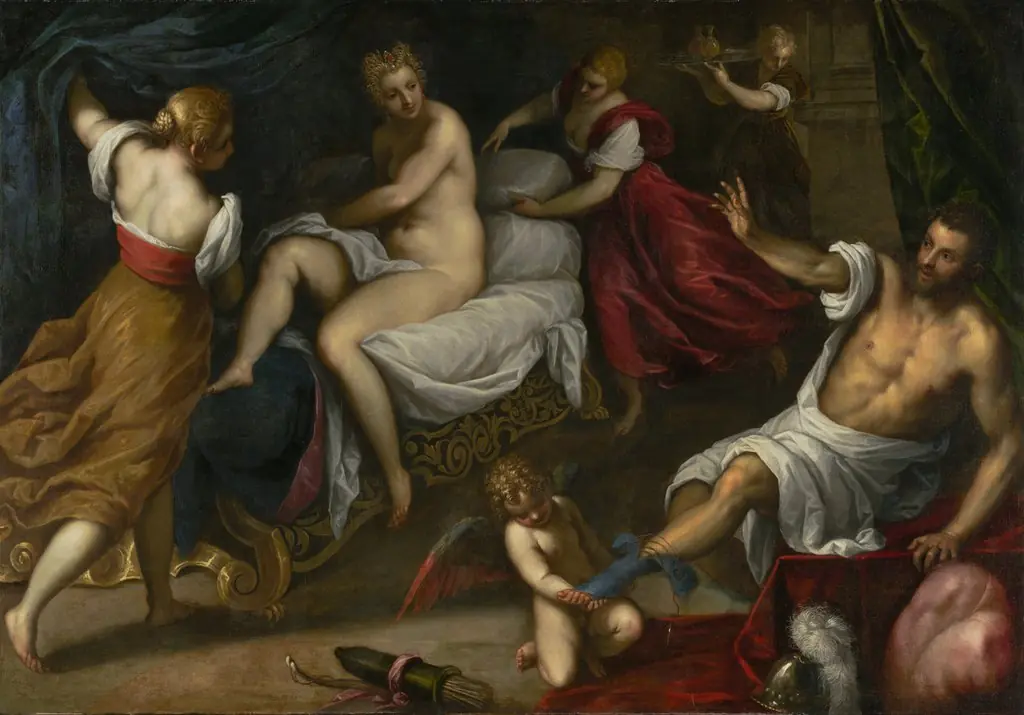
Paris Being Admitted to the Bedchamber of Helen
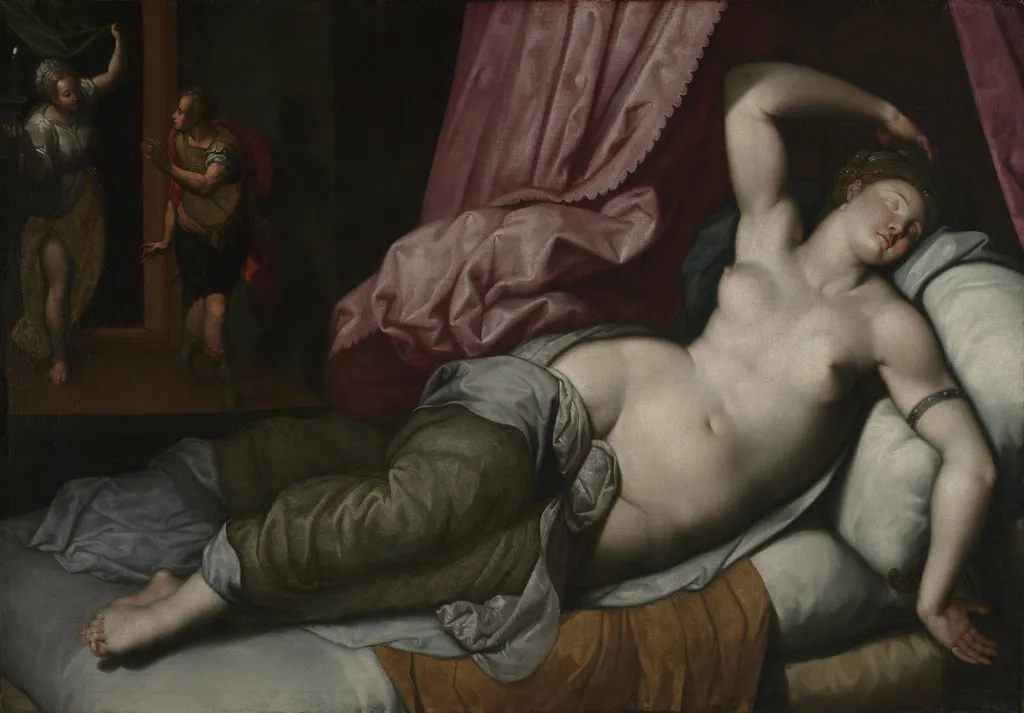
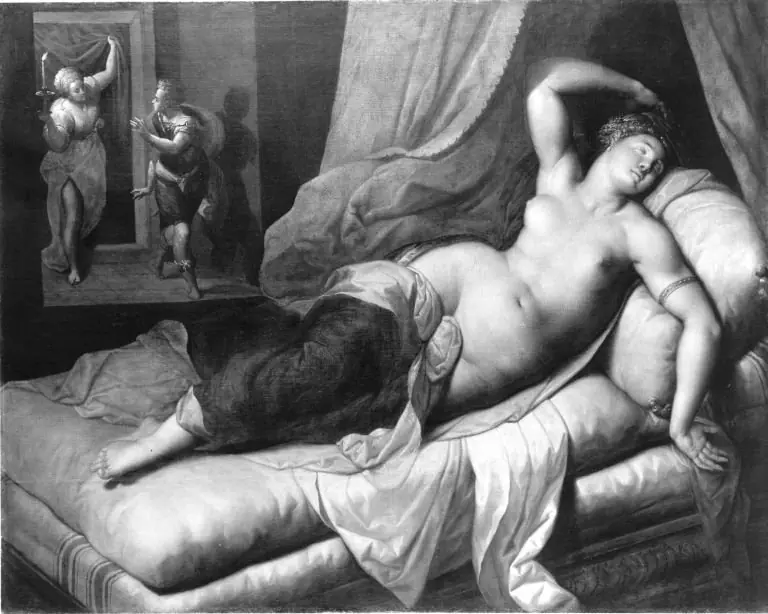
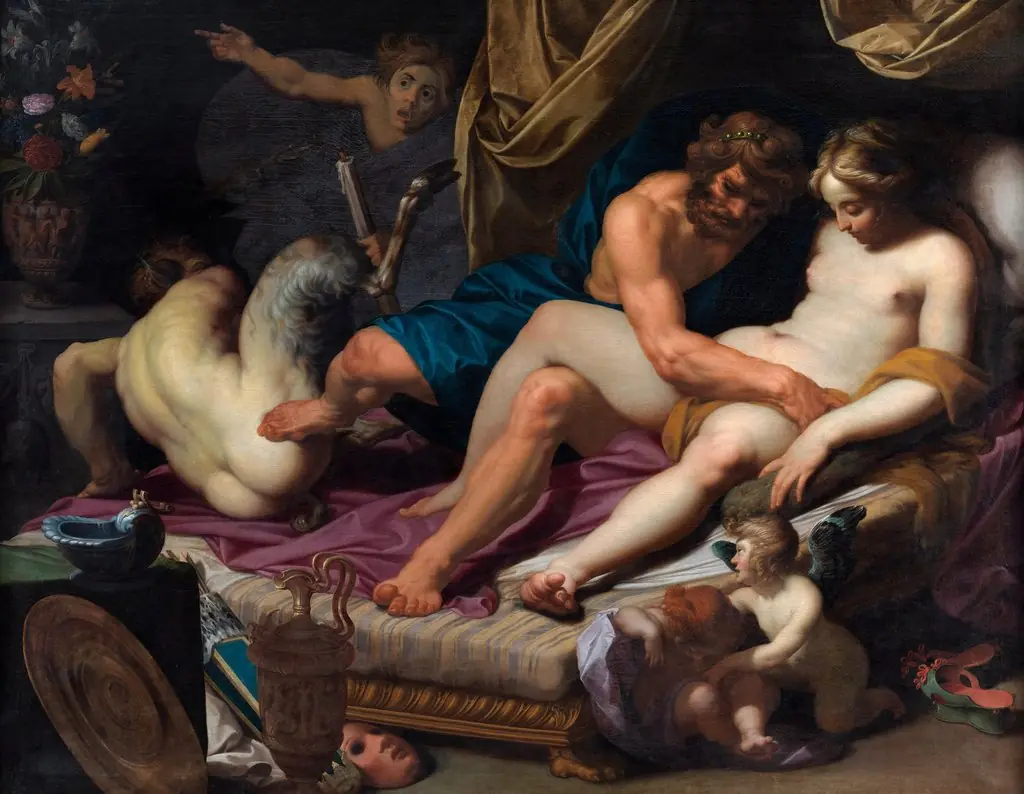
Paris Being Admitted to the Bedchamber of Helen is an oil painting by the Mannerist artist Jacob Adriaensz Backer. It dates from 1593 and is held in the collection of the J. Paul Getty Museum.
About this work
Overview
Jacob de Backer’s oil painting *Paris Being Admitted to the Bedchamber of Helen* (1593) presents a quiet, intimate moment from the Trojan myth.
Jacob de Backer’s oil painting *Paris Being Admitted to the Bedchamber of Helen* (1593) presents a quiet, intimate moment from the Trojan myth. The composition centers on a reclining woman, identified as Helen, surrounded by sumptuous drapery, while two secondary figures are glimpsed through an open doorway. The work belongs to de Backer’s series of mythological subjects and is now part of the J. Paul Getty Museum’s collection.
Subject & Meaning
The scene captures the moment after Paris has won Helen’s favor, a pivotal episode that foreshadows the Trojan War. Helen lies on a bed, her posture relaxed yet suggestive, while Aphrodite’s presence is implied through the surrounding opulence. The male figure in armor, likely Paris, stands beside a woman in a white dress, indicating the divine endorsement of the liaison.
Technique & Style
Executed in oil on canvas, the painting employs pronounced chiaroscuro to model forms and create depth within a dimly lit interior. De Backer’s handling of light and shadow reflects Mannerist conventions, with elongated figures and exaggerated poses. The palette of rich reds, golds, and muted whites underscores the luxurious setting.
History & Provenance
Although de Backer’s documented career began later in the early 17th century, this work dates to 1593, predating his known activity. The painting entered the J. Paul Getty Museum’s collection through acquisition in the late 20th century, where it remains on display as part of the museum’s European paintings.
Context
De Backer’s mythological output shows the influence of contemporary Flemish artists such as Rubens and Abraham Bloemaert, as well as the portraitist Wybrand de Geest. The work reflects the broader Dutch Golden Age fascination with classical narratives, rendered through a Mannerist lens that emphasizes elegance over strict naturalism.
Own this work as a print
Artist & collection
Artist
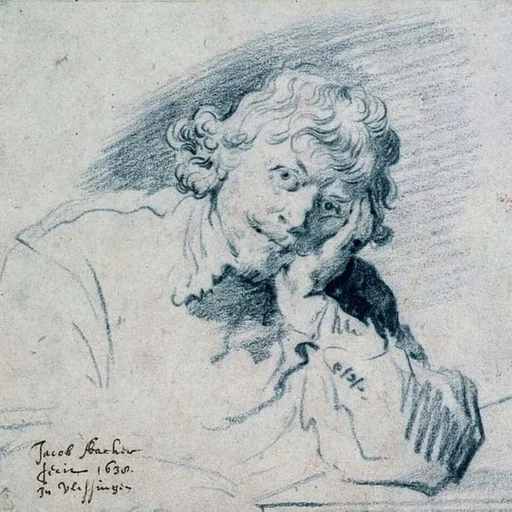
Jacob Adriaensz Backer (1608 – 27 August 1651) was a Dutch Golden Age painter. He produced about 140 paintings in twenty years, including portraits, religious subjects, and mythological paintings. In his style, he was…

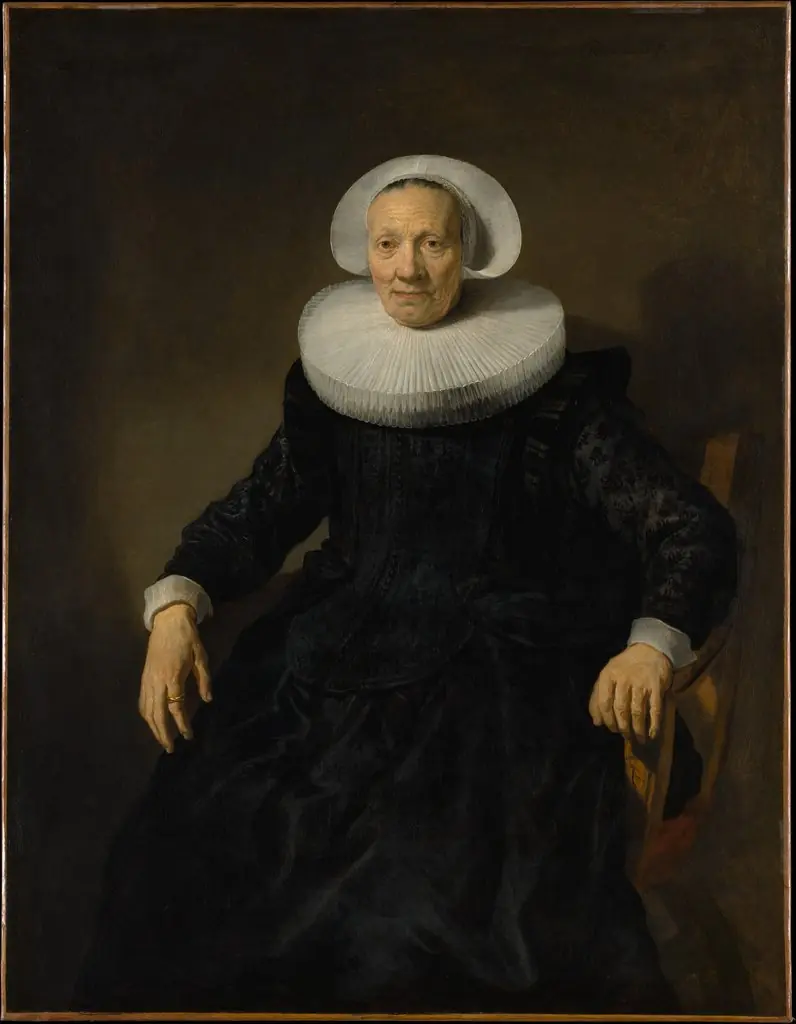 Old Woman in an Armchair
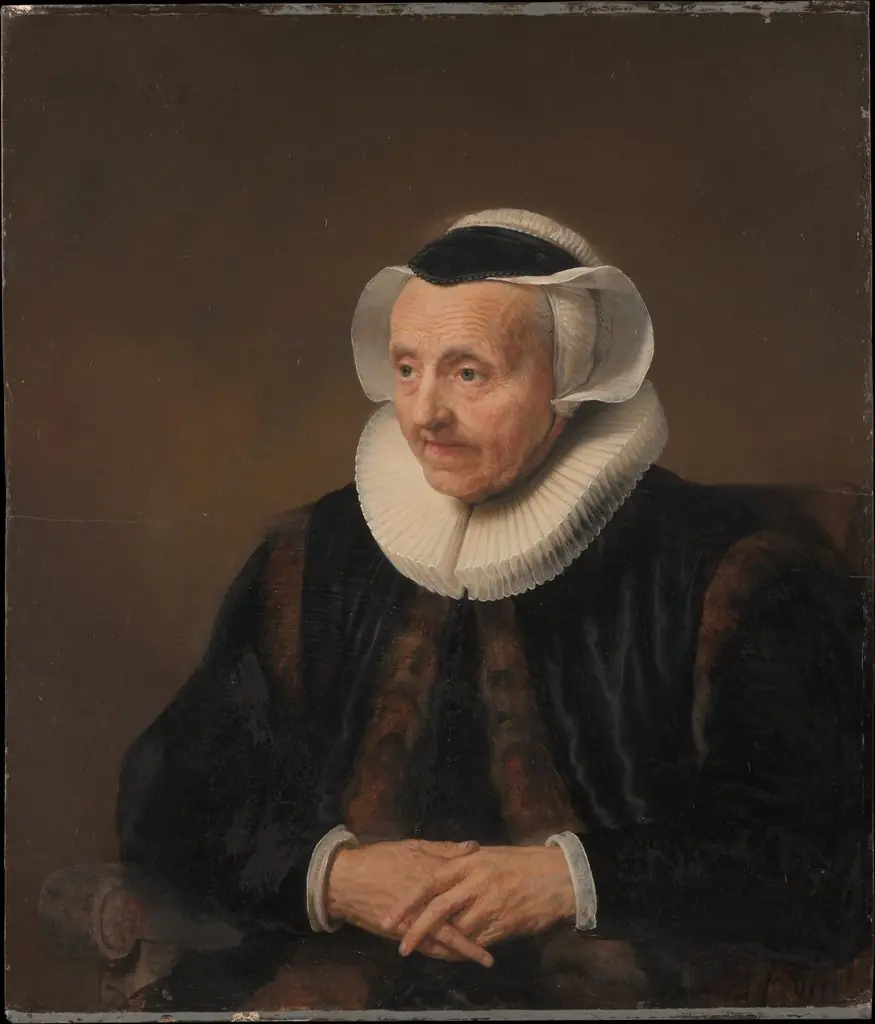 Portrait of an Old Woman
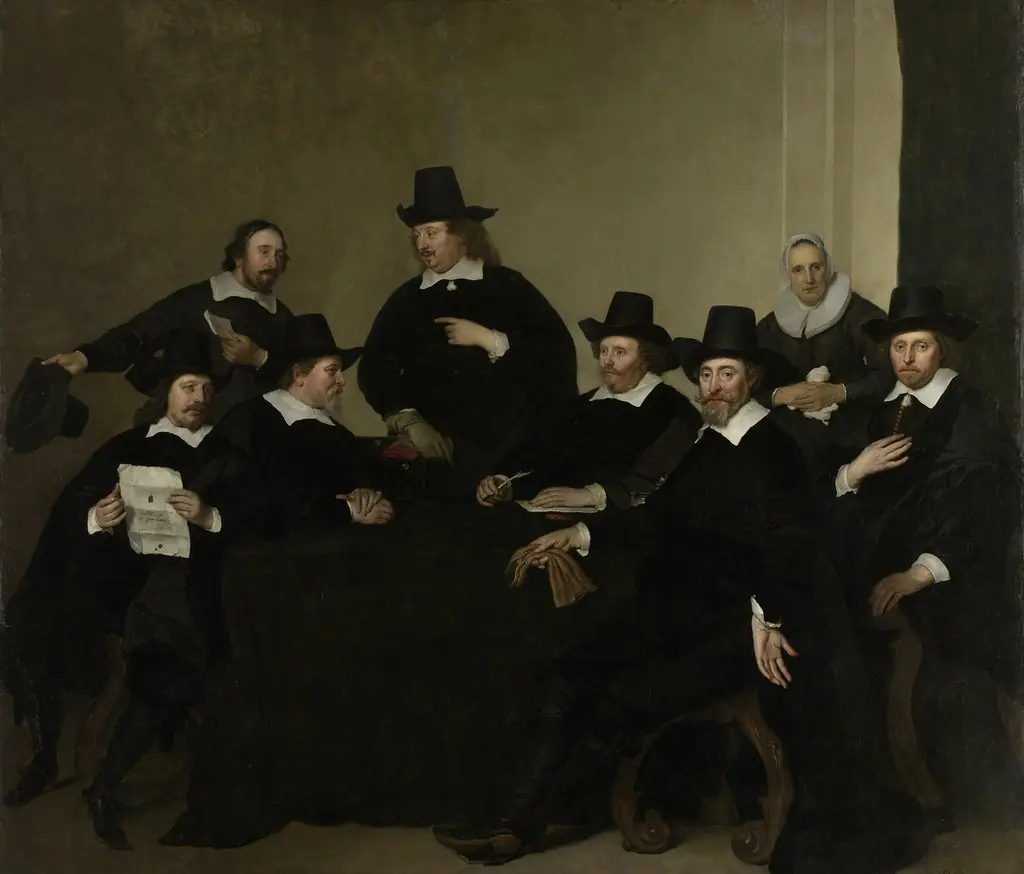 The regents of the Nieuwe Zijds institute for the outdoor relief of the poor, Amsterdam, ca 1650
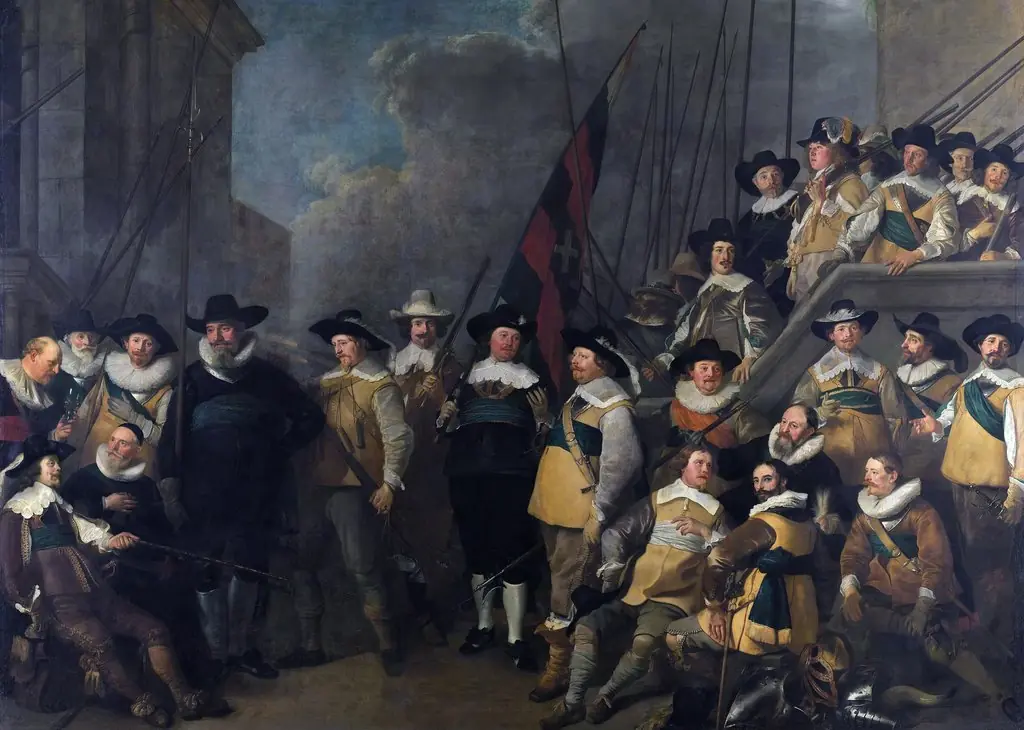 Officers and other Civic Guardsmen of the V District in Amsterdam under the command of Captain Cornelis de Graeff and Lieutenant Hendrick Lauwrensz
 The Garden of Eden
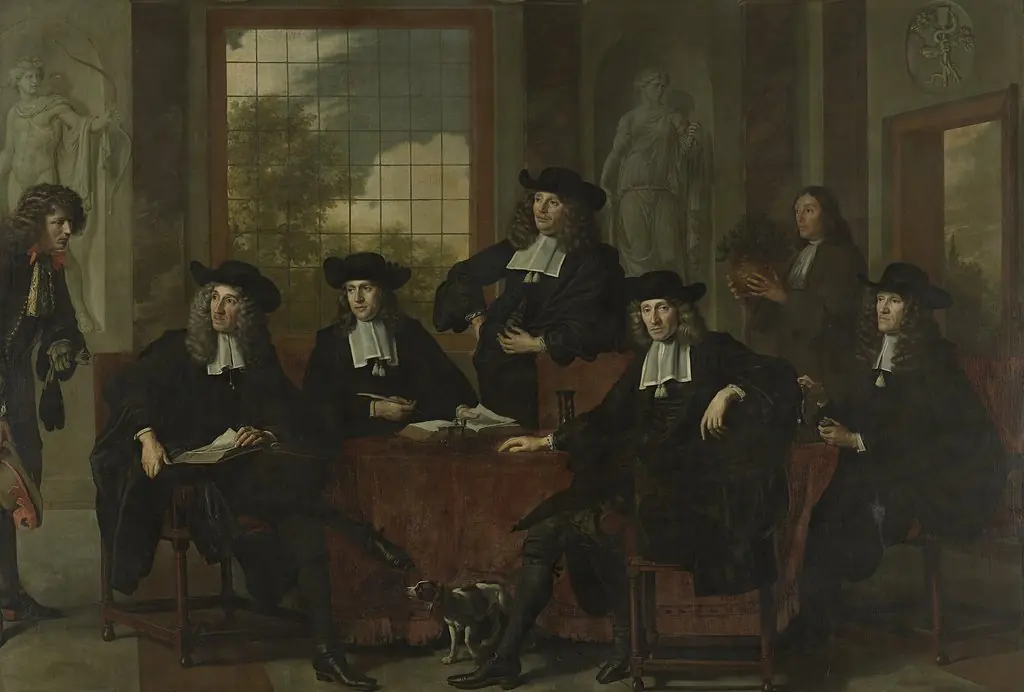 The superintendents of the Collegium Medicum in Amsterdam
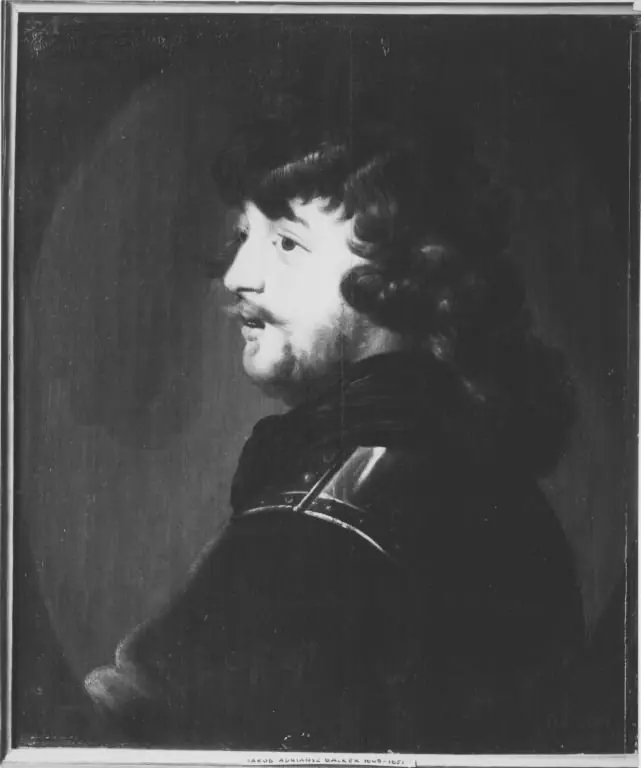 Portrait of a man in armor (self-portrait)
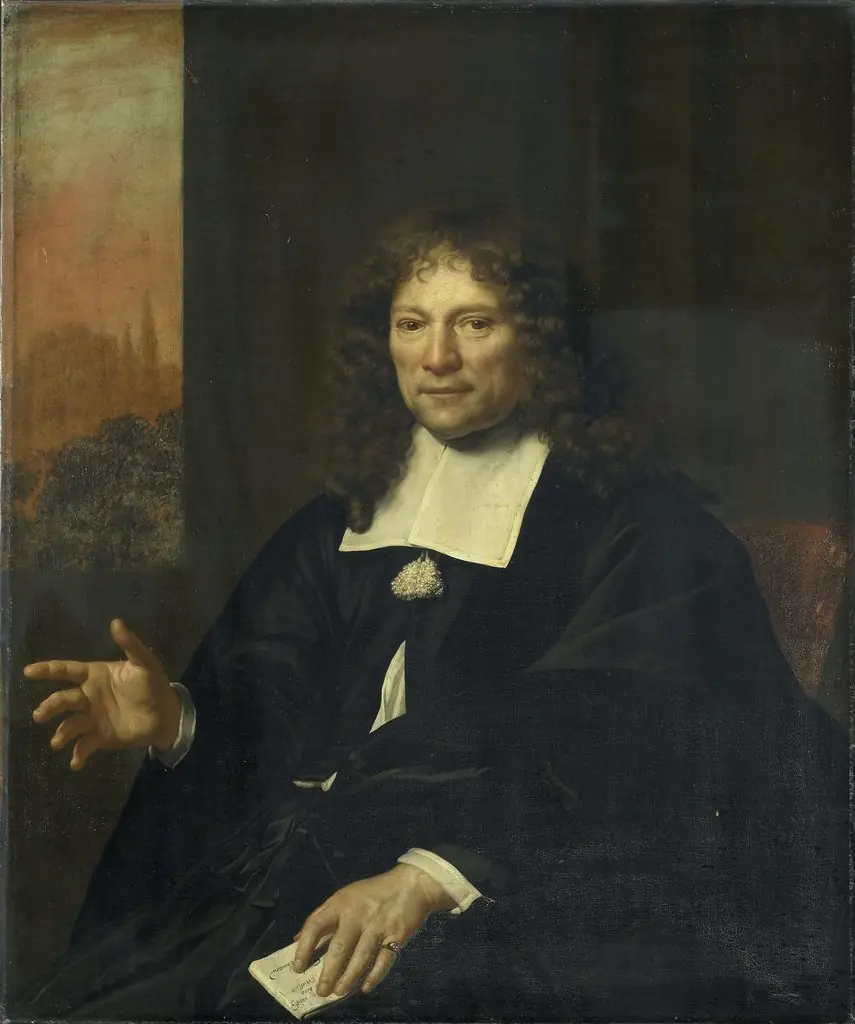 Portrait of Daniel Nellius, elder of the Remonstrant church and sampling official of Alkmaar