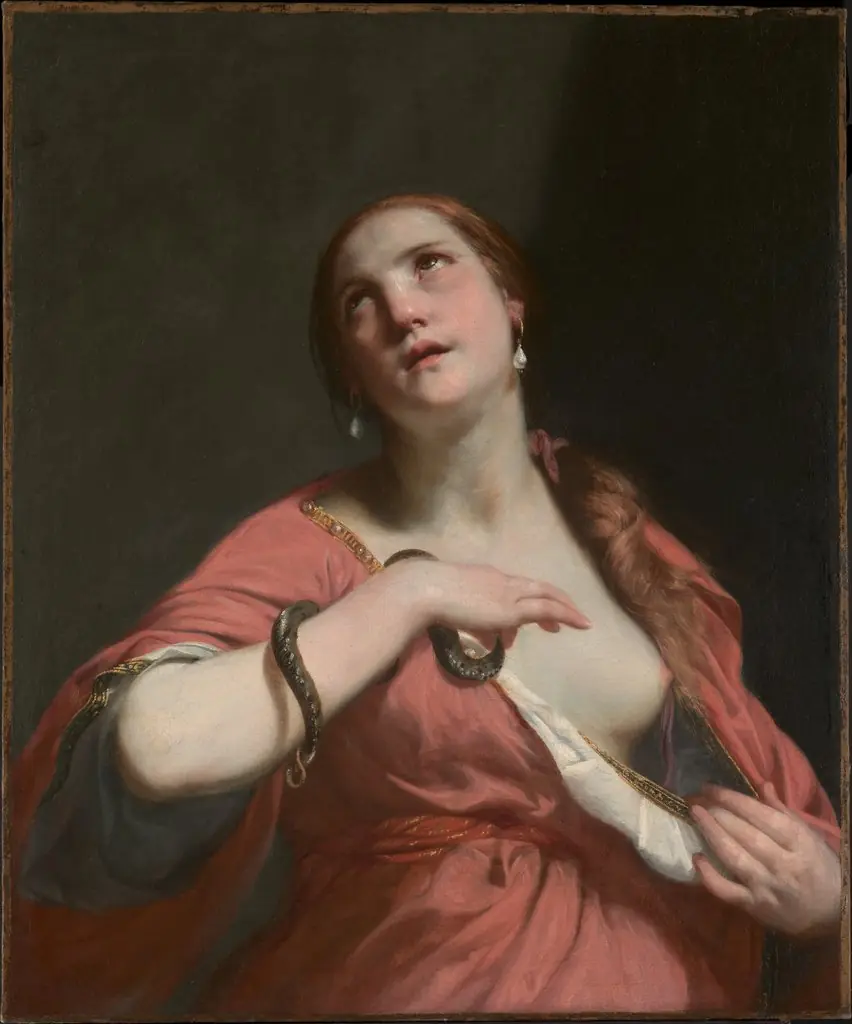
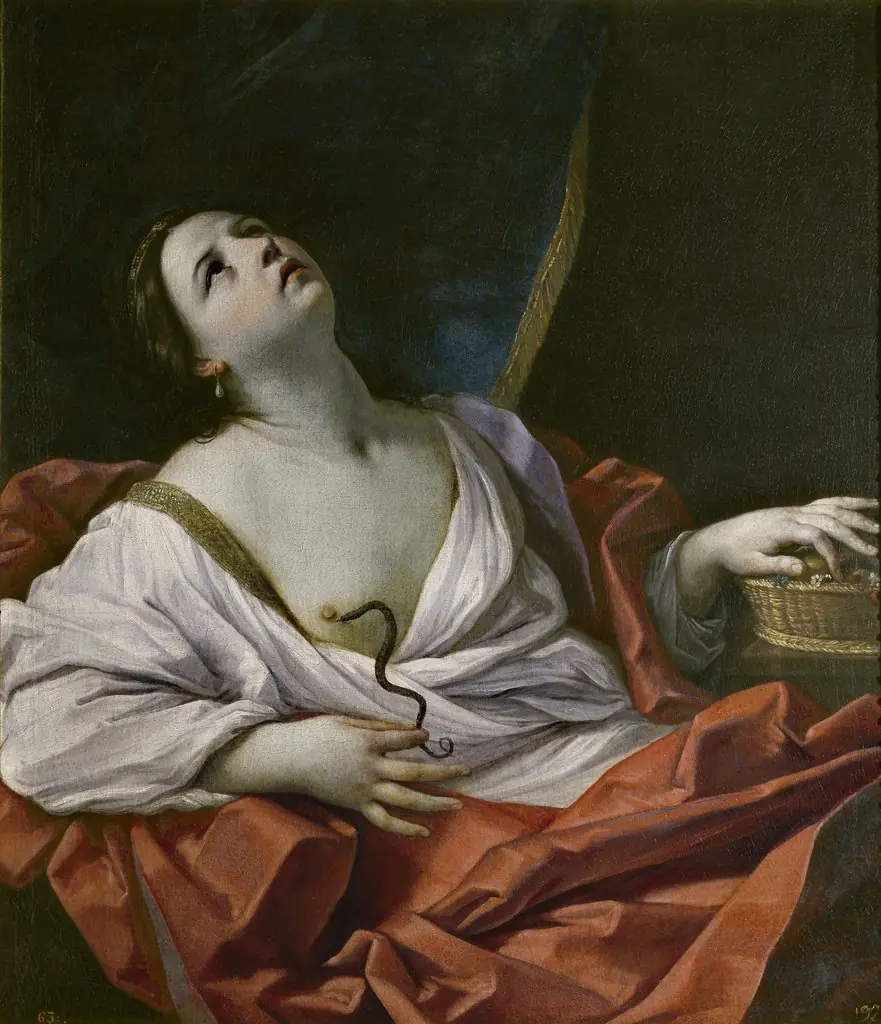
Artwork
Death of Cleopatra
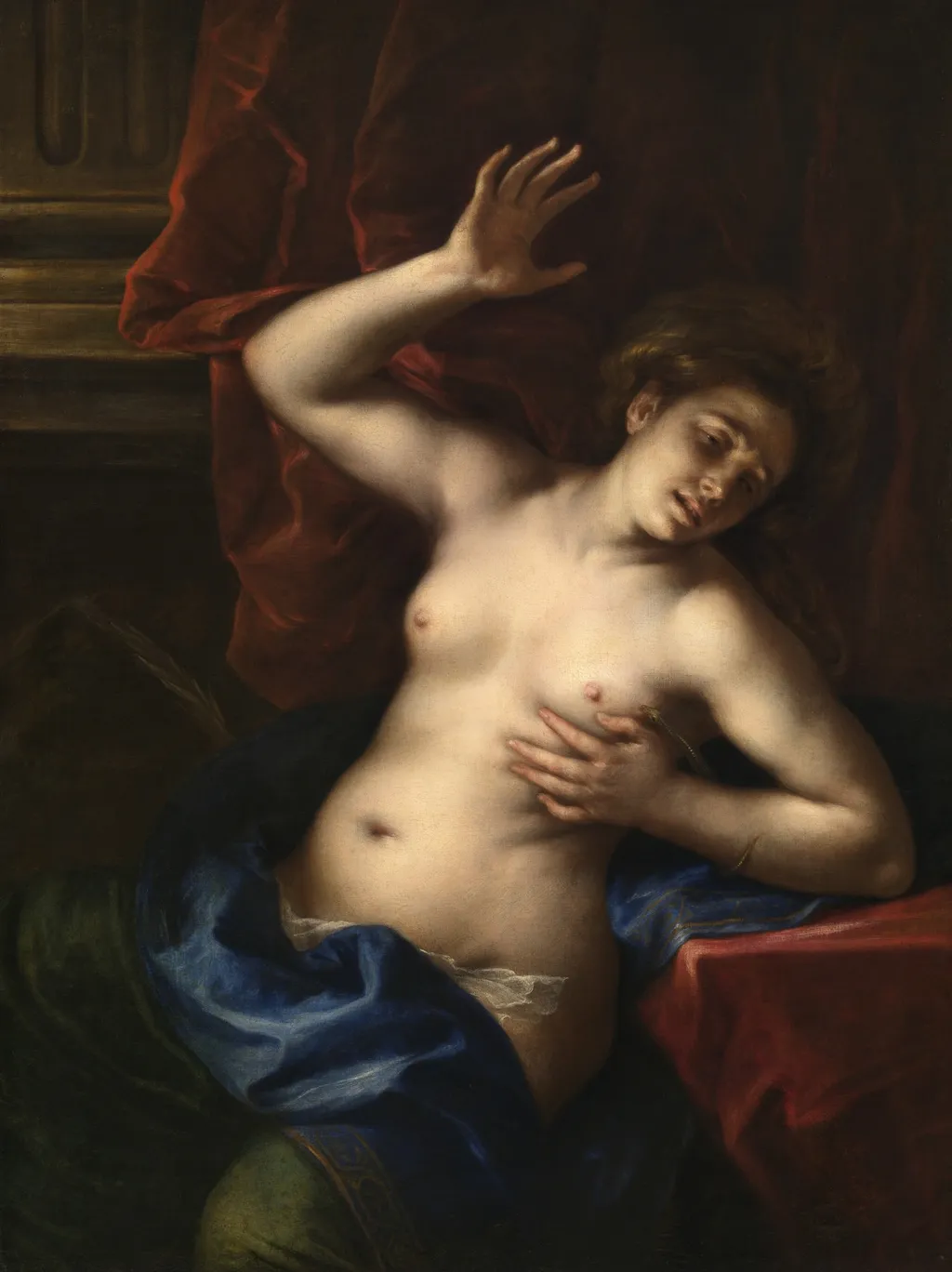
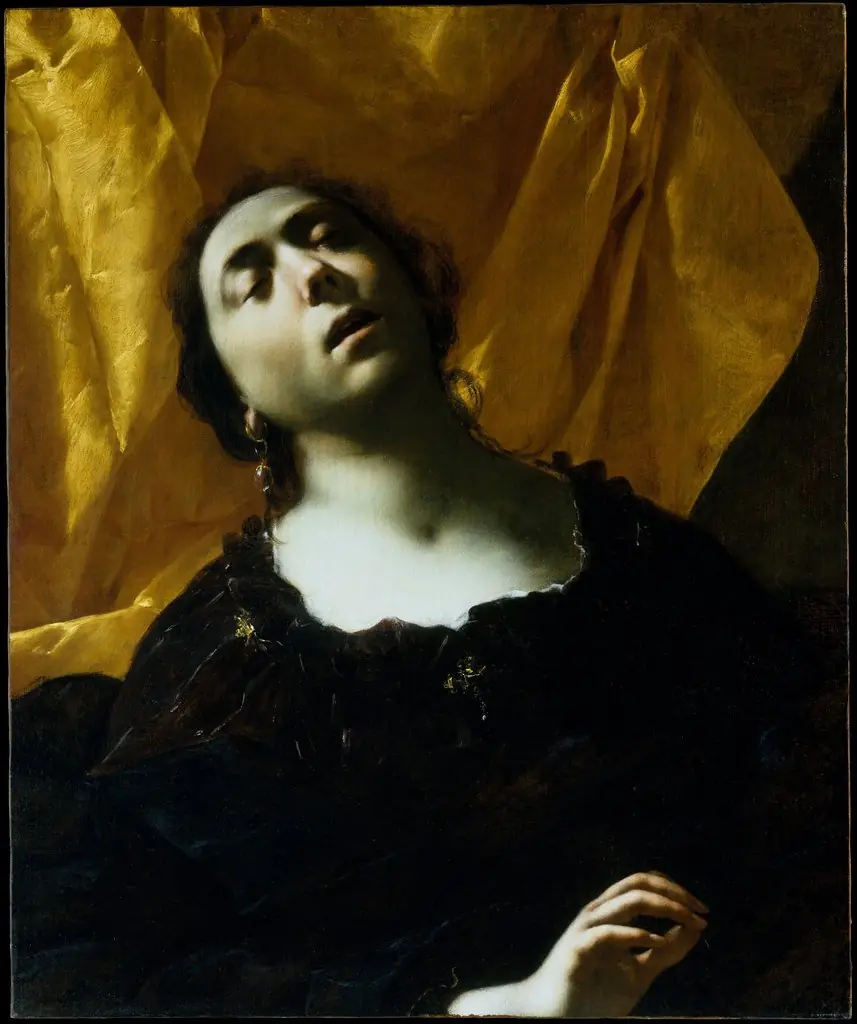
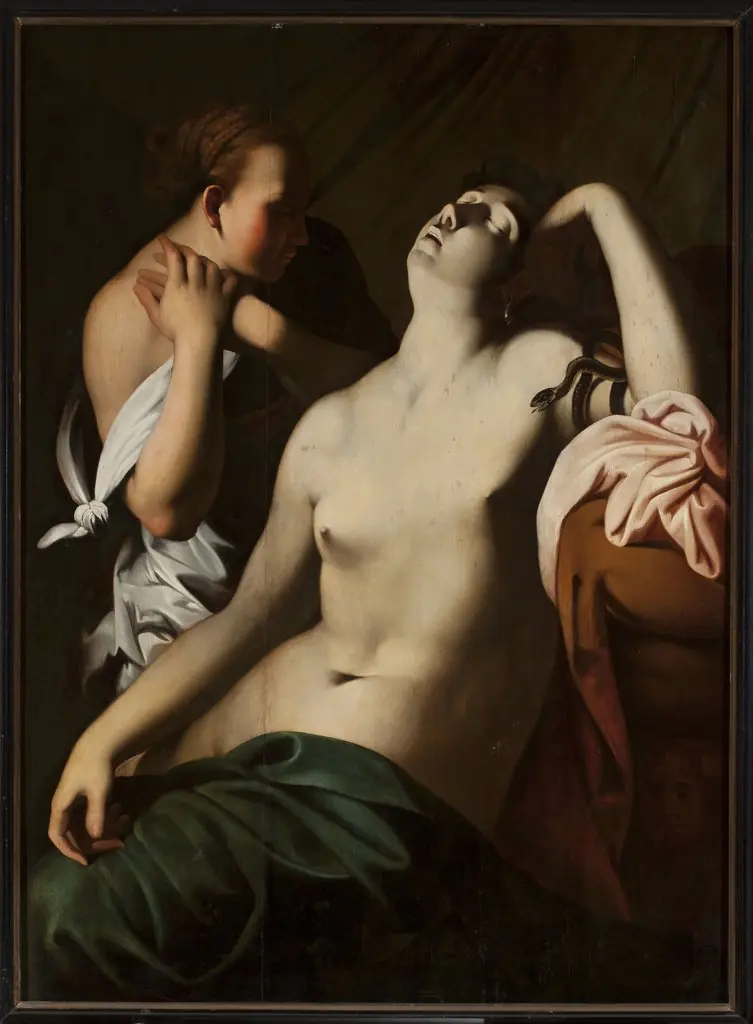
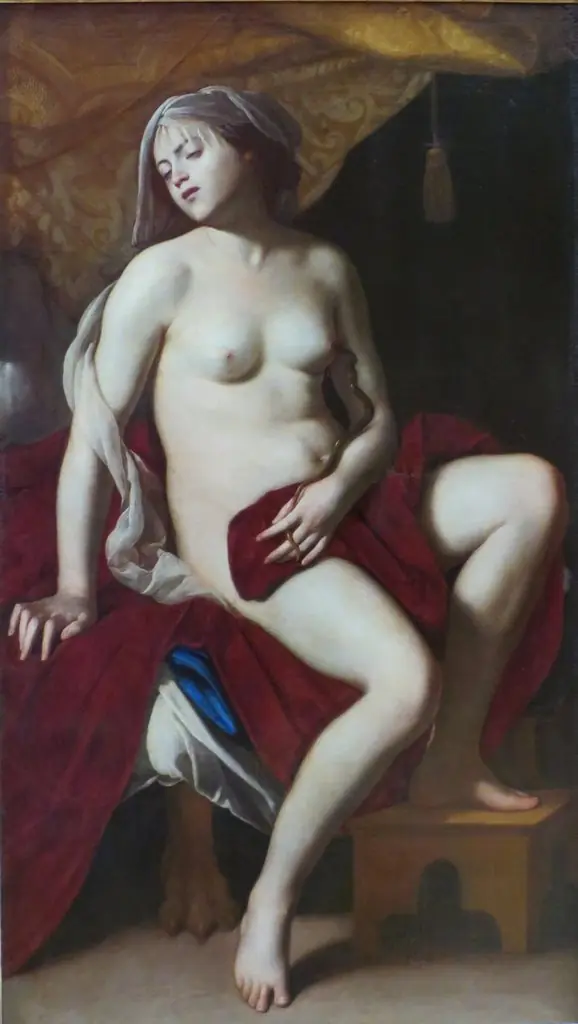
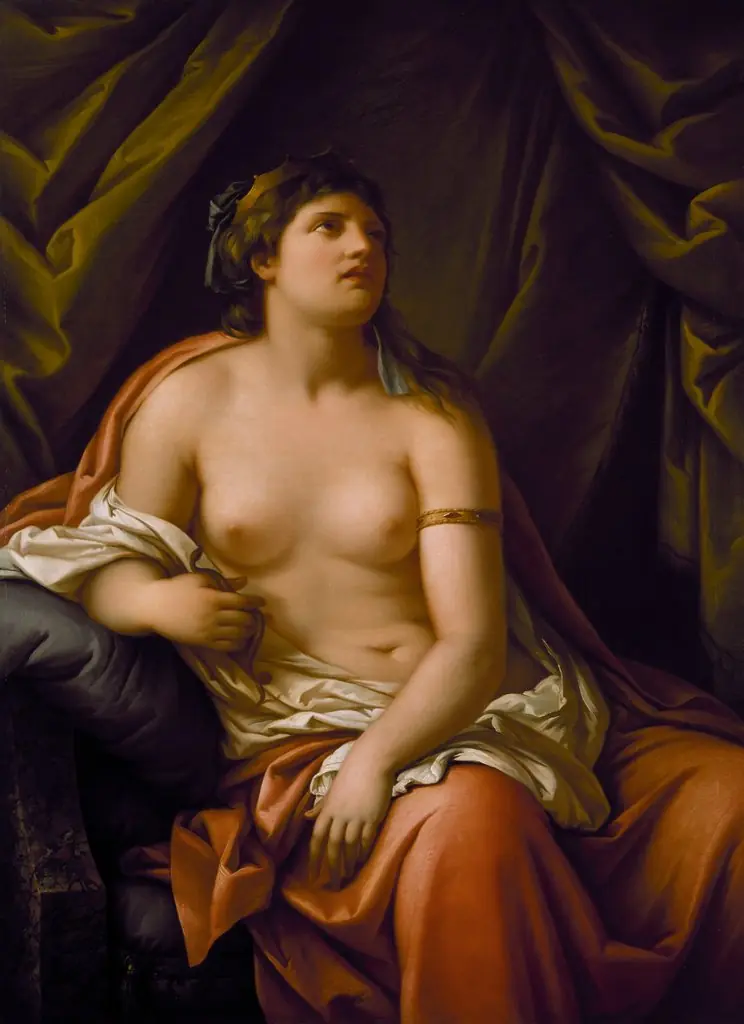
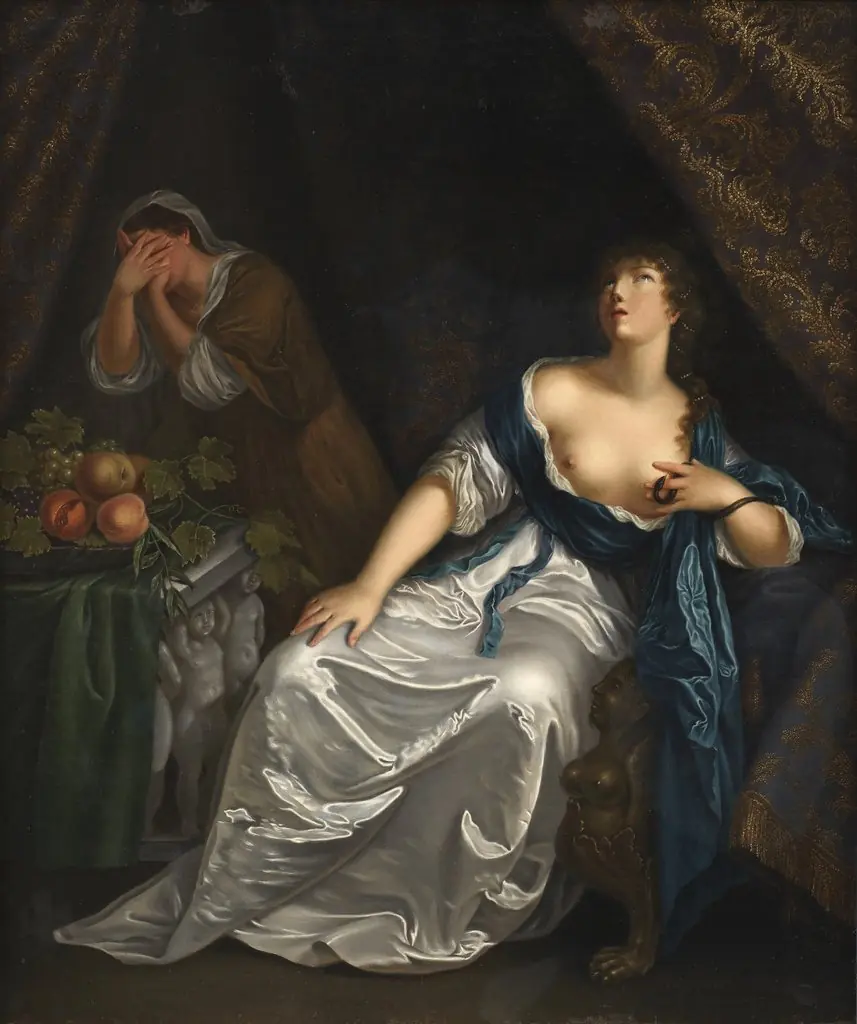
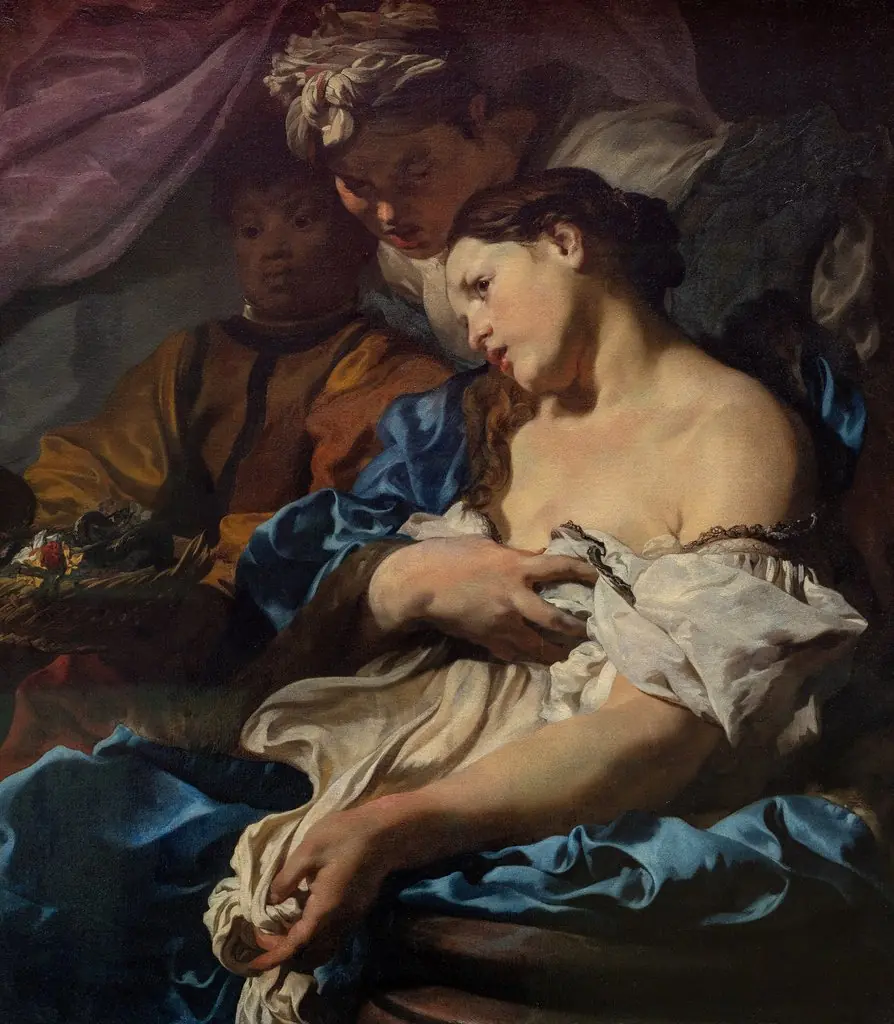
Death of Cleopatra is an oil painting by Francesco Cairo. It dates from 1646 and is held in the collection of the Kelvingrove Art Gallery and Museum.
About this work
Overview
Painted around 1646 by Francesco Cairo, an Italian Baroque artist active in northern Italy, this oil-on-canvas work portrays the death of Cleopatra.
Painted around 1646 by Francesco Cairo, an Italian Baroque artist active in northern Italy, this oil-on-canvas work portrays the death of Cleopatra. Cairo, later honored as Il Cavaliere del Cairo for his service to the House of Savoy, was known for both religious commissions and intimate, emotionally charged scenes. This piece belongs to his earlier period, when he favored dramatic, small-scale subjects. It is now held in the Kelvingrove Art Gallery and Museum in Glasgow.
Subject & Meaning
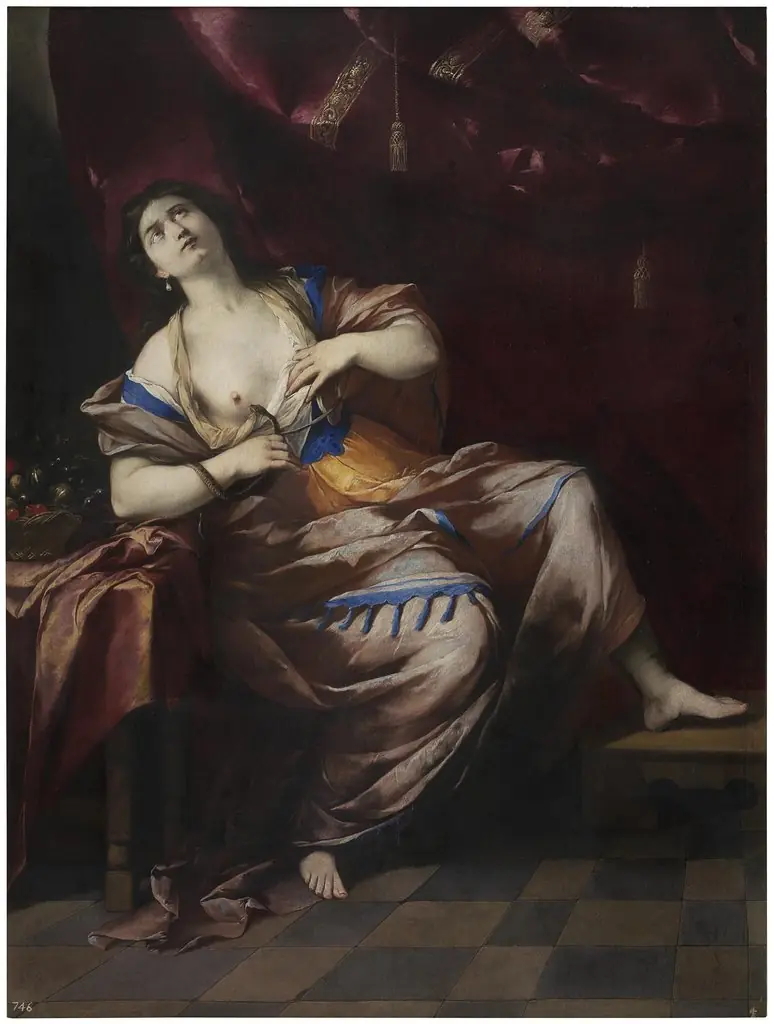
The painting captures Cleopatra in the final moments of her life, following the traditional narrative of her suicide by asp bite. Her posture—reclining, eyes closed, limbs relaxed—suggests surrender rather than agony. The absence of overt violence or chaos shifts focus to quiet resignation, aligning with Baroque interests in psychological depth. The nudity, partially veiled, evokes both vulnerability and dignity, reinforcing her status as a sovereign facing mortality with composure.
Technique & Style
Cairo employs chiaroscuro to isolate the figure against a deep, undefined background, heightening the sense of intimacy and isolation. The pale skin of the figure contrasts sharply with the dark surroundings, while subtle highlights trace the curve of her arm and torso. The blue drape and gold bracelet introduce restrained color, drawing attention without distraction. Brushwork is smooth, favoring tonal transitions over texture, characteristic of Lombard Baroque sensibilities.
History & Provenance
Created during Cairo’s formative years in Lombardy or Piedmont, the painting likely originated as a private commission, possibly for a collector interested in classical tragedy. It entered the Kelvingrove collection in the 19th century, though its earlier ownership remains undocumented. Its survival as a relatively small, non-religious work from this period is uncommon, suggesting it was valued for its emotional intensity rather than its scale or subject’s popularity.
Context
In mid-17th-century Italy, depictions of Cleopatra’s death were popular among artists exploring themes of power, femininity, and mortality. Cairo’s version diverges from theatrical or violent interpretations common in Rome or Naples, instead embracing a subdued, introspective tone. This reflects regional Lombard tendencies toward psychological realism and restrained emotion, contrasting with the more flamboyant styles of southern Baroque centers.
Legacy
Though not widely exhibited or reproduced, the painting remains a significant example of Cairo’s early secular work. It illustrates how Baroque artists adapted classical narratives to suit intimate, emotionally nuanced compositions. Its presence in a major Scottish public collection underscores its role in 19th-century European efforts to curate diverse historical narratives, preserving lesser-known works that offer insight into regional artistic priorities.
Own this work as a print
Artist & collection
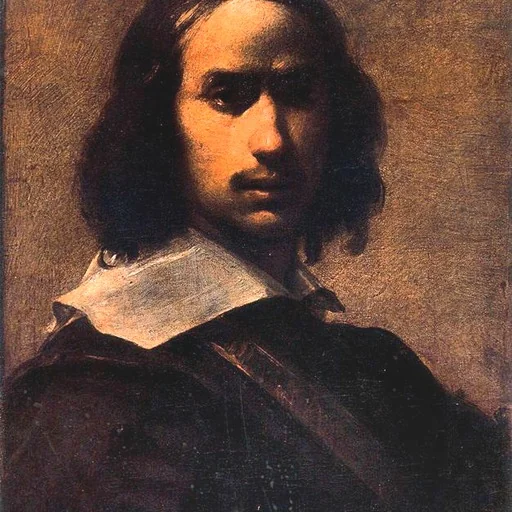
Artist
Francesco Cairo (26 September 1607 – 27 July 1665), also known as Francesco del Cairo, was an Italian Baroque painter active in Lombardy and Piedmont.