Artwork
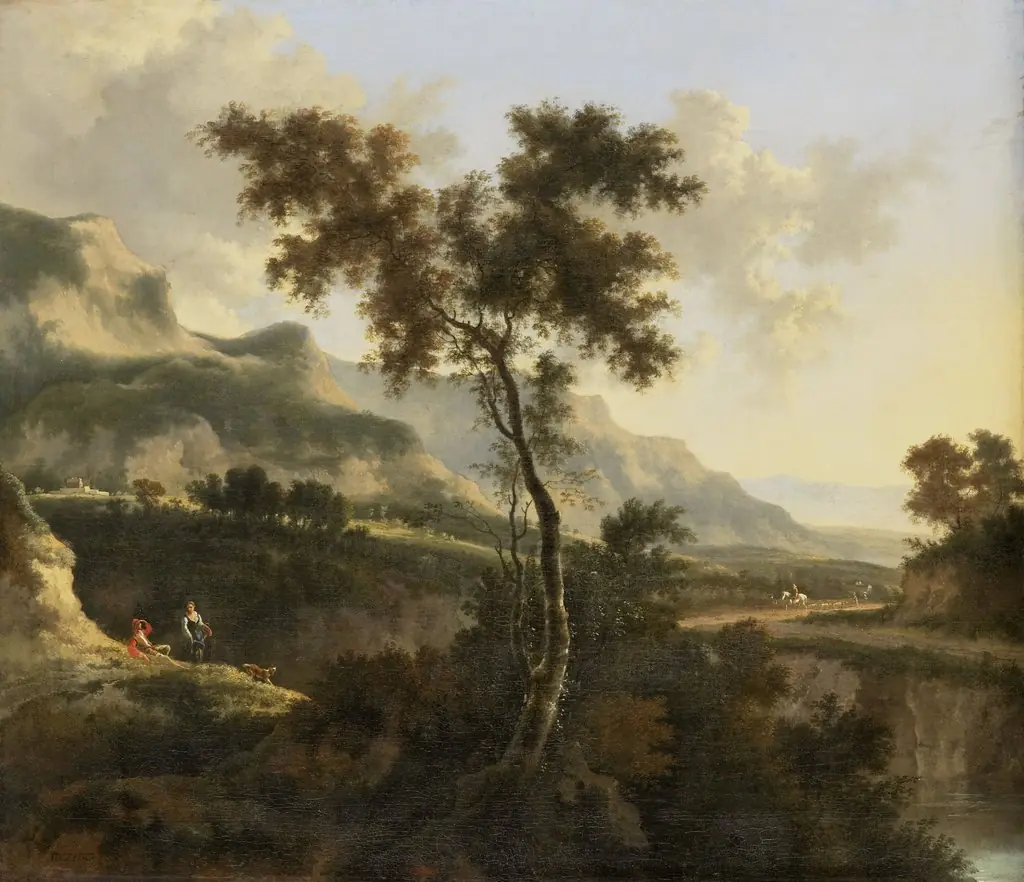
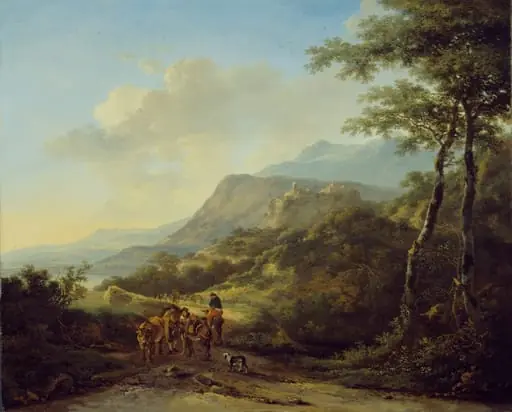
Mountain landscape with a shepherd and a shepherdess
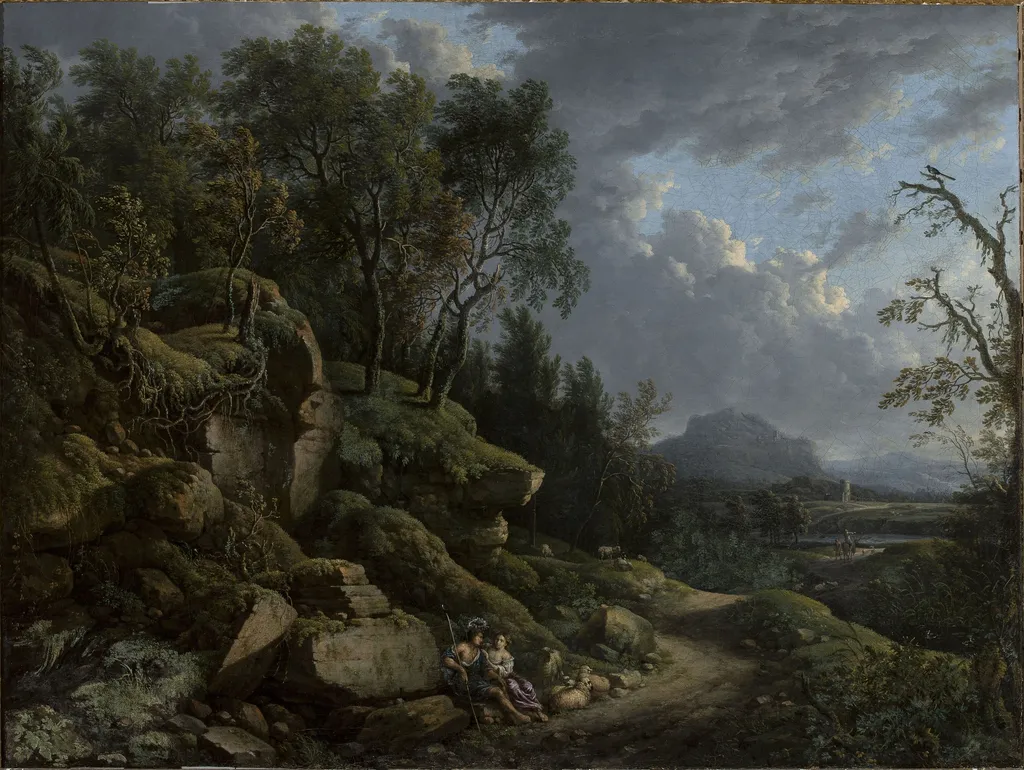
Mountain landscape with a shepherd and a shepherdess is an oil painting by the Dutch Golden Age artist Jacob de Heusch. It dates from 1688 and is held in the collection of the National Museum in Warsaw.
About this work
Overview
The composition balances natural detail with human presence, reflecting the era’s interest in harmonious, observed nature rather than dramatic grandeur.
Painted around 1688 by Jacob de Heusch, this oil-on-canvas work presents a quiet rural scene set against a rugged mountain backdrop. De Heusch, active in the late 17th-century Dutch Republic, specialized in landscape painting influenced by his uncle Willem de Heusch. The composition balances natural detail with human presence, reflecting the era’s interest in harmonious, observed nature rather than dramatic grandeur.
Subject & Meaning
A shepherd and shepherdess rest on a rocky slope, their posture suggesting a pause in daily labor. The shepherd holds a staff, the shepherdess a basket—tools of their trade rendered without idealization. Their inclusion anchors the landscape in human experience, evoking themes of quiet diligence and rural life. The scene avoids narrative drama, instead inviting contemplation of solitude and the rhythms of pastoral existence.
Technique & Style
De Heusch employs fine brushwork to distinguish textures: rough stone, leafy foliage, and soft cloud formations. Earth tones dominate the foreground, while the sky transitions into pale blue, creating atmospheric depth. The figures are small but carefully rendered, integrated into the environment rather than dominating it. This restrained palette and meticulous detail align with Dutch landscape traditions of the period, emphasizing observation over embellishment.
History & Provenance
Jacob de Heusch, nephew of the landscape painter Willem de Heusch, signed his works with a distinctive monogram shared by his uncle. While specific early ownership records are sparse, the painting’s style and date place it within the broader circulation of Dutch landscape art in the late 1600s. It reflects the market demand for tranquil, detailed scenes among collectors who valued domesticated nature over mythological or religious subjects.
Context
Produced during the Dutch Golden Age, the painting emerges from a society where landscape art flourished alongside economic prosperity. Unlike Italianate grandeur favored by some contemporaries, Dutch painters like de Heusch focused on local topography and everyday life. This work exemplifies the period’s preference for intimate, believable scenes—valued for their sincerity and connection to the viewer’s own world.
Legacy
Jacob de Heusch’s work remains a modest but representative example of Dutch landscape painting from the late 17th century. Though not widely known today, his adherence to detailed naturalism and quiet composition influenced regional trends. His paintings contribute to the broader understanding of how Dutch artists interpreted the relationship between people and the land, without romanticizing or exaggerating their subjects.
Artist & collection
Artist
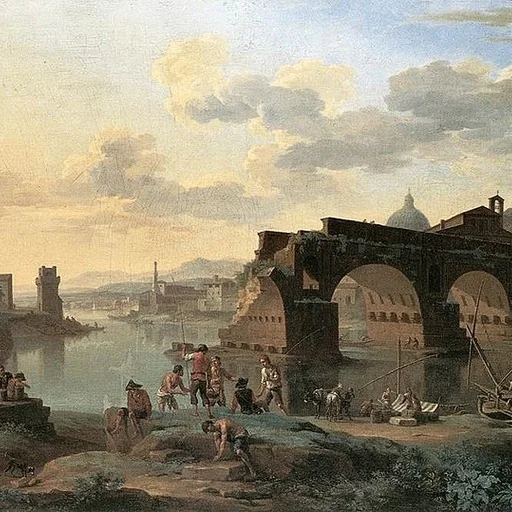
Jacob de Heusch (November 23, 1656 (bapt.) - May 8, 1701), was a Dutch painter. He was Willem de Heusch's nephew, signing like his uncle, with an initial monogram combining J, D, and H (substituting an initial J for the…

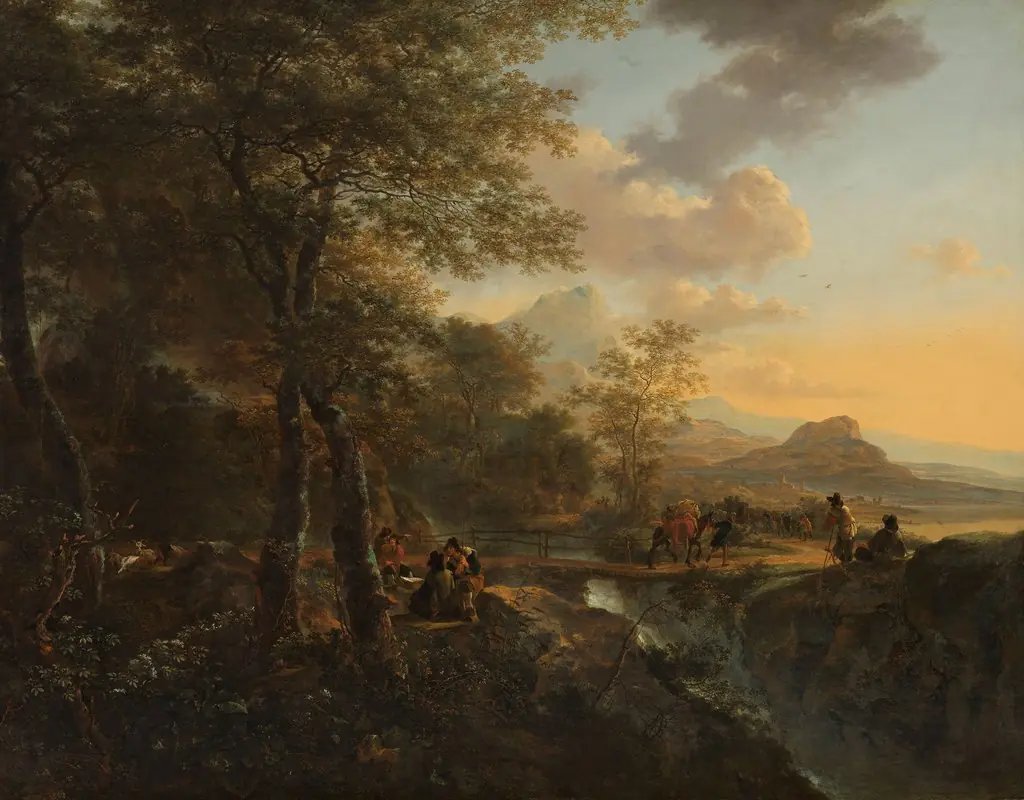 Italian Landscape with a Draughtsman
 Italiaans landschap met tekenaar
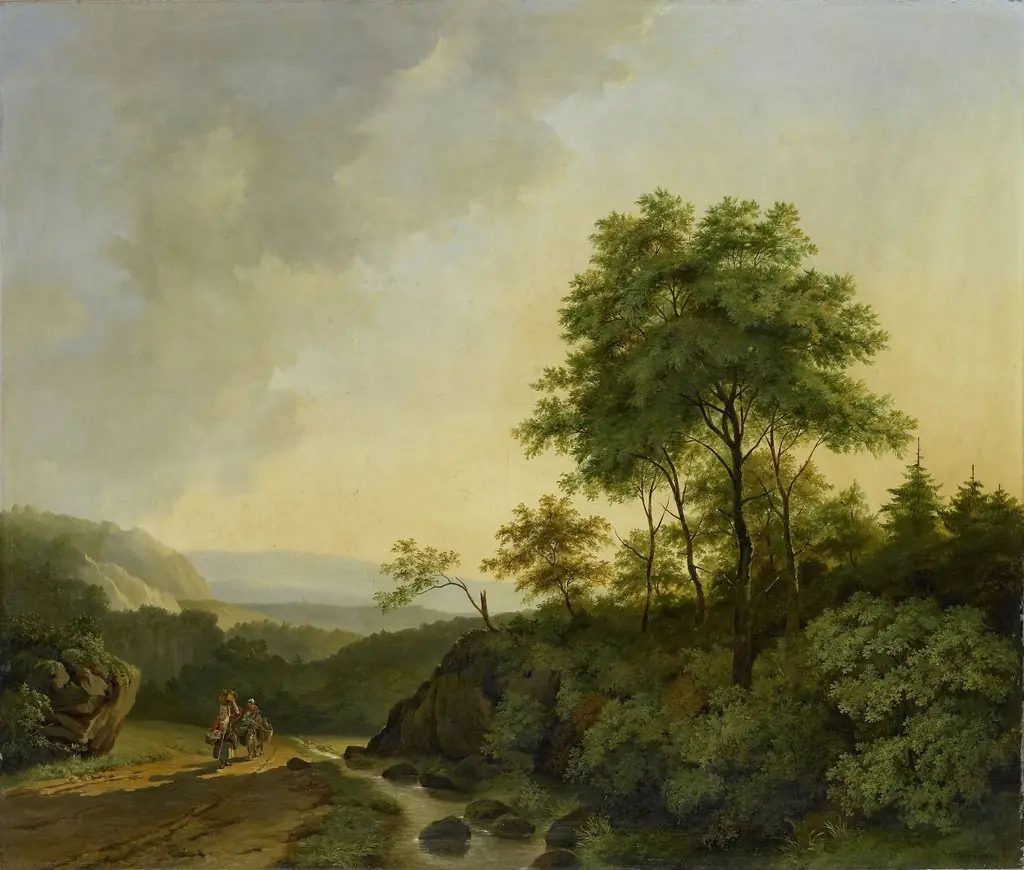 View in the Harz Mountains
 Mountainous landscape
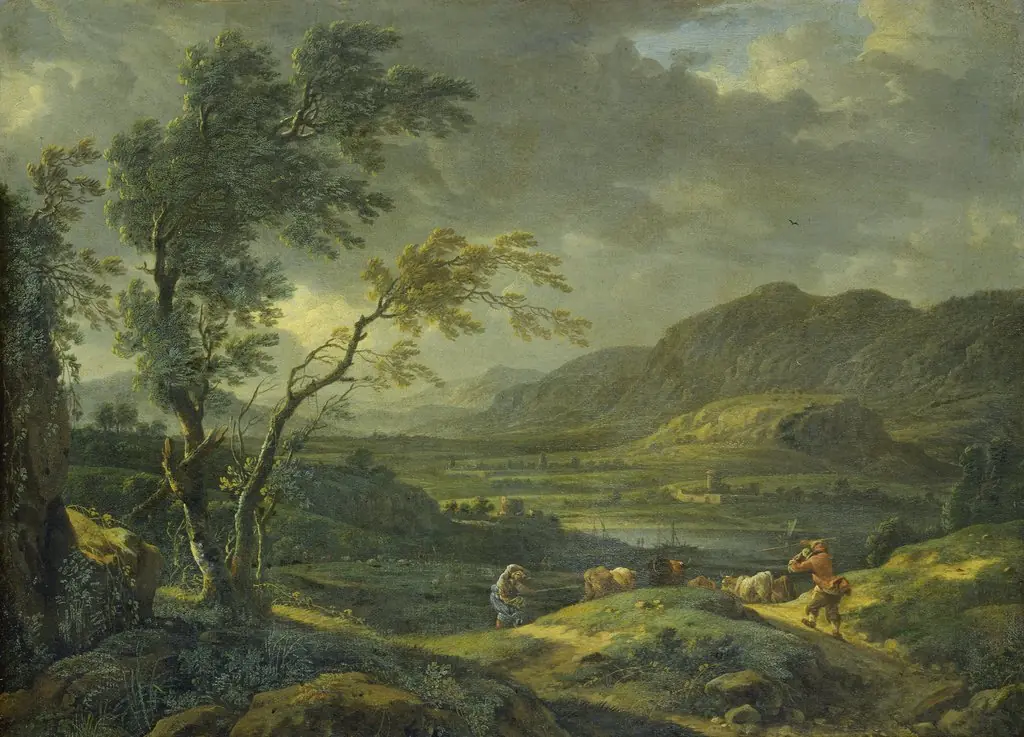 Landscape after a Thunderstorm
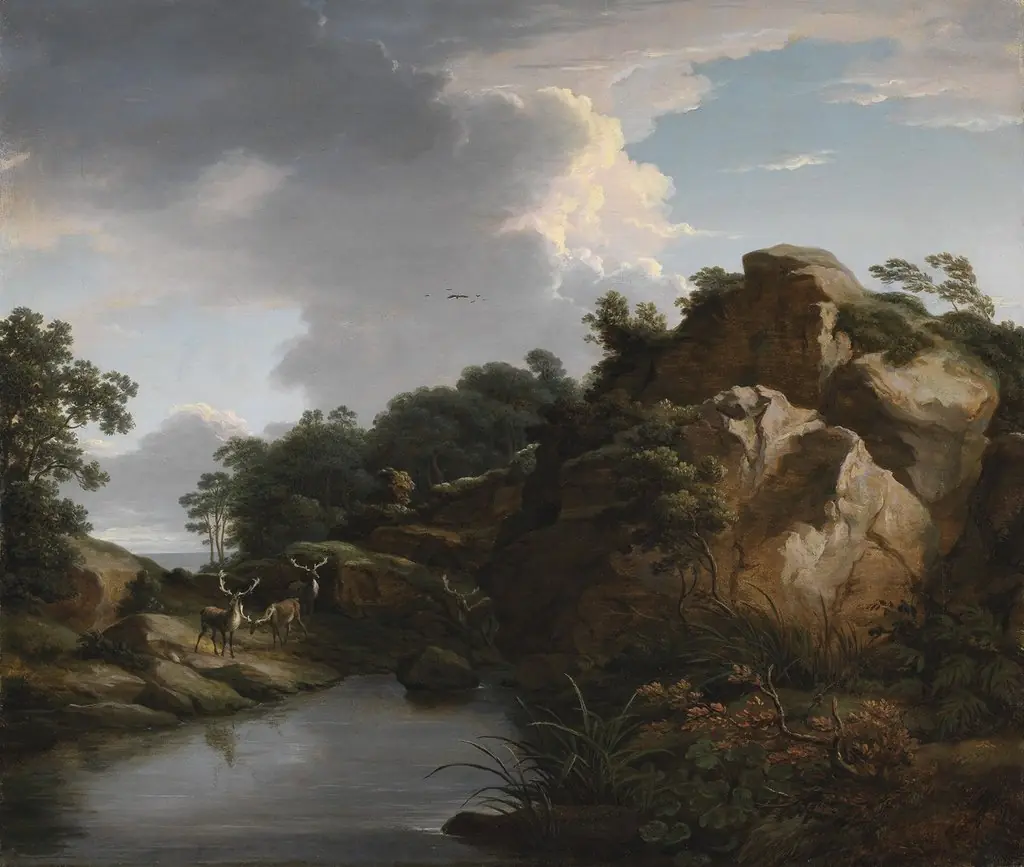 View in Mount Merrion Park
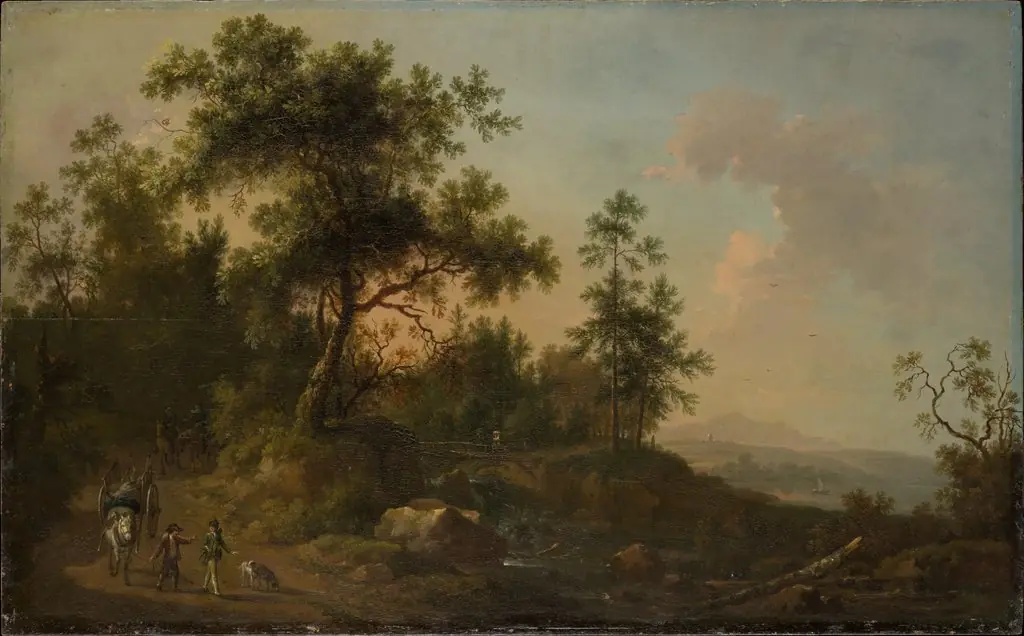 A Horsecart Leaving a Forest
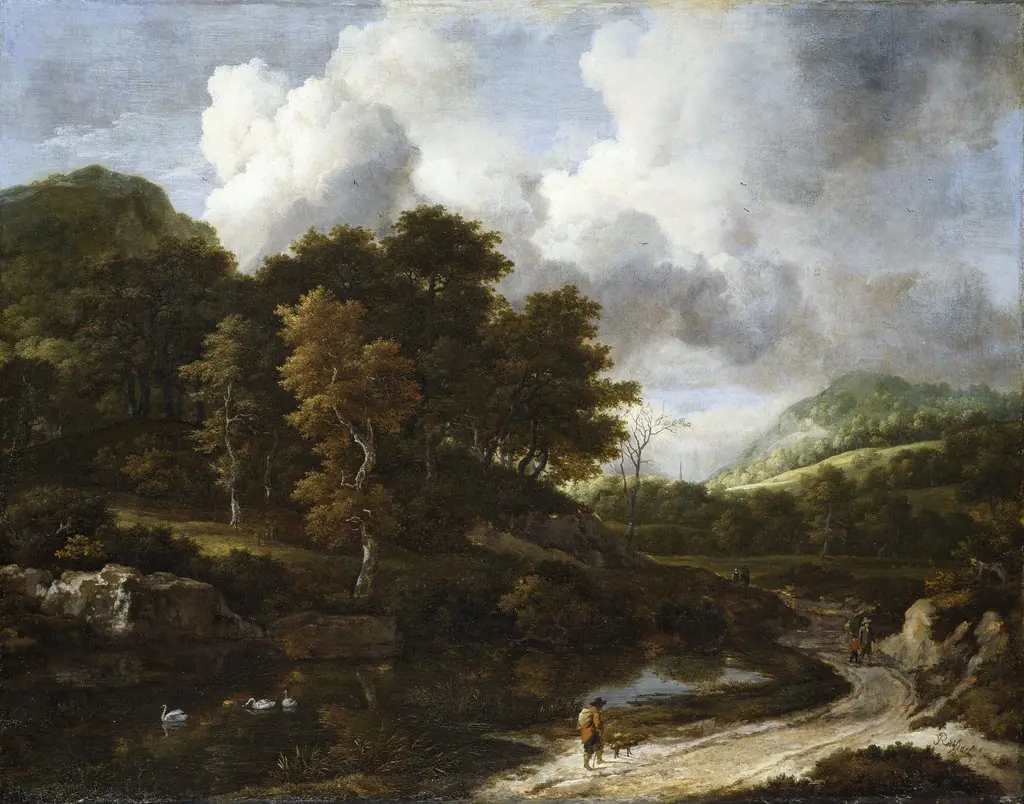 A wooded landscape
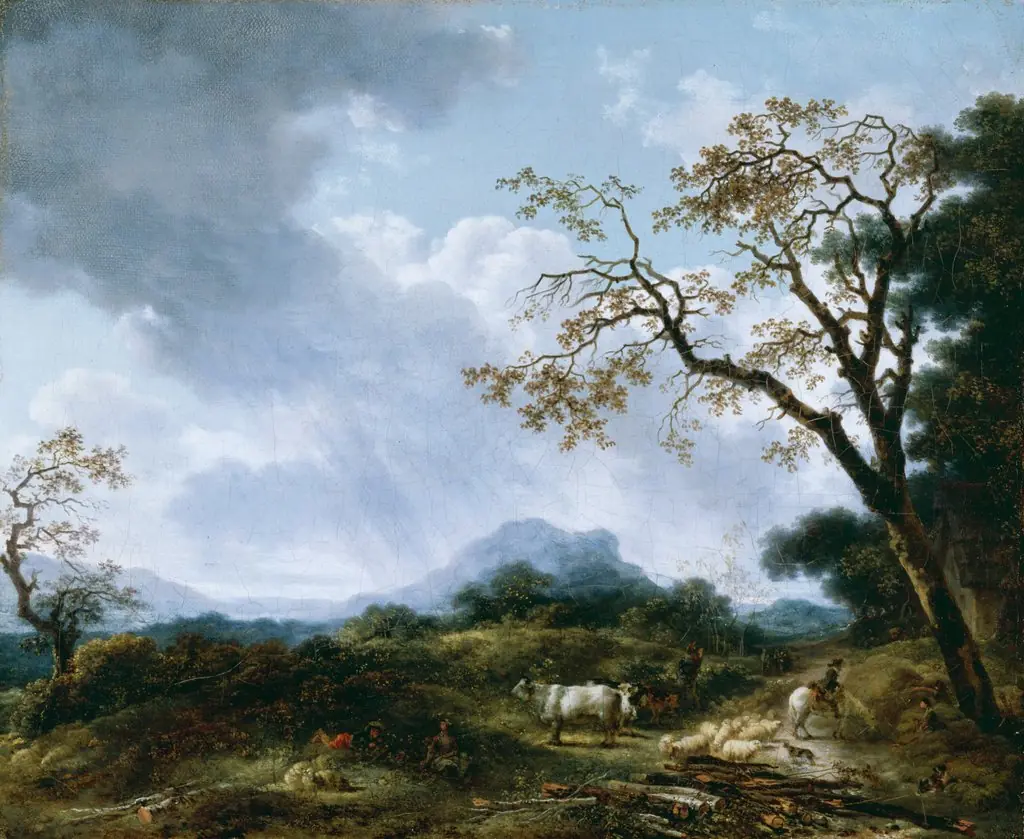 Landscape with Passing Shower
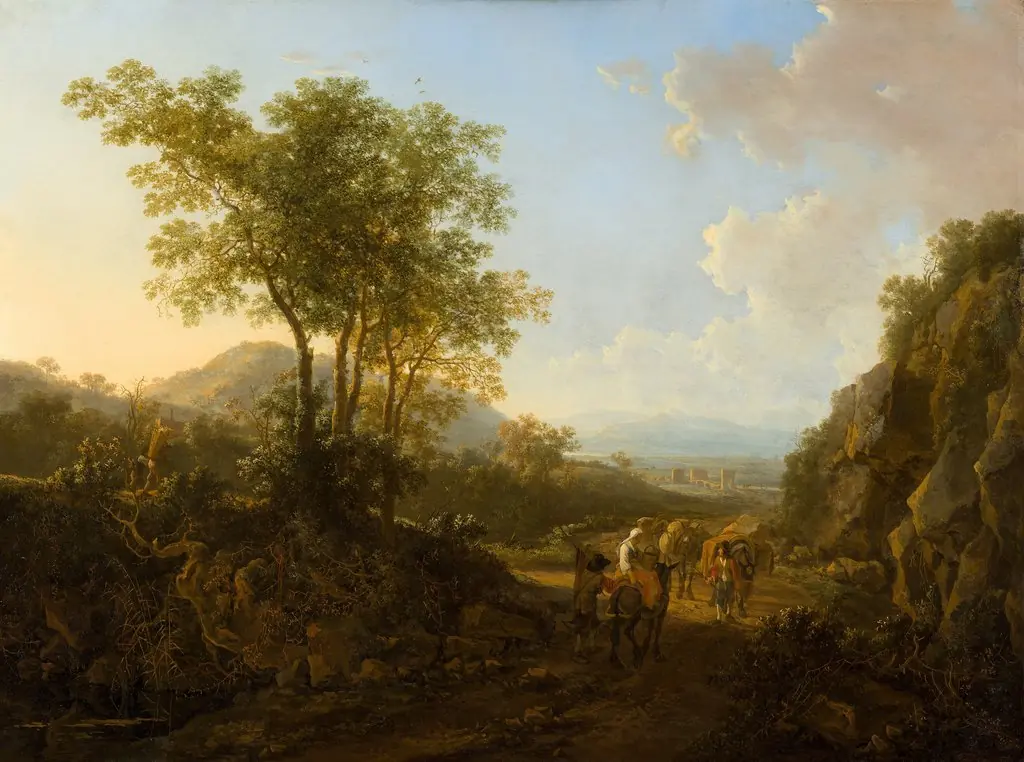 Italian landscape
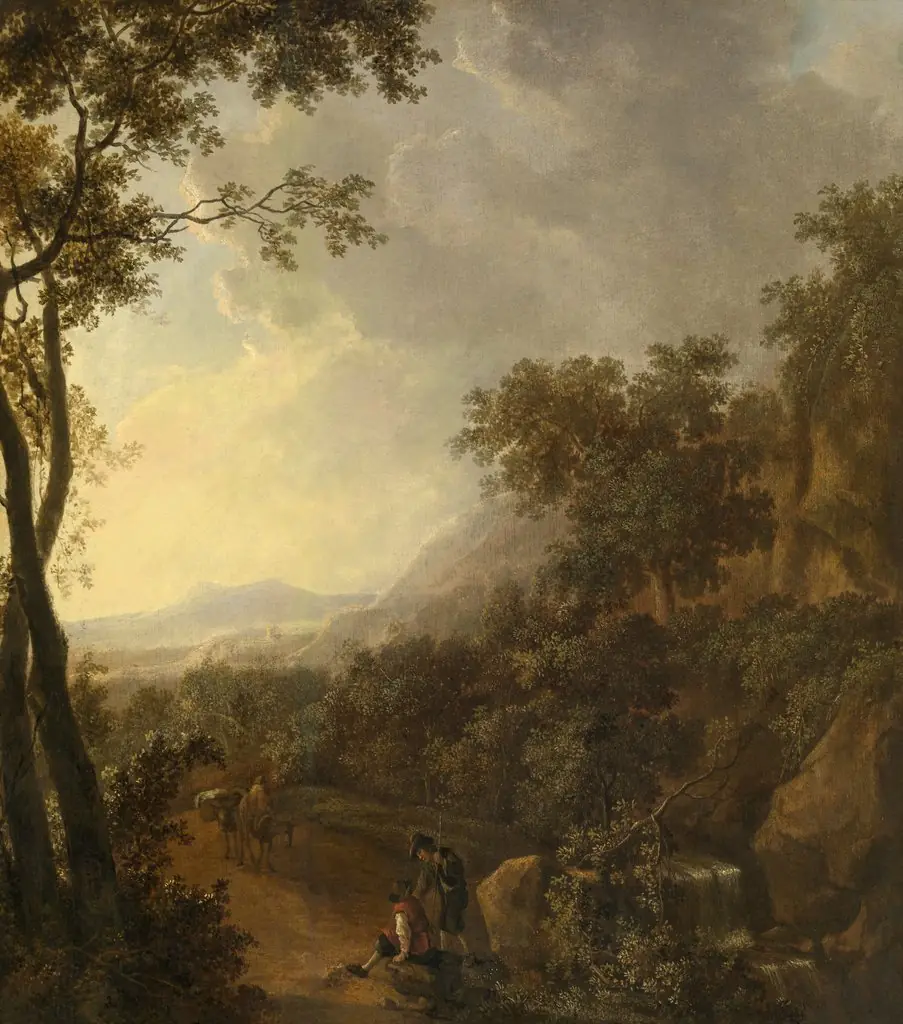 Italiaans landschap
 Italian Landscape with Travelers