Artwork
Landscape after a Thunderstorm
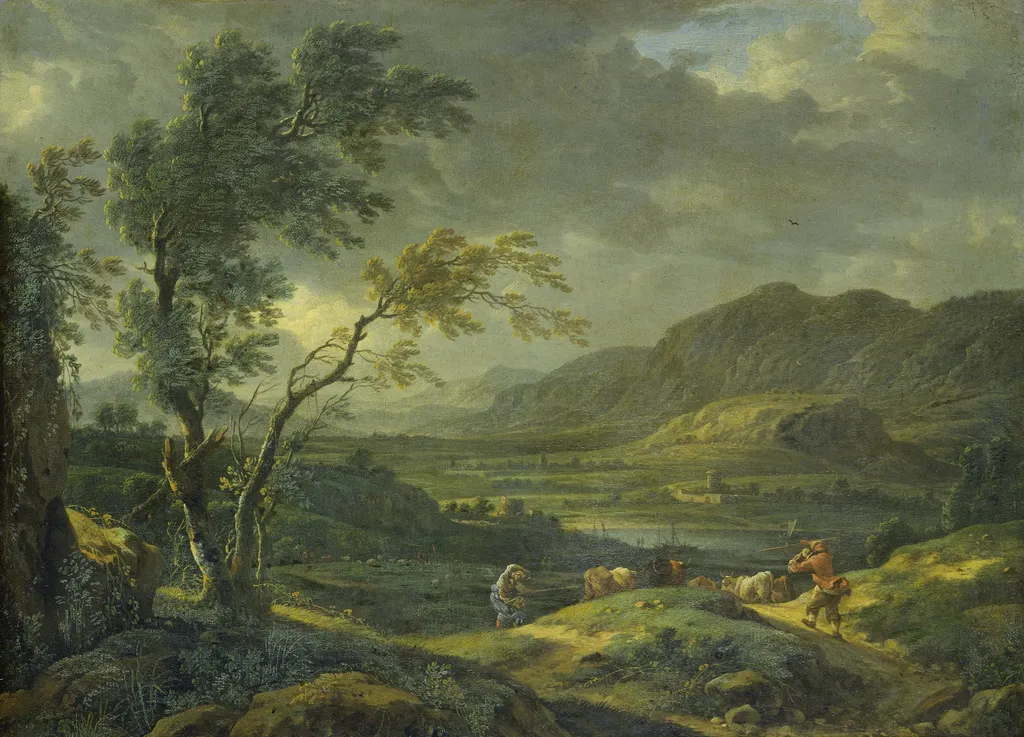
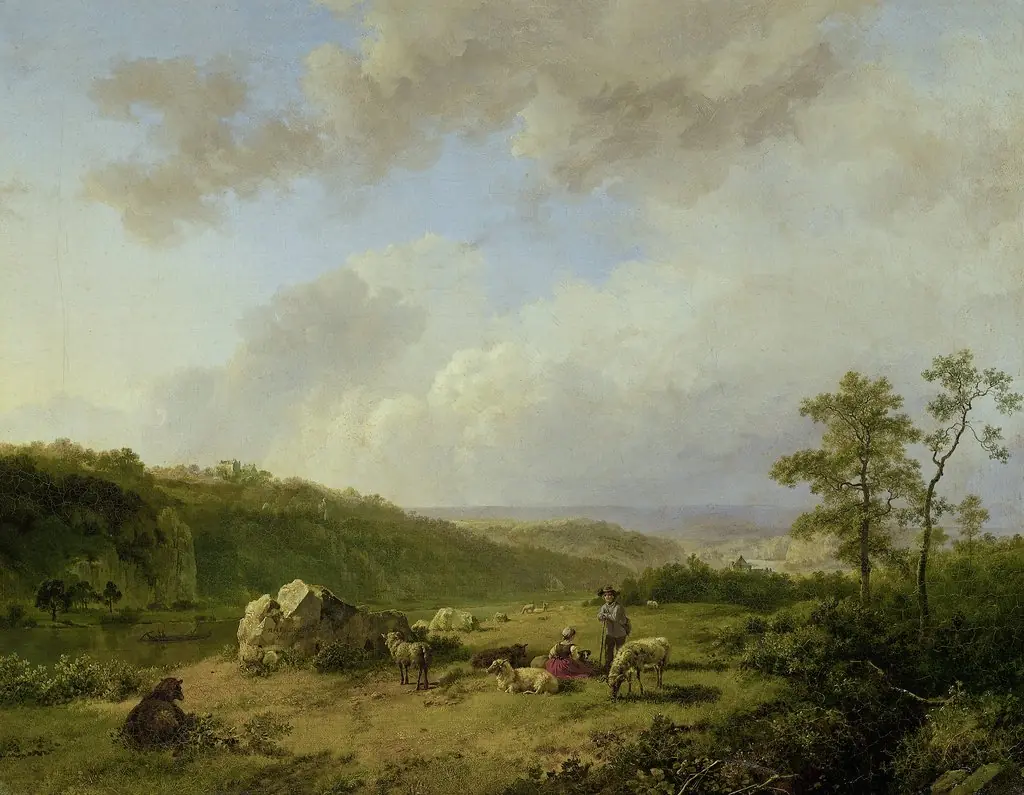
Landscape after a Thunderstorm is an oil painting by the Dutch Golden Age artist Johann Franz Ermels. It dates from 1665 and is held in the collection of the Städel Museum.
About this work
Overview
Johann Franz Ermels, a German artist active in Nuremberg during the mid-17th century, painted *Landscape after a Thunderstorm* in 1665 using oil on canvas.
Johann Franz Ermels, a German artist active in Nuremberg during the mid-17th century, painted *Landscape after a Thunderstorm* in 1665 using oil on canvas. Though working outside the Dutch Republic, he closely followed the tonal landscapes of Jan Both, integrating atmospheric effects and naturalistic detail. The work is part of the Städel Museum’s collection in Frankfurt, reflecting the broader European interest in landscape as a subject worthy of serious artistic attention during the period.
Subject & Meaning
The painting portrays a quiet rural scene moments after a storm has passed. A large tree dominates the left side, while a man and woman walk with a small flock of sheep along a damp path. Behind them, a stretch of water and rolling hills recede into the distance. The figures are small and unobtrusive, suggesting harmony with nature rather than dominance over it. The mood is contemplative, emphasizing renewal and the transient beauty of the natural world.
Technique & Style
Ermels employed chiaroscuro to model forms and suggest the lingering effects of rain and light breaking through retreating clouds. His brushwork captures the wet sheen on leaves, the texture of wool on sheep, and the rough bark of the central tree. The composition guides the eye from the foreground figures toward the hazy horizon, using layered tones to create depth. The style reflects Dutch landscape traditions adapted to German sensibilities, with an emphasis on atmospheric realism over idealization.
History & Provenance
Created in 1665, the painting entered the Städel Museum’s collection in the 19th century, likely through acquisitions by the museum’s founding patrons who sought works aligned with Northern European traditions. Ermels’s oeuvre was modest, and few of his paintings survive; this piece remains one of the better-documented examples of his landscape work. Its preservation reflects early institutional recognition of regional artists who engaged with international stylistic currents.
Context
During the 1660s, landscape painting flourished across Northern Europe, fueled by growing civic pride and scientific interest in nature. German artists like Ermels, though less prominent than their Dutch contemporaries, absorbed Dutch compositional strategies and light studies. This work aligns with a broader trend of depicting nature as a site of quiet reflection, distinct from the grandeur of religious or mythological scenes, and reflective of a secularizing cultural climate.
Legacy
Ermels’s *Landscape after a Thunderstorm* stands as a quiet example of how regional painters integrated dominant stylistic models into localized expressions. While not widely influential in its time, the painting contributes to the understanding of how Dutch landscape conventions traveled beyond the Netherlands. Today, it serves as a reference point for studying the diffusion of artistic ideas in 17th-century Central Europe.
Own this work as a print
Artist & collection
Artist
Johann Franz Ermels (1641 – December 1693), a German painter and engraver, a pupil of Holtzman, was born in Reilkirch.

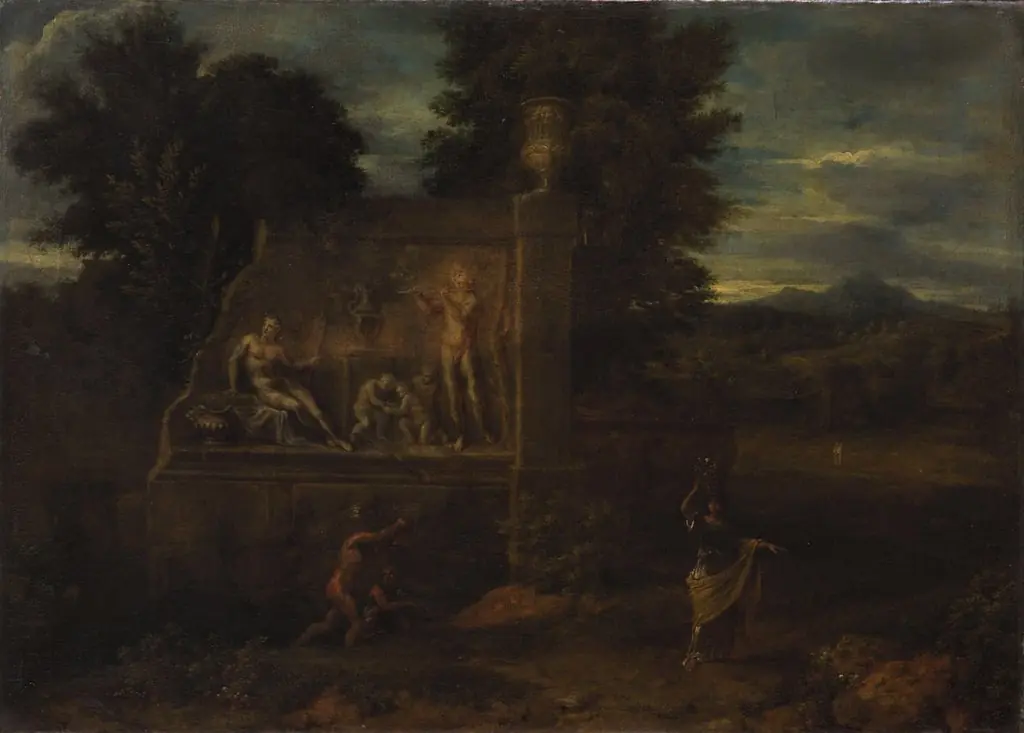
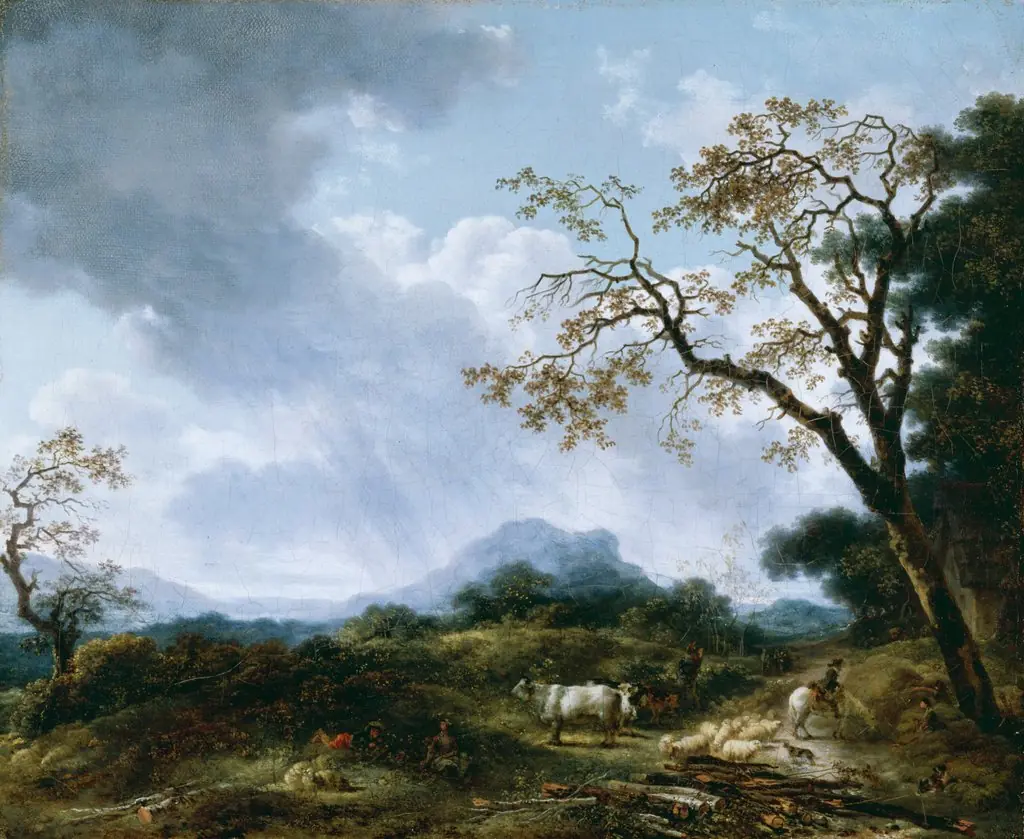 Landscape with Passing Shower
 Italian Landscape with Travelers
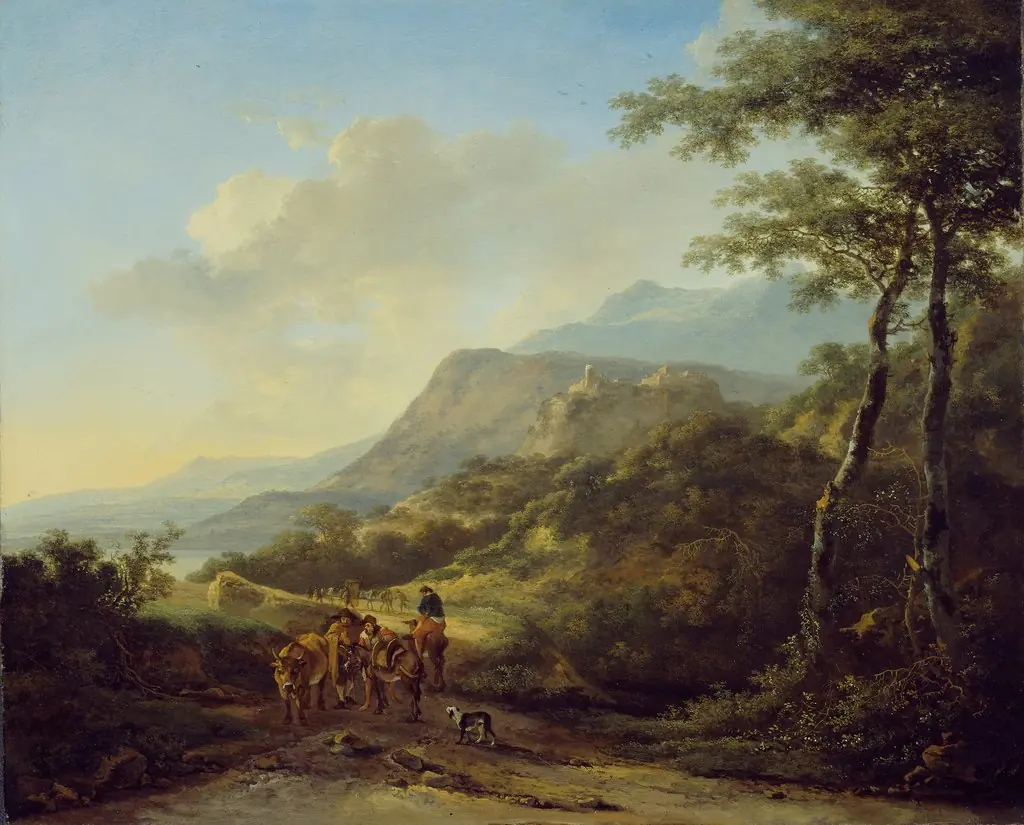 Italian Landscape with Travelers
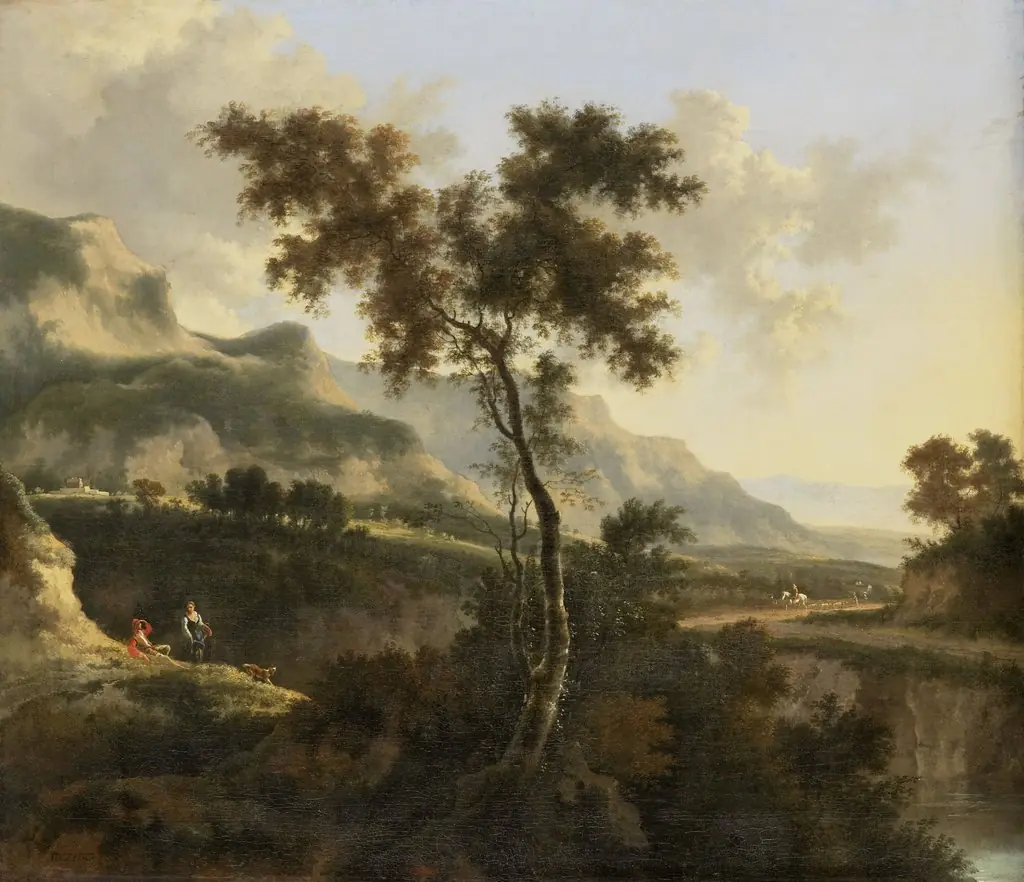 Mountainous landscape
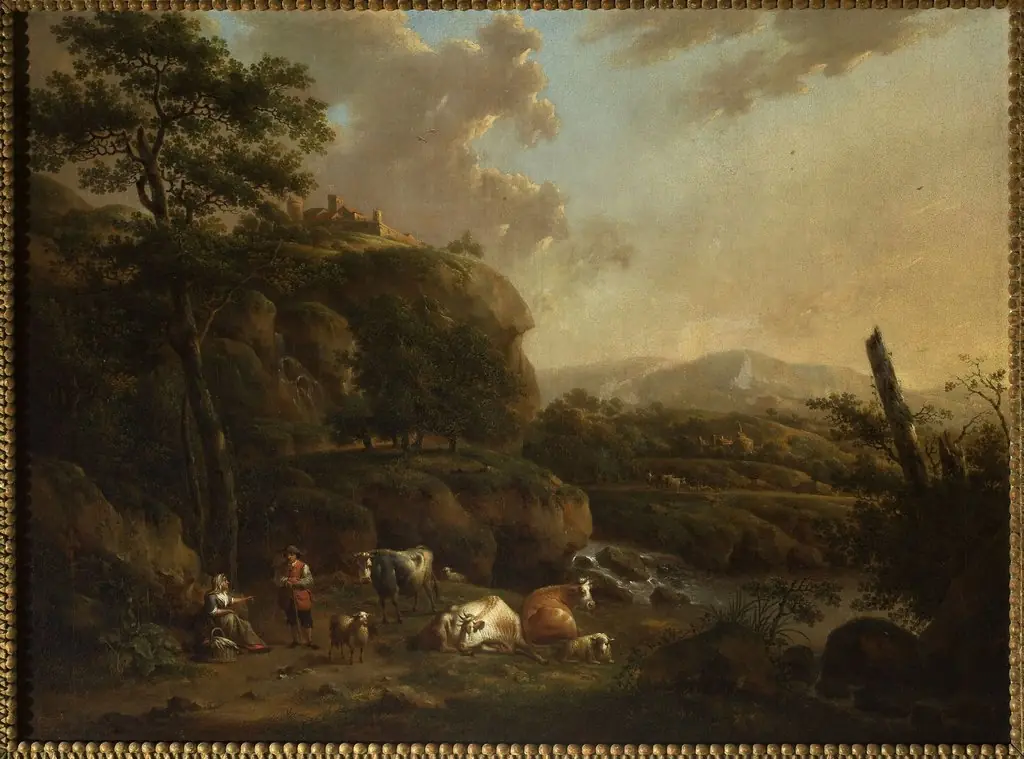 Mountain Landscape with Shepherds
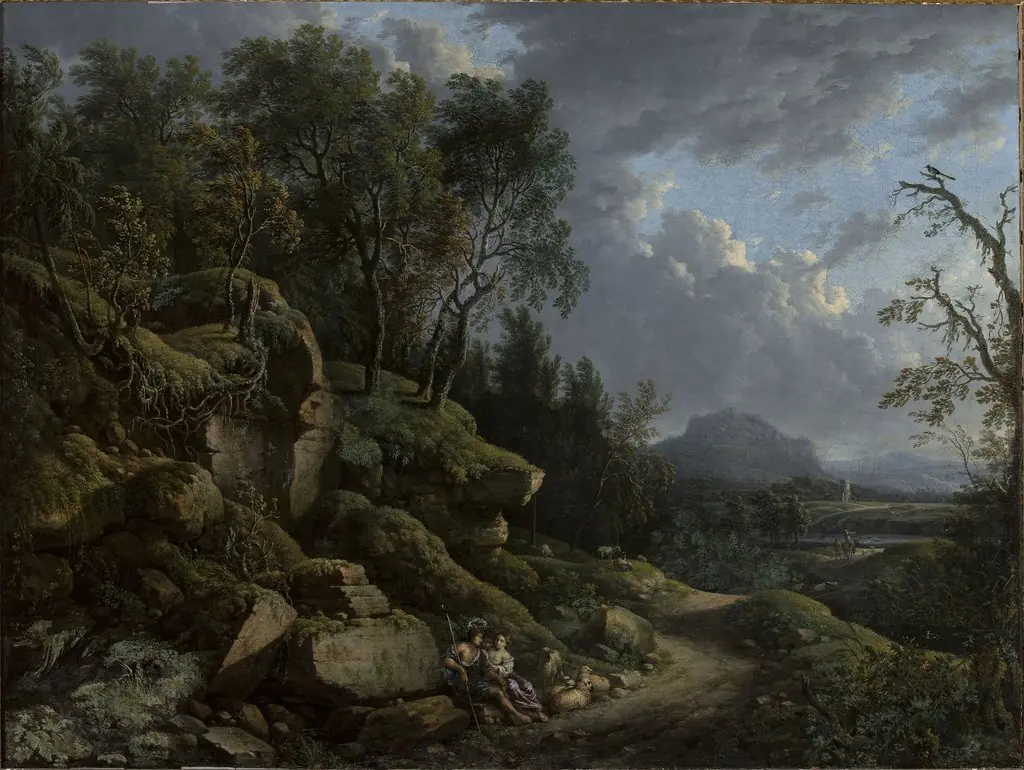 Mountain landscape with a shepherd and a shepherdess
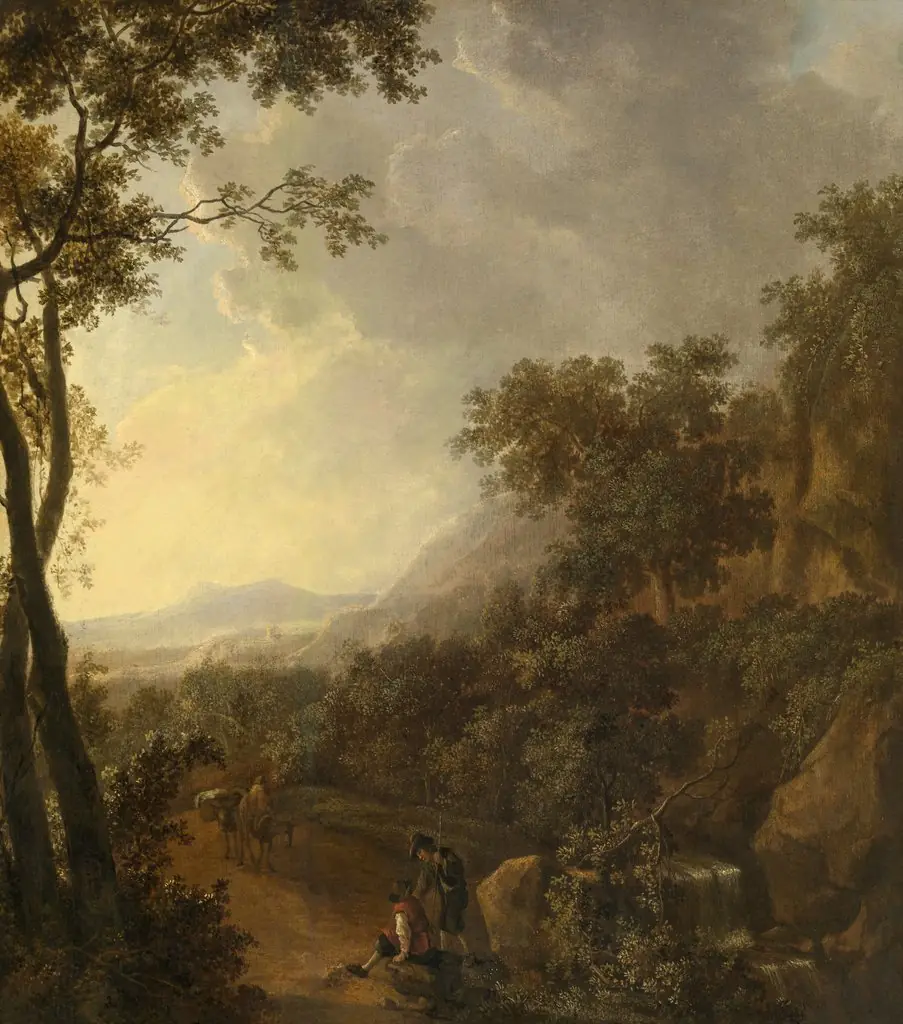 Italiaans landschap
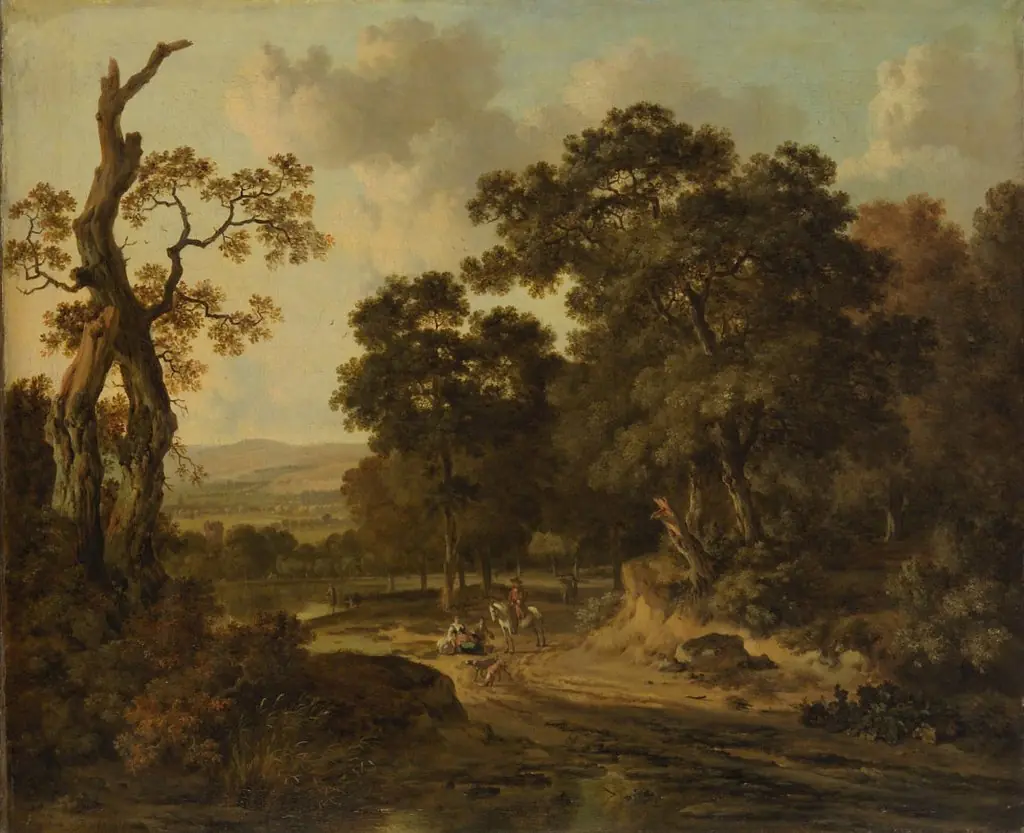 Waldeingang
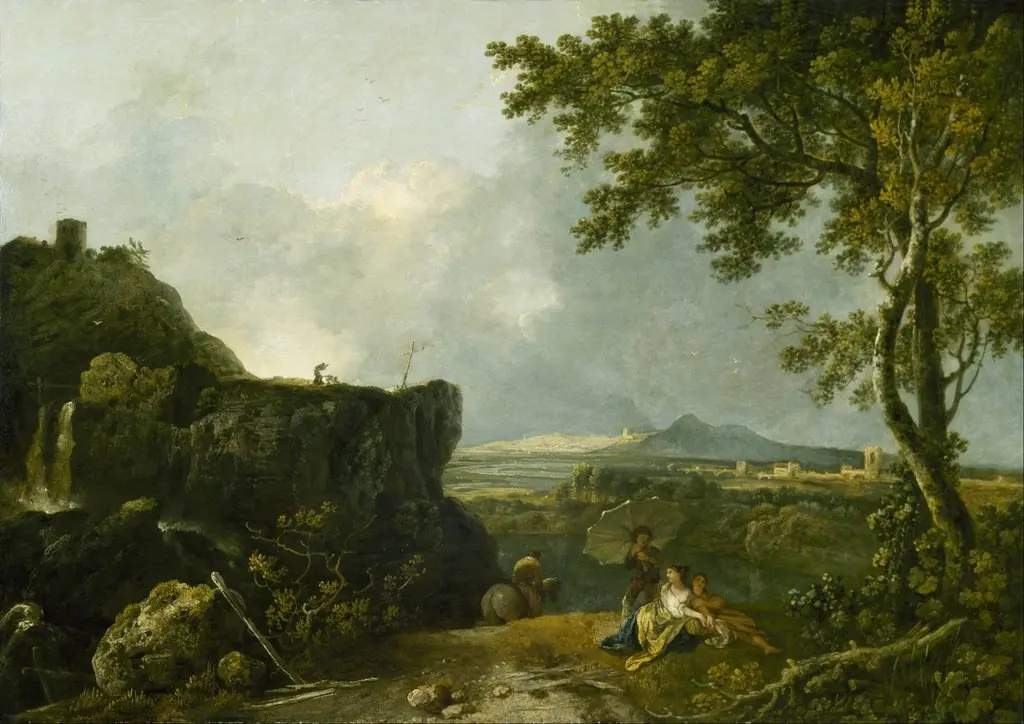 The White Monk
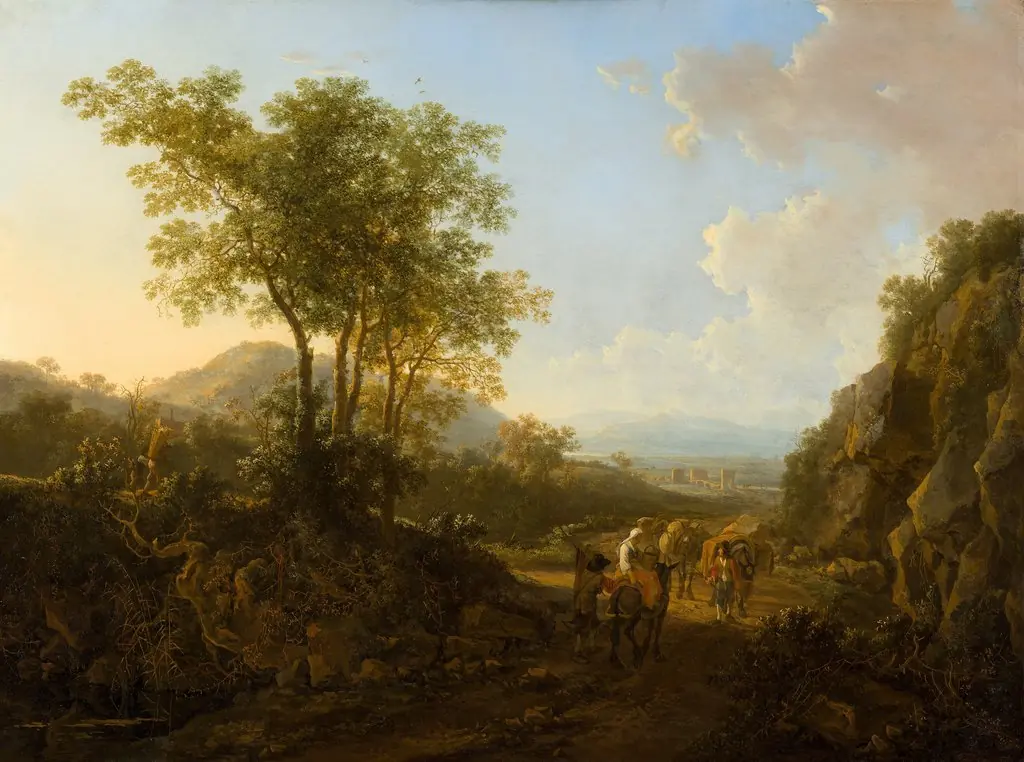 Italian landscape
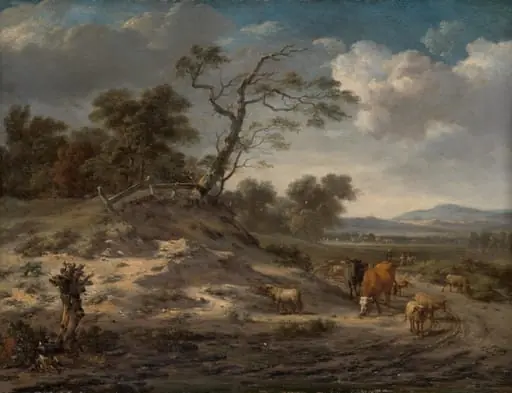 Landscape with Cattle on a Country Road
 Landscape with an approaching Rainstorm