Artwork
A Flemish Village
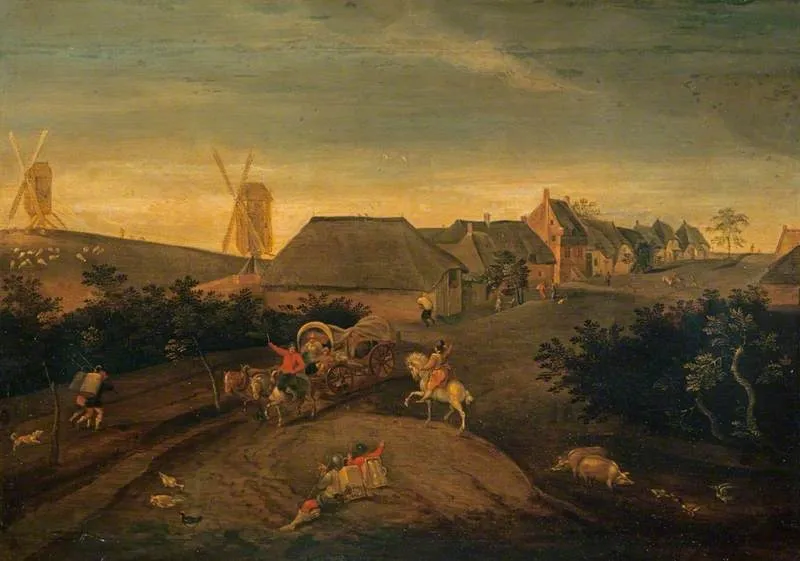
A Flemish Village is an oil painting by the Flemish Baroque painting artist Jacob Grimmer. It is held in the collection of the National Galleries Scotland.
About this work
Overview
Painted in 1594, *A Flemish Village* is an oil-on-panel work by Jacob Grimmer, a Flemish artist known for his depictions of rural life near Antwerp.
Painted in 1594, *A Flemish Village* is an oil-on-panel work by Jacob Grimmer, a Flemish artist known for his depictions of rural life near Antwerp. Unlike the elaborate, imaginary landscapes common in earlier generations, Grimmer focused on ordinary, observable settings. This piece exemplifies his commitment to quiet realism, capturing a modest village with attention to daily rhythms rather than grandeur.
Subject & Meaning
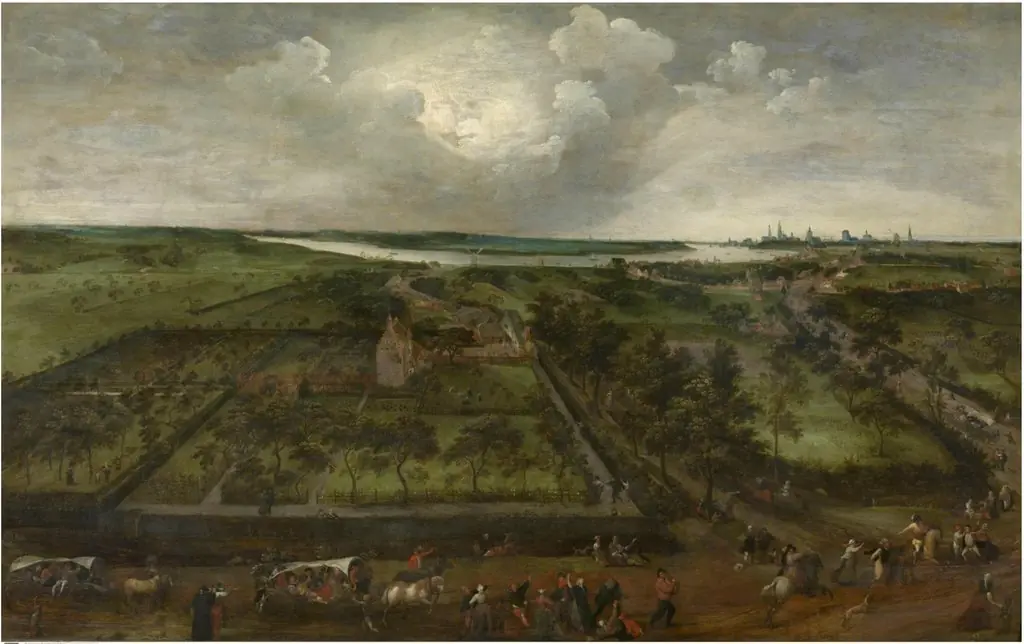
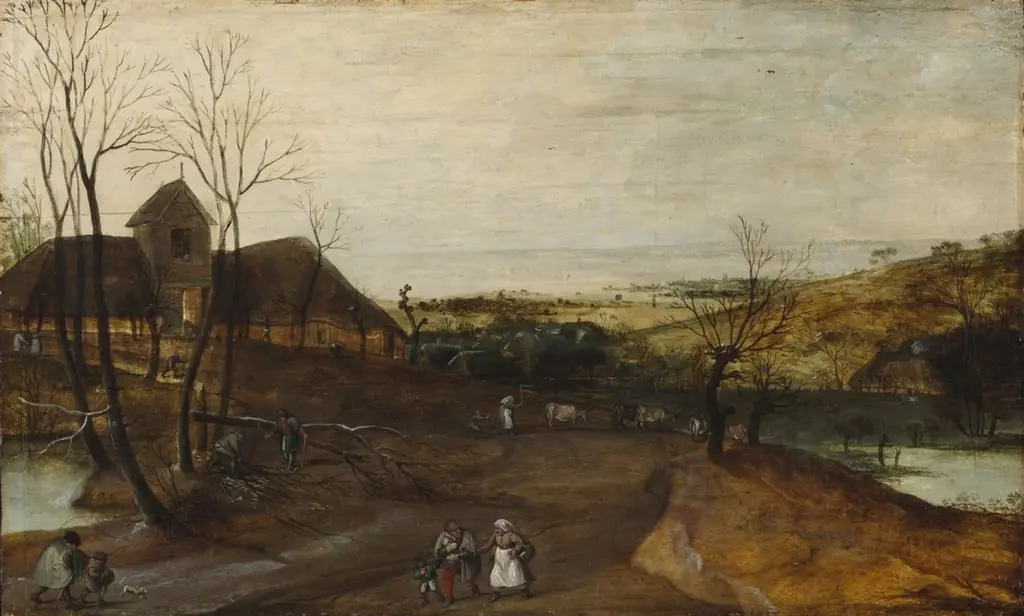
The scene portrays a quiet rural community engaged in routine activities: farmers walk with carts, riders traverse dirt paths, and laborers move near modest dwellings. A windmill rises in the distance, anchoring the composition. There is no narrative climax or symbolic allegory; instead, the painting conveys dignity in the mundane, presenting village life as self-sufficient and grounded in seasonal labor.
Technique & Style
Grimmer employed a restrained palette of earth tones—ochres, browns, and muted greens—to evoke the natural landscape. Accents of brighter color appear in the clothing of figures, drawing the eye without disrupting the scene’s harmony. Soft atmospheric perspective and careful handling of light suggest depth and seasonal time, reinforcing the painting’s sense of place and quiet realism.
History & Provenance
Created during the late 16th century, the painting reflects the growing interest in secular, local subjects among Flemish artists following the religious upheavals of the Reformation. While its early ownership is undocumented, it aligns with a broader trend of collectors valuing landscapes as records of everyday life rather than mythological or biblical scenes.
Context
In the decades after Pieter Bruegel the Elder, Flemish painters increasingly turned from fantastical or allegorical landscapes to direct observation of the countryside. Grimmer’s work contributed to this shift, emphasizing topographical accuracy and the rhythms of peasant life. His approach resonated with urban audiences seeking connection to rural stability amid political and economic change.
Legacy
Grimmer’s emphasis on unembellished rural scenes influenced subsequent generations of Flemish landscape artists, including his son and contemporaries in Antwerp’s artistic circles. His method of integrating figures naturally into the environment became a model for later painters who sought to depict the land not as a backdrop, but as a lived-in space shaped by human activity.
Artist & collection
Artist
Jacob Grimmer (c. 1526 – before May 1590) was a Flemish landscape painter and draughtsman. His rural scenes and landscapes of views around Antwerp marked an important development in 16th century Flemish landscape…

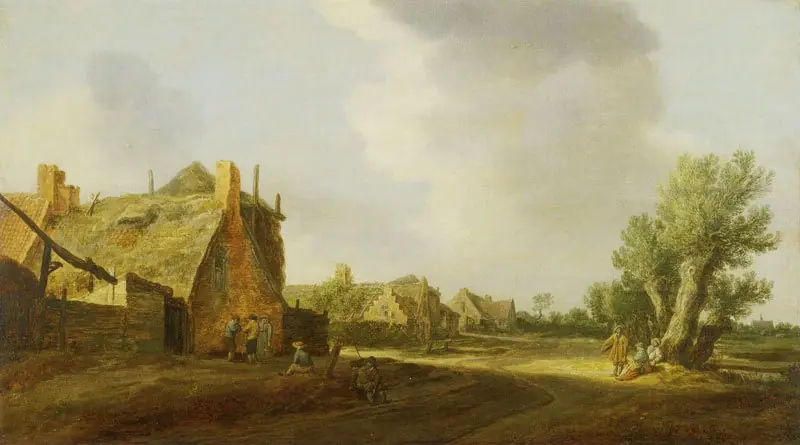 Street in a Village
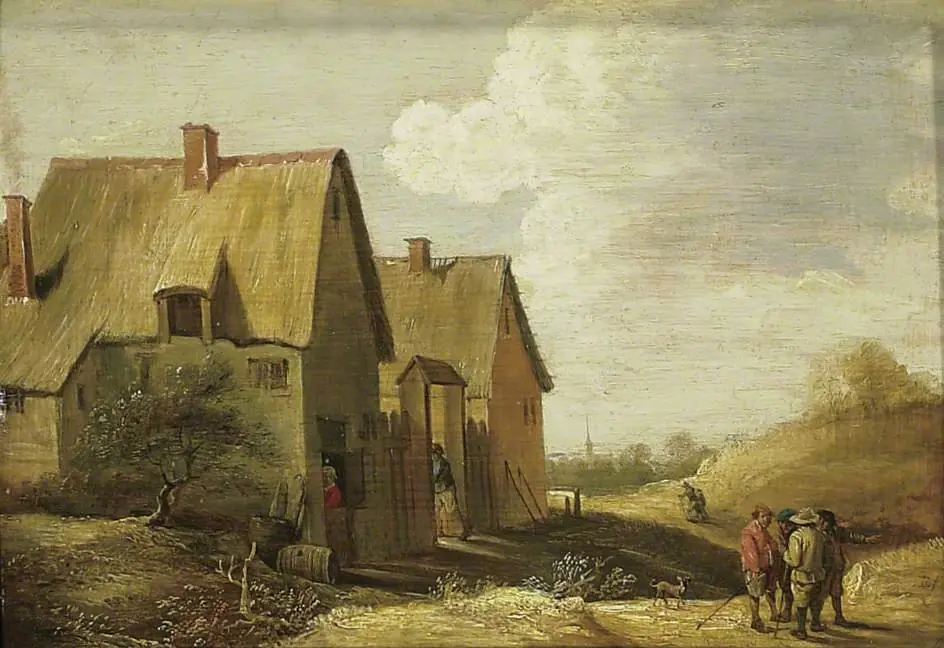 Landscape with a Farmhouse and Figures
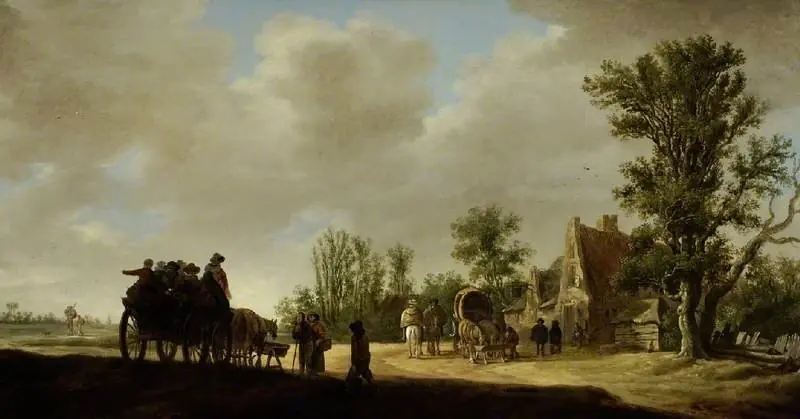 Halt at an Inn
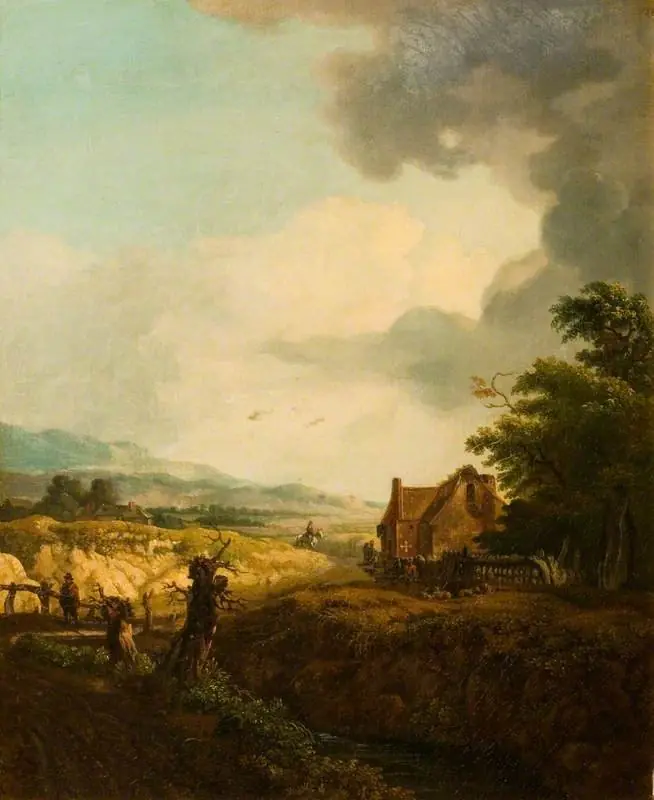 Landscape with an Inn
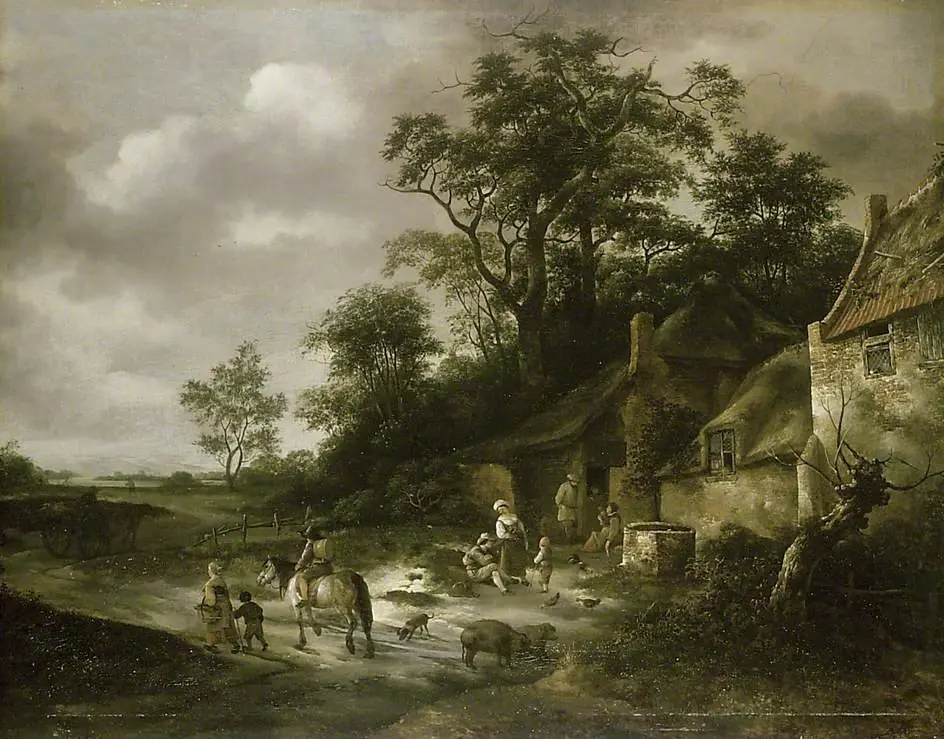 Landscape with Cottages and Peasants
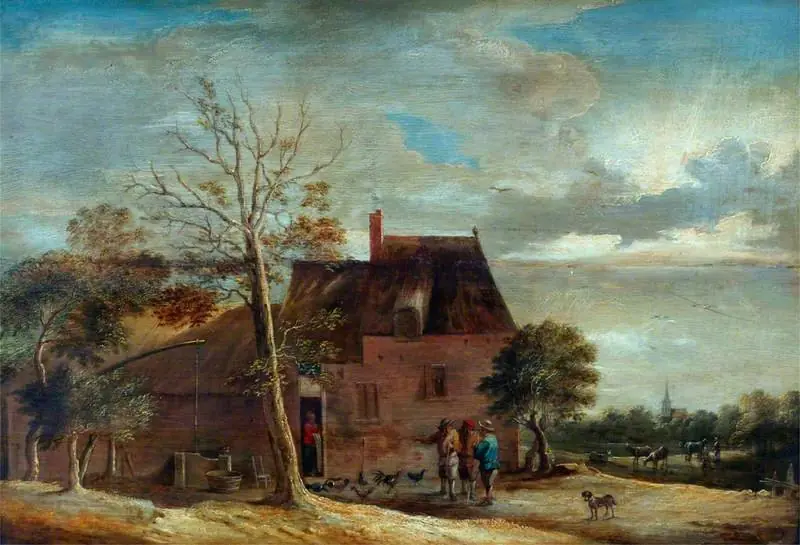 Farmhouse with Figures
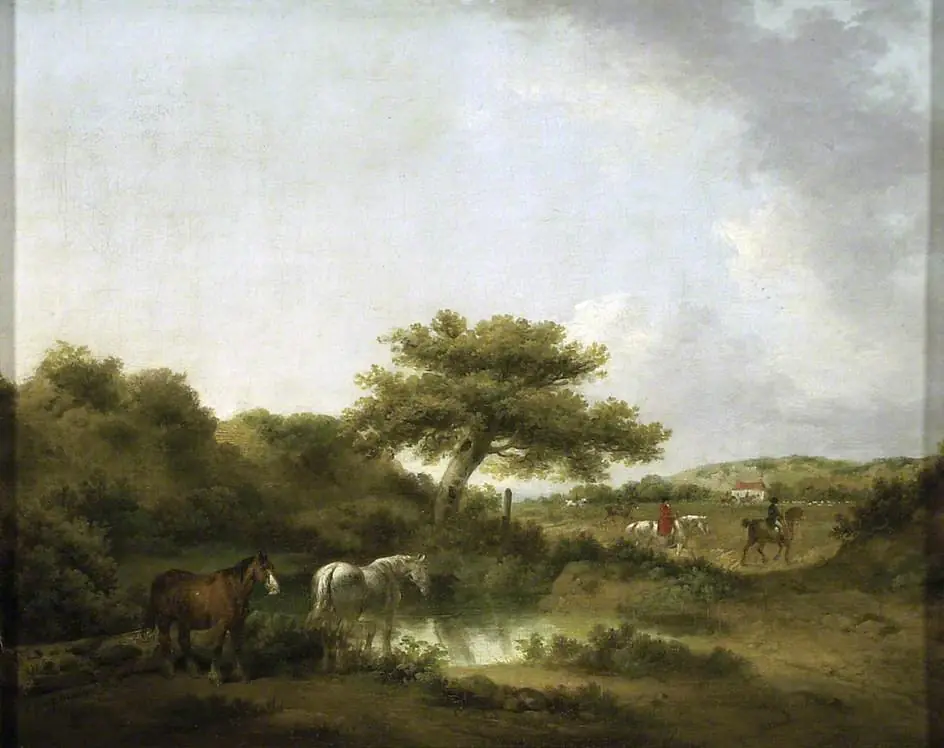 Landscape with Huntsmen and Hounds
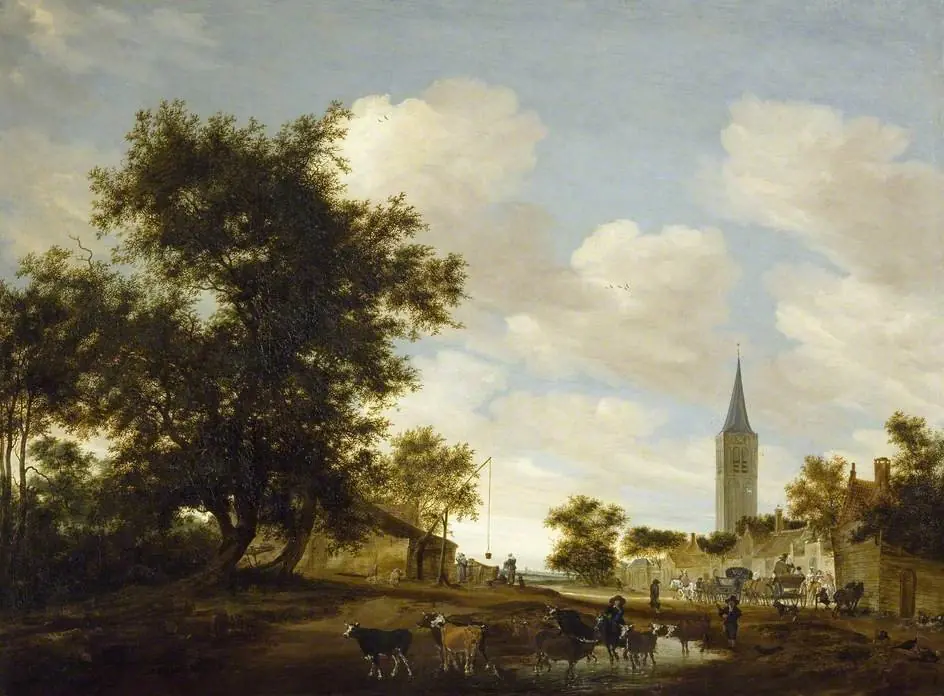 A Draw-well with Cattle before Beverwijck Church
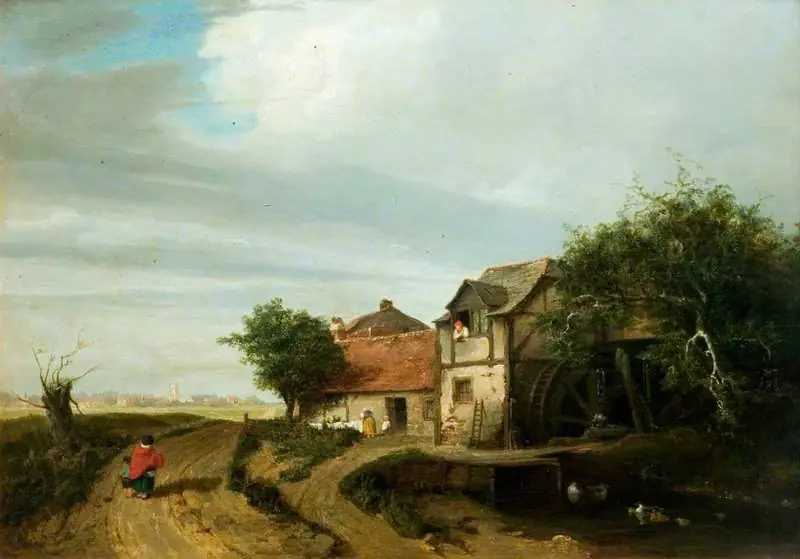 Landscape with a Cottage and a Water-Wheel
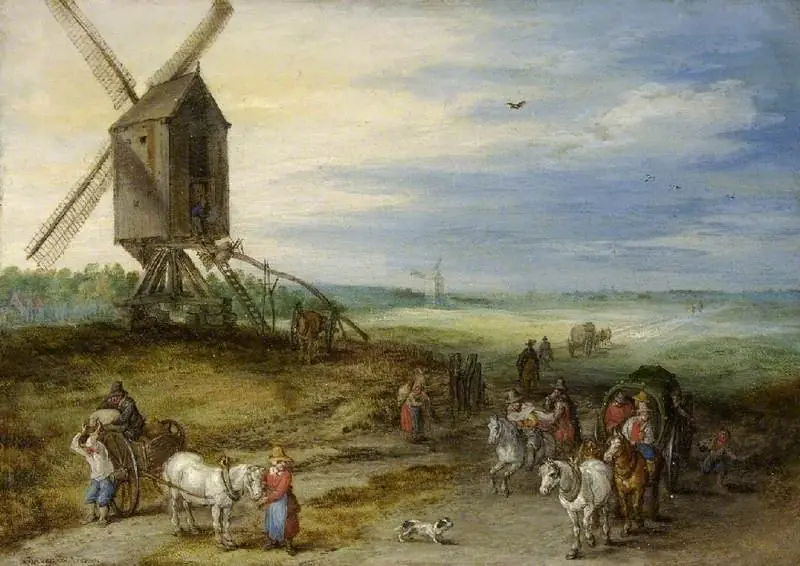 Landscape with mill and carts
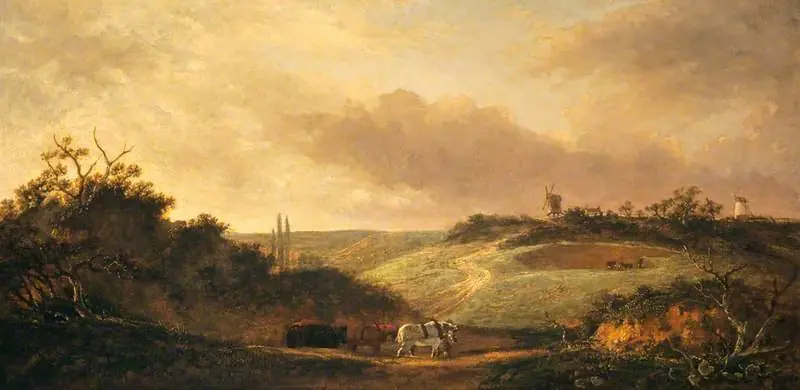 A Heath: Sunset