Artwork
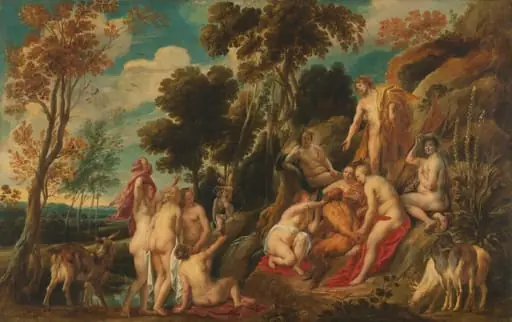
Marsyas punished by the Muses
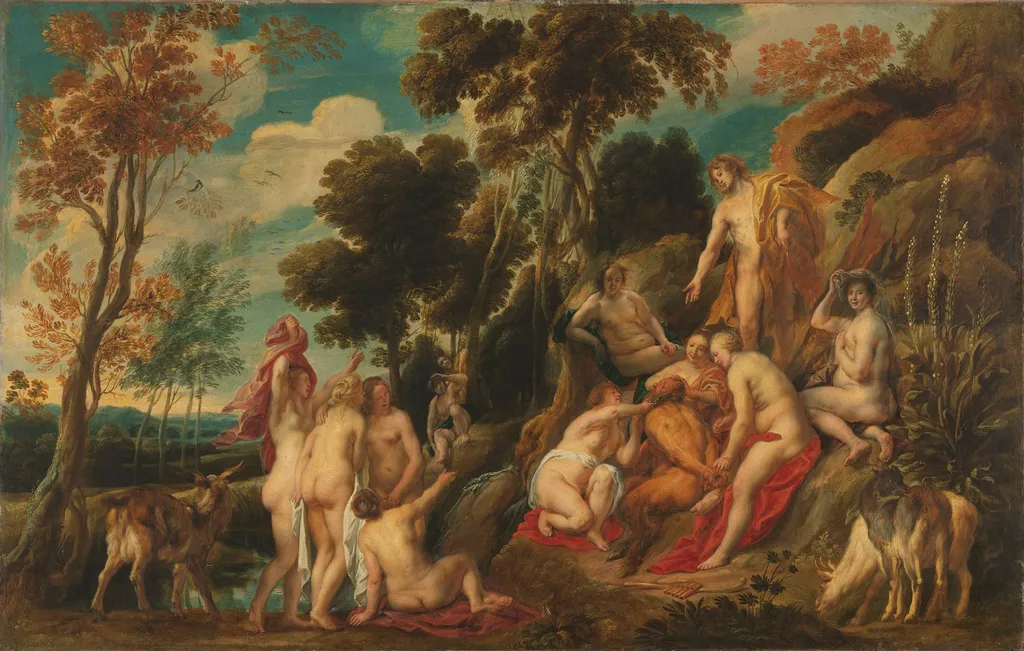
Marsyas punished by the Muses is an oil painting by the Flemish Baroque painting artist Jacob Jordaens. It dates from 1635 and is held in the collection of the Rijksmuseum.
About this work
Overview
The painting is now part of the Mauritshuis collection in The Hague, where it remains a key example of Flemish Baroque narrative painting.
Painted in 1635 by Jacob Jordaens, this oil-on-canvas work illustrates a mythological punishment scene rooted in Greek legend. Jordaens, a central figure in Antwerp’s artistic community following the deaths of Rubens and van Dyck, produced this piece during a period of intense mythological output. The painting is now part of the Mauritshuis collection in The Hague, where it remains a key example of Flemish Baroque narrative painting.
Subject & Meaning
The scene depicts Marsyas, a satyr who challenged the god Apollo to a musical contest and lost. As punishment, he was flayed alive—a mythological tale symbolizing the peril of hubris. In Jordaens’s version, the Muses, traditionally divine patrons of the arts, are shown as the agents of his torment. Their presence transforms the myth into a commentary on artistic authority and the consequences of overreaching human ambition.
Technique & Style
Jordaens employs rich, warm tones and meticulous detail to render the figures and their surroundings. The central figure’s contorted posture and the expressive faces of the Muses convey visceral emotion. Flowing drapery, textured skin, and the interplay of light across fabric and bark demonstrate his command of naturalism. The background, with its soft sky and scattered trees, grounds the scene without distracting from the central drama.
History & Provenance
Commissioned during Jordaens’s peak years in Antwerp, the painting entered the Mauritshuis collection in the 19th century. It was likely acquired through private sales or royal collections, as was common for Flemish works of the period. Its survival through centuries of political and cultural change reflects its enduring recognition among collectors and institutions focused on Baroque narrative art.
Context
In early 17th-century Flanders, mythological subjects were favored by patrons seeking to display erudition and moral reflection. Jordaens’s interpretation diverges from classical restraint, emphasizing physical suffering and emotional intensity. His approach aligns with a broader Baroque trend toward theatricality, yet his focus on human vulnerability distinguishes this work from more idealized treatments of myth.
Legacy
Though less widely known than Jordaens’s religious or genre scenes, this painting contributes to understanding his range as a storyteller. It reveals his willingness to confront brutal themes with psychological depth. Scholars continue to reference it in studies of Baroque mythography and the shifting representation of punishment in early modern European art.
Own this work as a print
Artist & collection
Artist
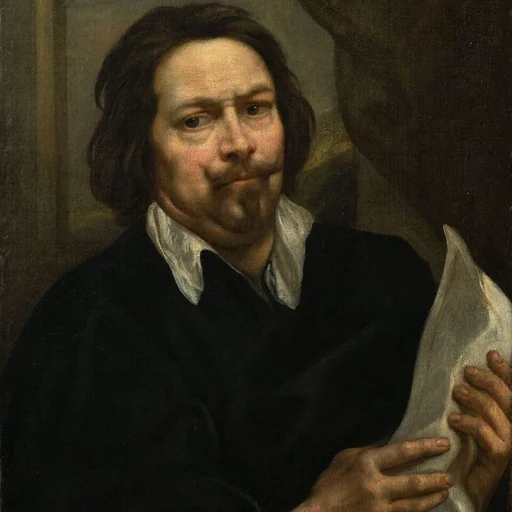
Jacques (Jacob) Jordaens (19 May 1593 – 18 October 1678) was a Flemish painter, draughtsman and a designer of tapestries and prints.

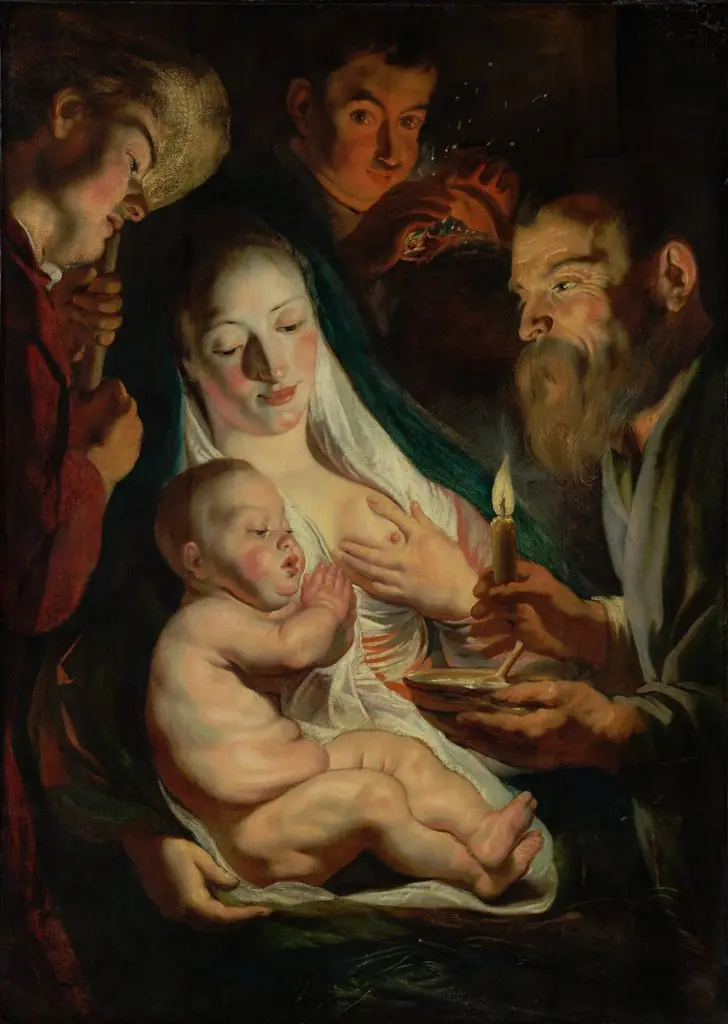 The Holy Family with Shepherds
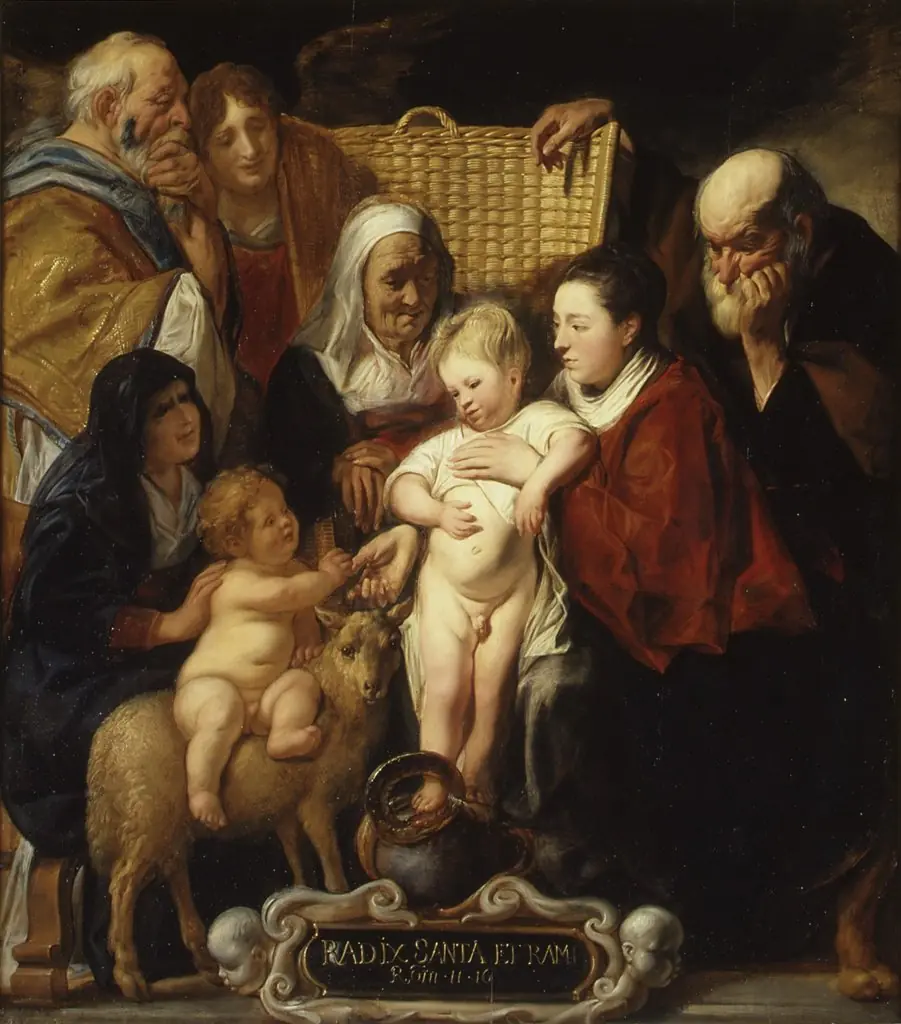 The Holy Family with Saint Anne and the Young Baptist and His Parents
 Untitled
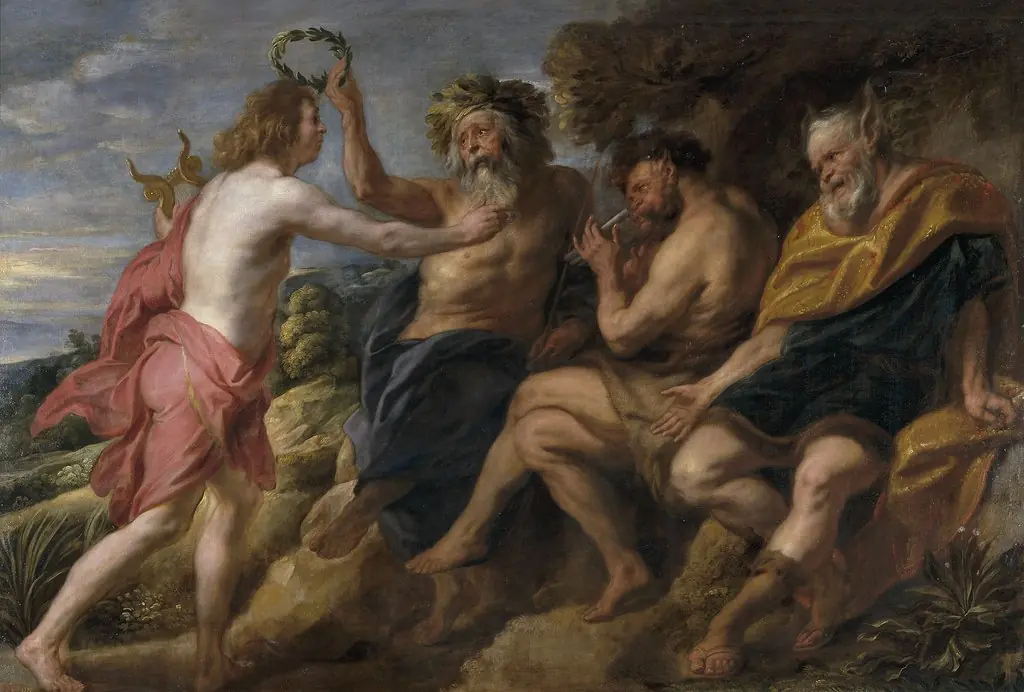 Apollo as Victor over Pan
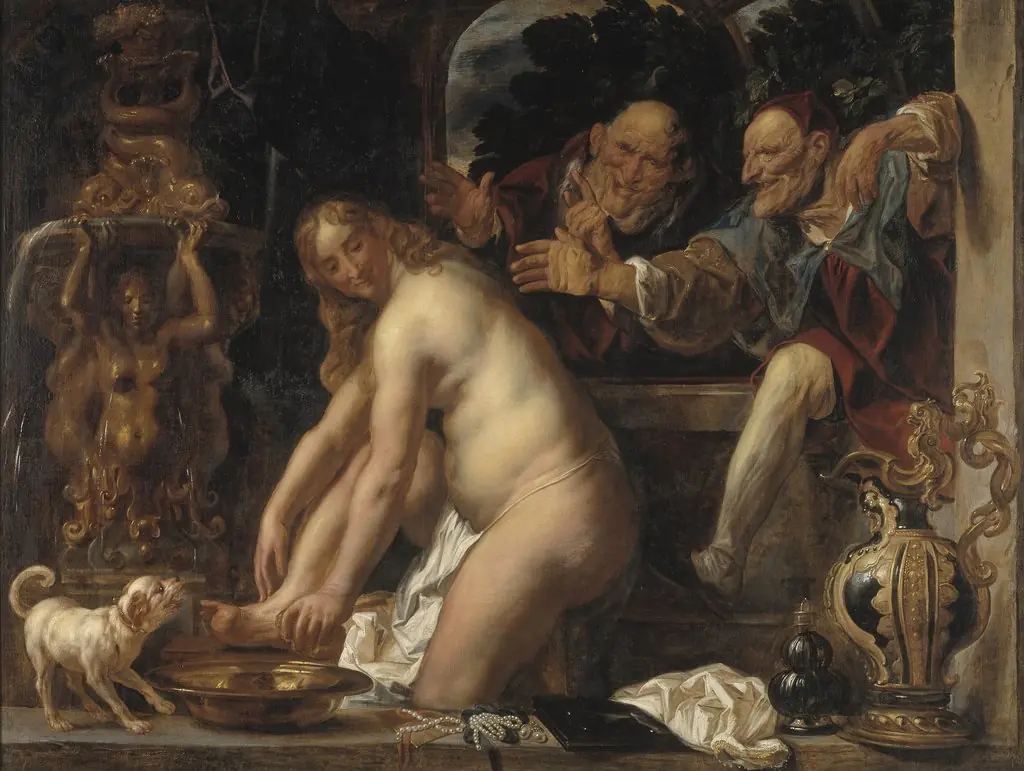 Susanna and the Elders
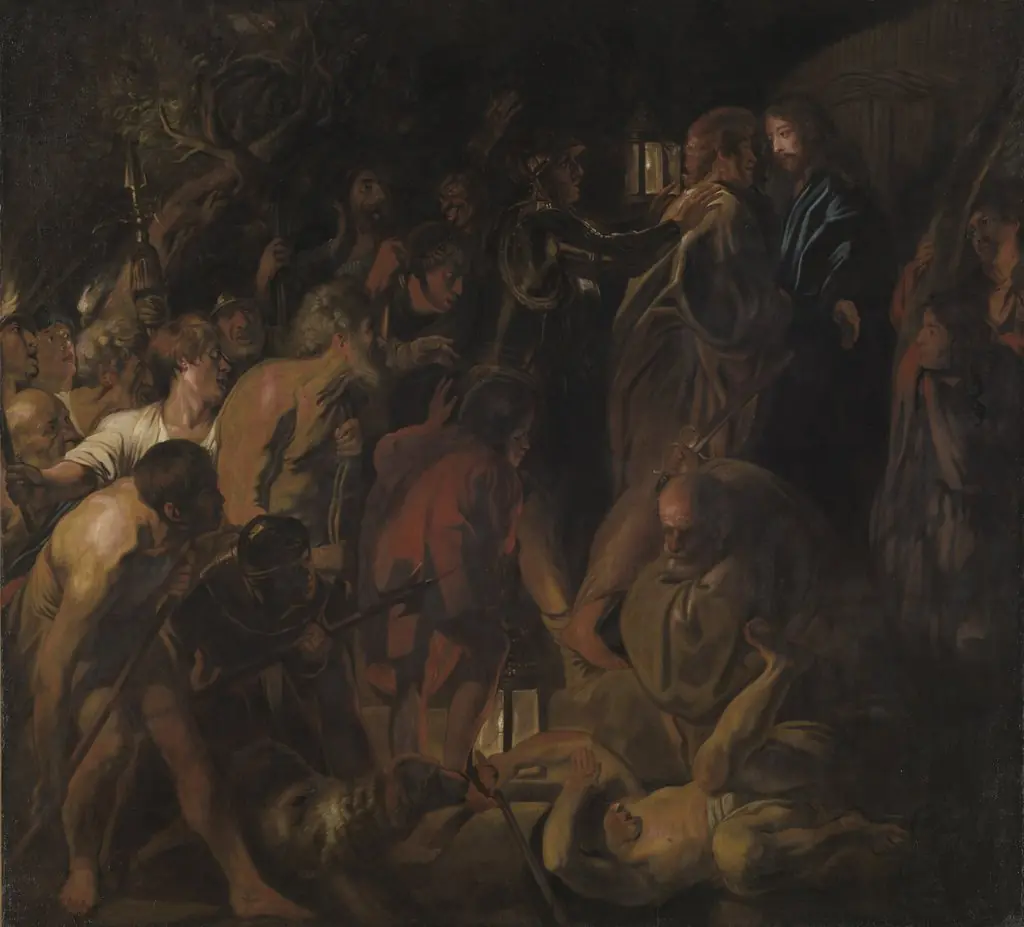 The Betrayal of Christ
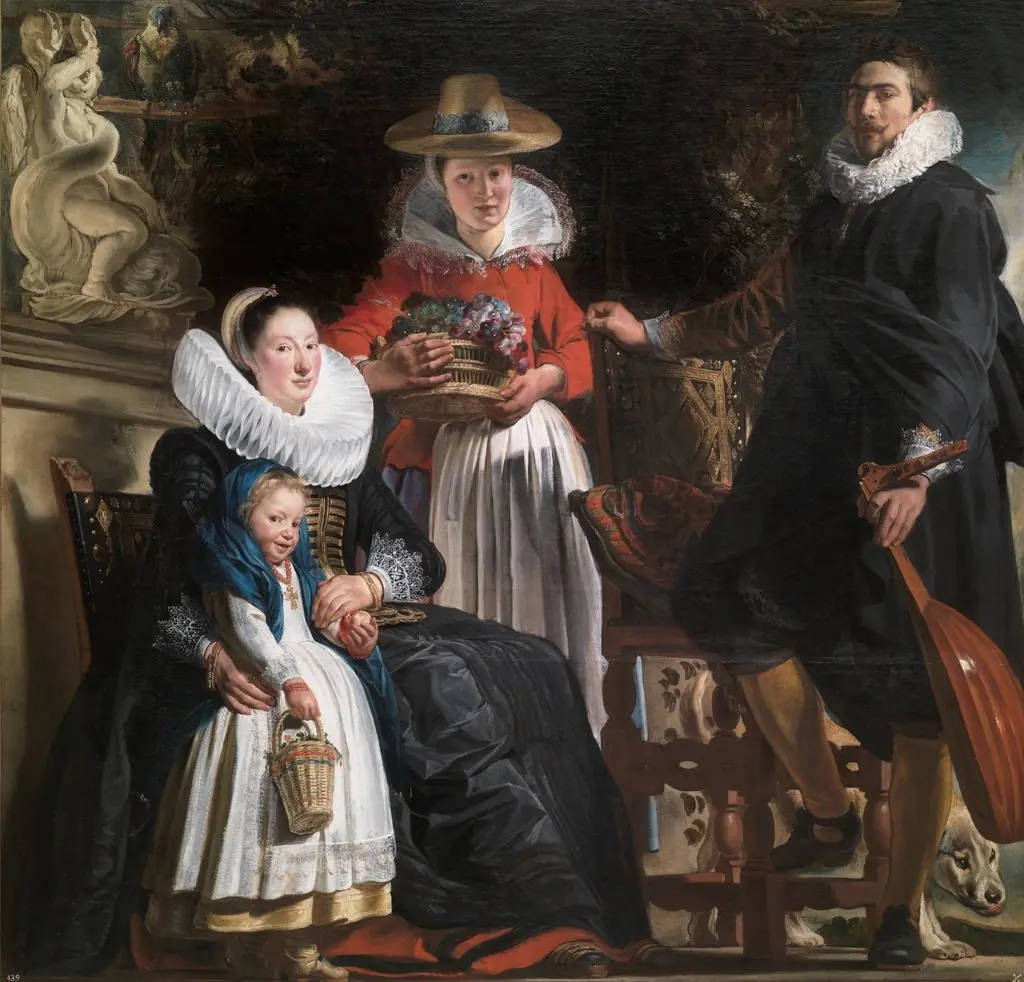 Portrait of the artist with his family
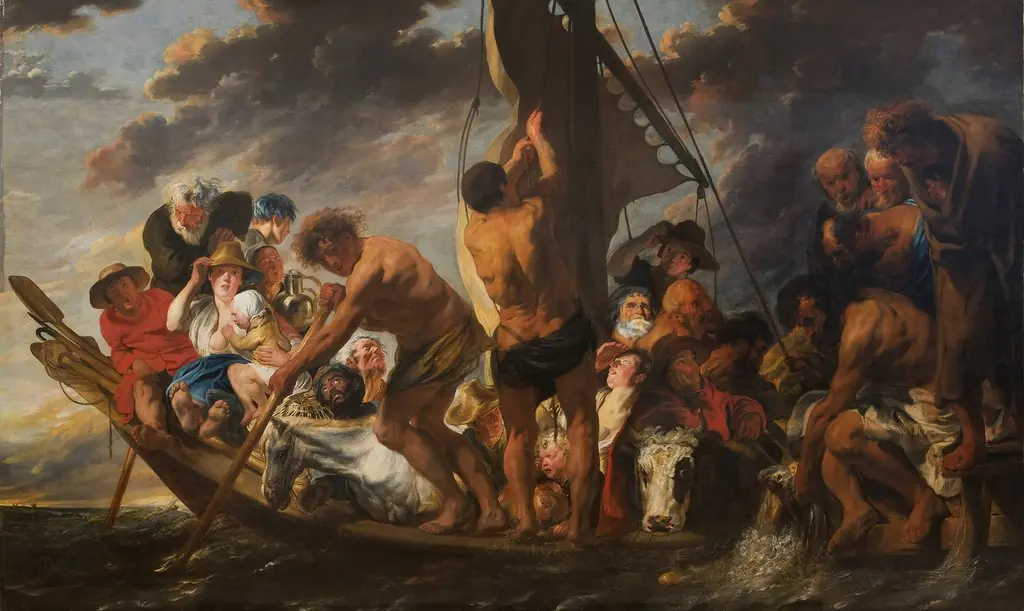 The Tribute Money. Peter Finding the Silver Coin in the Mouth of the Fish. Also called "The Ferry Boat to Antwerp"