Artwork
Martyrdom of St. Apollonia
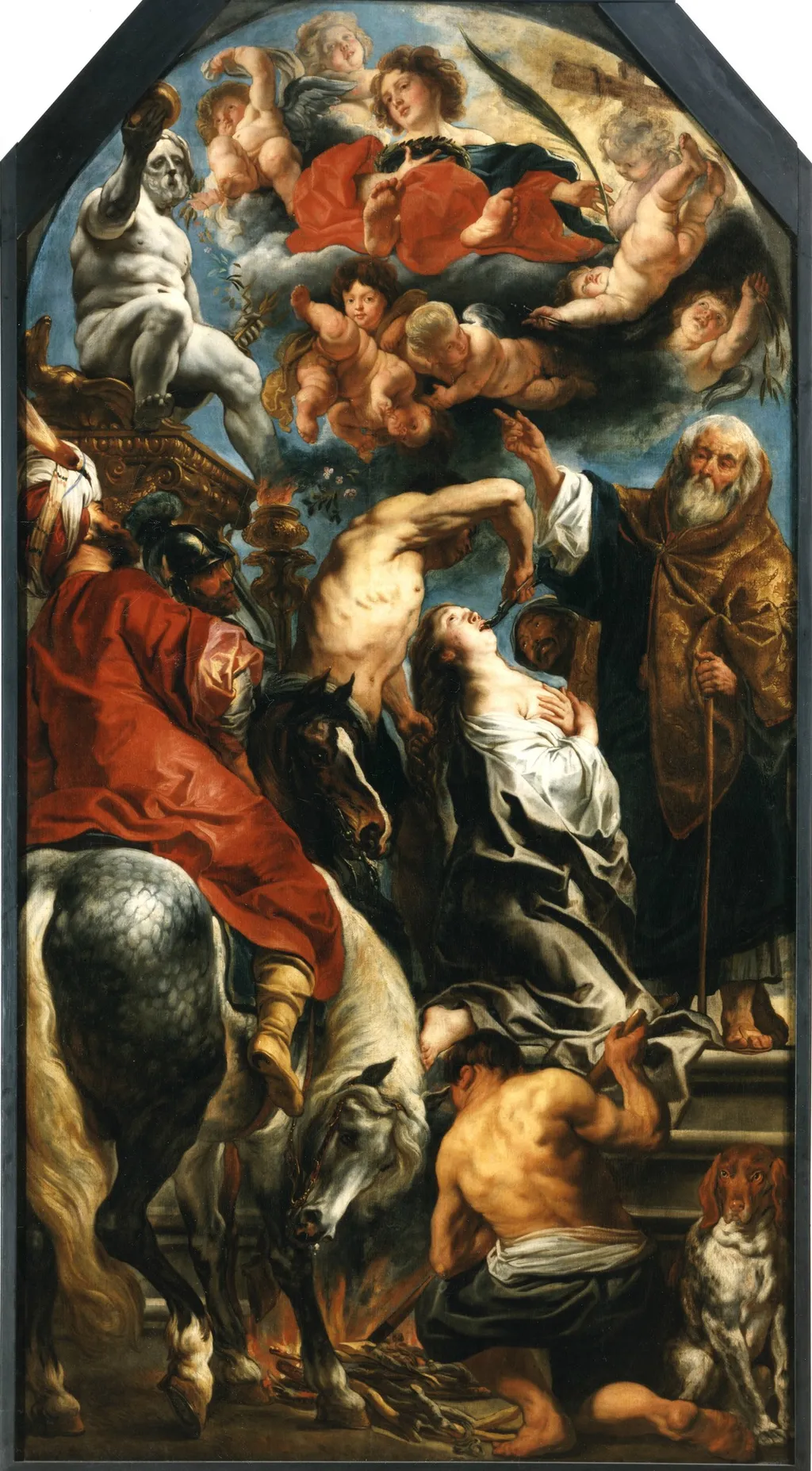
Martyrdom of St. Apollonia is an oil painting by the Flemish Baroque painting artist Jacob Jordaens. It dates from 1628 and is held in the collection of the Royal Museum of Fine Arts Antwerp.
About this work
Overview
Jacob Jordaens painted the *Martyrdom of St. Apollonia* in 1628. Executed in oil on canvas, the work belongs to his series of religious subjects and is now part of the collection of the Royal Museum of Fine Arts in Antwerp.
Subject & Meaning
The composition records the brutal death of the early Christian saint who is venerated as the patron of dentistry. In the narrative she is shown as her teeth are being torn from her mouth, a visual reference to the legend that she suffered this torture for refusing to renounce her faith.
Technique & Style
Jordaens employs a strong chiaroscuro, letting a focused light illuminate the central figure while the surrounding space recedes into deep shadow. Thick impasto in the flesh and drapery creates a tactile sense of volume, and the twisted pose of the saint heightens the emotional intensity typical of Flemish Baroque drama.
History & Provenance
Created during the period when Jordaens succeeded Rubens and van Dyck as a leading Flemish Baroque painter, the canvas entered the Royal Museum of Fine Arts Antwerp’s holdings in the 19th century, where it has remained on public display.
Context
The work reflects the Counter‑Reformation’s emphasis on vivid, affective depictions of martyrdom intended to inspire devotion. Jordaens’ choice of a relatively obscure saint underscores the era’s interest in presenting a wide range of exemplars of steadfast faith.
Artist & collection
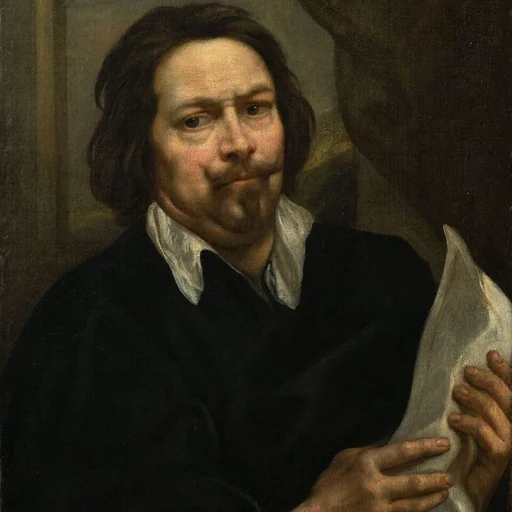
Artist
Jacques (Jacob) Jordaens (19 May 1593 – 18 October 1678) was a Flemish painter, draughtsman and a designer of tapestries and prints.

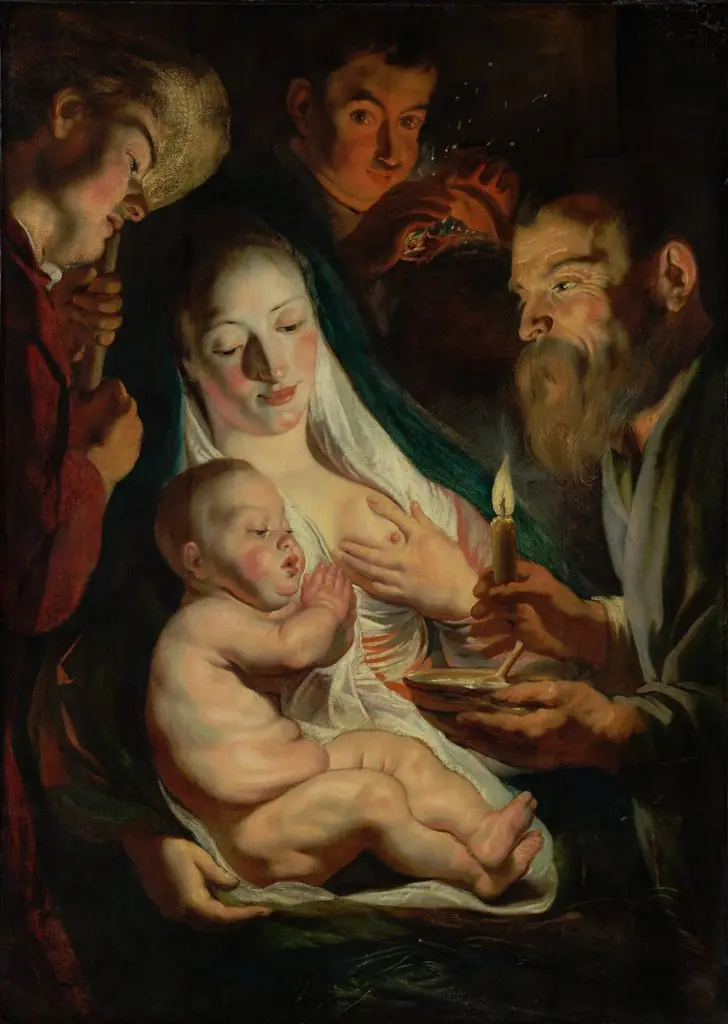 The Holy Family with Shepherds
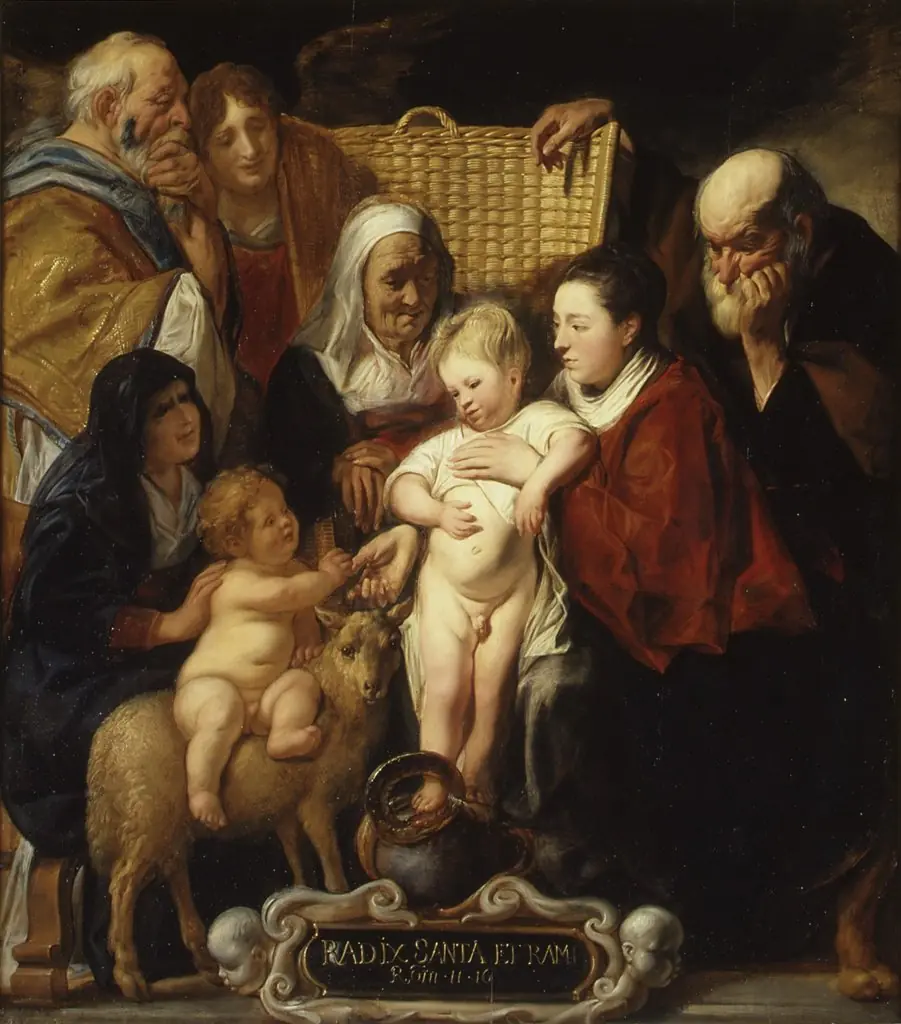 The Holy Family with Saint Anne and the Young Baptist and His Parents
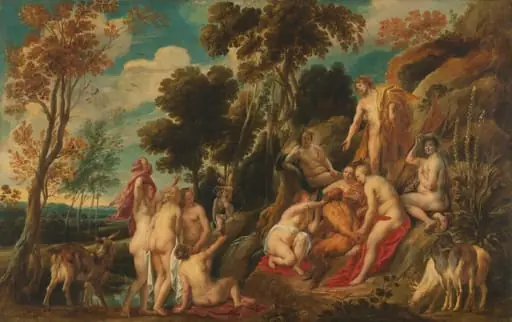 Untitled
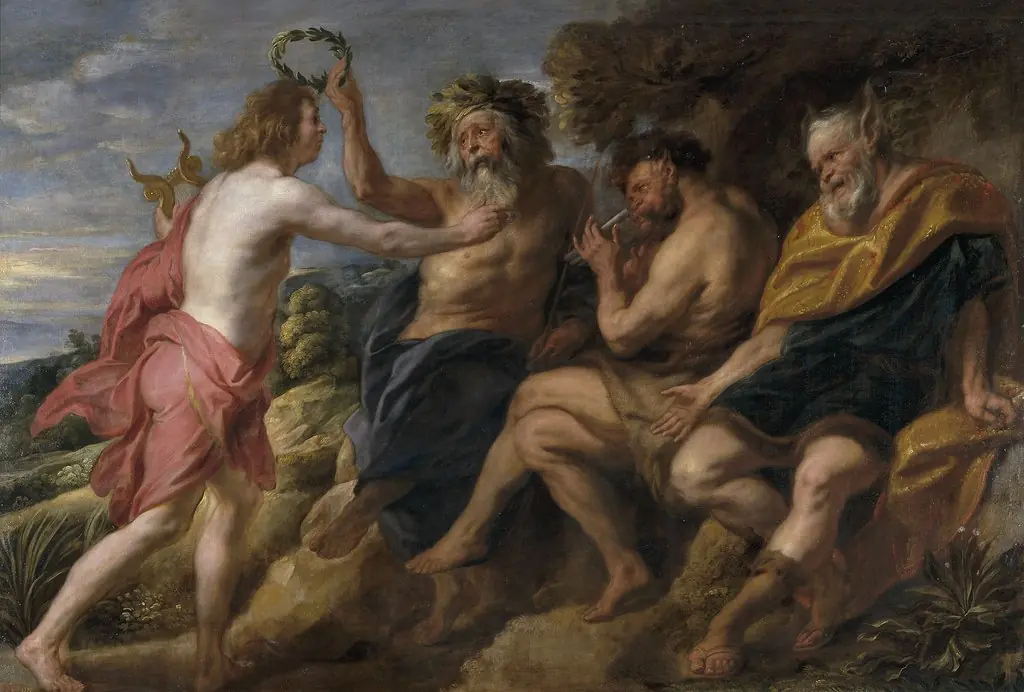 Apollo as Victor over Pan
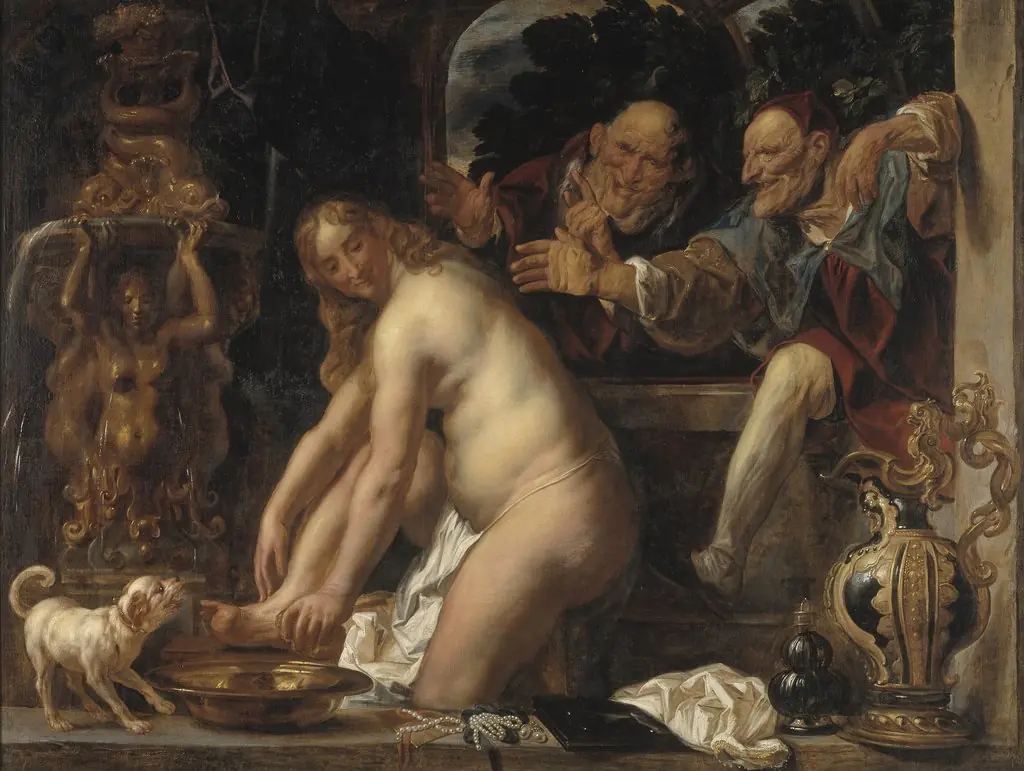 Susanna and the Elders
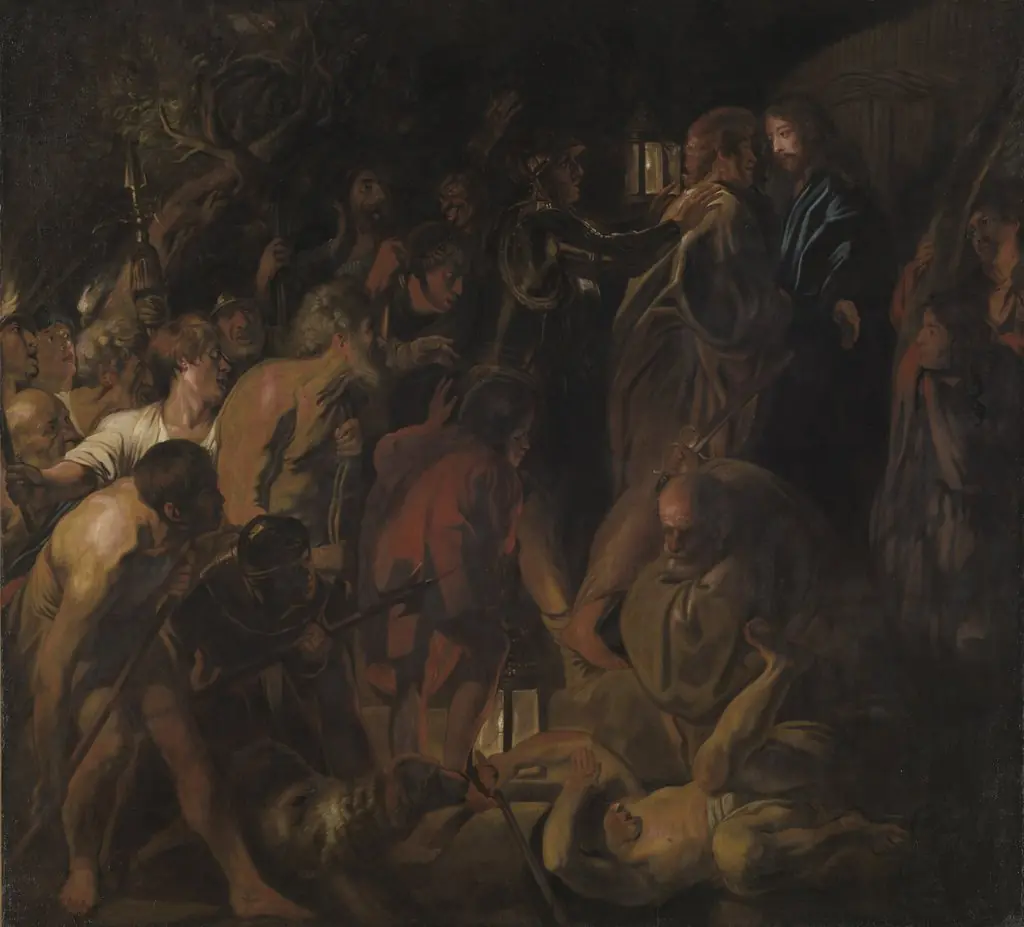 The Betrayal of Christ
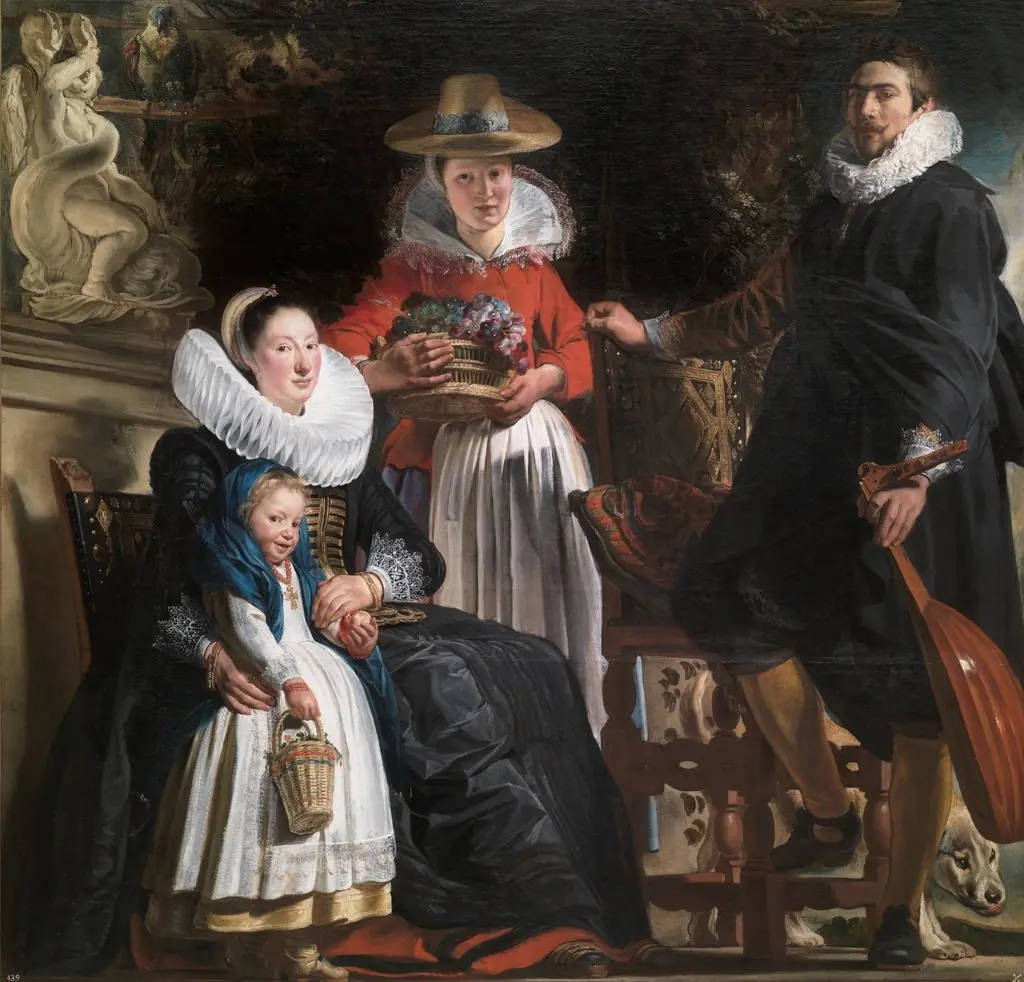 Portrait of the artist with his family
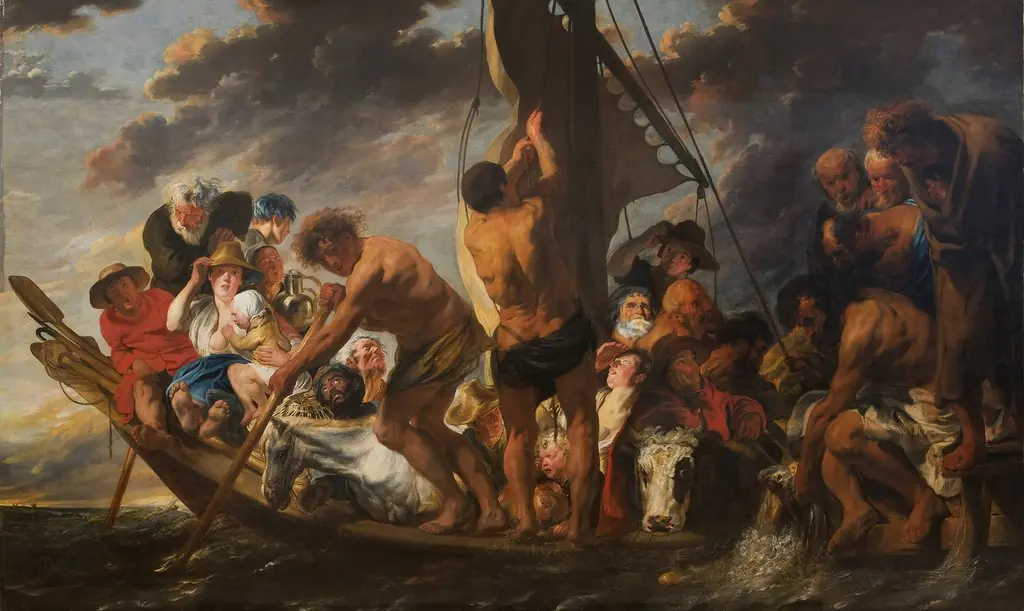 The Tribute Money. Peter Finding the Silver Coin in the Mouth of the Fish. Also called "The Ferry Boat to Antwerp"
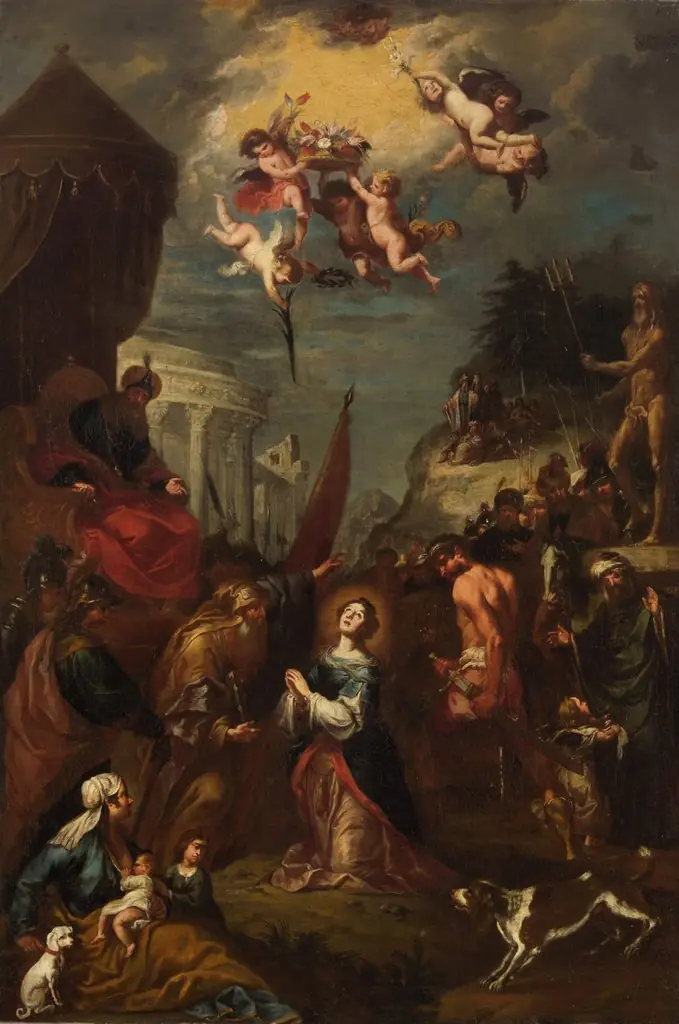 Marter der Hl. Dorothea
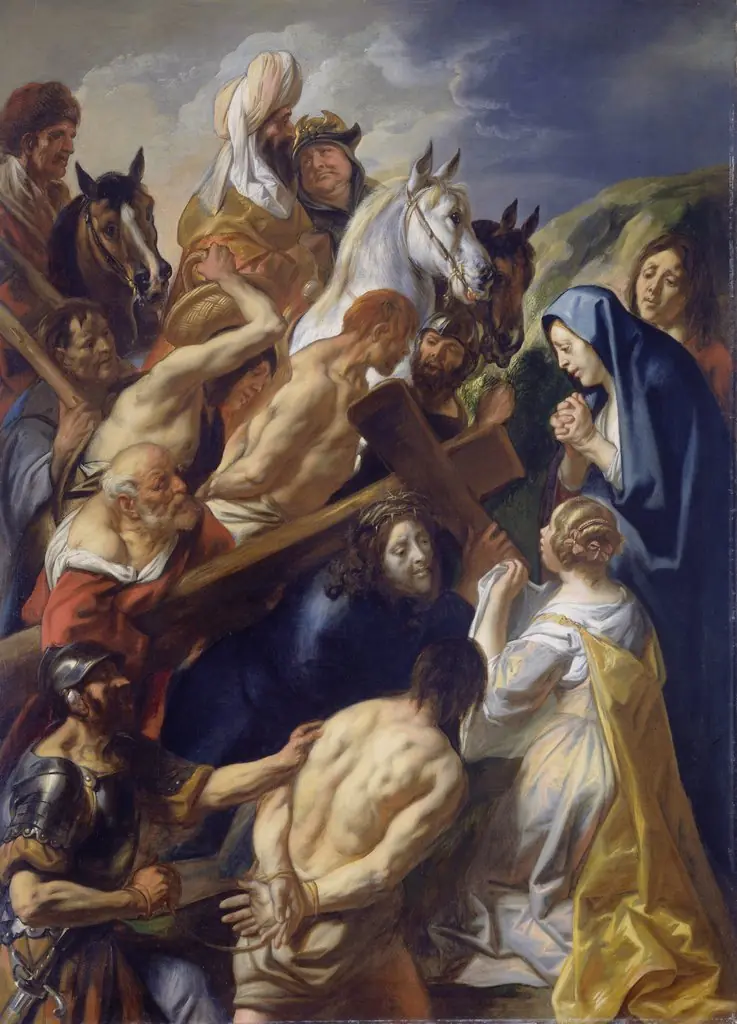 The carrying of the cross
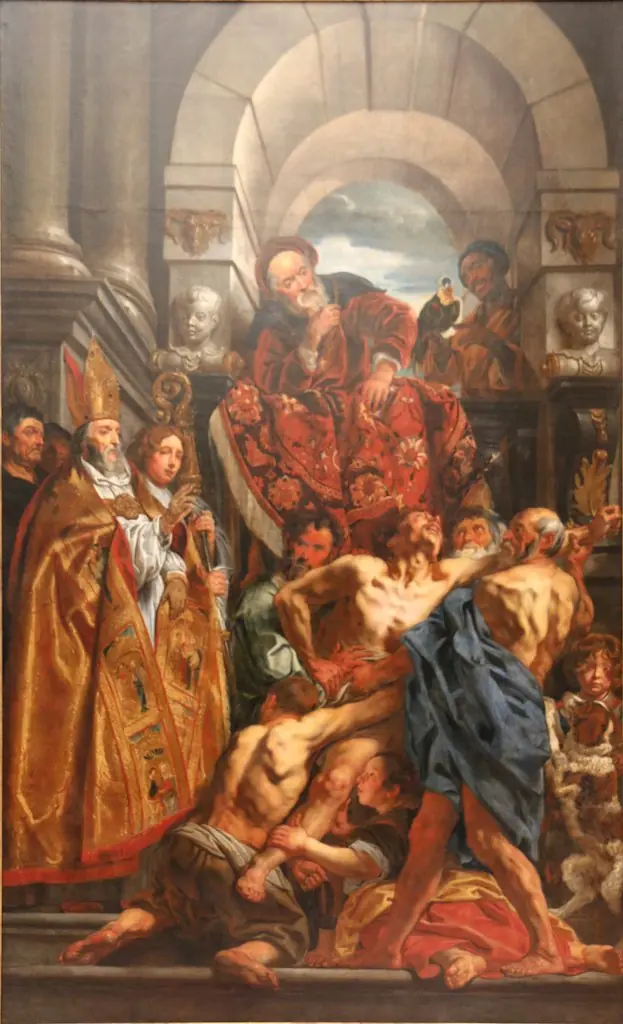 De heilige Martinus geneest een bezetene
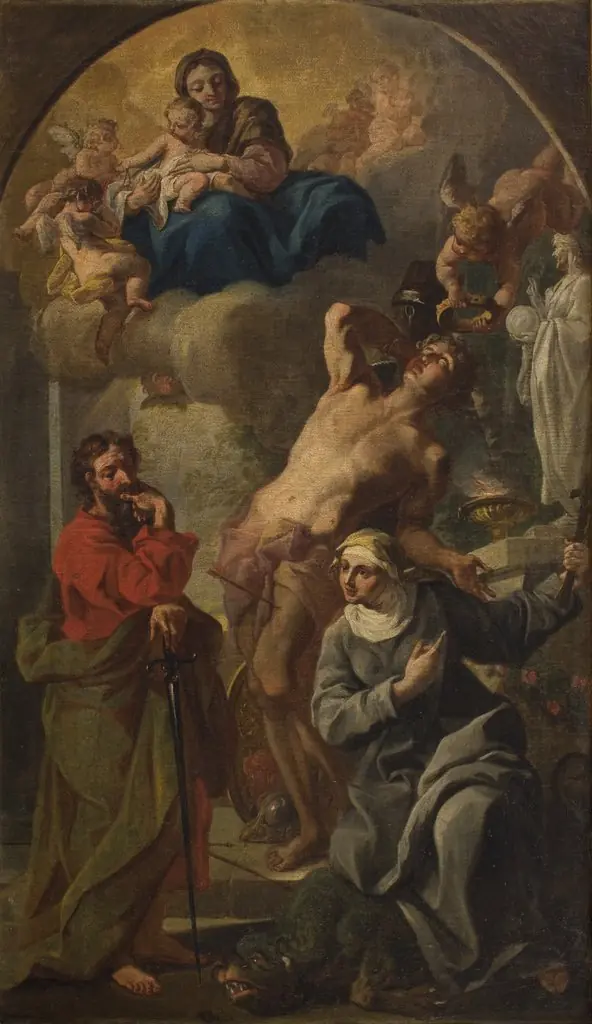 Madonna and Child with Saints Sebastian, Paul and Martha (Acceptance of Saint Sebastian Into the Group of Holy Martyrs)
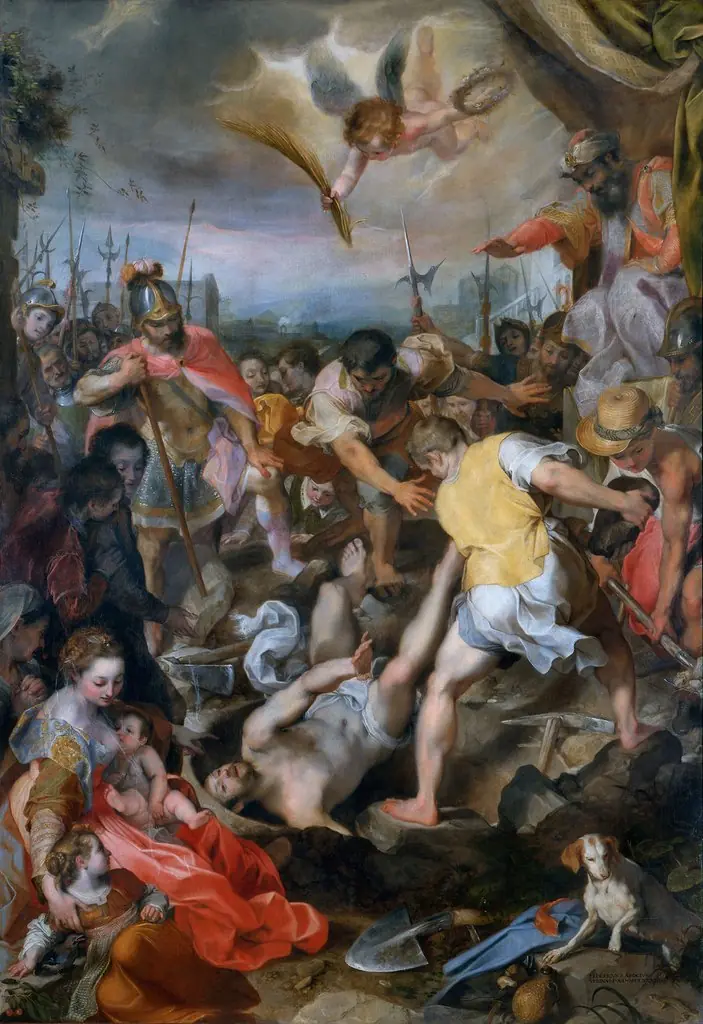 Martirio di san Vitale
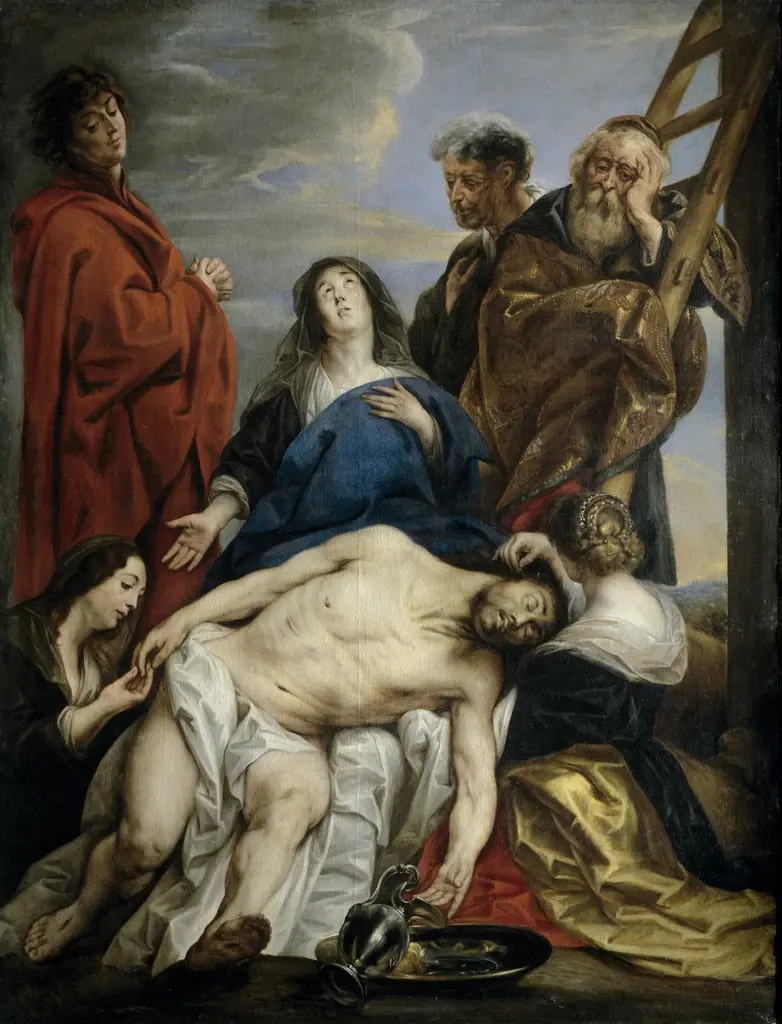 Pietà
Pietà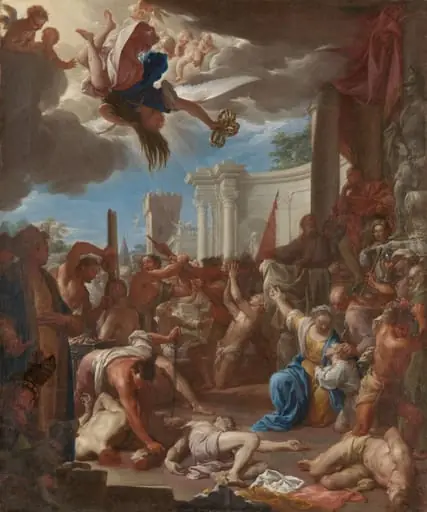 Het martelaarschap van de zeven broers, de zonen van de heilige Felicitas
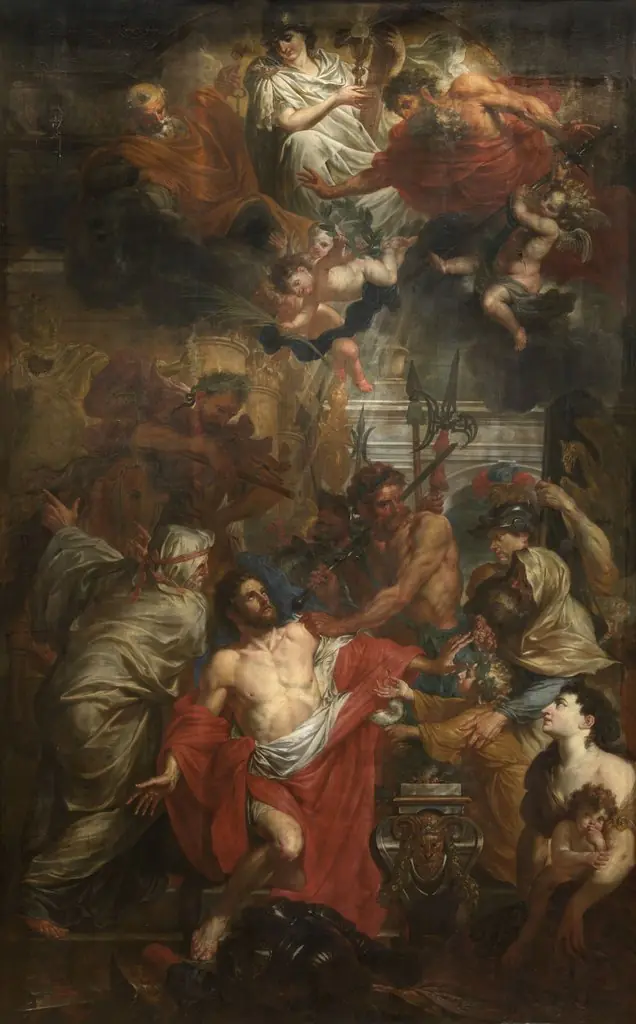 The Martyrdom of Saint George
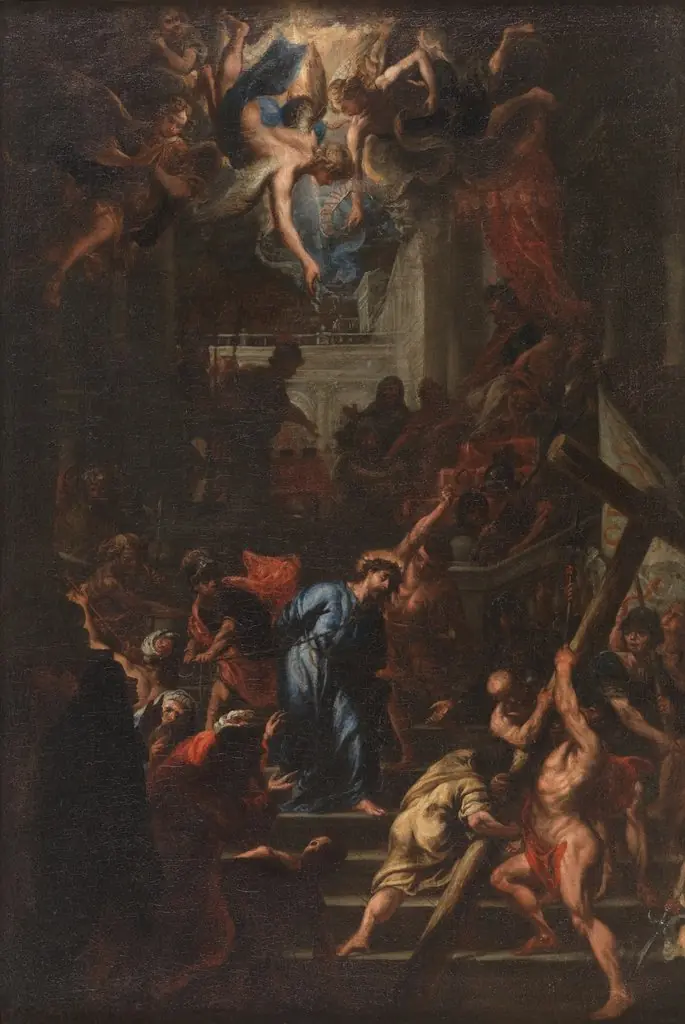 Christ in the Praetorium
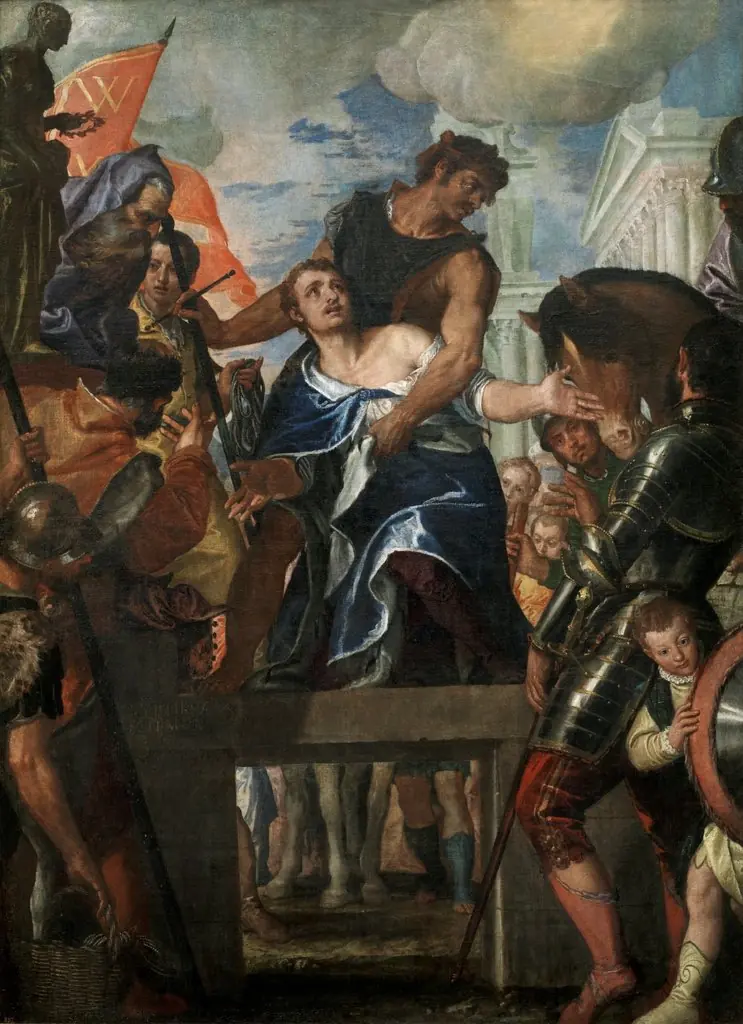 The Martyrdom of Saint Mennas