Artwork
Martirio di san Vitale
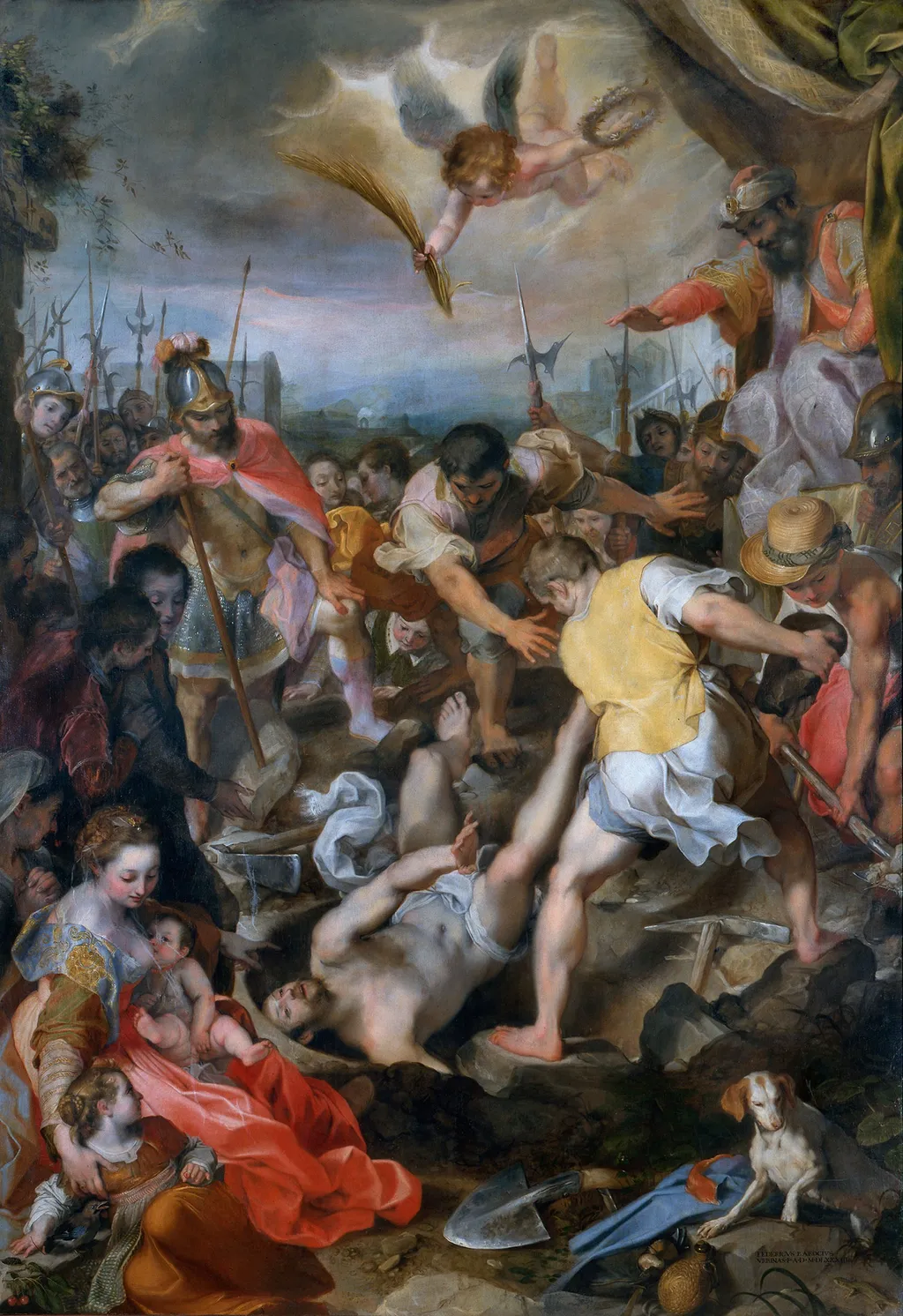
Martirio di san Vitale is an oil painting by the Mannerist artist Federico Barocci. It dates from 1590 and is held in the collection of the Basilica of San Vitale.
About this work
Overview
It resides in the Pinacoteca di Brera in Milan, where it is recognized as a significant example of late Mannerist expression.
Federico Barocci completed *Martirio di san Vitale* in 1590 using oil on canvas. The painting illustrates the martyrdom of Saint Vitalis of Milan, a figure venerated in early Christian tradition. It resides in the Pinacoteca di Brera in Milan, where it is recognized as a significant example of late Mannerist expression. Barocci’s approach blends emotional intensity with meticulous detail, distinguishing his work within the broader context of Italian painting at the turn of the century.
Subject & Meaning
The scene captures the violent death of Saint Vitalis, a Roman official converted to Christianity who was executed for his faith. Barocci depicts the moment of assault with figures in motion: a central figure in white is attacked by a man in yellow, while a woman cradles a child nearby. A dog, often symbolic of loyalty or vigilance, rests at the edge of the action. The composition conveys both physical chaos and spiritual resolve, emphasizing the saint’s passive endurance amid brutality.
Technique & Style
Barocci employed chiaroscuro to model forms and heighten emotional tension, using sharp contrasts between light and shadow to guide the viewer’s eye through the crowded scene. His brushwork is fluid yet precise, with garments rendered in rich, layered pigments that suggest texture and movement. The figures are elongated and dynamically posed, characteristic of Mannerist conventions, yet their emotional expressiveness anticipates the theatricality of the coming Baroque style.
History & Provenance
Painted in 1590, the work was likely commissioned for a religious context, possibly a church or private chapel devoted to Saint Vitalis. It entered the Pinacoteca di Brera’s collection in the early 19th century following the Napoleonic suppression of religious institutions in northern Italy. Its preservation there reflects its recognized artistic value, even as its original devotional function faded with changing ecclesiastical priorities.
Context
Barocci worked during a transitional period in Italian art, when Mannerist complexity was giving way to Baroque naturalism. His focus on psychological depth and physical realism set him apart from more stylized contemporaries. While influenced by Raphael and Correggio, he developed a personal language that resonated with later artists like Rubens, who admired his ability to merge human emotion with divine narrative.
Legacy
Though less widely known today than some of his peers, Barocci’s influence endured among artists seeking emotional authenticity in religious subjects. *Martirio di san Vitale* exemplifies his role in bridging late Renaissance ideals with the dramatic intensity of the Baroque. The painting remains a reference point for studies of 16th-century Italian colorism, composition, and the evolving representation of martyrdom in visual culture.
Own this work as a print
Artist & collection
Artist
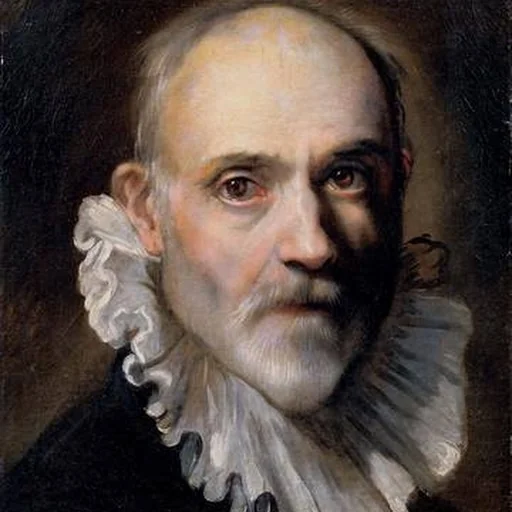
Federico Barocci (also written Barozzi) (c. 1535 – 30 September 1612) was an Italian Renaissance painter and printmaker. His original name was Federico Fiori, and he was nicknamed Il Baroccio. His work was highly…

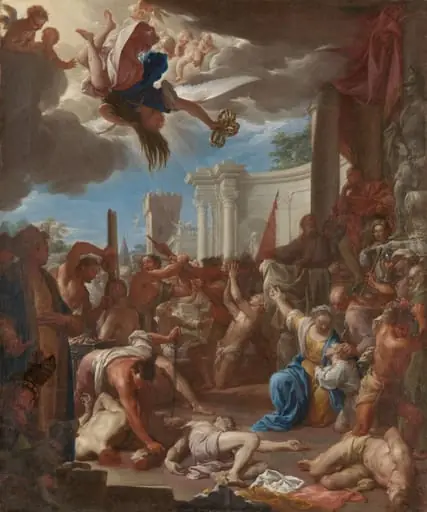 Het martelaarschap van de zeven broers, de zonen van de heilige Felicitas
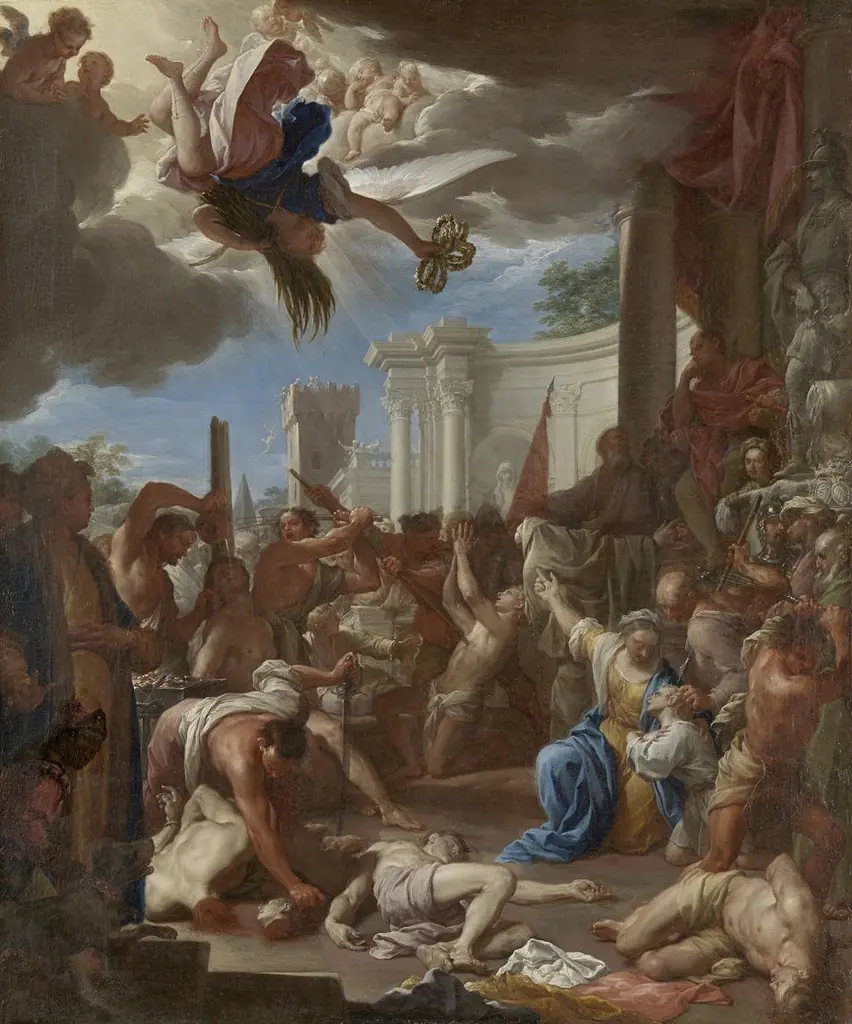 The Martyrdom of the Seven Sons of Saint Felicity
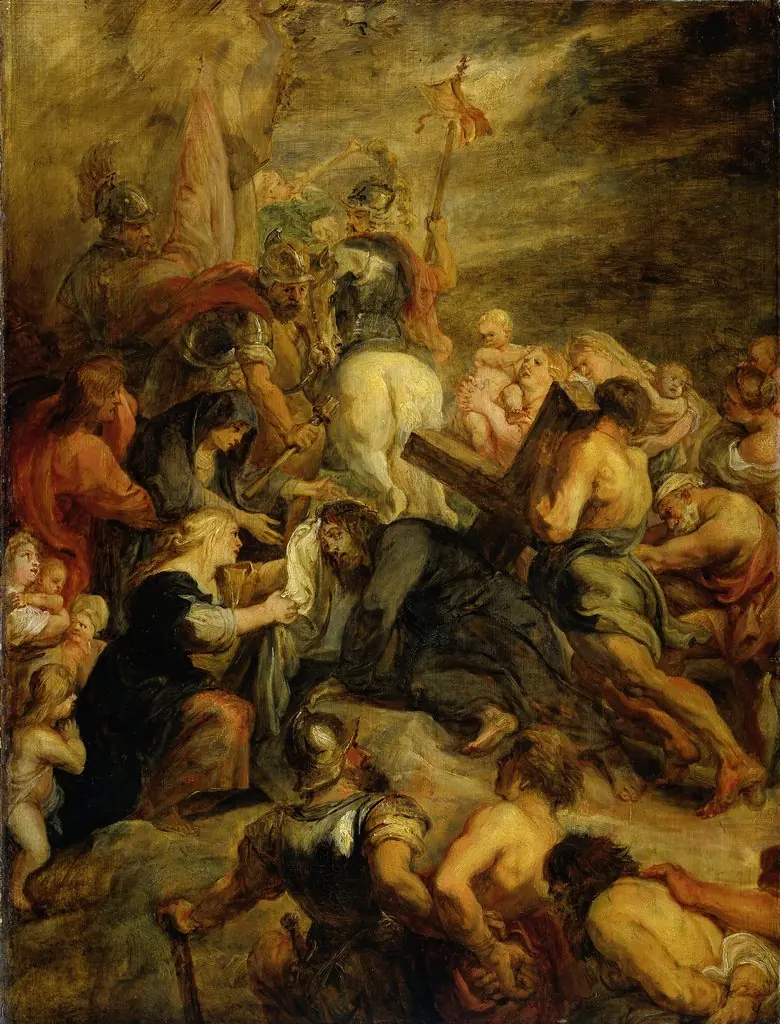 The carrying of the cross
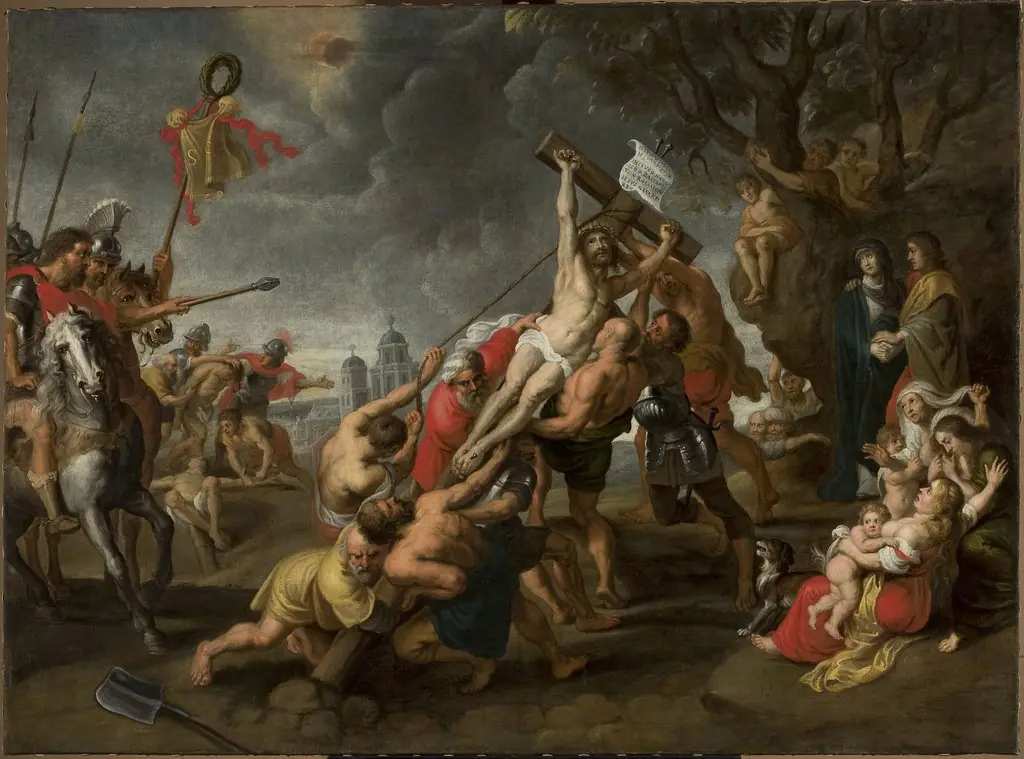 Golgotha (Matthew 27:35-38; Mark 15:24-27; Luke 23:33; John 19:18)
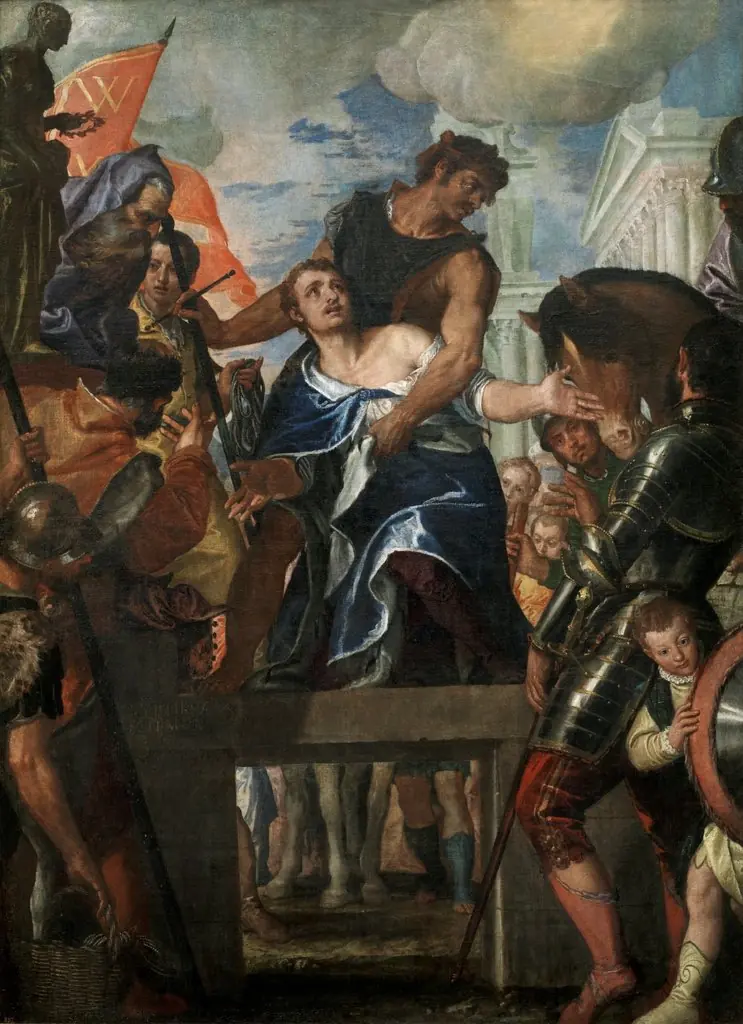 The Martyrdom of Saint Mennas
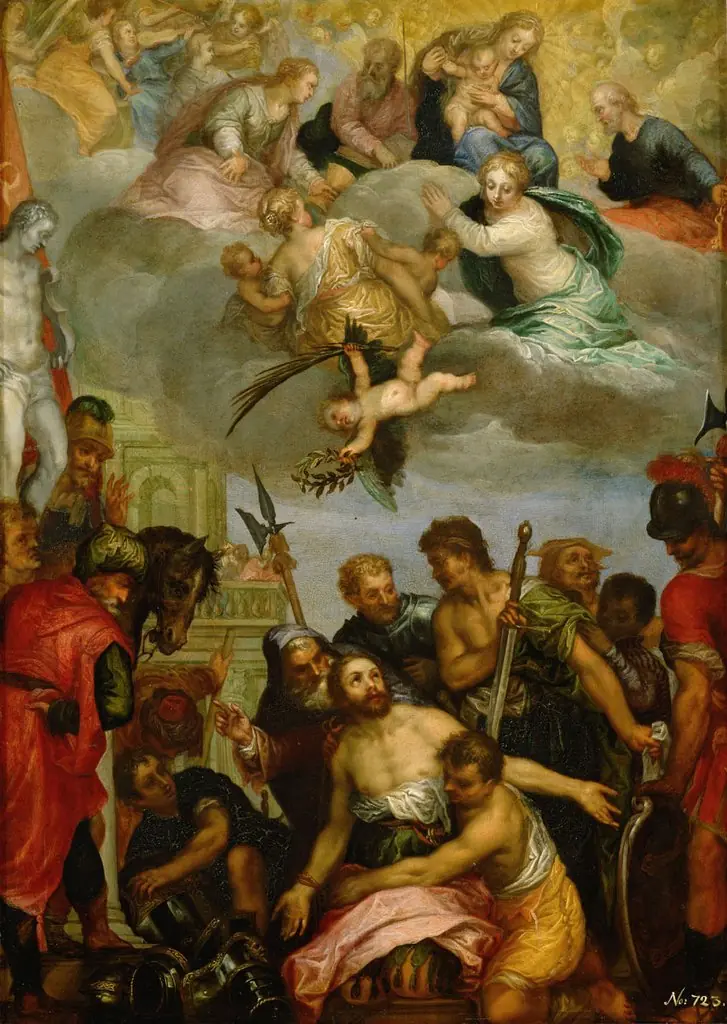 Martyrium des Hl. Georg
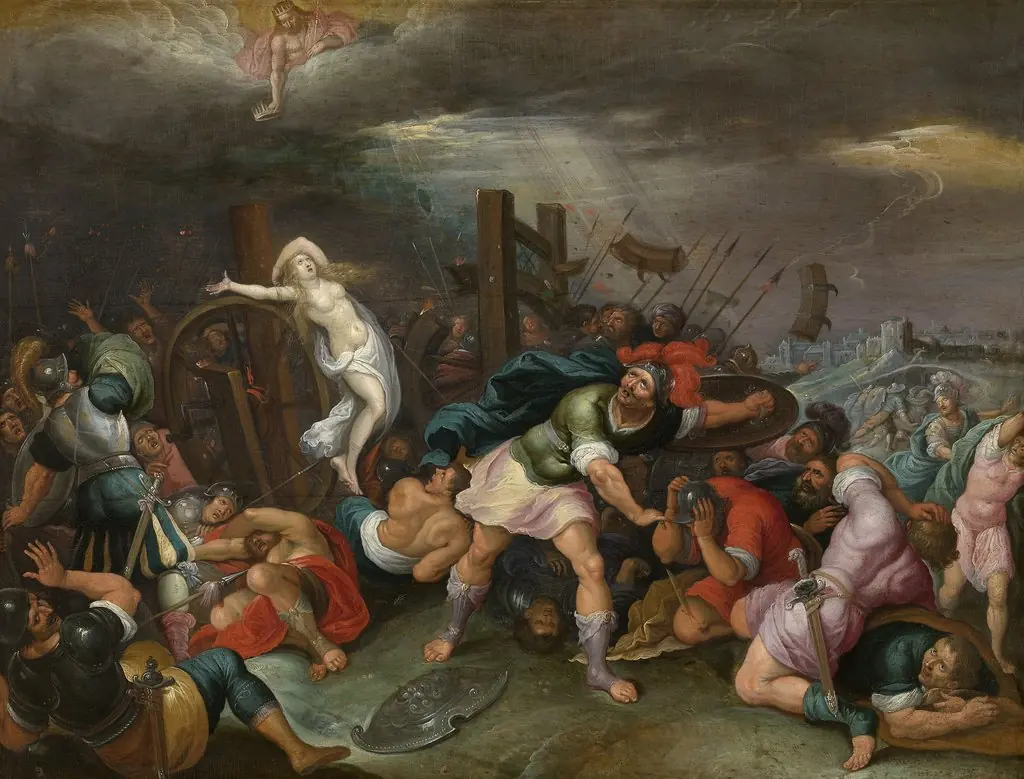 The Martyrdom of St Catherine of Alexandria
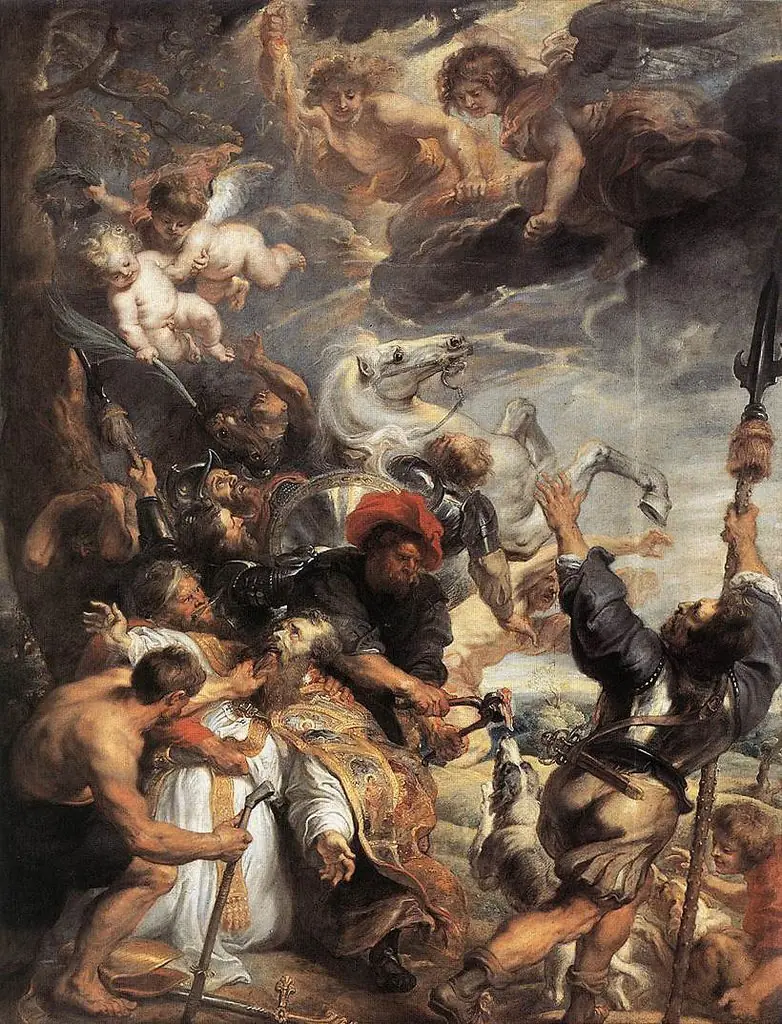 The Martyrdom of St Livinus
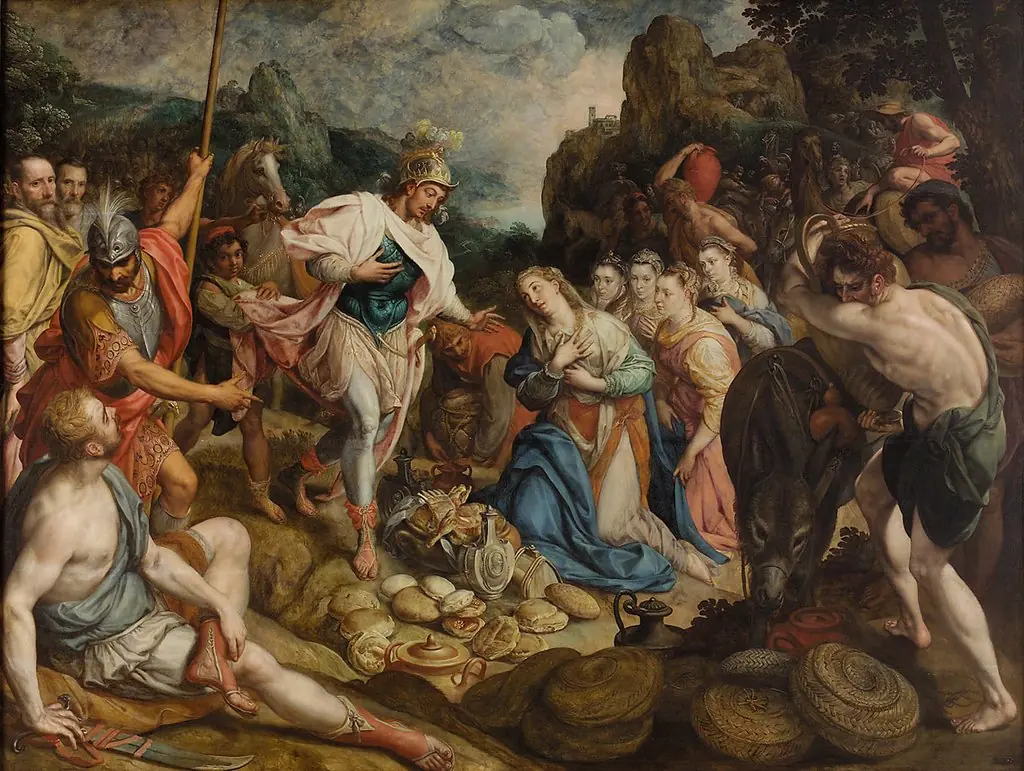 David and Abigail
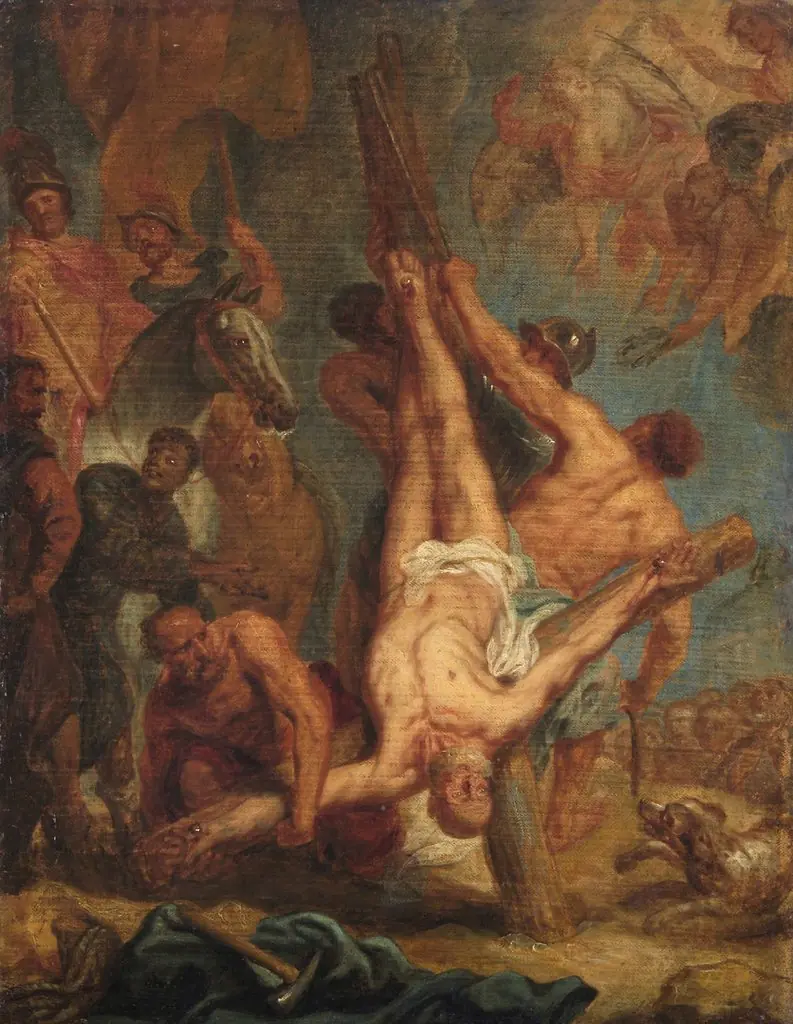 The Crucifixion of Saint Peter
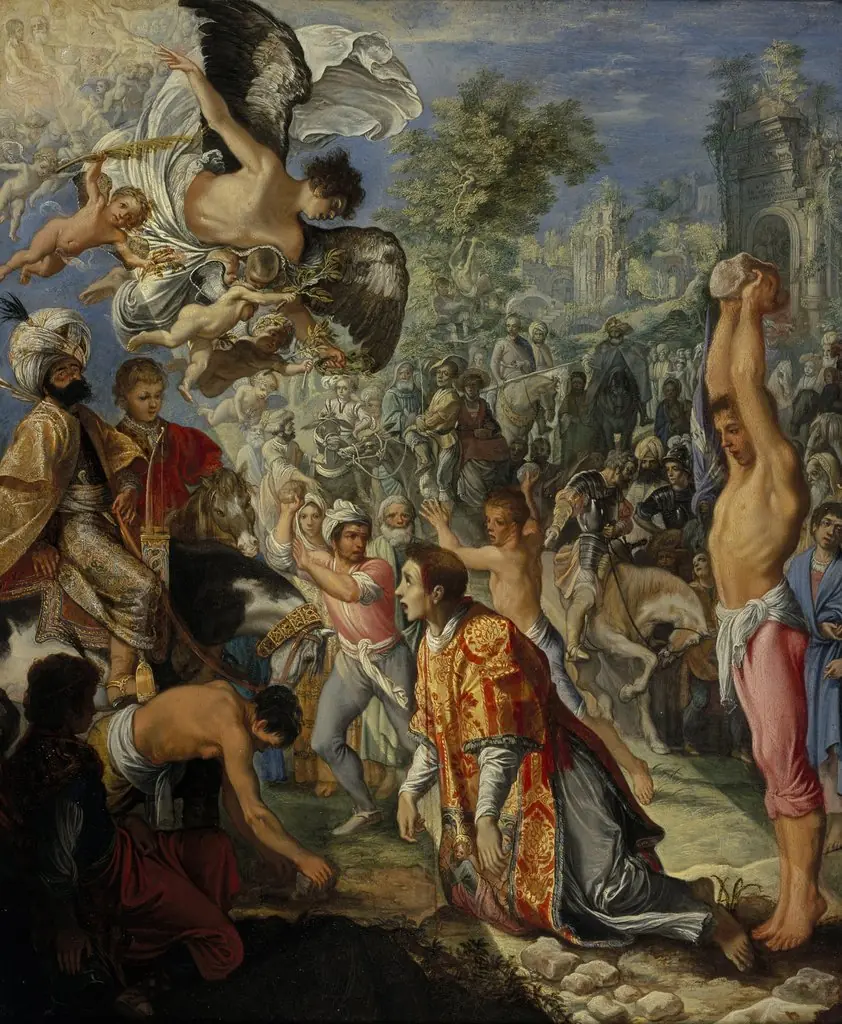 The Stoning of Saint Stephen
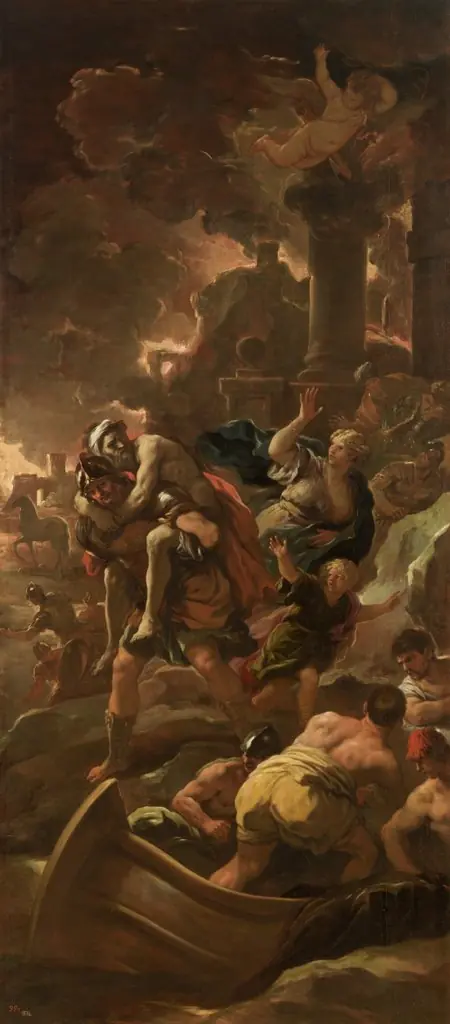 Eneas, fugitivo con su familia