Artwork
Portrait of Catharina Behaghel (1597-1666), wife of Rogier Le Witer
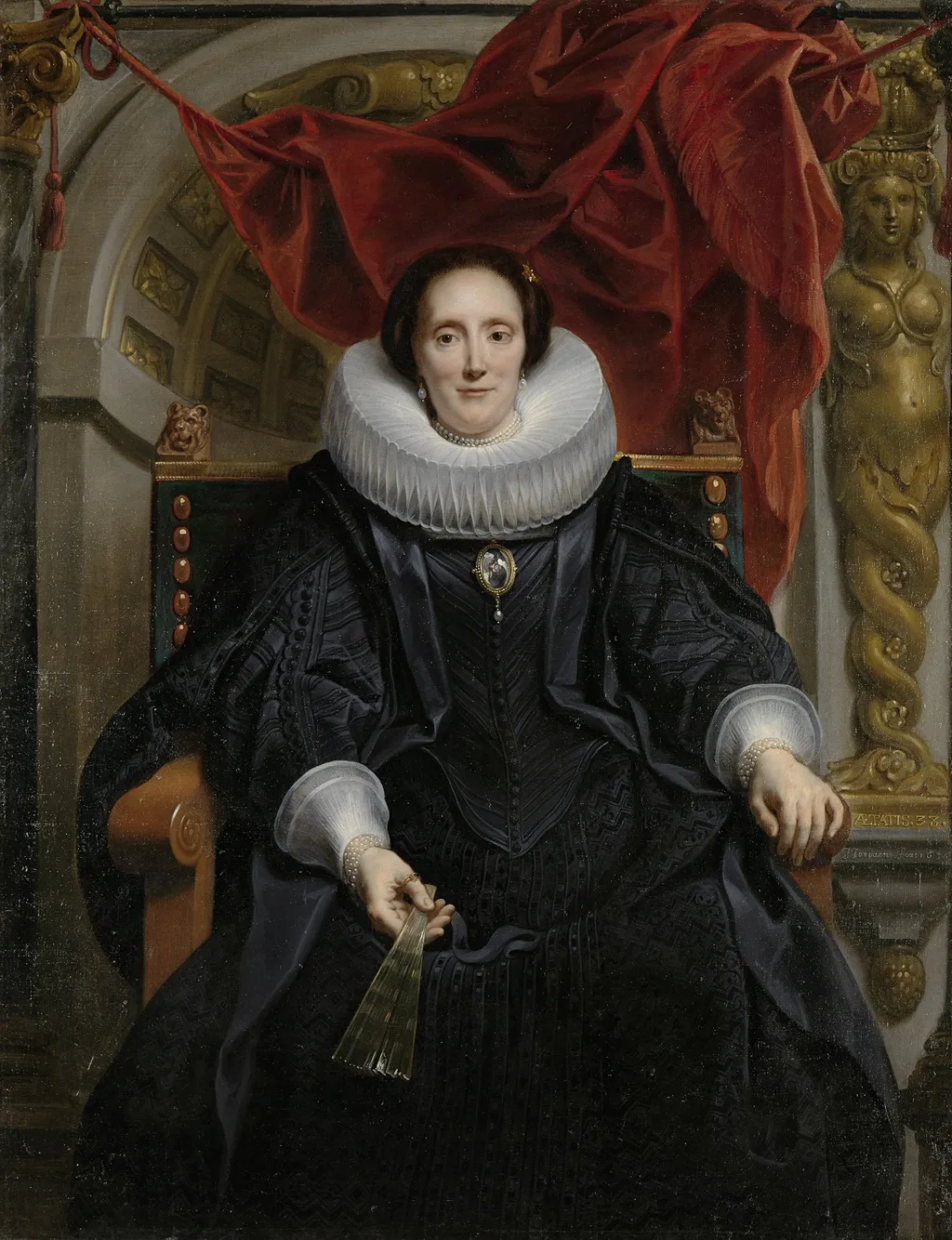
Portrait of Catharina Behaghel (1597-1666), wife of Rogier Le Witer is an oil painting by the Flemish Baroque painting artist Jacob Jordaens. It dates from 1635 and is held in the collection of the Rijksmuseum.
About this work
The background features a red curtain draped over a gold-framed archway, with a gold statue of a woman on the right side.
This portrait depicts a woman seated in a chair, wearing a dark dress with a white ruffled collar and cuffs. Her dark hair is pulled back, and she holds a fan in her right hand. The background features a red curtain draped over a gold-framed archway, with a gold statue of a woman on the right side.
The woman's attire and the ornate background suggest a formal portrait from the 17th century. The level of detail in the painting, particularly in the folds of the woman's clothing and the textures of the background elements, indicates a high level of skill on the part of the artist.
The painting's use of chiaroscuro, a technique that uses strong contrasts between light and dark to create a sense of volume and depth, adds to its visual impact. To learn more about this technique, look up chiaroscuro.
Overview
This oil portrait from 1635 by Jacob Jordaens represents Catharina Behaghel, wife of the Antwerp merchant Rogier Le Witer. The painting belongs to the Flemish Baroque tradition and is now preserved in the Rijksmuseum collection. Jordaens, who assumed the position of Antwerp's foremost painter after the deaths of Peter Paul Rubens and Anthony van Dyck, produced this work during his mature period when his reputation for portraiture was firmly established.
Subject & Meaning
Catharina Behaghel appears seated, her body turned slightly toward the viewer. She wears a dark gown with an elaborate white ruffled collar and matching cuffs, garments that signal her prosperous social standing. Her hair is drawn back severely, in keeping with fashionable convention. In her right hand she holds a fan, an accessory that denotes refinement and leisure. The pose and costume together construct an image of dignified matronhood appropriate to the wife of a wealthy burgher.
Technique & Style
The composition employs pronounced chiaroscuro, with light falling across the figure to model form against shadow. Jordaens has paid particular attention to textile surfaces: the crisp folds of the collar, the heavy drape of the dress, and the plush curtain behind. A gilded architectural frame and a small gold statuette of a female figure enrich the background, creating a setting of studied luxury that frames the sitter within a theatrical, almost stage-like space.
History & Provenance
The painting entered the holdings of the Rijksmuseum, where it remains today. Its creation in 1635 places it in the decade following Rubens's death in 1640, when Jordaens was consolidating his dominance in the Southern Netherlands. The commission likely came through the circle of Antwerp's merchant elite, to which Rogier Le Witer belonged.
Artist & collection
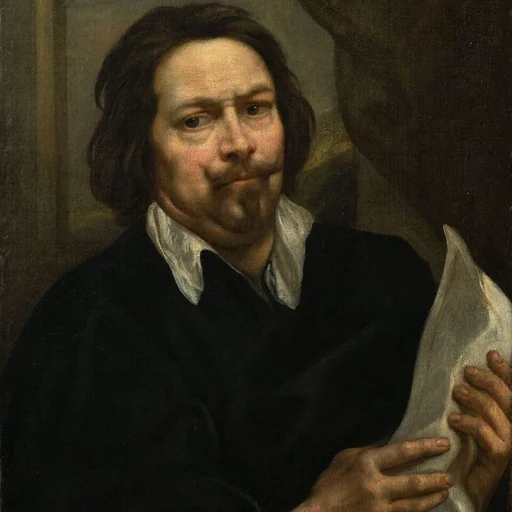
Artist
Jacques (Jacob) Jordaens (19 May 1593 – 18 October 1678) was a Flemish painter, draughtsman and a designer of tapestries and prints.

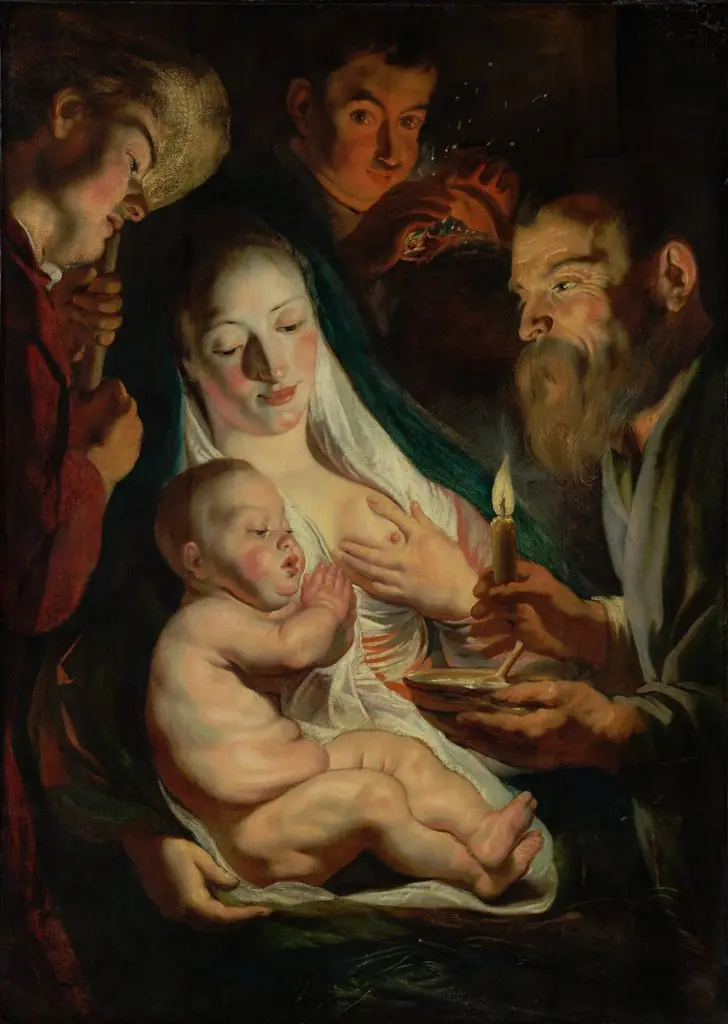 The Holy Family with Shepherds
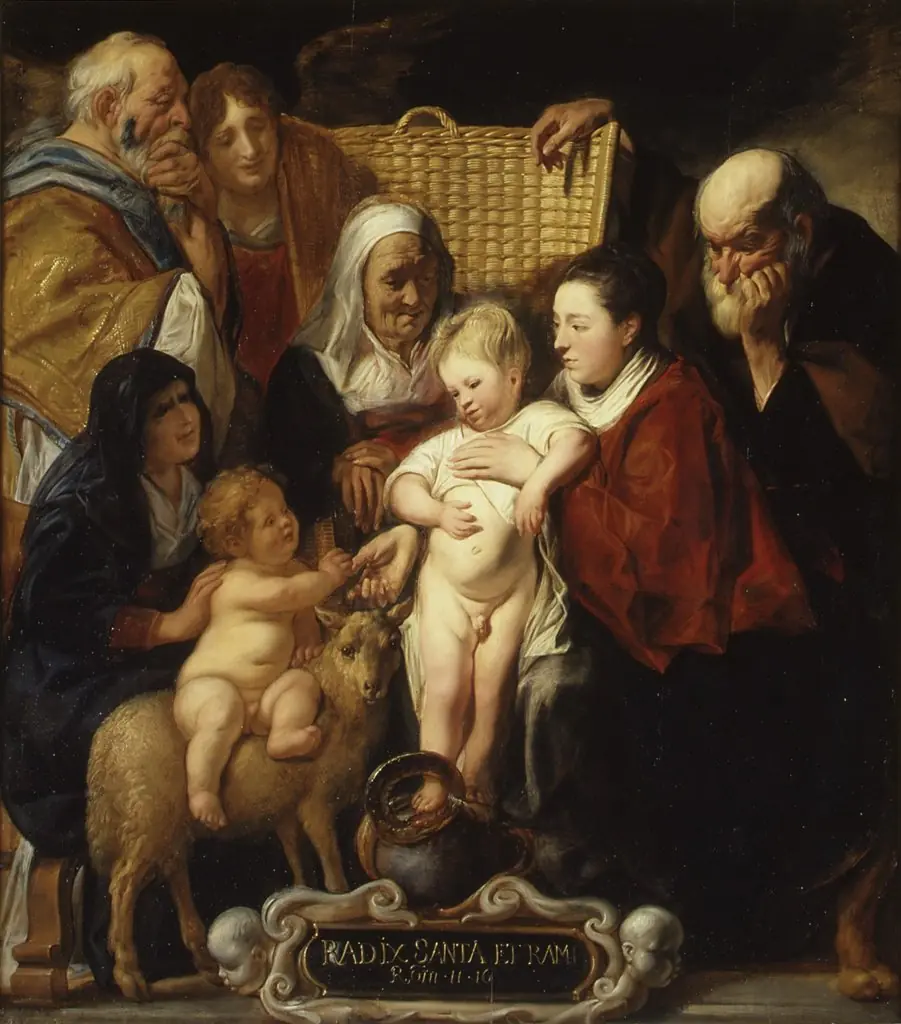 The Holy Family with Saint Anne and the Young Baptist and His Parents
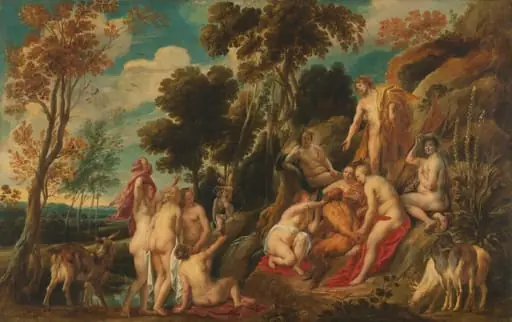 Untitled
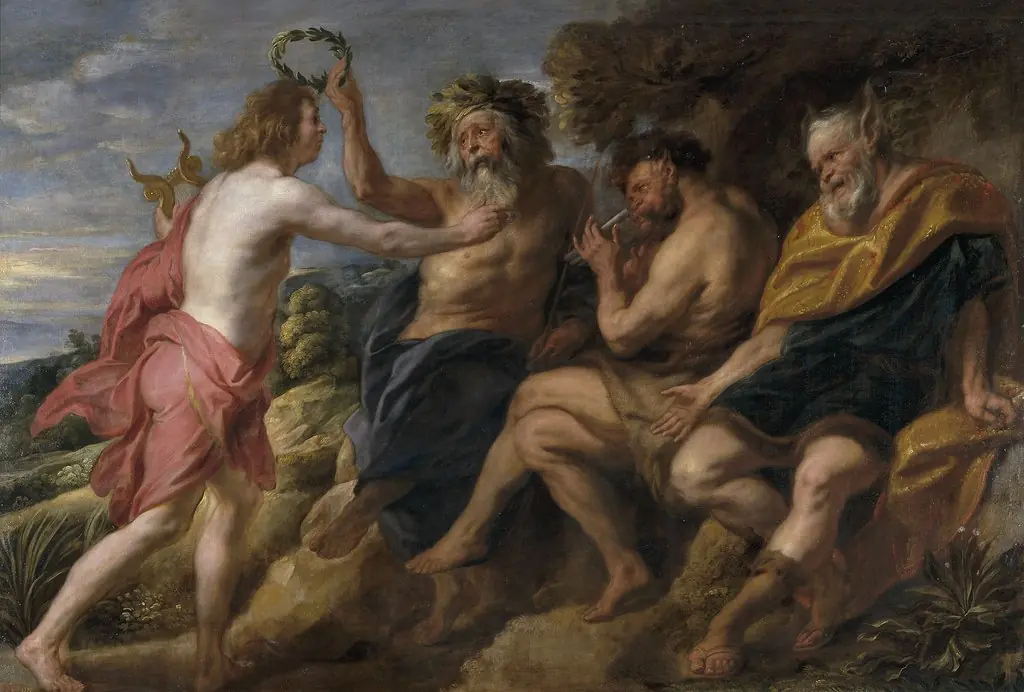 Apollo as Victor over Pan
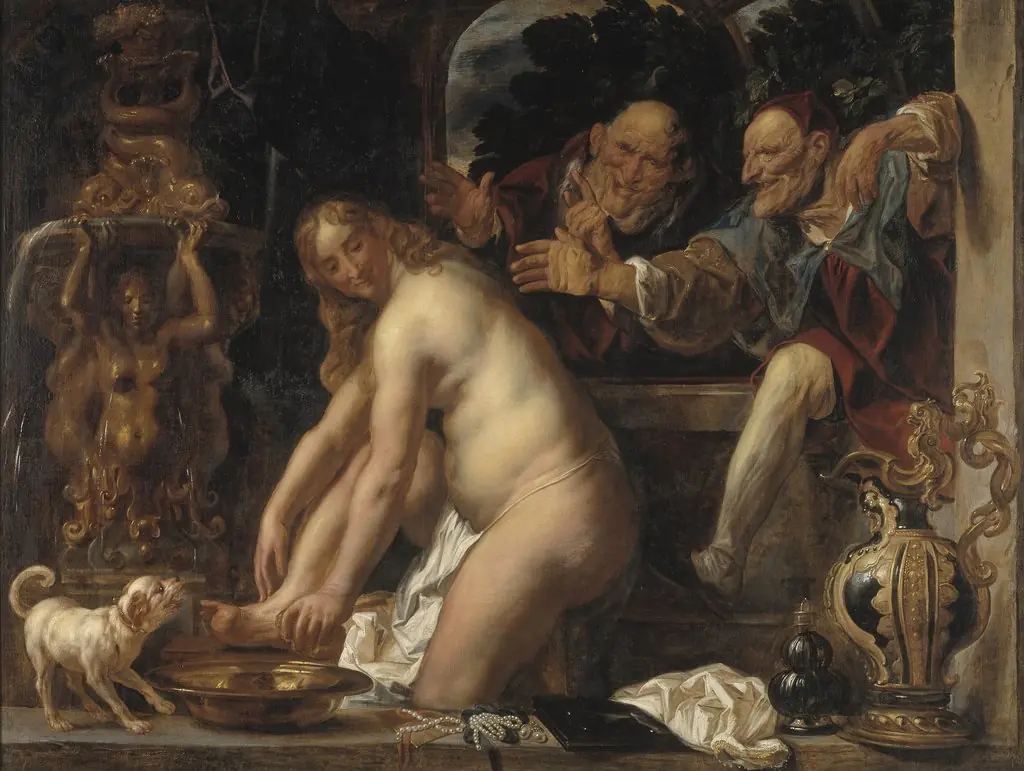 Susanna and the Elders
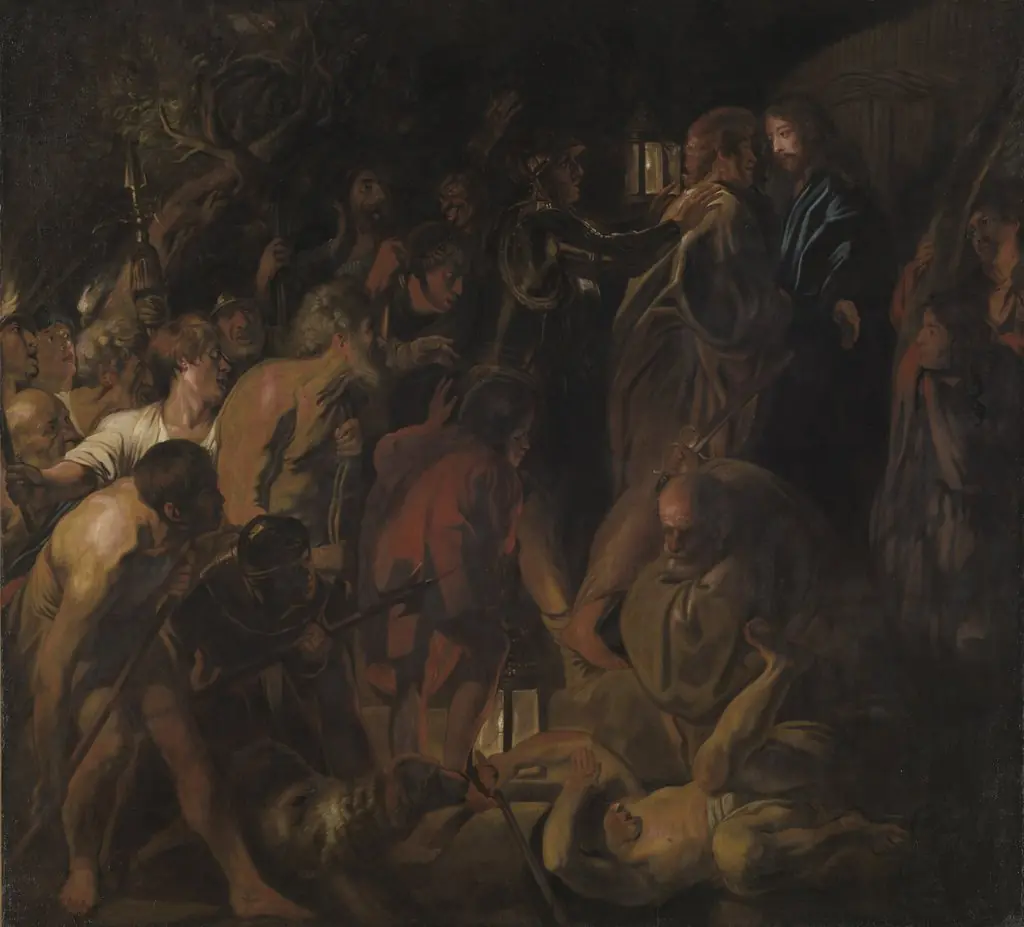 The Betrayal of Christ
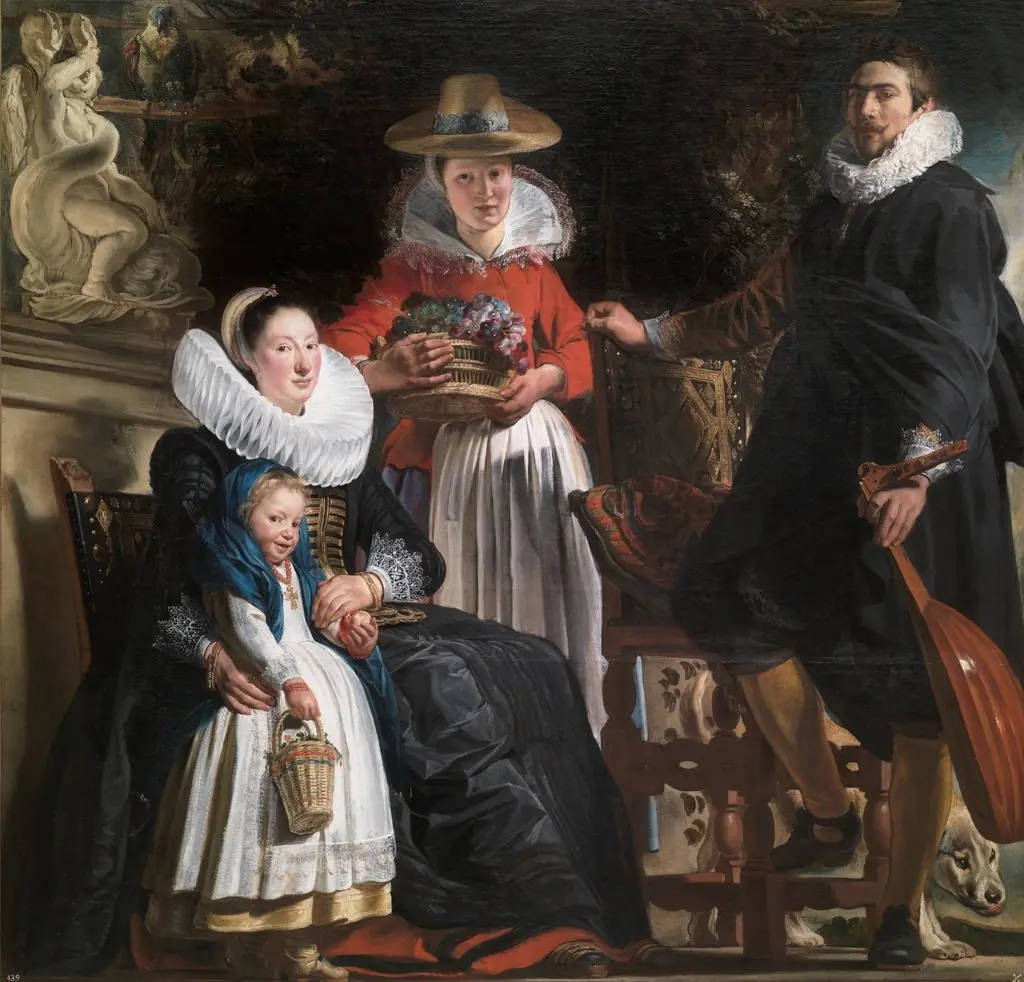 Portrait of the artist with his family
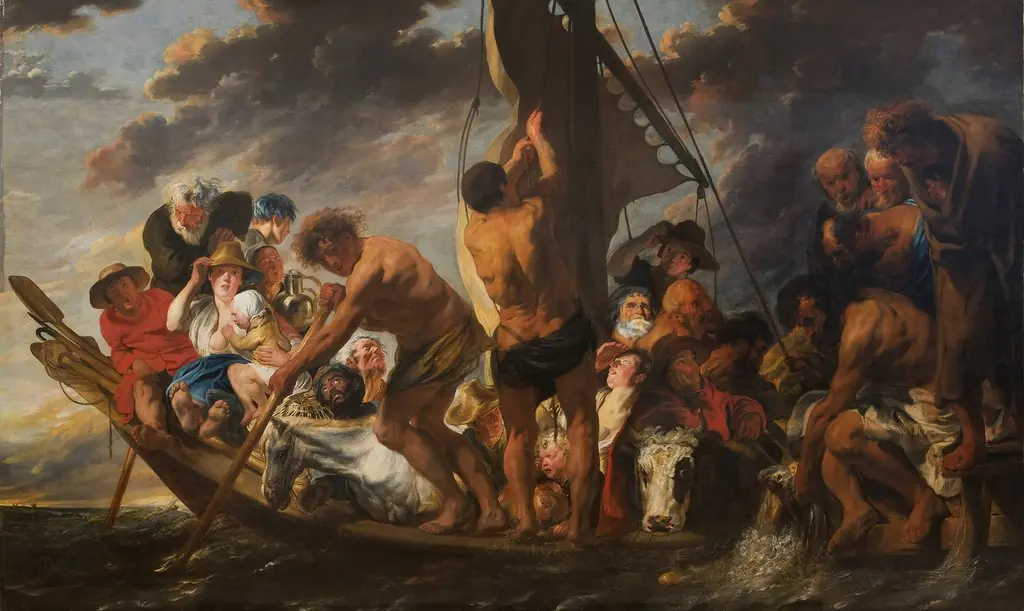 The Tribute Money. Peter Finding the Silver Coin in the Mouth of the Fish. Also called "The Ferry Boat to Antwerp"
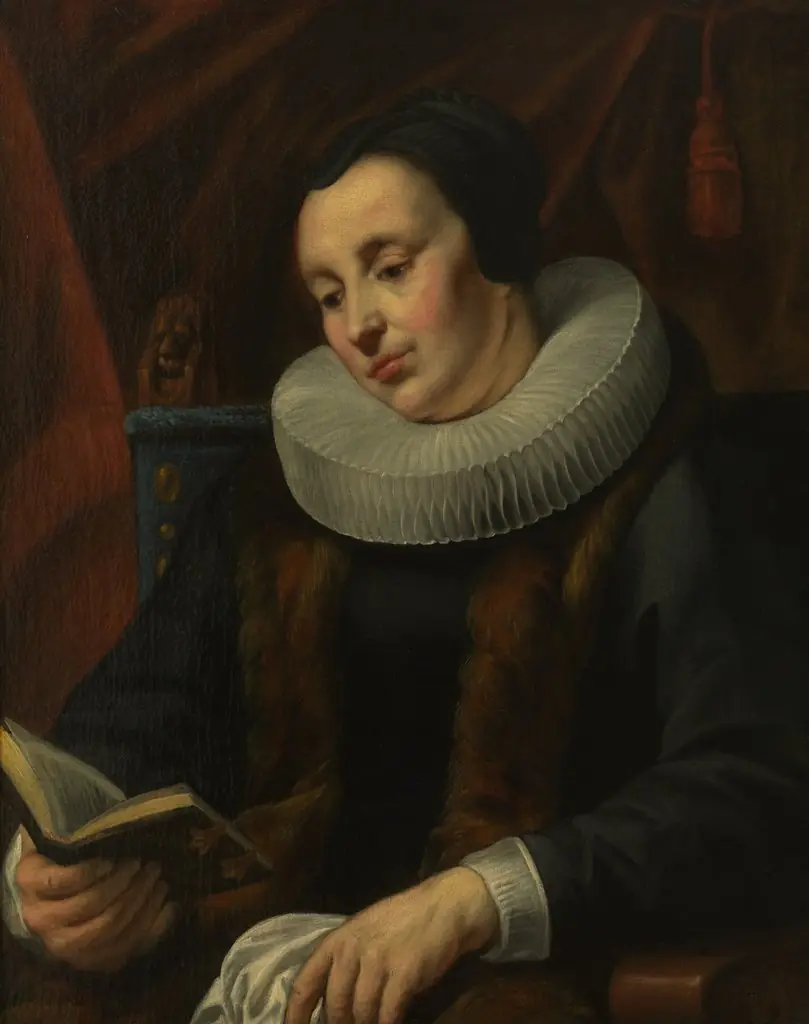 Portrait of a Woman
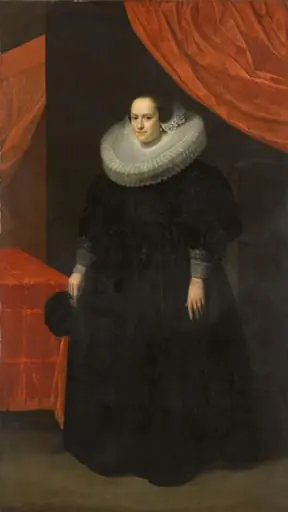 Untitled
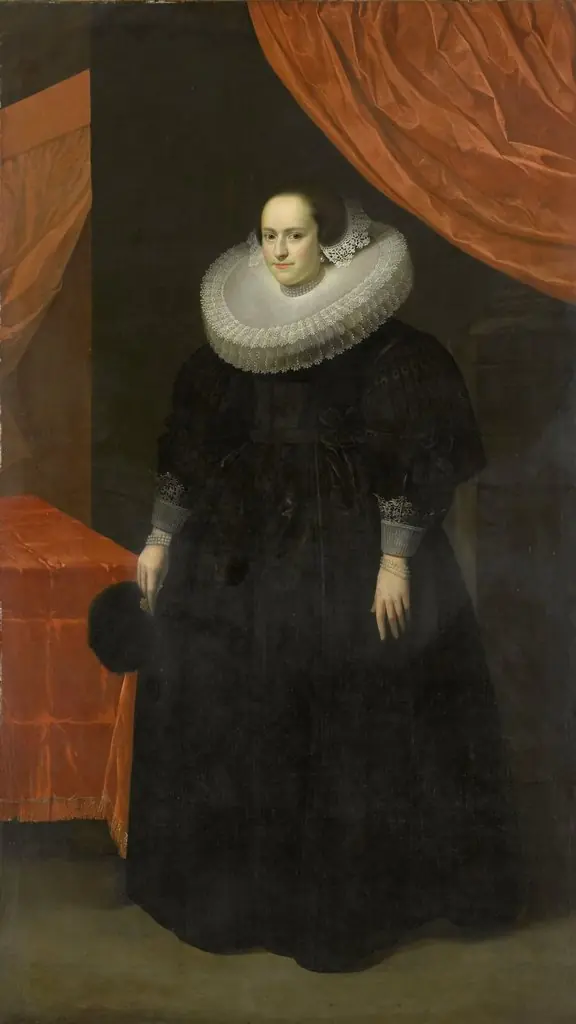 Portrait of Suzanna Moor (1608-57)
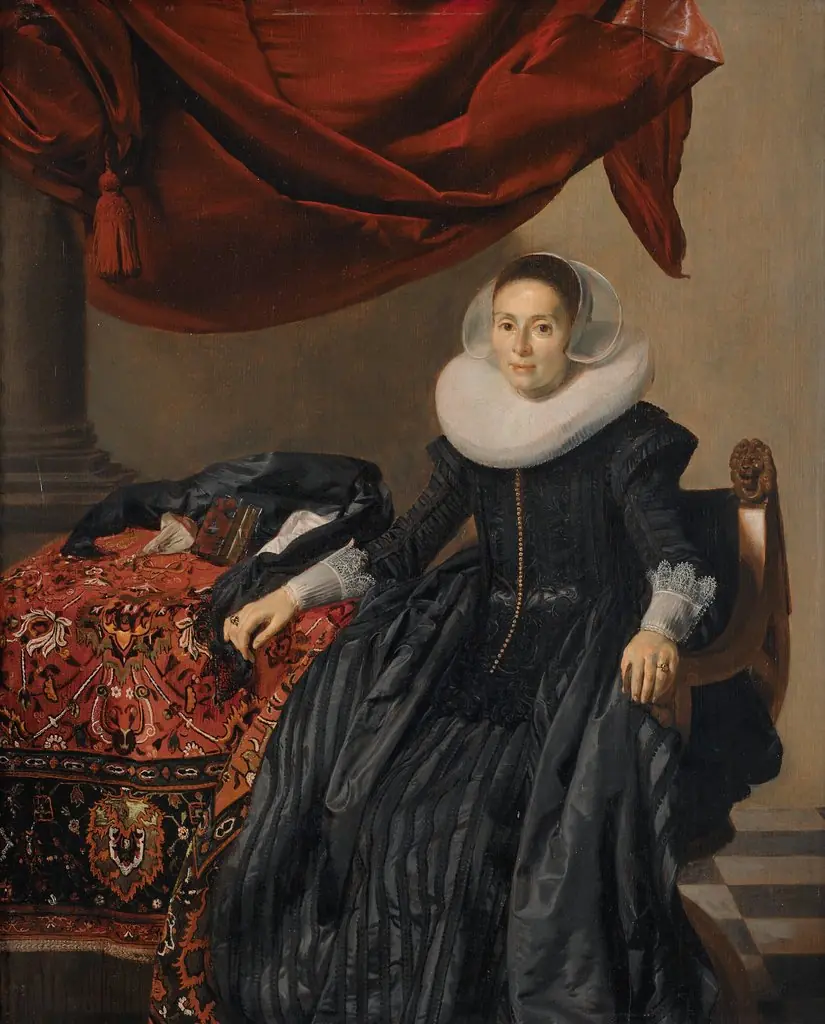 Portrait of a Young Woman
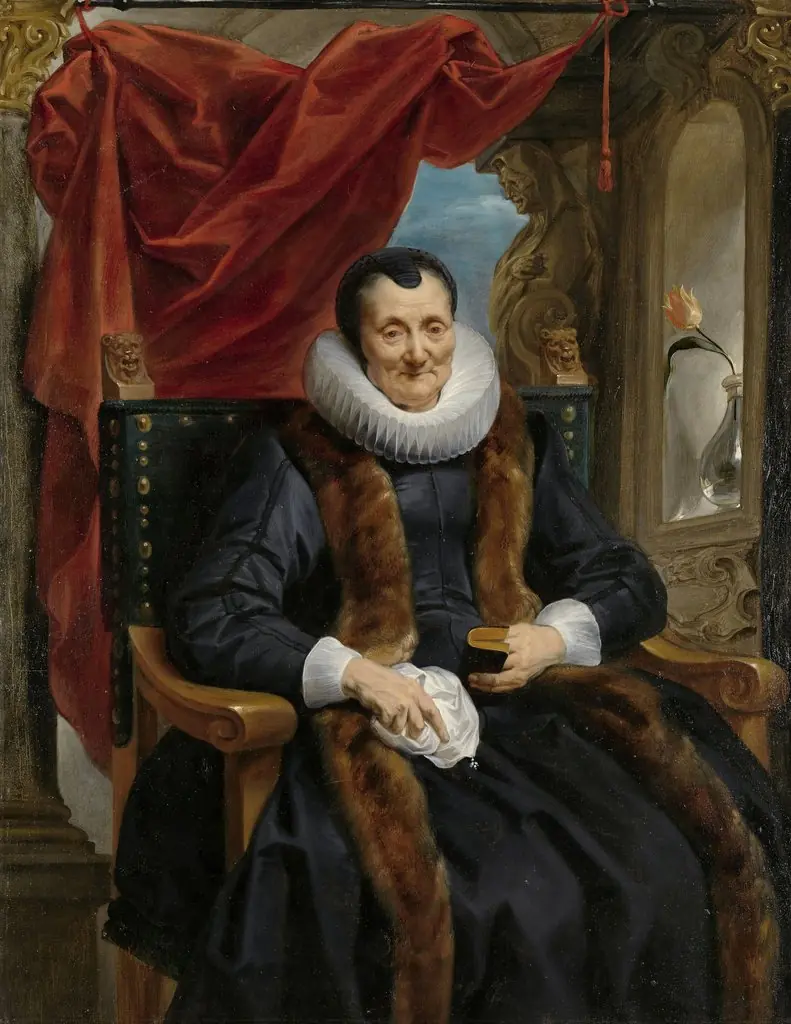 Portrait of Magdalena de Cuyper
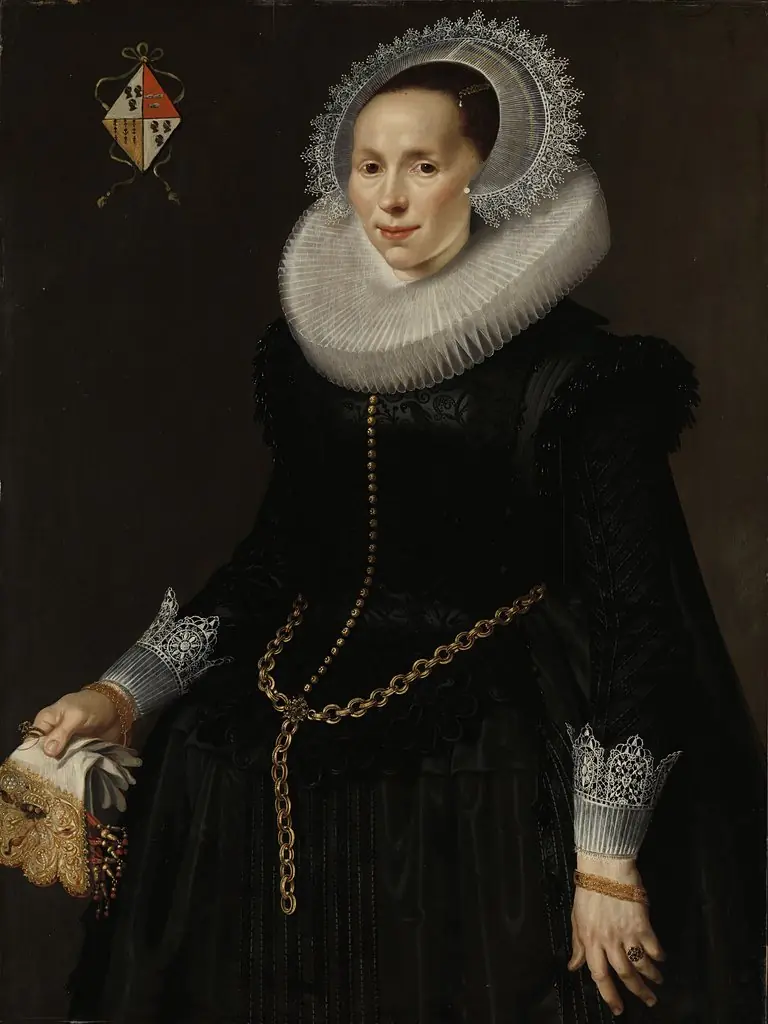 Portrait of Johanna Le Maire (c. 1601-60)
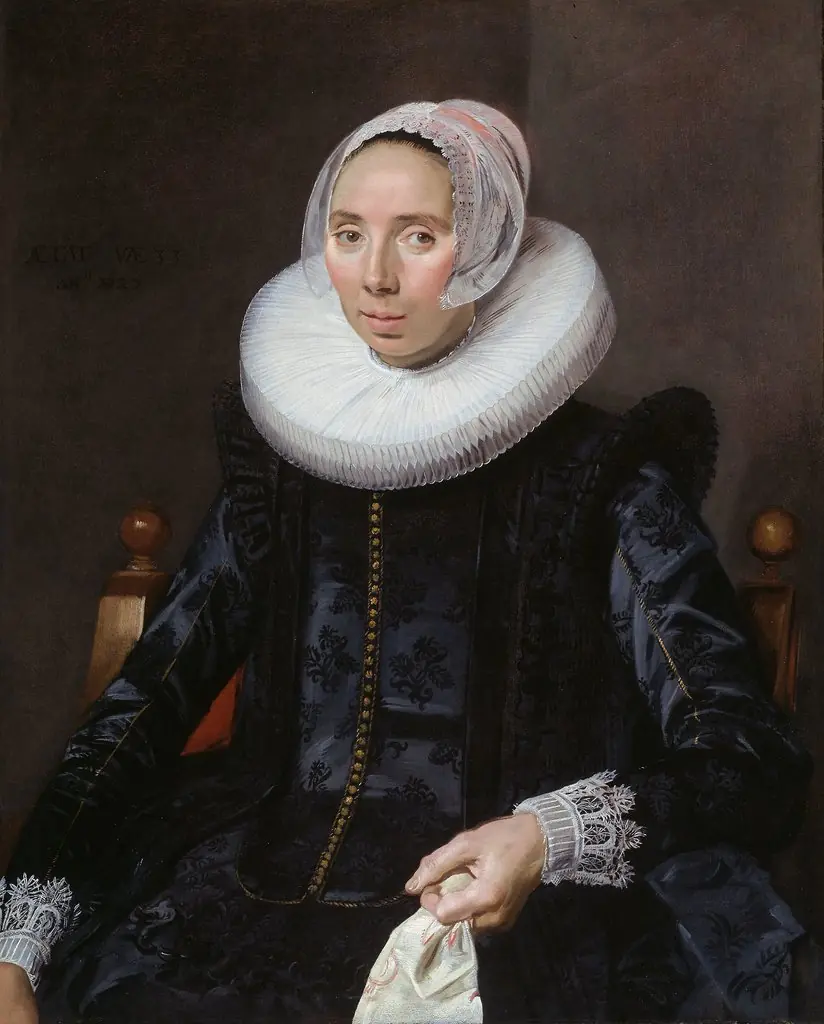 Portrait of a woman
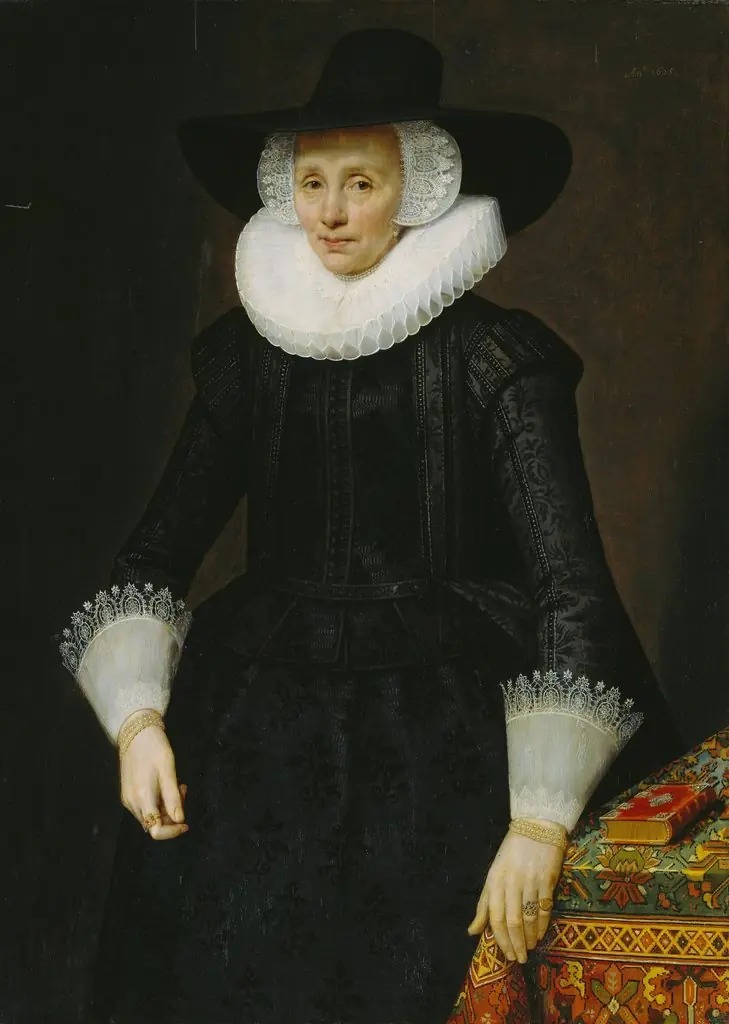 Portrait of Margarita Courten (1564-1640)
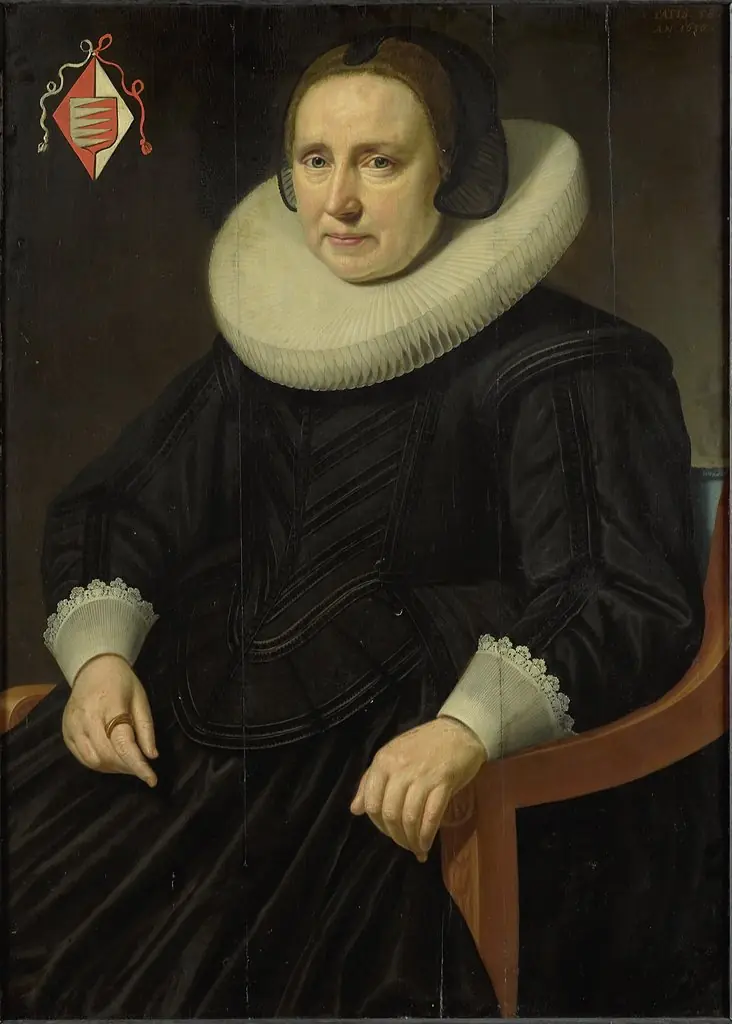 Portrait of Sara Sweerts de Weert (b. 1579), second wife of Antonius Antonides van der Linden
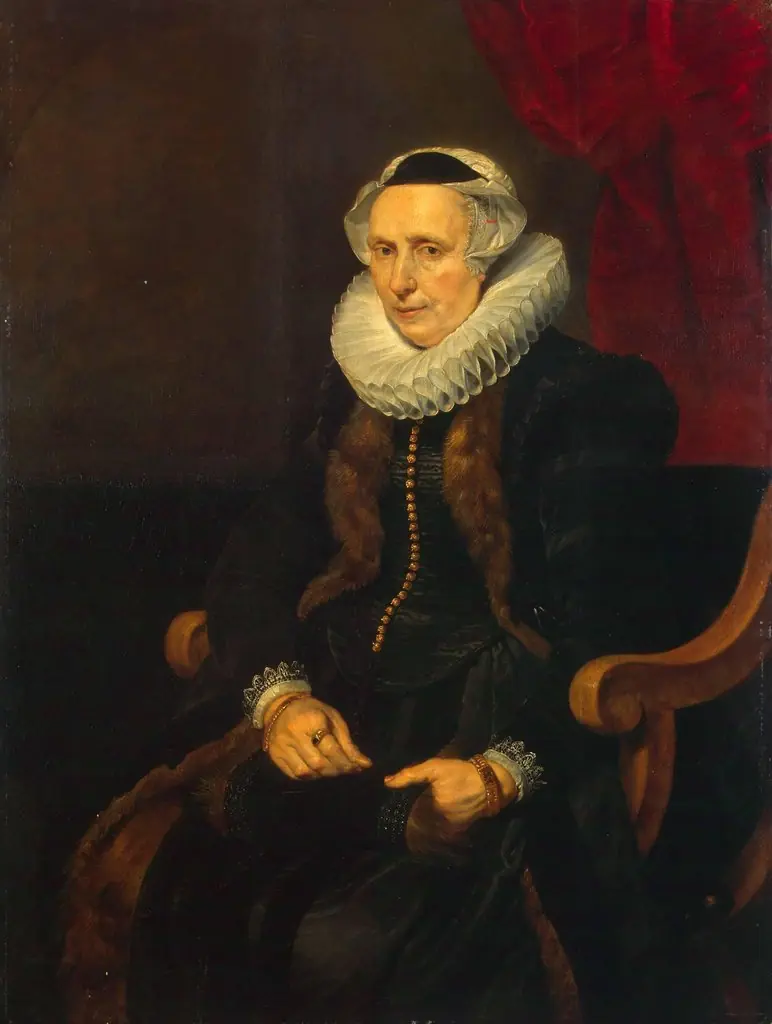 Portrait of an Old Lady Sitting in an Arm-Chair