Artwork
Procession of Bacchus
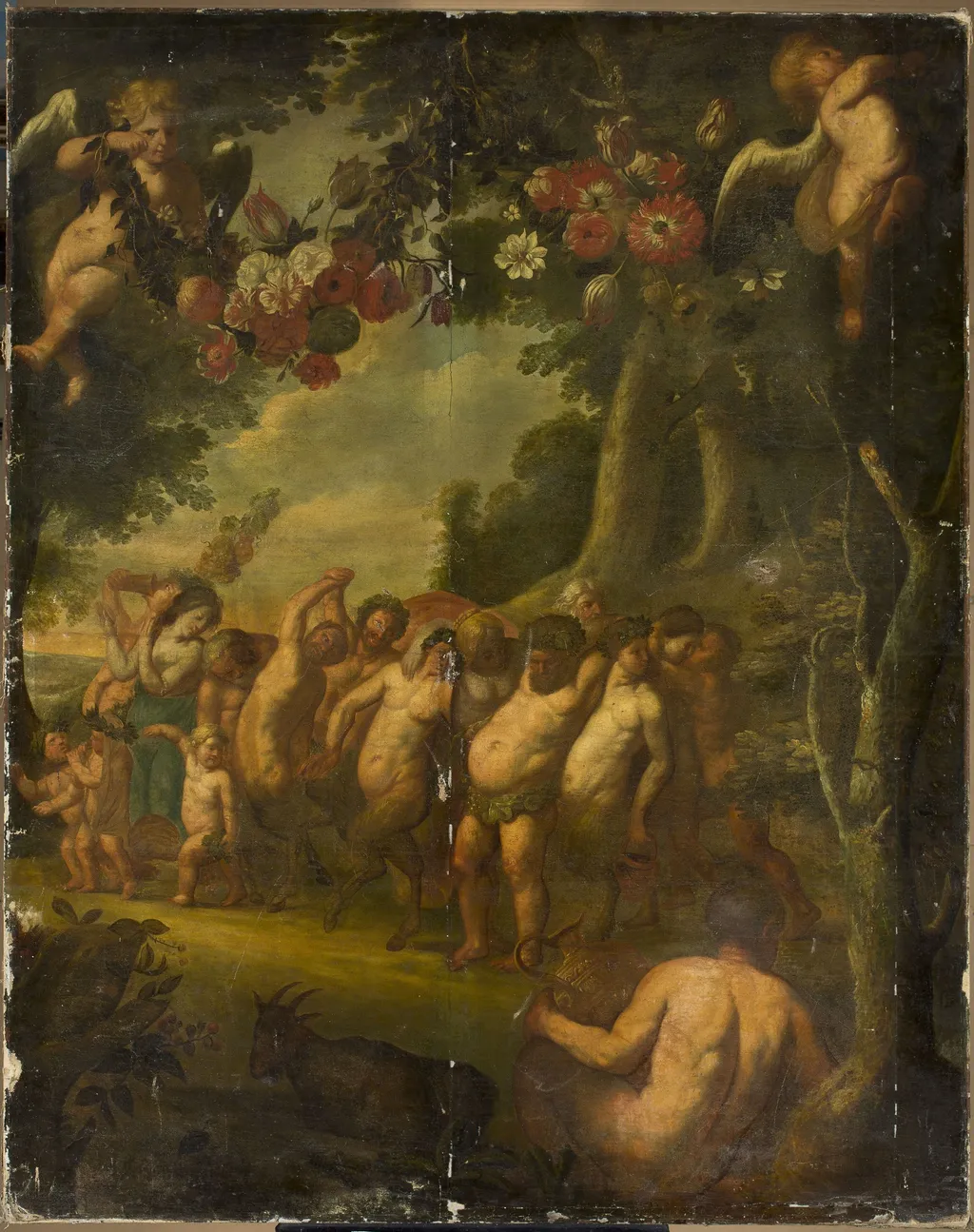
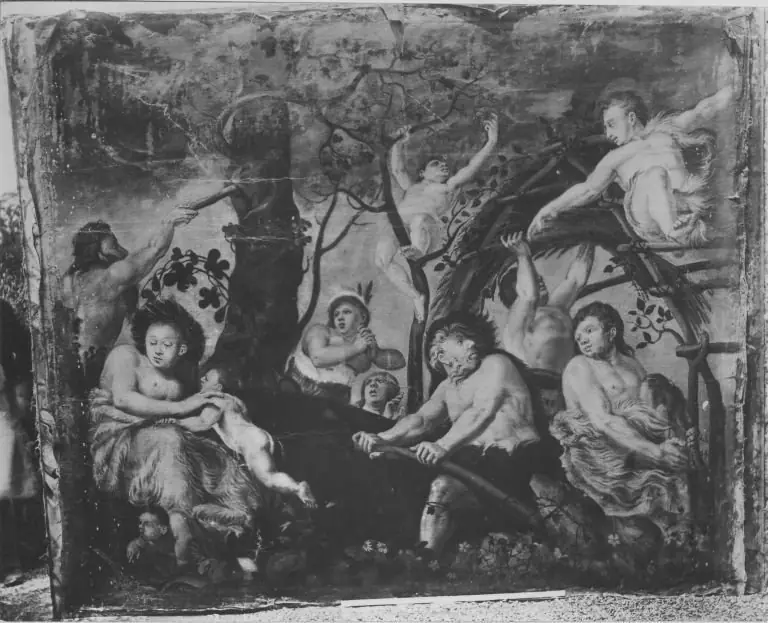
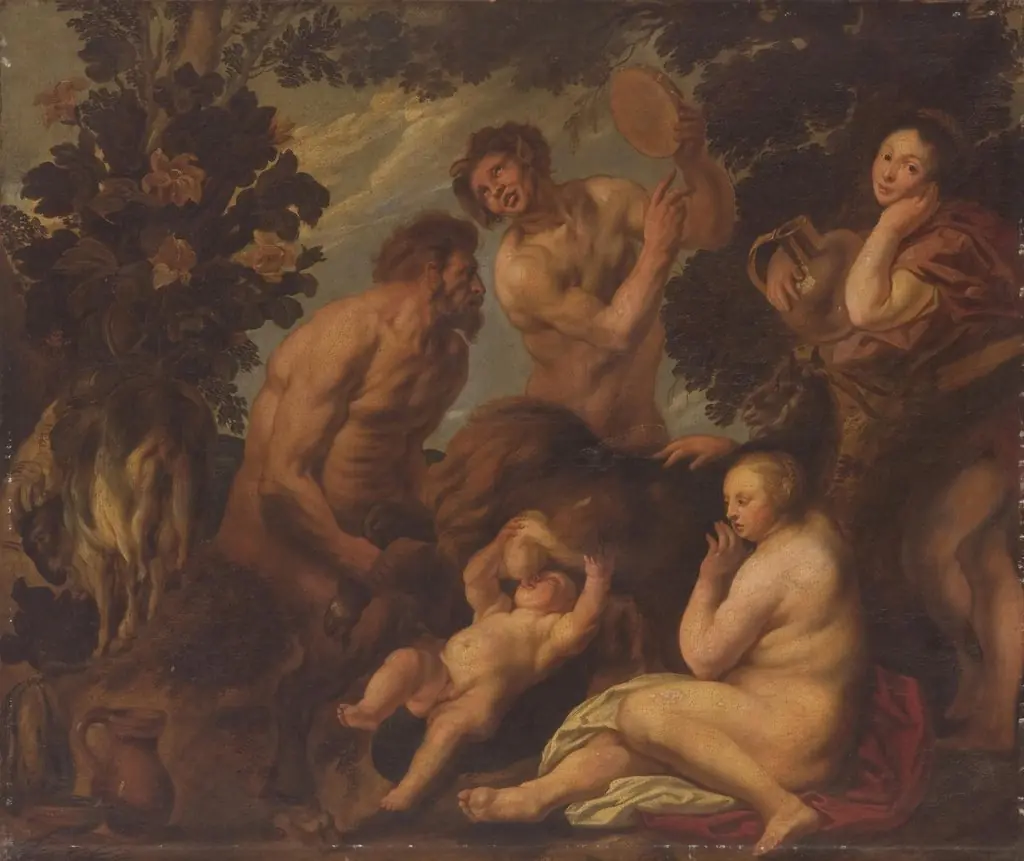
Procession of Bacchus is an oil painting by the Flemish Baroque painting artist Jacob Jordaens. It dates from 1643 and is held in the collection of the National Museum in Warsaw.
About this work
Overview
Painted around 1643, *Procession of Bacchus* is an oil on canvas work by Jacob Jordaens, a prominent Flemish artist active during the Baroque period.
Painted around 1643, *Procession of Bacchus* is an oil on canvas work by Jacob Jordaens, a prominent Flemish artist active during the Baroque period. Known for his dynamic compositions and rich coloration, Jordaens developed a distinctive style that blended classical mythology with the everyday vitality of Flemish life. This painting exemplifies his role as a leading figure in Antwerp’s artistic community following the deaths of Rubens and van Dyck.
Subject & Meaning
The painting portrays a festive procession dedicated to Bacchus, the Roman god of wine and revelry. Figures including satyrs, maenads, and revelers move through a lush, earthy landscape, carrying vines, amphorae, and offerings. Rather than idealizing the myth, Jordaens grounds it in physical presence and human energy, suggesting themes of abundance, ritual, and the cyclical nature of celebration rooted in agrarian traditions.
Technique & Style
Jordaens employed thick, textured brushwork and a warm, earth-toned palette to convey tactile immediacy. Figures are rendered with robust, almost sculptural forms, emphasizing weight and movement. His use of chiaroscuro is subtle, avoiding dramatic contrasts in favor of naturalistic lighting that enhances the sense of communal activity. The composition is crowded yet rhythmically organized, reflecting his experience in designing tapestries and large-scale decorative schemes.
History & Provenance
Commissioned during Jordaens’s mature period, the painting remained in private collections in the Low Countries before entering a public museum in the 19th century. Its survival through wars and shifting tastes reflects its enduring appeal among collectors who valued Flemish Baroque narrative painting. Documentation from the artist’s studio confirms its completion date and original intent as a mythological decoration for a civic or aristocratic residence.
Context
In mid-17th-century Antwerp, mythological subjects remained popular among patrons seeking to align themselves with classical antiquity. While Rubens had earlier dominated this genre, Jordaens carved a space by infusing myth with local customs and physical realism. His approach responded to both humanist interests and a growing appetite for art that felt grounded in lived experience, distinguishing his work from more idealized Italianate styles.
Legacy
Jordaens’s *Procession of Bacchus* influenced later Flemish painters who sought to reconcile classical themes with regional sensibilities. Its emphasis on communal festivity and physical presence became a model for genre-inflected mythologies. Though less celebrated than Rubens’s grandeur, Jordaens’s work preserved a distinctly northern European approach to myth—one rooted in observation, texture, and the vitality of ordinary bodies in motion.
Artist & collection
Artist
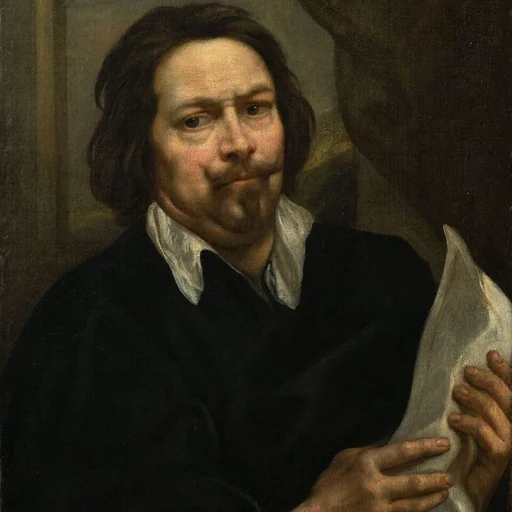
Jacques (Jacob) Jordaens (19 May 1593 – 18 October 1678) was a Flemish painter, draughtsman and a designer of tapestries and prints.

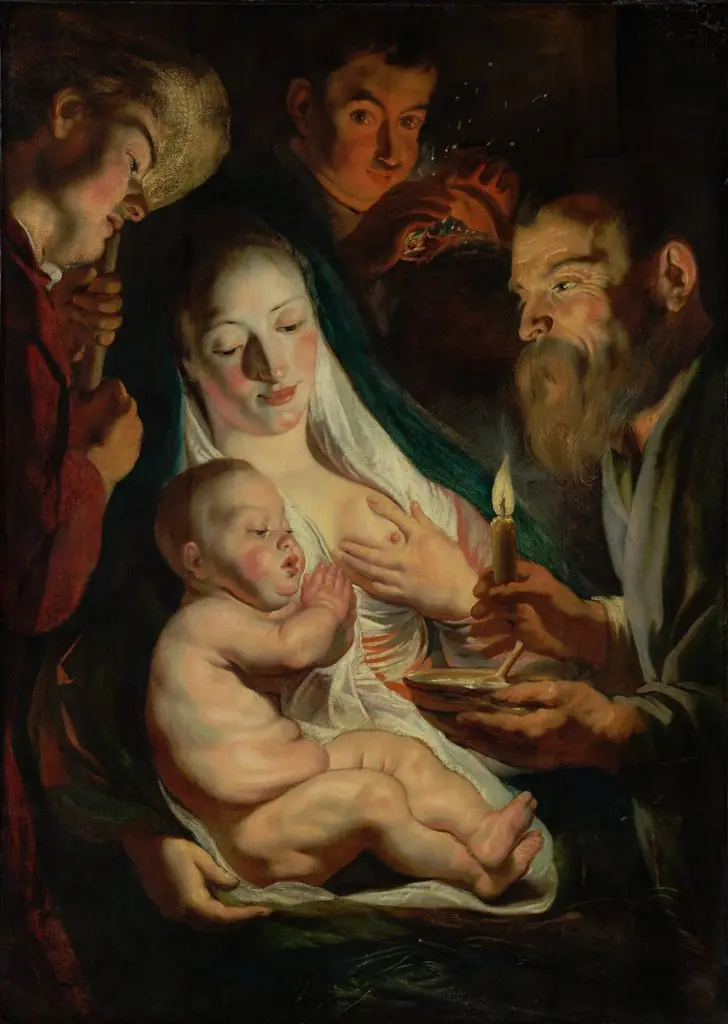 The Holy Family with Shepherds
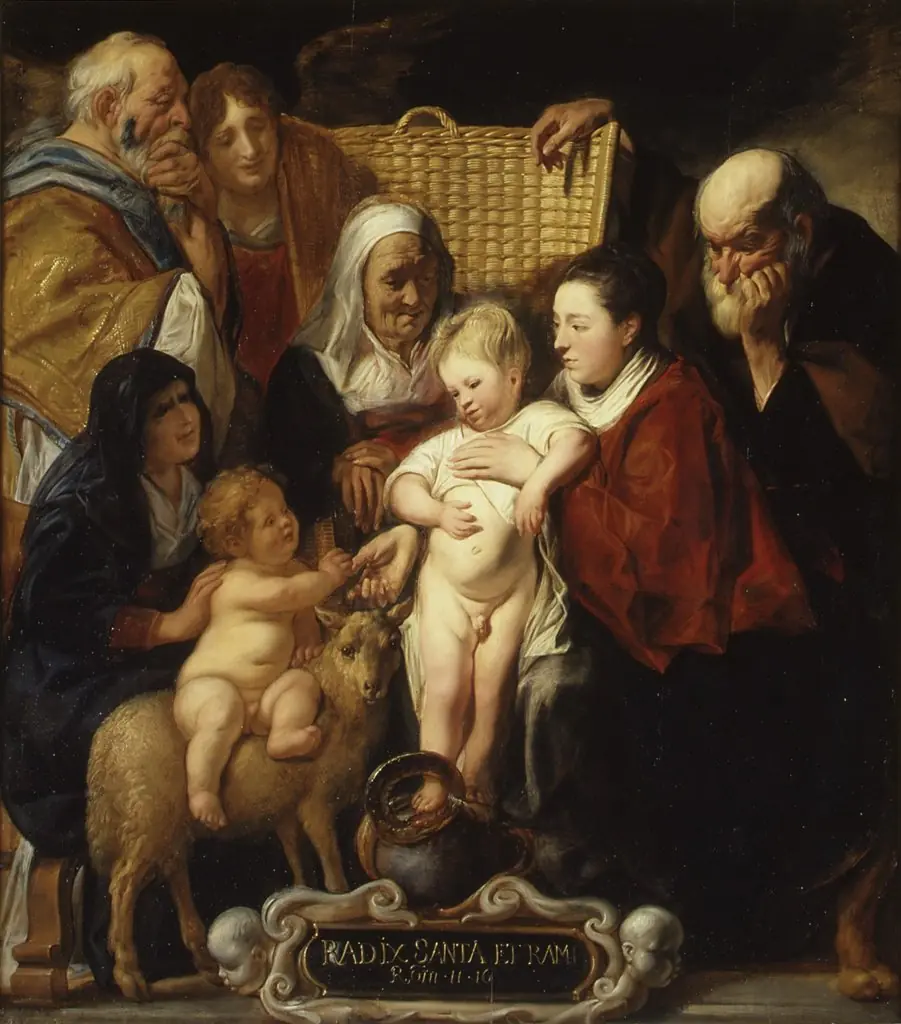 The Holy Family with Saint Anne and the Young Baptist and His Parents
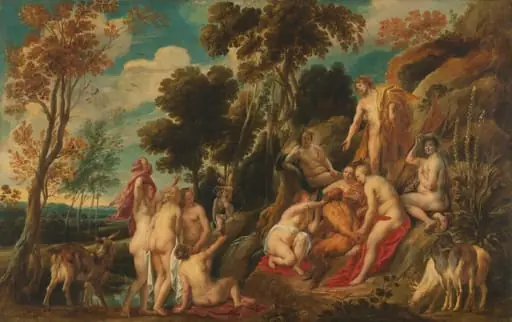 Untitled
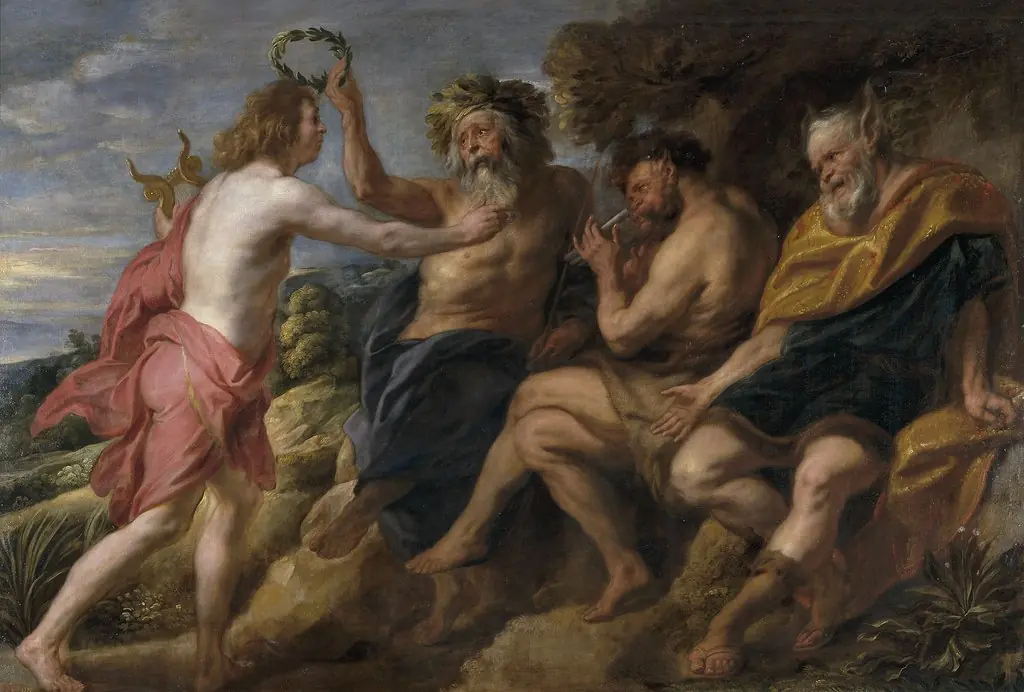 Apollo as Victor over Pan
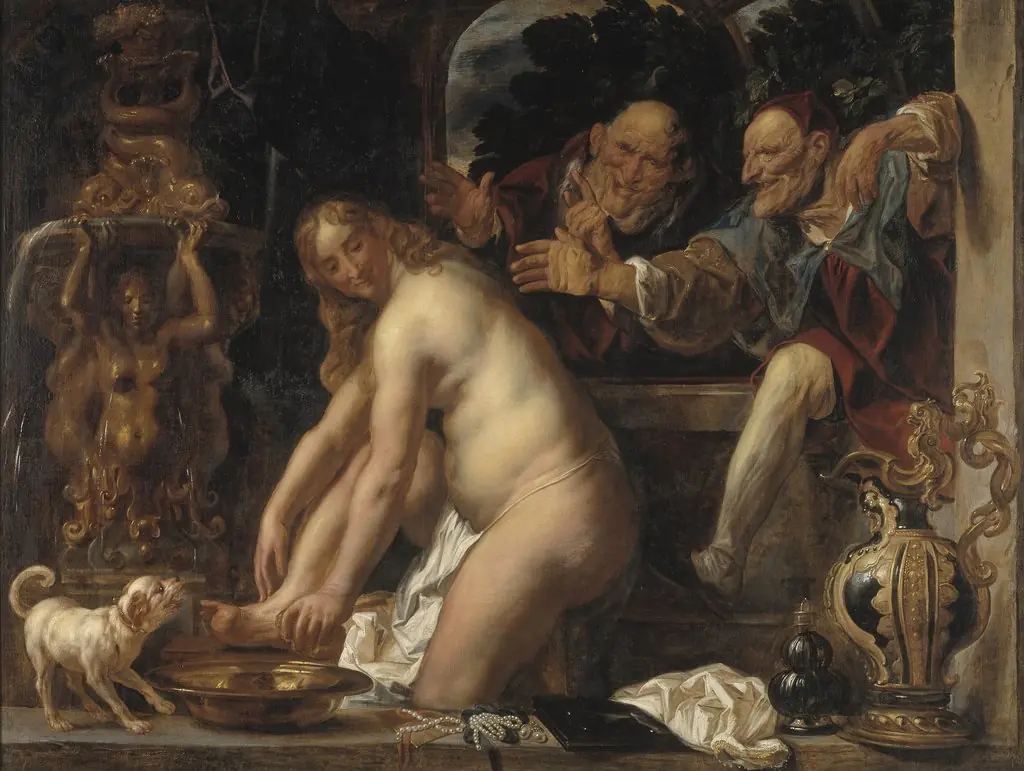 Susanna and the Elders
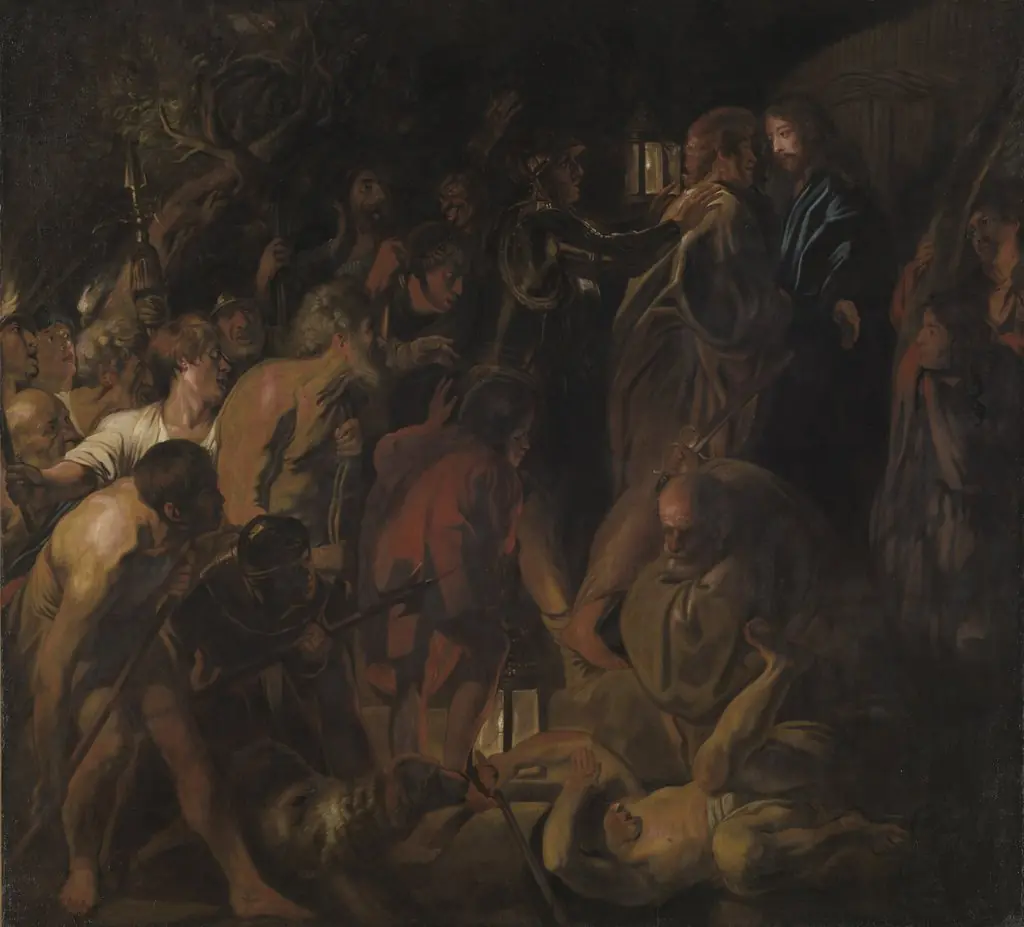 The Betrayal of Christ
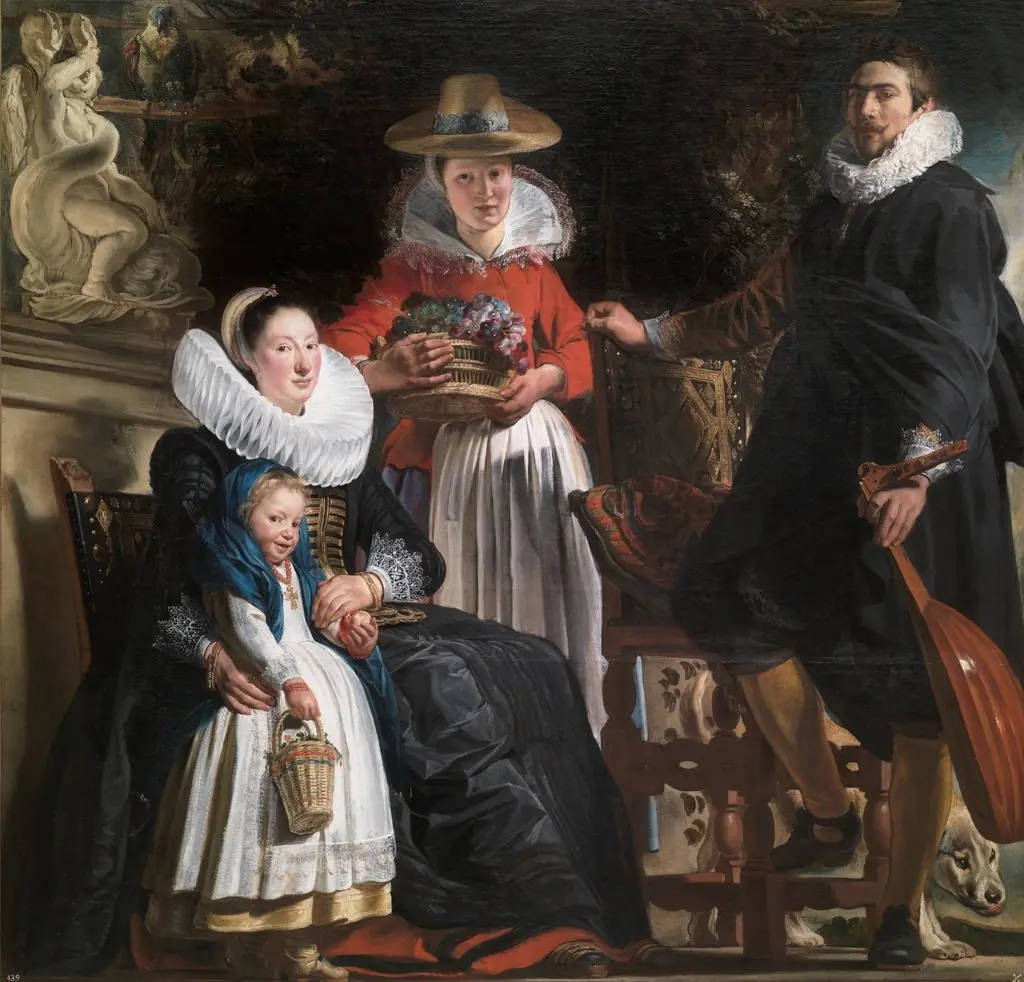 Portrait of the artist with his family
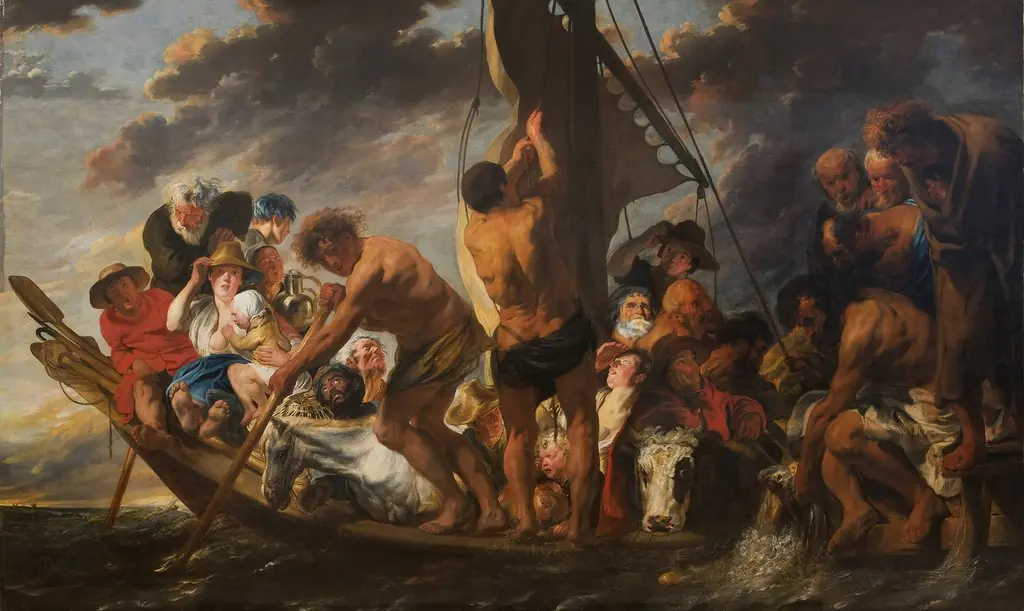 The Tribute Money. Peter Finding the Silver Coin in the Mouth of the Fish. Also called "The Ferry Boat to Antwerp"