Artwork
The Bean king
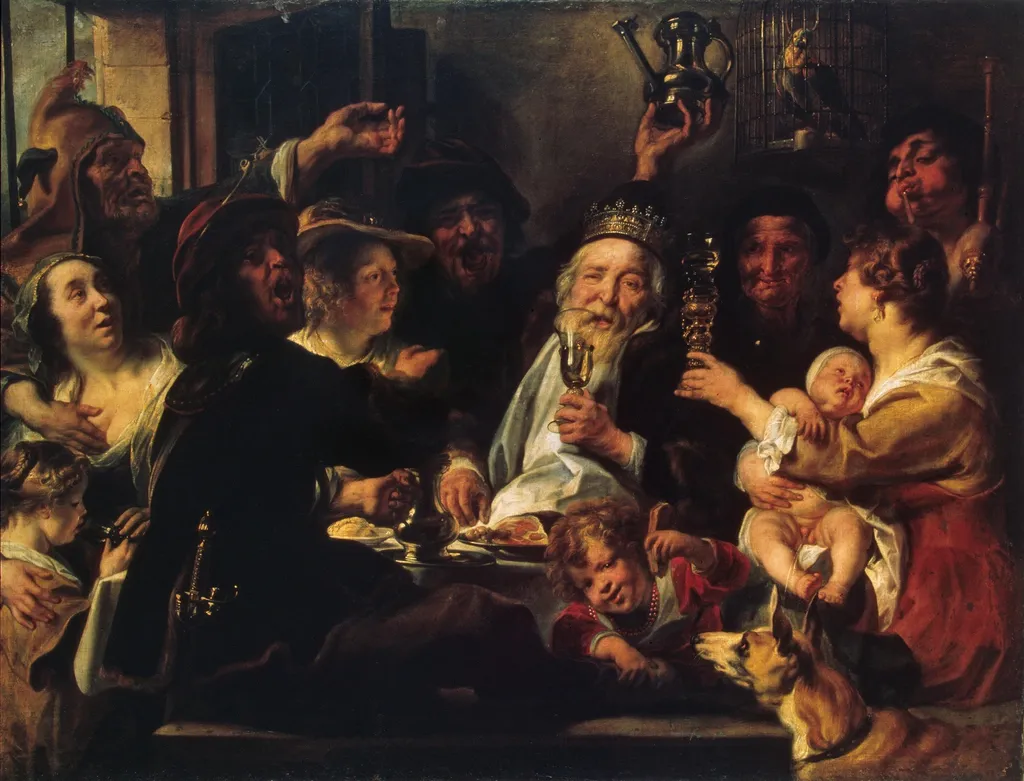
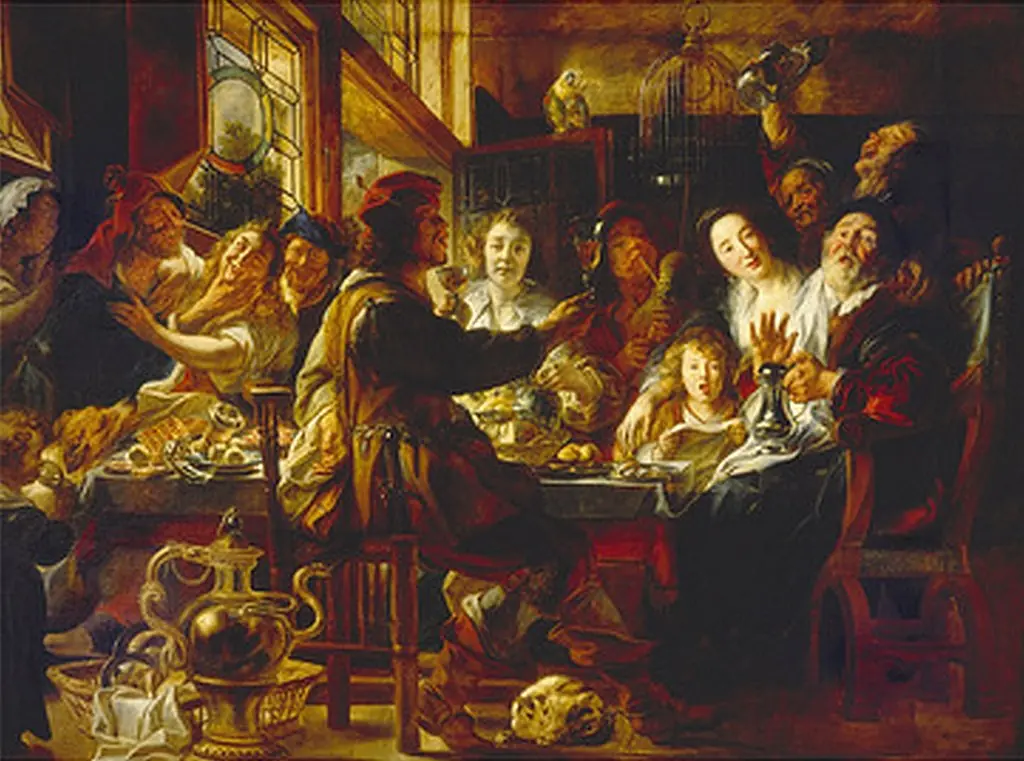
The Bean king is an oil painting by the Flemish Baroque painting artist Jacob Jordaens. It dates from 1638 and is held in the collection of the Hermitage Museum.
About this work
Overview
Painted around 1638, this oil-on-canvas work by Jacob Jordaens depicts a festive scene centered on a communal ritual. The painting belongs to a series exploring popular customs in the Low Countries, and it is currently housed in the State Hermitage Museum in Saint Petersburg, where it has been part of the collection since the 18th century.
Subject & Meaning
The painting illustrates the Twelfth Night tradition, in which a bean hidden in a cake designates a temporary 'king' for the evening. The figure at the center, crowned and raising a goblet, embodies this role, surrounded by revelers engaged in drinking, music, and merriment. The scene captures the inversion of social norms, where temporary authority is granted through chance rather than status.
Technique & Style
Jordaens employs a robust, earthy palette and vigorous brushwork characteristic of Flemish Baroque painting. Figures are rendered with a sense of physical presence, their gestures animated and expressions lively. The composition is tightly packed, drawing the viewer into the crowded, intimate space of a domestic celebration, with light falling naturally across faces and surfaces.
History & Provenance
The painting entered the Hermitage collection in the late 18th century, likely acquired during Catherine the Great’s expansion of the imperial art holdings. It was previously owned by a French collector before being sold to the Russian court. Its attribution to Jordaens has remained consistent since its arrival in Saint Petersburg, with no significant disputes over authorship.
Context
Jordaens painted multiple versions of this theme, reflecting the popularity of such folk customs in 17th-century Flanders. These scenes were not merely genre studies but also commentary on social behavior, aligning with broader trends in Northern European art that elevated everyday life as worthy of artistic attention, distinct from religious or mythological subjects.
Legacy
The work influenced later genre painters in the Netherlands and France, particularly in its unidealized portrayal of common people. While not widely reproduced in its time, its preservation in a major imperial collection ensured its continued study, contributing to modern understandings of Flemish social customs and the evolution of secular painting in the Baroque era.
Own this work as a print
Artist & collection
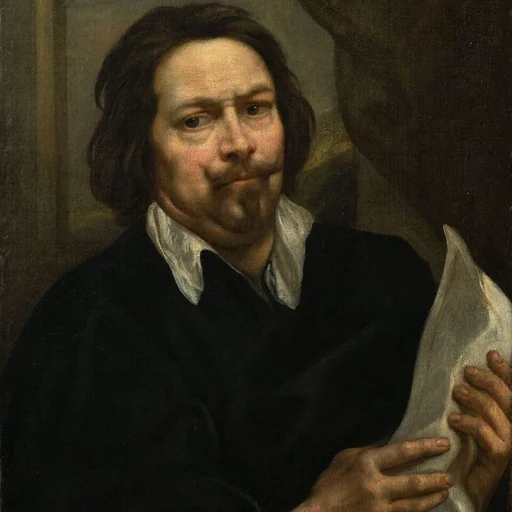
Artist
Jacques (Jacob) Jordaens (19 May 1593 – 18 October 1678) was a Flemish painter, draughtsman and a designer of tapestries and prints.

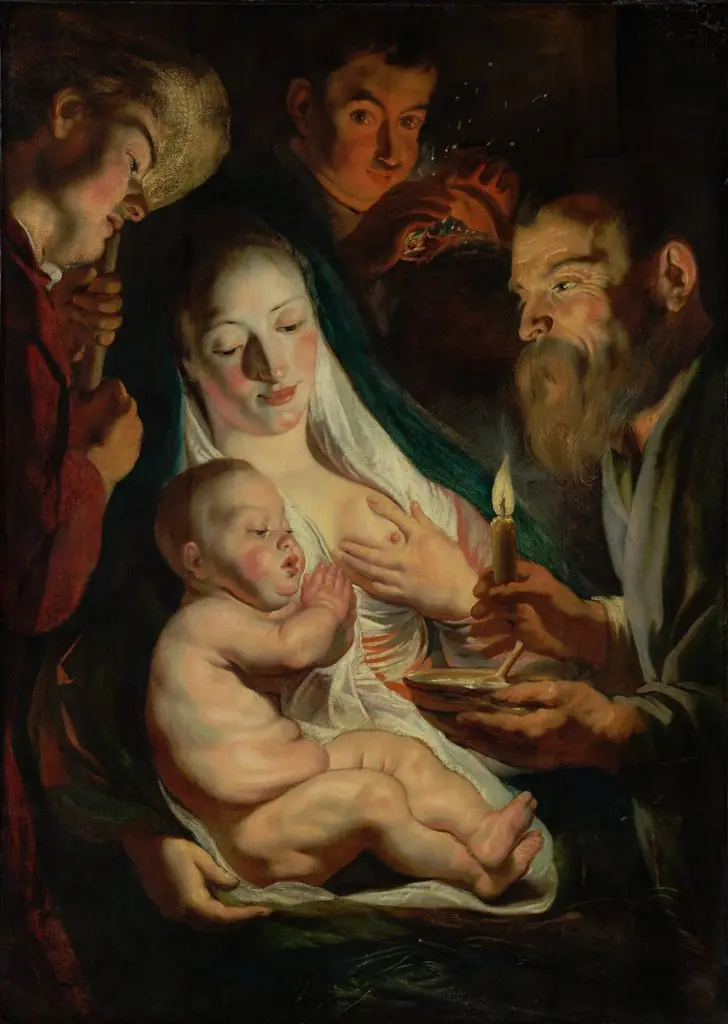 The Holy Family with Shepherds
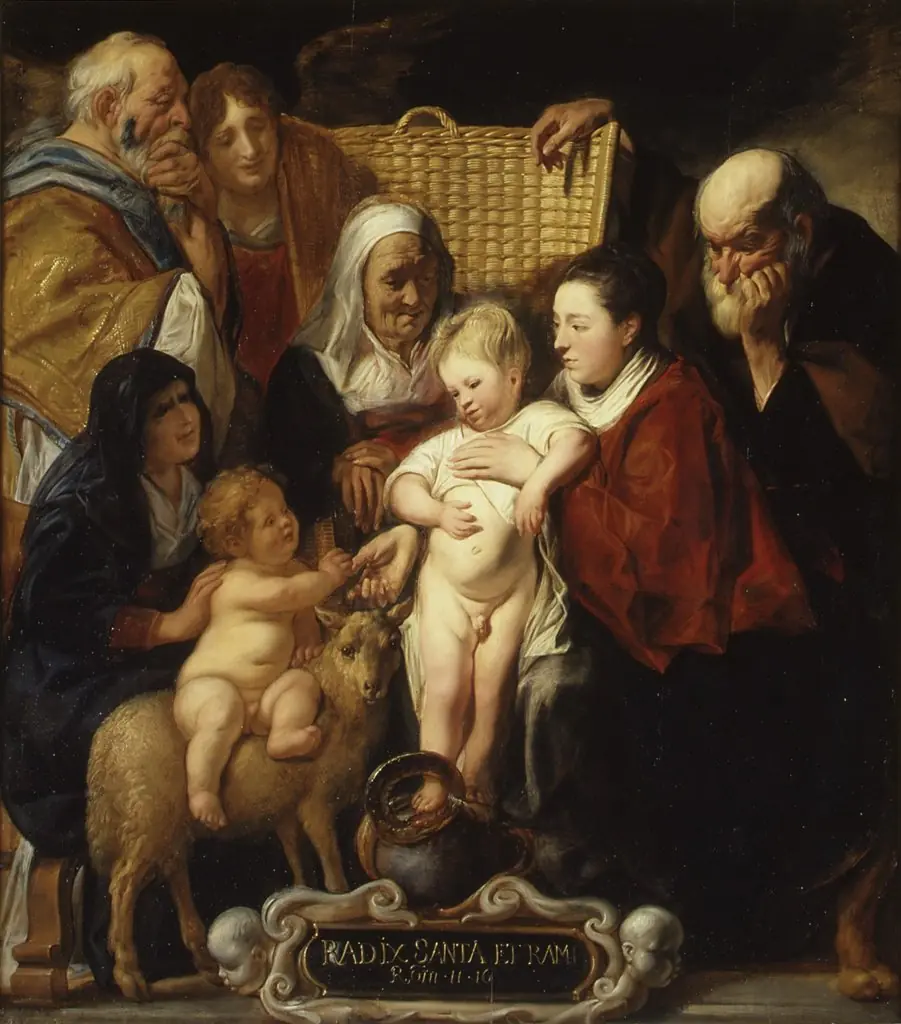 The Holy Family with Saint Anne and the Young Baptist and His Parents
 Untitled
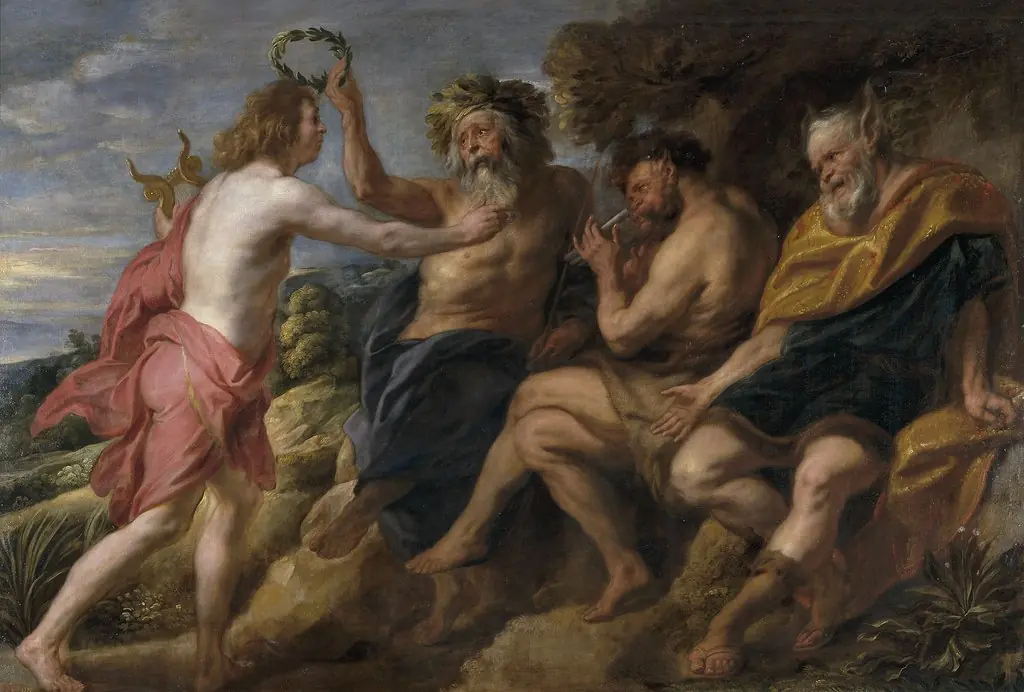 Apollo as Victor over Pan
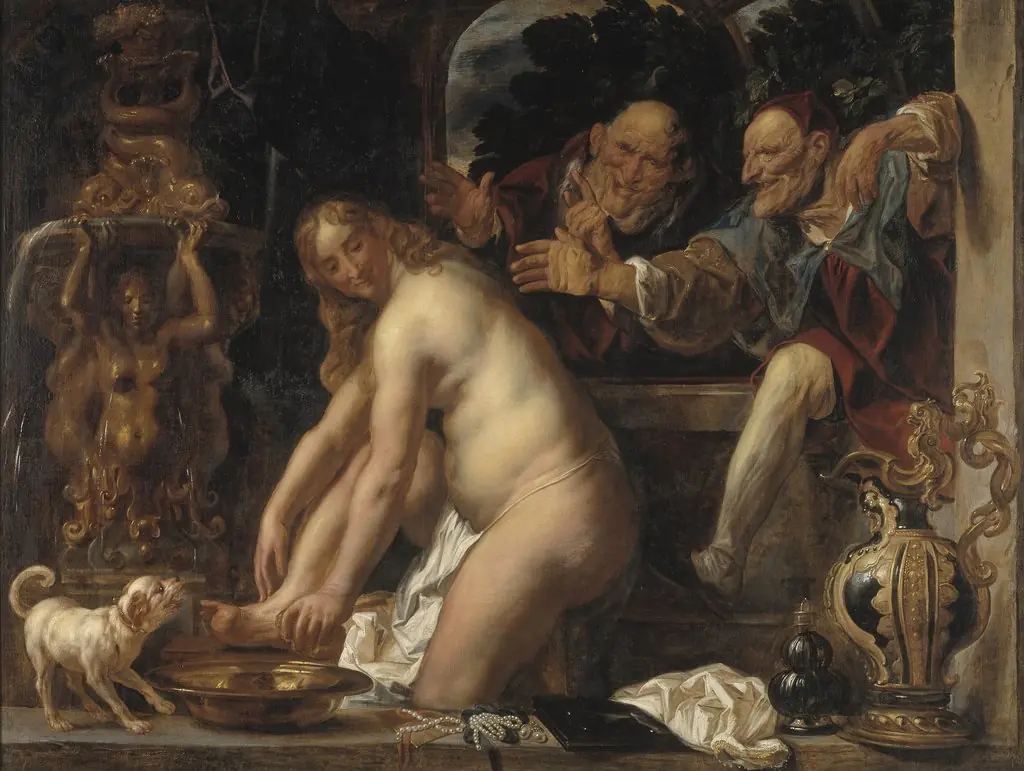 Susanna and the Elders
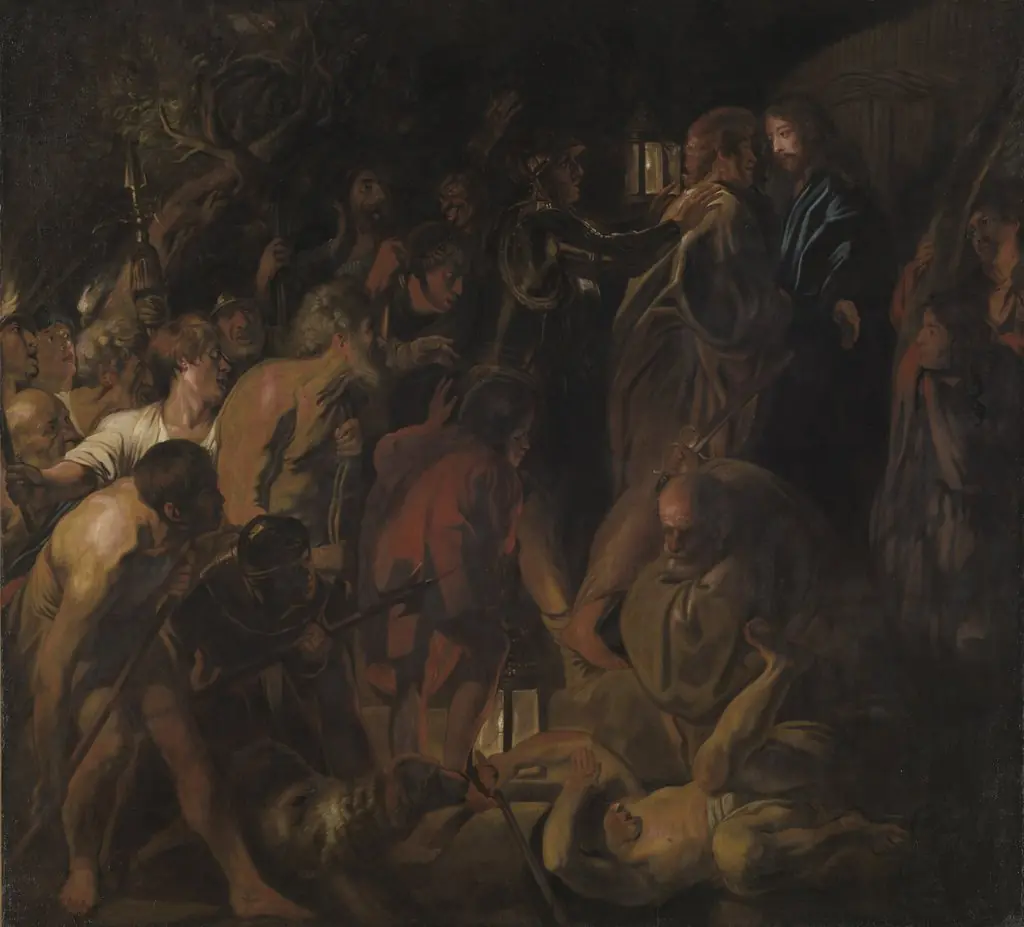 The Betrayal of Christ
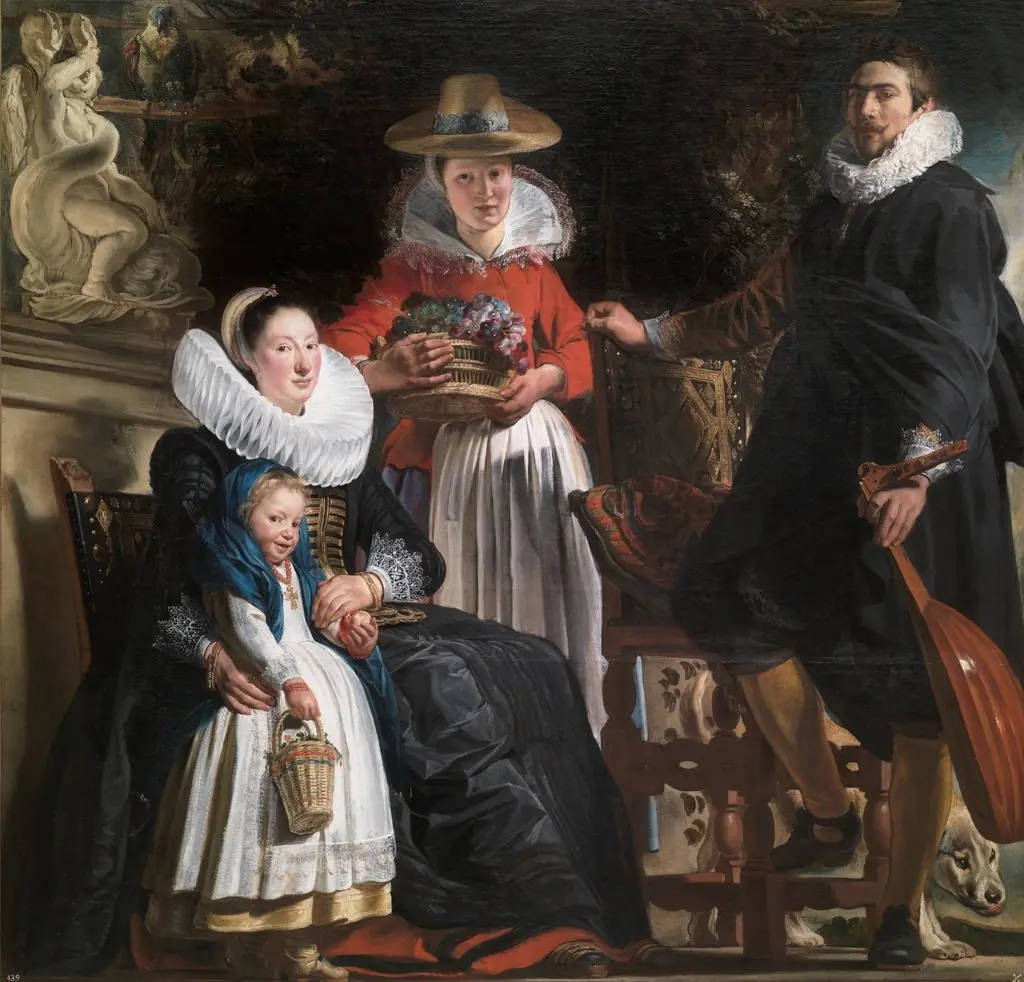 Portrait of the artist with his family
 The Tribute Money. Peter Finding the Silver Coin in the Mouth of the Fish. Also called "The Ferry Boat to Antwerp"