Artwork
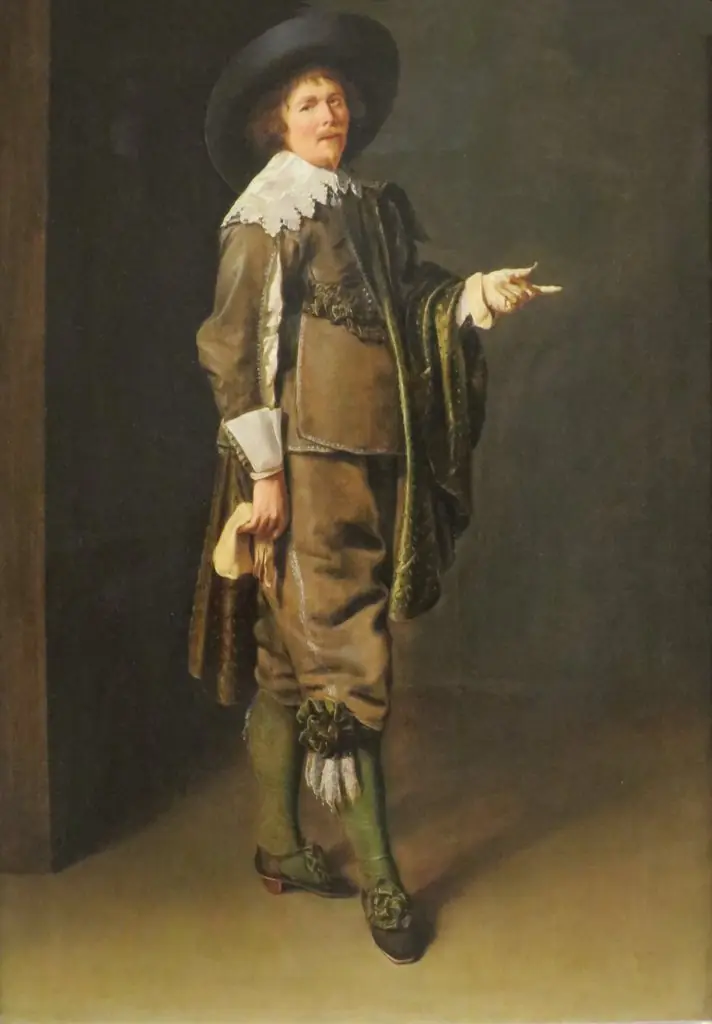
Cavalier Greeting a Lady (Cavalier with a Hat)
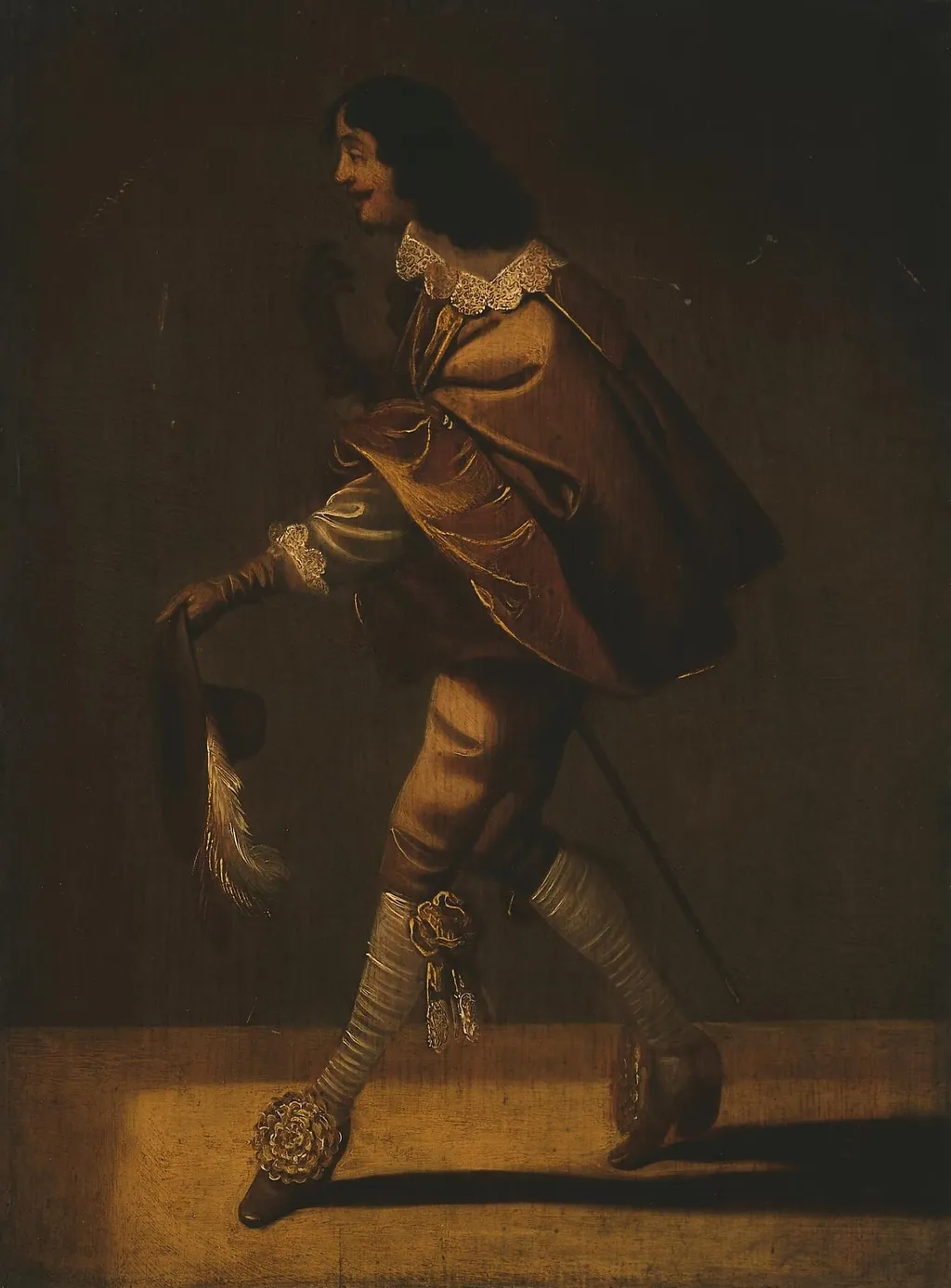
Cavalier Greeting a Lady (Cavalier with a Hat) is an oil painting by the Dutch Golden Age artist Jacob van der Merck. It dates from 1659 and is held in the collection of the Hermitage Museum.
About this work
Overview
The painting belongs to the genre of Dutch interior scenes from the mid-seventeenth century, emphasizing quiet dignity over narrative drama.
Painted in 1659 by Jacob van der Merck, this oil-on-canvas work depicts a solitary gentleman in aristocratic attire, captured mid-gesture as if pausing to acknowledge an unseen presence. The painting belongs to the genre of Dutch interior scenes from the mid-seventeenth century, emphasizing quiet dignity over narrative drama. It is currently housed in the State Hermitage Museum in Saint Petersburg.
Subject & Meaning
The figure, dressed in a dark coat with gold embroidery and white stockings, holds a hat in his left hand while seated on a plain wooden bench. His expression is composed, neither smiling nor frowning, suggesting a moment of restrained social formality. The feather in his belt and the fine fabric imply status, yet the absence of a companion shifts focus to individual poise rather than interaction, evoking themes of solitude and self-possession.
Technique & Style
Van der Merck employs strong chiaroscuro to isolate the figure against a deep, unmodulated background, heightening the three-dimensionality of the coat, hat, and face. Brushwork is precise in rendering textures—gold trim, feather barbs, and linen undergarments—while the background remains deliberately flat. The lighting falls sharply from the upper left, modeling the contours of the body and emphasizing material richness without ornamentation.
History & Provenance
The painting entered the Hermitage collection in the eighteenth century, likely acquired during the expansion of Russian imperial holdings in European art. Its attribution to Jacob van der Merck, a lesser-known Dutch painter active in the 1650s, was confirmed through stylistic comparison and archival records. No earlier ownership records are documented, suggesting it may have passed through private Dutch collections before reaching Russia.
Context
Created during the Dutch Golden Age, the work reflects the era’s fascination with individual character and refined domesticity. Unlike grand portraits, this piece belongs to the quieter tradition of genre scenes that elevated ordinary moments of leisure and etiquette. The emphasis on clothing and gesture aligns with contemporary Dutch interest in social nuance, where attire signaled identity more than overt symbolism.
Legacy
Though not widely reproduced, the painting remains a representative example of mid-century Dutch portraiture that prioritizes psychological restraint over theatricality. It contributes to scholarly understanding of how minor artists interpreted aristocratic demeanor within domestic settings. Its preservation in a major public collection ensures continued study of subtle visual cues in early modern Dutch society.
Own this work as a print
Artist & collection

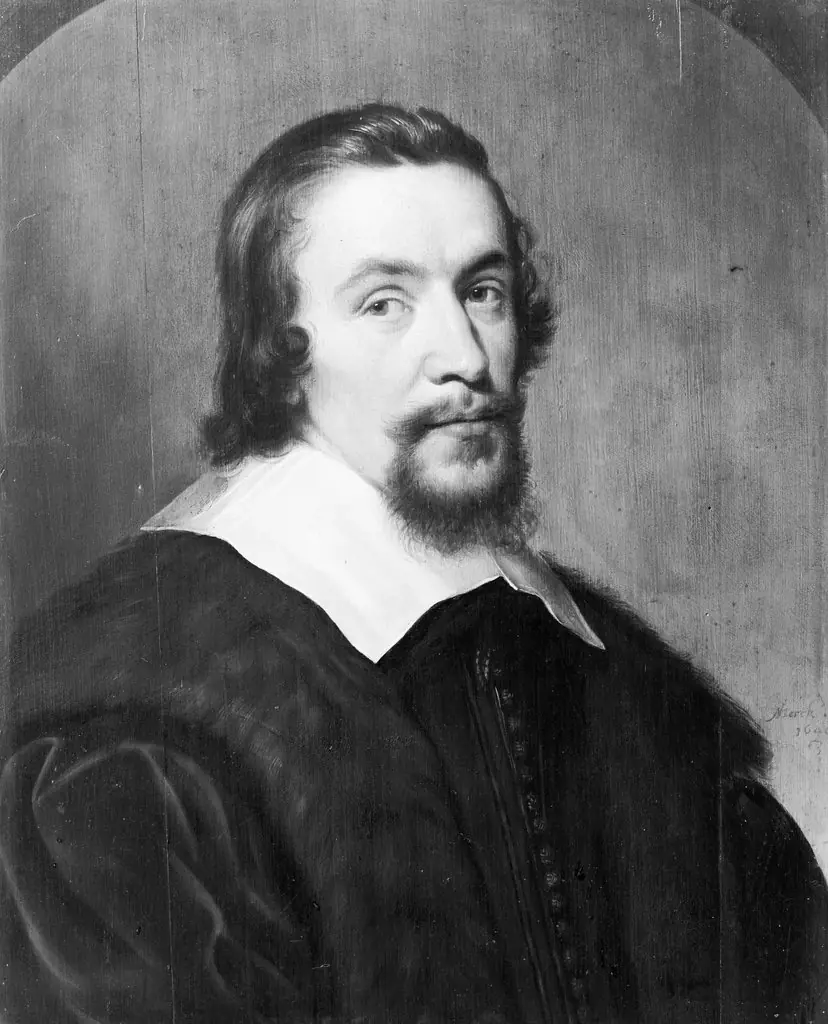
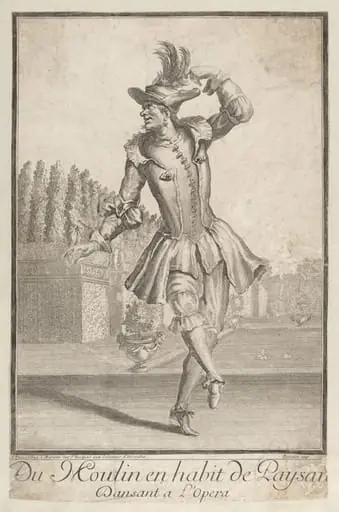 H Beard Print Collection
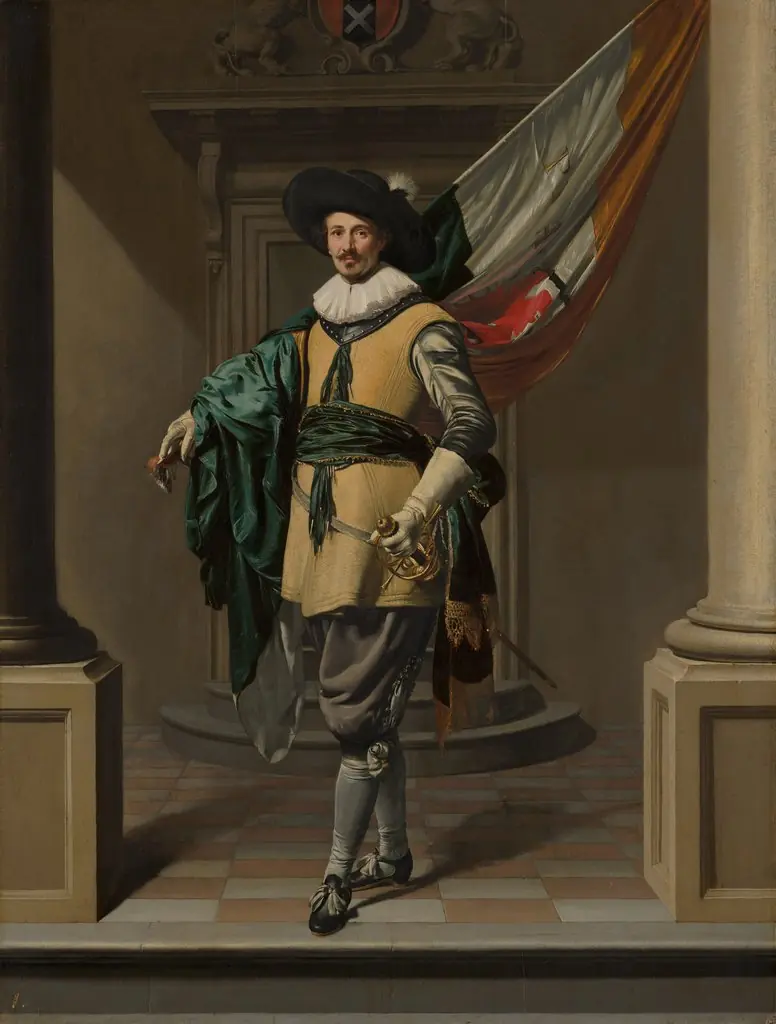 Portrait of Loef Vredericx (1590-1668) as an Ensign
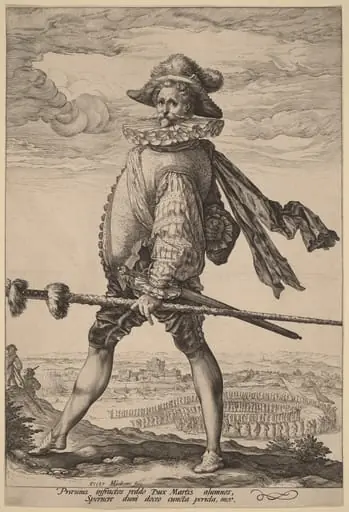 The Captain of the Infantry
 Portrait of a Gentleman
 Indifferent (L'Indifférent)
 Don Tiburcio de Redín
 Officers and Soldiers of the Bodyguard of Emperor Rudolf II: Sergeant
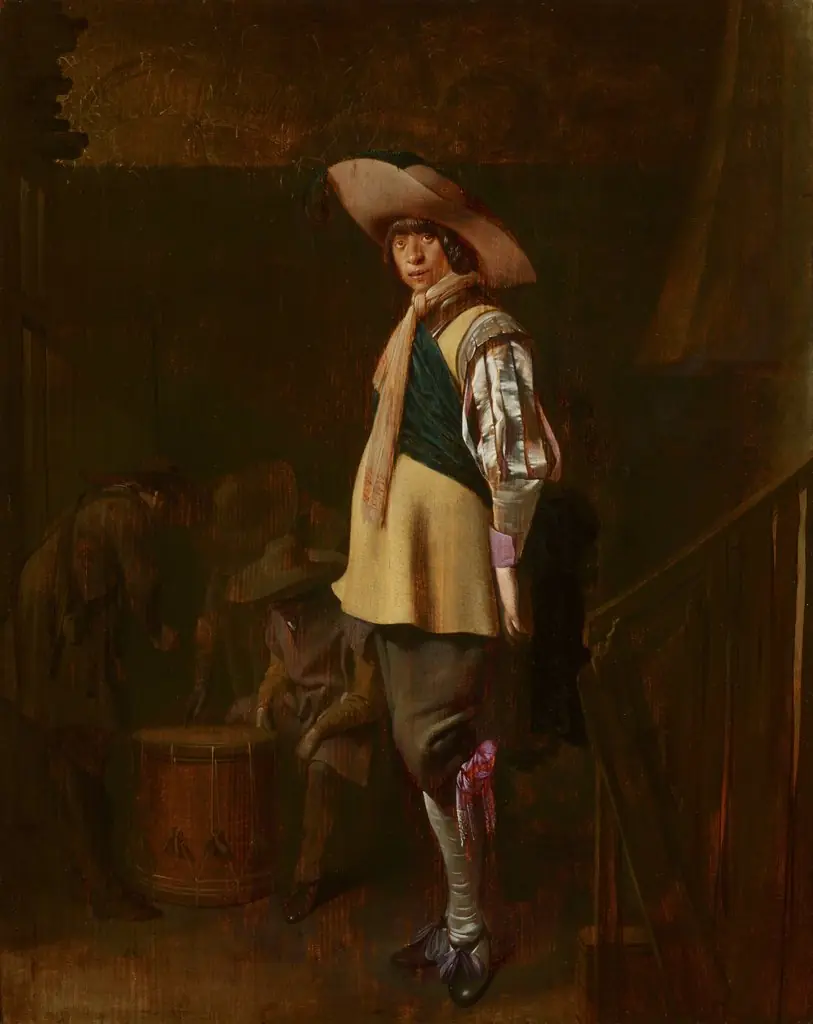 Officer, Standing
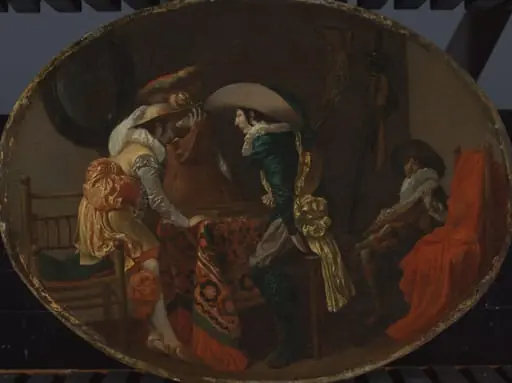 Untitled
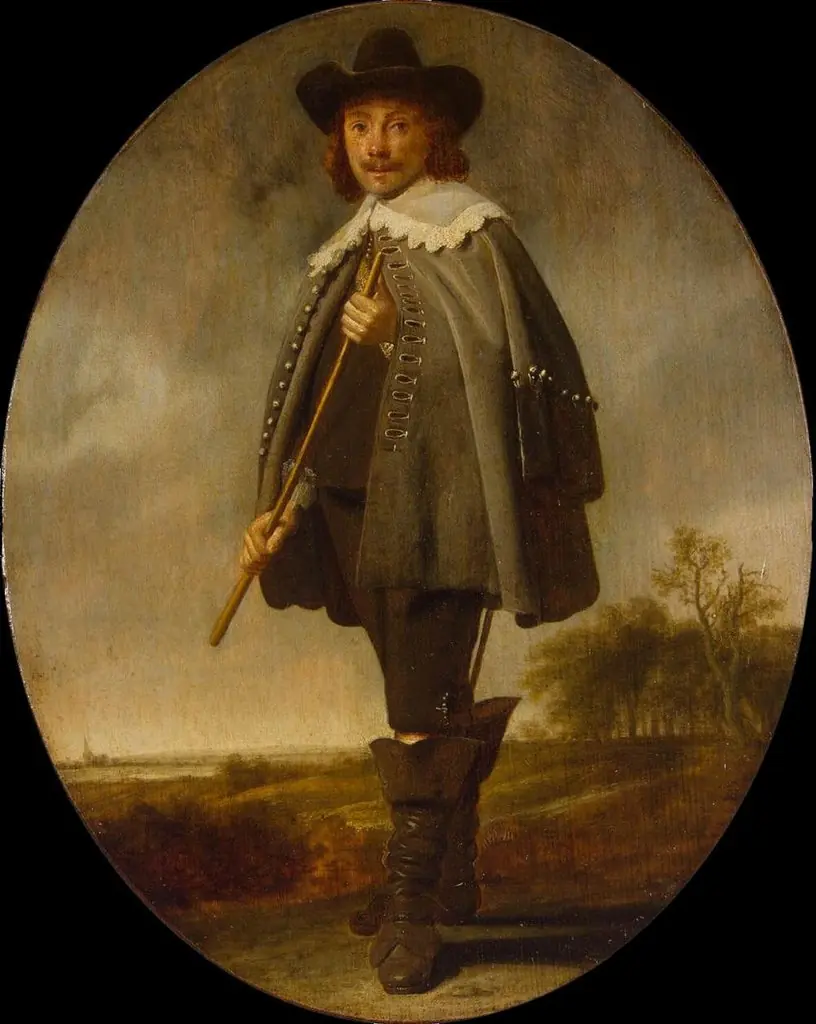 Officer in the Landscape (Portrait of a Man)
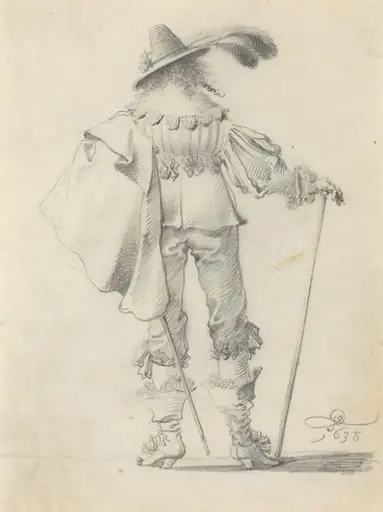 Gentleman Seen from Behind
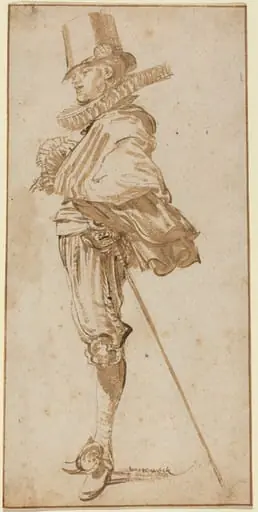 Standing Cavalier Wearing a Sword