Artwork
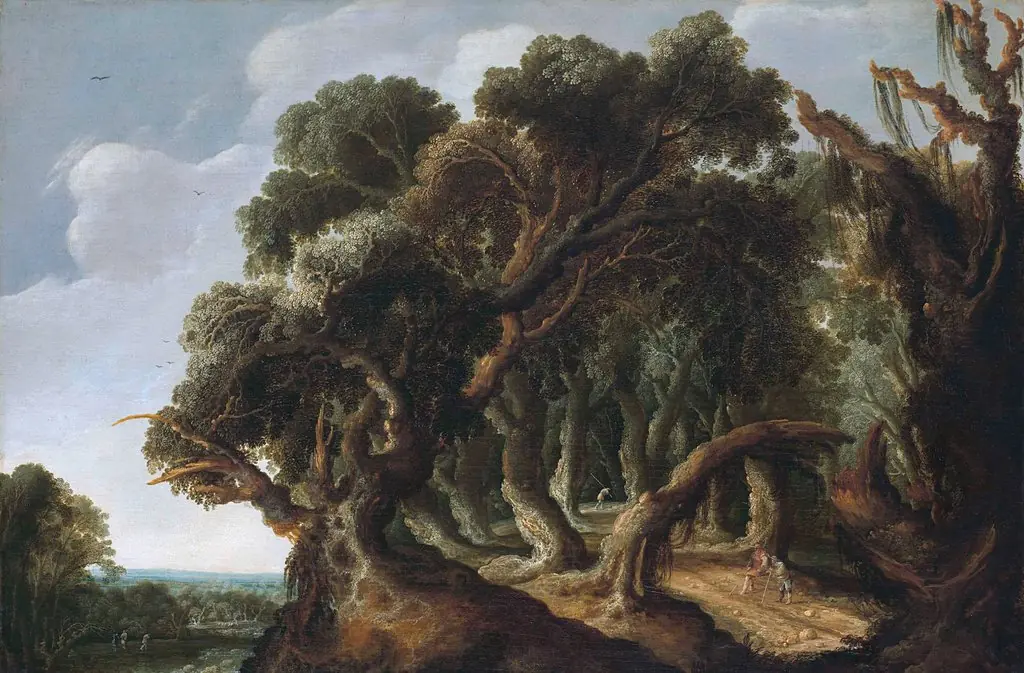
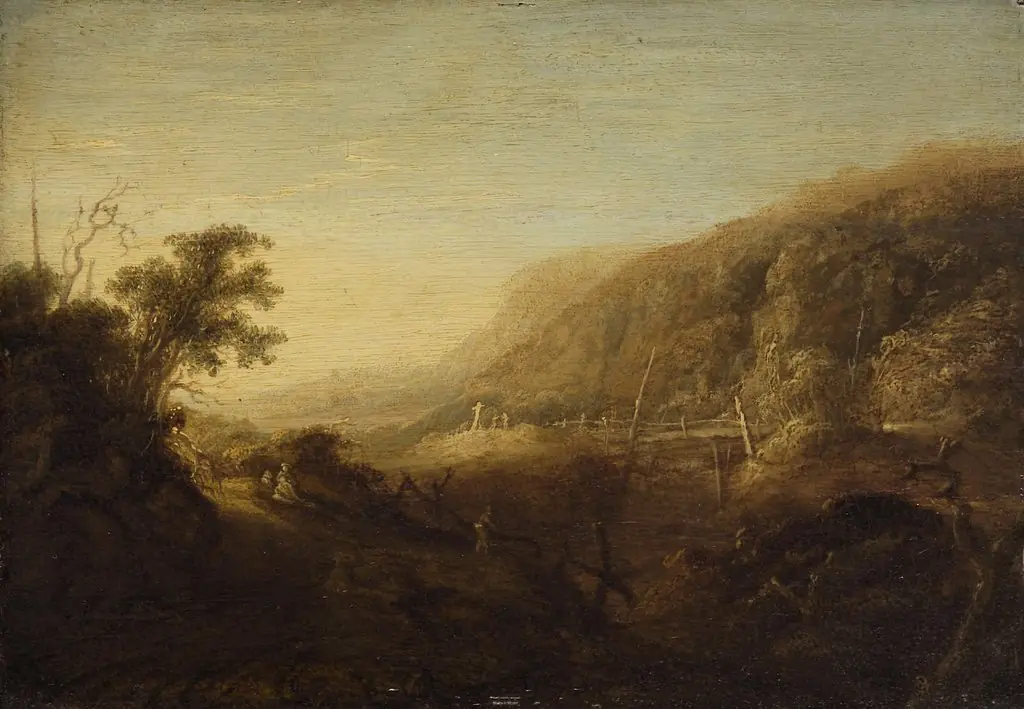
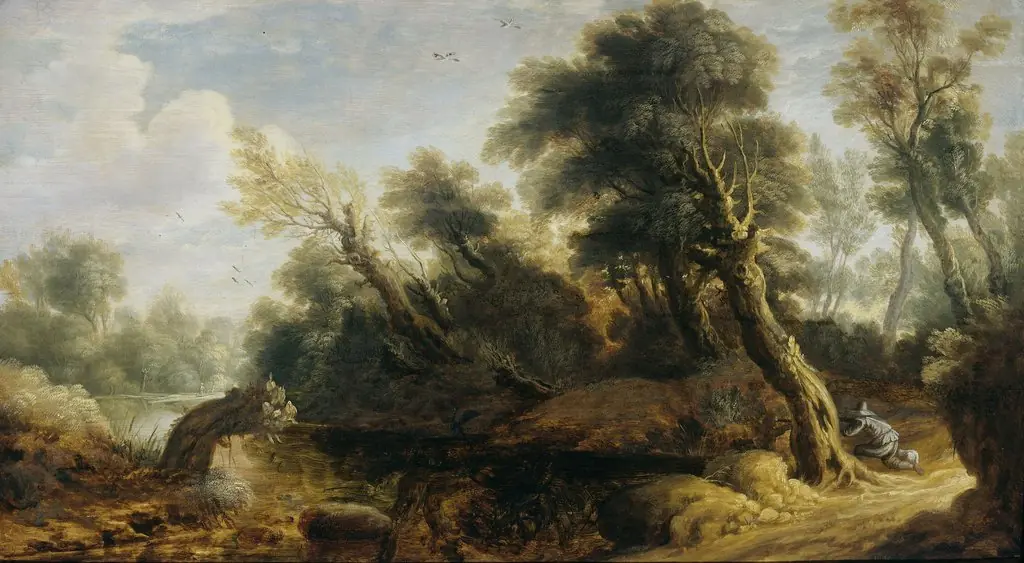
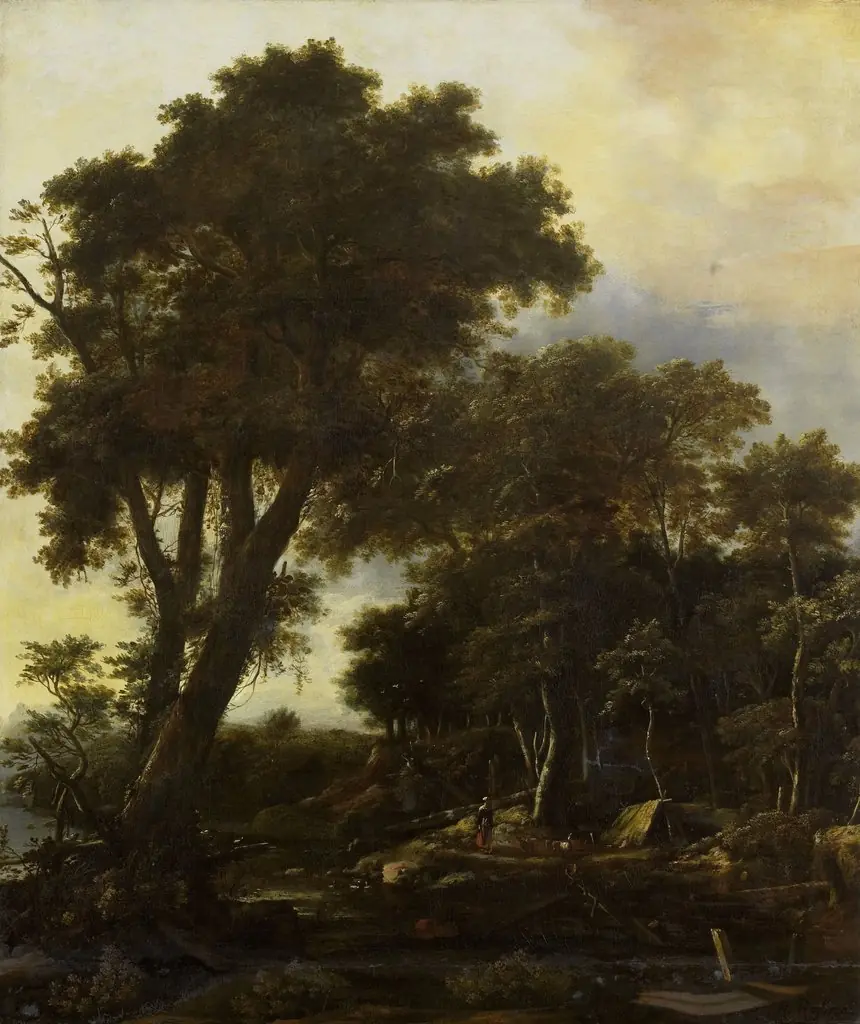
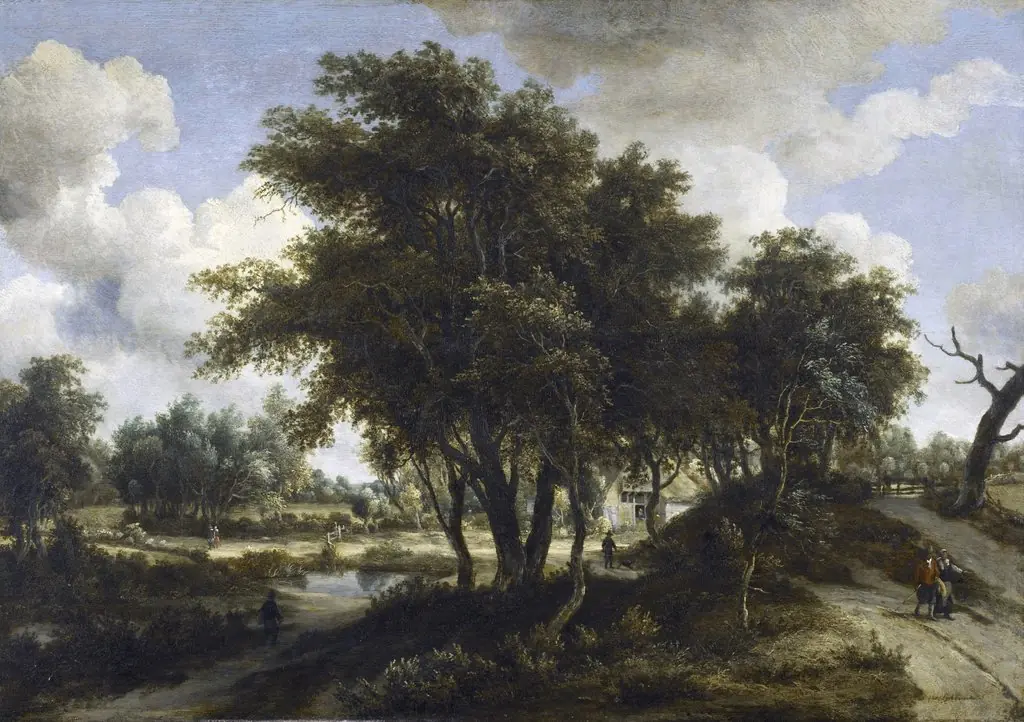
Forest Landscape with Elias and Zapath's Widow
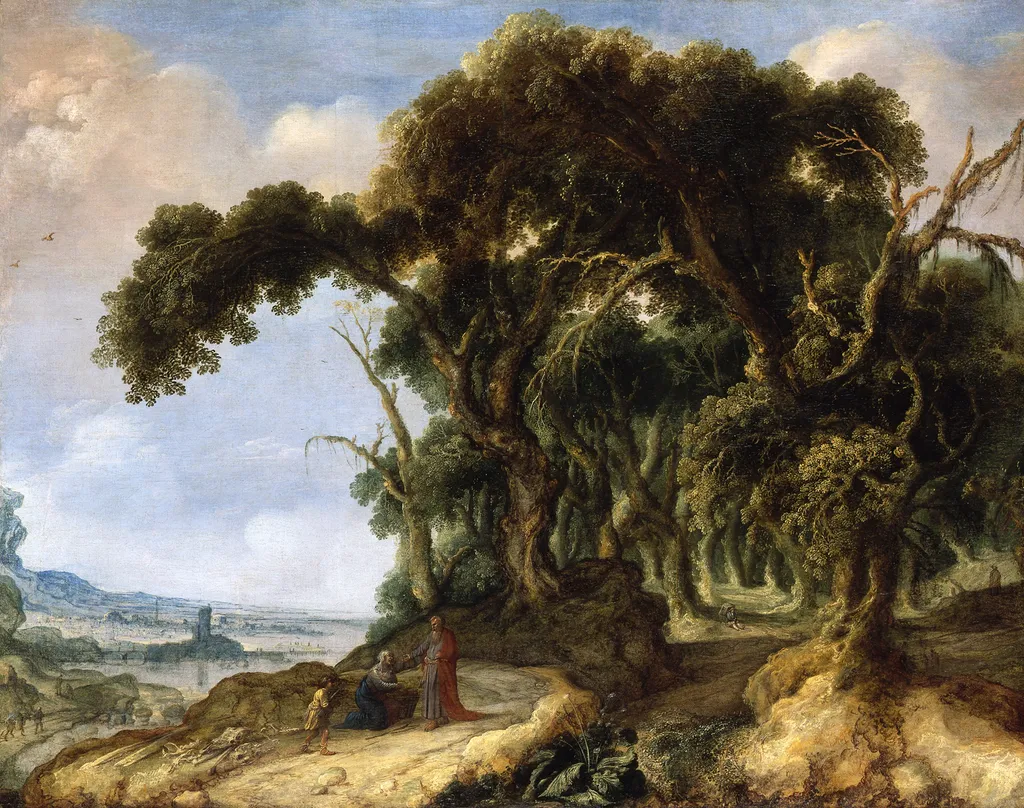
Forest Landscape with Elias and Zapath's Widow is a paint painting by the Dutch Golden Age artist Jacob van Geel. It dates from 1638 and is held in the collection of the Gemäldegalerie Berlin.
About this work
Overview
Painted in 1638 by Jacob van Geel, this landscape depicts a quiet woodland scene populated by a small group of figures. The work resides in the Gemäldegalerie, Berlin, and exemplifies Dutch seventeenth-century landscape painting. Though rooted in naturalism, the composition integrates human presence as a subtle narrative element rather than a dominant theme.
Subject & Meaning
The central figure is a woman, identified as Zapath’s widow, surrounded by others in a forest clearing. Her placement suggests a moment of communal attention, possibly mourning or reflection. The biblical allusion to Elias and Zapath’s widow hints at themes of endurance and divine provision, though the setting remains secular, grounding the reference in everyday rural life.
Technique & Style
Van Geel employs delicate chiaroscuro to model forms within the dense foliage, using soft transitions between light and shadow to suggest depth. Brushwork is precise yet unobtrusive, capturing the texture of bark, grass, and fabric without overt stylization. The sky, lightly rendered with diffuse clouds, balances the weight of the trees and directs focus toward the central group.
History & Provenance
The painting entered the Gemäldegalerie Berlin’s collection in the early nineteenth century, likely through the acquisition of private holdings from Prussian nobility. Its attribution to Jacob van Geel has remained consistent since its cataloging, with no evidence of significant alteration or reattribution over time.
Context
Created during the Dutch Golden Age, the work reflects a broader trend of landscape painting that elevated ordinary natural settings as subjects worthy of careful observation. While religious narratives were common in art, van Geel’s integration of biblical allusion into a quiet, non-dramatic scene aligns with the period’s preference for understated moral resonance.
Legacy
Though not widely reproduced, the painting contributes to the understanding of Jacob van Geel’s role in the development of Dutch landscape painting. Its restrained narrative and attention to atmospheric detail influenced later artists who sought to merge naturalism with subtle human presence, avoiding theatricality in favor of quiet contemplation.
Own this work as a print
Artist & collection