Artwork
Portrait of a man
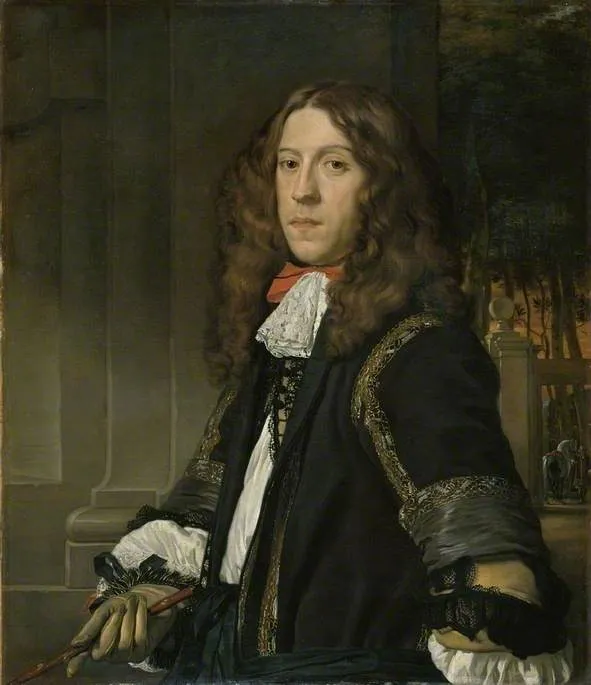
Portrait of a man is an oil painting by Abraham Lambertsz van den Tempel. It dates from 1670 and is held in the collection of the Fitzwilliam Museum.
About this work
Overview
Abraham Lambertsz van den Tempel’s oil portrait, dated 1670, presents a solitary male figure rendered in a restrained palette. The work is part of the Fitzwilliam Museum’s collection, where it is displayed among other Dutch seventeenth‑century paintings. Its composition centers on the sitter, whose posture and accessories convey a formal presence typical of the period’s portraiture.
Subject & Meaning
The subject is a gentleman with long, wavy brown hair, attired in a black coat trimmed in gold and white lace cuffs, a white shirt, and a red bow tie. He holds a cane in his right hand, a common symbol of status and authority in the Dutch Golden Age, suggesting the sitter’s elevated social rank.
Technique & Style
Van den Tempel employs chiaroscuro to model the figure, using strong contrasts between the illuminated face and the darkened background. The subtle rendering of fabric textures—particularly the sheen of gold trim and the delicate lace—demonstrates the artist’s skill in depicting material richness. The composition’s limited depth focuses attention on the sitter’s expression and attire.
History & Provenance
Created in 1670, the portrait entered the Fitzwilliam Museum’s holdings through acquisition in the early twentieth century, though earlier ownership records are sparse. Its presence in the museum’s collection reflects the institution’s broader commitment to representing Dutch portraiture of the seventeenth century, providing insight into the era’s visual culture.
Artist & collection
Artist
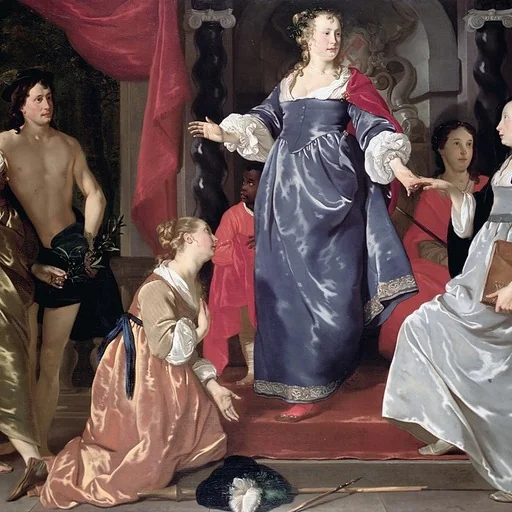
Abraham Lambertsz van den Tempel
Abraham Lambertsz van den Tempel (1622–1672) was an artist, born in Leeuwarden.

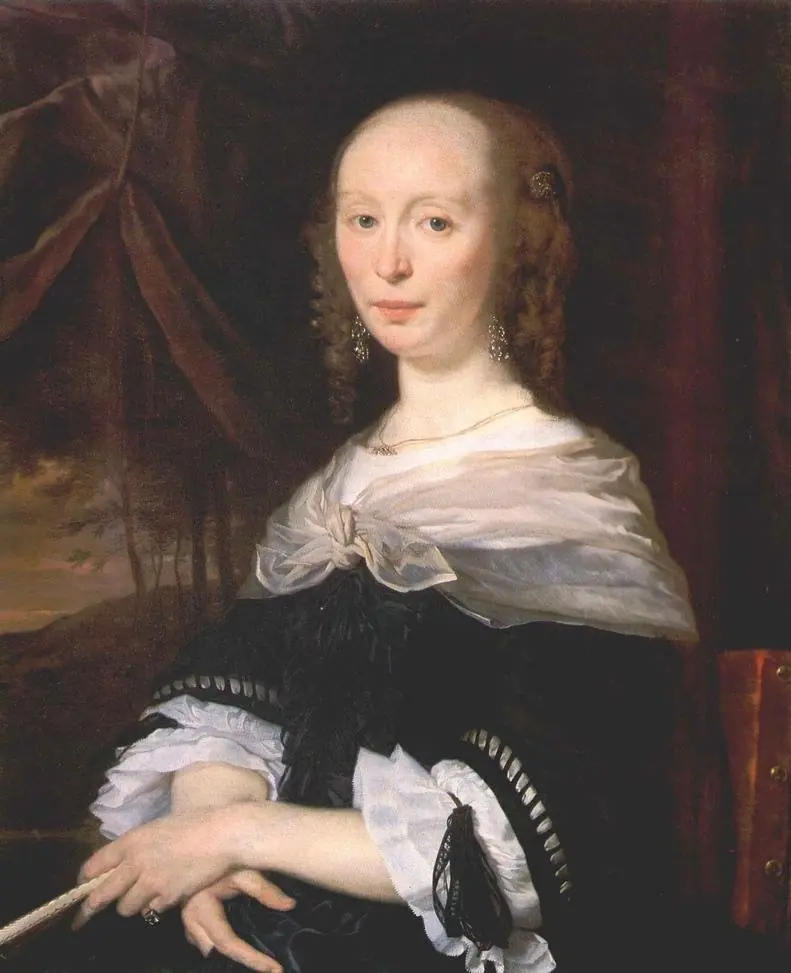
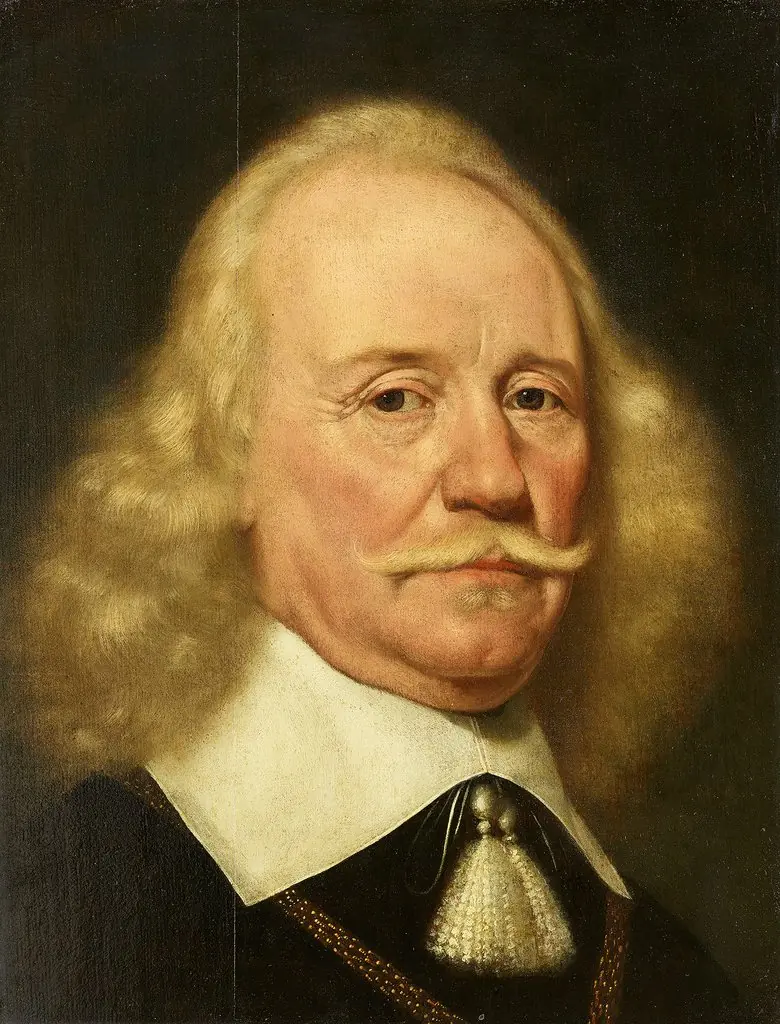
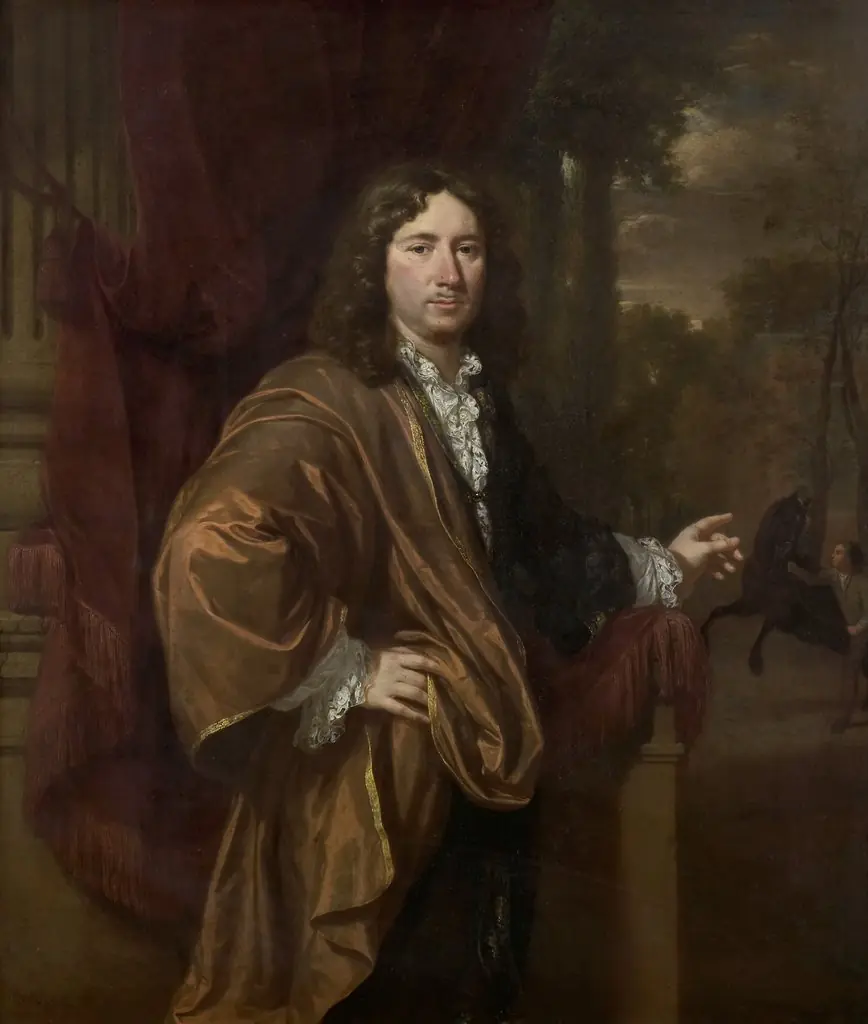 Portrait of a Man
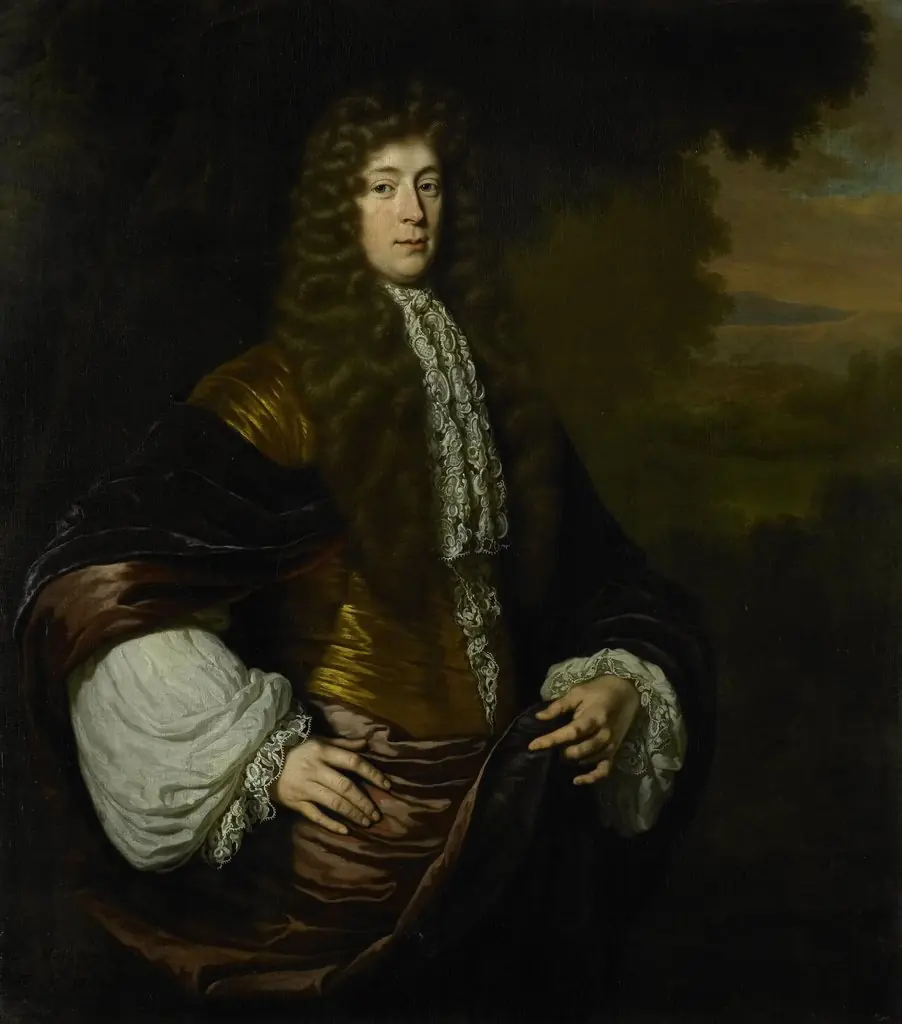 Portrait of Hendrick Bicker (1649 - 1718), burgomaster of Amsterdam
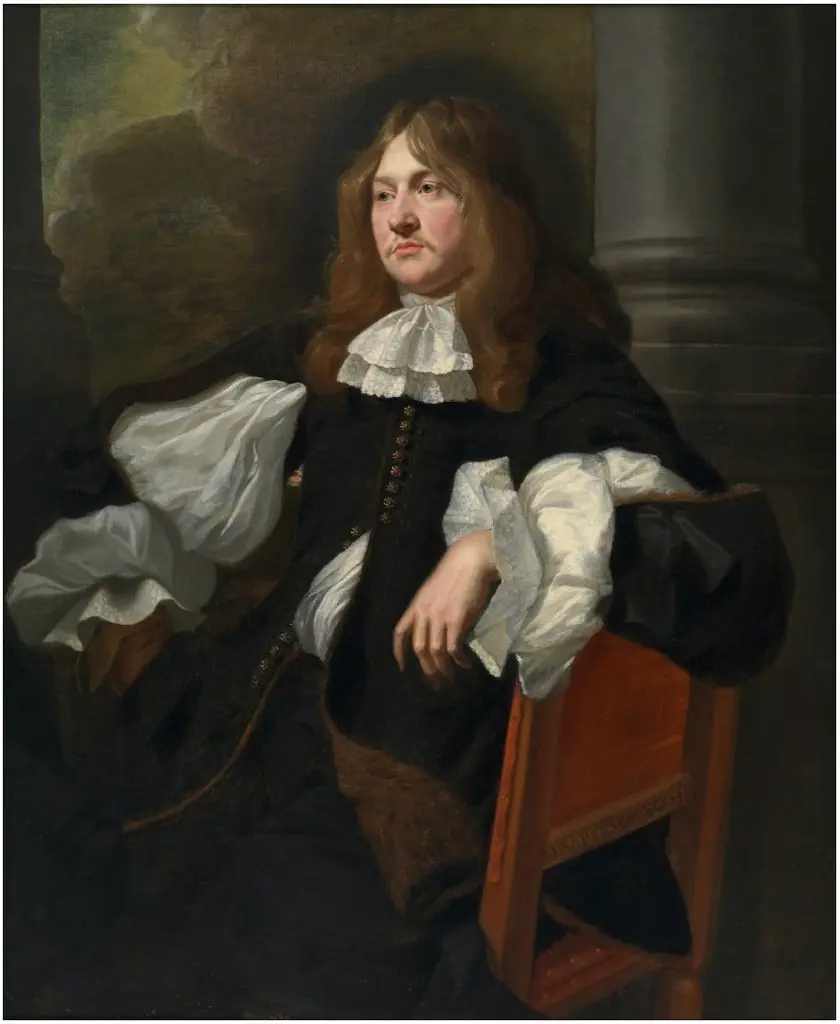 Portrait of Edward Hyde
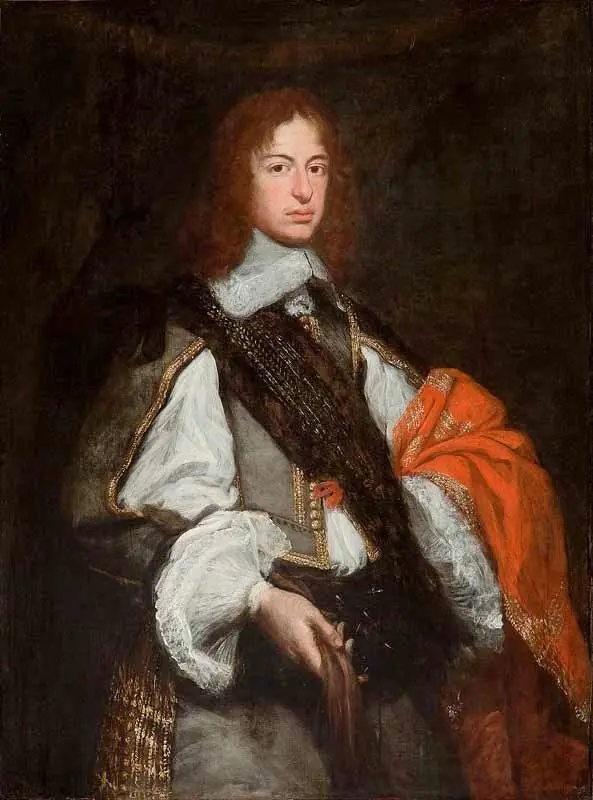 Portrait of Francesco de' Medici (1614-1634)
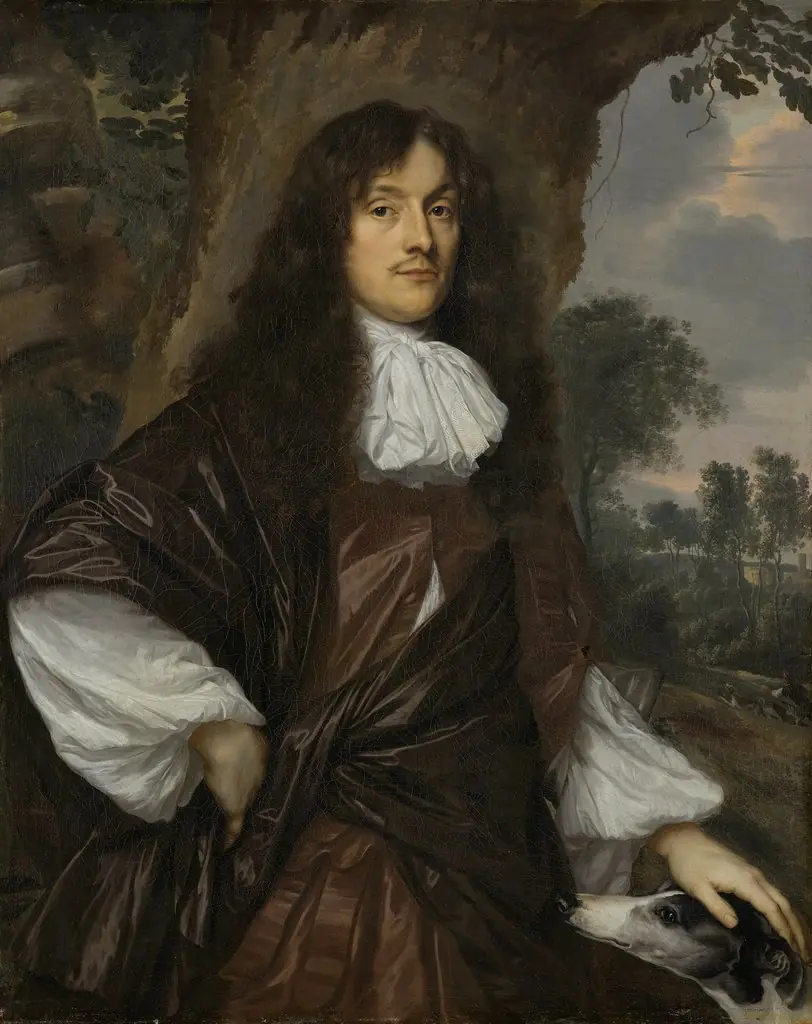 Jacob de Witte (1628-79), lord of Haamstede
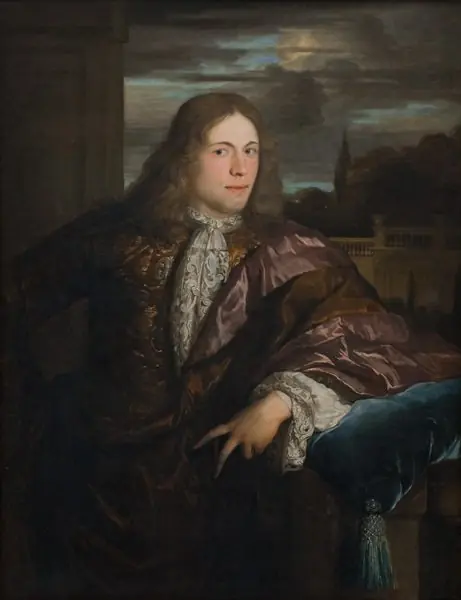 Portrait of a Young Gentleman
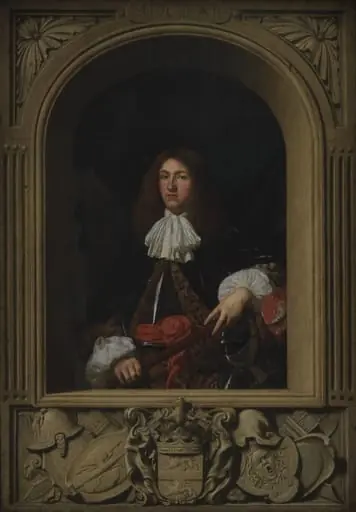 Portrait of Count Ulrik Frederik Gyldenløve
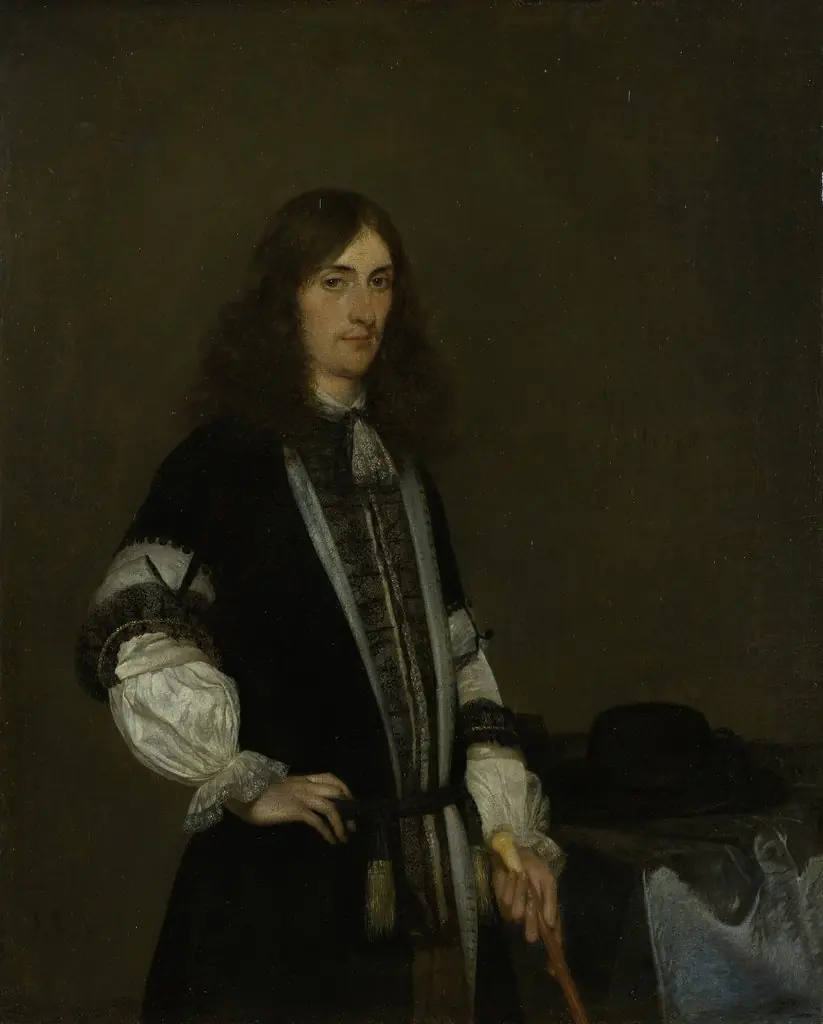 Portrait of François de Vicq (1646-1707). Burgomaster of Amsterdam for several terms from 1697 on
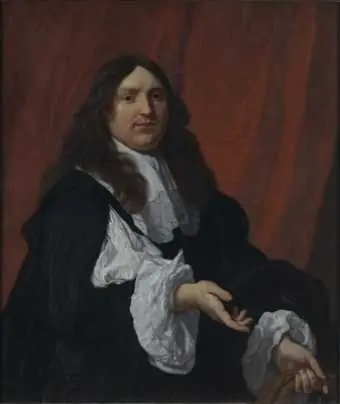 Portrait of a Man, 1664
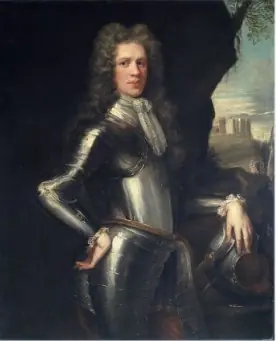 Portrait of a Gentleman, possibly Patrick Sarsfield (d.1693)
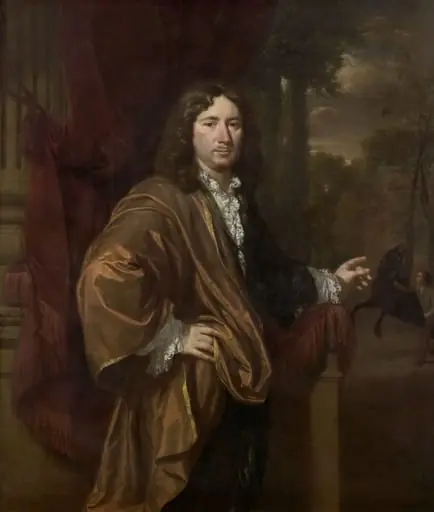 Portrait of a Man
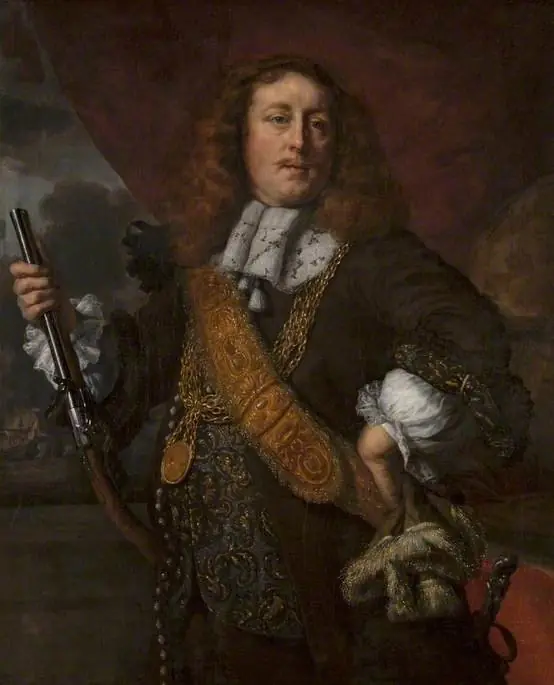 Portrait of Willem van der Zaan