Artwork
Portrait of a Young Man, presumably Louis Trip Jr (1638-1655)
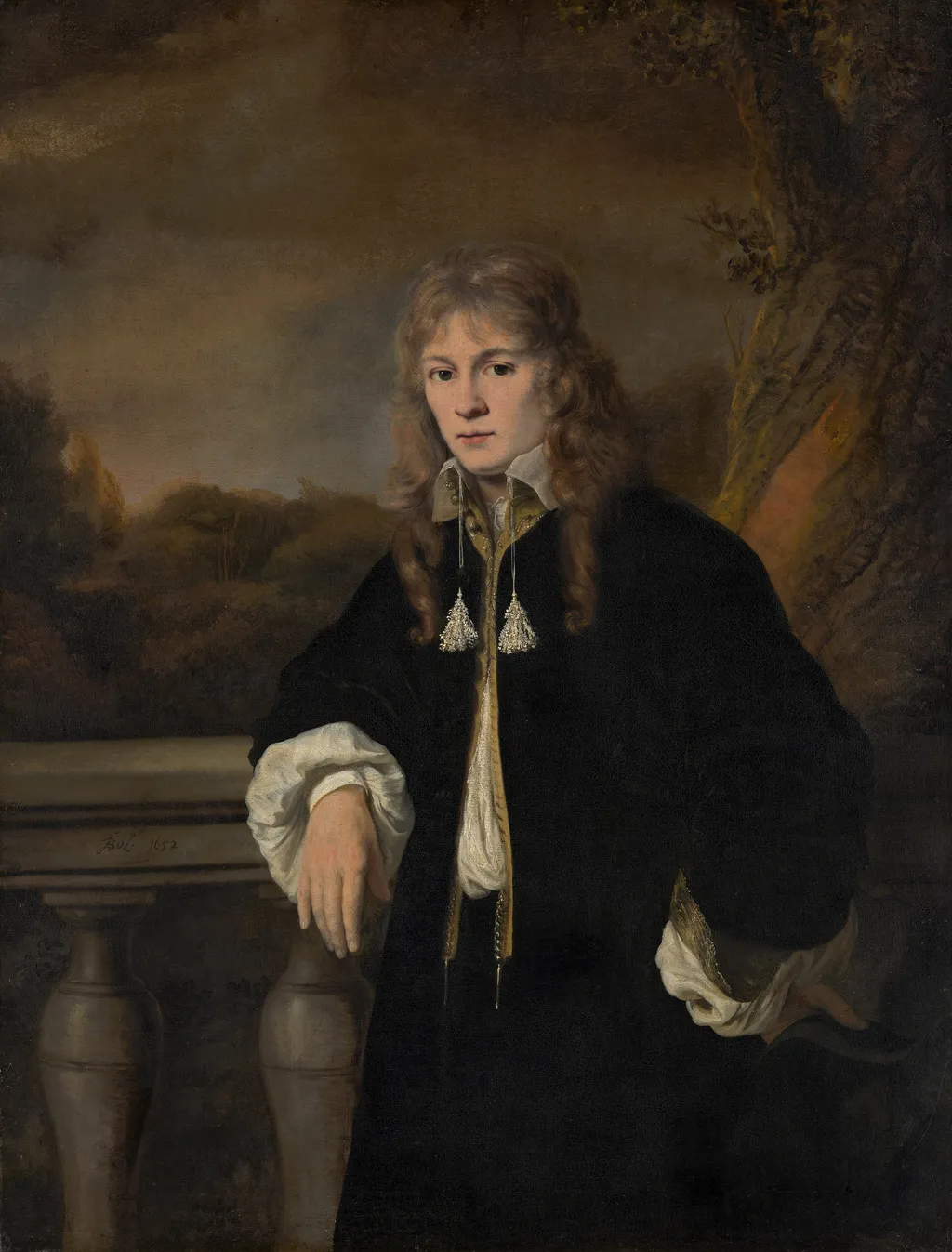
Portrait of a Young Man, presumably Louis Trip Jr (1638-1655) is an oil painting by the Dutch Golden Age artist Ferdinand Bol. It dates from 1652 and is held in the collection of the Mauritshuis.
About this work
Overview
Ferdinand Bol’s *Portrait of a Young Man, presumably Louis Trip Jr.* was executed in oil in 1652 during the Dutch Golden Age. The work is part of the Mauritshuis collection in The Hague and exemplifies Bol’s mature portraiture, produced after his apprenticeship with Rembrandt.
Subject & Meaning
The sitter is a youthful figure, likely the merchant Louis Trip Jr., identifiable by his refined dress and coiffure. He stands before a stone balustrade, his right hand resting on the railing, while his left hand is concealed within his coat, suggesting a poised, contemplative bearing typical of 17th‑century portraiture.
Technique & Style
Bol employs chiaroscuro to model the figure, contrasting the illuminated face and white shirt against the dark black coat with white cuffs. The subtle gradations of light create a three‑dimensional effect, while the background landscape, seen through the railing, adds depth without detracting from the sitter.
History & Provenance
After its creation, the portrait entered private collections before being acquired by the Mauritshuis, where it remains on display. Its attribution to Bol rests on stylistic links to his post‑Rembrandt period, when he adopted a more polished, courtly approach to portraiture.
Context
The painting reflects the social aspirations of the Dutch mercantile elite in the mid‑1600s, who commissioned portraits to assert status and taste. Bol’s training under Rembrandt is evident in the handling of light, yet the work also shows his own adaptation toward elegant, aristocratic representation.
Own this work as a print
Artist & collection
Artist
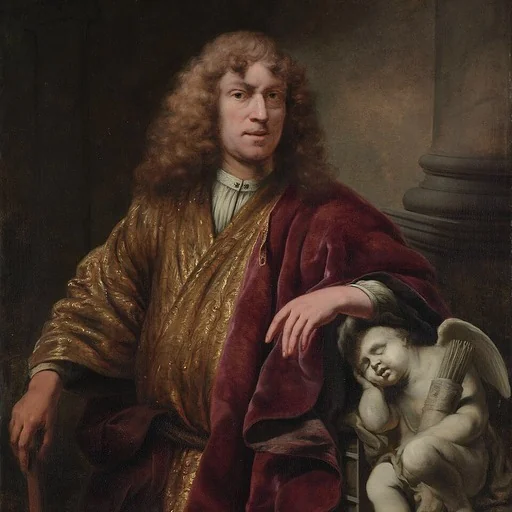
Ferdinand Bol (24 June 1616 - 24 August 1680) was a Dutch painter, etcher and draftsman.

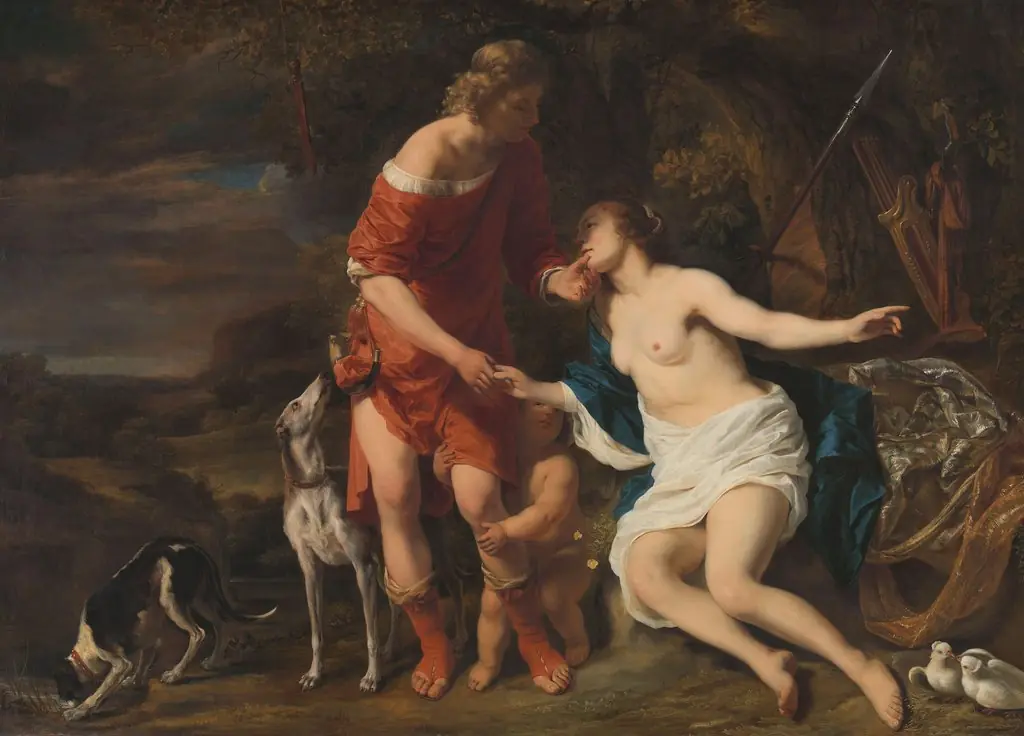 Venus and Adonis
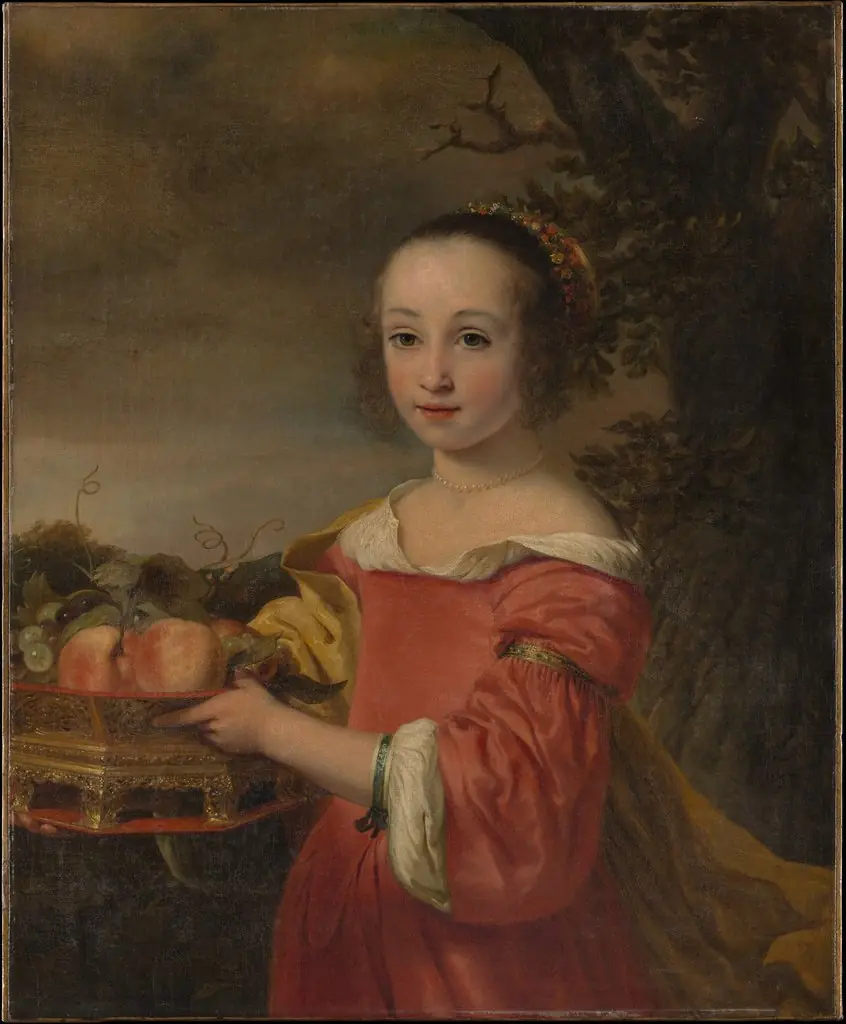 Petronella Elias (1648–1667) with a Basket of Fruit
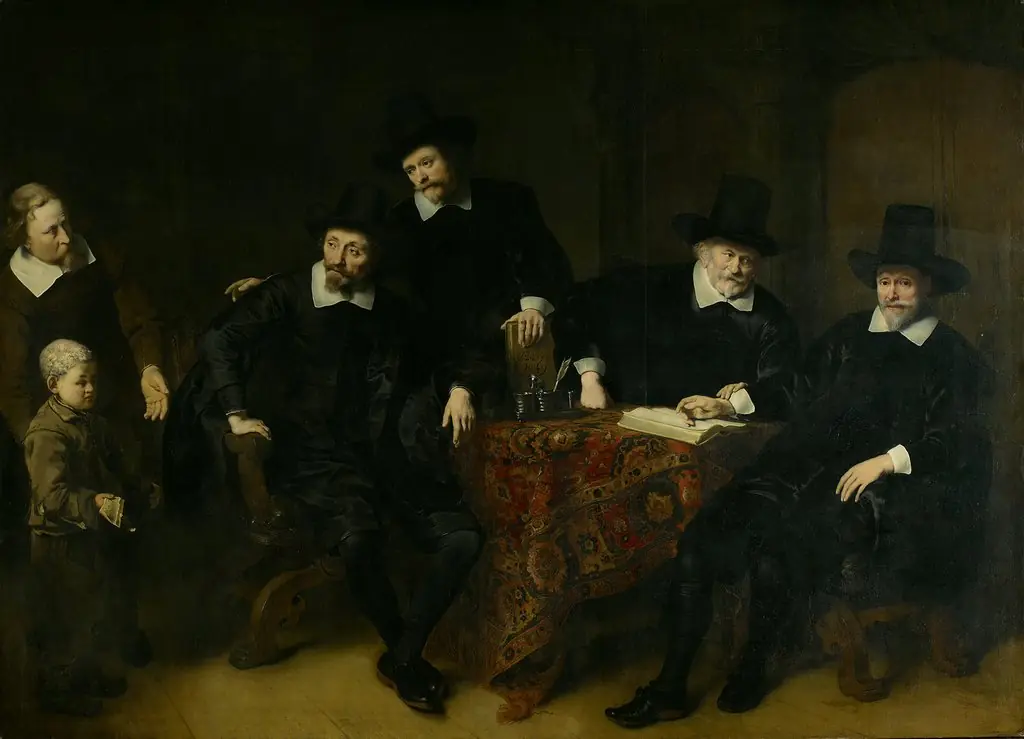 The Regents of the Leper's house in Amsterdam in 1649
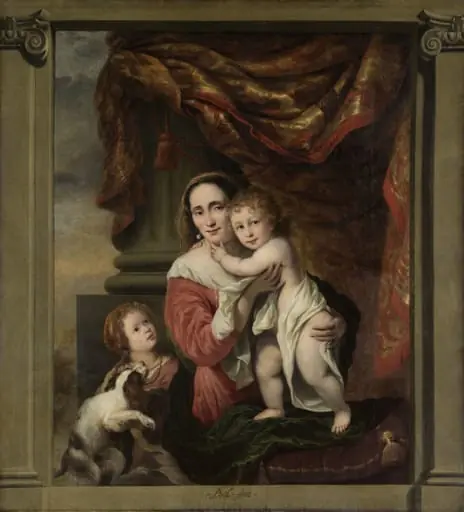 Caritas: Joanna de Geer (1629-1691) with her Children Cecilia Trip (1660-1728) and Laurens Trip (b. 1662)
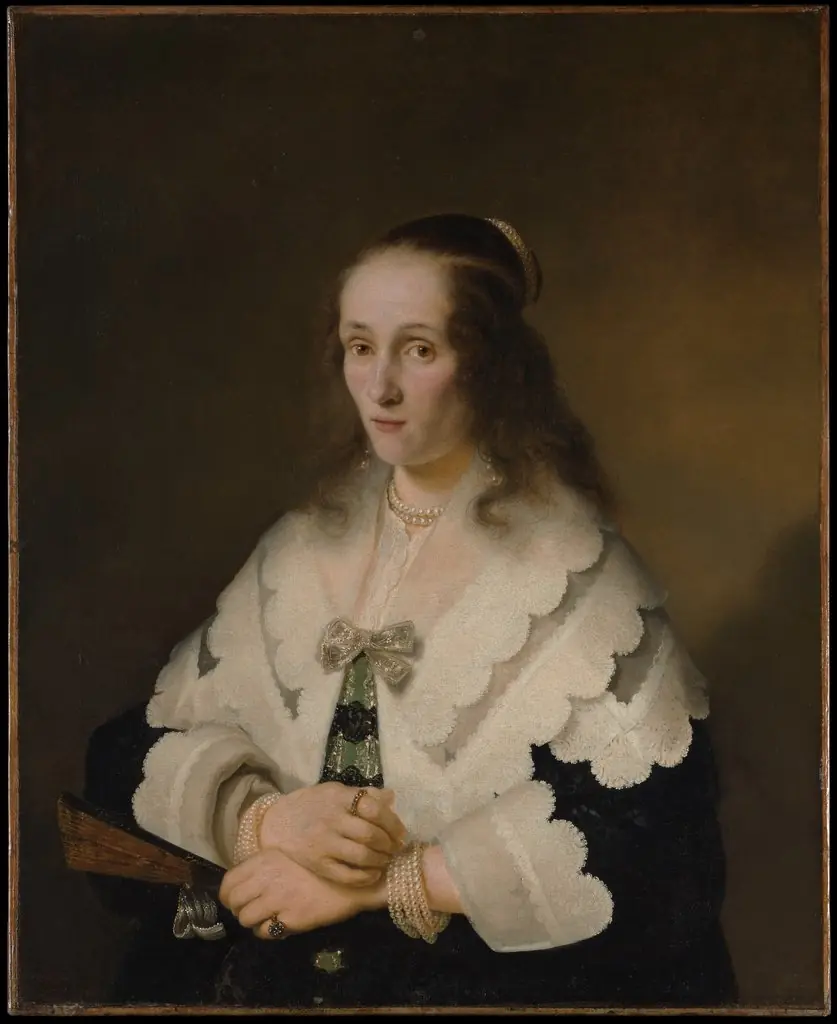 Portrait of a Woman
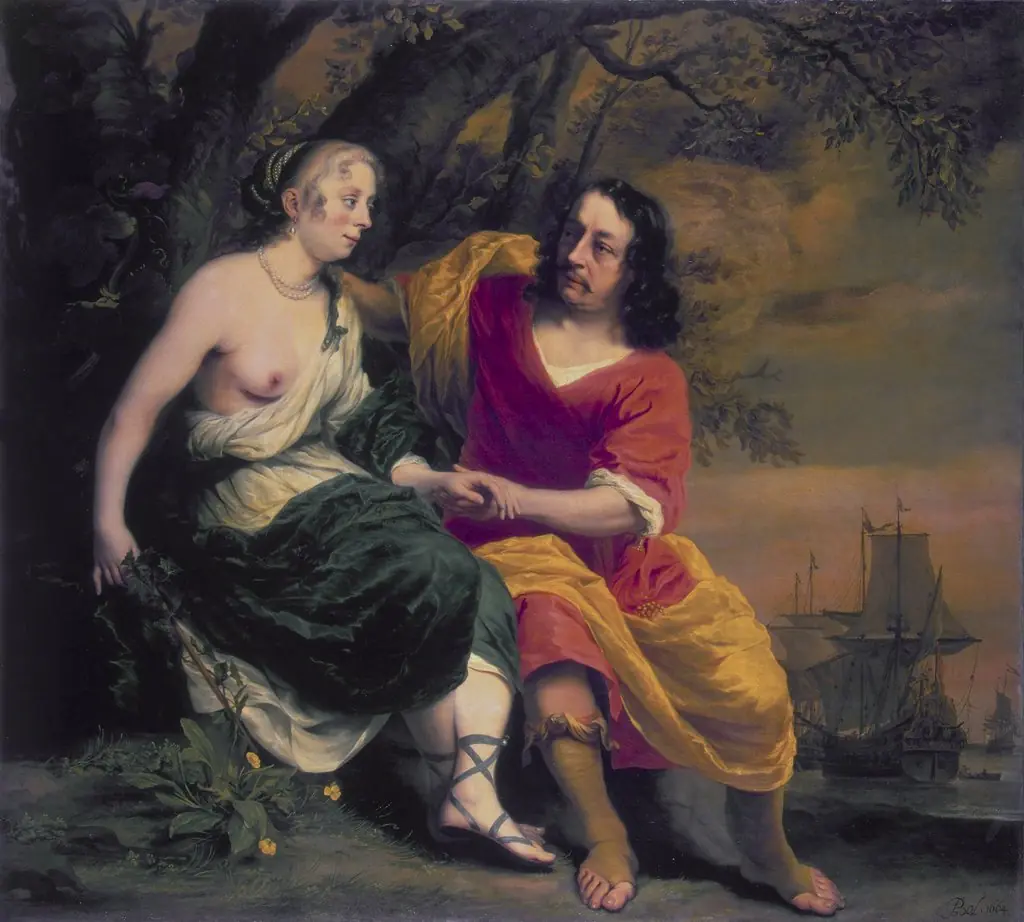 Bacchus and Ariadne
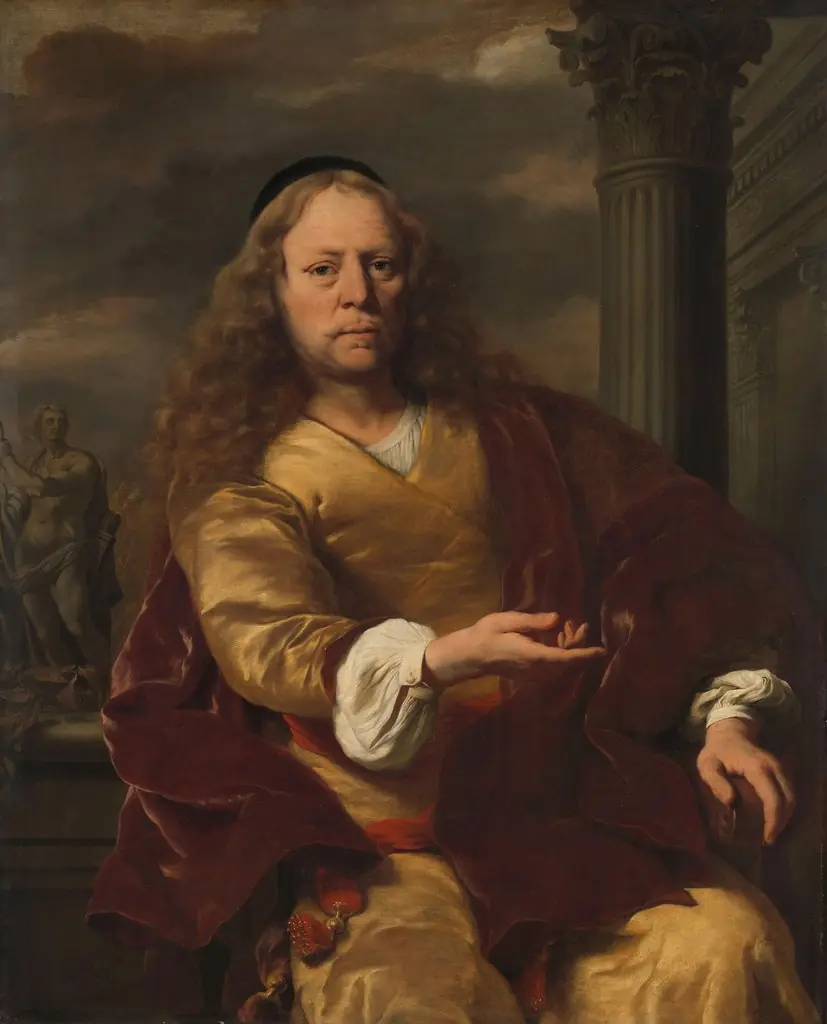 Portrait of a man
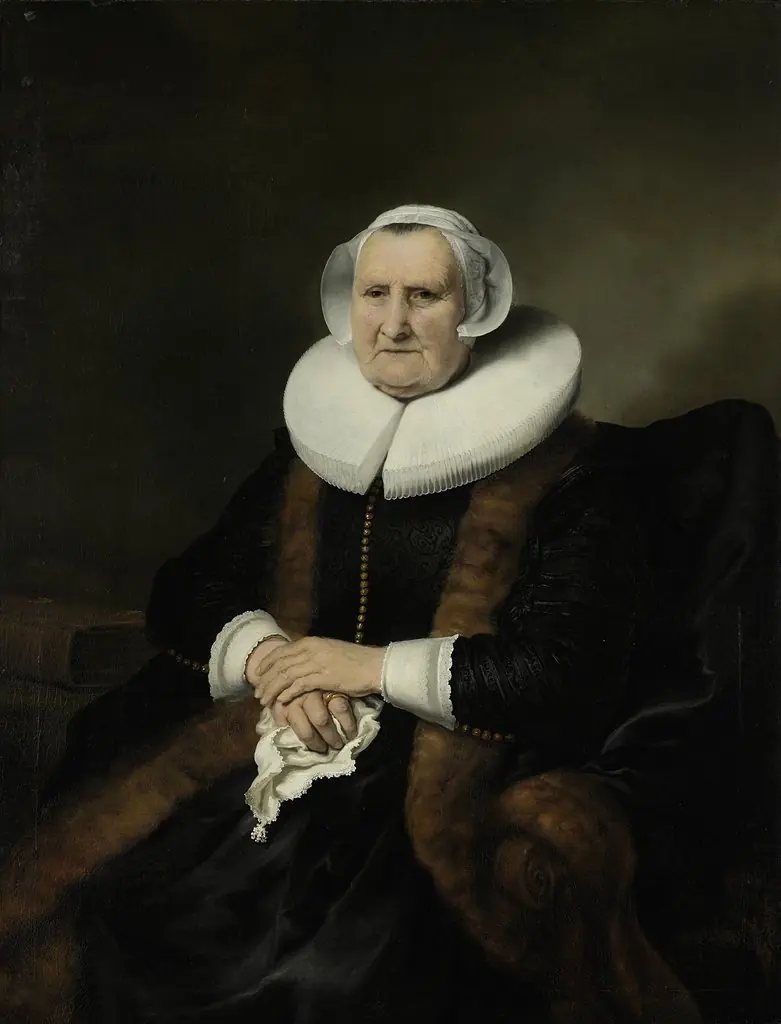 Portrait of an Old Lady, Possibly Elisabeth Bas
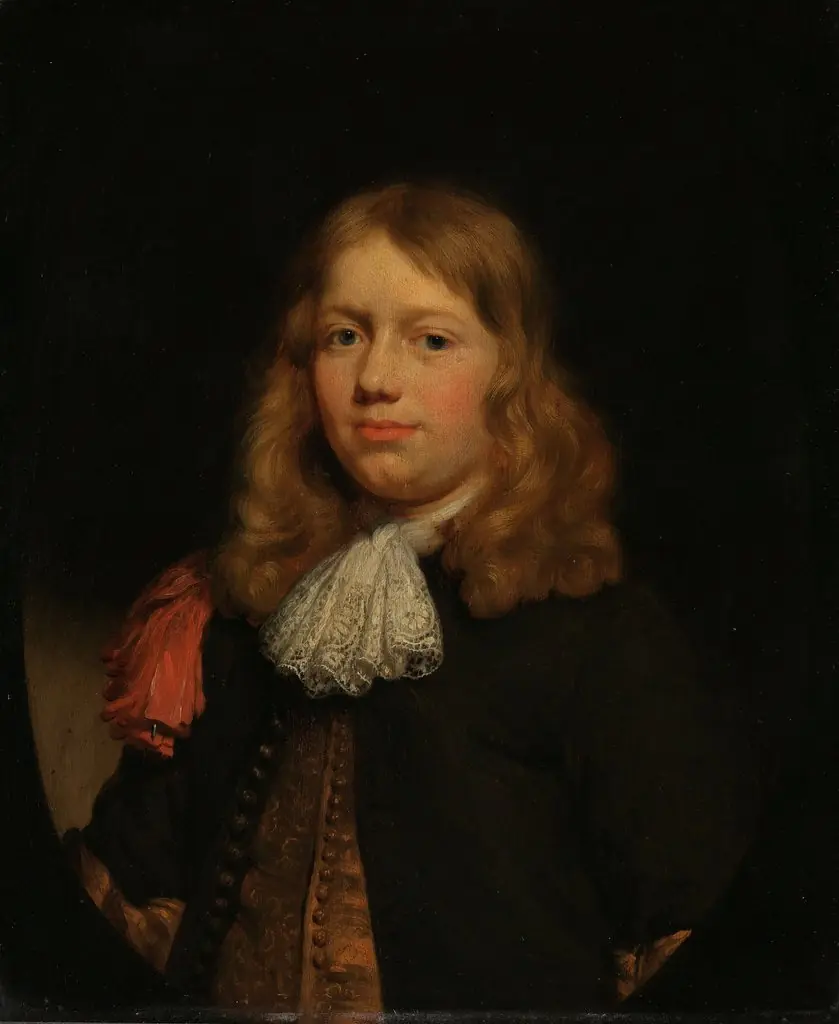 Portrait of a young man
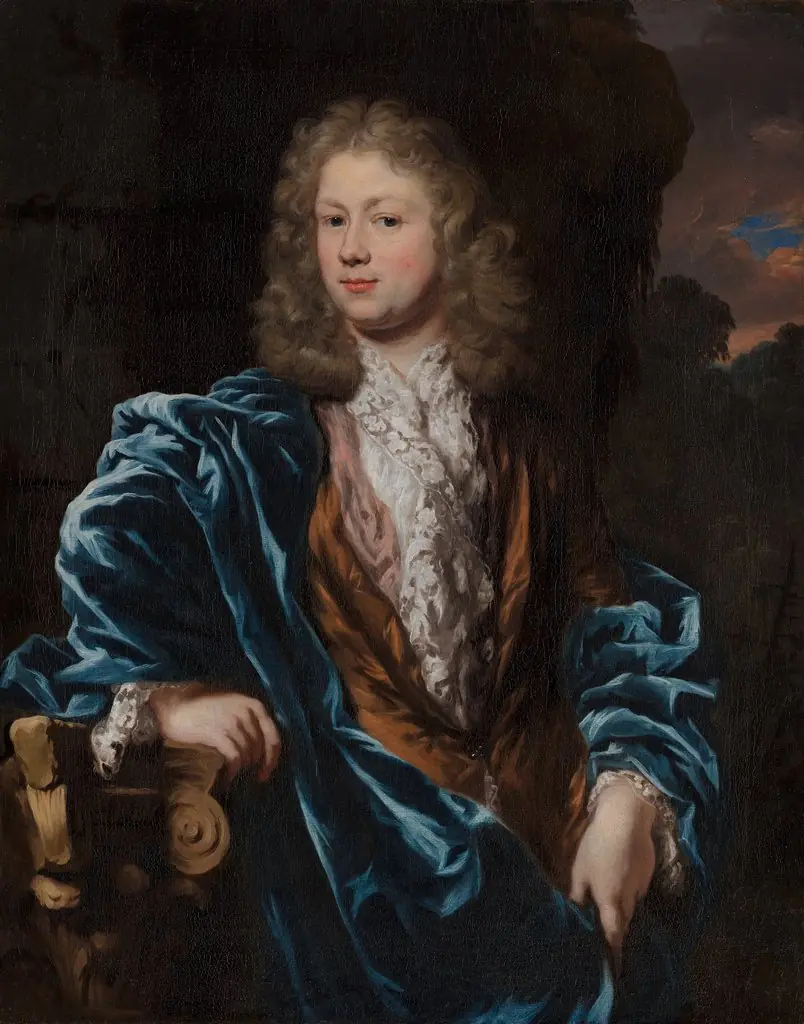 Portrait of Cornelis ten Hove
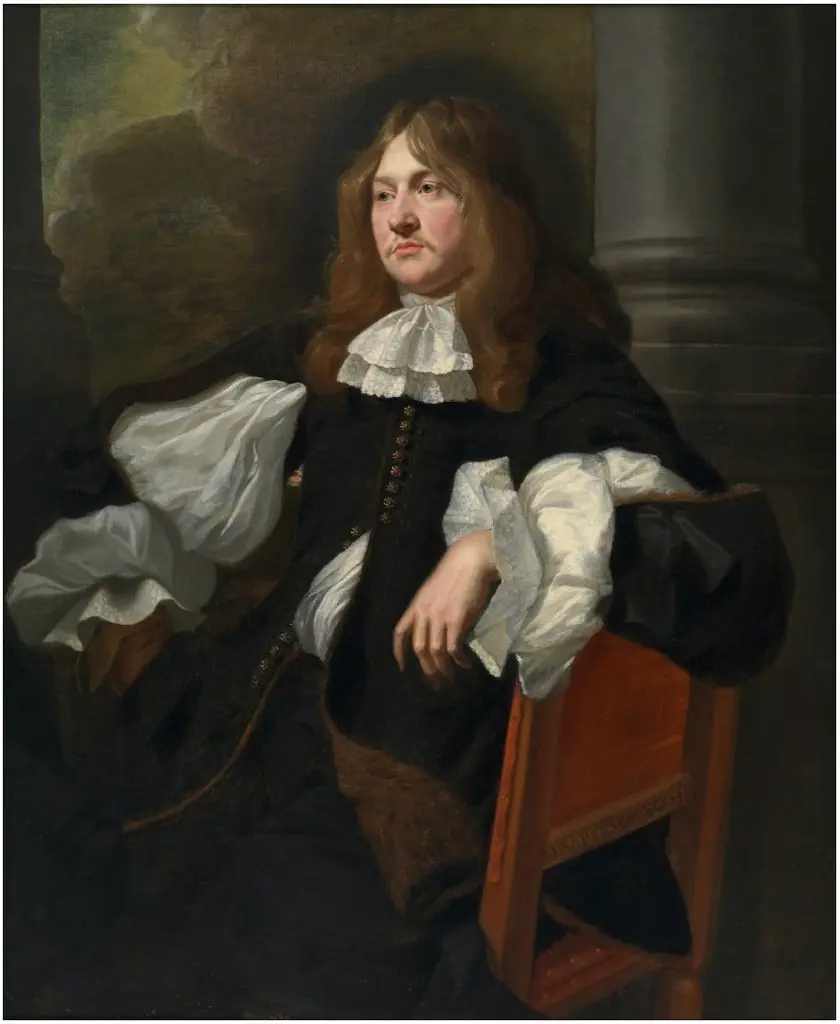 Portrait of Edward Hyde
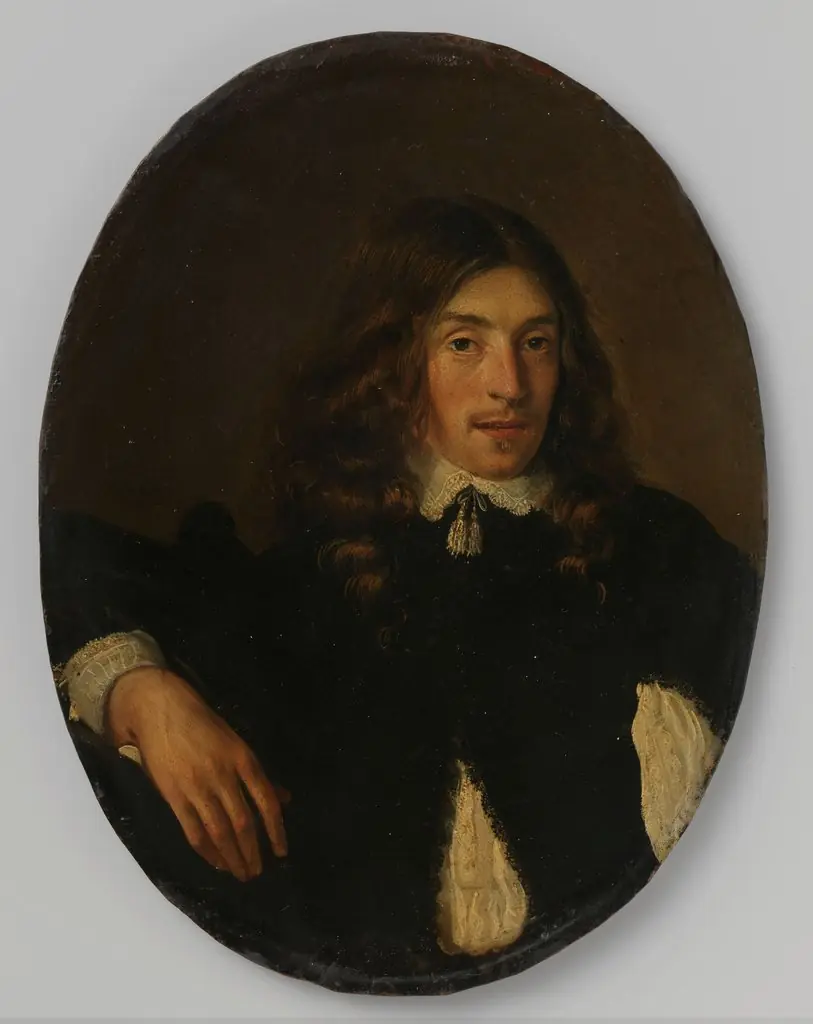 Portrait of a young man
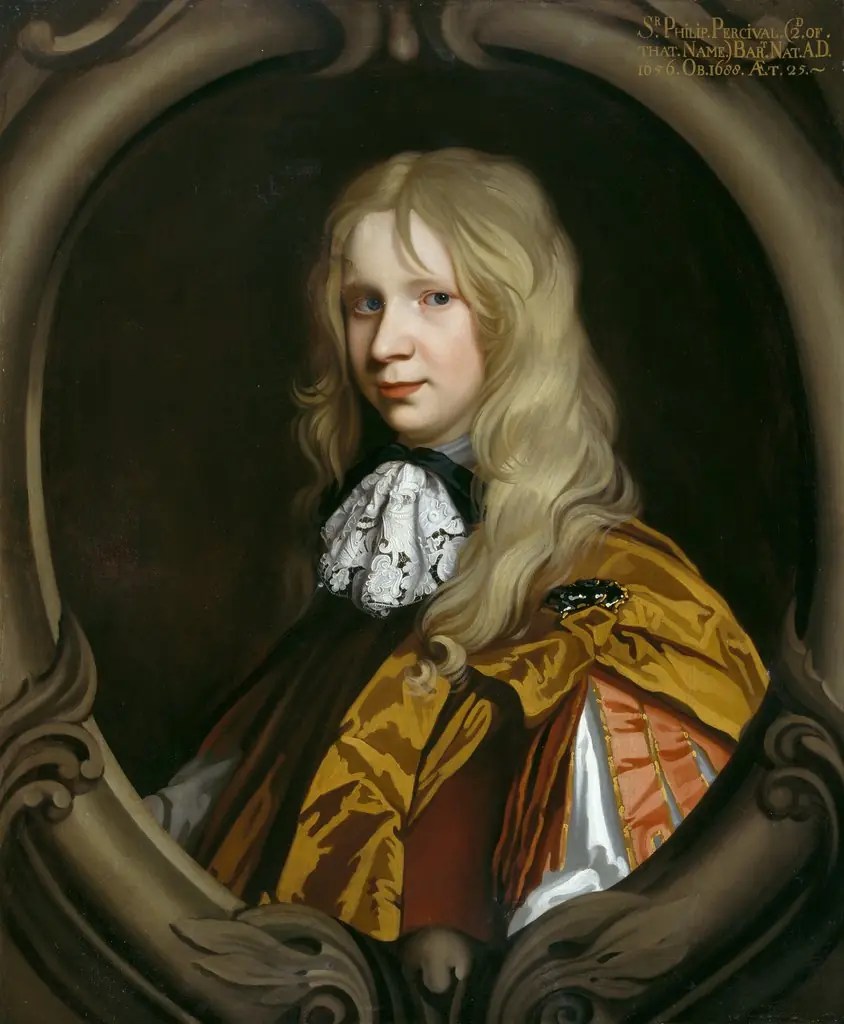 Portrait of Sir Philip Perceval, 2nd Bt (1656-1680)
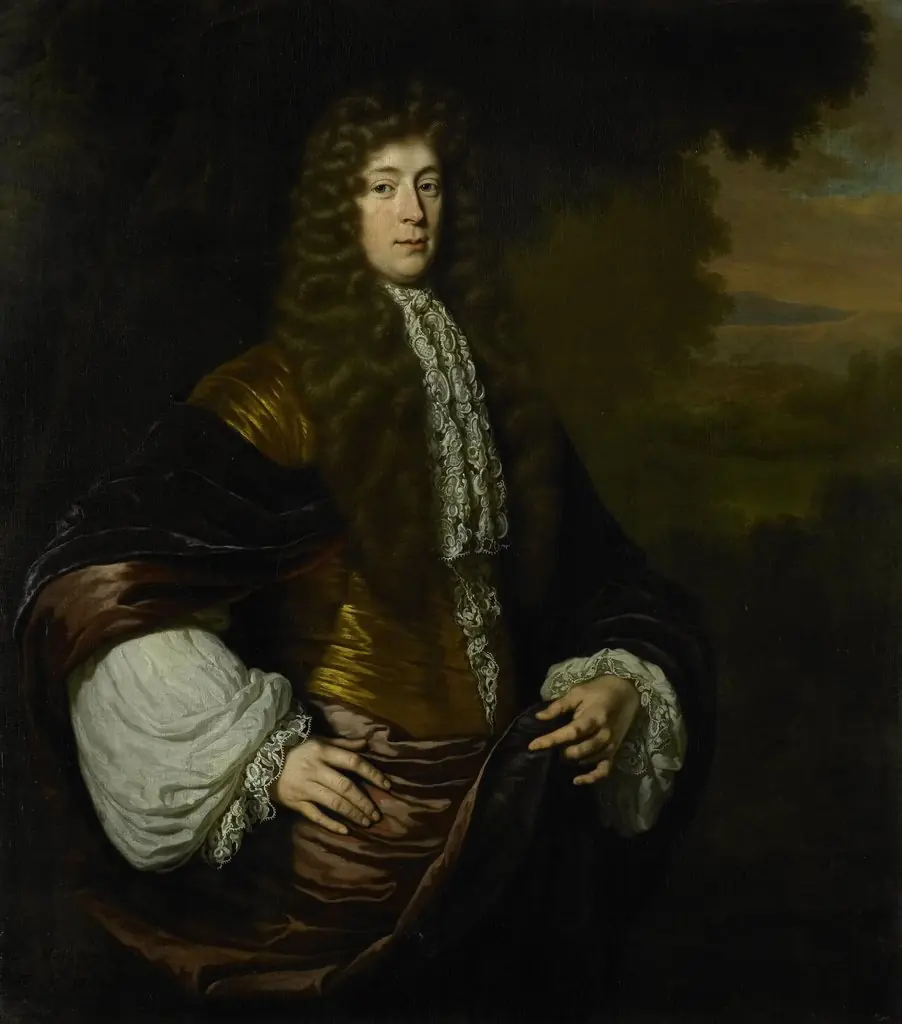 Portrait of Hendrick Bicker (1649 - 1718), burgomaster of Amsterdam
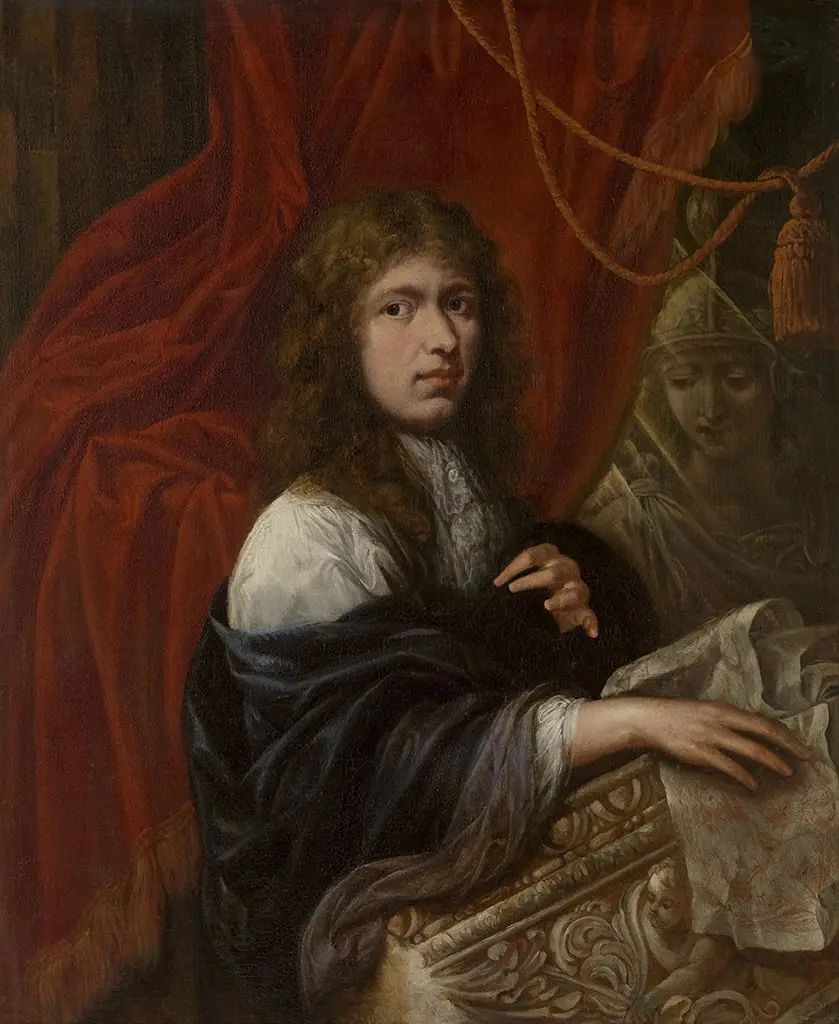 Self-Portrait
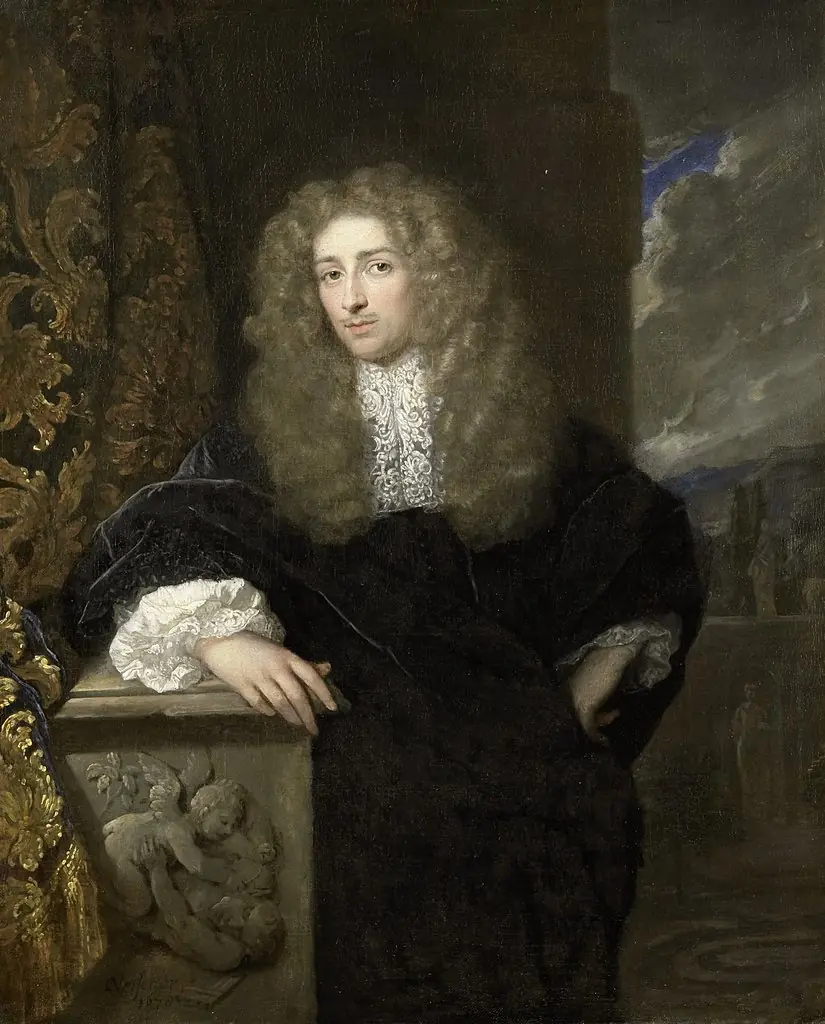 Portrait of a man, possibly a member of the van Citters family
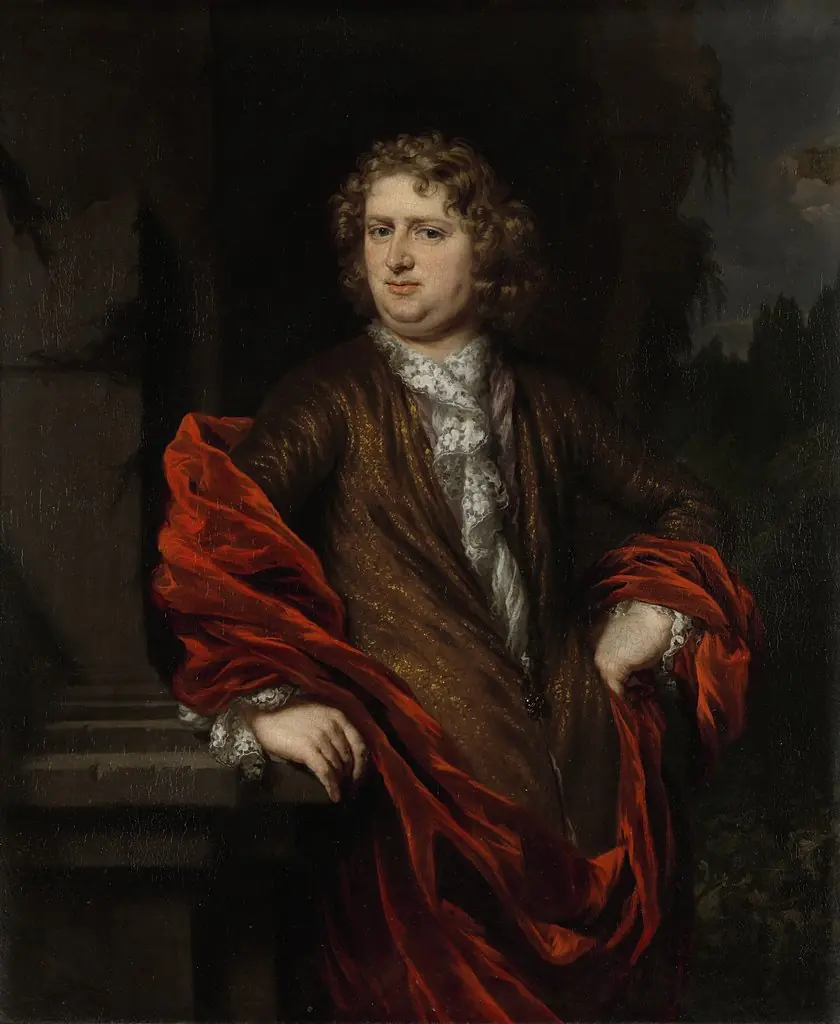 Portrait of Pieter Groenendijk
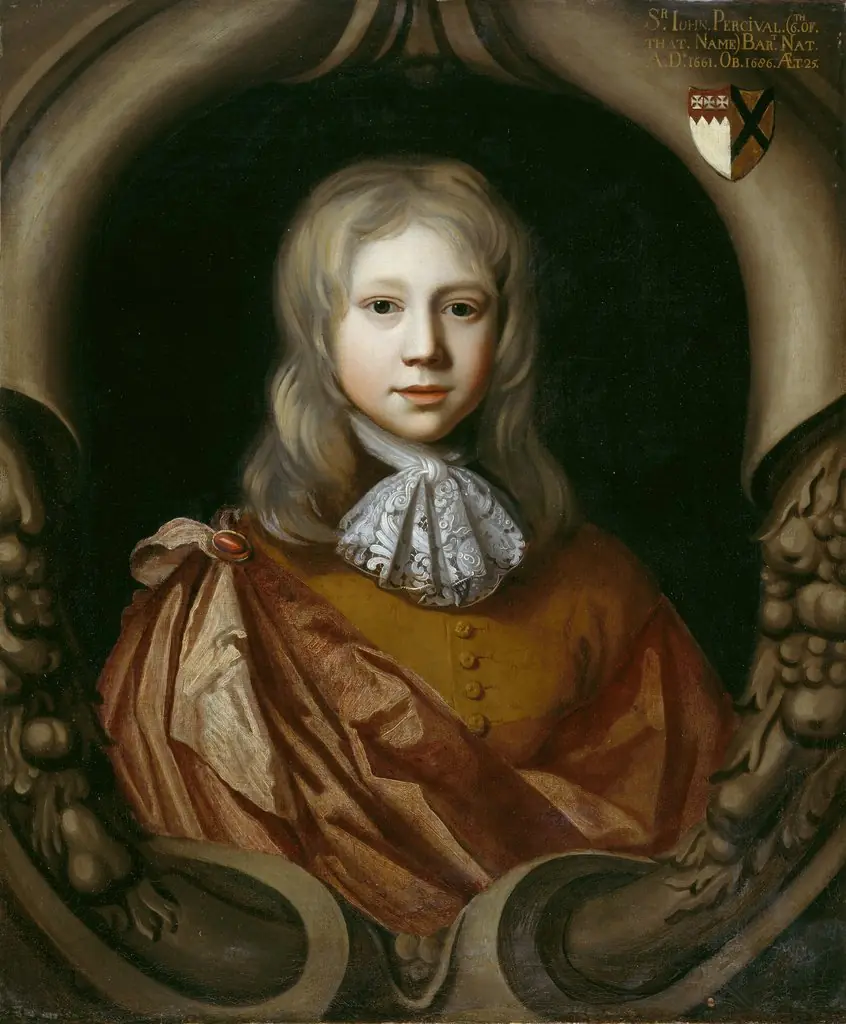 Portrait of Sir John Perceval, 3rd Bt (1660-1686)
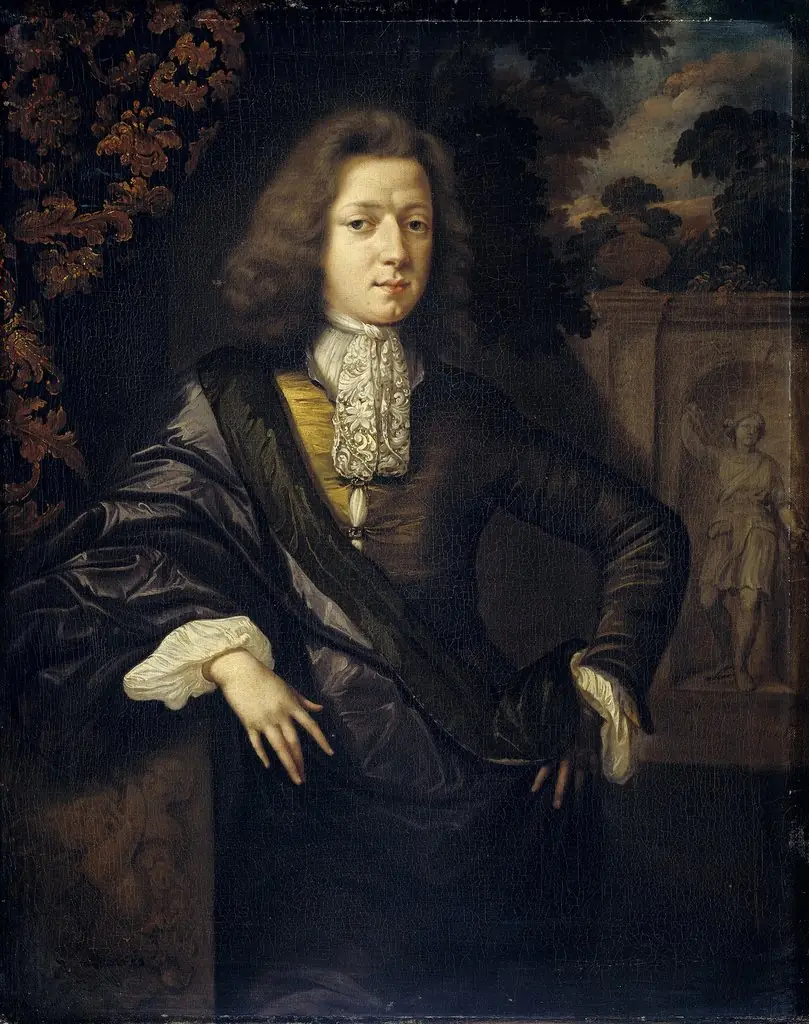 Portrait of Johan van Bochoven (1624-93), Public prosecutor and councillor at the court of Flanders
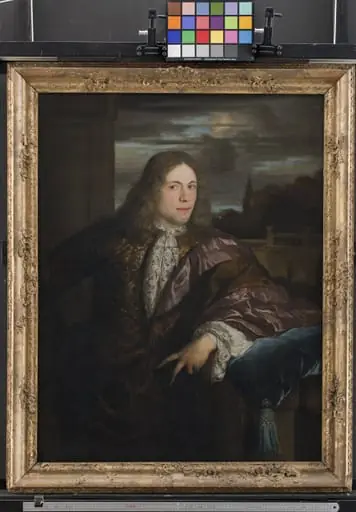 Portrait of a Young Gentleman