Artwork
Dünen mit Eichen und Gewässer
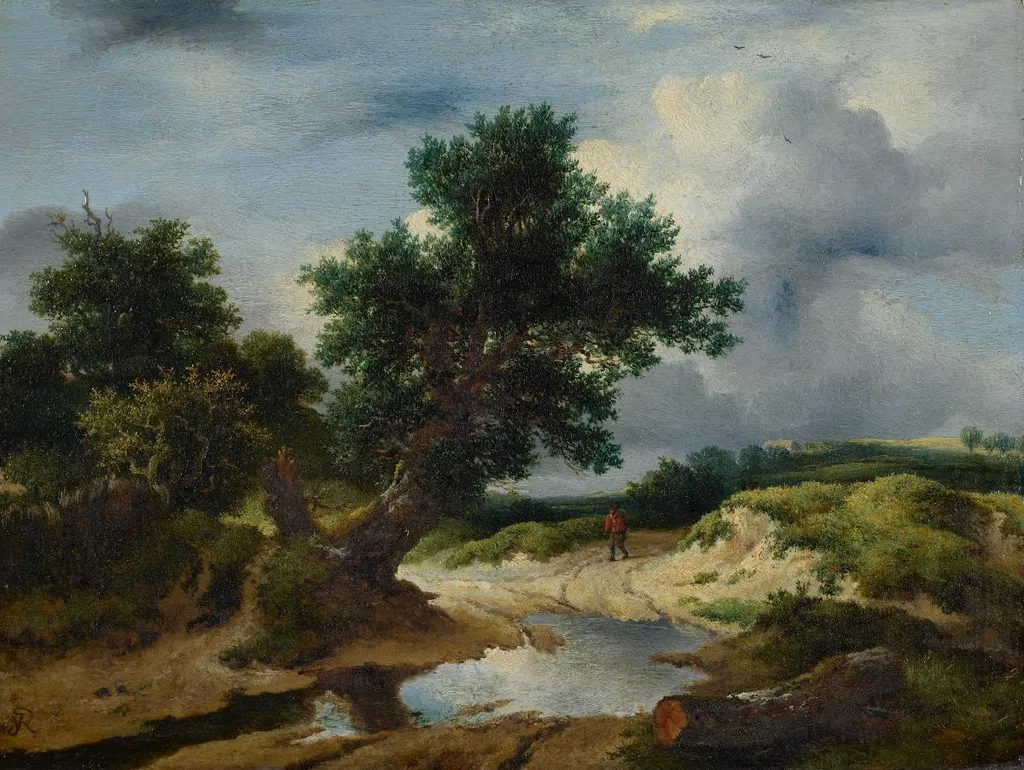
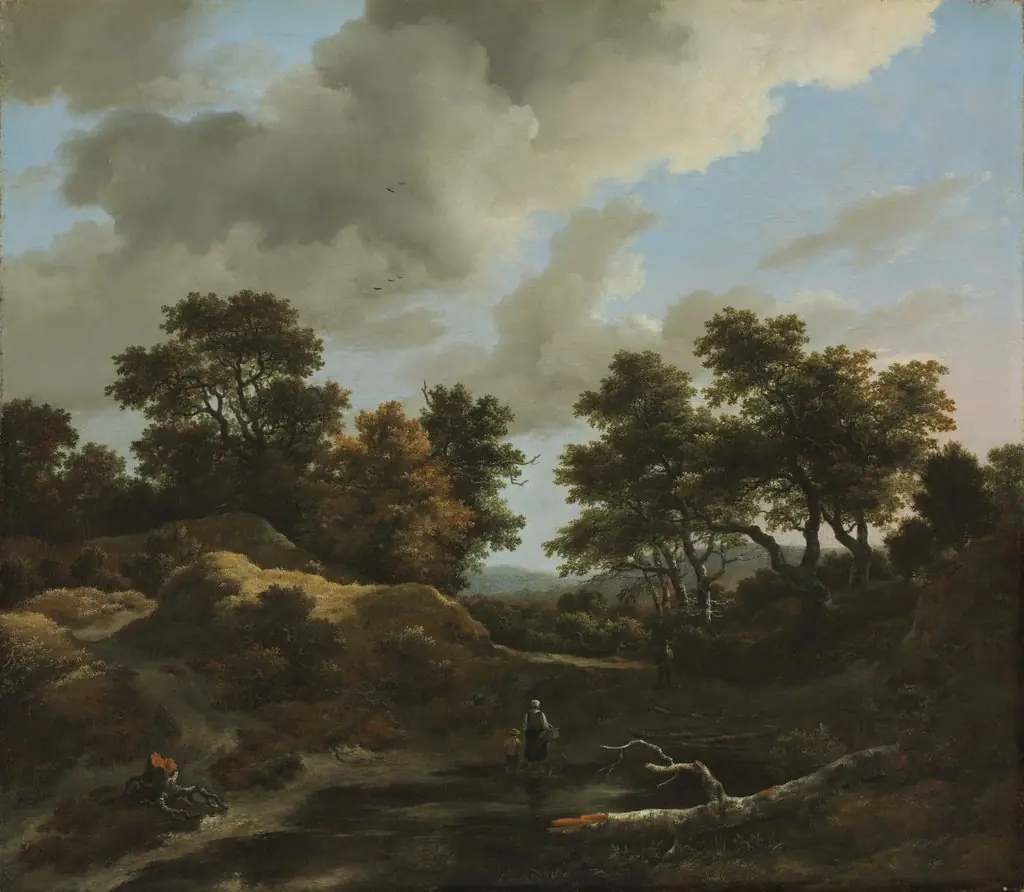
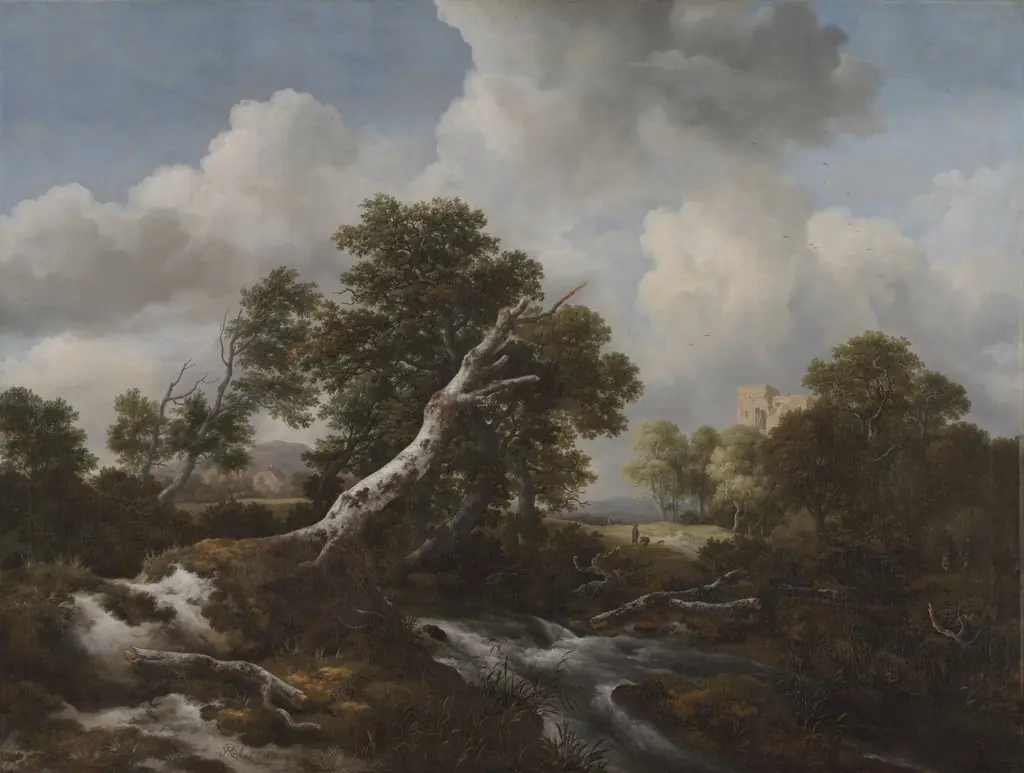
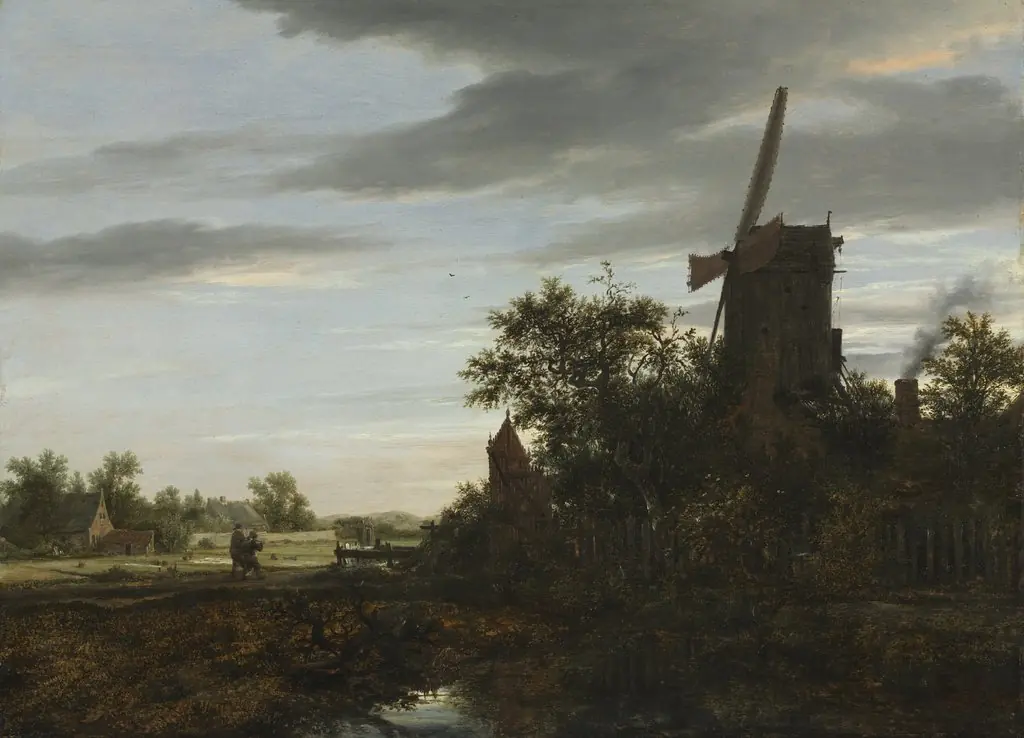
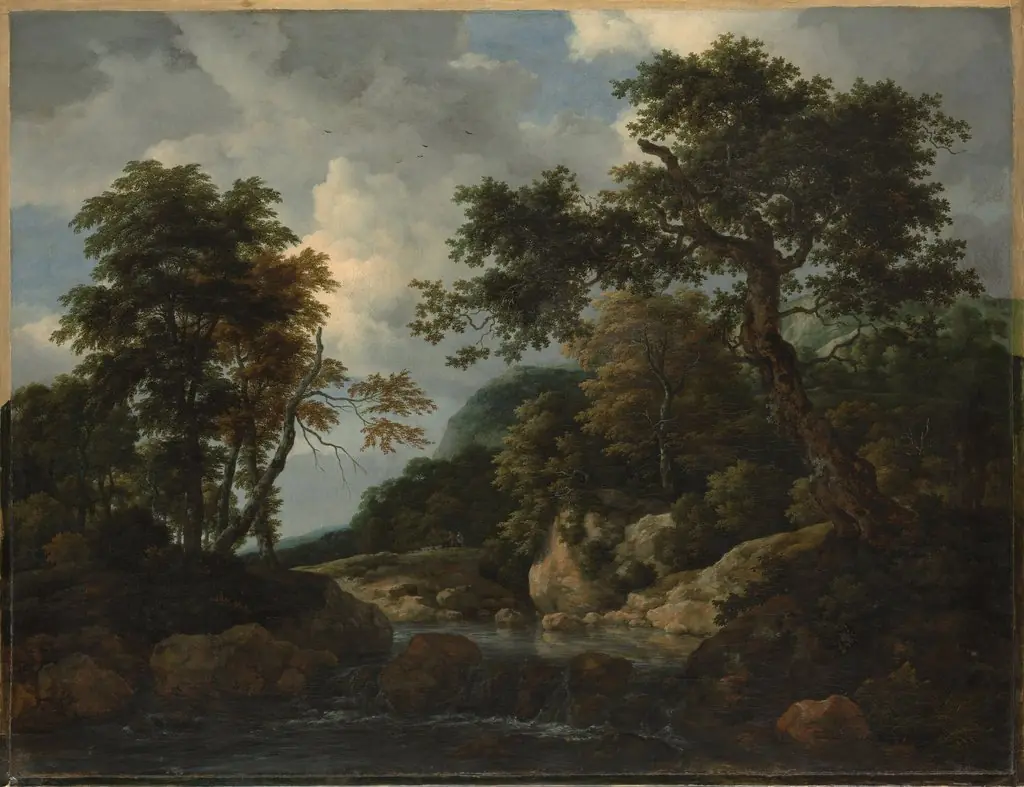
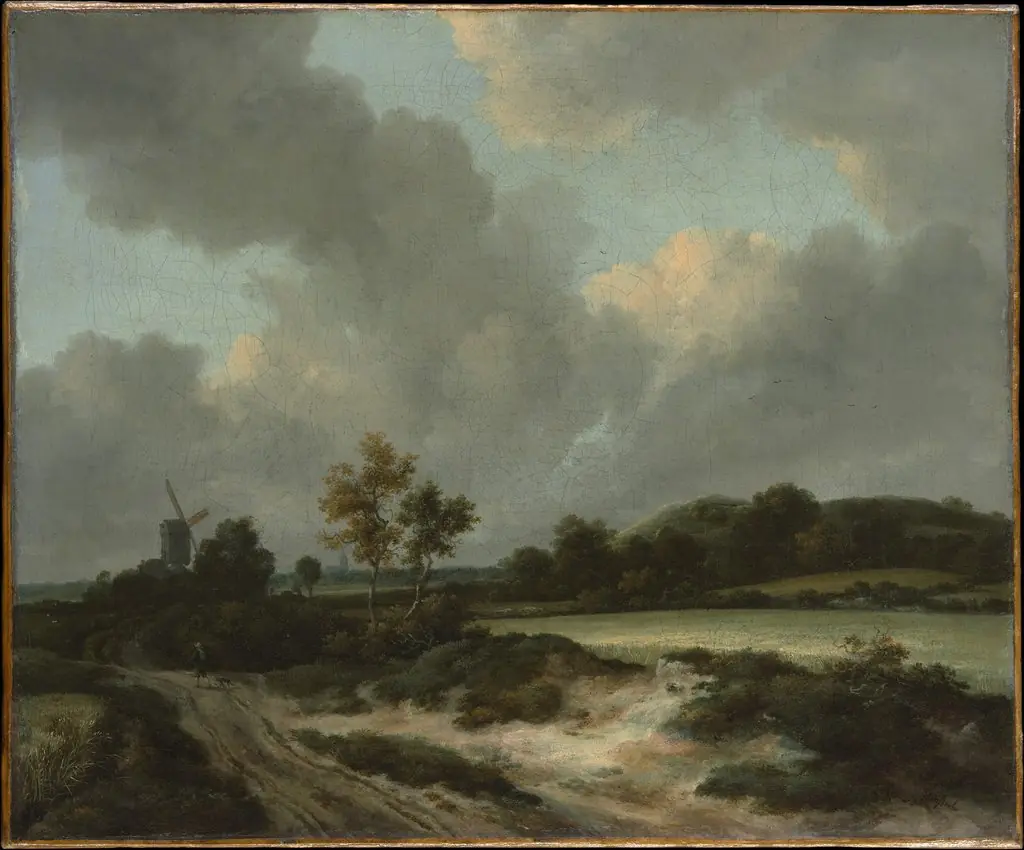
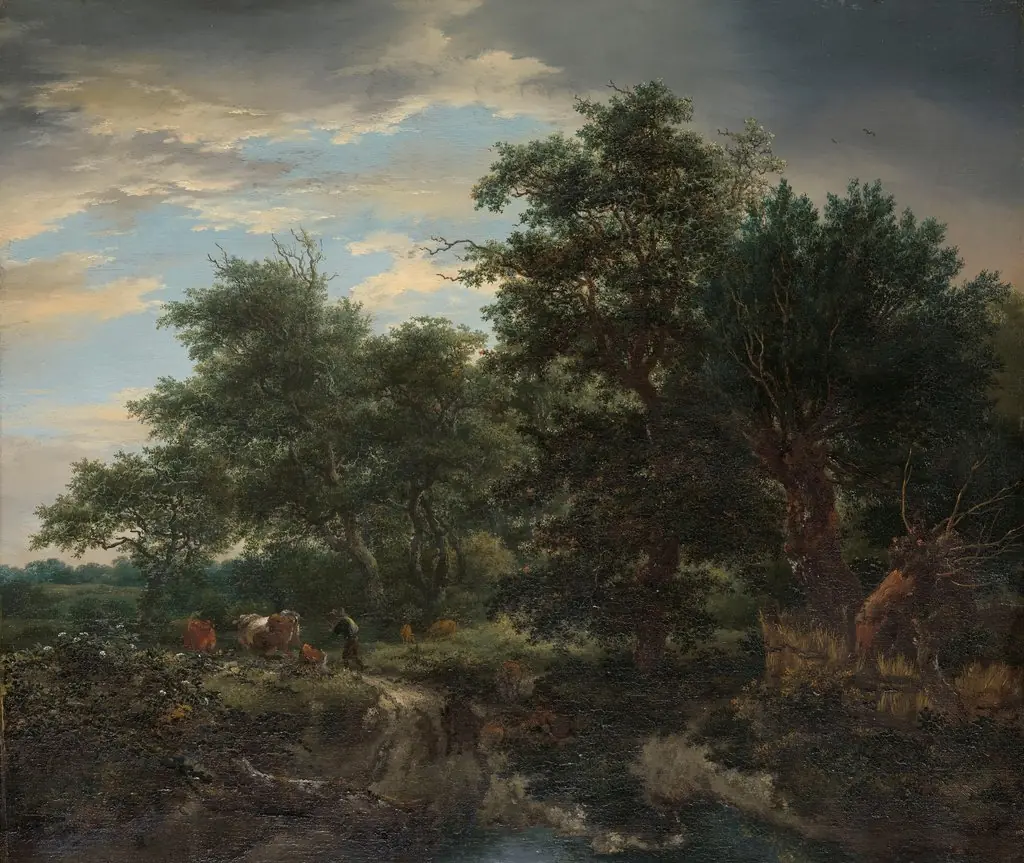
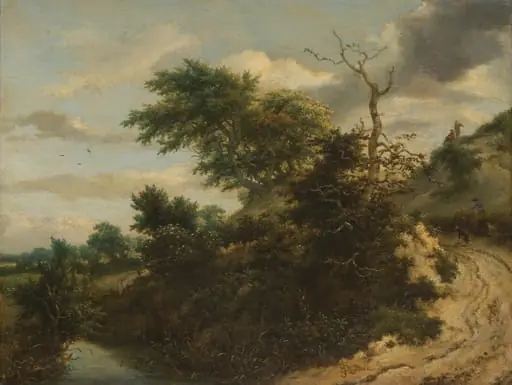
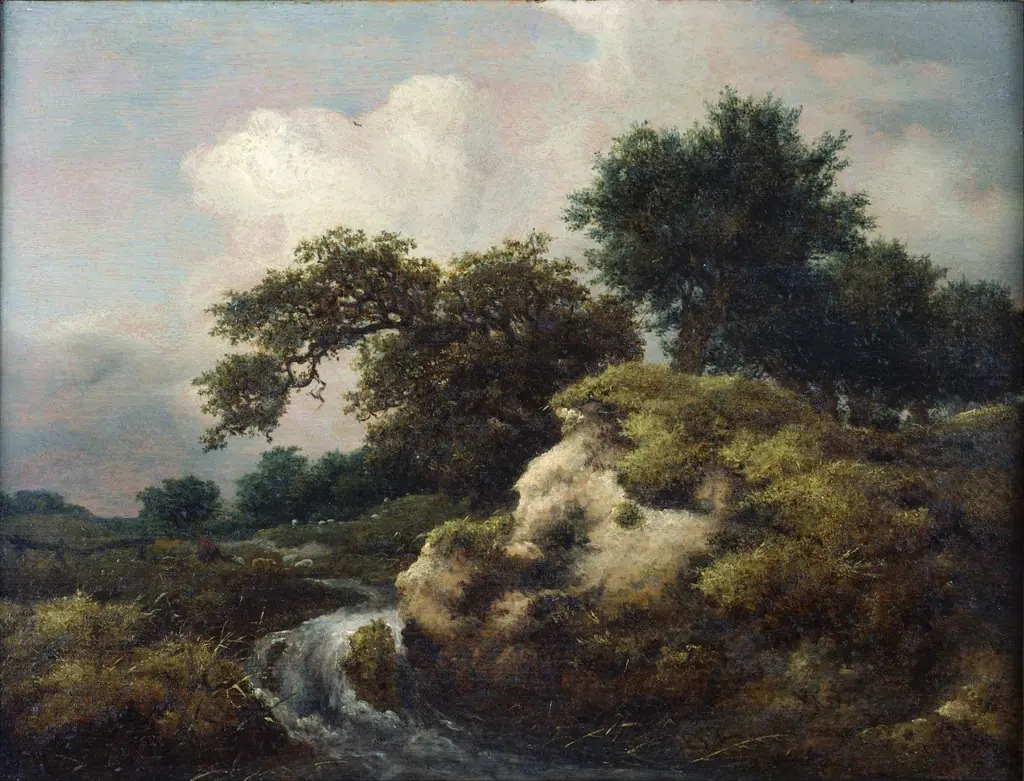
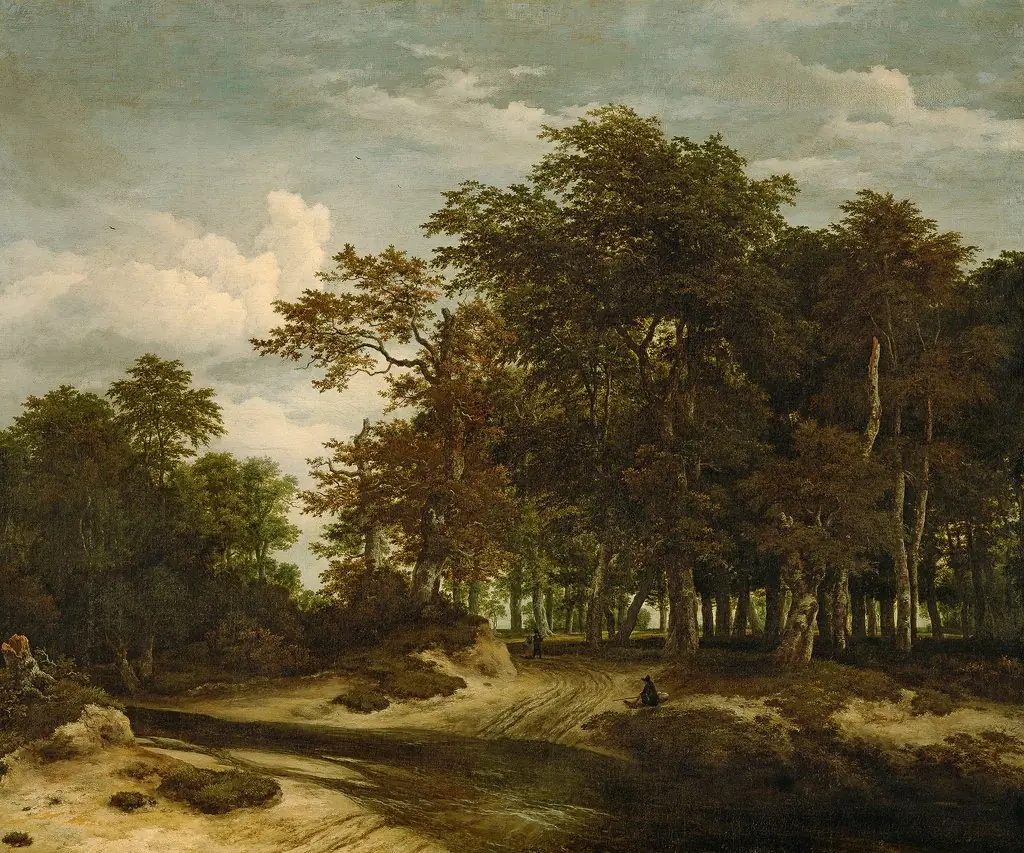
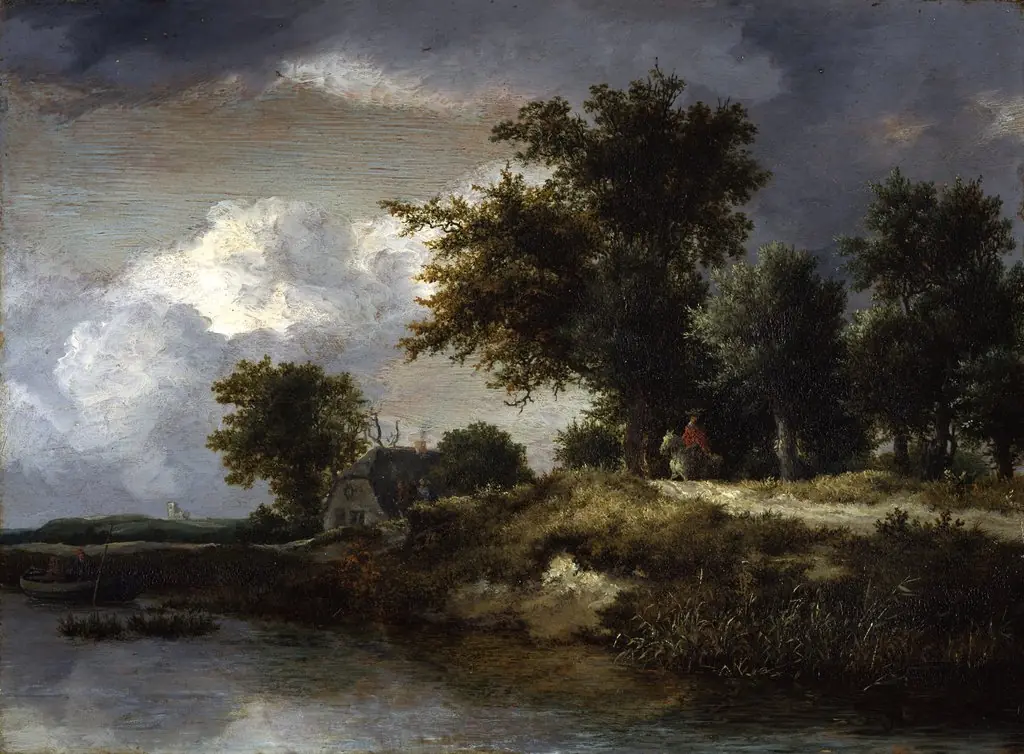
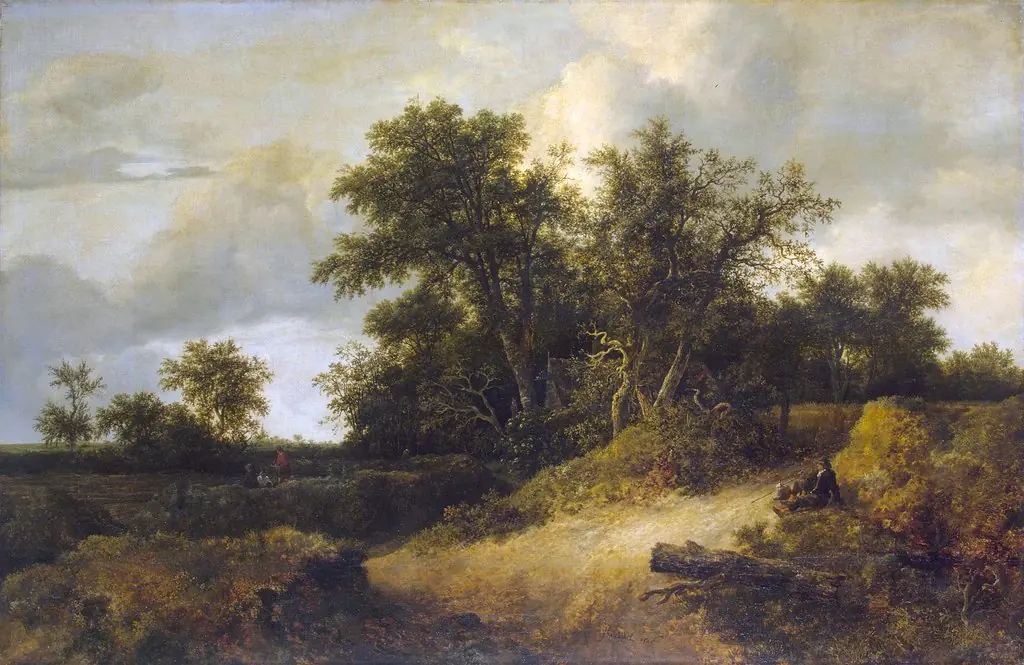
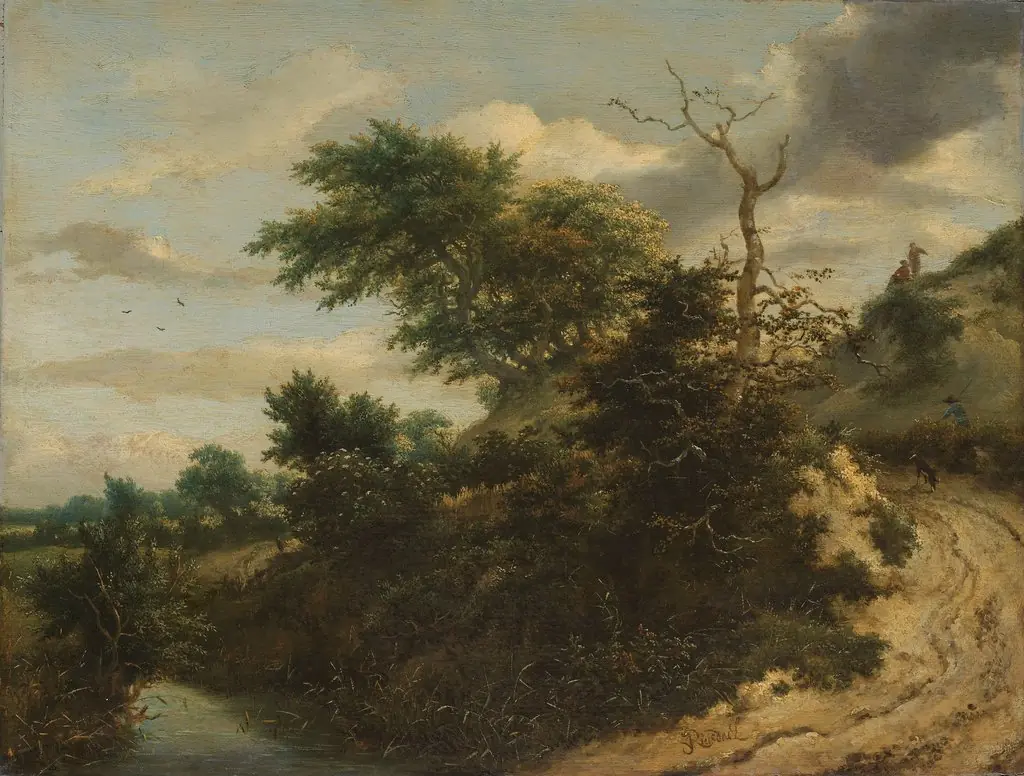
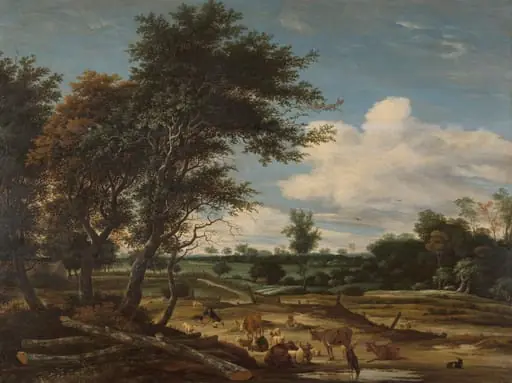
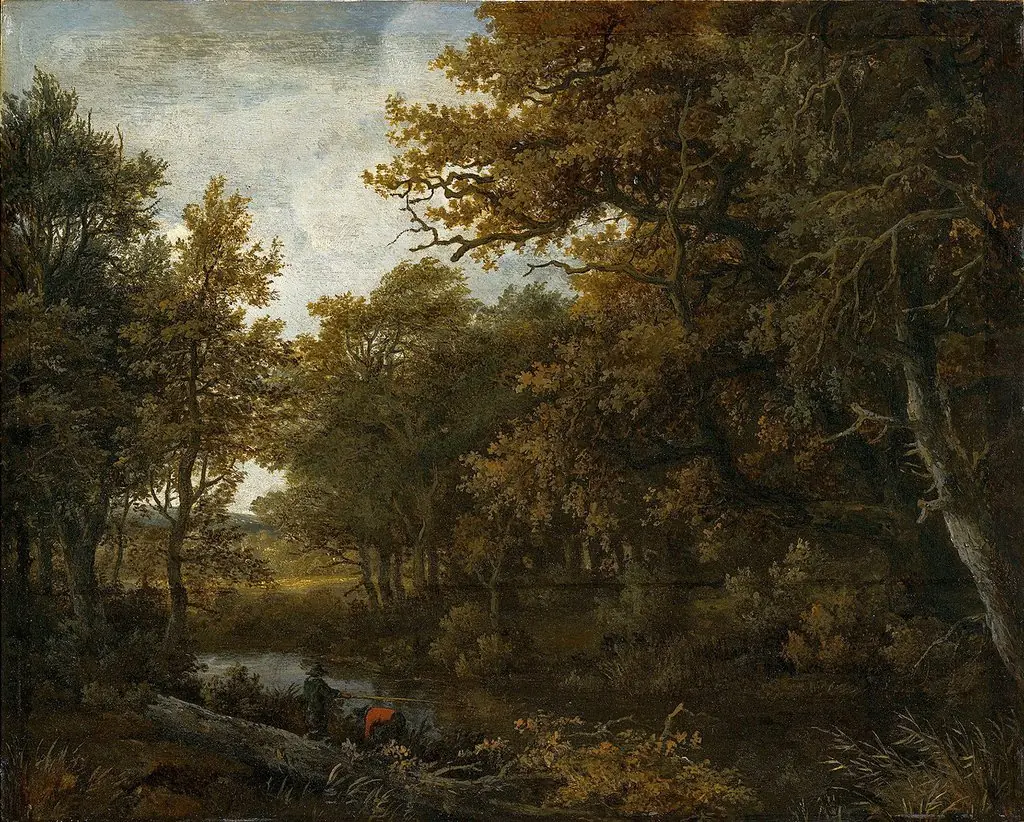
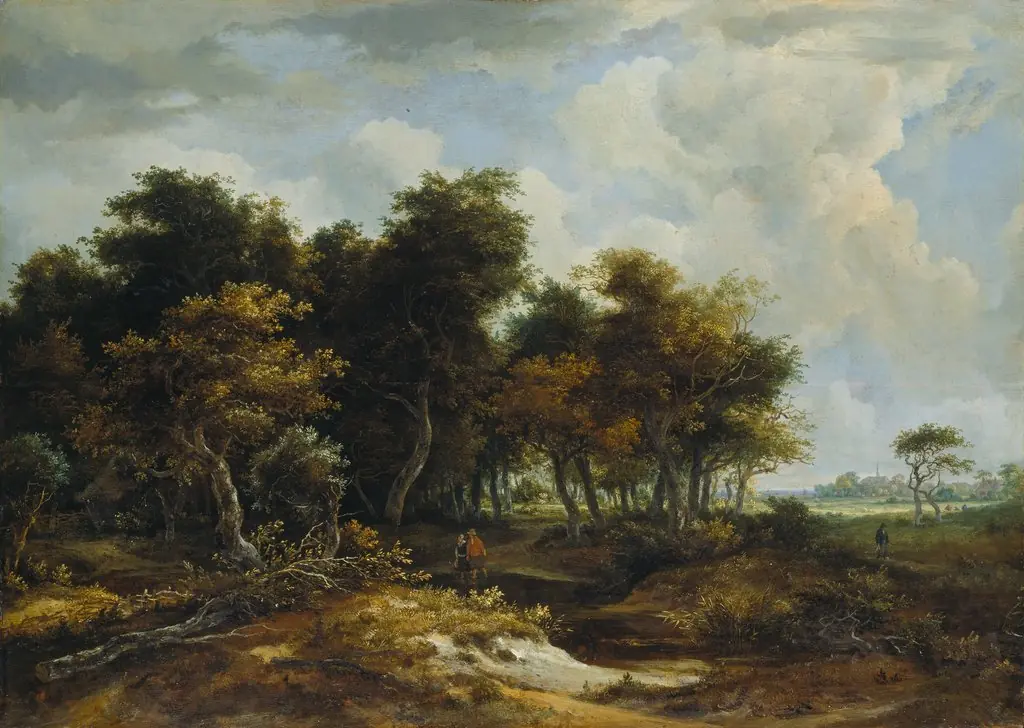
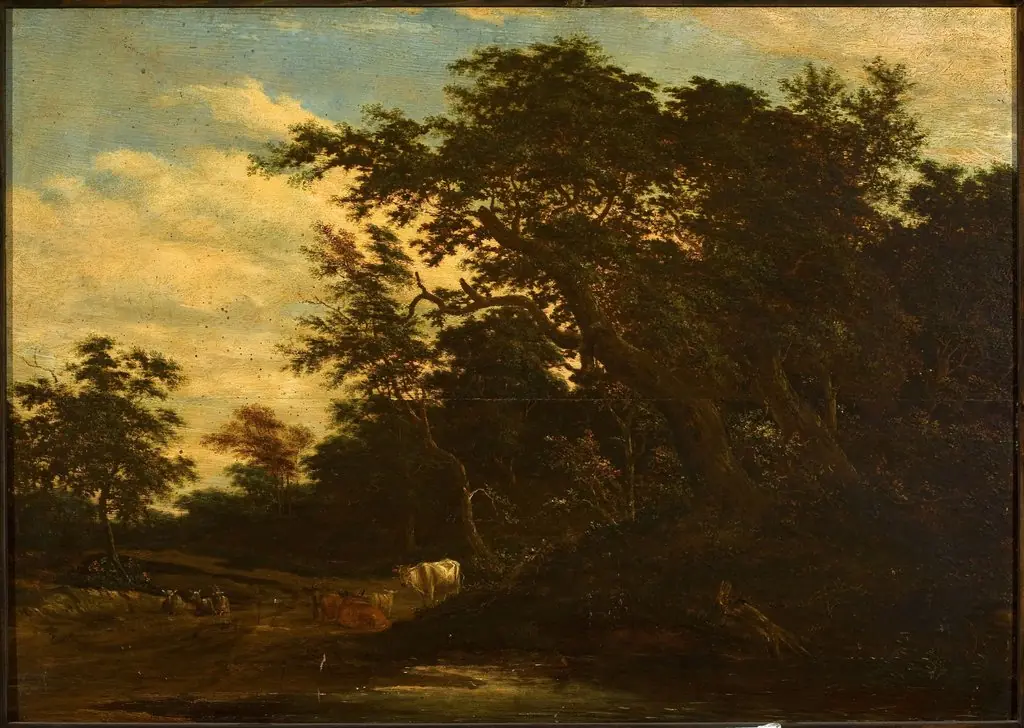
Dünen mit Eichen und Gewässer is an oil painting by the Dutch Golden Age artist Jacob van Ruisdael. It dates from 1650 and is held in the collection of the Kunsthaus Zürich.
About this work
Overview
The work is part of the collection at Kunsthaus Zürich, where it exemplifies the artist’s early mastery of naturalistic composition.
An oil painting attributed to Jacob van Ruisdael, dated around 1650, depicts a quiet Dutch landscape featuring rolling dunes, scattered oaks, and a narrow watercourse. The work is part of the collection at Kunsthaus Zürich, where it exemplifies the artist’s early mastery of naturalistic composition. Its subdued palette and balanced structure reflect the prevailing landscape traditions of the Dutch Golden Age.
Subject & Meaning
The scene centers on a solitary, gnarled oak rising above the dunes, its form anchoring the composition. A thin stream meanders through the foreground, catching ambient light and drawing the eye toward the horizon. The absence of human figures or architectural elements emphasizes nature’s quiet endurance. The painting evokes contemplation rather than narrative, aligning with contemporary Dutch ideals of harmony and order in the natural world.
Technique & Style
Ruisdael employs layered glazes to render subtle shifts in light and texture, from the rough bark of the oak to the reflective surface of the water. Brushwork varies deliberately: loose strokes suggest wind-tossed grasses, while finer details define leaf clusters. The sky, rendered in soft blues and grays, dominates the upper third, creating a sense of atmospheric depth and quiet movement across the expanse.
History & Provenance
The painting entered the Kunsthaus Zürich collection in the 19th century, though its earlier ownership remains undocumented. It has been consistently attributed to Ruisdael since at least the early 20th century, based on stylistic parallels with his other dune landscapes. No significant restoration or alteration is recorded, preserving its original tonal balance and compositional integrity.
Context
Created during the height of Dutch landscape painting, this work reflects a cultural preference for unidealized, observed nature over mythological or biblical themes. Ruisdael’s focus on regional topography—dunes, oaks, and waterways—echoes the growing interest in local identity and environmental detail among 17th-century Dutch patrons and artists.
Legacy
Though less celebrated than Ruisdael’s dramatic storm scenes, this painting exemplifies his quieter, more introspective mode. It influenced later generations of landscape painters who valued subtle tonal variation and naturalistic detail. Its presence in a major European collection underscores its role as a representative example of Dutch Golden Age landscape sensibility.
Artist & collection
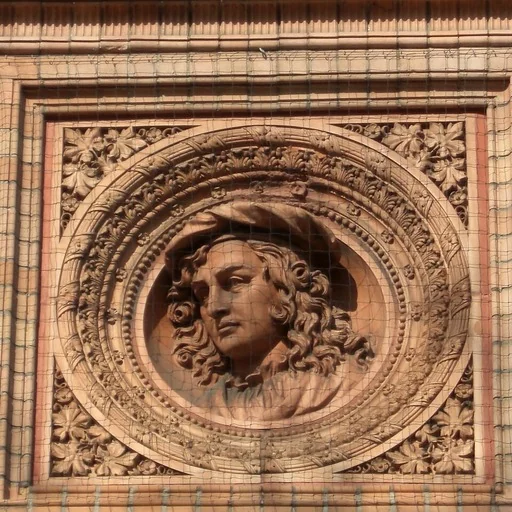
Artist
Jacob Isaackszoon van Ruisdael was a Dutch painter, draughtsman, and etcher. He is generally considered the pre-eminent landscape painter of the Dutch Golden Age, a period of great wealth and cultural achievement when…