Artwork
Pastoral scene
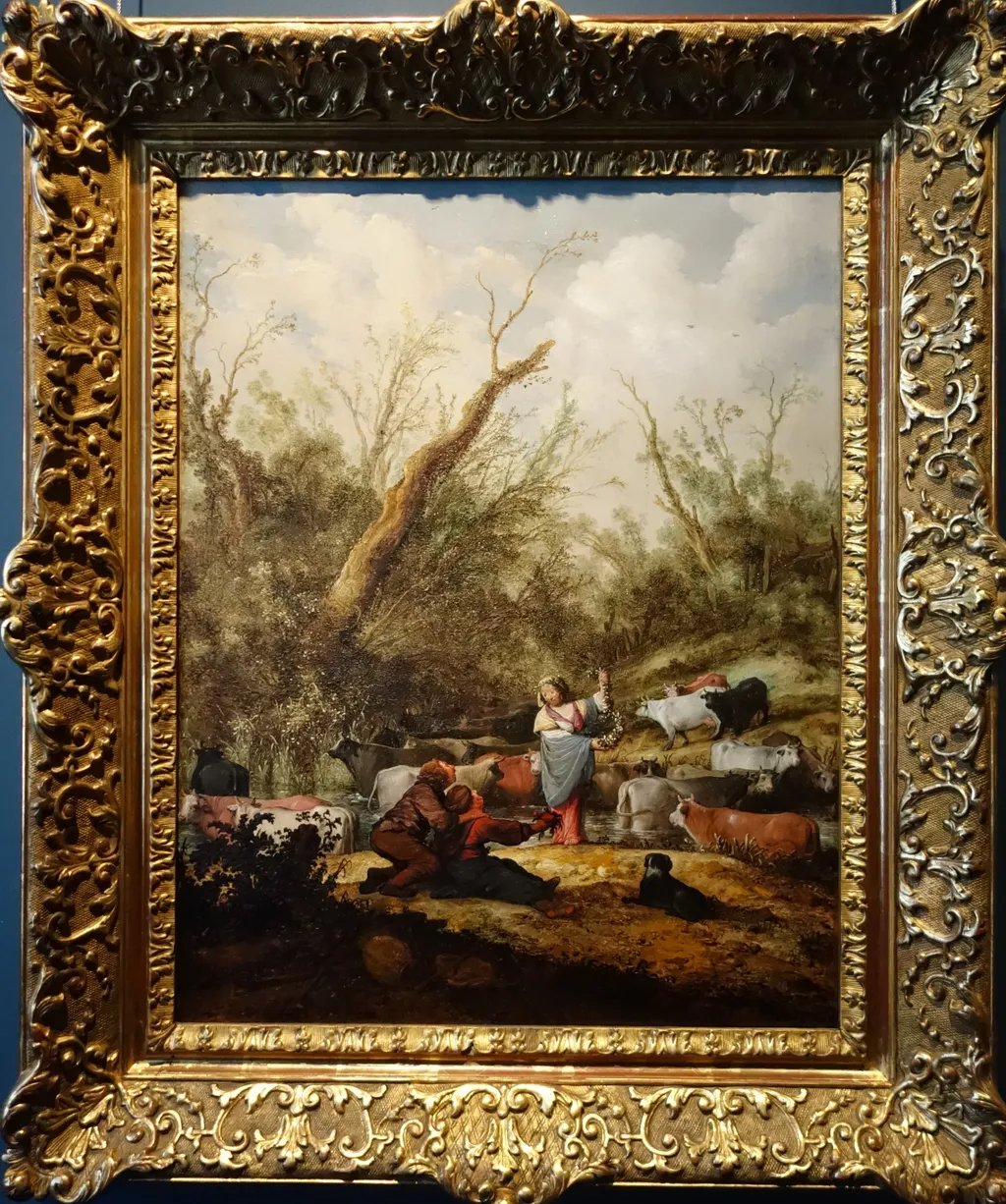
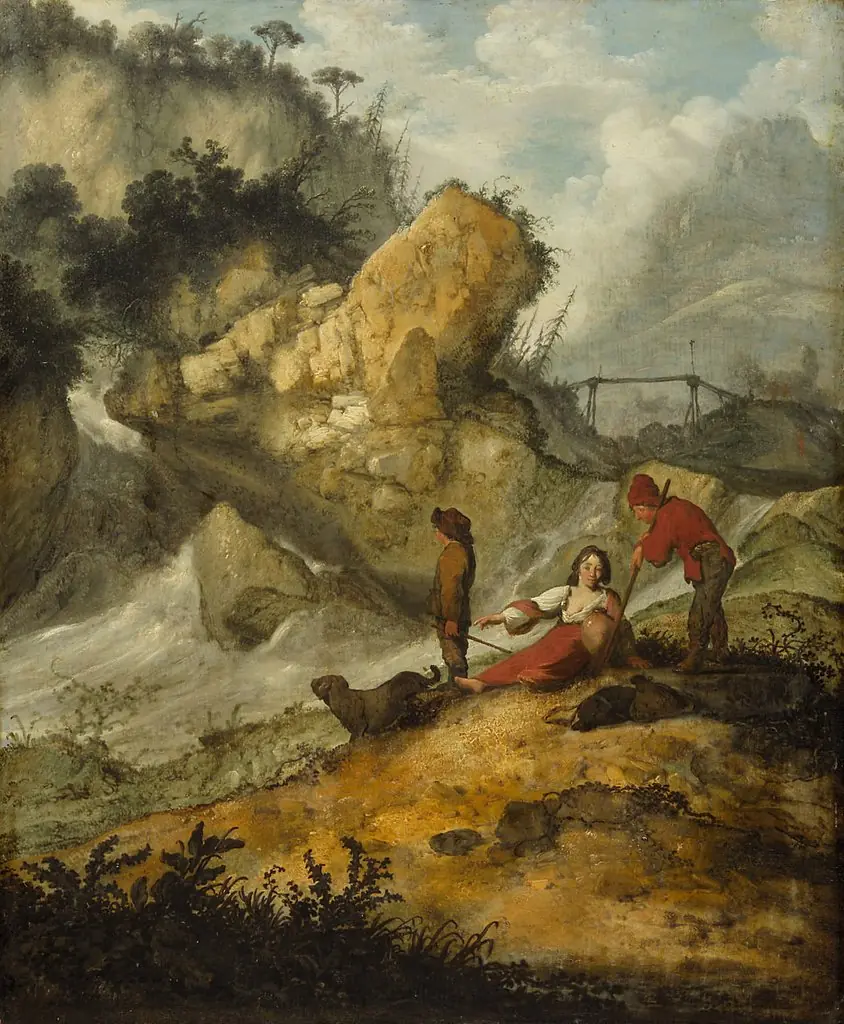
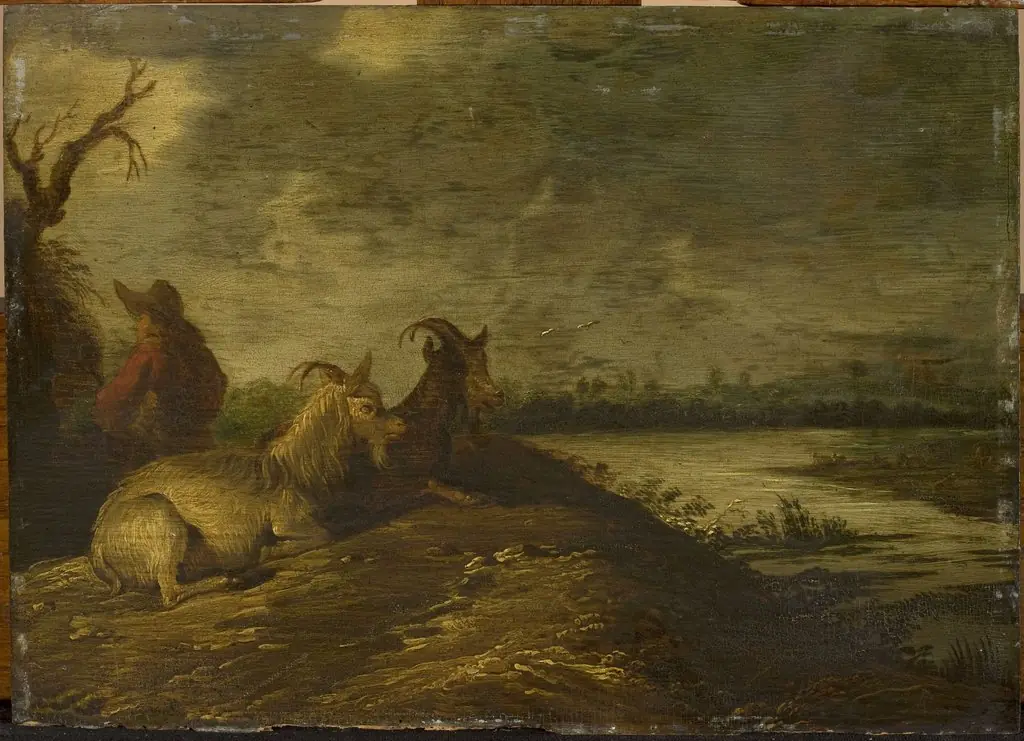
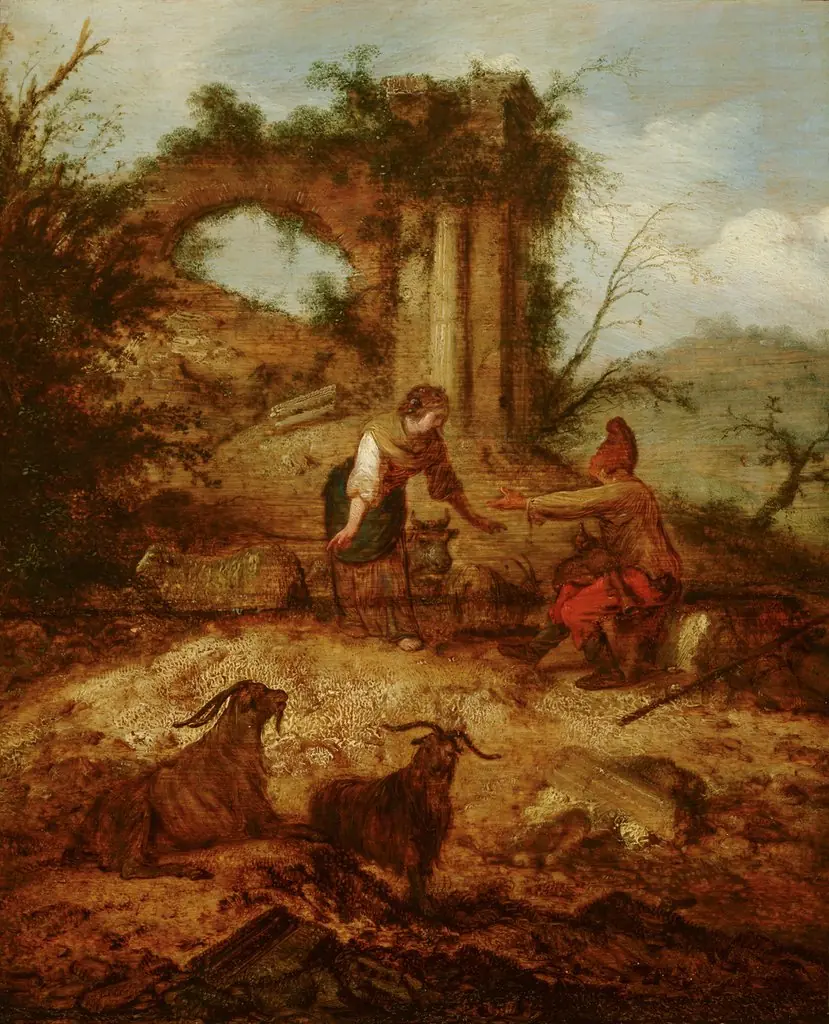
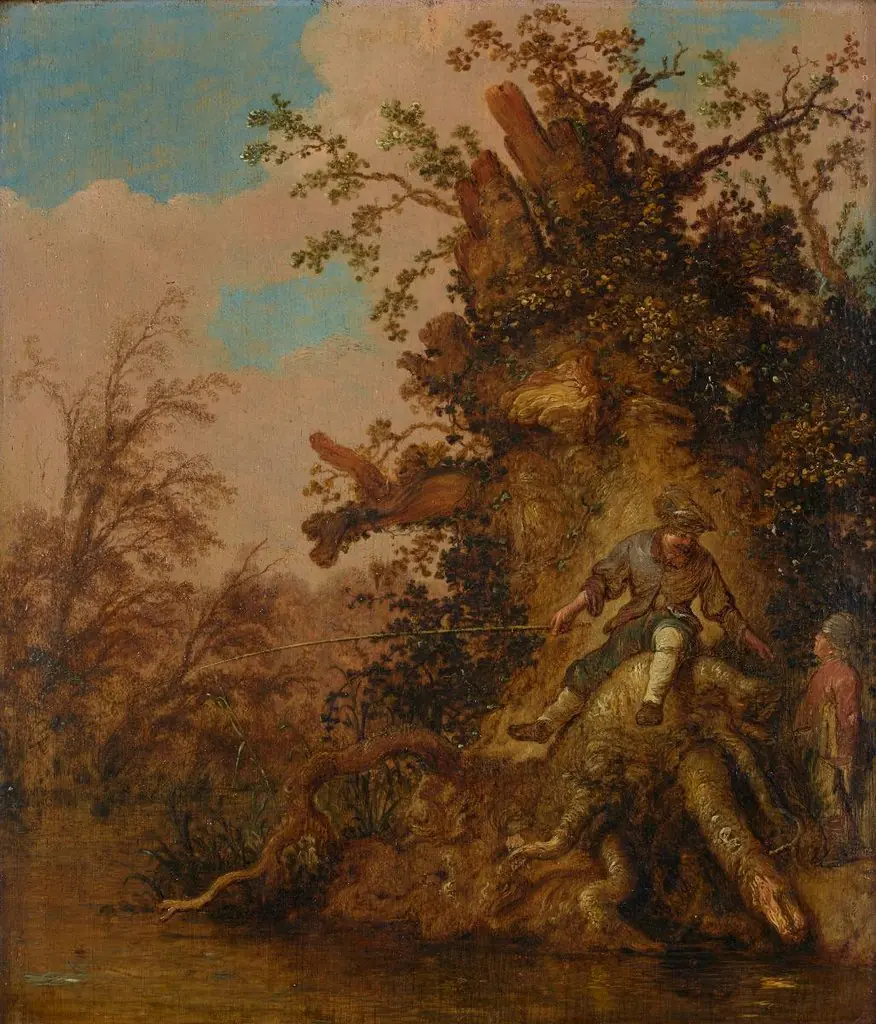
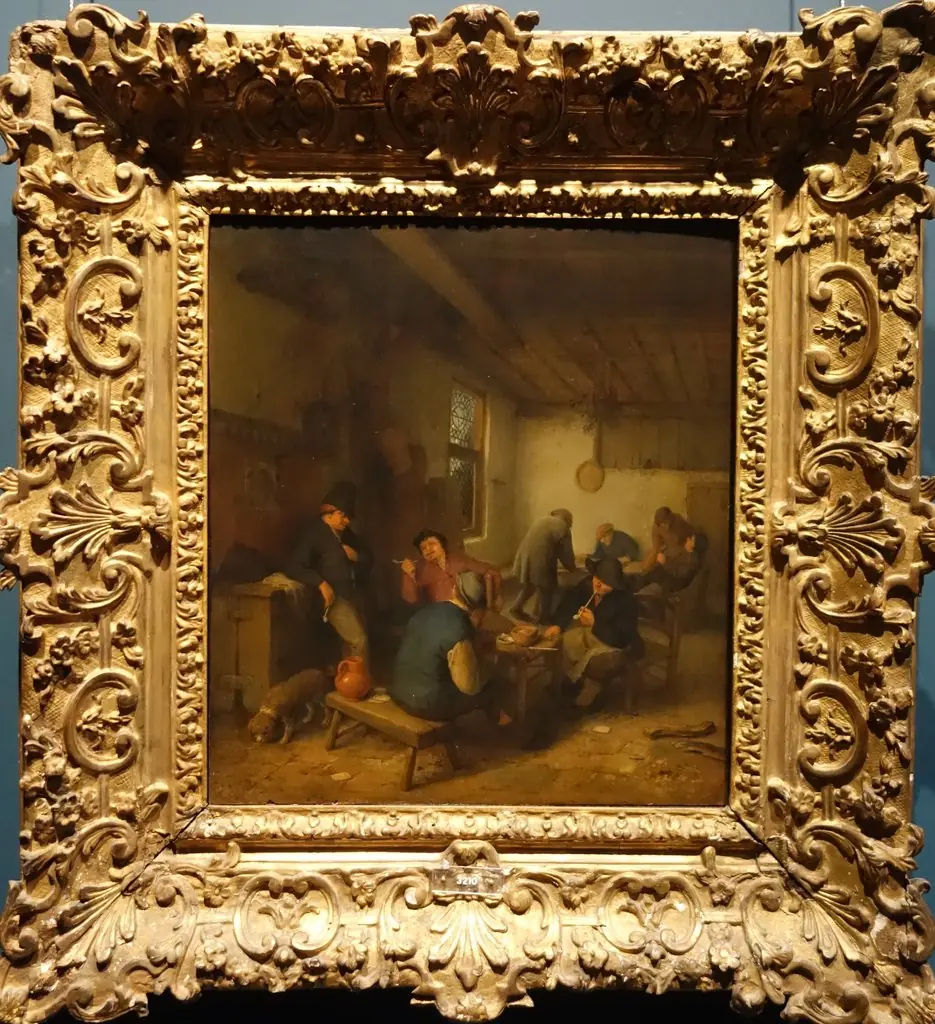
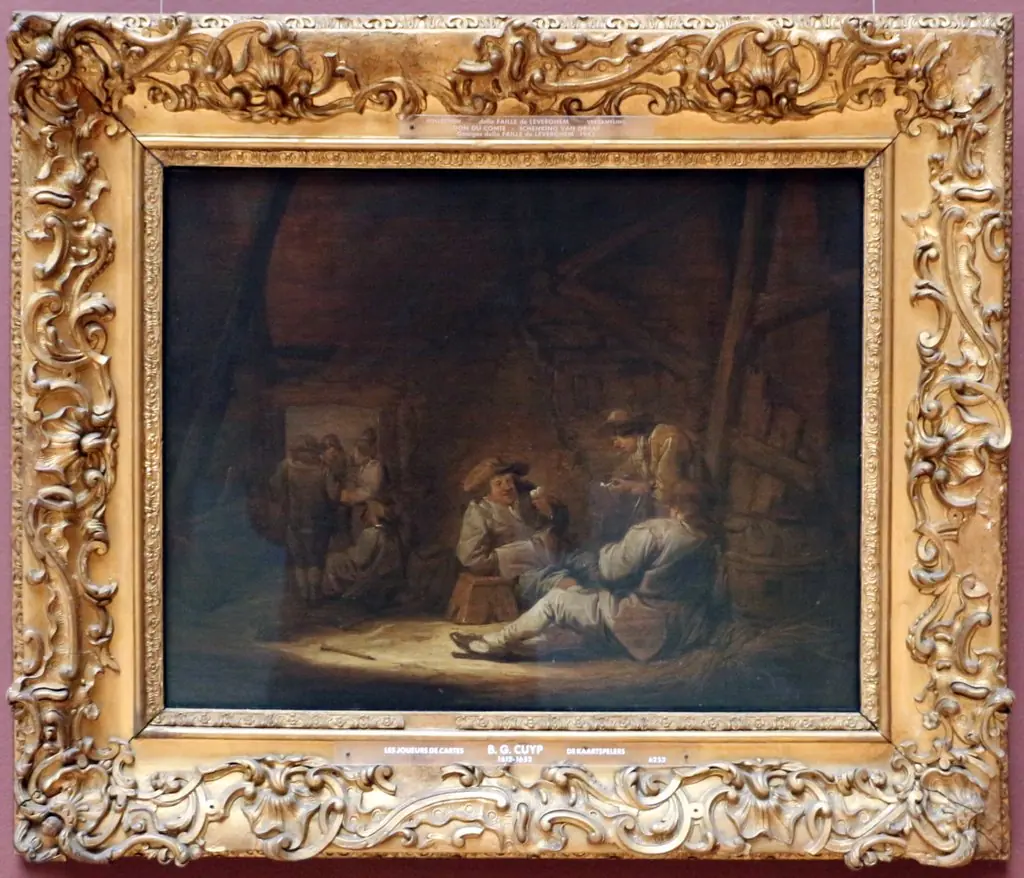
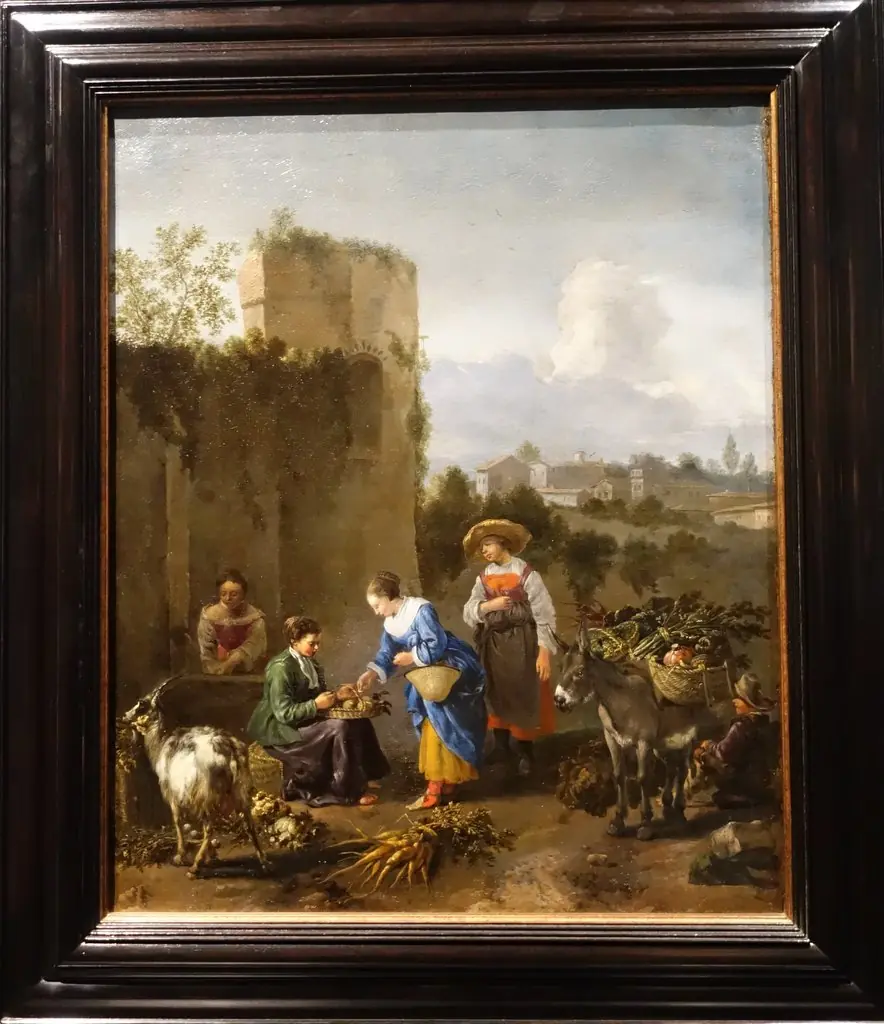
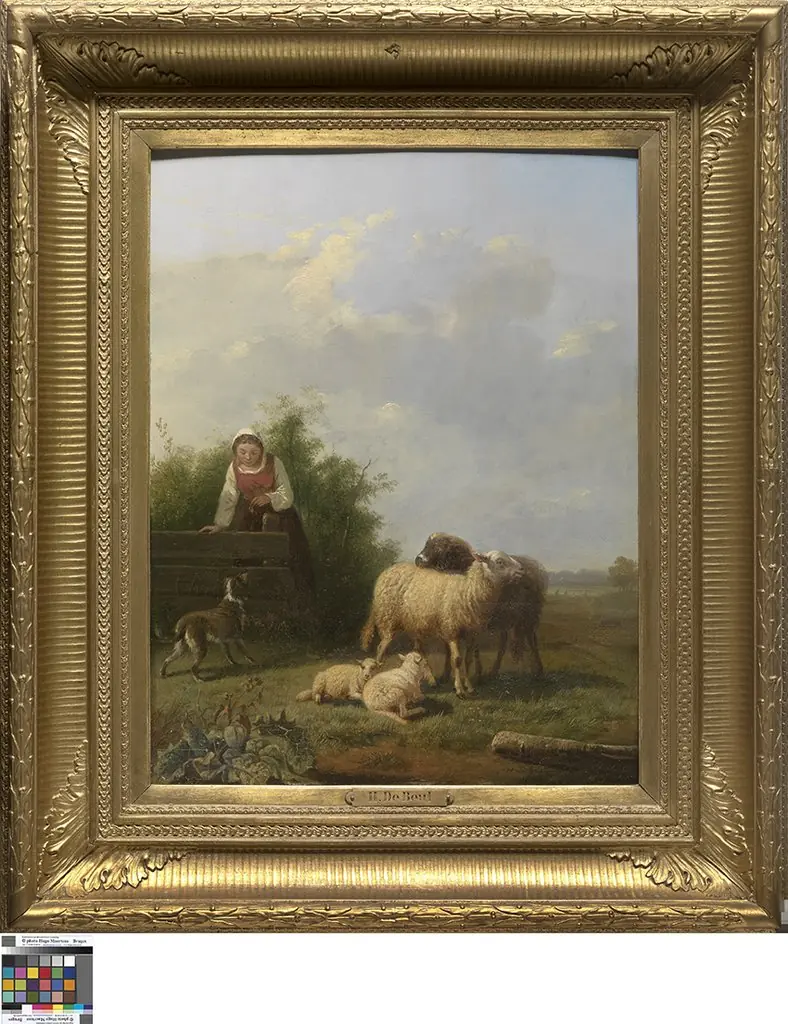
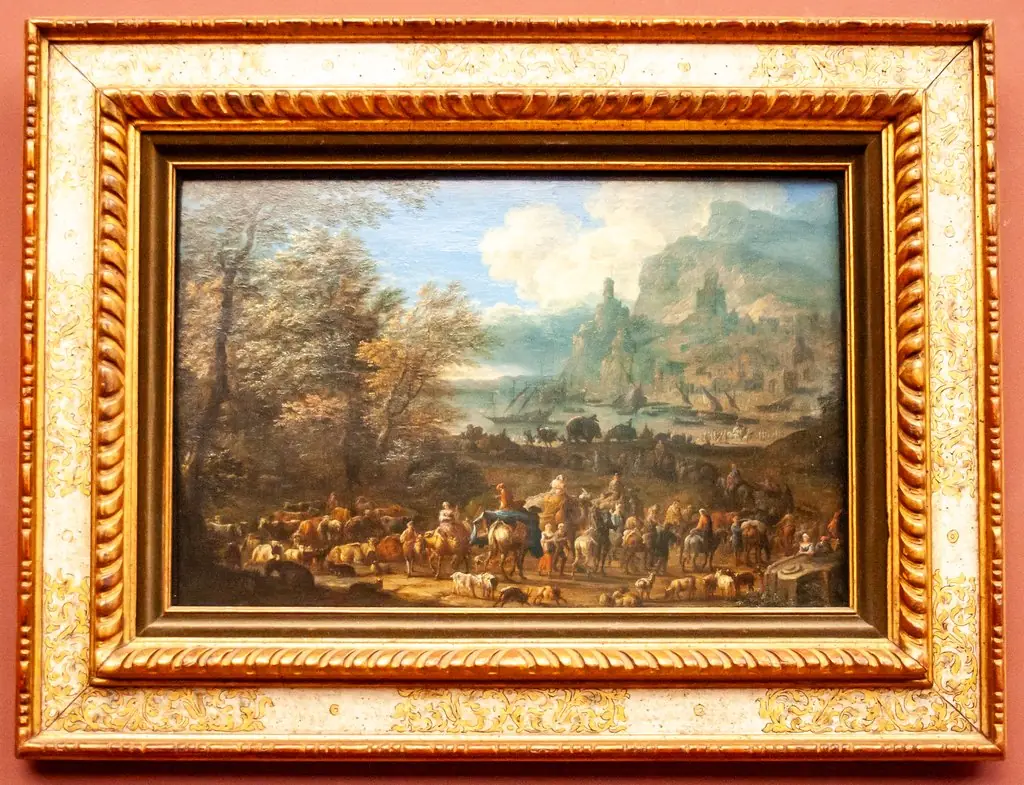
Pastoral scene is an oil painting by the Dutch Golden Age artist Jacobus Mancadan. It is held in the collection of the Royal Museums of Fine Arts of Belgium. Painted in 1700 by Jacobus Sibrandi Mancadan, this oil-on-canvas work presents a quiet rural gathering set in a verdant landscape.
About this work
Overview
Painted in 1700 by Jacobus Sibrandi Mancadan, this oil-on-canvas work presents a quiet rural gathering set in a verdant landscape. As a representative of Dutch Golden Age genre painting, it reflects the period’s interest in everyday rural life. The piece is part of the Royal Museums of Fine Arts of Belgium’s collection, where it remains a quiet example of 18th-century Dutch landscape tradition.
Subject & Meaning
The scene portrays a small group of peasants and livestock in a tranquil countryside setting, suggesting harmony between humans and nature. No dramatic narrative is present; instead, the focus lies in the calm rhythm of daily life—shepherding, resting, or tending animals. The absence of grandeur or moralizing underscores the Dutch preference for unembellished observation of ordinary moments.
Technique & Style
Mancadan employed oil paint with careful layering to render textures of foliage, wool, and earth. Subtle chiaroscuro defines forms without harsh contrasts, while light impasto adds tactile richness to grass and animal fur. The composition avoids theatricality, favoring a balanced, horizontal arrangement that enhances the sense of stillness and natural order typical of pastoral genre painting.
History & Provenance
The painting entered the collection of the Royal Museums of Fine Arts of Belgium in the 19th century, likely through acquisition or donation from a private Belgian or Flemish collector. Its attribution to Mancadan is consistent with regional records of Dutch artists active in the early 1700s, though few of his works survive, making this piece a rare document of his output.
Context
These scenes appealed to urban audiences seeking idealized visions of rural stability.
In the early 18th century, Dutch pastoral scenes remained popular despite shifting artistic trends toward more dramatic or classical subjects elsewhere in Europe. Mancadan’s work aligns with a regional tradition that valued quiet observation over spectacle, continuing the legacy of 17th-century painters like Meindert Hobbema. These scenes appealed to urban audiences seeking idealized visions of rural stability.
Legacy
Mancadan’s *Pastoral Scene* contributes to a modest but enduring body of Dutch genre painting that prioritized atmosphere over narrative. Though not widely known today, the work exemplifies how regional artists sustained the pastoral tradition into the 18th century. Its preservation in a major European museum ensures its continued role as a reference for studies of Dutch rural imagery.
Artist & collection
Artist
Jacobus Sibrandi Mancadan (c. 1602 – 4 October 1680) was a Dutch Golden Age painter mostly known for his pastoral landscapes.

Museum
Royal Museums of Fine Arts of Belgium
Continue through works from the same source collection.