Artwork
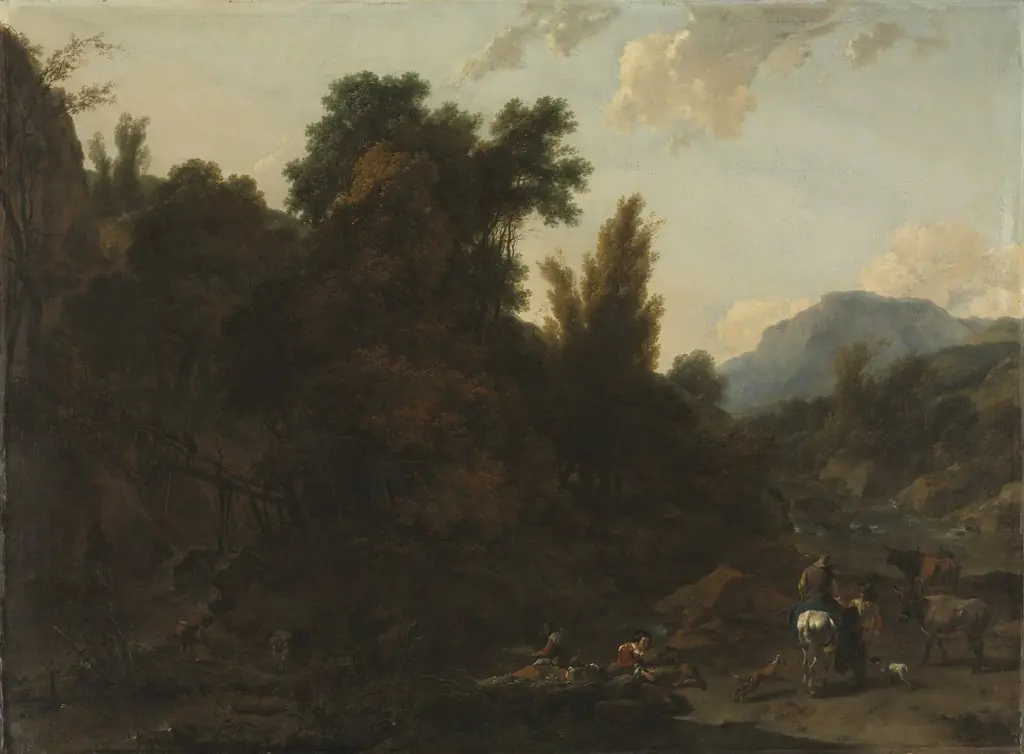
Italianate Landscape with Figures and Pack Animals on the Banks of a River
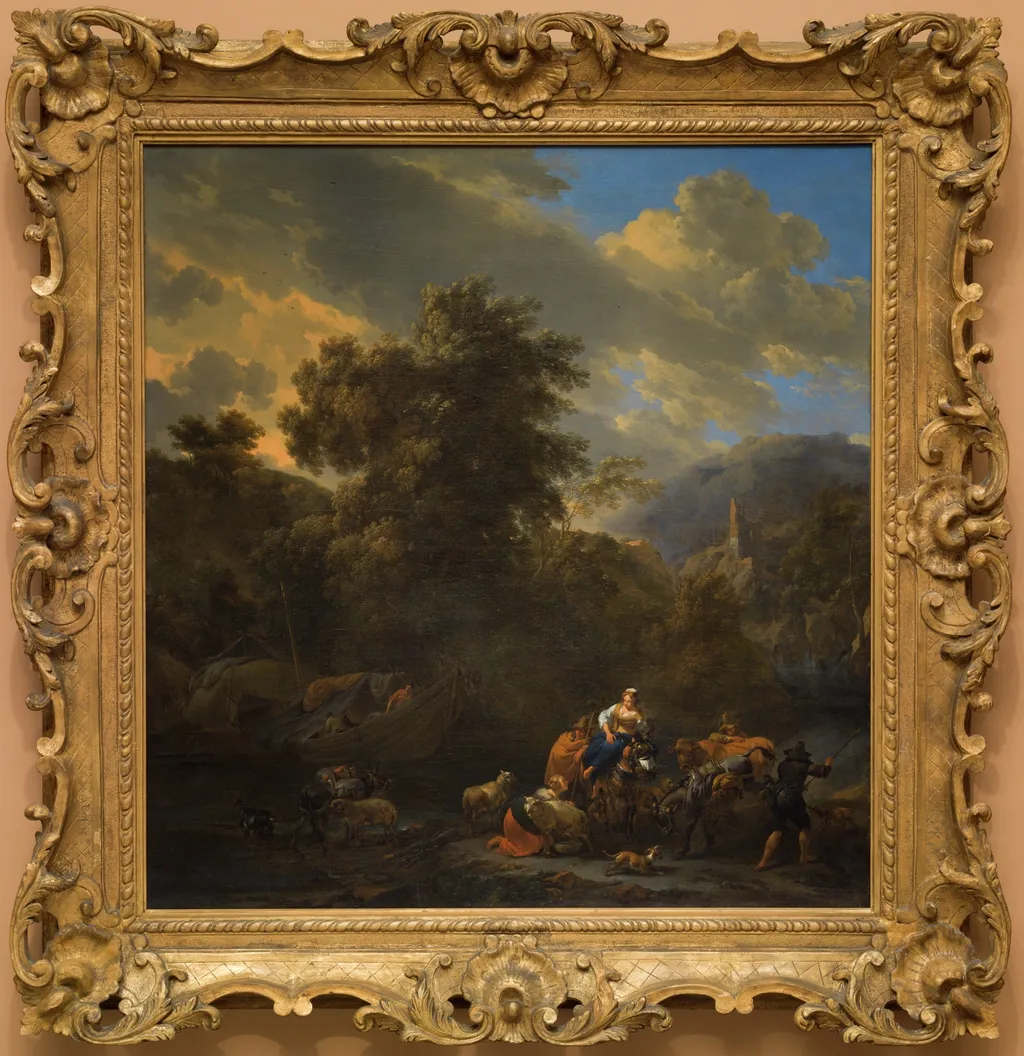
Italianate Landscape with Figures and Pack Animals on the Banks of a River is an oil painting by the Dutch Golden Age artist Nicolaes Pieterszoon Berchem. It dates from 1620 and is held in the collection of the Detroit Institute of Arts.
About this work
This painting is called Italianate Landscape with Figures and Pack Animals on the Banks of a River.
It was made by Nicolaes Pieterszoon Berchem in 1620.
The artist likely used oil paint to create this work, which is now held at the Detroit Institute of Arts.
You can learn more about this style by looking up the artist: Nicolaes Pieterszoon Berchem.
Overview
It belongs to a Dutch artistic trend that idealized Italian scenery, even though Berchem himself had not yet traveled to Italy at this time.
Nicolaes Pieterszoon Berchem painted this landscape in 1620, early in his career, using oil on canvas. It belongs to a Dutch artistic trend that idealized Italian scenery, even though Berchem himself had not yet traveled to Italy at this time. The work reflects a growing fascination among Northern European artists with the light, ruins, and pastoral life of the Italian countryside, rendered through imagination and study rather than direct observation.
Subject & Meaning
The scene depicts a quiet riverbank where travelers and pack animals move along a dirt path, accompanied by small figures in loose, rustic garments. Though not tied to a specific narrative, the figures suggest daily movement or pilgrimage, evoking a timeless, harmonious rural existence. The composition invites contemplation of nature and human labor, aligning with the pastoral ideals favored by Dutch Italianate painters of the period.
Technique & Style
Berchem employed soft, layered oil glazes to create atmospheric depth and warm, golden light. The landscape is structured with receding planes—foreground figures, midground river, and distant hills—enhancing spatial illusion. Brushwork is precise yet fluid, particularly in the rendering of foliage and animal forms, balancing naturalism with an idealized, almost theatrical composition typical of early Italianate landscapes.
History & Provenance
The painting entered the collection of the Detroit Institute of Arts in the 20th century, though its earlier ownership history remains undocumented. Created during Berchem’s formative years, it predates his documented travels to Italy and demonstrates how Dutch artists synthesized visual sources from prints, drawings, and travelers’ accounts to construct convincing foreign landscapes without firsthand experience.
Context
In the early 17th century, Dutch artists increasingly turned to Italianate subjects as trade and cultural exchange expanded across Europe. Berchem’s work emerged within a generation that sought to elevate landscape painting beyond mere topography, infusing it with classical allusions and serene, mythic qualities. This trend responded to collectors’ tastes for refined, evocative scenes that offered escape from urban life.
Legacy
Berchem’s early works like this one helped define the Dutch Italianate style, influencing later painters who would refine its conventions. His ability to blend observed detail with imaginative composition set a precedent for landscape painting in the Netherlands. Though less celebrated than some contemporaries, his output contributed significantly to the genre’s development and enduring appeal in Northern European art.
Artist & collection
Artist
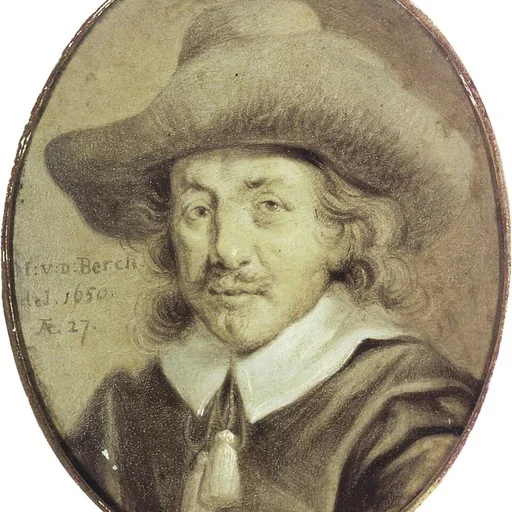
Nicolaes Pieterszoon Berchem (1 October 1620 – 18 February 1683) was a highly esteemed and prolific Dutch Golden Age painter of pastoral landscapes, populated with mythological or biblical figures, but also of a number of allegories and…

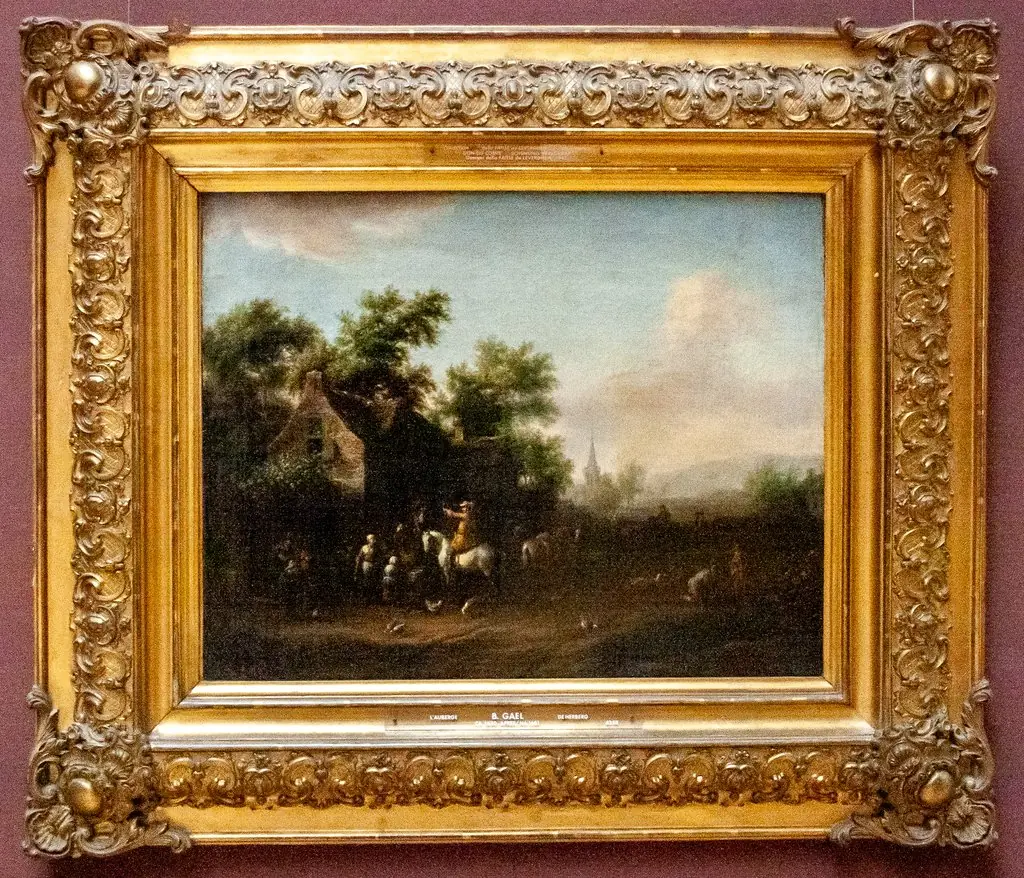 The inn
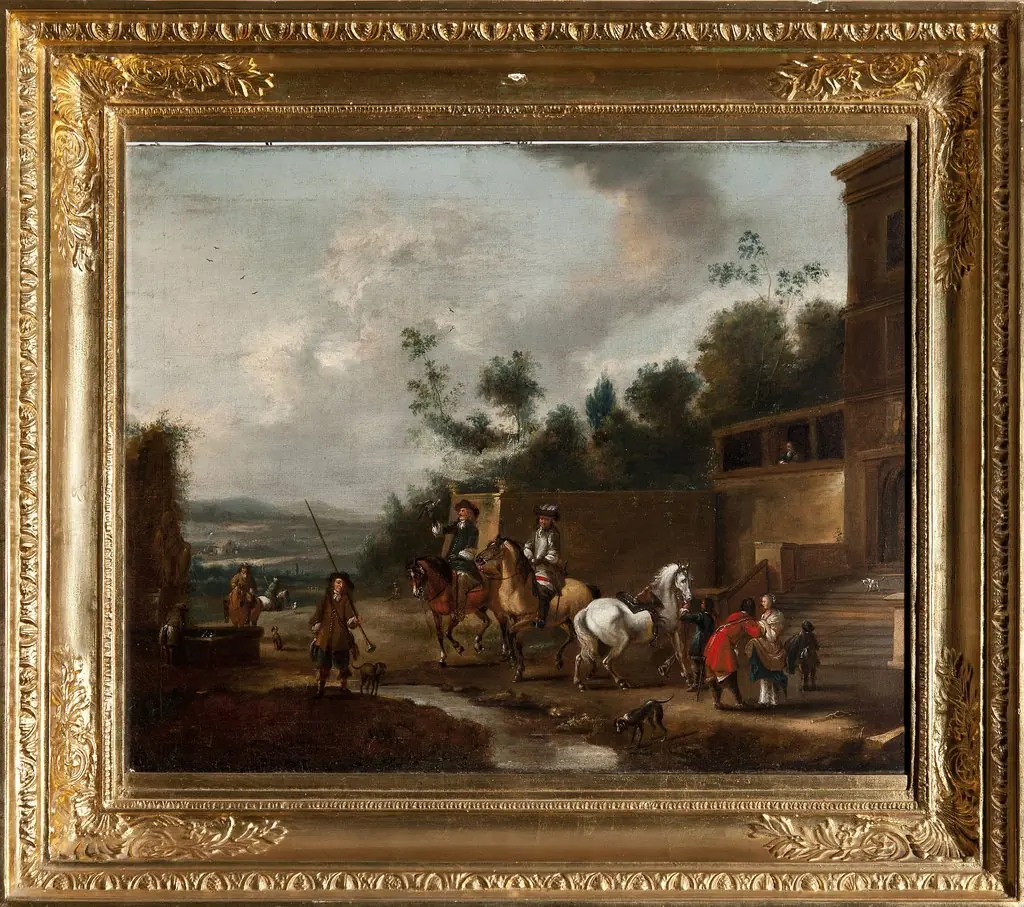 Departure for hunting
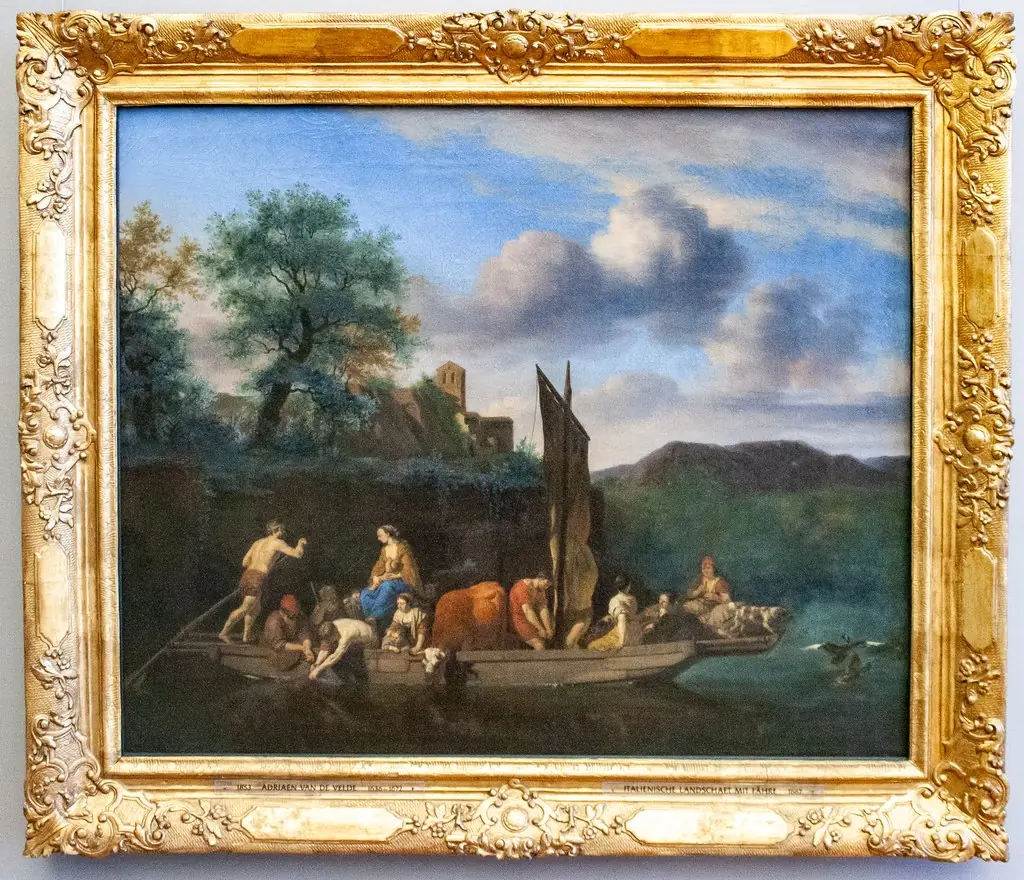 Italienische Landschaft mit Fähre
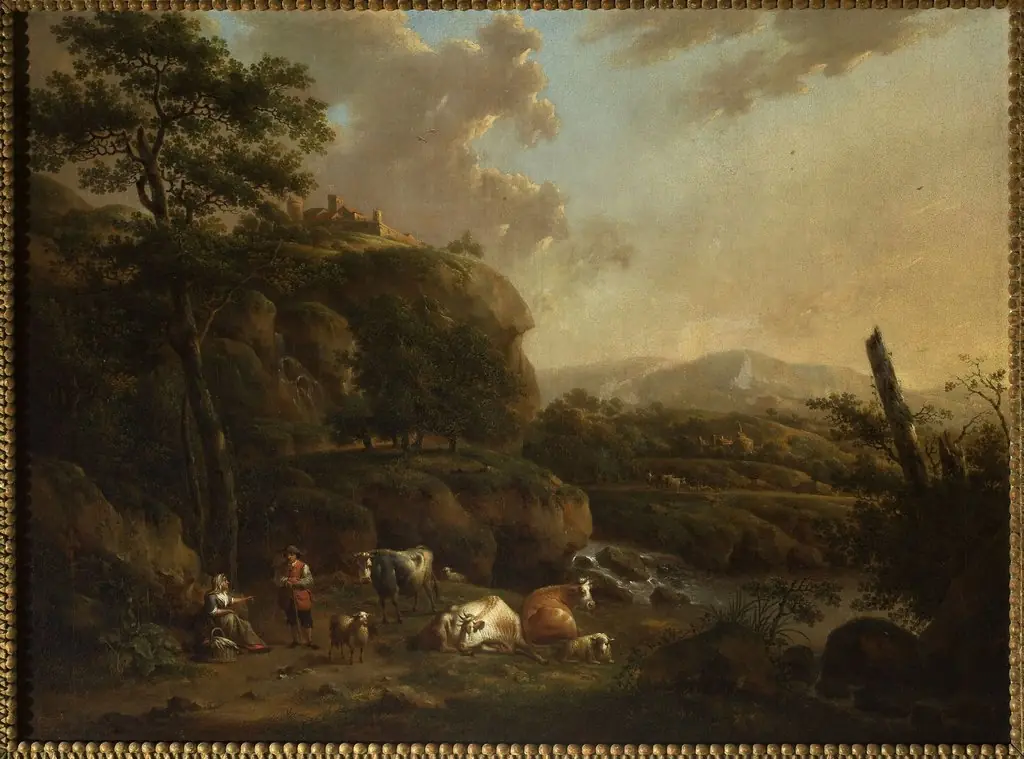 Mountain Landscape with Shepherds
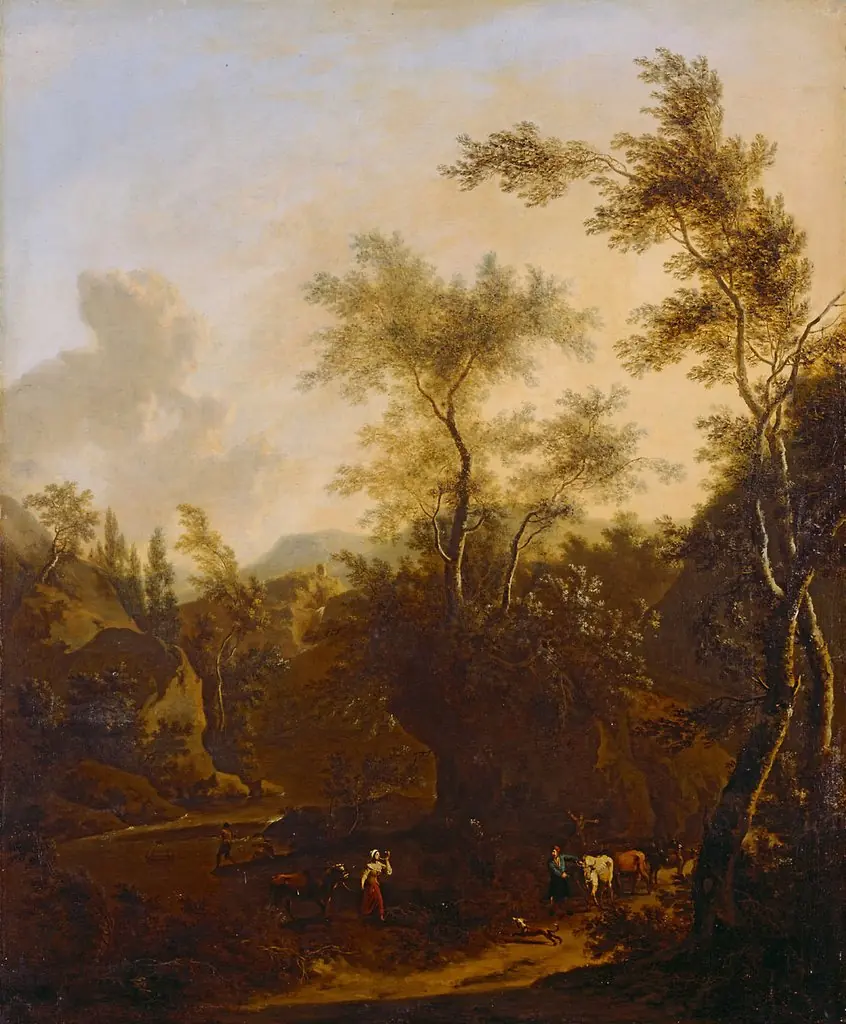 Landschaft mit Hirten und Herde
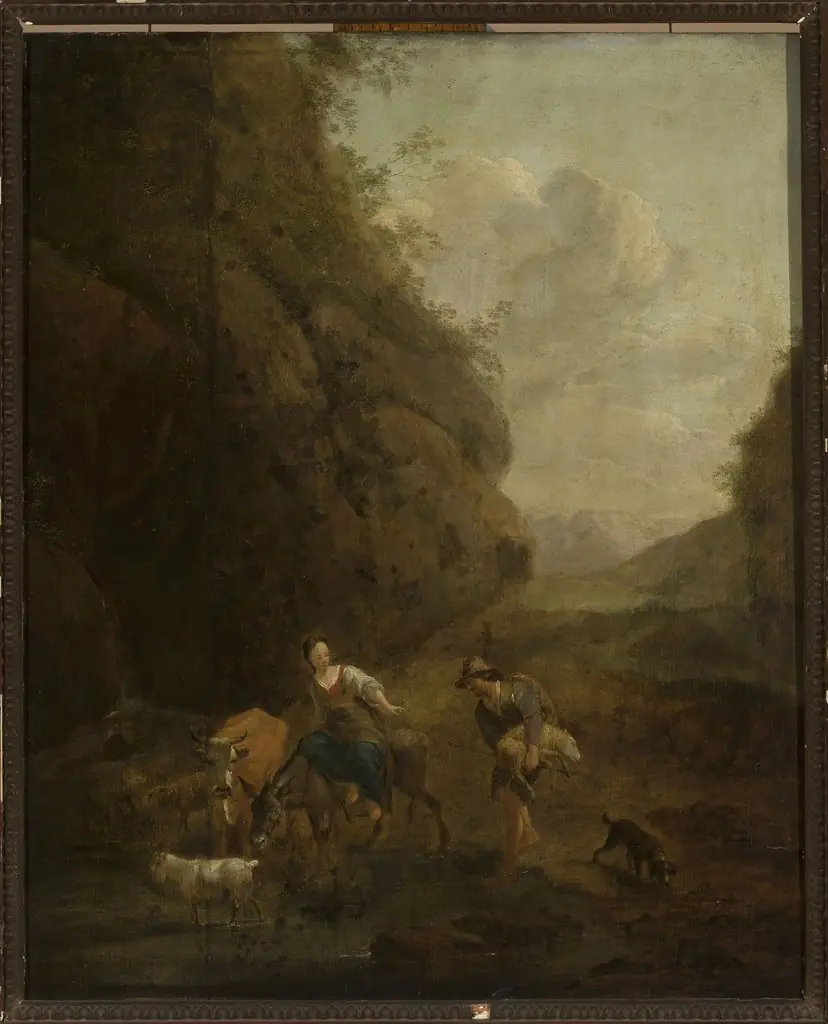 Pastoral scene
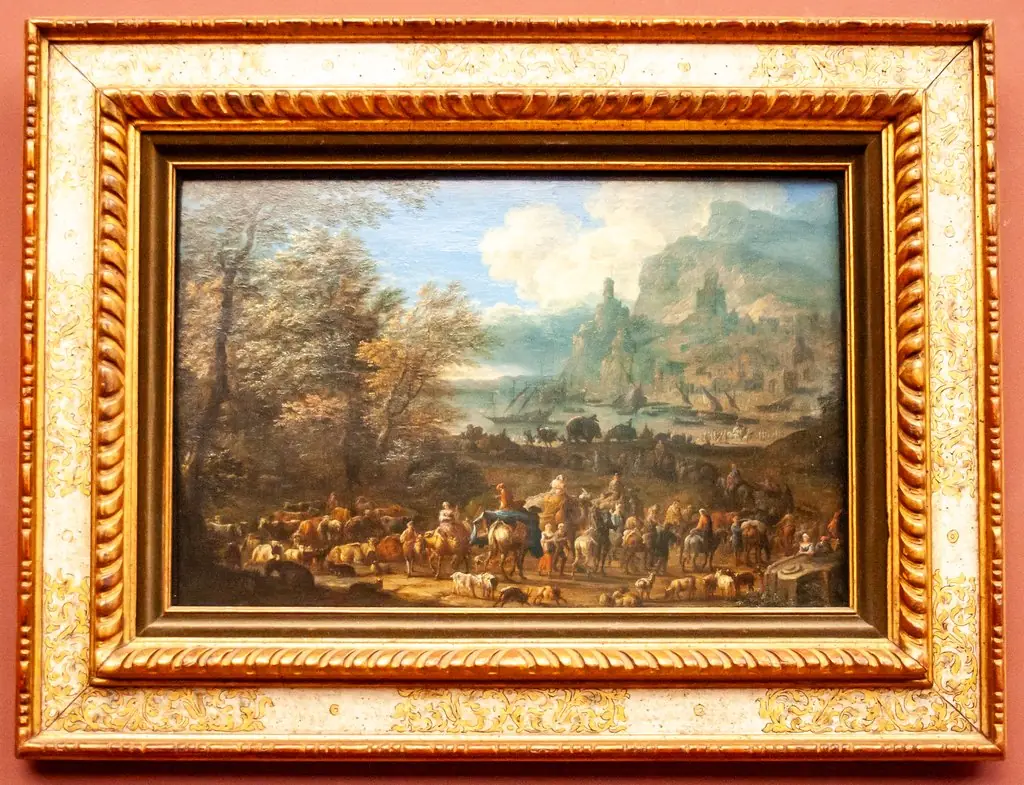 Landschap met figuren bij een inham aan de zee
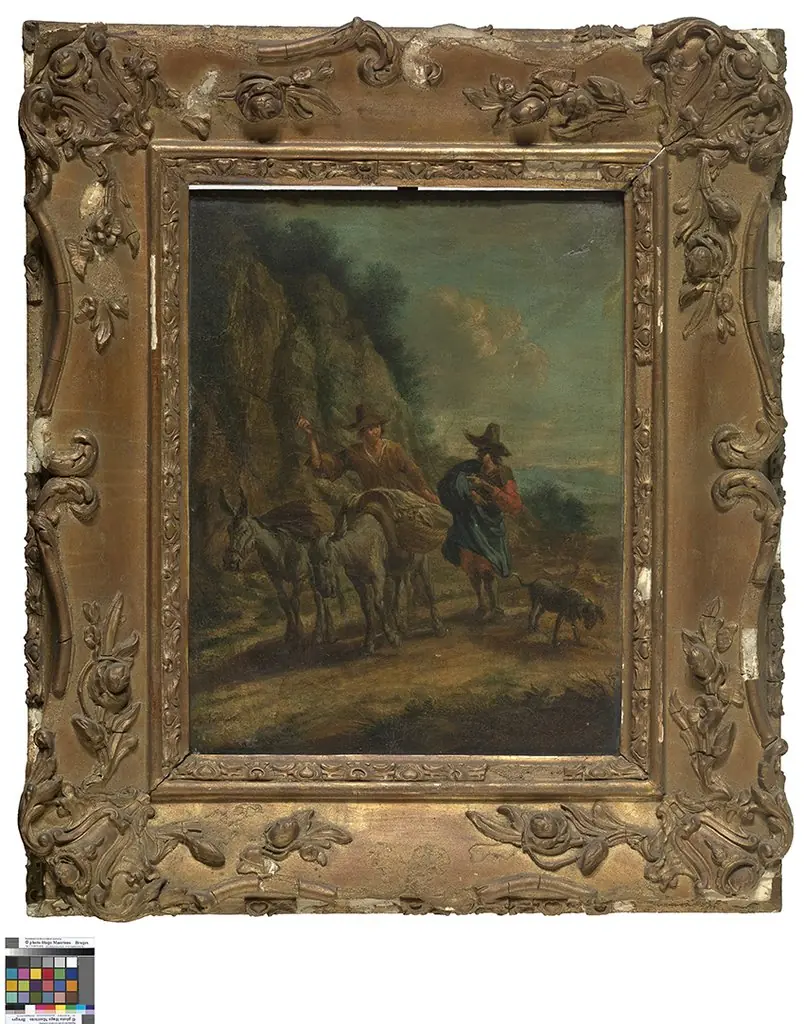 Ezeldrijvers
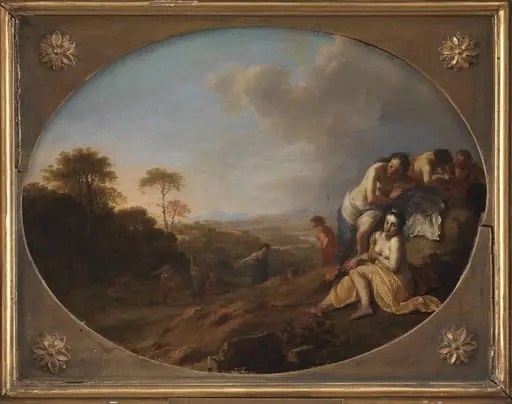 Nymphs in a Landscape
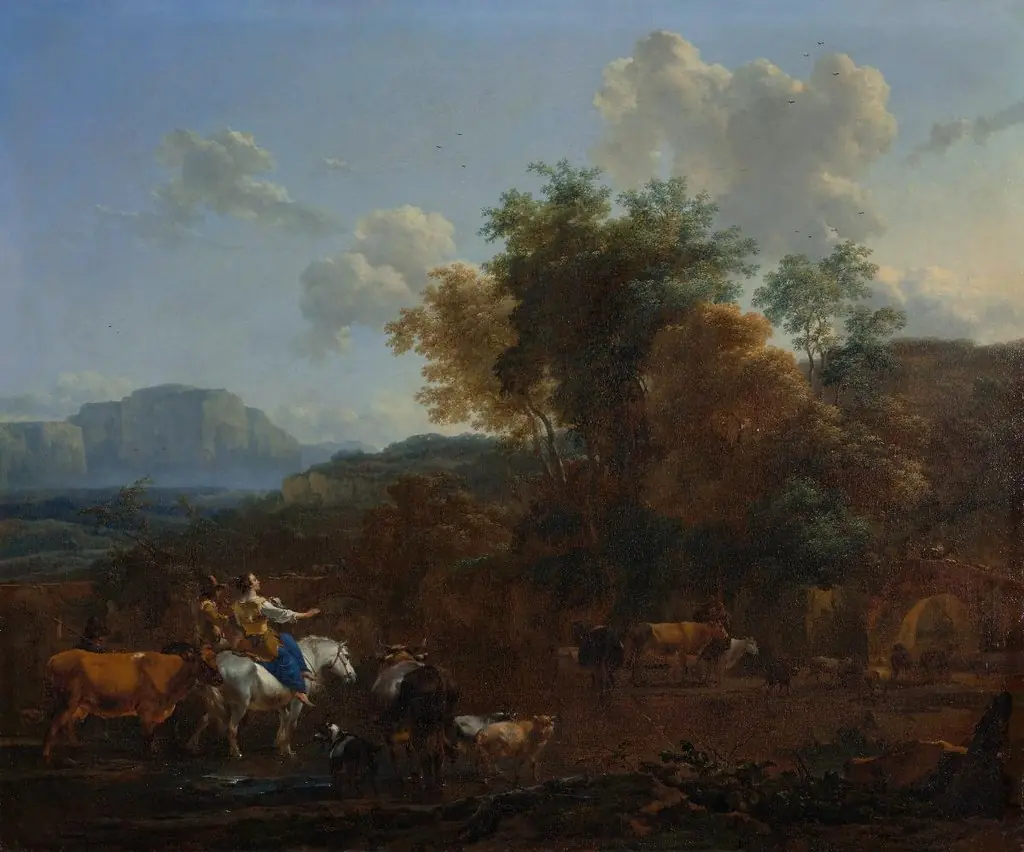 Italienische Landschaft mit musizierenden Hirten und ziehender Herde
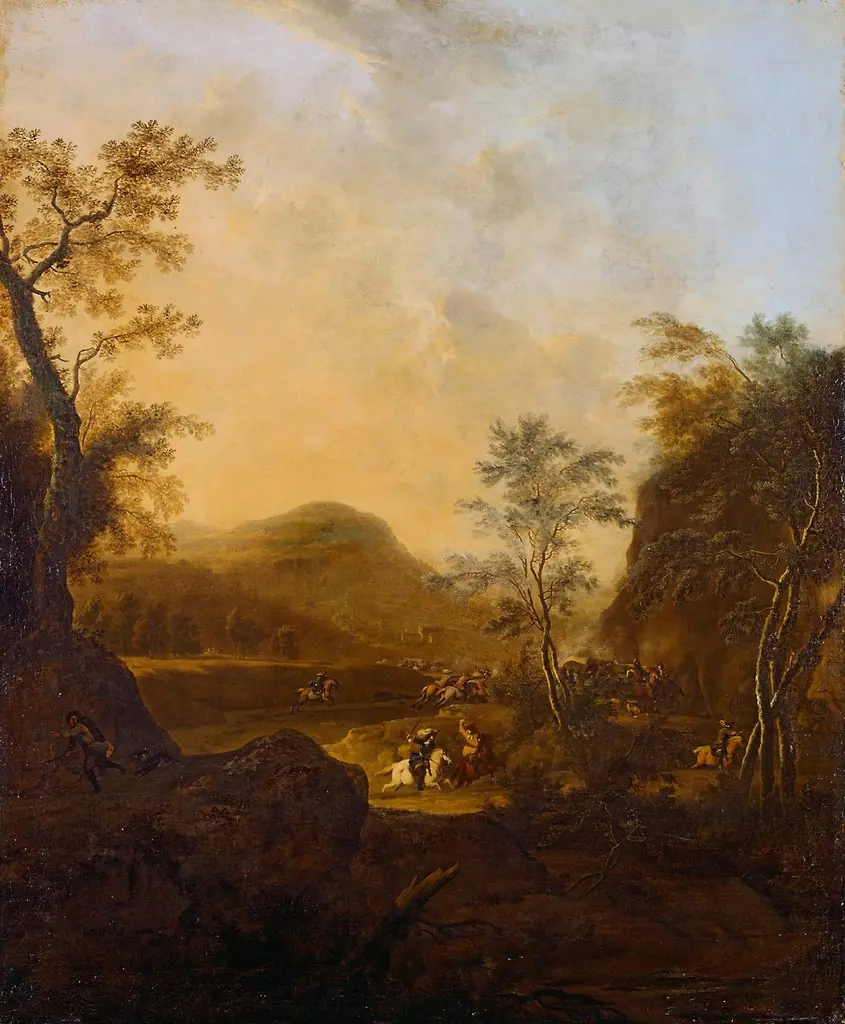 Landschaft mit kämpfenden Reitern
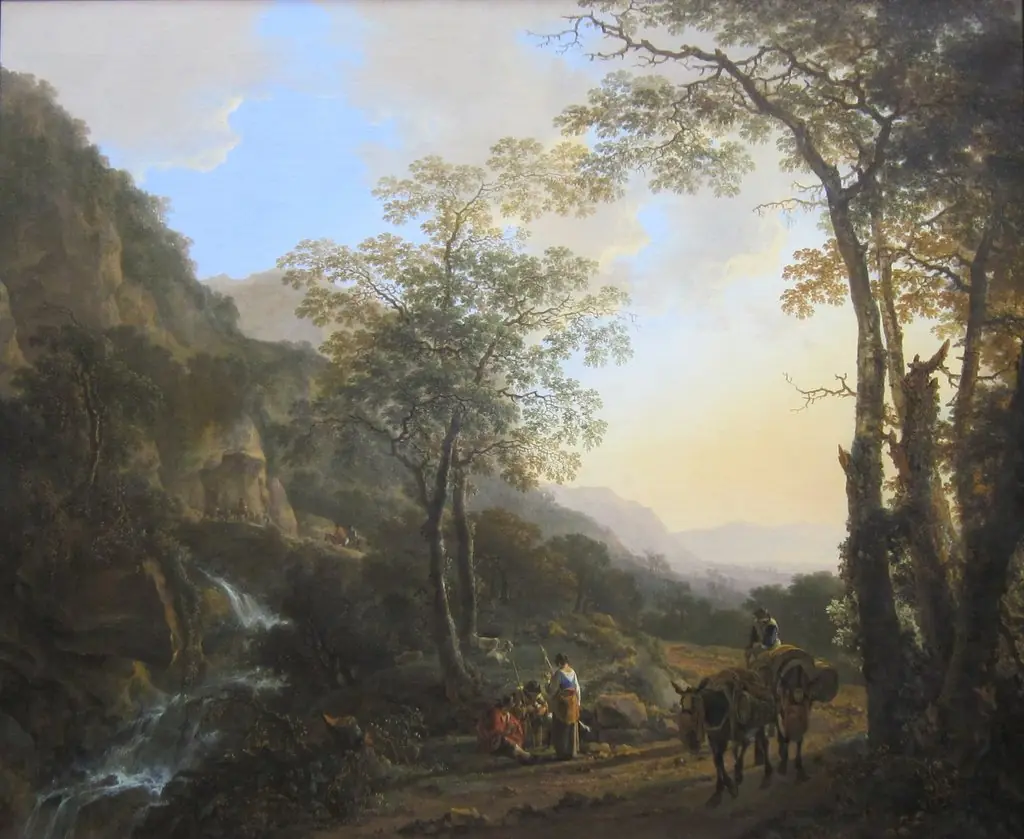 An Italianate Landscape with Travelers on a Path