Artwork
Dutch inn
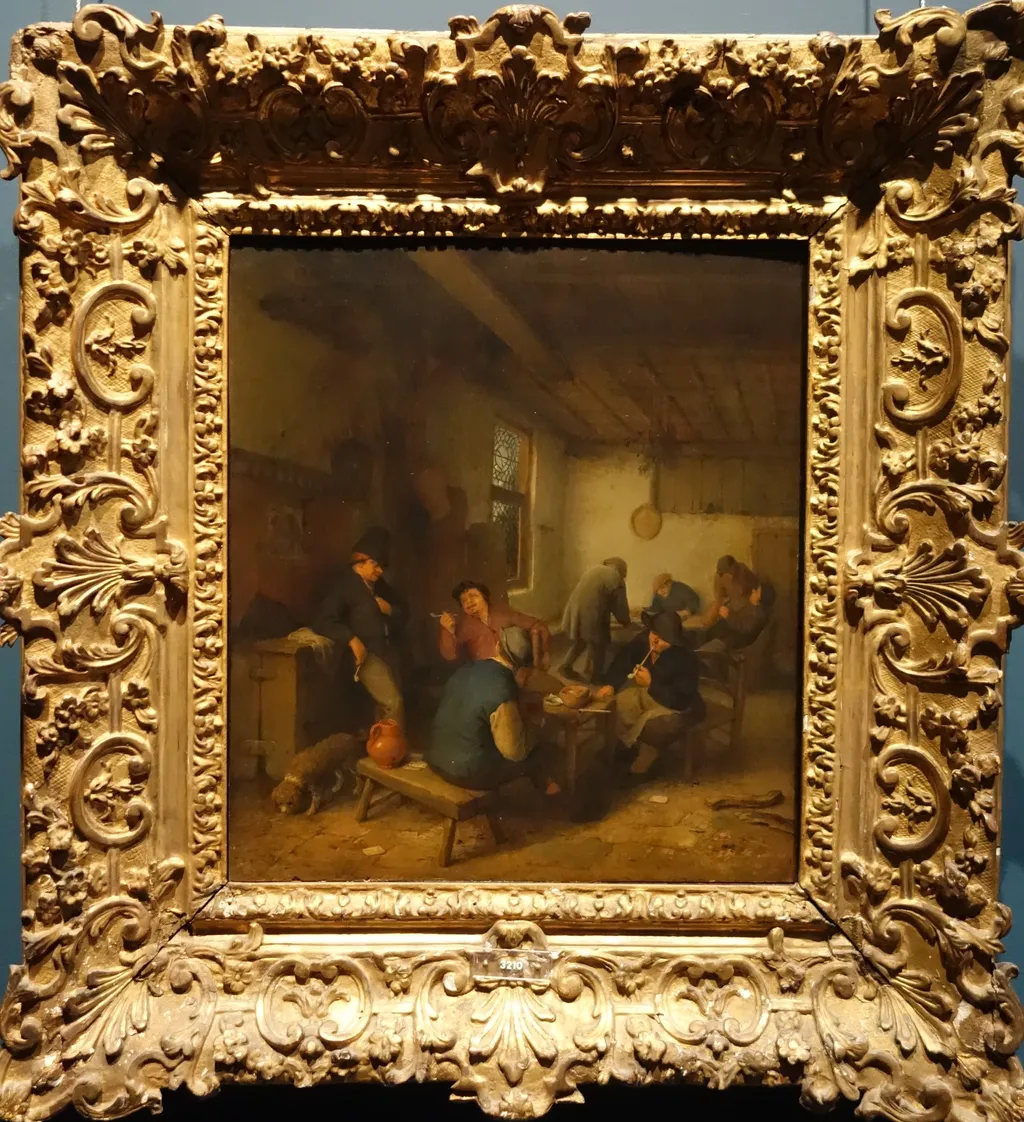
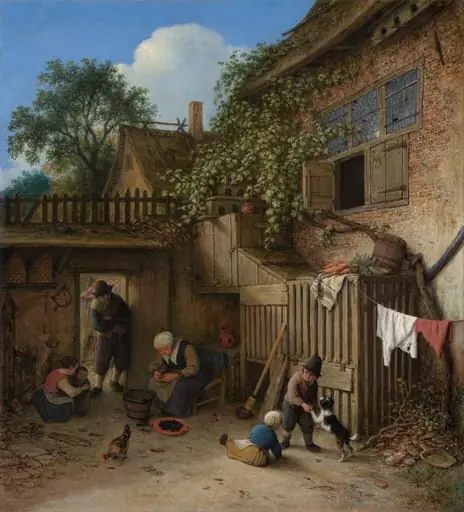
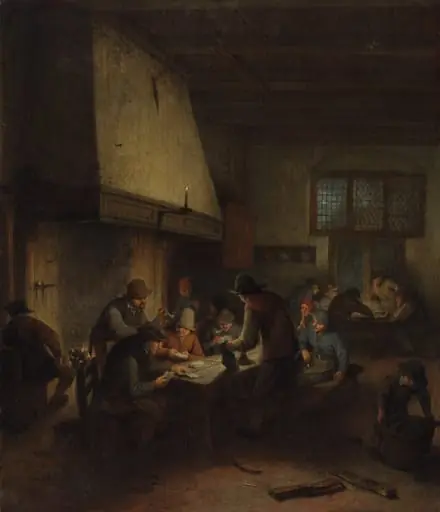
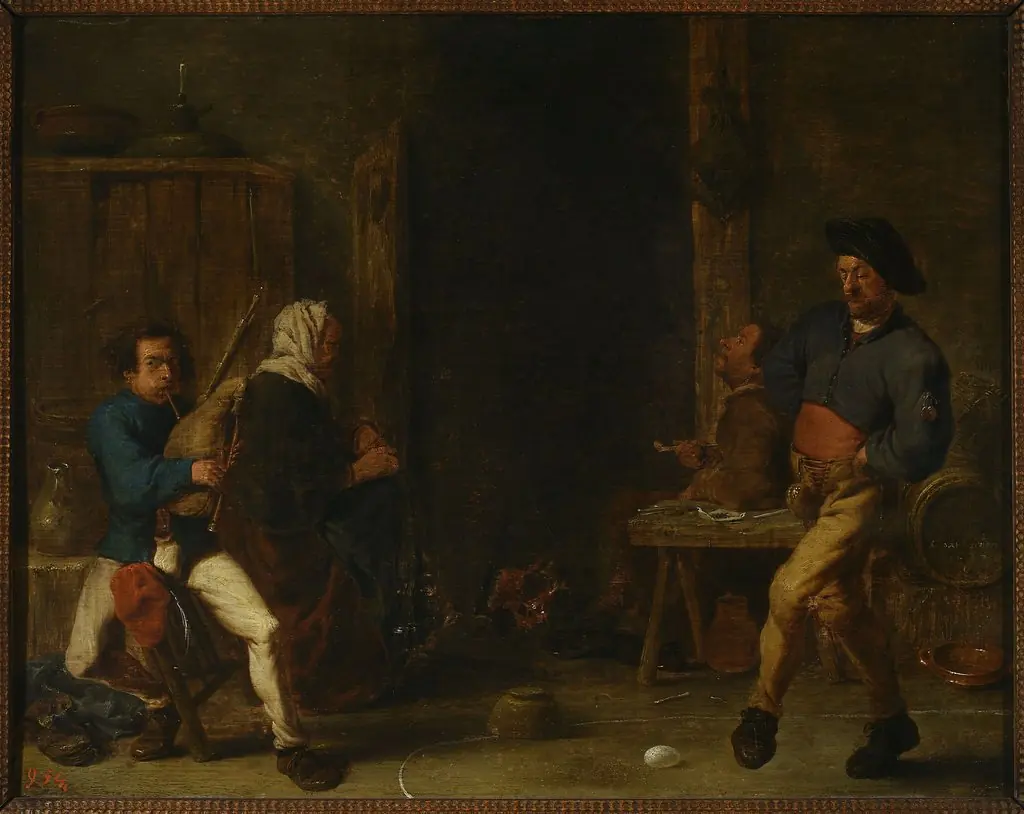
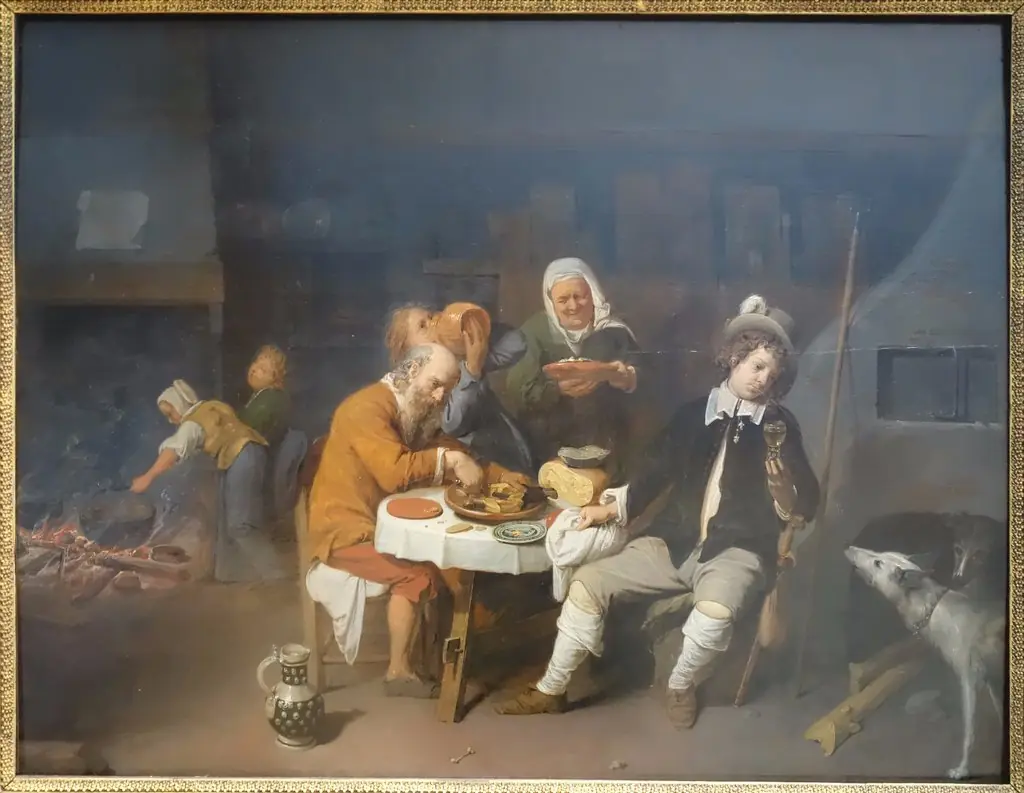
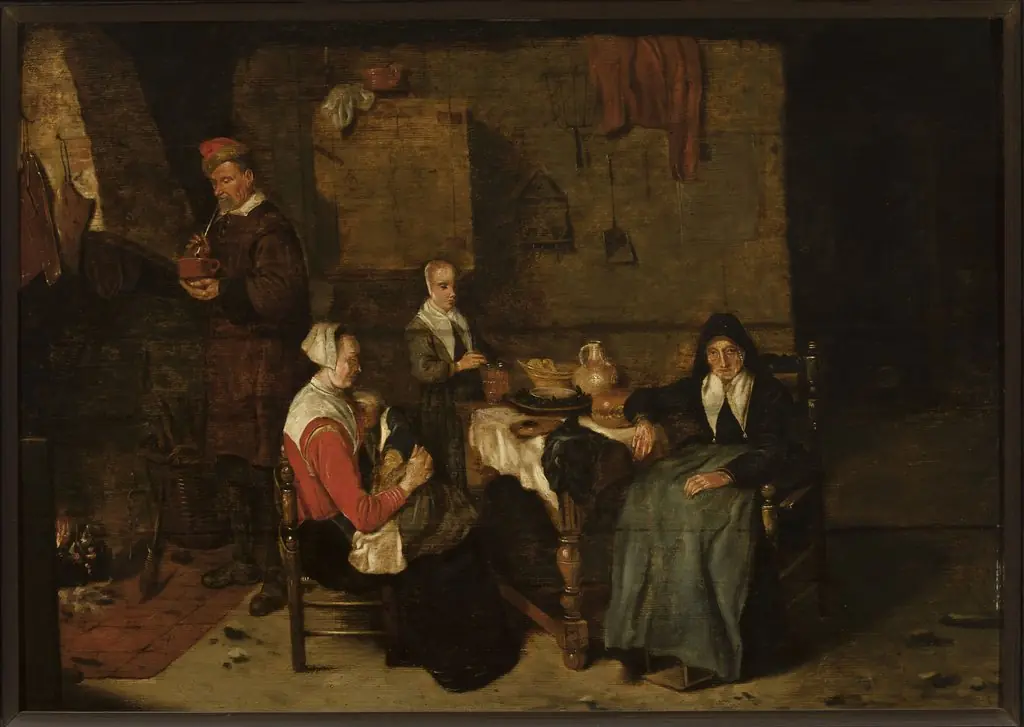
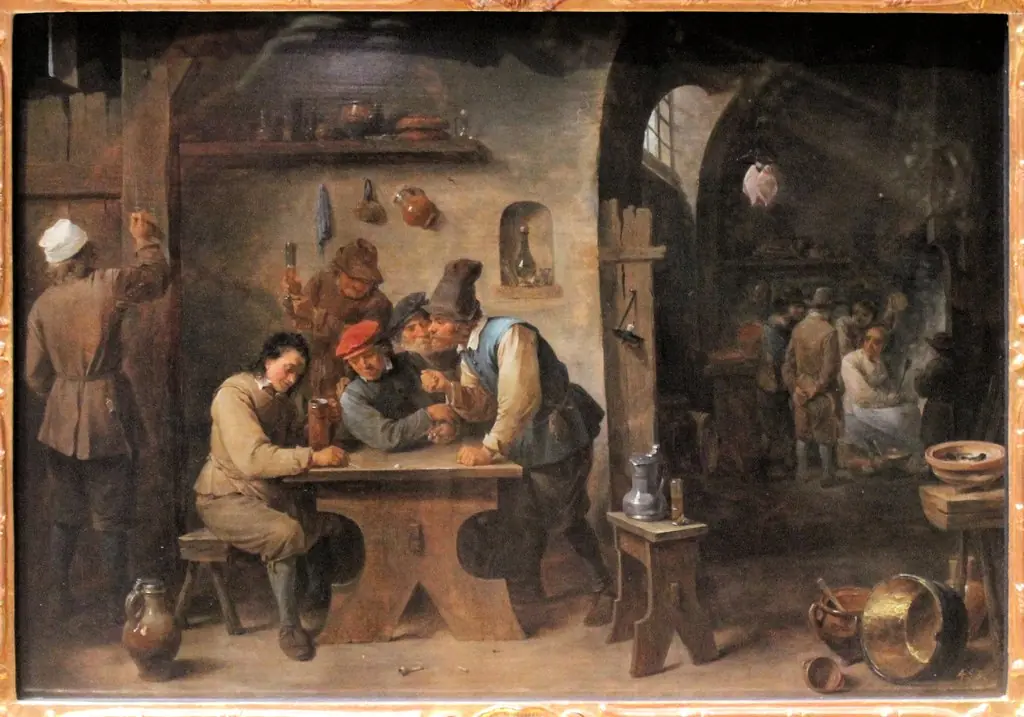
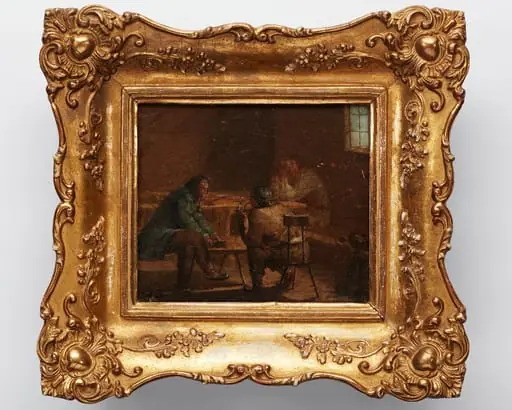
Dutch inn is an oil painting by the Dutch Golden Age artist Adriaen van Ostade. It dates from 1663 and is held in the collection of the Royal Museums of Fine Arts of Belgium.
About this work
Overview
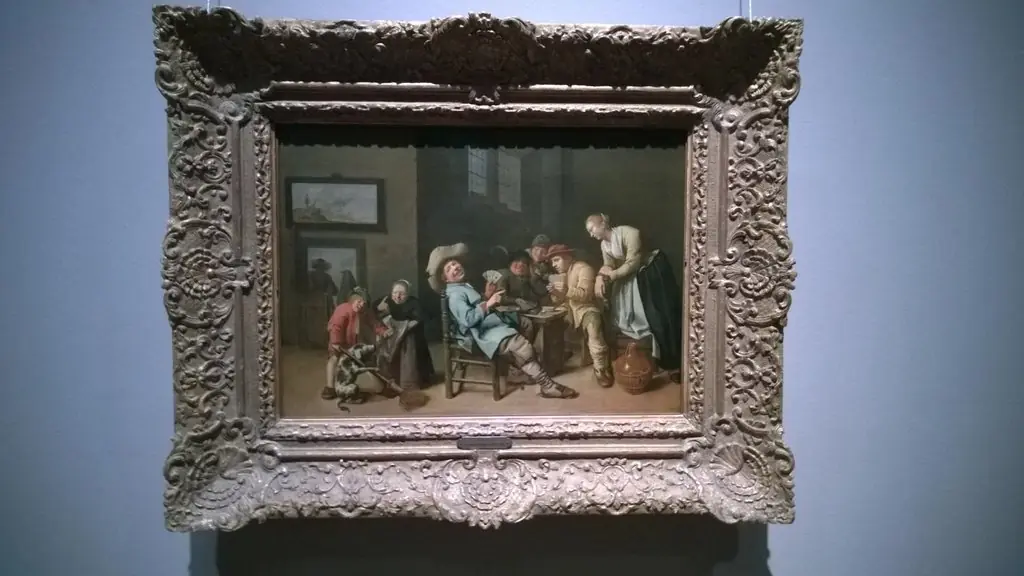
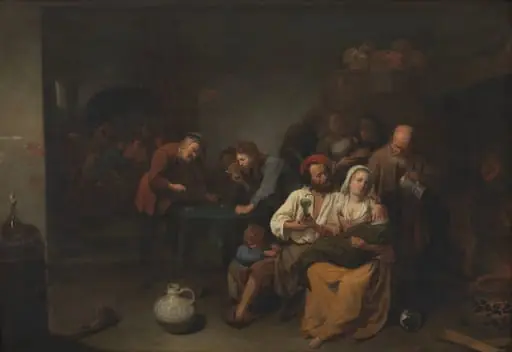
Painted in 1663 by Adriaen van Ostade, this oil-on-canvas work depicts an interior scene in a Dutch tavern. It belongs to the genre of everyday life painting, a hallmark of 17th-century Dutch art. The piece is part of the collection at the Royal Museums of Fine Arts of Belgium, where it remains a quiet testament to the social rhythms of its time.
Subject & Meaning
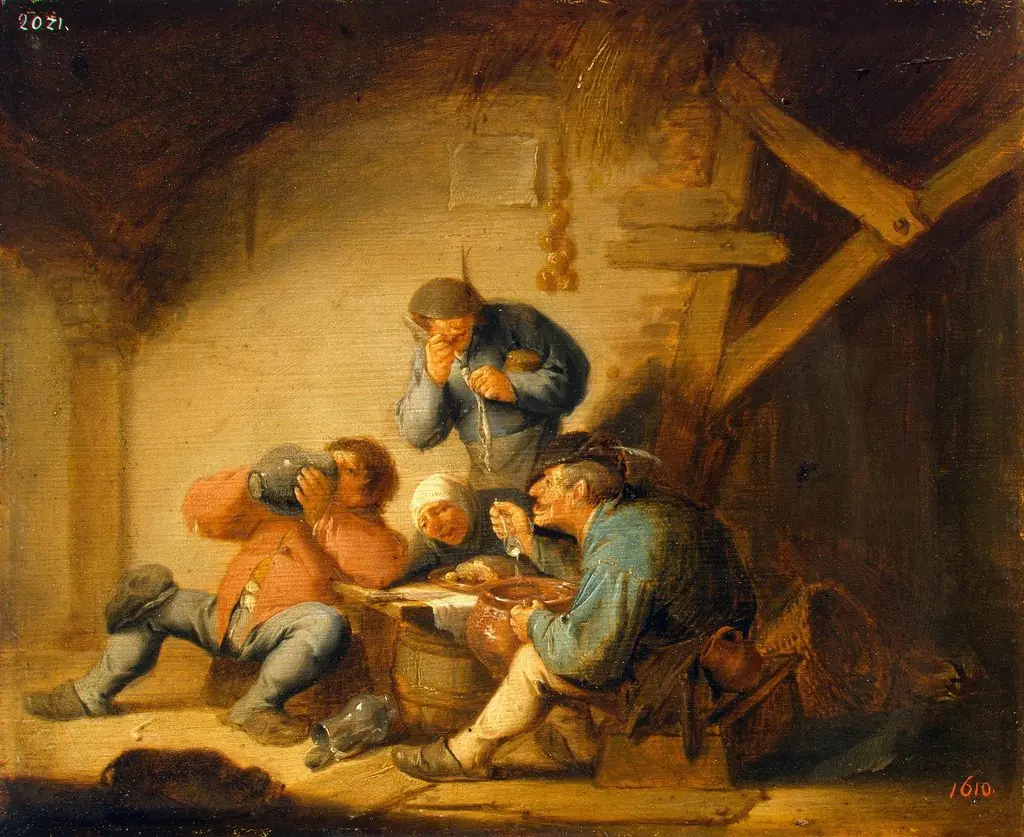
The painting captures a moment of informal gathering among common people—patrons seated at wooden tables, others standing in conversation, a dog resting near the hearth. No grand narrative is present; instead, the scene conveys quiet camaraderie and the ordinary rhythms of daily life. The absence of drama invites contemplation of communal simplicity rather than moral or religious instruction.
Technique & Style
The lighting, soft and directional, unifies the composition and draws attention to the interactions between figures, enhancing the sense of intimate realism.
Van Ostade employed a restrained palette dominated by earth tones—ochres, browns, and muted golds—to evoke the warm glow of candlelight and hearth fire. Brushwork is loose yet deliberate, suggesting texture in clothing, wood, and skin without fine detail. The lighting, soft and directional, unifies the composition and draws attention to the interactions between figures, enhancing the sense of intimate realism.
History & Provenance
The painting entered the collection of the Royal Museums of Fine Arts of Belgium in the 19th century, likely through acquisition or donation from a private Belgian collection. Its attribution to van Ostade has remained consistent since its early documentation. No major alterations or restorations are recorded, preserving its original tonal harmony and compositional balance.
Context
In mid-17th-century Holland, genre scenes like this one flourished amid rising urban prosperity and a growing middle class with interest in domestic life. Taverns were common social hubs, and artists like van Ostade found fertile subject matter in their bustle. Unlike religious or mythological works, these paintings reflected contemporary values: community, leisure, and the dignity of ordinary moments.
Legacy
Van Ostade’s depiction of tavern life influenced later genre painters in the Low Countries and beyond. While not widely celebrated in his own time as a revolutionary, his consistent focus on unidealized human interaction established a quiet but enduring tradition. Today, the work stands as a representative example of how Dutch artists transformed the mundane into enduring visual records.
Artist & collection
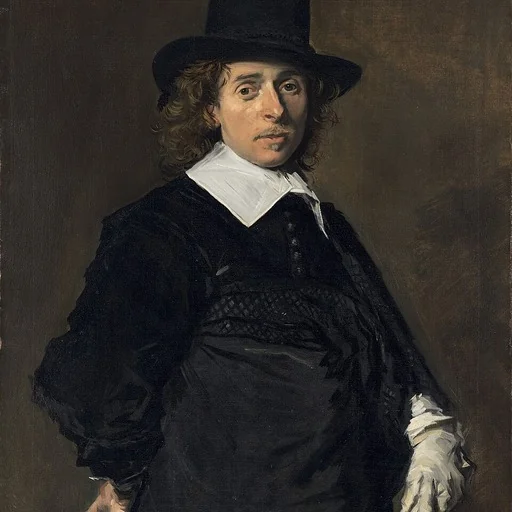
Artist
Adriaen van Ostade (baptized as Adriaen Jansz Hendricx 10 December 1610 – buried 2 May 1685) was a Dutch Golden Age painter of genre works, showing the everyday life of ordinary men and women.

Museum
Royal Museums of Fine Arts of Belgium
Continue through works from the same source collection.