Artwork
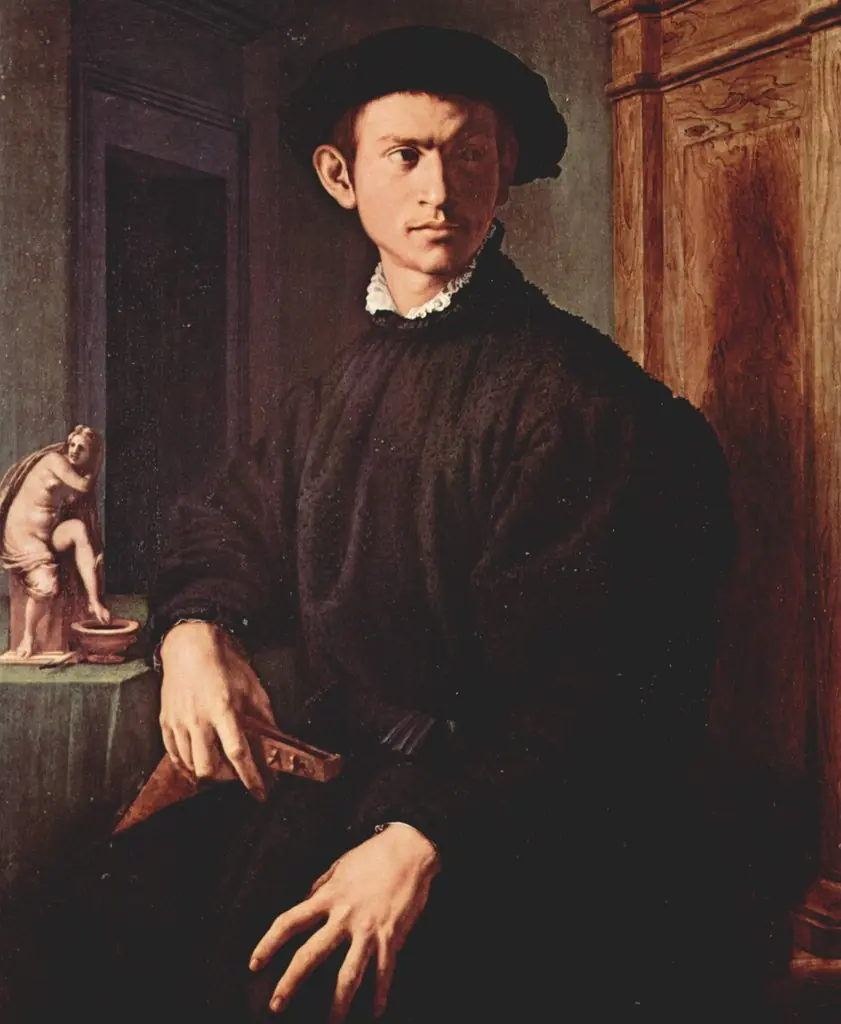
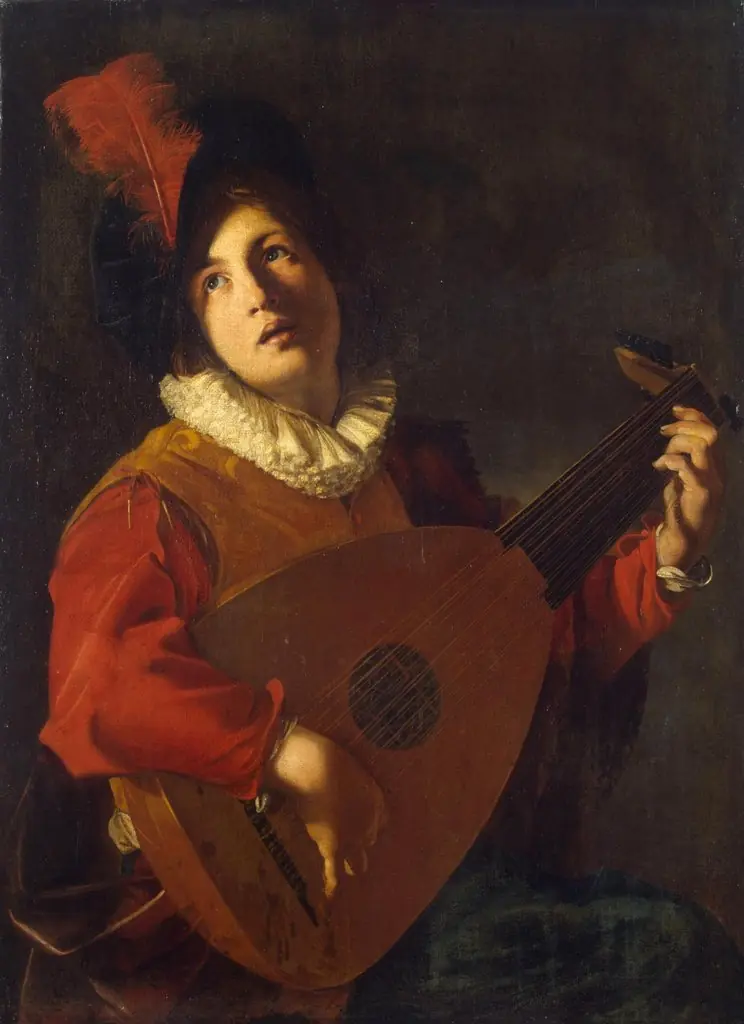
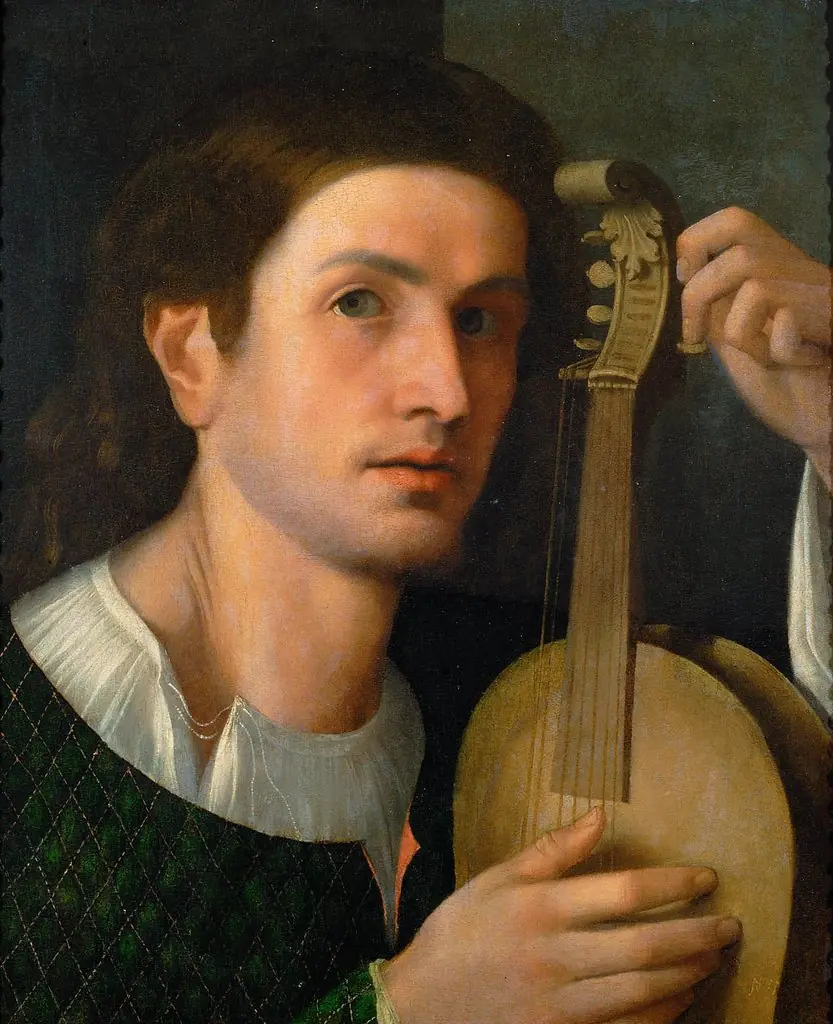
Bildnis eines Jünglings mit Mandoline
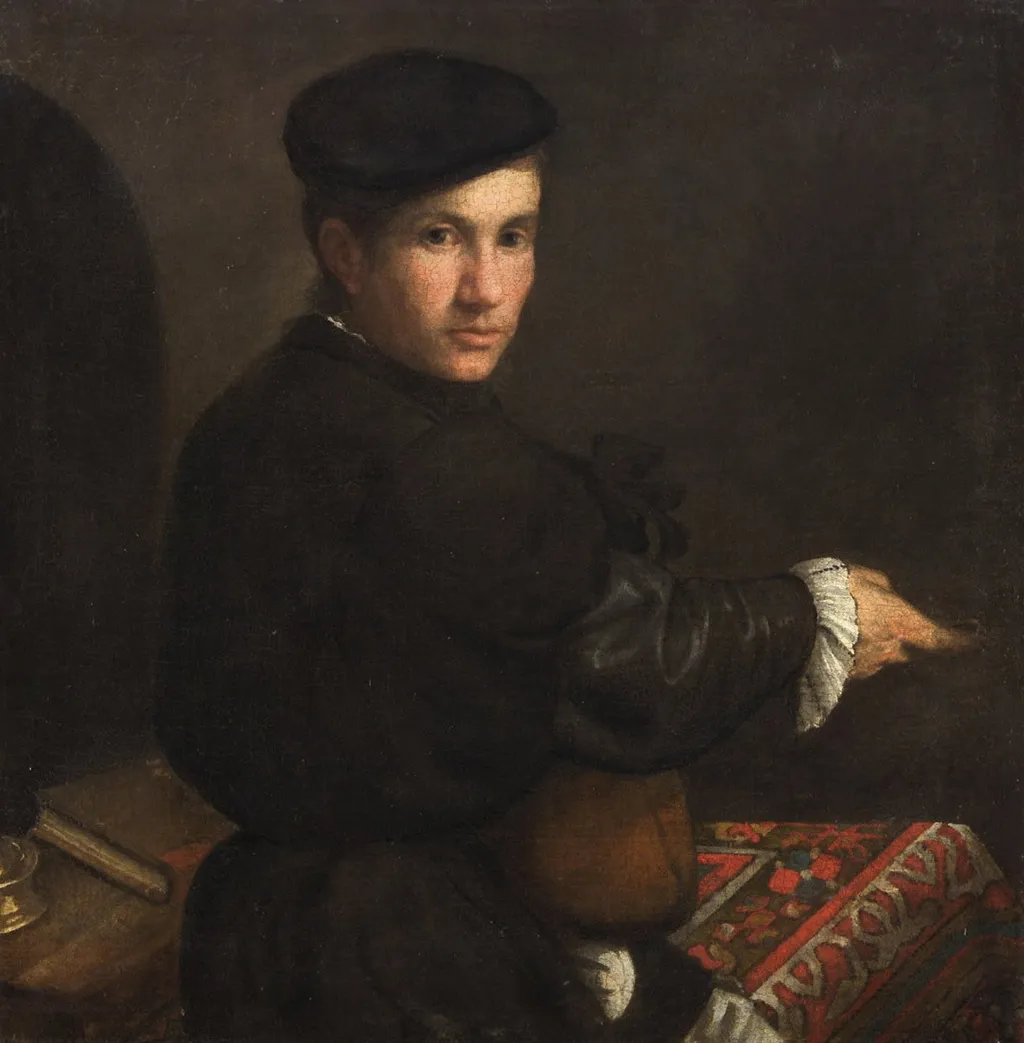
Bildnis eines Jünglings mit Mandoline is an oil painting by the Early Baroque Italian artist Jacopo Bassano. It dates from 1537 and is held in the collection of the Kunsthistorisches Museum.
About this work
Overview
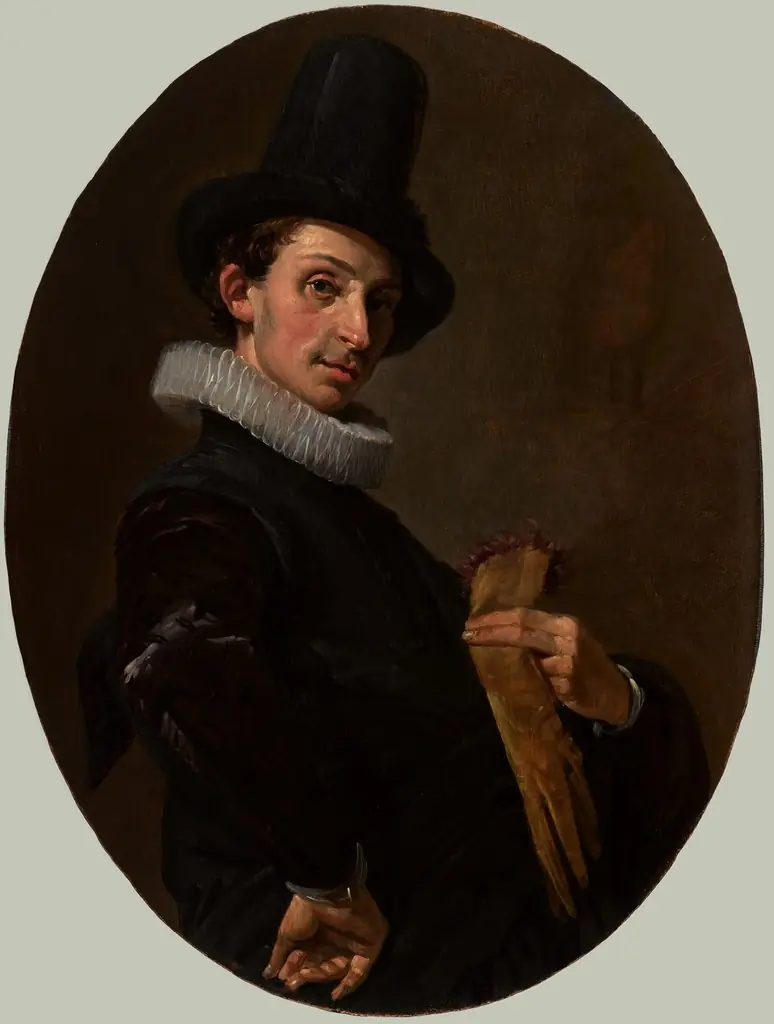
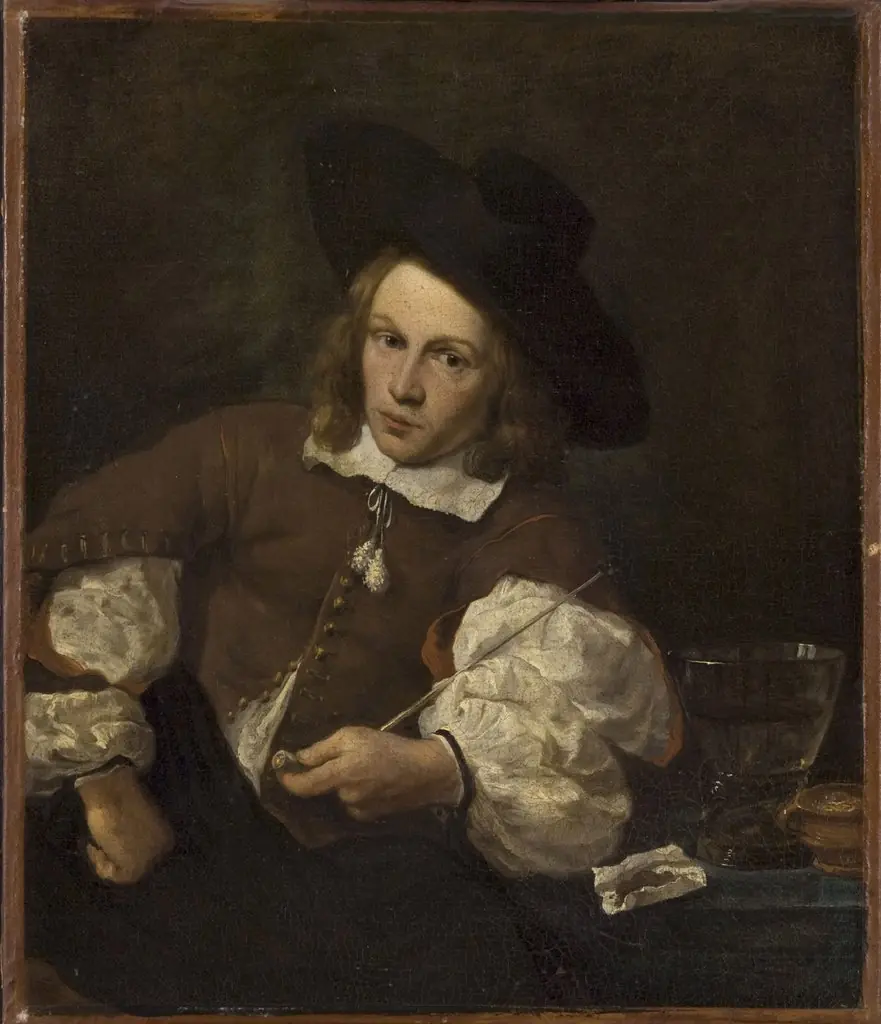
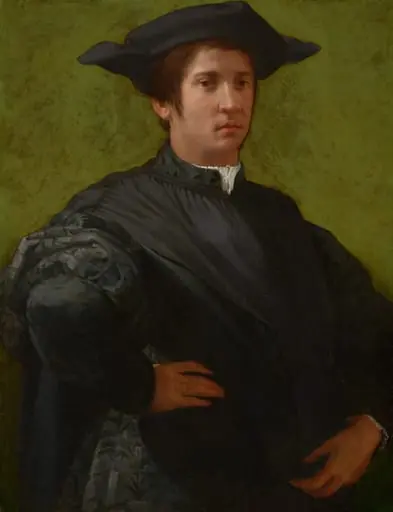
Created in 1537, this oil portrait is attributed to the Venetian painter Jacopo Bassano. The work is part of the collection of the Kunsthistorisches Museum in Vienna. It presents a solitary young man seated before a plain backdrop, rendered with a restrained palette that emphasizes the interplay of light and dark.
Subject & Meaning
The sitter wears a dark cap and a black robe, his left hand resting lightly on a table covered with a richly patterned cloth of red and gold. A white cuff peeks from his sleeve, and his gaze is directed forward with a calm, contemplative expression. The composition suggests a private, perhaps informal, moment rather than a formal commission.
Technique & Style
Bassano employs chiaroscuro to model the figure, allowing a side light to illuminate the face while the surrounding space recedes into shadow. The contrast heightens the three‑dimensionality of the head and hands, and the subtle gradations of tone on the fabric convey texture. The overall handling reflects the Venetian tradition of atmospheric depth combined with a modest, naturalistic approach.
History & Provenance
Since its creation, the portrait has remained in the Austrian imperial collections, eventually entering the holdings of the Kunsthistorisches Museum. Documentation traces its presence in the museum's inventory from the 19th century onward, confirming its continuous public display and scholarly attribution to Bassano.
Artist & collection
Artist
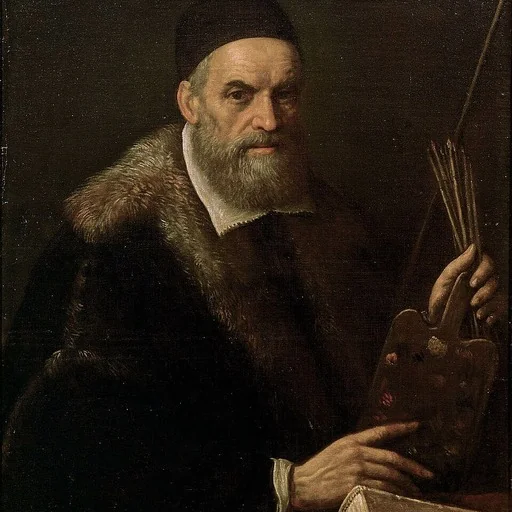
Jacopo Bassano was an Italian Renaissance painter of the Venetian school. He was born and died in Bassano del Grappa, and took the village as his surname. Having trained in the workshop of his father, Francesco the…