Artwork
Lute Player
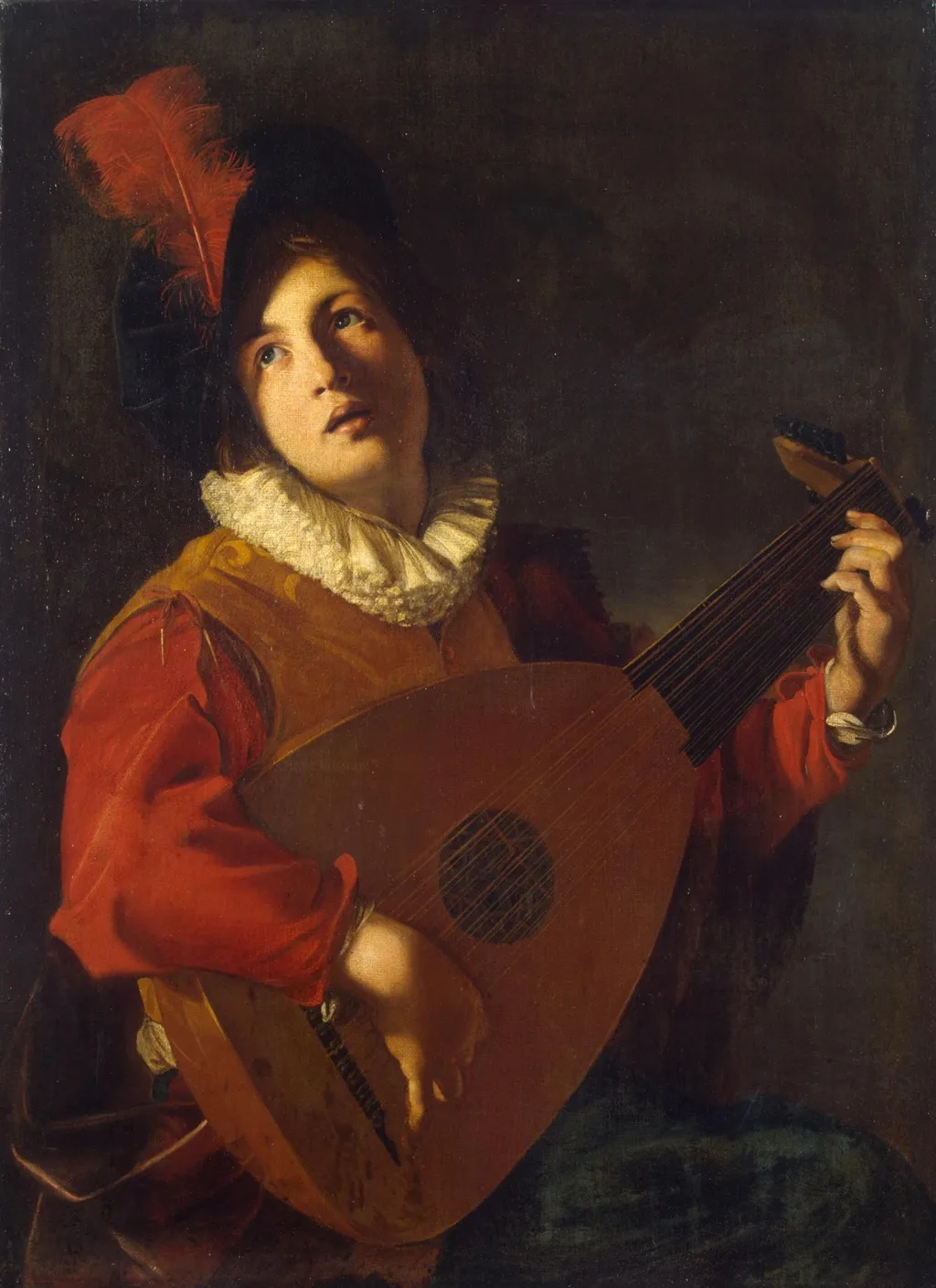
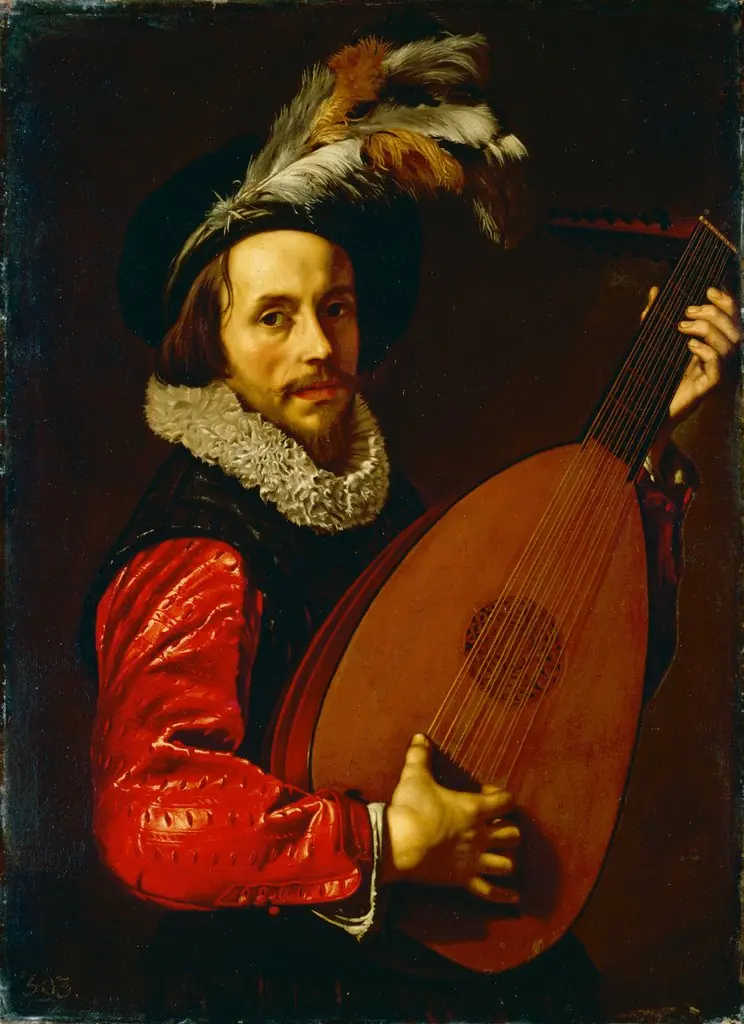
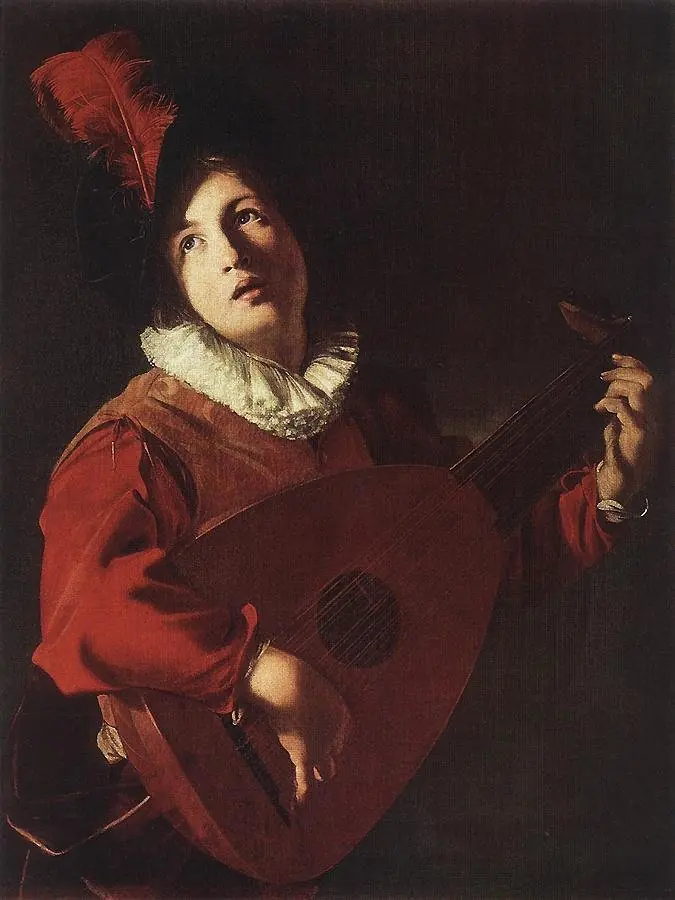
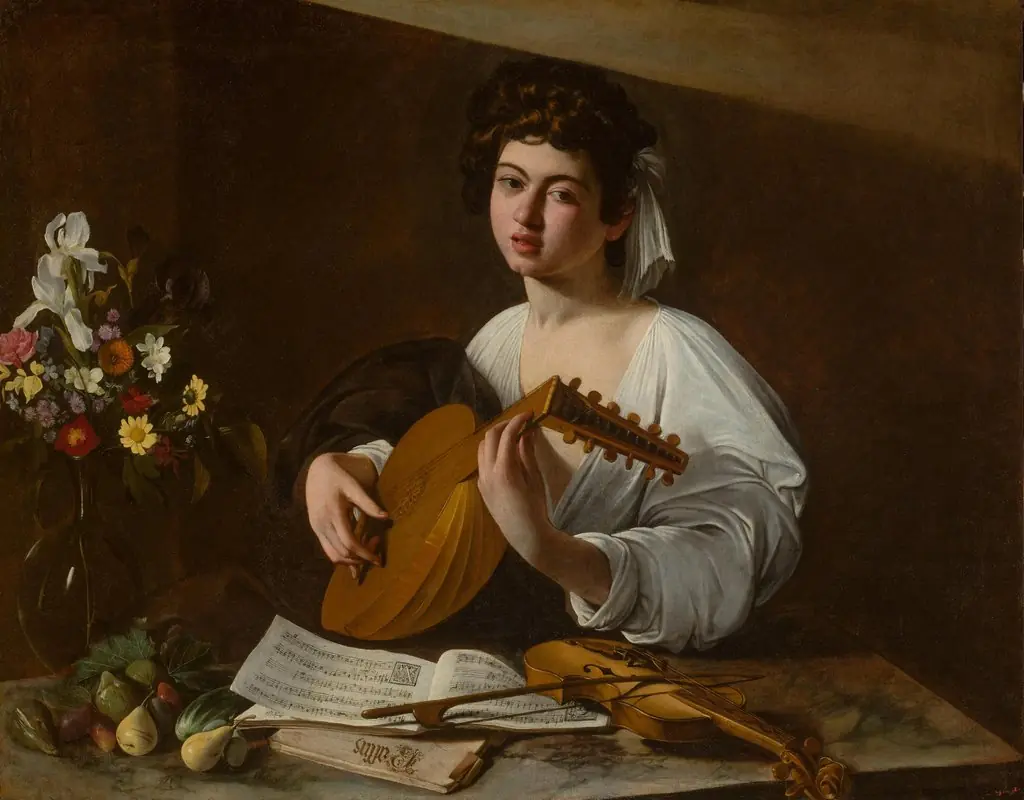
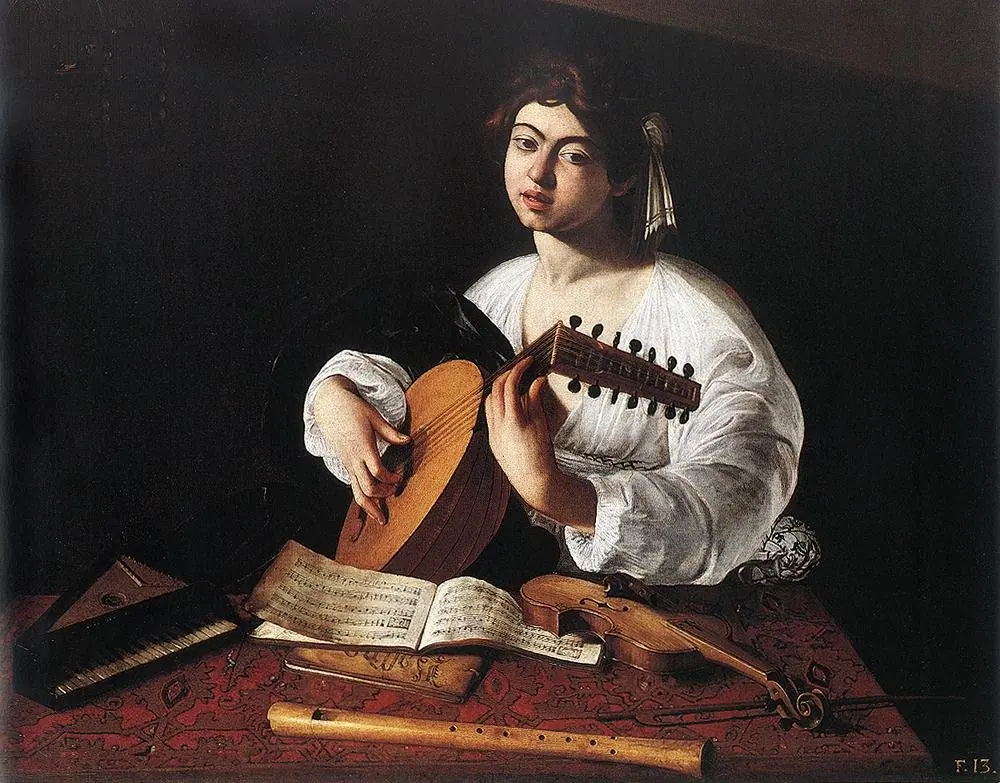
Lute Player is an oil painting by the Early Baroque Italian artist Nicolas Tournier. It is held in the collection of the Hermitage Museum.
About this work
Overview
Created circa 1650, *Lute Player* is an oil painting by French Baroque artist Nicolas Tournier. The work shows a young man absorbed in music, illuminated against a dark backdrop. Its composition reflects the dramatic lighting and intimate genre scenes typical of early Italian Baroque, and it now forms part of the State Hermitage Museum’s collection.
Subject & Meaning
The central figure, a youthful musician, is dressed in a vivid red shirt, yellow vest, and a feathered hat, his gaze lifted upward as he engages the lute. The portrayal of a solitary player aligns with the period’s secular genre paintings, emphasizing personal contemplation and the pleasures of music rather than overt narrative content.
Technique & Style
Tournier employs chiaroscuro to model the figure, allowing the bright garments to emerge from a deep, shadowed space. The contrast of light and dark creates a three‑dimensional presence, while the precise rendering of the lute’s strings and the subject’s hand gestures demonstrate a meticulous handling of oil paint characteristic of the Caravaggisti influence.
History & Provenance
Born in Montbéliard, Tournier spent formative years in Rome (1619‑1626), absorbing Caravaggio’s tenebrism and working within the circle of Bartolomeo Manfredi. He is documented as a pupil of Valentin de Boulogne. After remaining in private hands, the painting entered the State Hermitage Museum, where it is displayed as an example of French artists working within the Italian Baroque idiom.
Own this work as a print
Artist & collection
Artist
Nicolas Tournier (baptised 12 July 1590 – d. before February 1639) was a French Baroque painter. Born in Montbéliard, he followed the profession of his father, André Tournier, "a Protestant painter from Besançon".…