Artwork
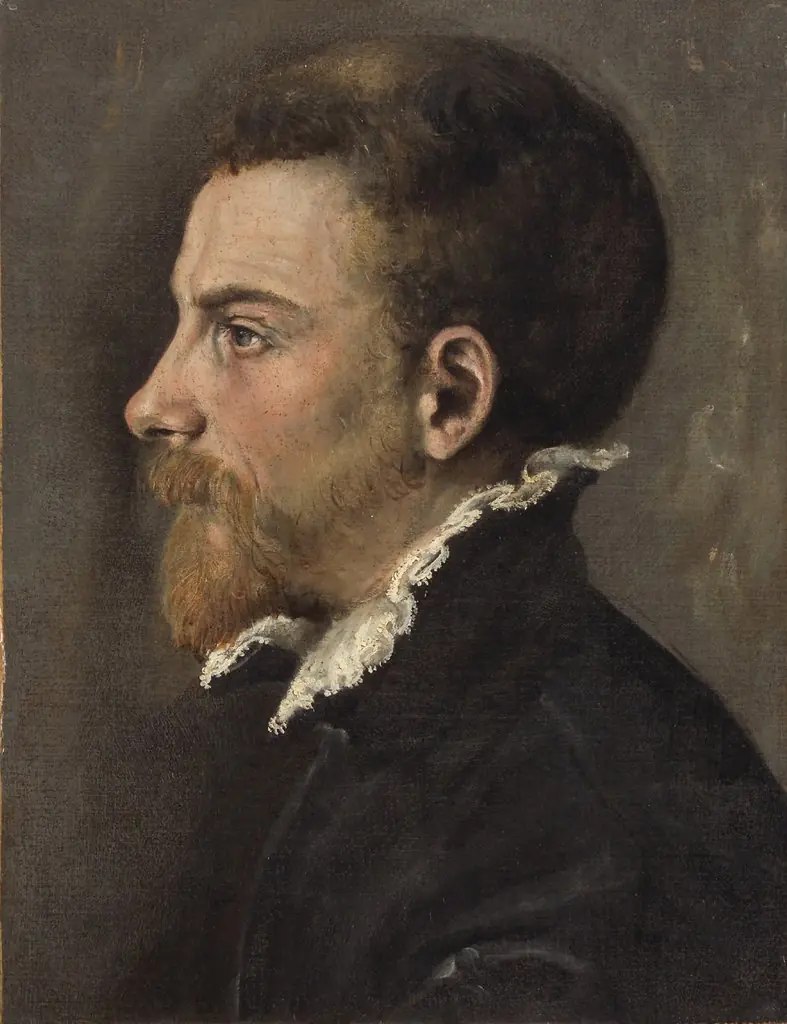
Männliches Bildnis
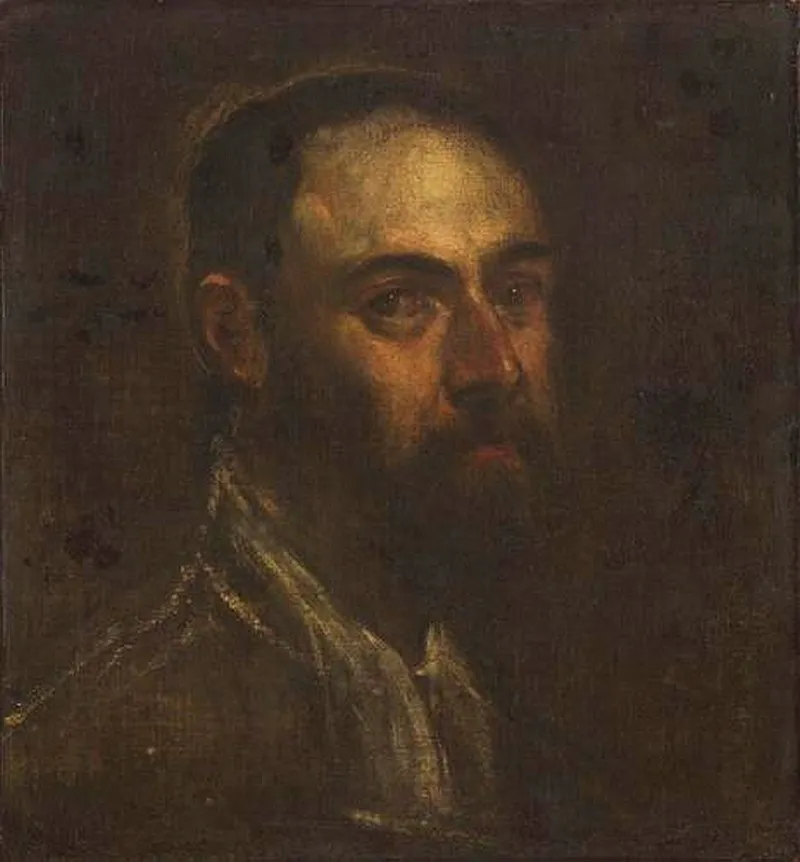
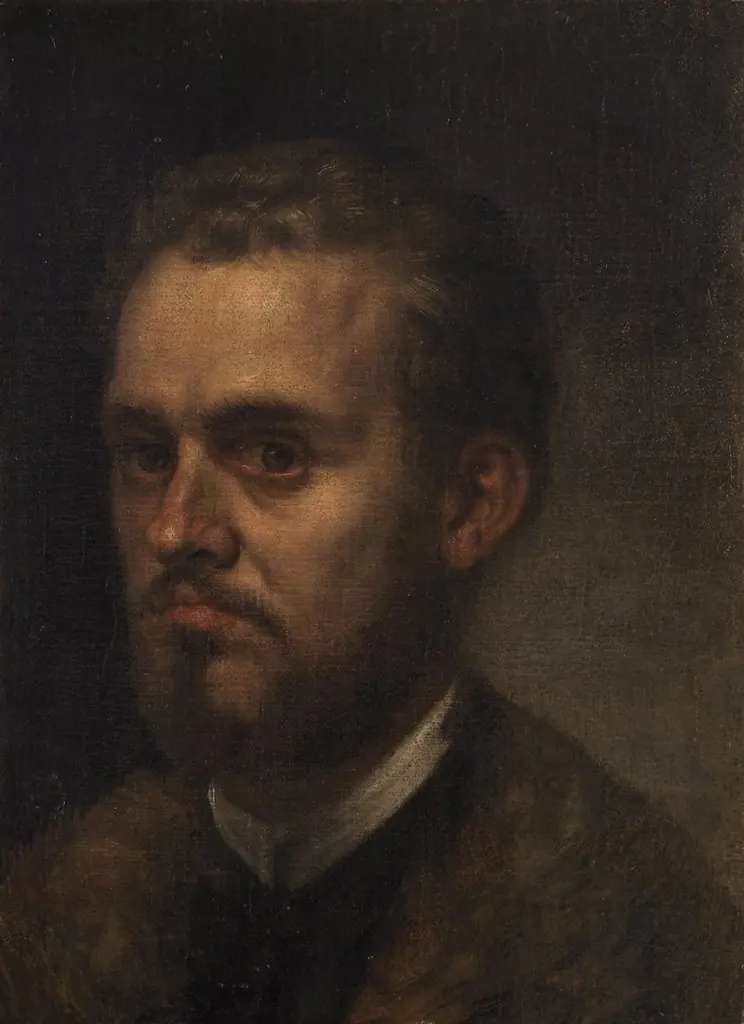
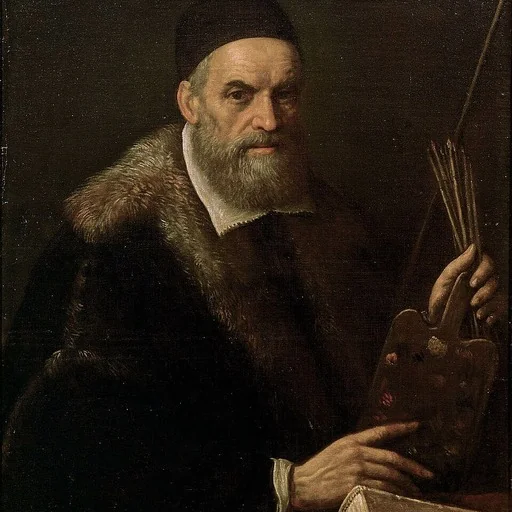
Männliches Bildnis is an oil painting by the Early Baroque Italian artist Jacopo Bassano. It dates from 1550 and is held in the collection of the Kunsthistorisches Museum.
About this work
Overview
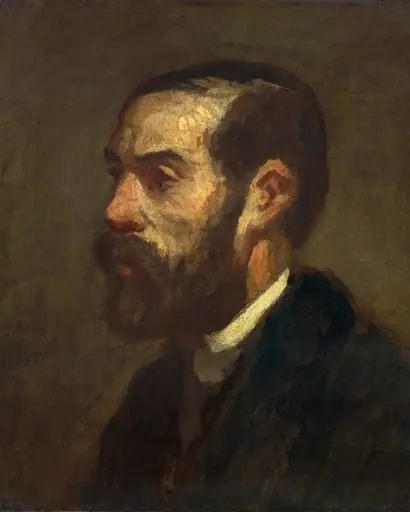
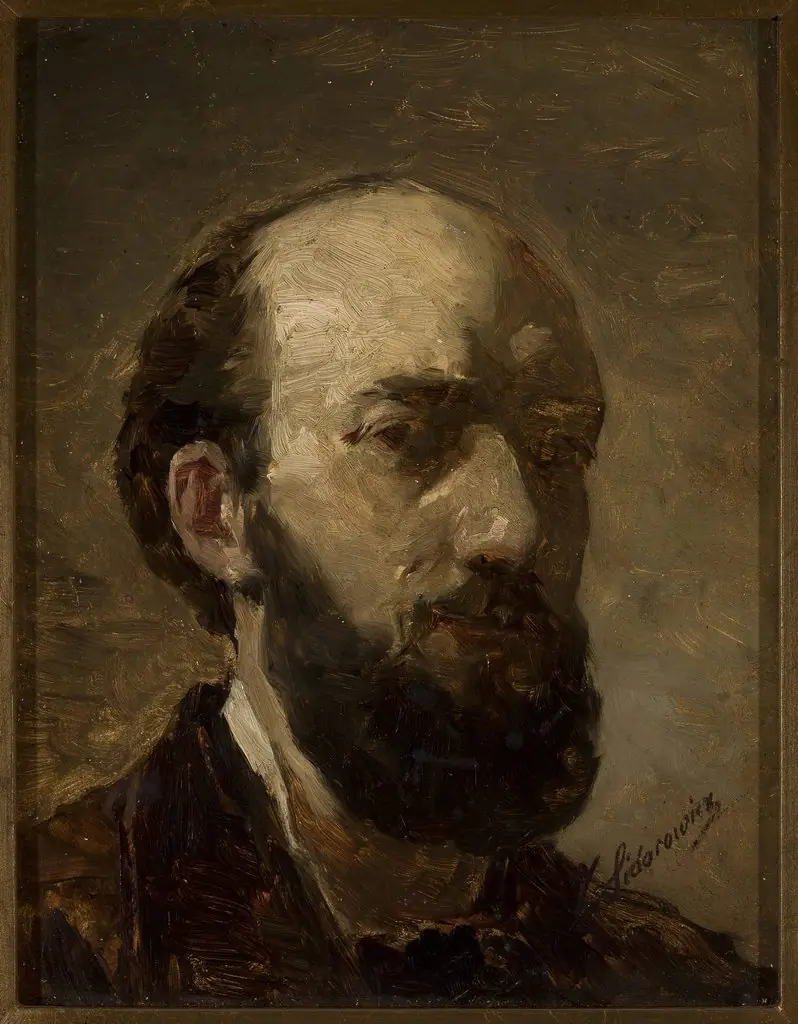
This oil painting, dated around 1550, is attributed to Jacopo Bassano and depicts a middle-aged man in quiet contemplation. It resides in the Kunsthistorisches Museum in Vienna. The composition is tightly focused on the subject’s face and upper torso, with no distracting elements in the background. The work exemplifies Bassano’s interest in psychological presence over ornamental detail.
Subject & Meaning
The sitter is an unidentified man, likely a member of the local elite, given the modest but refined attire. His balding head and thick beard suggest maturity, while his direct, unsmiling gaze conveys solemnity rather than vanity. The absence of symbols or context invites interpretation centered on inner character rather than social status or profession.
Technique & Style
Bassano employs thick, deliberate brushwork to render the texture of skin and fabric, particularly along the jawline and collar. A strong chiaroscuro effect isolates the face against a dark, neutral background, enhancing three-dimensionality. The gold trim on the jacket is rendered with subtle highlights, avoiding flamboyance and reinforcing the portrait’s restrained tone.
History & Provenance
The painting entered the Kunsthistorisches Museum’s collection as part of the Habsburg imperial holdings. Its early history prior to the 17th century is undocumented, but its style aligns with Bassano’s Venetian period, suggesting it was acquired during the Habsburgs’ active patronage of Northern Italian art in the late Renaissance.
Context
Created during the mid-16th century, this portrait reflects a shift in Venetian painting toward intimate, psychologically nuanced depictions. While contemporaries like Titian emphasized grandeur, Bassano favored quiet realism, influenced by Northern European models and a growing interest in individual character over idealized form.
Legacy
The portrait stands as a quiet example of Bassano’s contribution to Venetian portraiture, distinct from the more theatrical styles of his peers. Its emphasis on naturalism and tactile surface influenced later artists seeking authenticity over ornament. Though not widely reproduced, it remains a key reference in studies of 16th-century psychological portraiture.
Artist & collection
Artist
Jacopo Bassano was an Italian Renaissance painter of the Venetian school. He was born and died in Bassano del Grappa, and took the village as his surname. Having trained in the workshop of his father, Francesco the…