Artwork
Portrait of a man
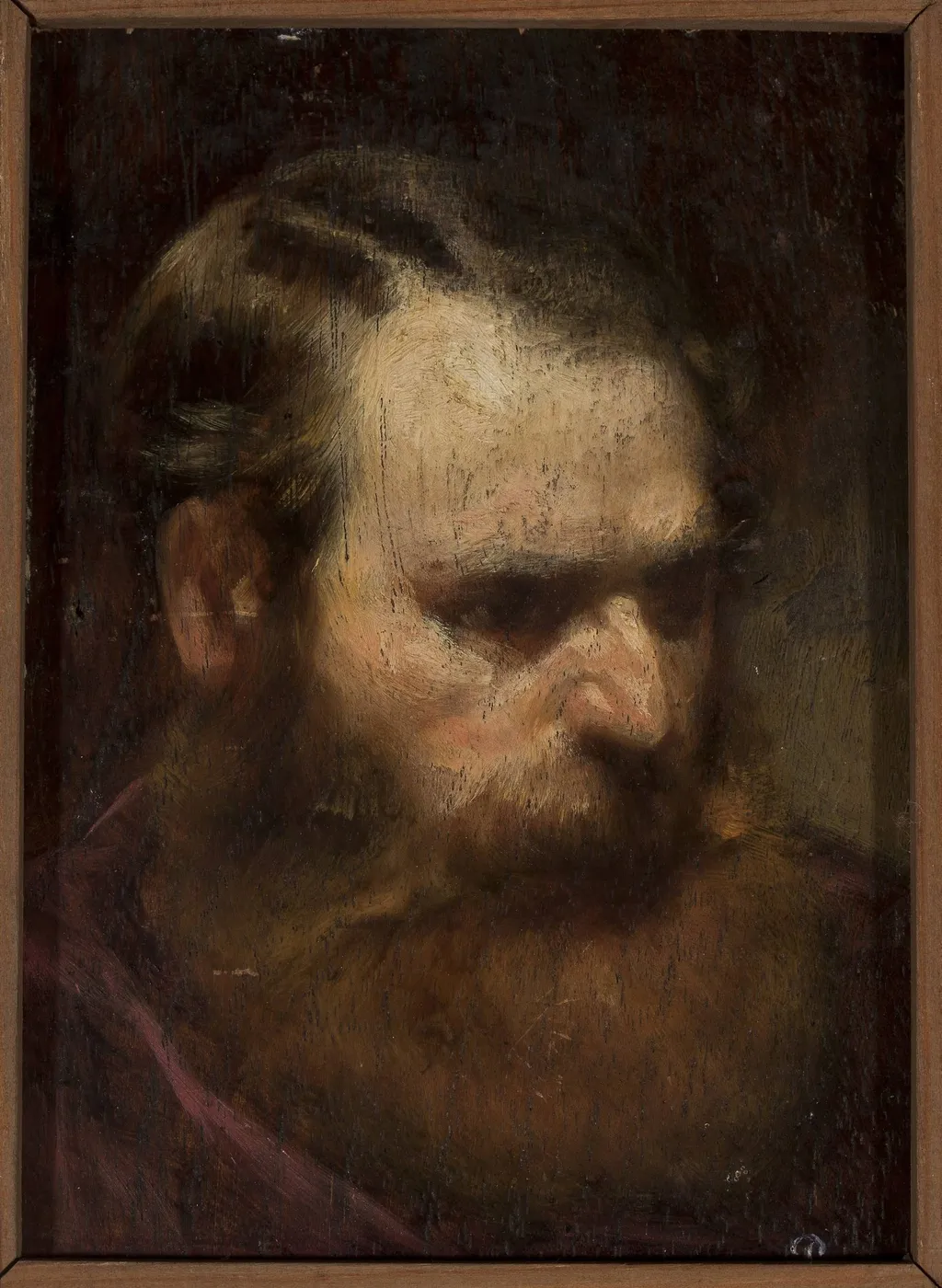
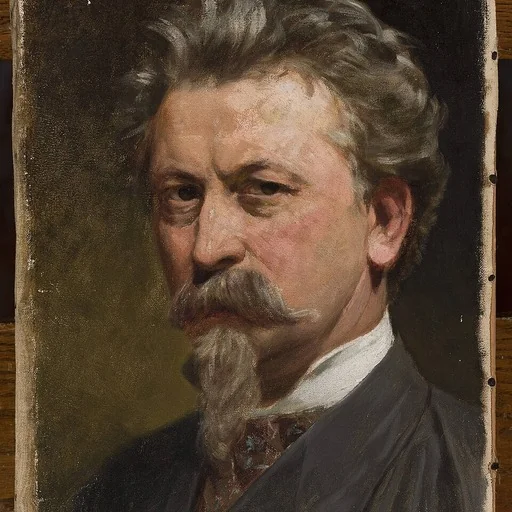
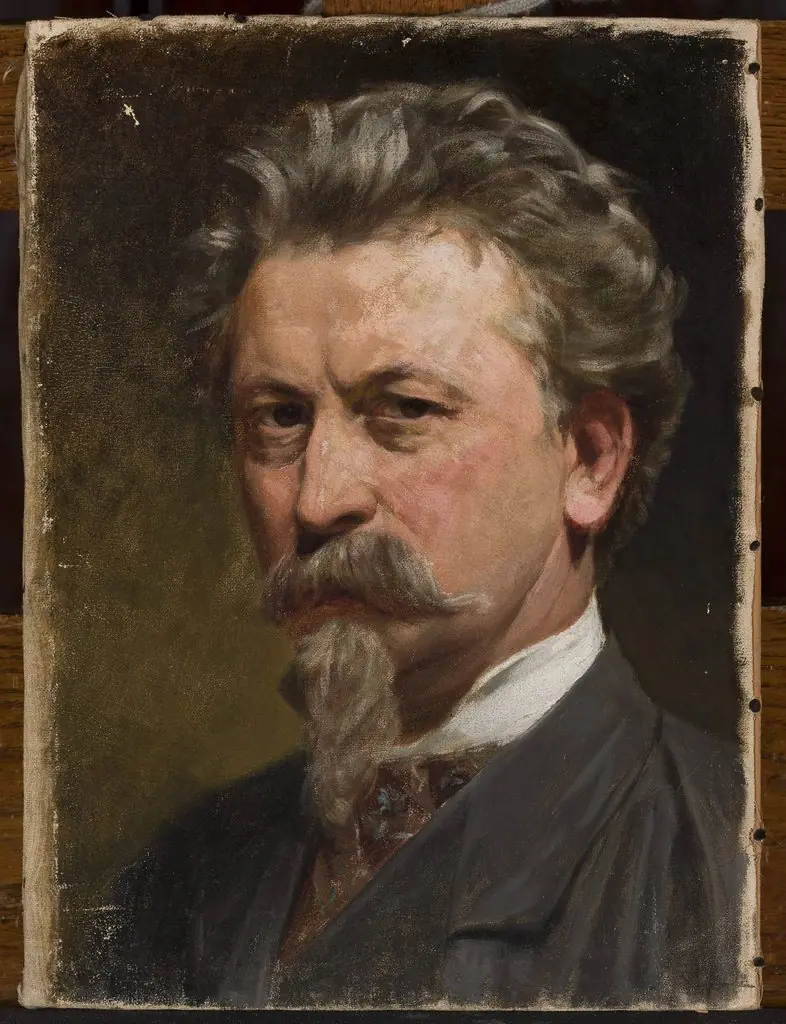
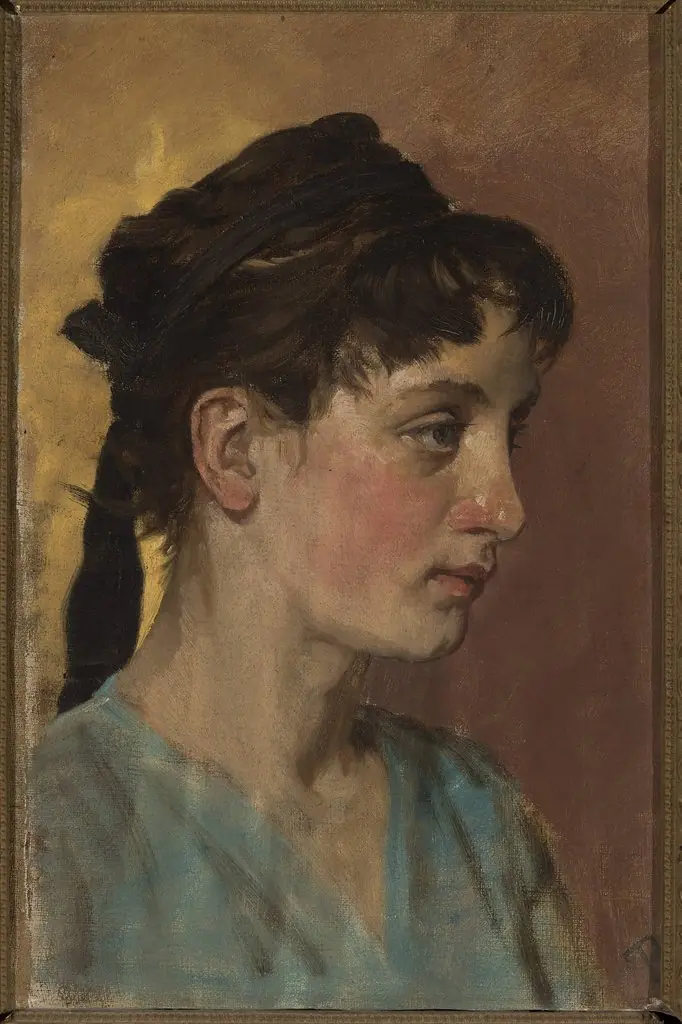
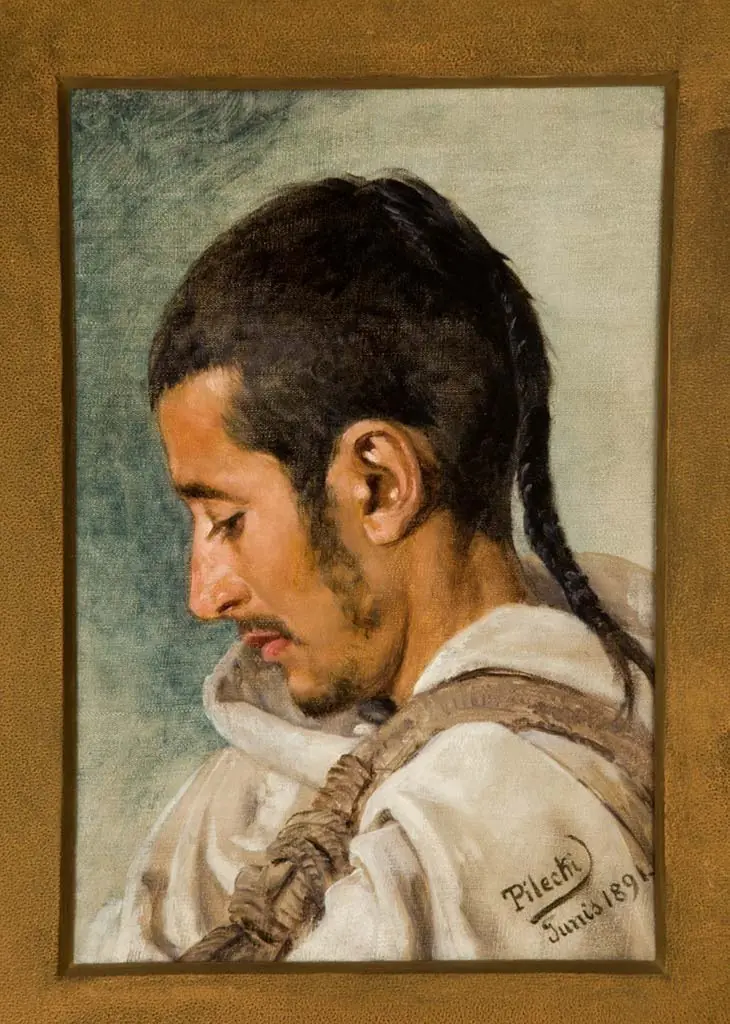
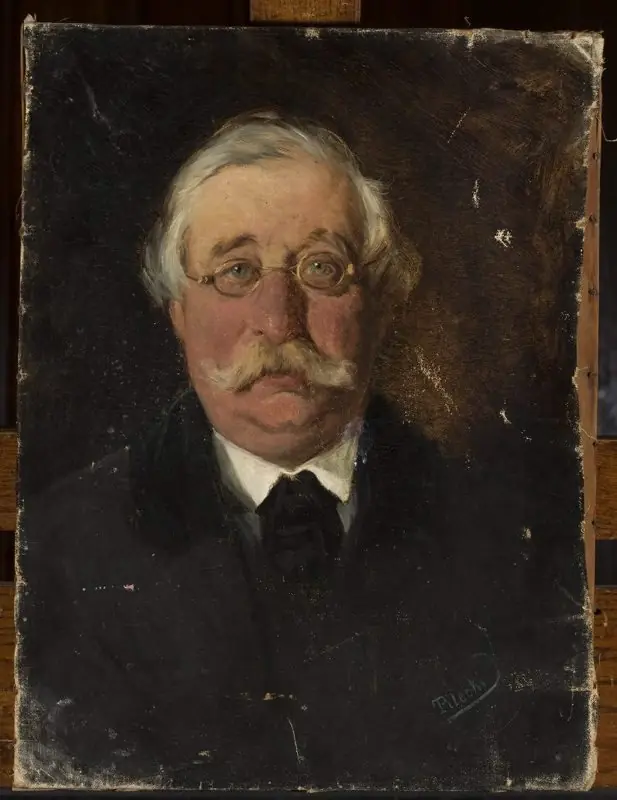
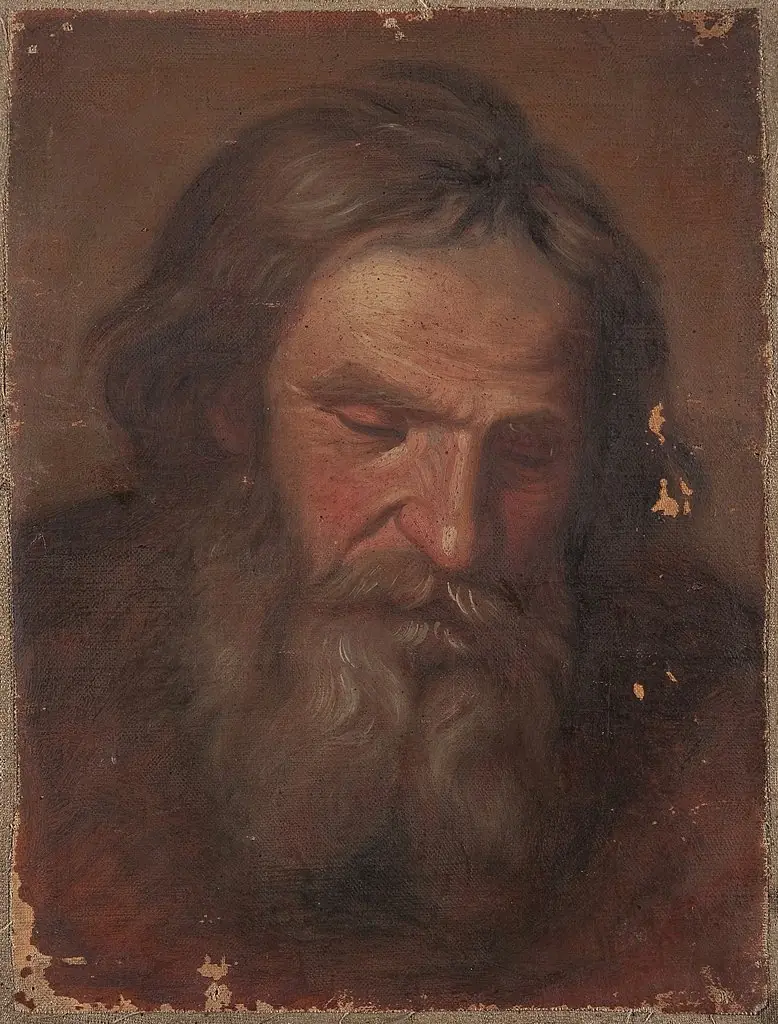
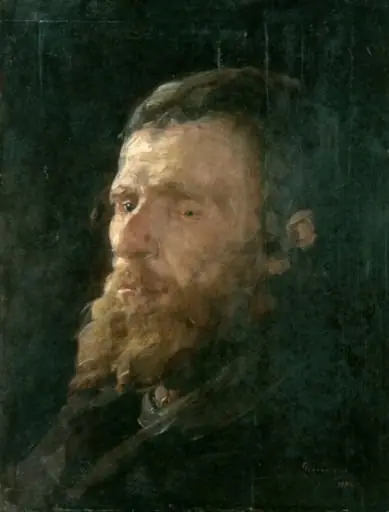
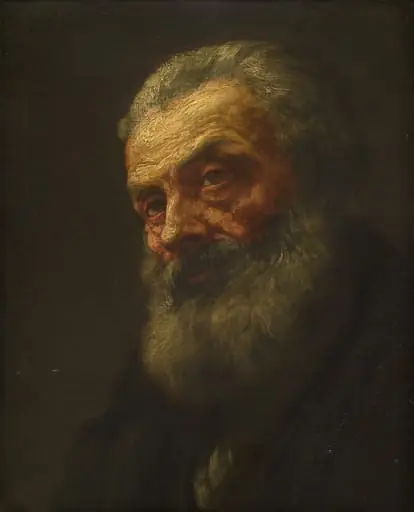
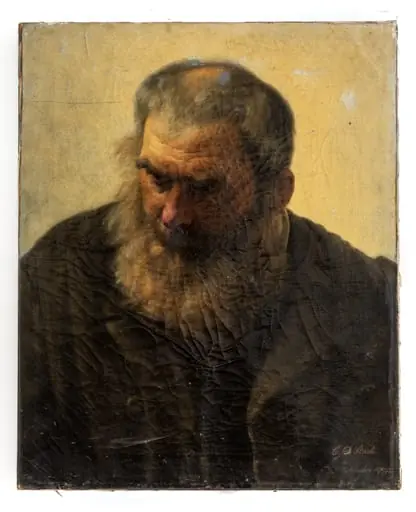
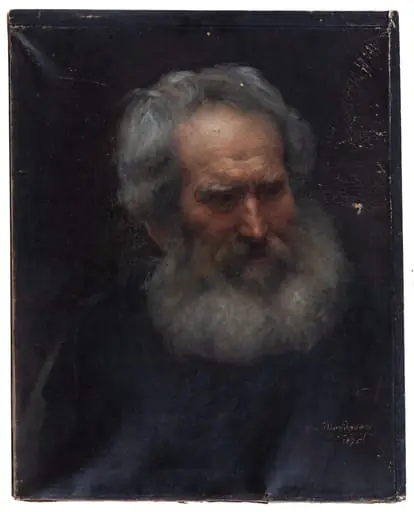
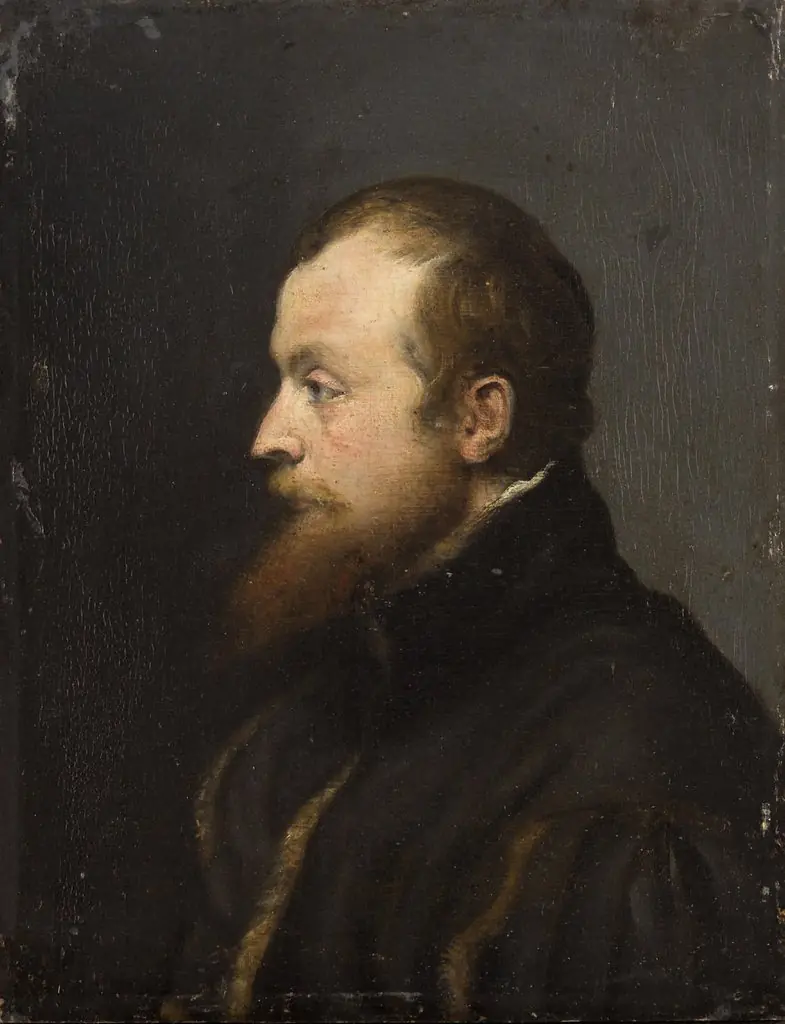
Portrait of a man is an oil painting by Tytus Pilecki. It dates from 1883 and is held in the collection of the National Museum in Warsaw.
About this work
Overview
Executed with visible, heavy brushwork, the piece retains an unpolished quality, as if the artist paused before completing it.
Painted around 1883 by Tytus Pilecki, this oil portrait captures a man in profile, facing downward. Executed with visible, heavy brushwork, the piece retains an unpolished quality, as if the artist paused before completing it. The dark, near-black background isolates the figure, drawing focus to the texture and modeling of the face. It resides in the National Museum in Warsaw as part of its 19th-century Polish art collection.
Subject & Meaning
The subject is an anonymous man, his identity unrecorded. His downcast gaze and restrained posture suggest introspection rather than public presentation. The absence of contextual details—clothing, setting, or symbols—shifts emphasis to the psychological presence of the face. The portrait avoids idealization, presenting a quiet, unadorned humanity that invites contemplation over narrative.
Technique & Style
Pilecki applied oil paint with thick, deliberate strokes, particularly along the forehead and cheek, creating a tactile surface that mimics skin texture. The dark background enhances the contrast, emphasizing the play of light across the man’s features. Areas of the painting, especially around the neck and hair, appear deliberately unresolved, revealing the artist’s process and interest in the physicality of paint over polished finish.
History & Provenance
The painting entered the National Museum in Warsaw’s collection in the late 19th or early 20th century, likely through acquisition or donation. Its attribution to Tytus Pilecki is consistent with his known output during the 1880s. No documented ownership history prior to its museum acquisition exists, and it has remained in the institution’s care since, with no record of significant restoration or alteration.
Context
Created during a period when Polish artists were navigating European academic traditions and emerging realist tendencies, the portrait reflects a shift toward personal expression over formal portraiture. Pilecki’s loose handling and emphasis on materiality align with broader trends in Eastern European art that valued emotional resonance and painterly gesture over polished finish, even as academic norms persisted.
Legacy
Though not widely exhibited outside Poland, the portrait is recognized for its unembellished approach and tactile brushwork. It stands as an example of how 19th-century Polish artists engaged with the physical act of painting, prioritizing process and presence over conventional completion. Its unresolved quality continues to invite discussion on the boundaries of finish and intention in portraiture.
Artist & collection