Artwork
The Annunciation to the Shepherds
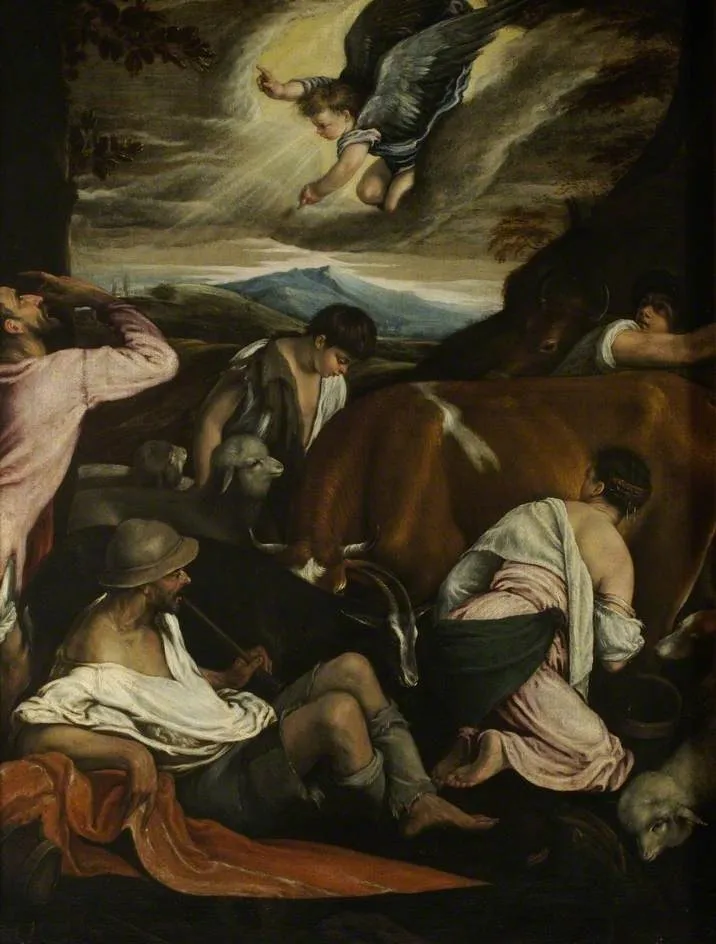
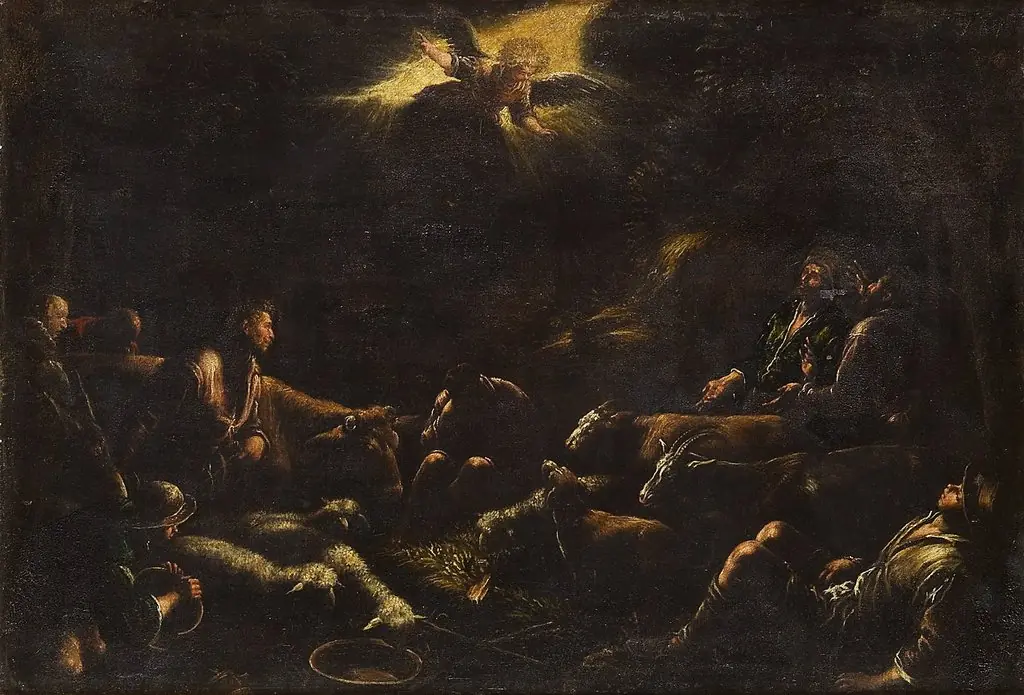
The Annunciation to the Shepherds is an oil painting by the Early Baroque Italian artist Jacopo Bassano. It is held in the collection of the Ashmolean Museum.
About this work
Overview
The Annunciation to the Shepherds, a religious oil painting by Jacopo Bassano, dates to 1600 and is part of the collection at the Ashmolean Museum.
Subject & Meaning
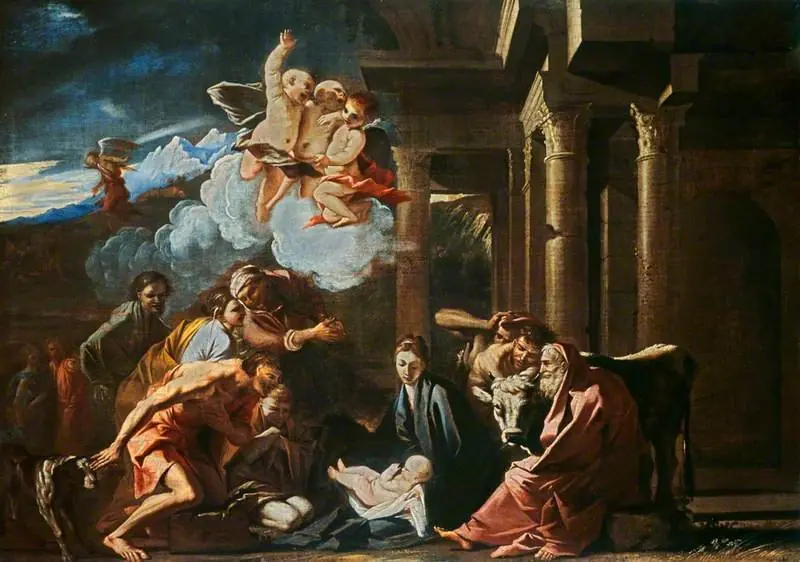
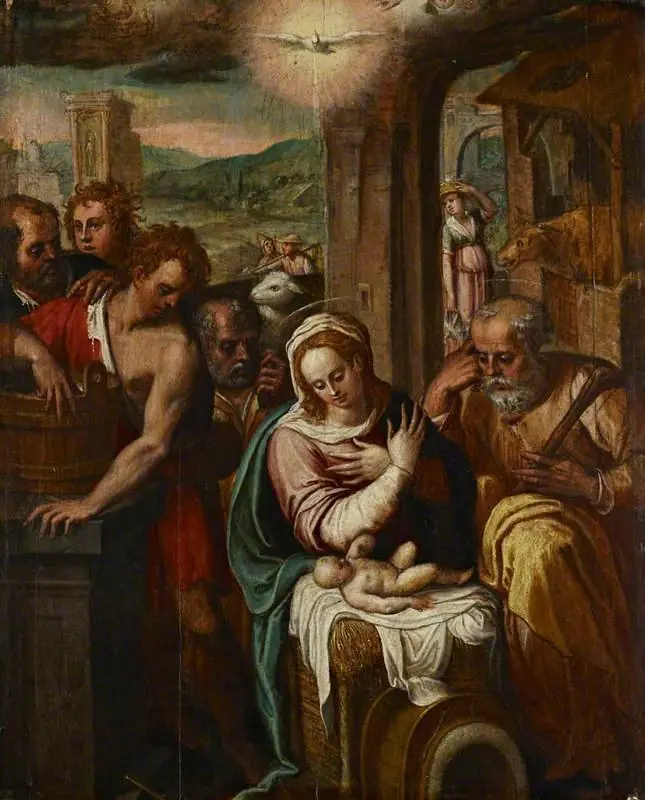
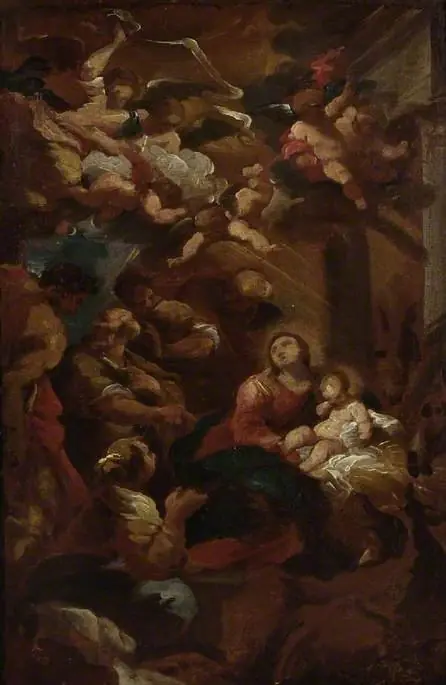
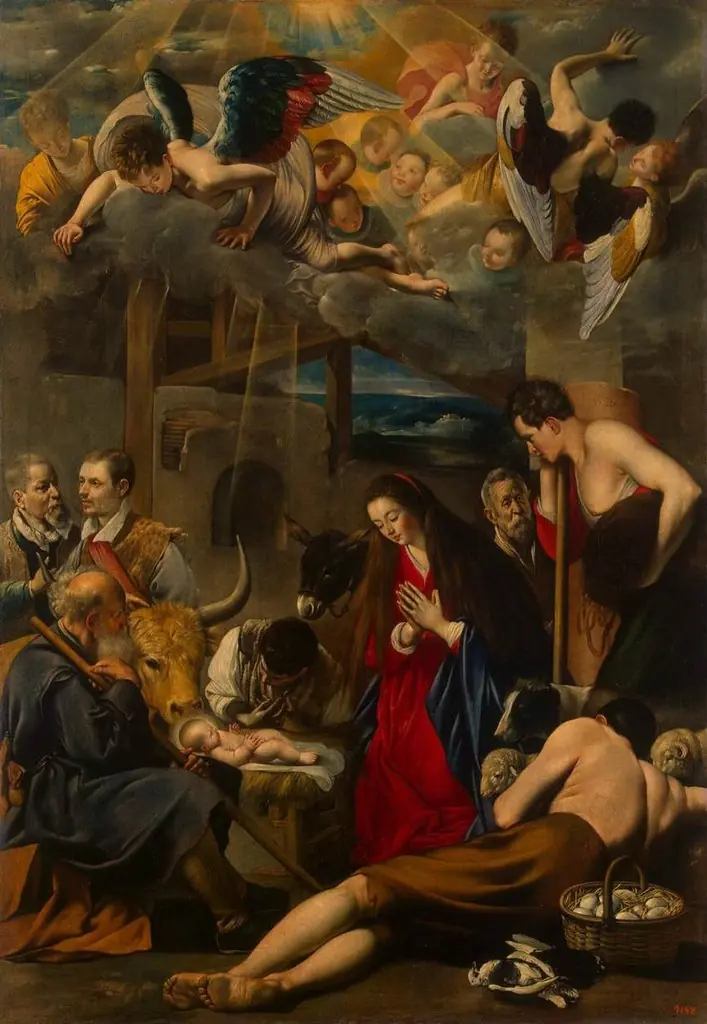
The painting depicts a biblical scene where angels announce the birth of Jesus to shepherds. The composition divides into two main elements: shepherds gathered around a manger in the foreground and angels flying above, playing musical instruments.
Technique & Style
Bassano employed a muted color palette dominated by earthy tones. Chiaroscuro is used to create depth and volume, while detailed rendering of shepherds' clothing and angels' wings adds intricacy. The overall effect is serene and contemplative.
History & Provenance
Created in 1600 by Jacopo Bassano, the painting's history prior to its current location at the Ashmolean Museum is not detailed here.
Context
This work reflects the Venetian Renaissance style of the late 16th century, characteristic of Bassano's output, which often combined religious themes with everyday life settings.
Legacy
The Annunciation to the Shepherds contributes to the broader legacy of Jacopo Bassano's contributions to Venetian Renaissance art, though its specific impact or influence on later artists is not highlighted in available information.
Artist & collection
Artist
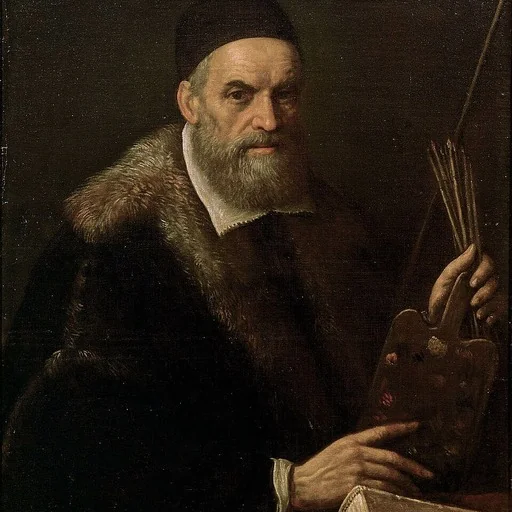
Jacopo Bassano was an Italian Renaissance painter of the Venetian school. He was born and died in Bassano del Grappa, and took the village as his surname. Having trained in the workshop of his father, Francesco the…