Artwork
The parable of the rich man and poor Lazarus
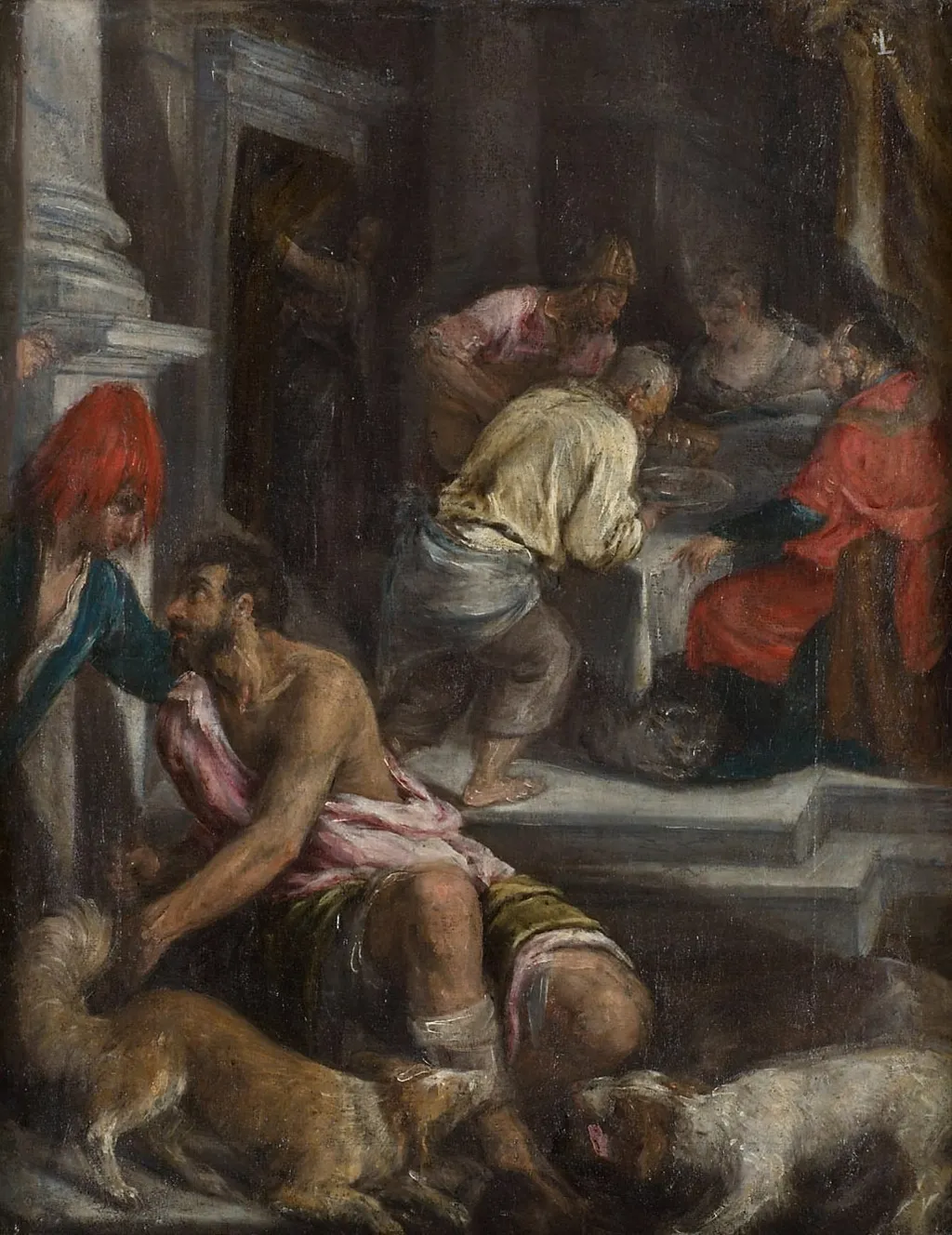
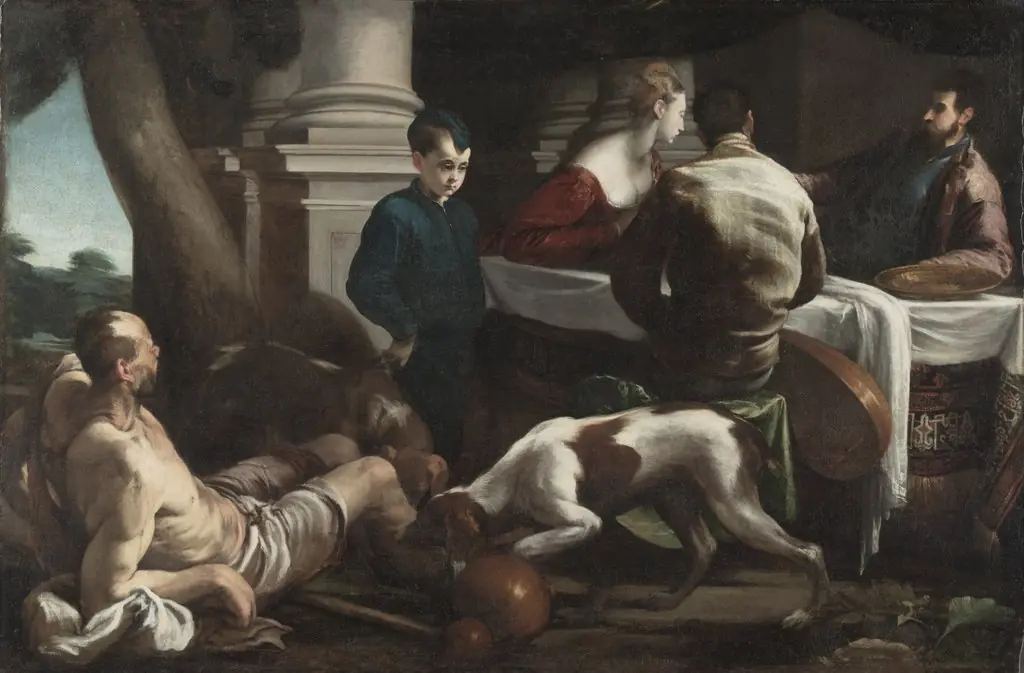
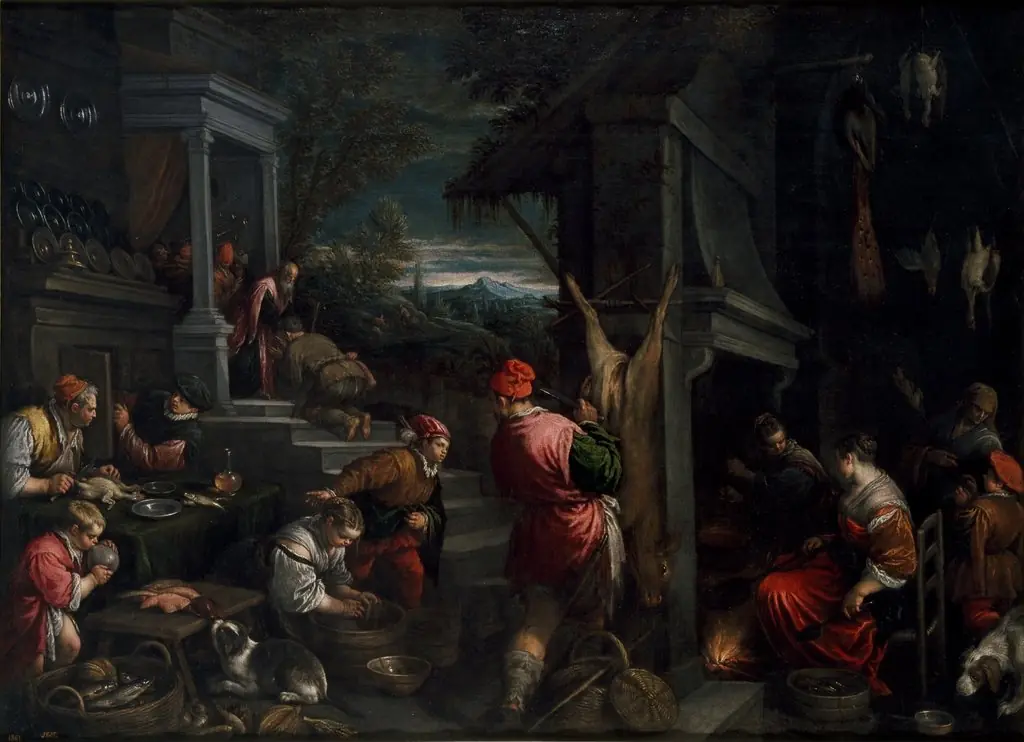
The parable of the rich man and poor Lazarus is an oil painting by the Early Baroque Italian artist Jacopo Bassano. It dates from 1559 and is held in the collection of the Kunsthistorisches Museum.
About this work
Overview
Jacopo Bassano’s oil on canvas, completed in 1559, portrays the biblical parable of the rich man and poor Lazarus. The work is part of the collection of the Kunsthistorisches Museum in Vienna. It presents a stark visual contrast between a destitute, half‑clothed figure and a group of elegantly dressed diners, underscoring the moral divide at the heart of the story.
Subject & Meaning
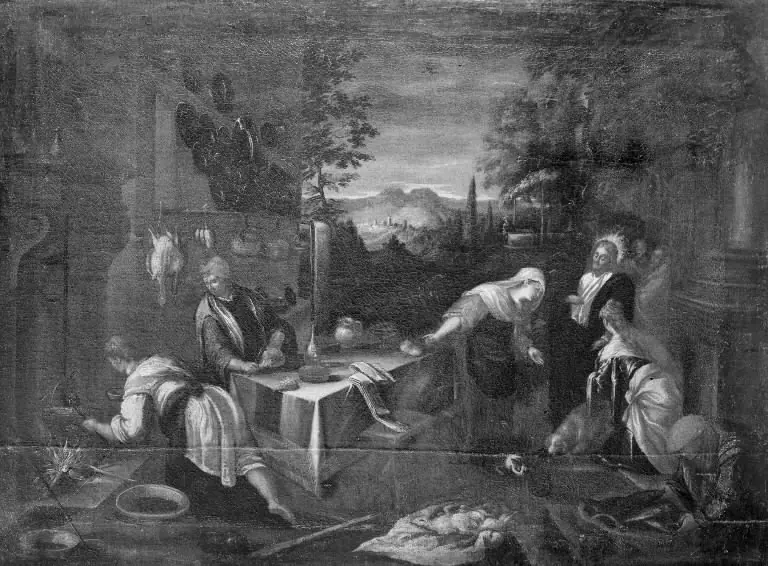
The composition illustrates the New Testament episode in which a beggar named Lazarus lies in squalor while a wealthy man feasts nearby, oblivious to the suffering at his feet. A small dog near Lazarus adds a note of realism, while a red‑robed observer watches from the periphery, suggesting a moral witness to the inequity depicted.
Technique & Style
Bassano employs dramatic chiaroscuro, juxtaposing deep shadows with isolated highlights that illuminate the red hat, tablecloth, and the ragged figure. This stark lighting intensifies the emotional tension and separates the affluent diners from the impoverished man, creating a theatrical sense of depth and moral contrast typical of mid‑sixteenth‑century Venetian painting.
History & Provenance
Created in 1559, the painting entered the holdings of the Kunsthistorisches Museum, where it remains on display. Its provenance traces back to the artist’s workshop in Bassano del Grappa, reflecting the period’s demand for religious narratives rendered in a vivid, narrative style.
Context
The work belongs to a broader tradition of Counter‑Reformation art that emphasized moral instruction through vivid storytelling. Bassano’s choice of a domestic, almost genre‑like setting for a biblical scene aligns with contemporary efforts to make scriptural lessons relatable to everyday viewers.
Artist & collection
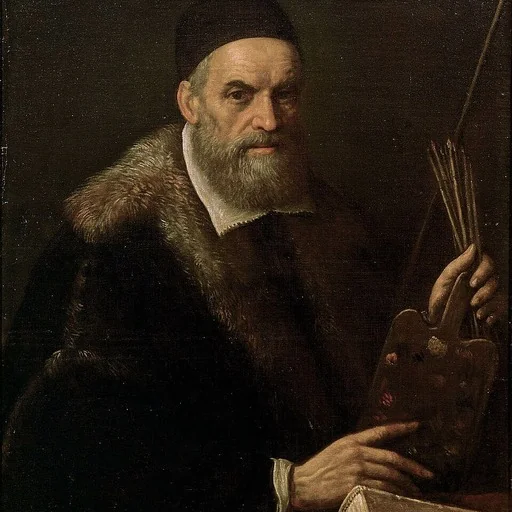
Artist
Jacopo Bassano was an Italian Renaissance painter of the Venetian school. He was born and died in Bassano del Grappa, and took the village as his surname. Having trained in the workshop of his father, Francesco the…