Artwork
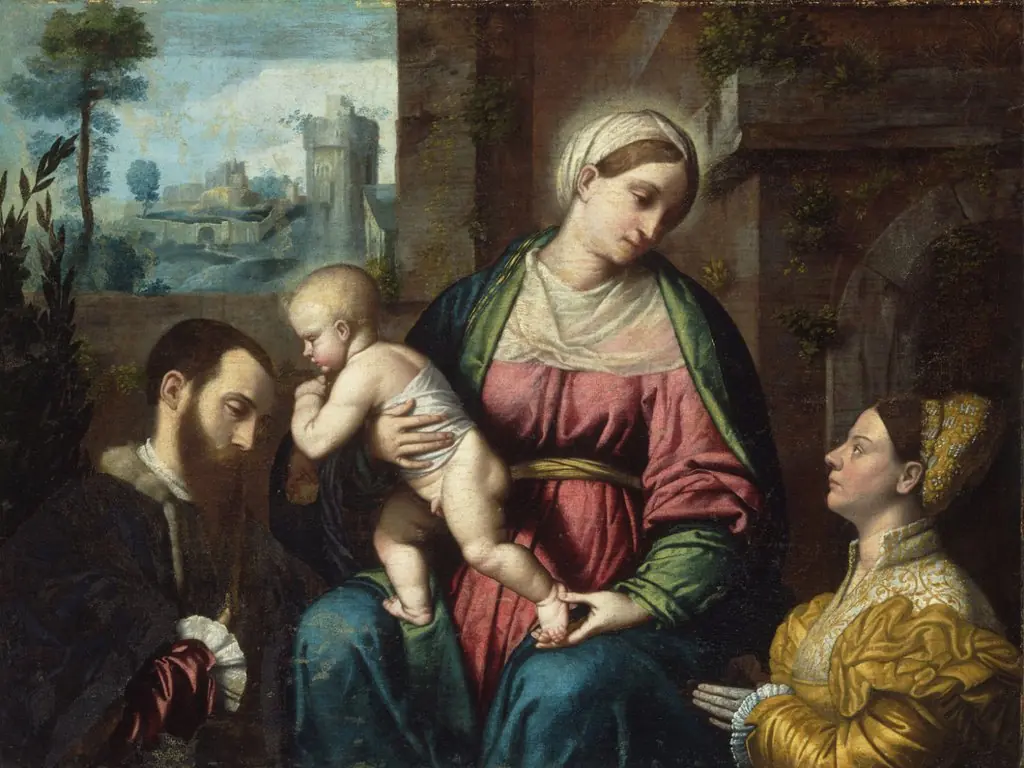
Virgin and Child with Saint Barbara, Saint John the Baptist and a female donor
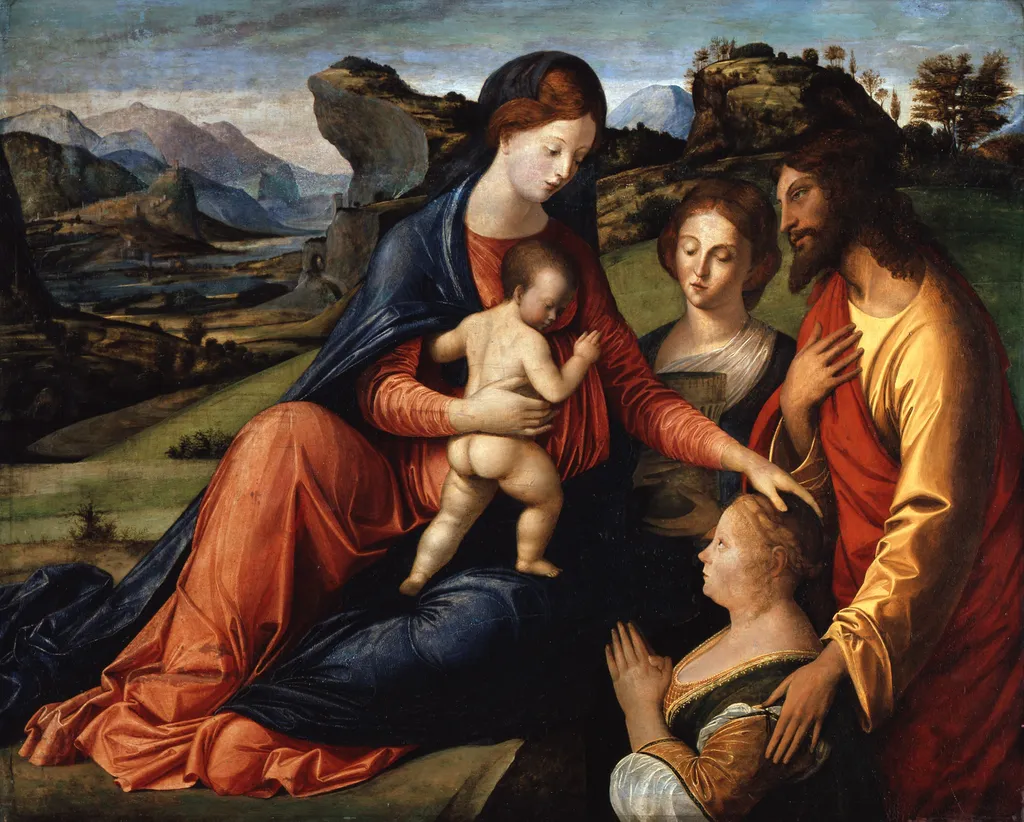
Virgin and Child with Saint Barbara, Saint John the Baptist and a female donor is an oil painting by the Northern Renaissance artist Jacopo de' Barbari. It dates from 1500 and is held in the collection of the Gemäldegalerie Berlin.
About this work
This painting is called Virgin and Child with Saint Barbara, Saint John the Baptist and a female donor.
It was made by Jacopo de' Barbari in 1498.
The artist used oil paint to create this work, which is now held at the Gemäldegalerie Berlin, and if you want to learn more about similar artworks, check out the subject: holy family.
Overview
Painted in 1498 by Jacopo de' Barbari, this oil-on-panel work combines devotional imagery with portraiture.
Painted in 1498 by Jacopo de' Barbari, this oil-on-panel work combines devotional imagery with portraiture. It presents the Virgin Mary with the Christ Child surrounded by two saints and a kneeling female donor, reflecting the devotional practices of late 15th-century Northern Europe. The painting is part of the Gemäldegalerie Berlin’s collection and exemplifies the blending of Italian compositional sensibilities with Northern attention to detail.
Subject & Meaning
The Virgin and Child occupy the central focus, symbolizing divine grace. Saint Barbara, protector against sudden death, and Saint John the Baptist, precursor to Christ, flank them as intercessors. The female donor, depicted in contemporary dress and posture, expresses personal piety through her inclusion, a common practice in religious commissions that affirmed spiritual aspiration and social status.
Technique & Style
De' Barbari employed oil paint with precision, rendering textures like fabric, skin, and metal with meticulous clarity. His figures exhibit a sculptural solidity, influenced by Venetian training, while the detailed backgrounds and atmospheric space reflect Northern Renaissance conventions. The composition is balanced yet intimate, avoiding grandeur in favor of quiet reverence.
History & Provenance
Created in 1498, the painting likely originated in northern Italy or the German-speaking regions where de' Barbari worked after 1500. It entered the Gemäldegalerie Berlin’s holdings in the 19th century, having passed through private collections. Its survival through centuries of political and religious upheaval underscores its enduring value as a devotional object and artistic document.
Context
This work emerged during a period when Italian artists increasingly influenced Northern European art through travel and print circulation. De' Barbari’s background as a printmaker informed his clarity of line and spatial organization. The painting reflects the fusion of Italian humanist ideals with Northern devotional intensity, characteristic of cross-regional artistic exchange in the late 15th century.
Legacy
Though less widely known than his engravings, this painting illustrates de' Barbari’s role in transmitting Italian compositional principles to Northern patrons. It stands as a quiet example of how religious imagery adapted to individual piety and cross-cultural artistic dialogue. Its preservation in Berlin allows continued study of early Renaissance hybrid styles beyond major centers like Florence or Bruges.
Own this work as a print
Artist & collection
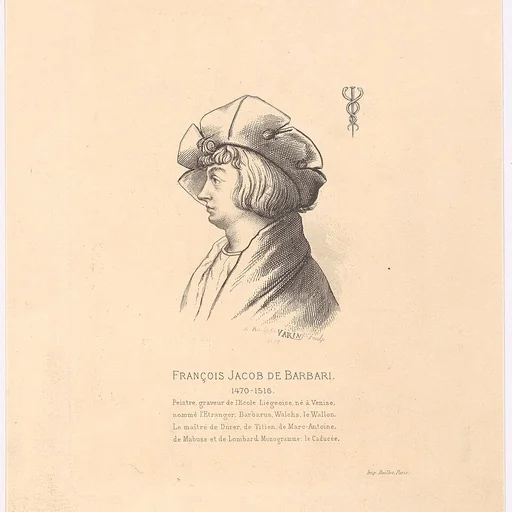
Artist
Jacopo de' Barbari, sometimes known or referred to as de'Barbari, de Barberi, de Barbari, Barbaro, Barberino, Barbarigo or Barberigo (c.

![View of Venice [lower right block], by Jacopo de' Barbari](https://artifactworldgallery.com/img/jacopo-de-barbari--view-of-venice-lower-right-block--371460ae957995b9-w320.webp)
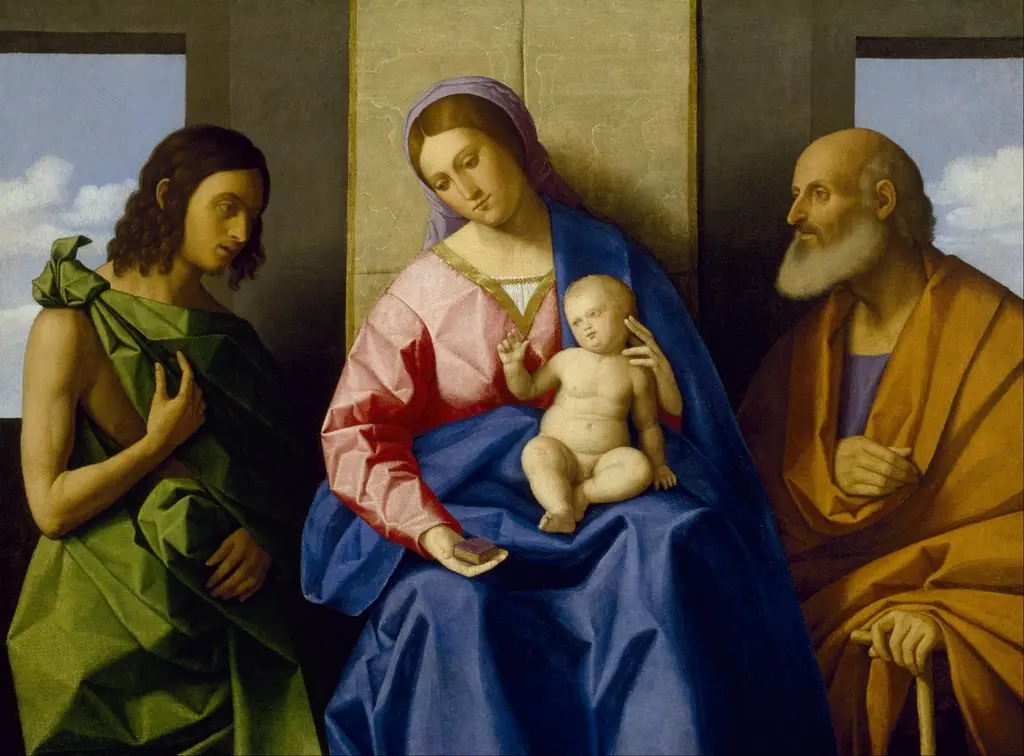 Virgin and Child with Saints John the Baptist and Joseph
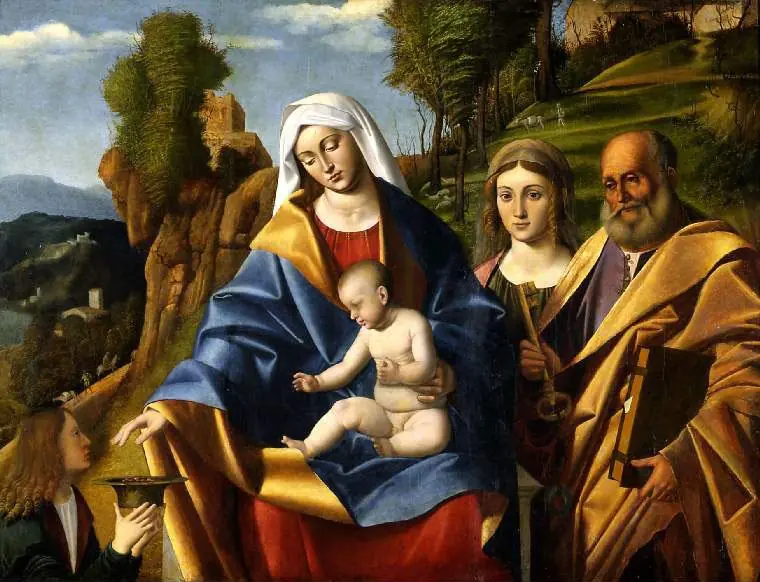 Virgin and Child with Saints,
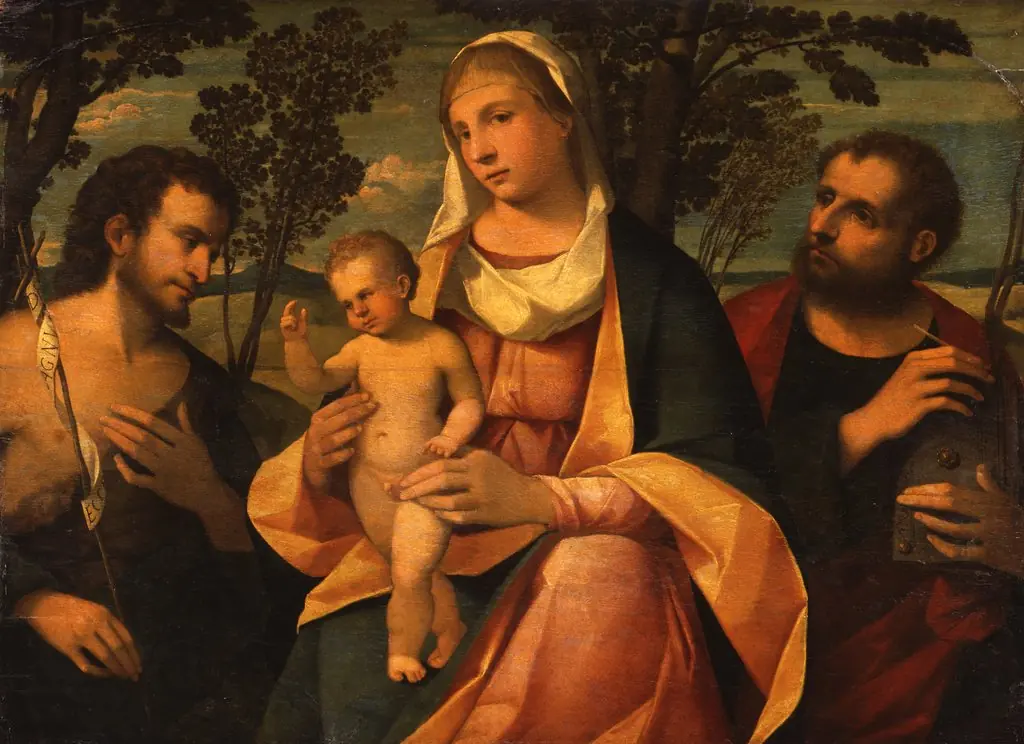 The Virgin with the Blessing Child and St. John the Baptist and Marcus the Evangelist
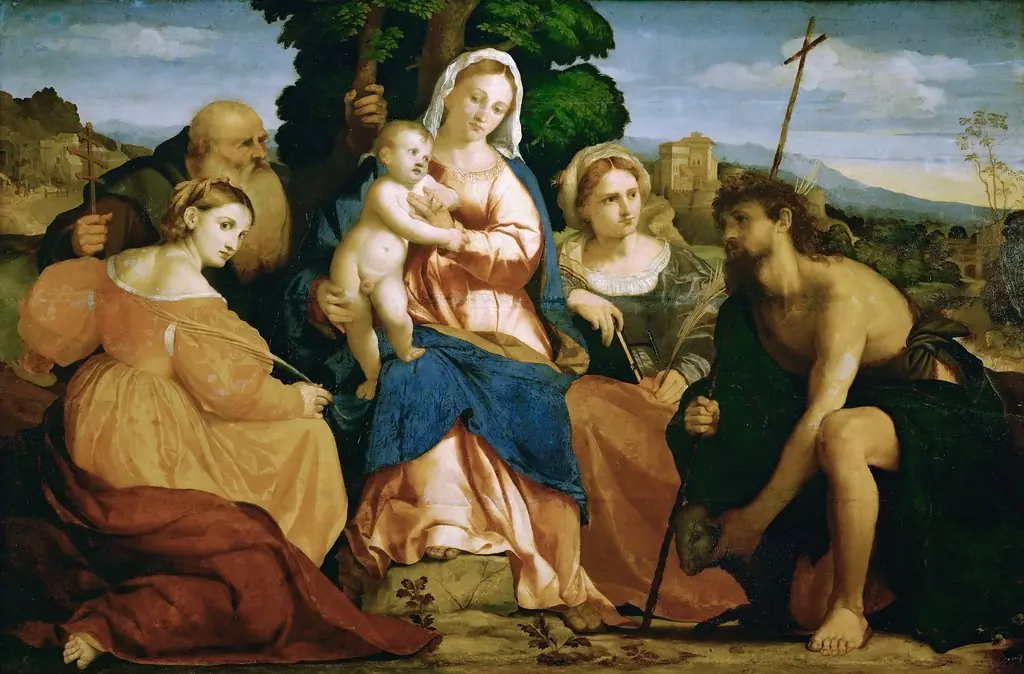 Sacred conversation
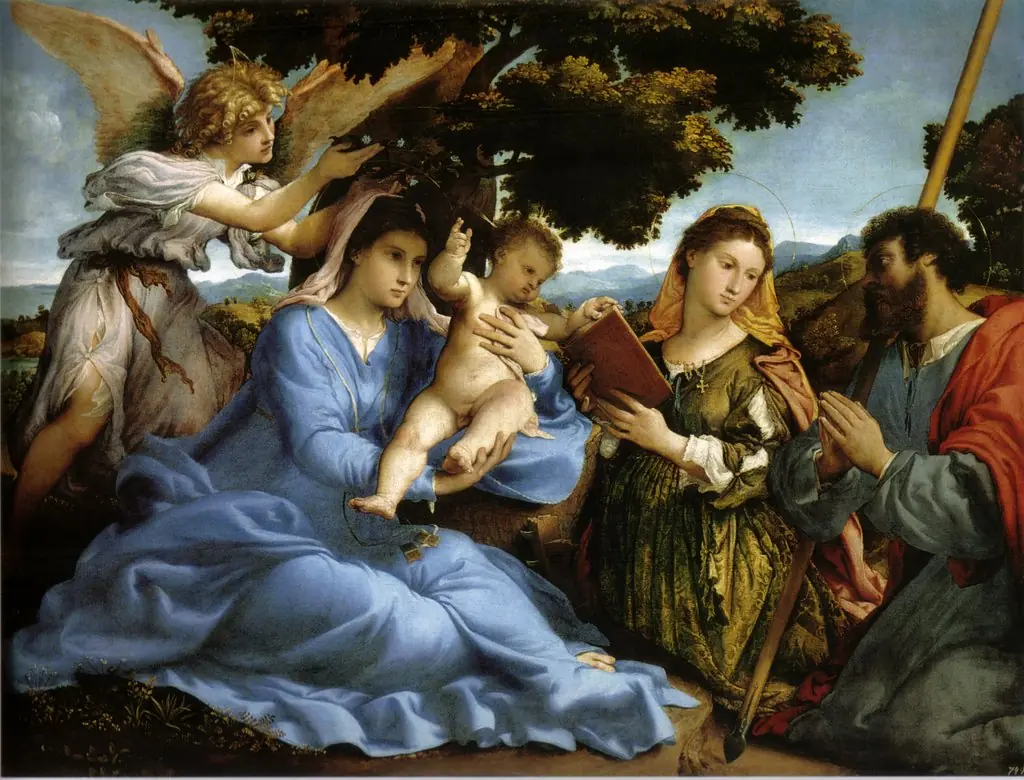 Madonna and child with Saint Catherine, Saint James the Greater, and an angel
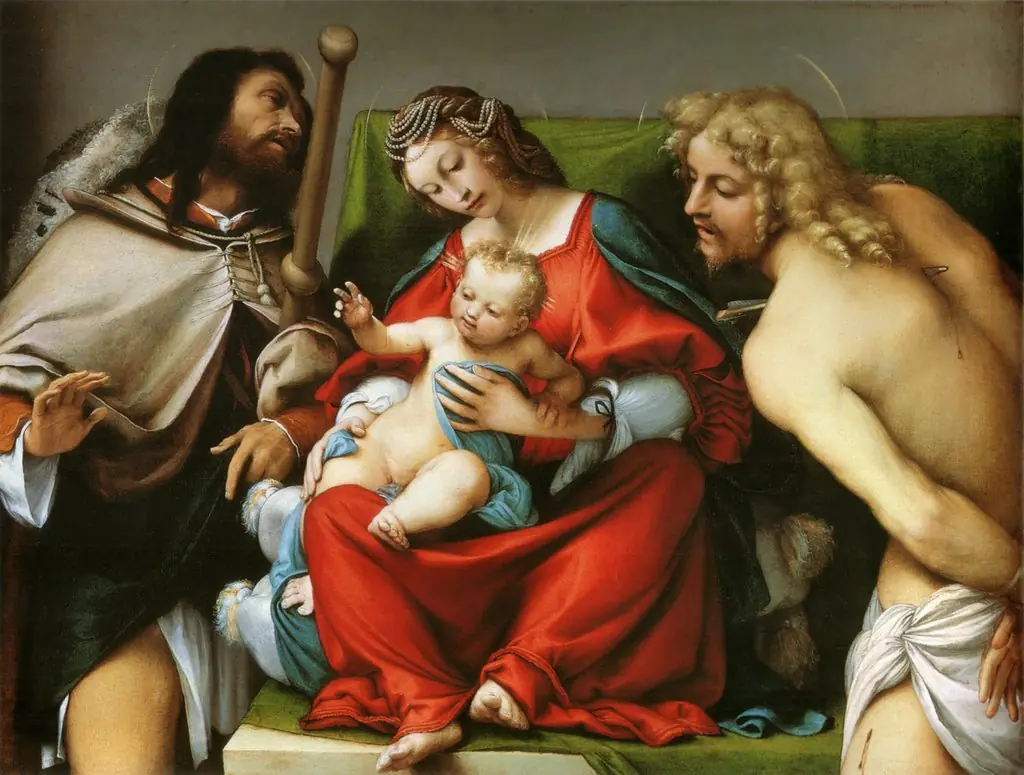 Madonna with the Child and Sts Rock and Sebastian
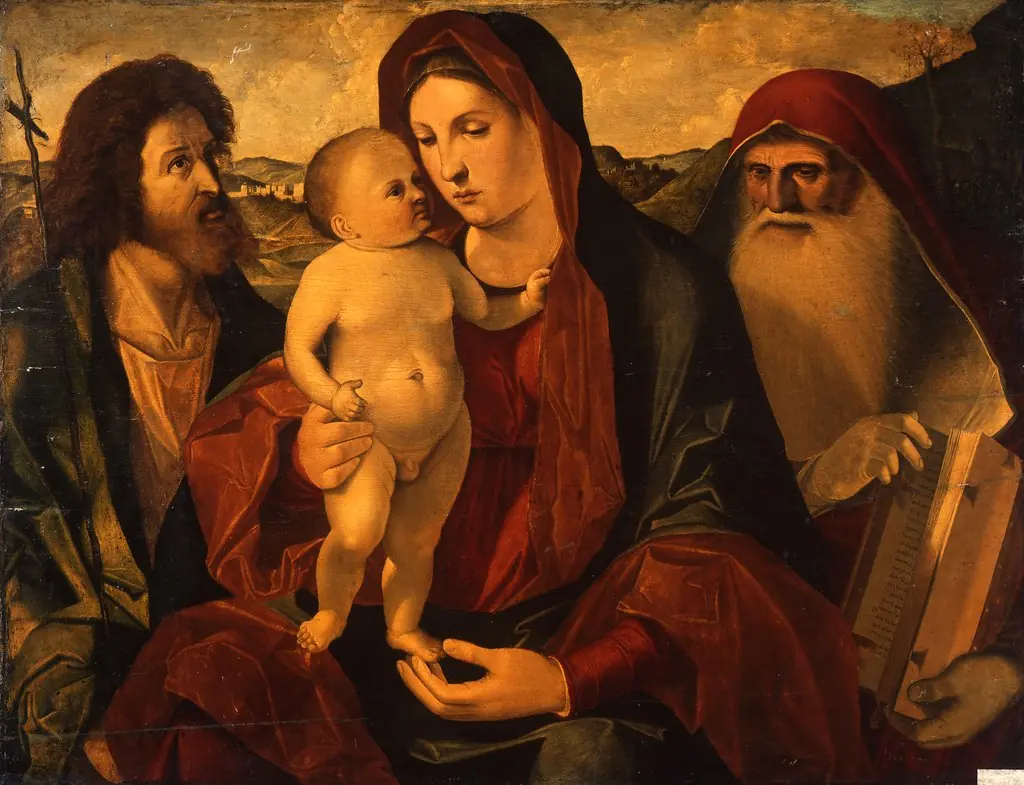 The Virgin and the Child with St. John the Baptist and St. Jerome
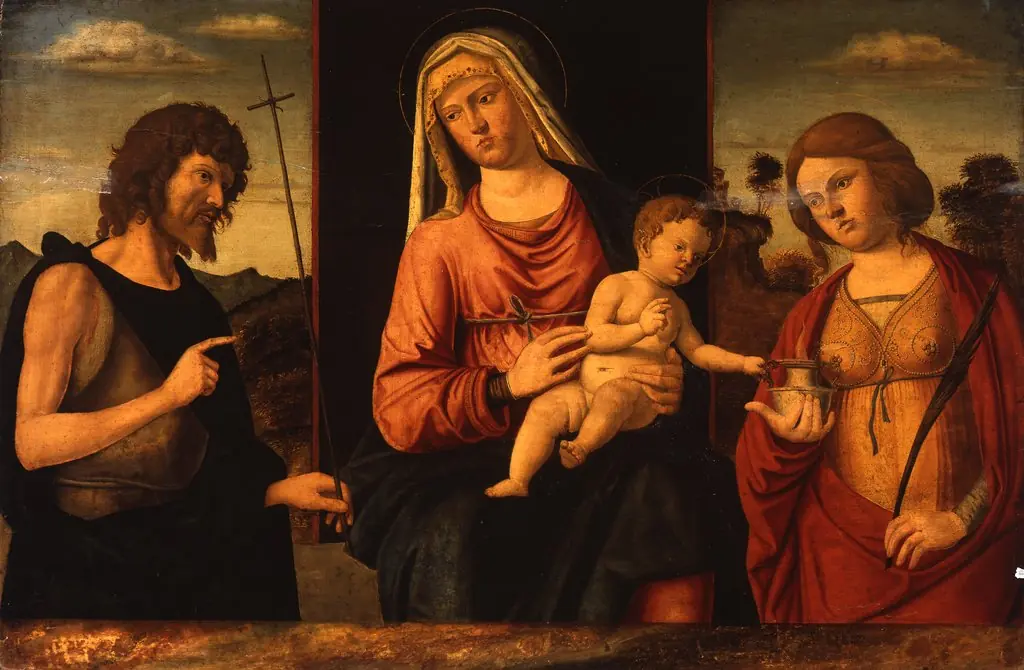 The Virgin and Child with John the Baptist and St. Lucia
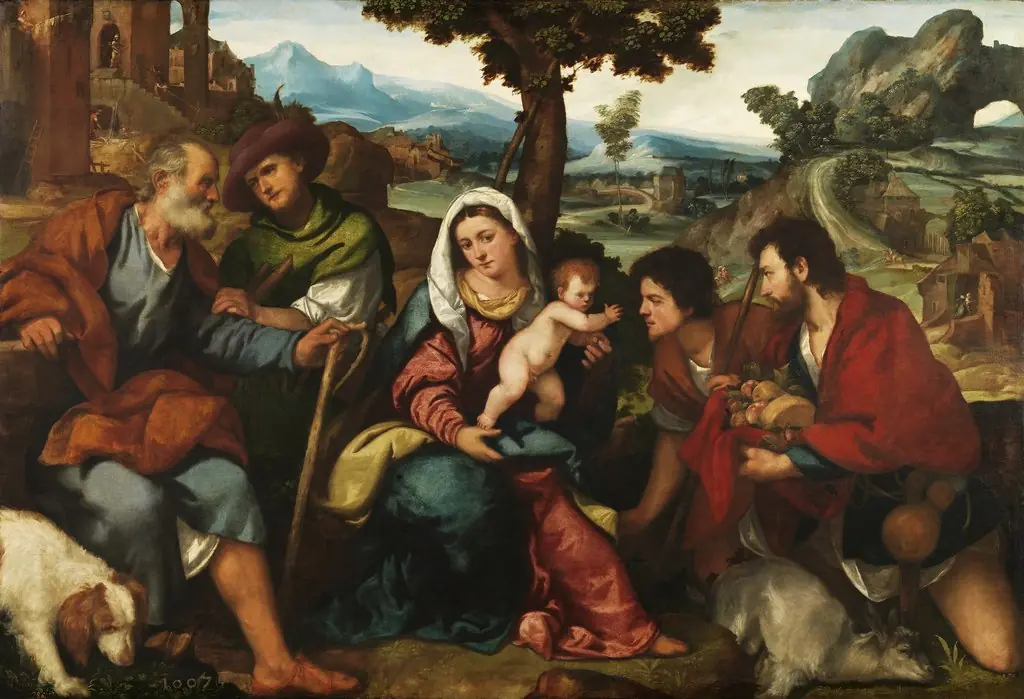 The Adoration of the Shepherds
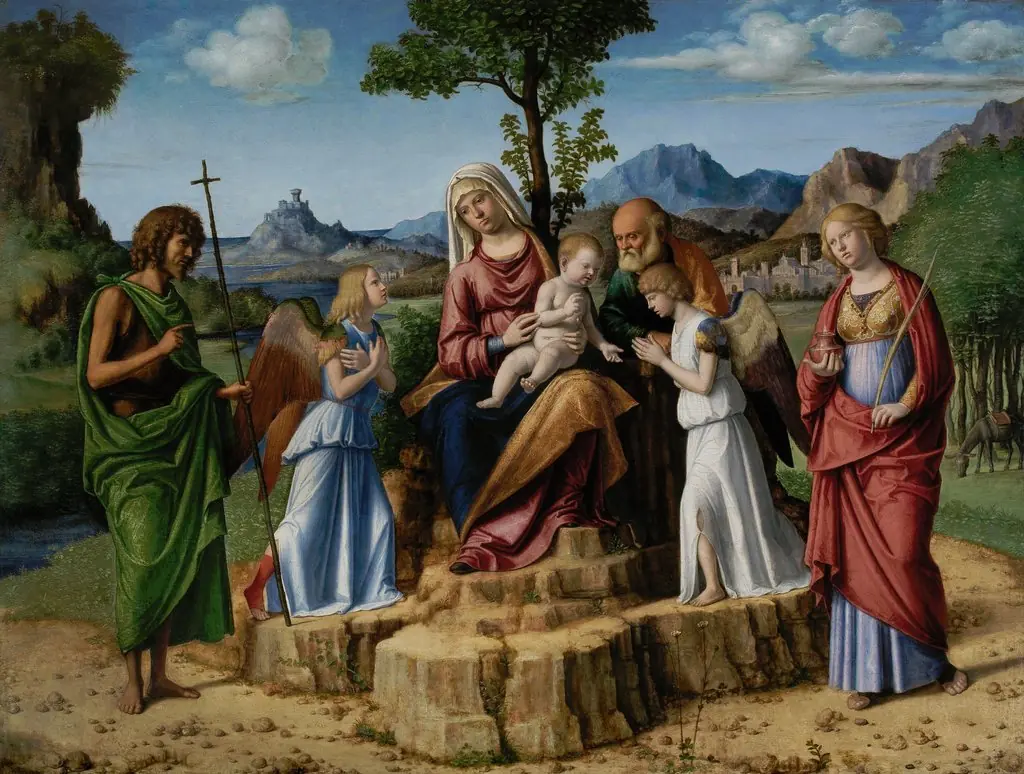 Rest on the Flight into Egypt
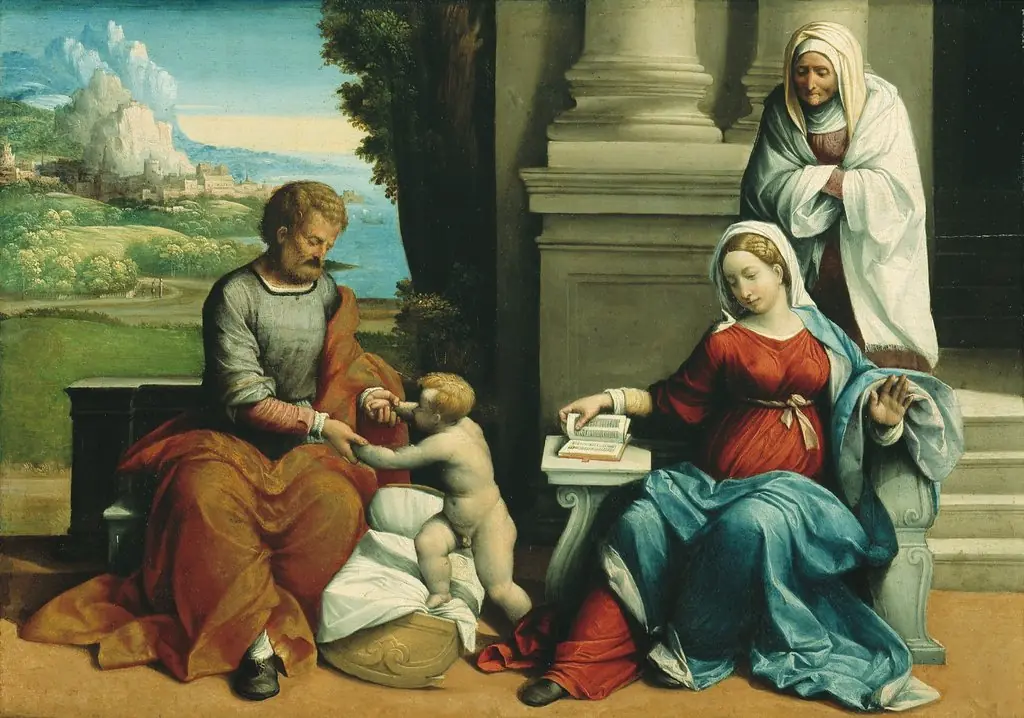 Holy Family with St. Anne
 Virgin and Child, with Two Donors