Artwork
Ecce Homo
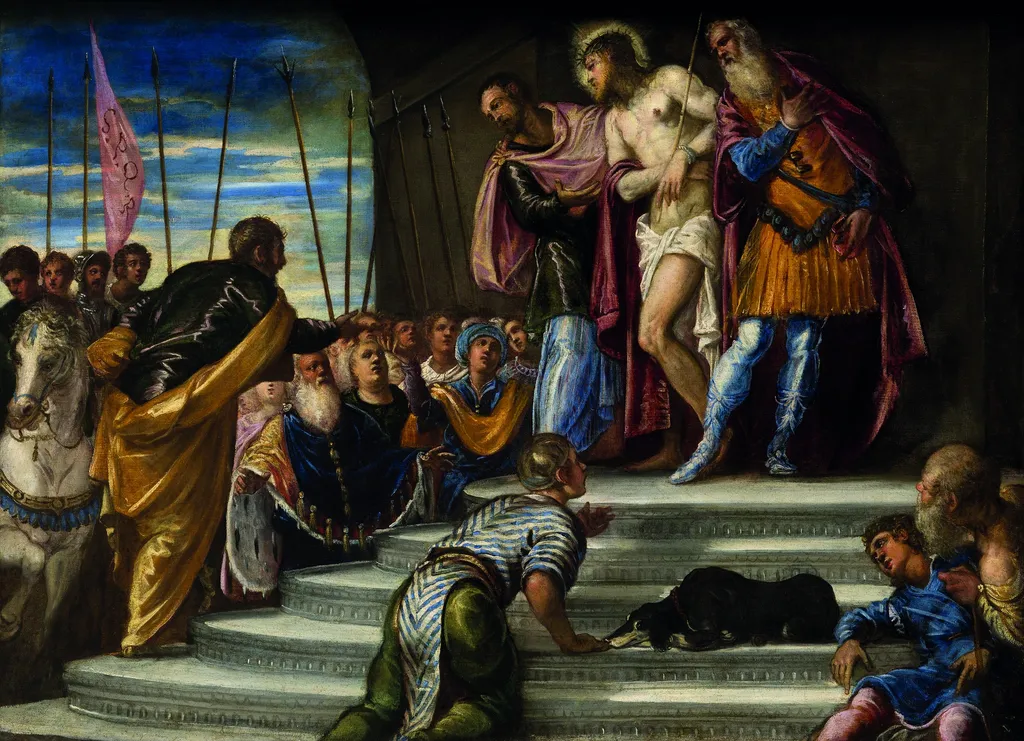
Ecce Homo is an oil painting by the Mannerist artist Jacopo Tintoretto. It dates from 1546 and is held in the collection of the São Paulo Museum of Art.
About this work
Overview
Painted in 1546 by Jacopo Robusti, known as Tintoretto, this oil-on-canvas work portrays the moment Christ is presented to the crowd by Pontius Pilate.
Painted in 1546 by Jacopo Robusti, known as Tintoretto, this oil-on-canvas work portrays the moment Christ is presented to the crowd by Pontius Pilate. Executed in the Mannerist idiom, the painting reflects the artist’s signature vigor and compositional intensity. It resides in the São Paulo Museum of Art, part of a broader body of religious works that defined Tintoretto’s career in mid-16th-century Venice.
Subject & Meaning
The scene captures the biblical moment of Ecce Homo—'Behold the Man'—as Christ, crowned with thorns and clad in a simple white garment, stands silently before a hostile assembly. The surrounding figures, dressed in varied contemporary and archaic attire, embody the crowd’s moral ambiguity and collective judgment. The composition emphasizes isolation amid chaos, underscoring Christ’s passive suffering amid human turmoil.
Technique & Style
Tintoretto employs strong chiaroscuro to heighten emotional contrast, with light carving Christ’s form from shadowed depths. Thick impasto adds tactile urgency to fabric and skin, while dynamic, almost restless brushwork animates the crowd. Figures are elongated and posed with theatrical tension, reflecting Mannerist departures from Renaissance harmony. The sky, rendered in pale blues and swirling clouds, frames the scene without softening its gravity.
History & Provenance
Created during Tintoretto’s early mature phase, the painting emerged from a period of intense religious commissioning in Venice. It entered the São Paulo Museum of Art’s collection in the 20th century, likely through acquisitions of European works by the museum’s founder. Its documented history prior to this is limited, though its style aligns with other works from the mid-1540s attributed to the artist’s workshop.
Context
In 1540s Venice, religious imagery was shaped by Counter-Reformation ideals and a growing appetite for emotionally charged narratives. Tintoretto’s approach diverged from the polished elegance of Titian, favoring raw movement and psychological immediacy. This painting reflects a city where art served both devotion and civic identity, blending sacred themes with contemporary visual language to engage viewers directly.
Legacy
Though less celebrated than Tintoretto’s later altarpieces, this early work demonstrates the foundational elements of his style: dramatic lighting, expressive distortion, and a rejection of static composition. It influenced subsequent Venetian painters who sought to convey spiritual intensity through physical dynamism. Its presence in São Paulo underscores the global reach of Venetian Mannerism beyond its origins.
Own this work as a print
Artist & collection
Artist
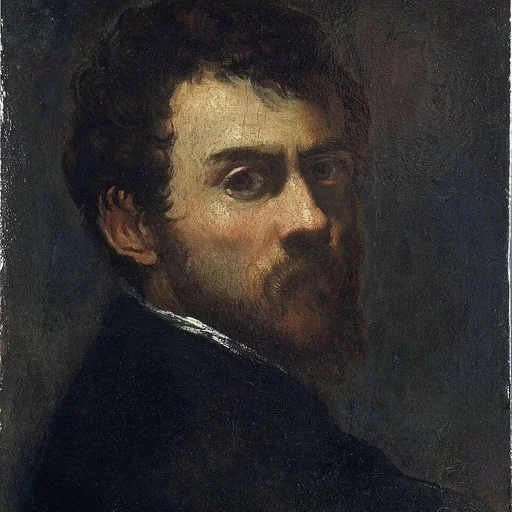
Jacopo Robusti (late September or early October 1518 – 31 May 1594), best known as Tintoretto ( TIN-tə-RET-oh; Italian: ; Venetian: ), was an Italian Renaissance painter of the Venetian school.

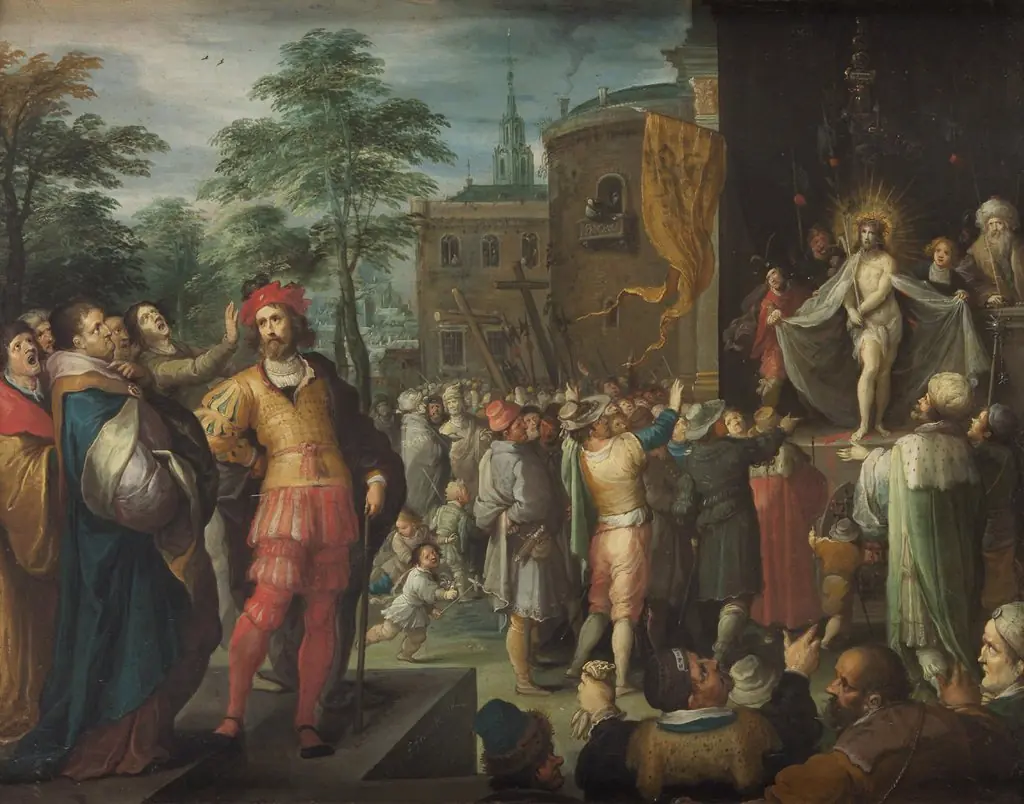 Ecce Homo
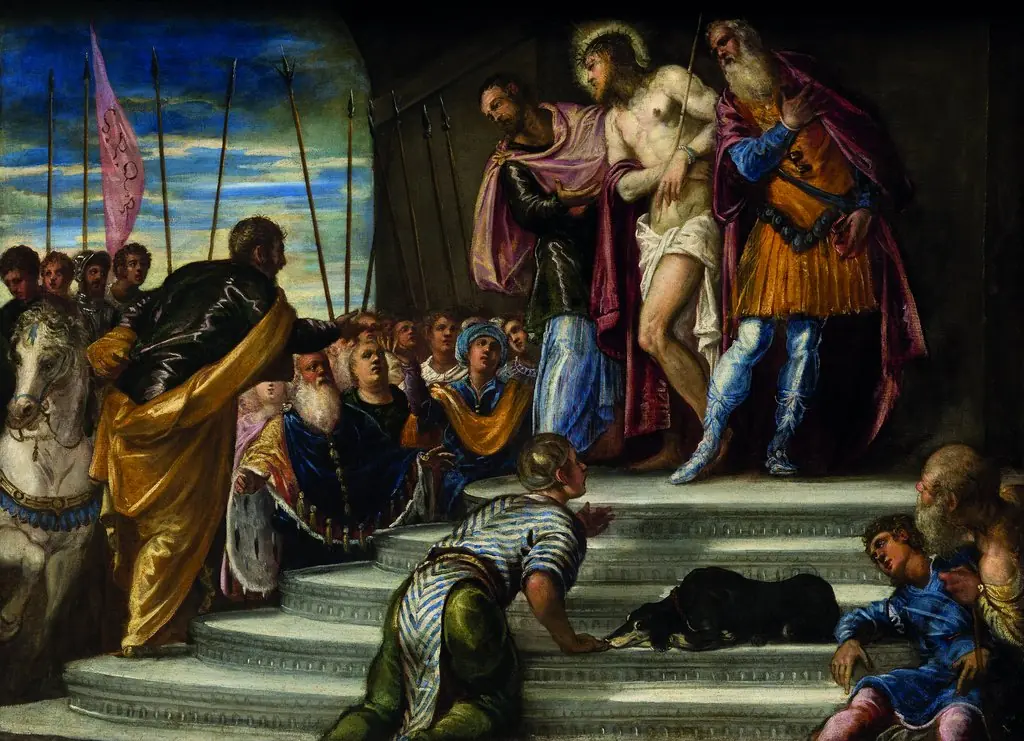 Ecce Homo or Pontius Pilate Presenting Christ to the Crowd
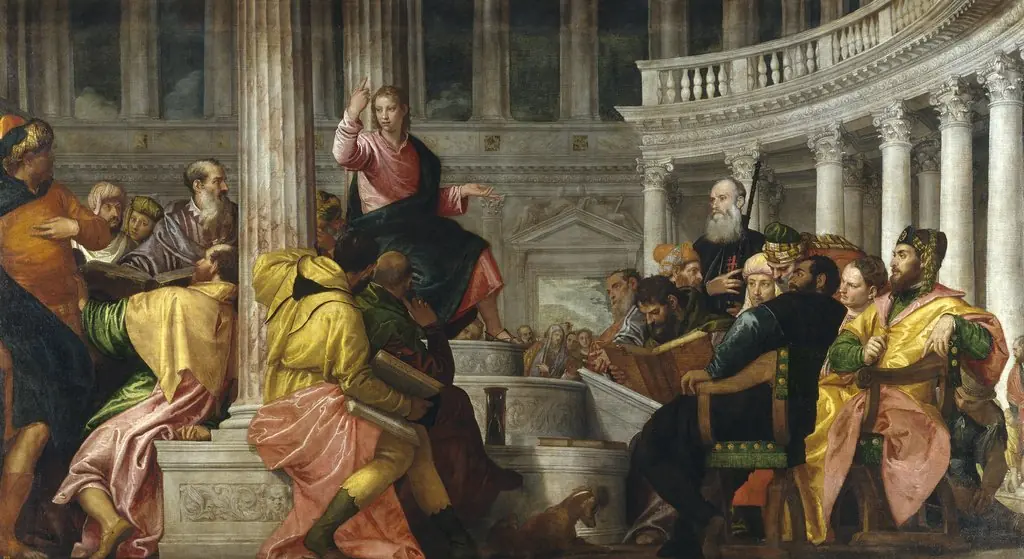 Christ Among the Doctors
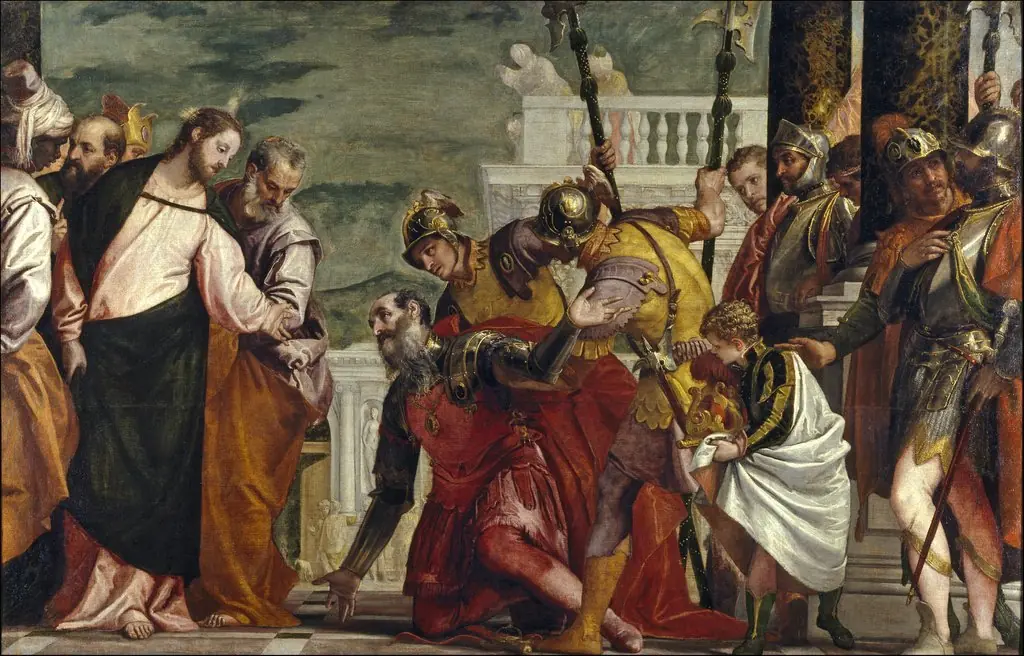 Christ and the Centurion
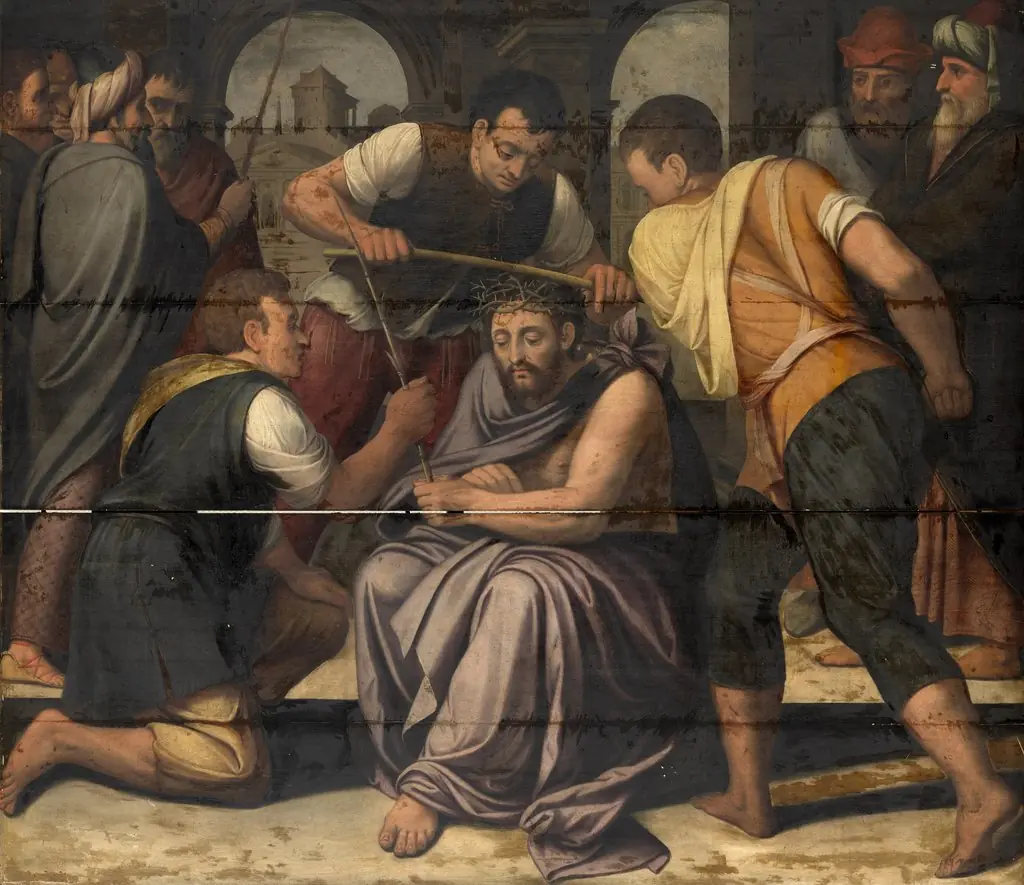 Crowning with Thorns
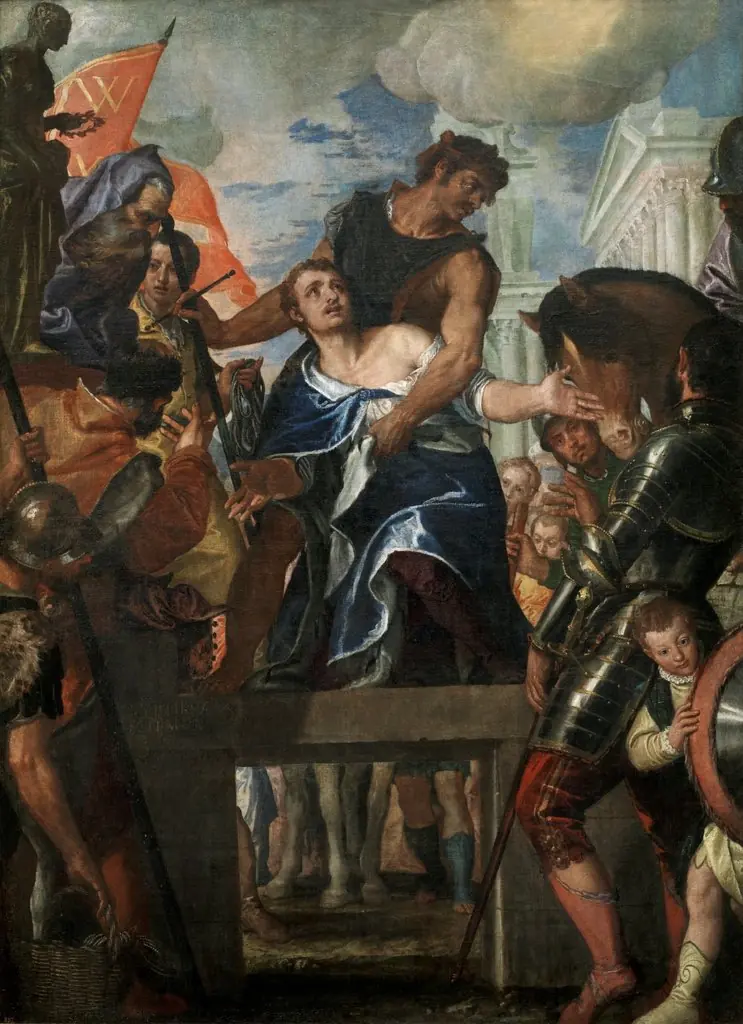 The Martyrdom of Saint Mennas
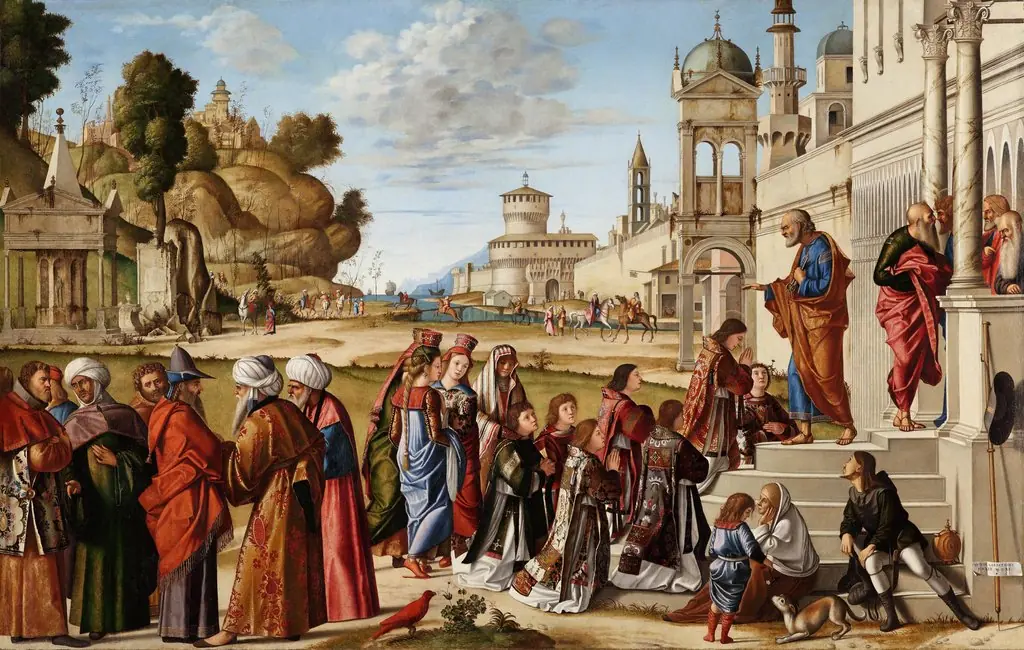 The Ordination of St. Stephen
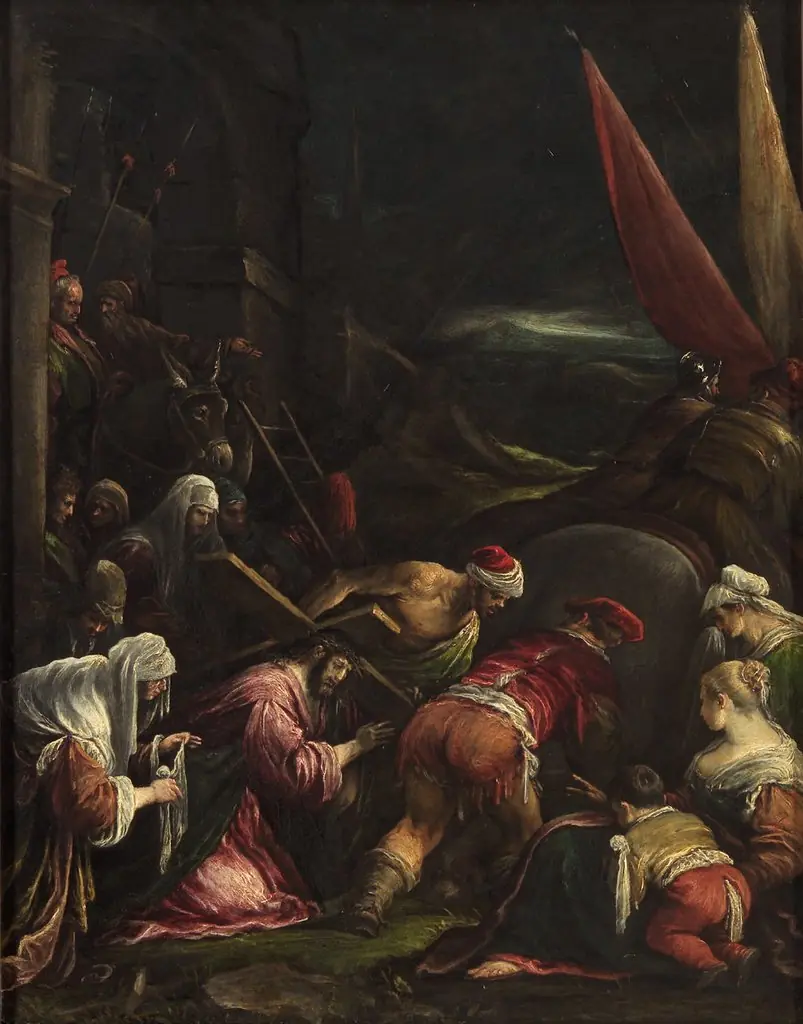 Christ Carrying the Cross meets with Veronica
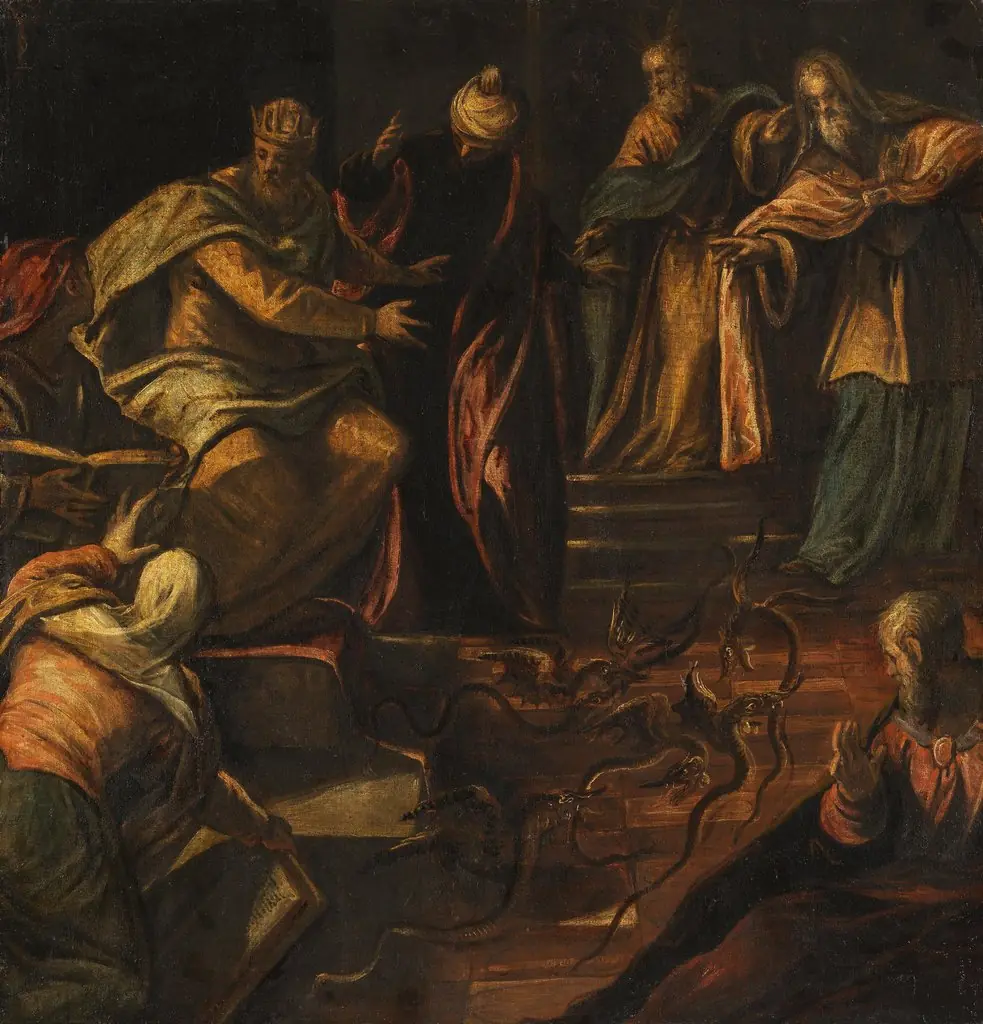 Das mosaische Schlangenwunder (Umkreis)
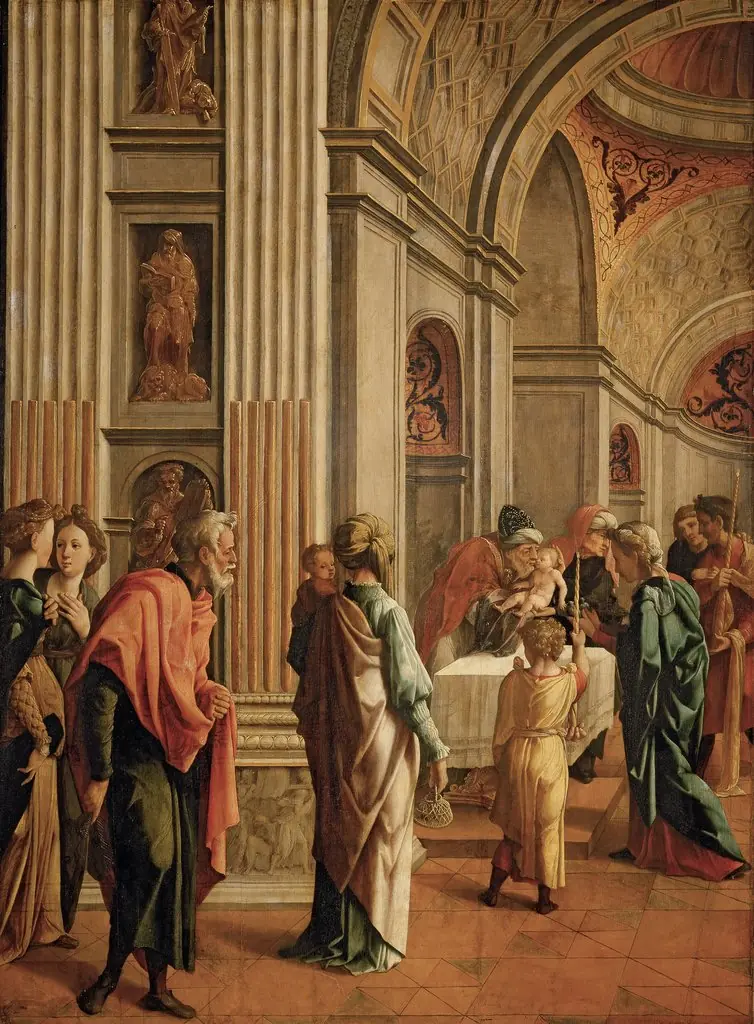 Presentation of Jesus in the Temple
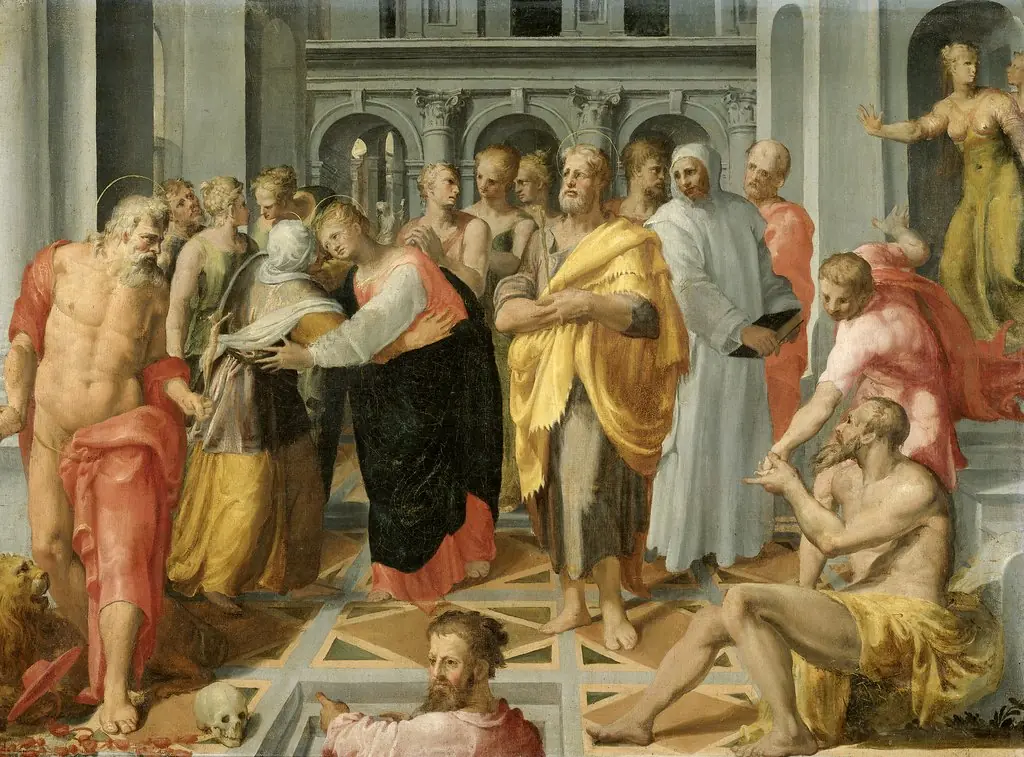 Visitation (Meeting of Mary and Elizabeth in the Presence of Saints Joseph and Jerome)
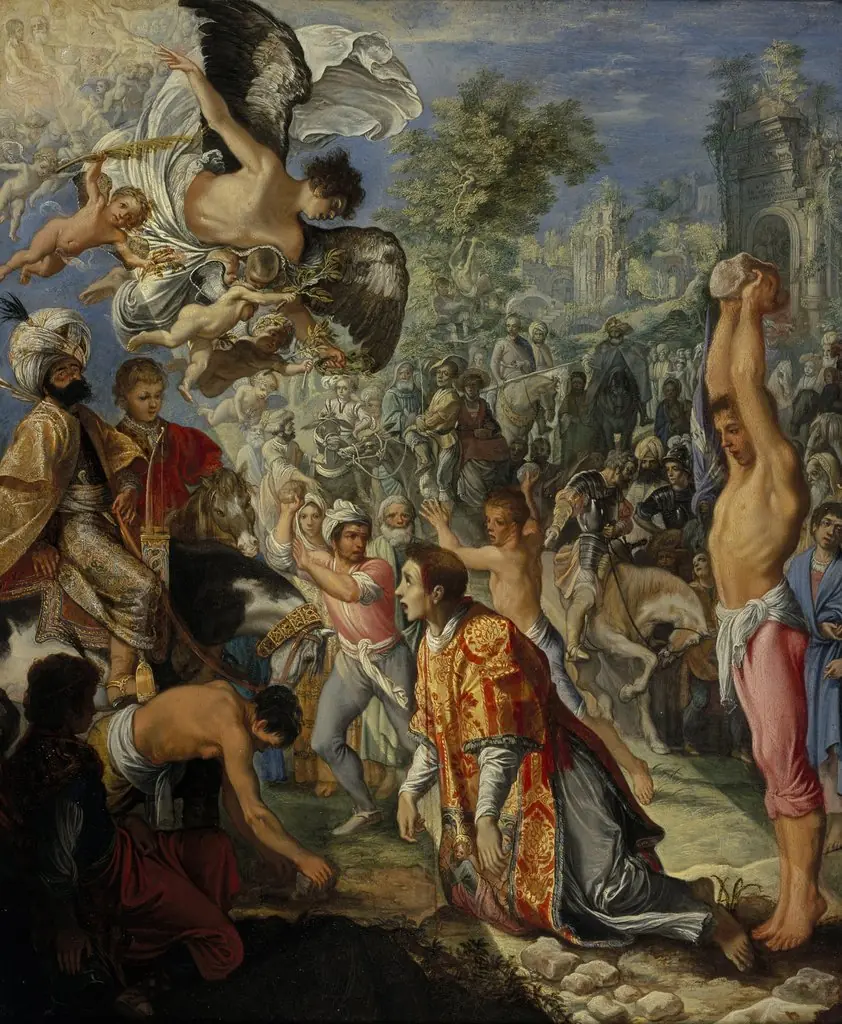 The Stoning of Saint Stephen