Artwork
The Stoning of Saint Stephen
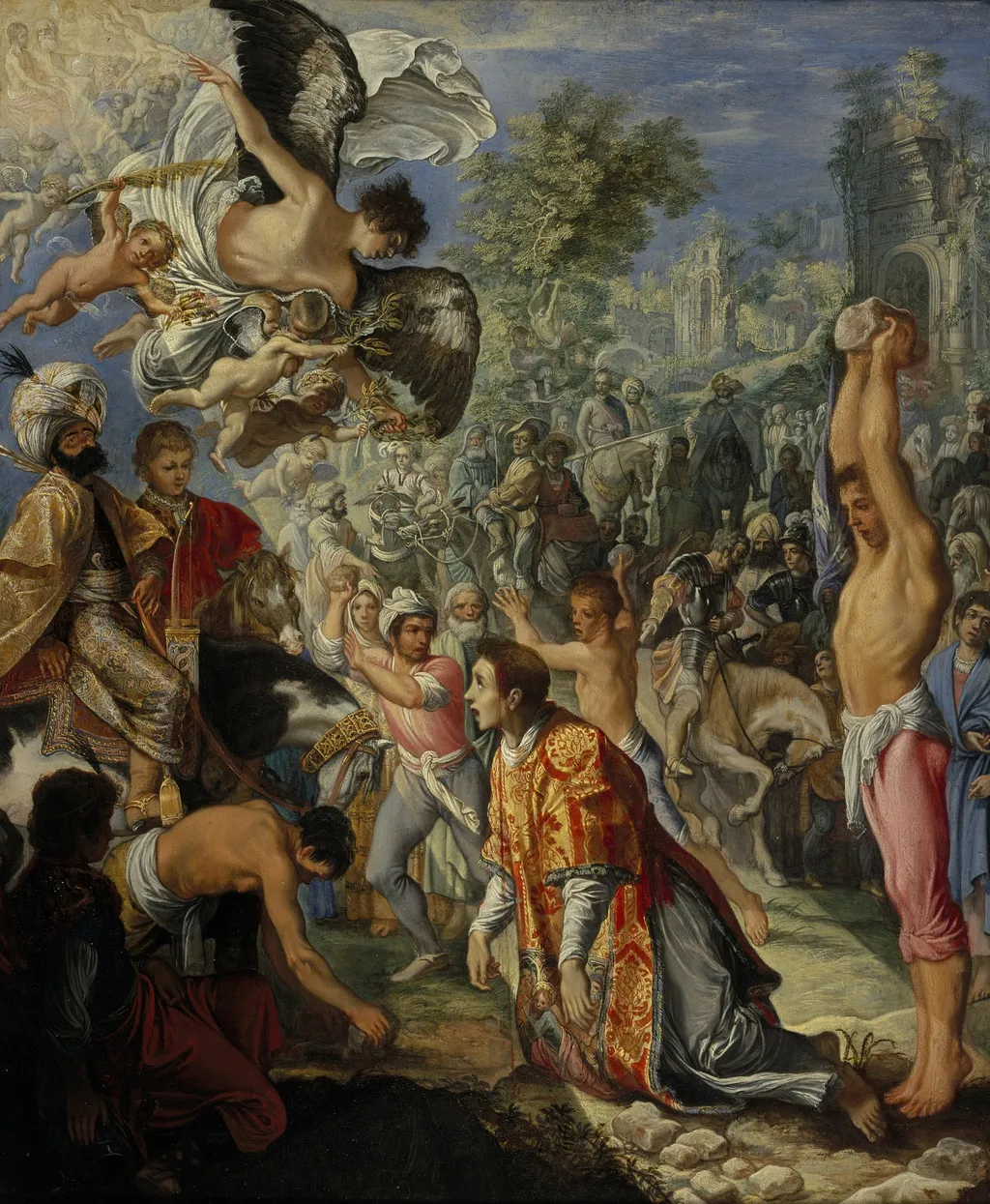
The Stoning of Saint Stephen is an oil painting by the Early Baroque Italian artist Adam Elsheimer. It dates from 1603 and is held in the collection of the National Galleries Scotland.
About this work
Overview
Though his career was short, Elsheimer’s innovations in light and atmosphere left a mark on early Baroque painting, particularly among contemporaries in Italy.
Adam Elsheimer, a German artist working in Rome, painted *The Stoning of Saint Stephen* in 1603 on a copper panel, a support he favored for its smooth surface and capacity to hold fine detail. Measured in small scale, the work reflects his focus on intimate, luminous compositions. Though his career was short, Elsheimer’s innovations in light and atmosphere left a mark on early Baroque painting, particularly among contemporaries in Italy.
Subject & Meaning
The scene portrays the martyrdom of Saint Stephen, the first Christian martyr, as described in the Acts of the Apostles. A central figure in red, possibly a witness or judge, observes calmly amid the violence, contrasting with the agitated crowd. Above, celestial beings hover, suggesting divine witness to the earthly act. The composition juxtaposes human brutality with spiritual transcendence, emphasizing the sacred nature of Stephen’s sacrifice.
Technique & Style
Elsheimer employed chiaroscuro to model forms with subtle gradations of light and shadow, drawing attention to the central figure’s face and the texture of clothing and stone. The copper support allowed for precise brushwork and luminous highlights, enhancing the realism of the rocky terrain and the figures’ varied attire. The sky, softly lit, contrasts with the darker foreground, deepening the emotional tension and spatial depth.
History & Provenance
Commissioned during Elsheimer’s time in Rome, the painting remained in private collections before entering the Scottish National Gallery’s holdings. Its survival in good condition is notable, given the fragility of copper panels. Documentation links it to early 17th-century collectors in Italy and later to British patrons, reflecting its reputation among connoisseurs of refined, small-scale religious works.
Context
Created during the Counter-Reformation, the painting aligns with Catholic efforts to visualize sacred martyrdoms with emotional immediacy. Elsheimer’s integration of naturalistic landscape and contemporary dress diverged from idealized Renaissance models, anticipating the dramatic realism of Caravaggio and his followers. The work reflects Rome’s vibrant artistic exchange, where Northern European precision met Italian chiaroscuro traditions.
Legacy
Elsheimer’s use of light and intimate scale influenced later artists, including Rembrandt and Rubens, who admired his ability to convey spiritual gravity through subtle illumination. Though less known today, his technical approach to nocturnal and twilight scenes helped shape the evolution of Baroque painting. *The Stoning of Saint Stephen* remains a key example of how small-format works could carry profound narrative weight.
Own this work as a print
Artist & collection
Artist
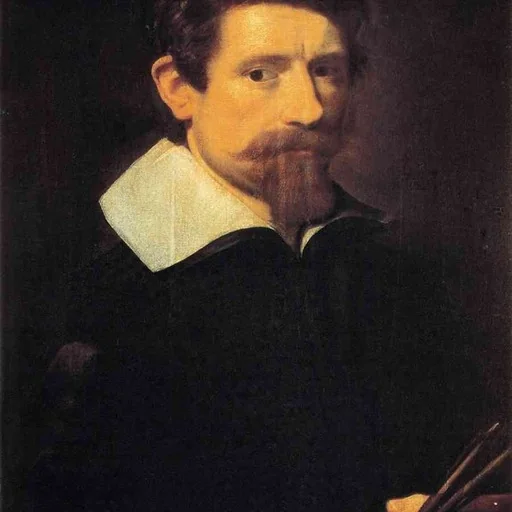
Adam Elsheimer (18 March 1578 – 11 December 1610) was a German Baroque painter who worked in Rome.

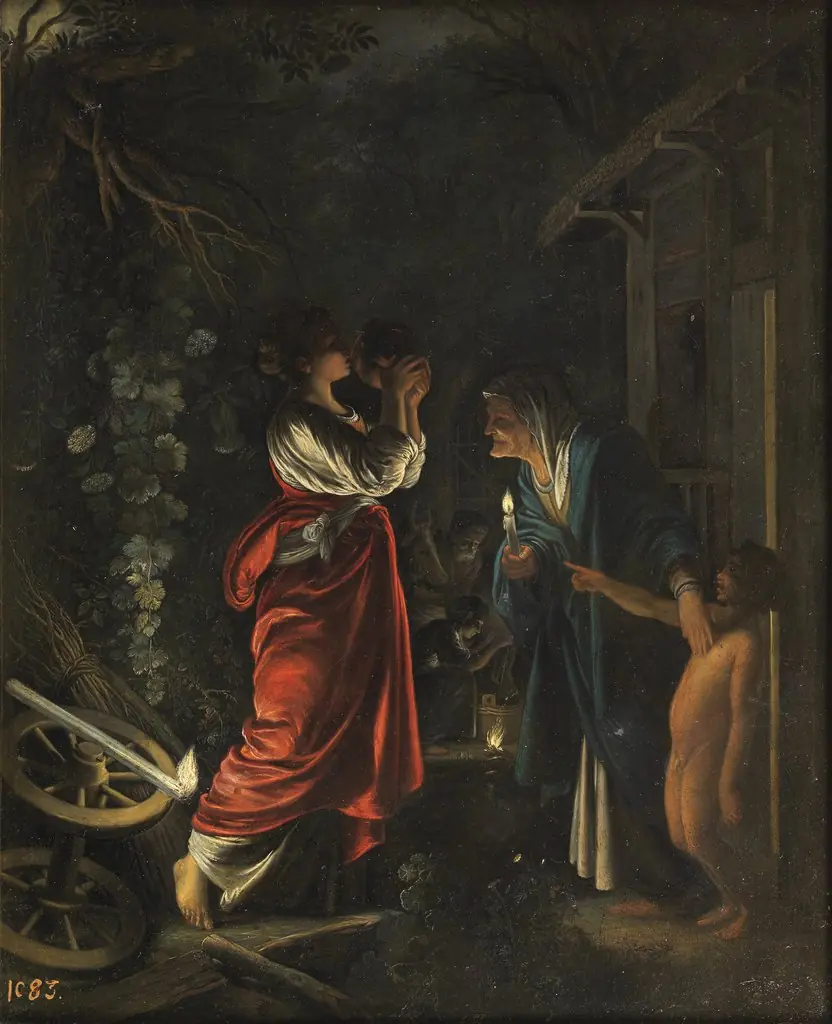
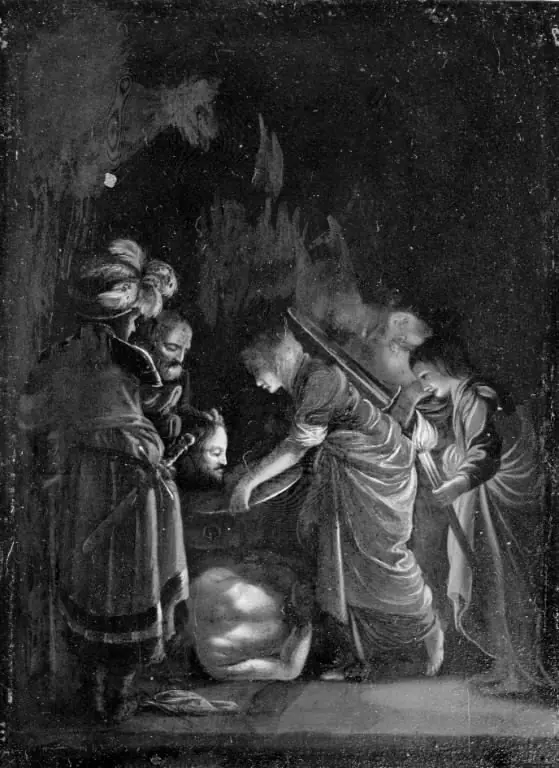
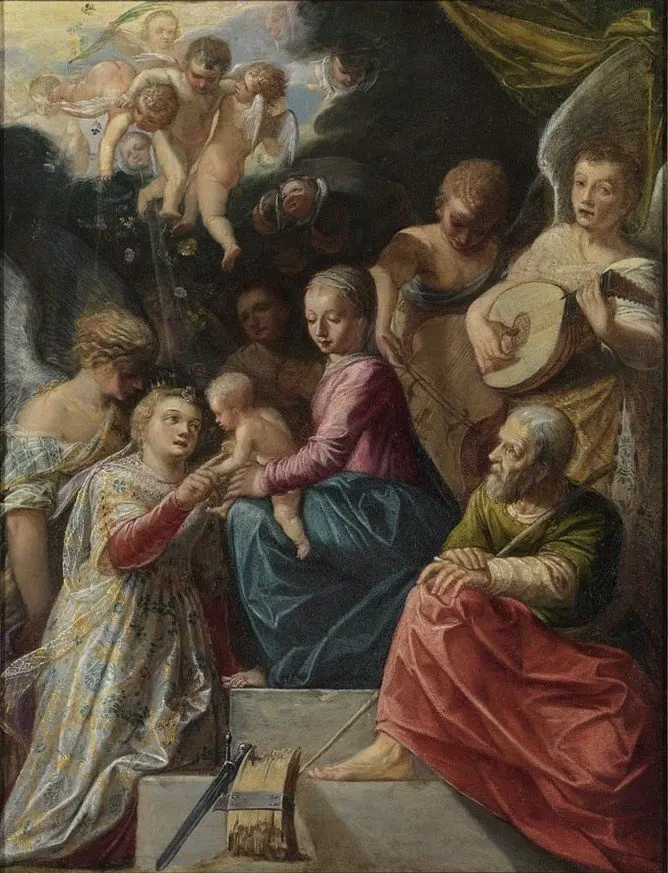
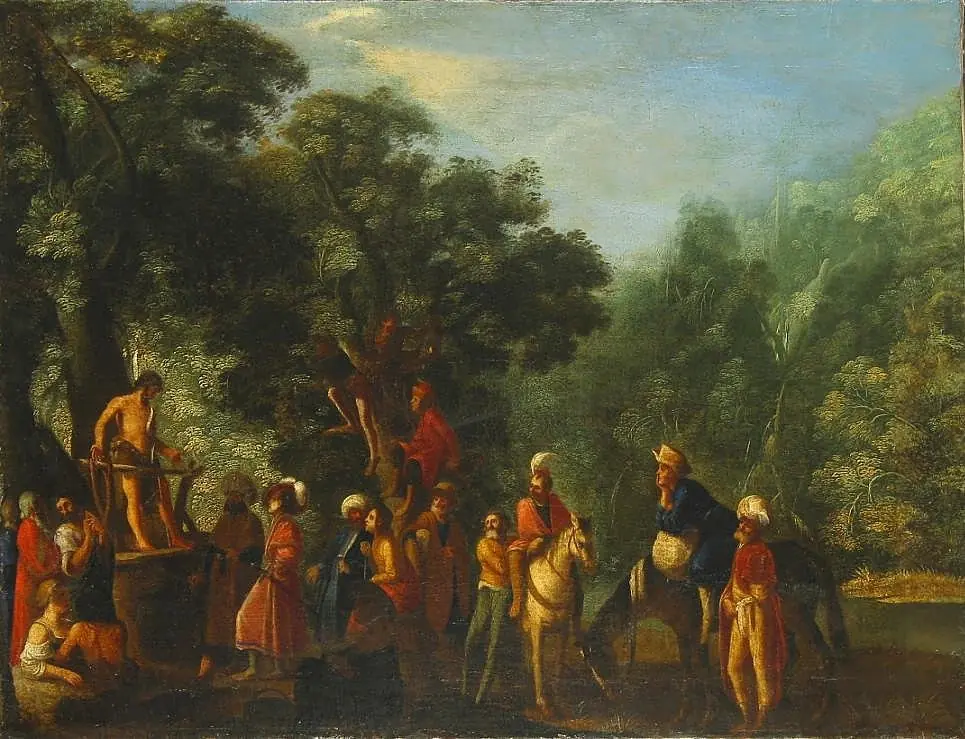
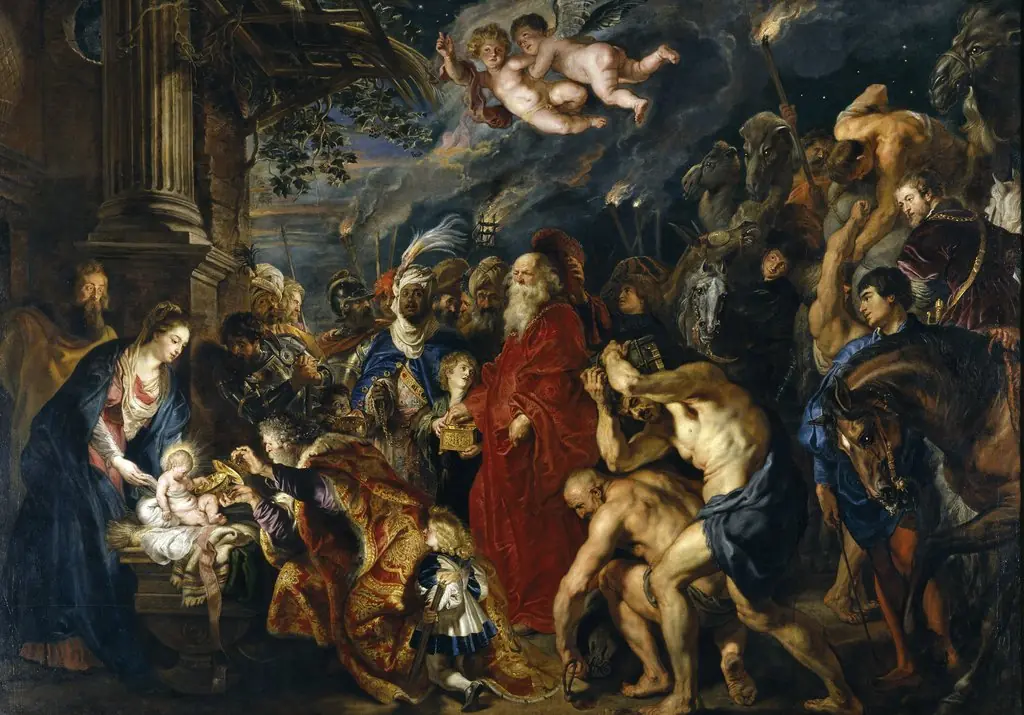 Adoration of the Magi
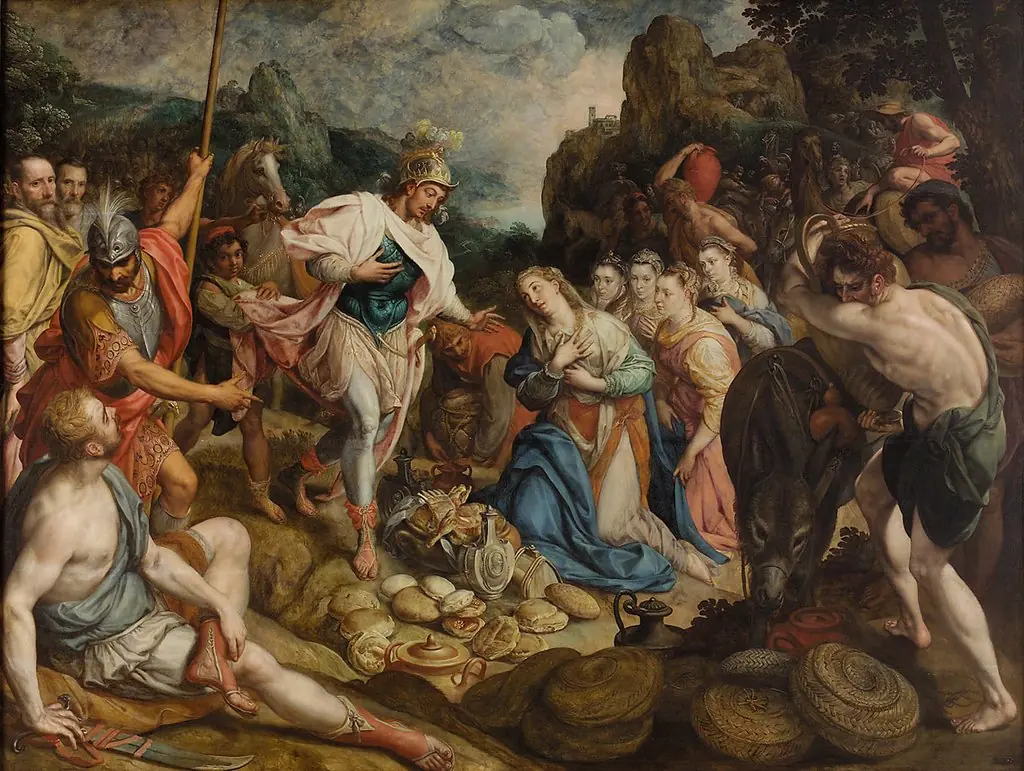 David and Abigail
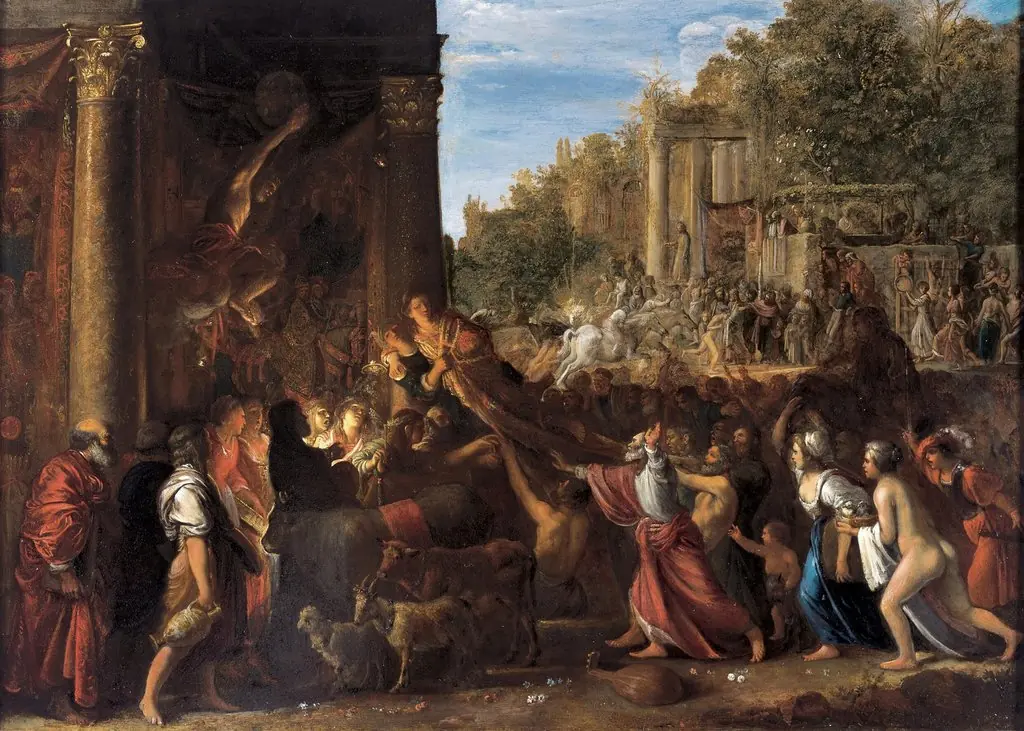 Il Contento
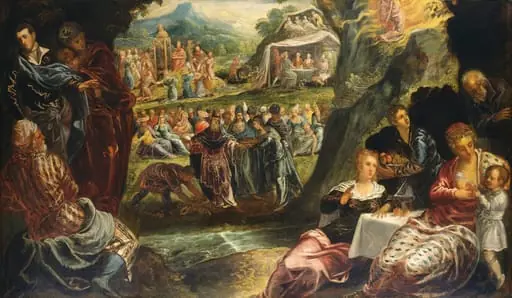 The Worship of the Golden Calf
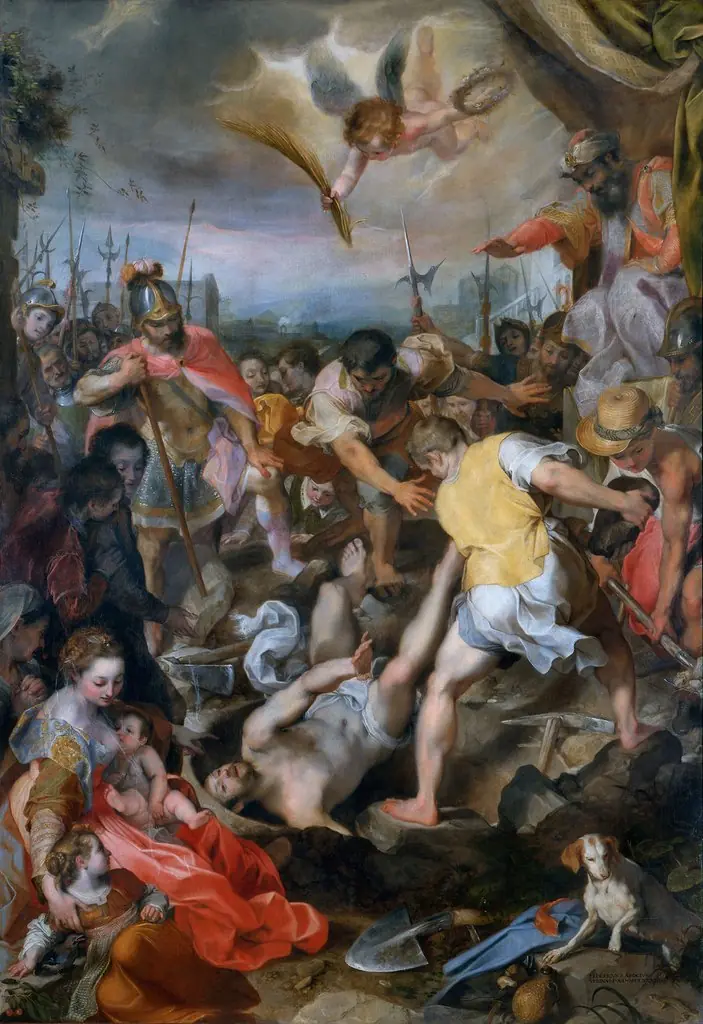 Martirio di san Vitale
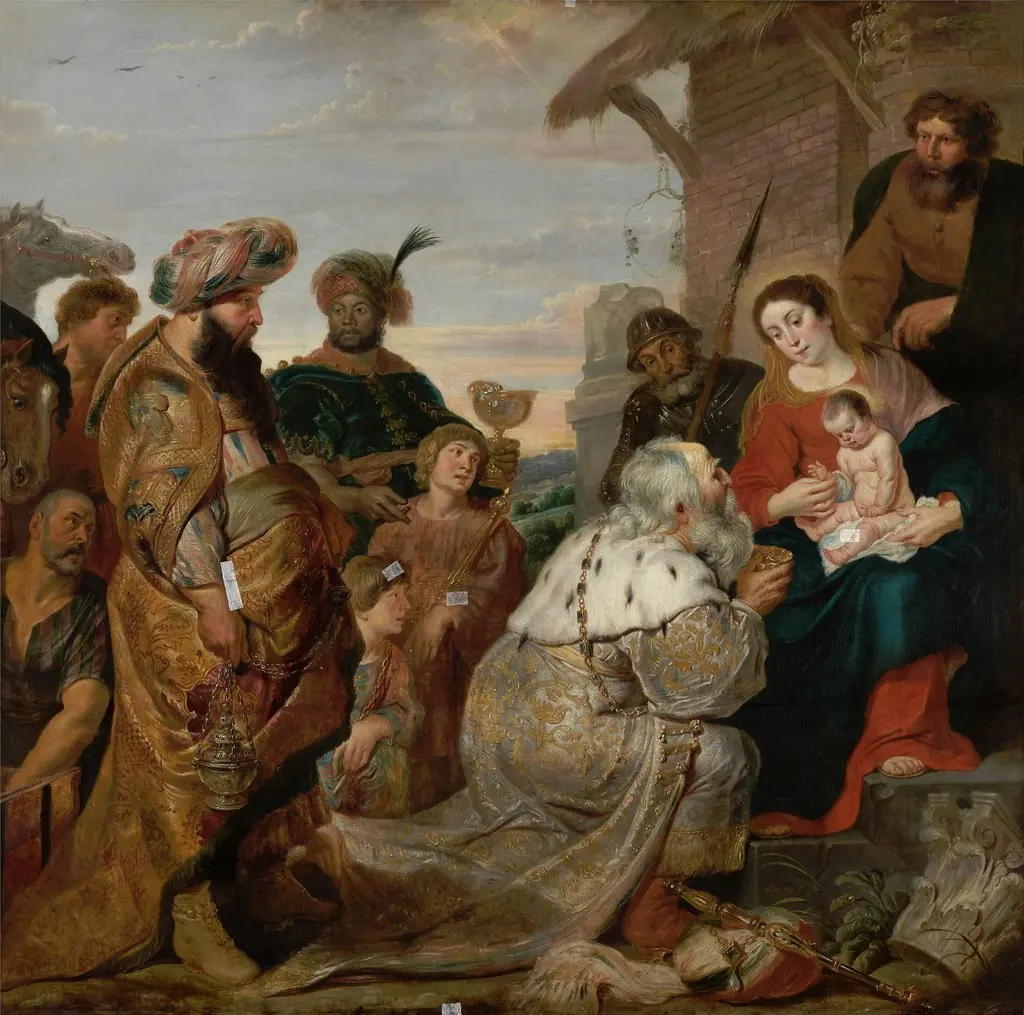 The adoration of the Magi
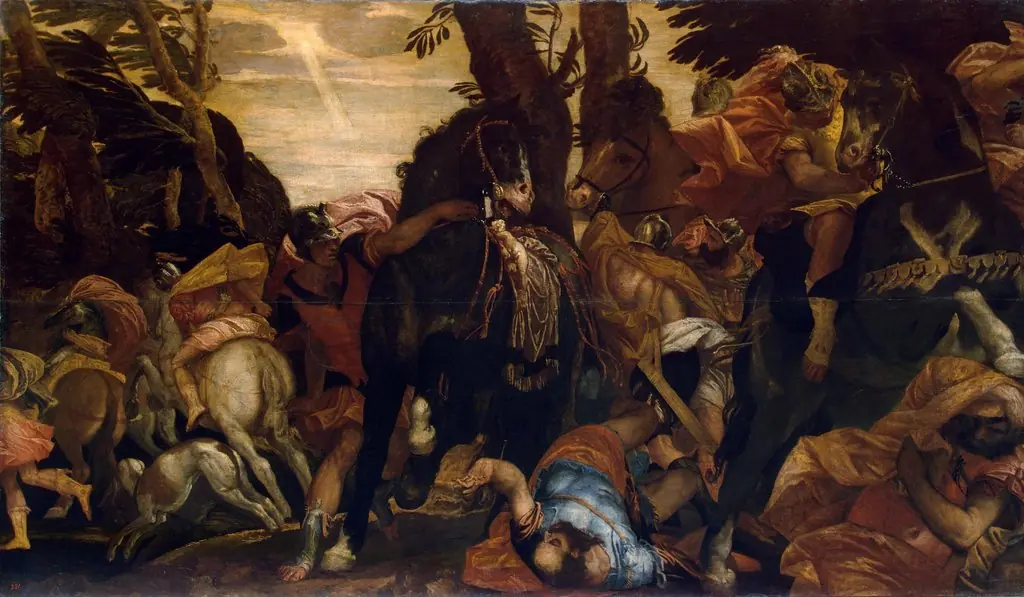 Conversion of Saul
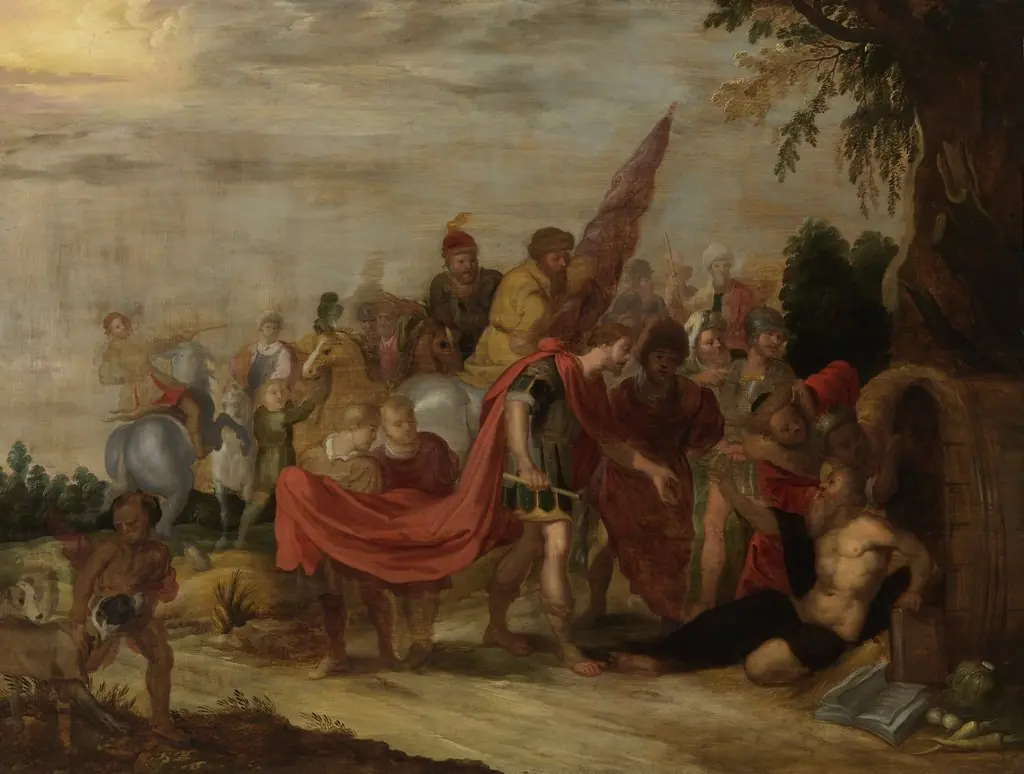 Alexander en Diogenes
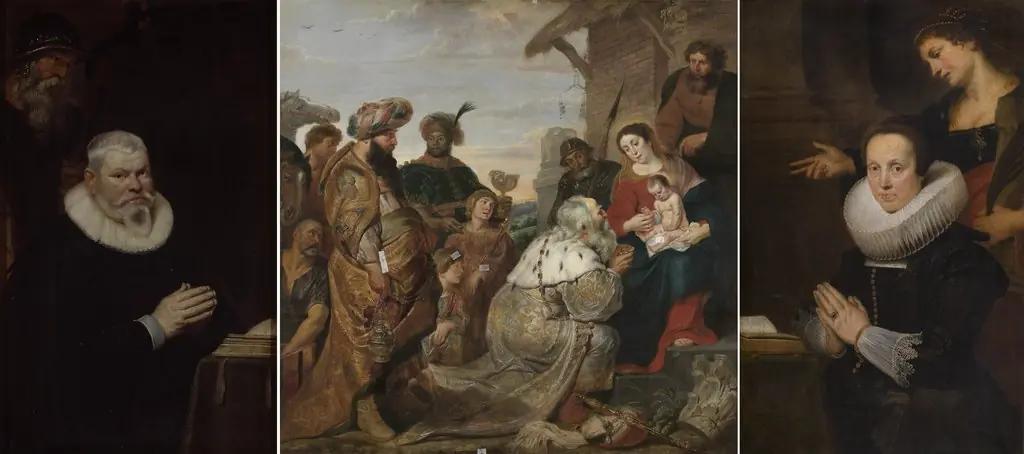 Epitaph of Willem van Meerbeeck and His Wife Barbara Kegeleers
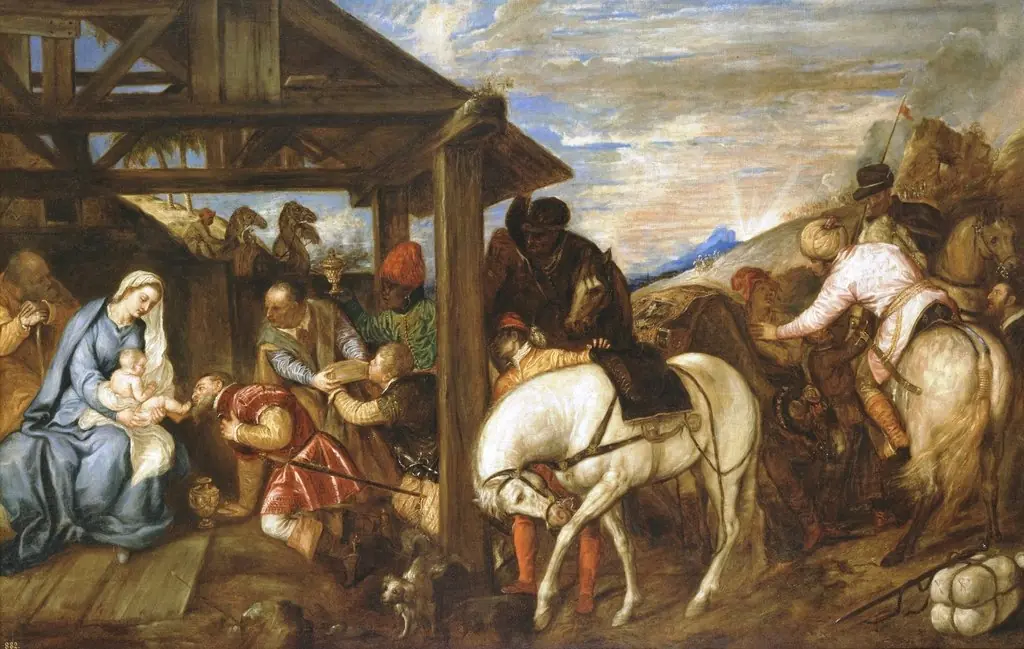 The Adoration of the Magi
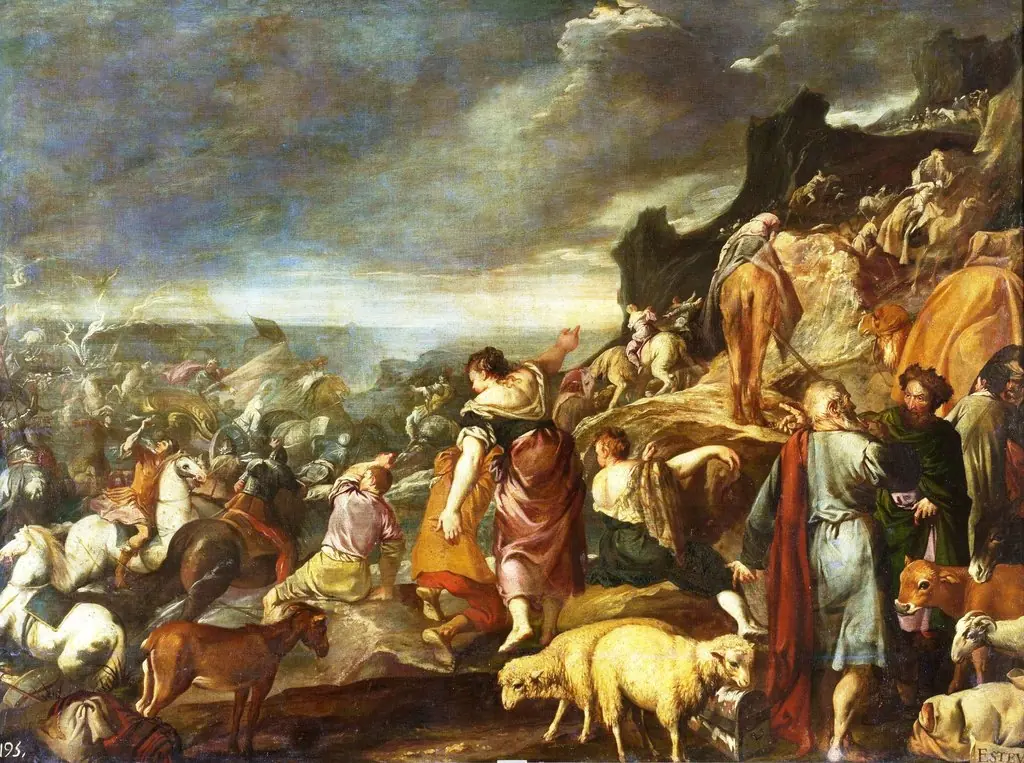 El paso del mar Rojo
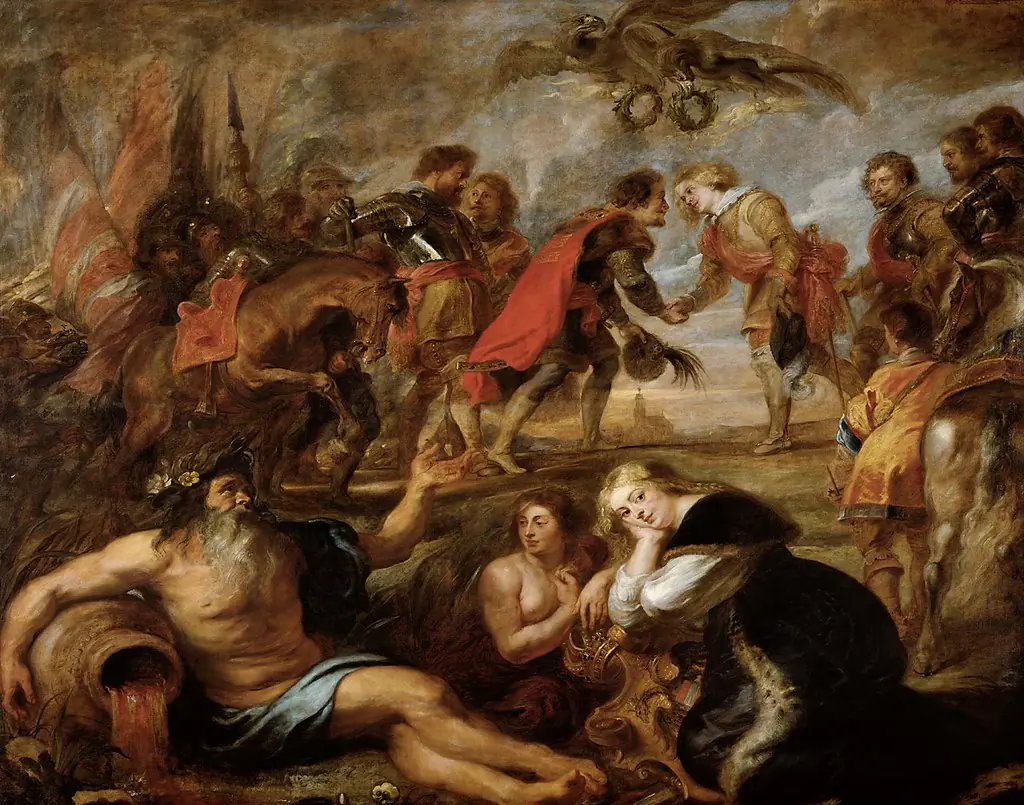 Meeting of King Ferdinand and Cardinal-infante Ferdinand at Nördlingen