Artwork
Luna mit den Horen
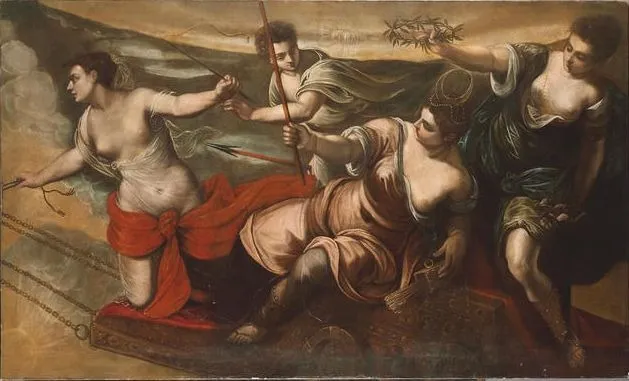
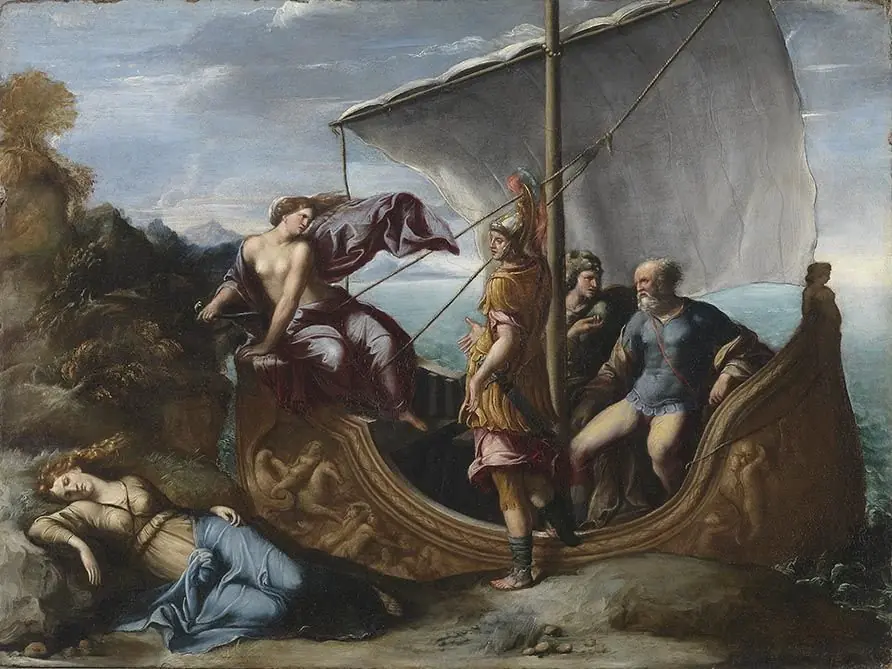
Luna mit den Horen is a paint painting by the Mannerist artist Jacopo Tintoretto. It dates from 1591 and is held in the collection of the Gemäldegalerie Berlin.
About this work
Overview
A leading figure of the Venetian Renaissance, Tintoretto infused this work with dynamic movement and emotional intensity.
Painted in 1591 by Jacopo Tintoretto, *Luna mit den Horen* is a mythological composition executed in oil on canvas. A leading figure of the Venetian Renaissance, Tintoretto infused this work with dynamic movement and emotional intensity. The painting resides in the Gemäldegalerie, Berlin, and exemplifies his mature style—characterized by loose brushwork, theatrical lighting, and a departure from classical balance in favor of expressive dynamism.
Subject & Meaning
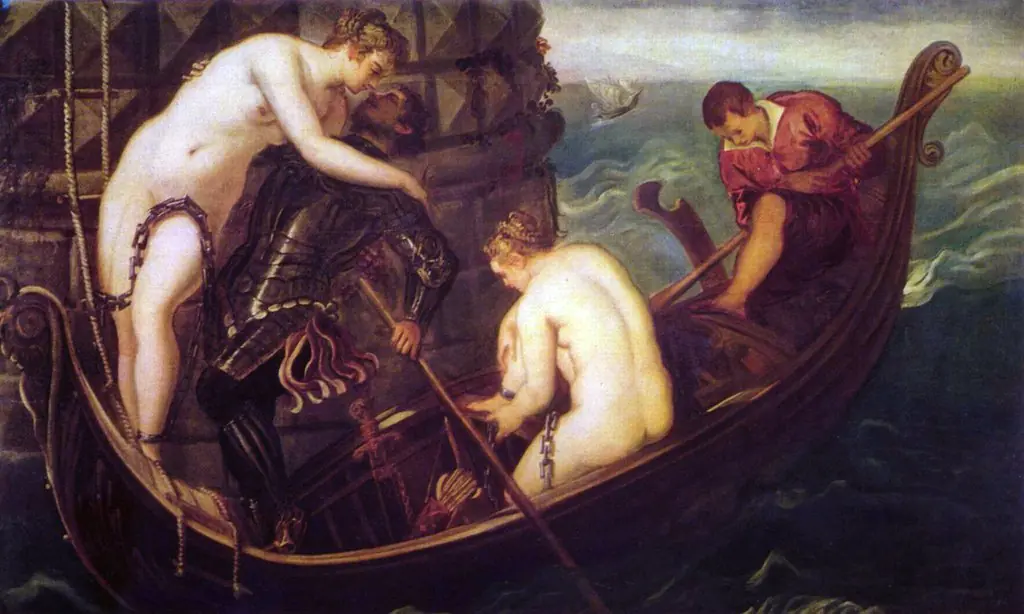
The painting portrays Luna, the Roman moon goddess, alongside the Horae—personifications of the hours or seasons. One figure, partially nude and gripping a rope, may symbolize the moon’s pull on tides or time’s passage. The other three figures, dressed and engaged in coordinated motion, suggest the orderly progression of celestial time. The grouping reflects Renaissance interest in classical mythology as a vehicle for cosmic and philosophical ideas.
Technique & Style
Tintoretto employed vigorous brushstrokes and a pronounced chiaroscuro to model the figures, lending them sculptural weight against a hazy, atmospheric sky. The contrast between illuminated flesh and deep shadows enhances the sense of physical strain and motion. Drapery and limbs are rendered with fluidity, avoiding rigid idealization in favor of expressive, almost turbulent forms—hallmarks of Mannerist tendencies in his late work.
History & Provenance
Created near the end of Tintoretto’s life, the painting entered the collection of the Gemäldegalerie Berlin in the 19th century. Its earlier ownership is undocumented, but its survival in good condition suggests it was preserved by private collectors before institutional acquisition. Unlike many of his large-scale religious commissions, this work was likely a private commission or personal exploration of mythological themes.
Context
In late 16th-century Venice, mythological subjects were increasingly favored by patrons seeking intellectual and aesthetic sophistication. Tintoretto, though best known for religious scenes, frequently turned to classical themes to explore human emotion and cosmic order. This painting aligns with broader trends in Mannerism, where movement, ambiguity, and emotional tension replaced High Renaissance harmony.
Legacy
Though less widely known than his altarpieces, *Luna mit den Horen* illustrates Tintoretto’s enduring engagement with myth and motion. Its expressive handling influenced later Baroque artists drawn to dramatic lighting and physical dynamism. Today, it stands as a testament to his ability to infuse mythological narrative with visceral energy, bridging Renaissance ideals and emerging Baroque sensibilities.
Artist & collection
Artist
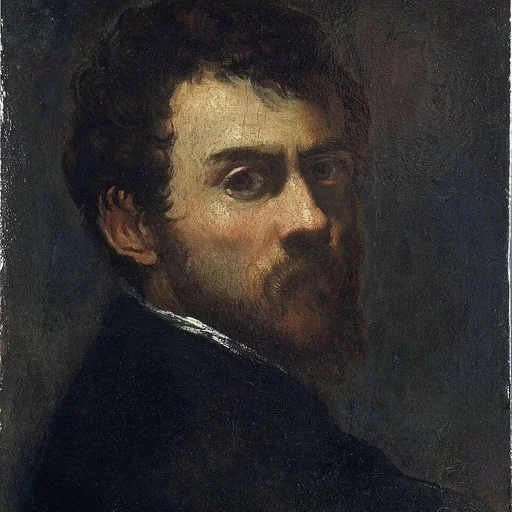
Jacopo Robusti (late September or early October 1518 – 31 May 1594), best known as Tintoretto ( TIN-tə-RET-oh; Italian: ; Venetian: ), was an Italian Renaissance painter of the Venetian school.


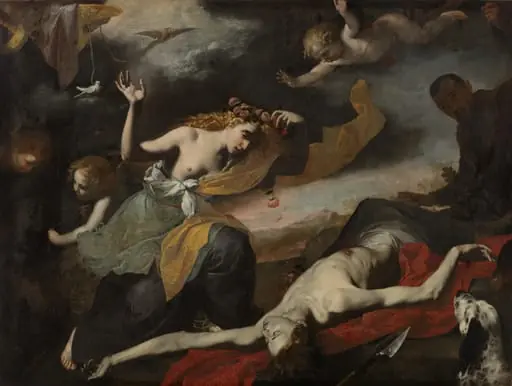 Venus Discovering the Dead Adonis
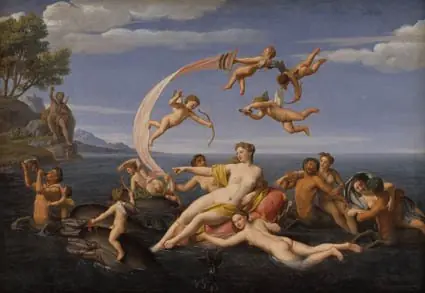 The Triumph of Galathea
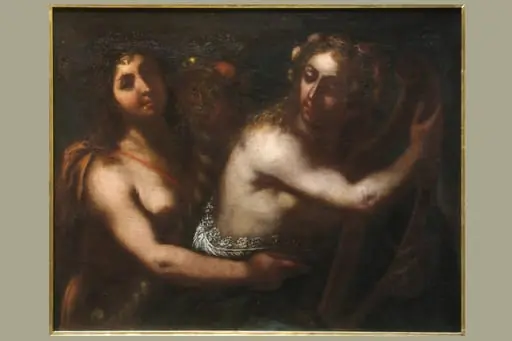 Vertumnus și Pomona (în Reg. Inv.: Vertumnus și Flora)
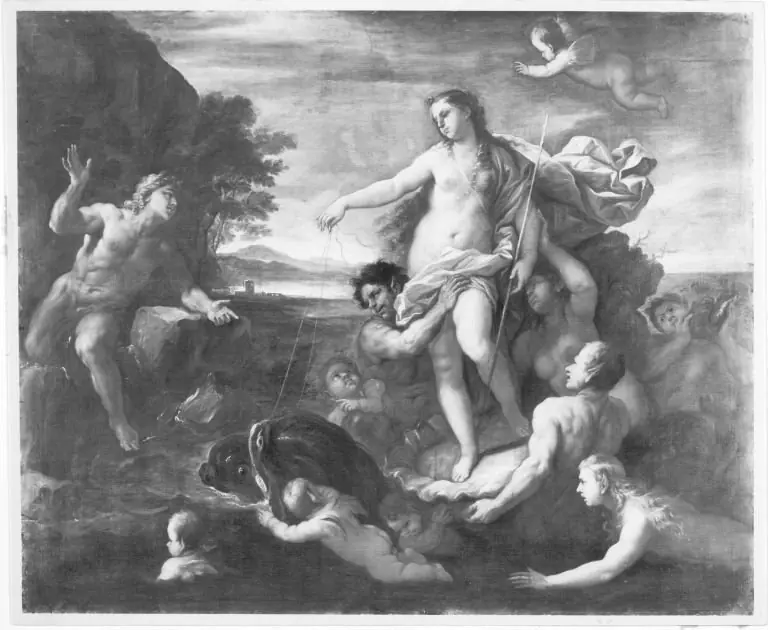 Galathea besucht Acis
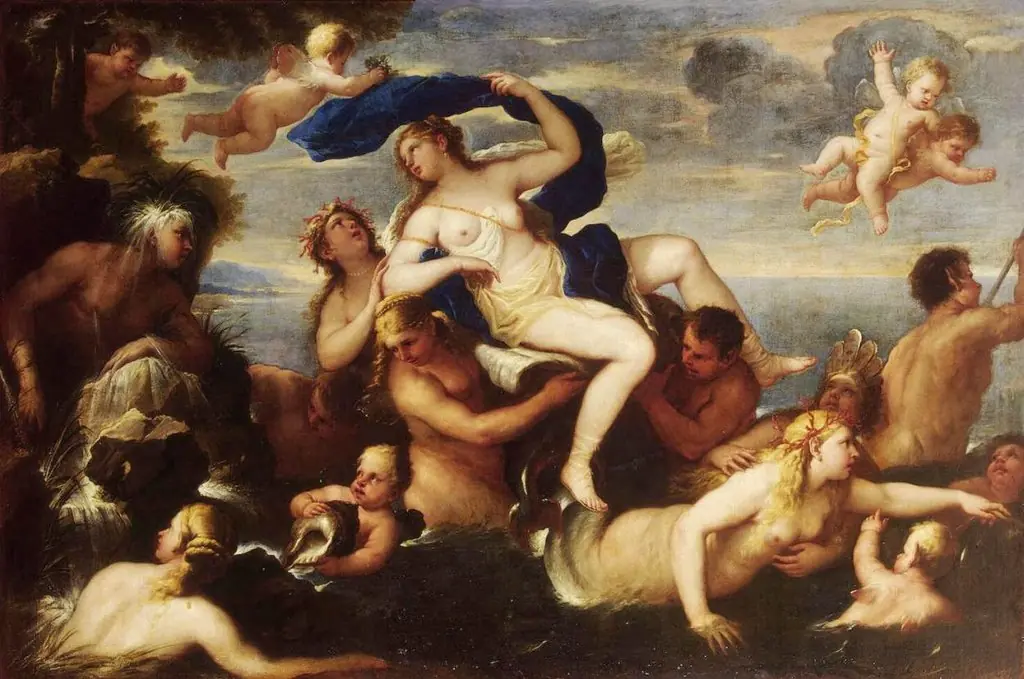 Triumph of Galatea
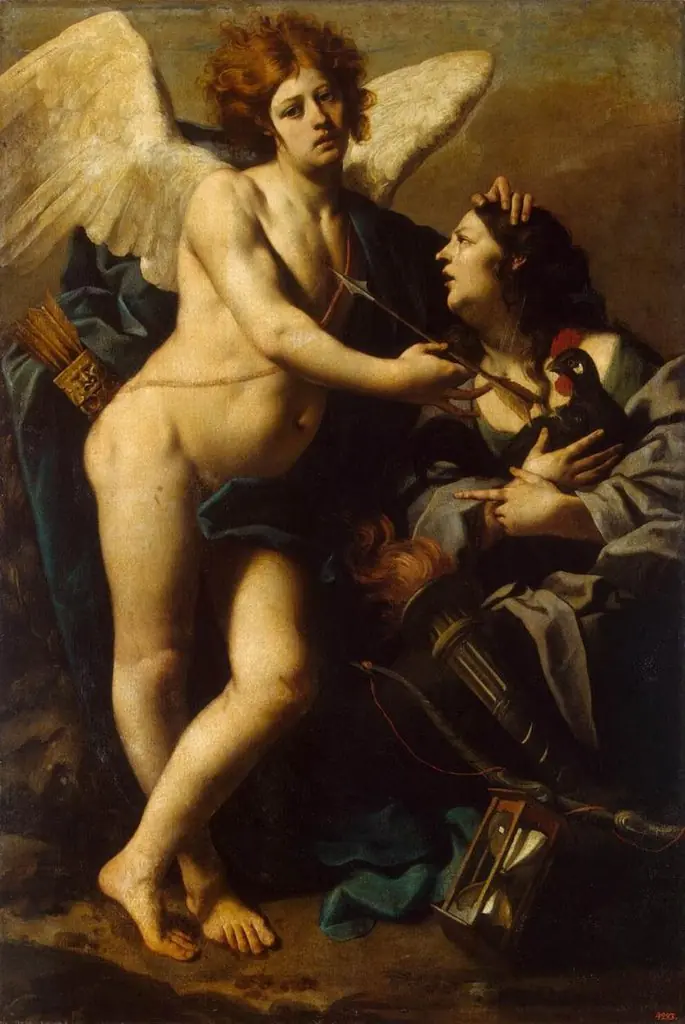 Allegory of the Love and the Jealousy (?)
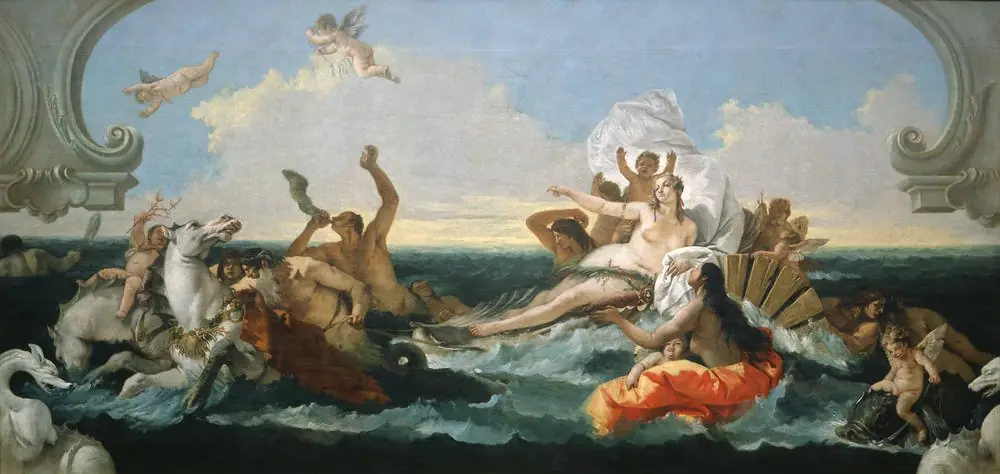 Triumph of Amphitrite
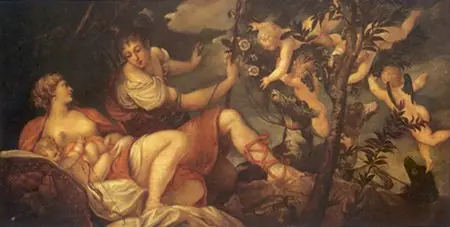 Diana and Endymion or Venus and Adonis
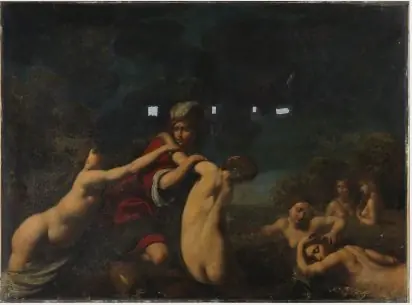 Hylas and the Nymphs
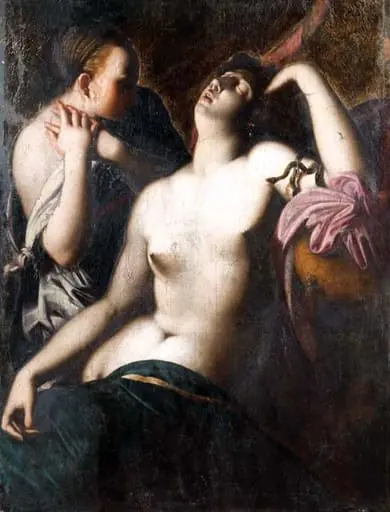 Cleopatra murind
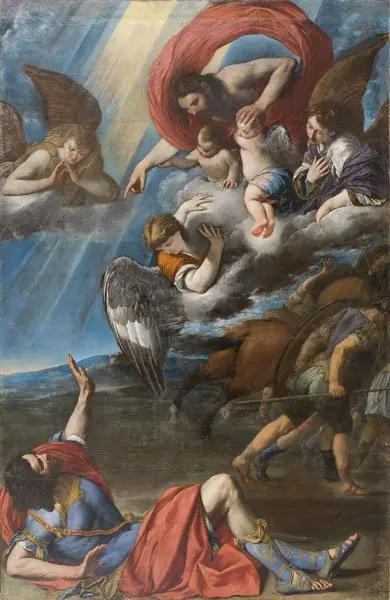 The conversion of Saint Paul
 Theseus und Ariadne