Artwork
Daniel kündet Belsazar das Ende seines Reiches an (Nachahmer)
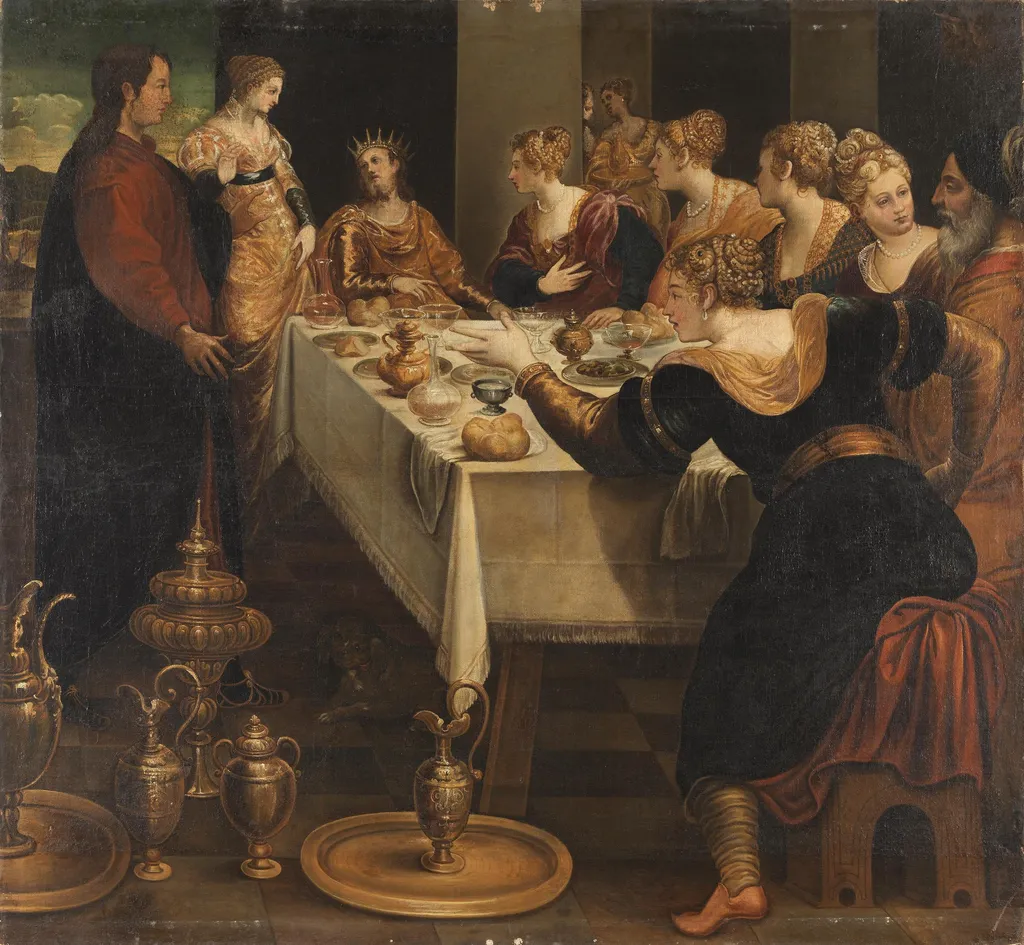
Daniel kündet Belsazar das Ende seines Reiches an (Nachahmer) is an unspecified painting by the Mannerist artist Jacopo Tintoretto. It dates from 1556 and is held in the collection of the Bavarian State Painting Collections. Tintoretto’s work titled *Daniel kündet Belsazar das Ende seines Reiches an* was executed sometime after 1556.
About this work
Overview
Tintoretto’s work titled *Daniel kündet Belsazar das Ende seines Reiches an* was executed sometime after 1556. The canvas presents a biblical episode rendered in the Mannerist idiom, with a crowded banquet scene illuminated by a warm, golden light that creates pronounced chiaroscuro. The painting is part of the religious genre and is currently housed in the Alte Pinakothek in Munich.
Subject & Meaning
The composition illustrates the moment when the prophet Daniel foretells the downfall of King Belshazzar’s empire, a narrative drawn from the Book of Daniel. Figures gather around an elaborately set table, suggesting a feast that is abruptly interrupted by the prophetic announcement, underscoring themes of divine judgment and the fleeting nature of earthly power.
Technique & Style
Tintoretto employs the Mannerist emphasis on muscular, contorted bodies and exaggerated gestures, giving the scene a heightened sense of drama.
Tintoretto employs the Mannerist emphasis on muscular, contorted bodies and exaggerated gestures, giving the scene a heightened sense of drama. His characteristic rapid brushwork and bold handling of paint generate a dynamic surface, while the contrast between luminous highlights and deep shadows enhances the three‑dimensionality of the figures and the sumptuous textures of the fabrics and tableware.
History & Provenance
Jacopo Robusti, known as Tintoretto (1518–1594), earned the nickname *il Furioso* for his swift execution and energetic style. The painting entered the collection of the Alte Pinakothek, where it remains a representative example of the artist’s later religious commissions, reflecting his continued engagement with biblical subjects after his early Venetian successes.
Context
Created during the later phase of Tintoretto’s career, the work reflects the broader Mannerist tendency in mid‑16th‑century Italy to amplify emotional intensity through complex poses and vivid coloration. The depiction of a biblical banquet aligns with contemporary Counter‑Reformation interests in dramatizing scriptural narratives to inspire moral reflection among viewers.
Own this work as a print
Artist & collection
Artist
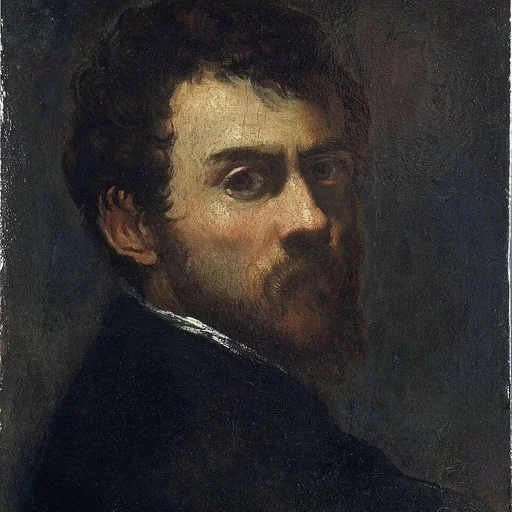
Jacopo Robusti (late September or early October 1518 – 31 May 1594), best known as Tintoretto ( TIN-tə-RET-oh; Italian: ; Venetian: ), was an Italian Renaissance painter of the Venetian school.

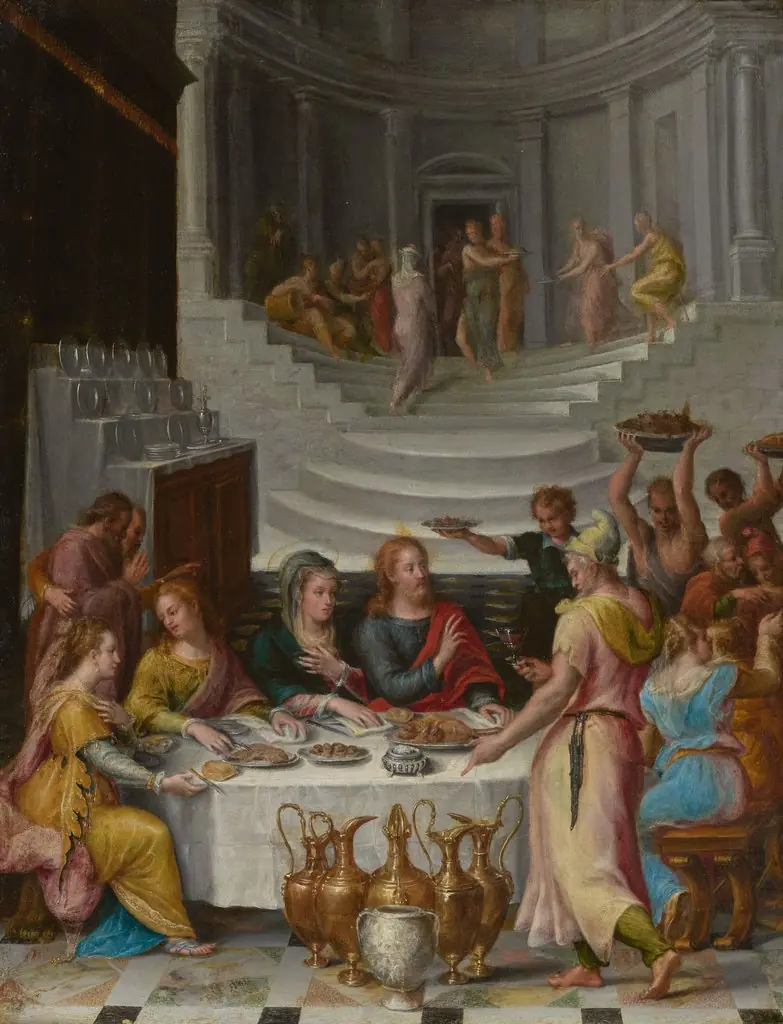 The Wedding Feast at Cana
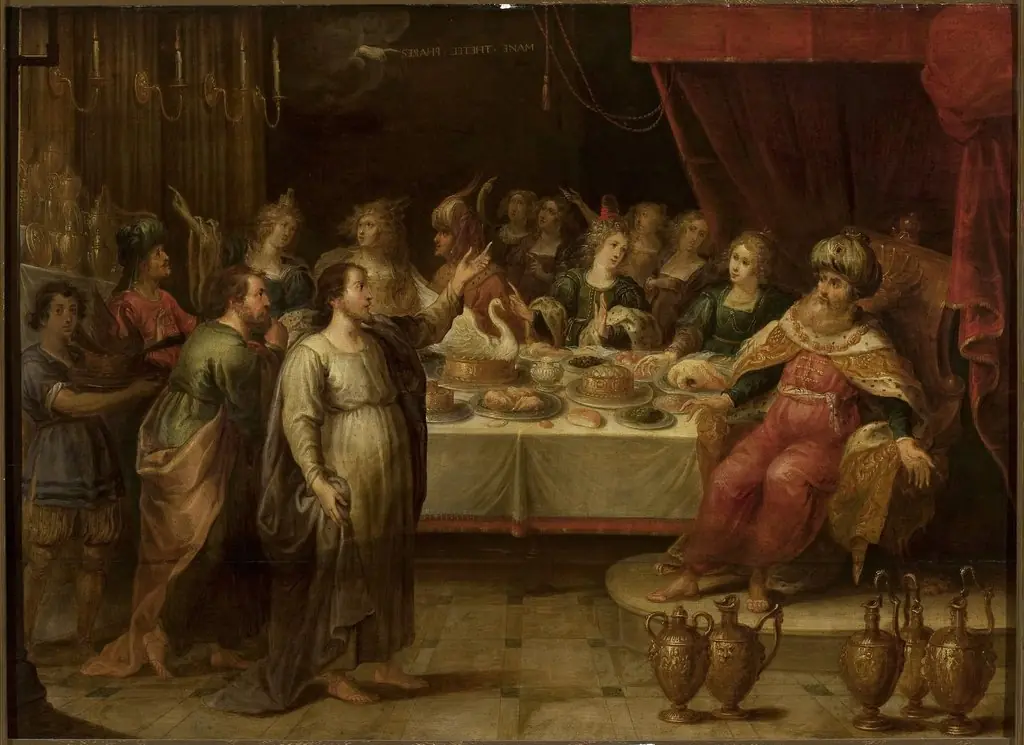 Belshazzar's feast (Daniel 5:1-31)
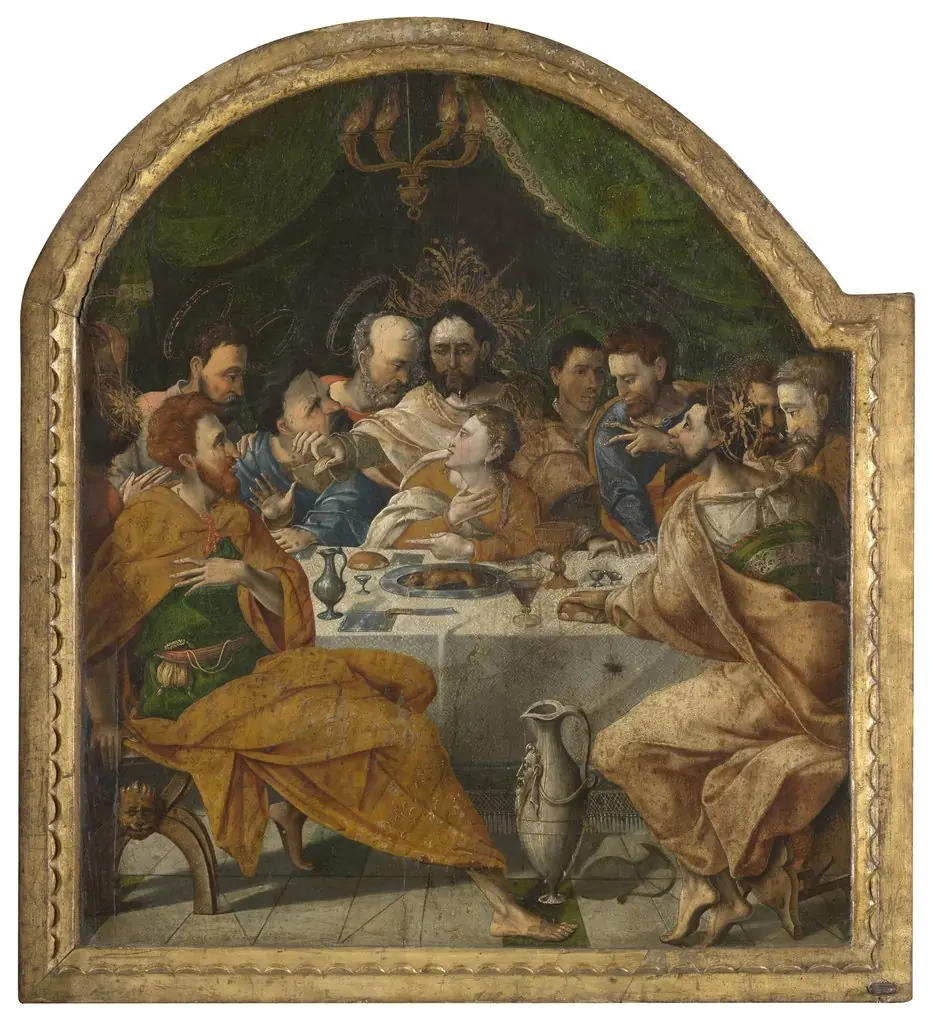 The Last Supper
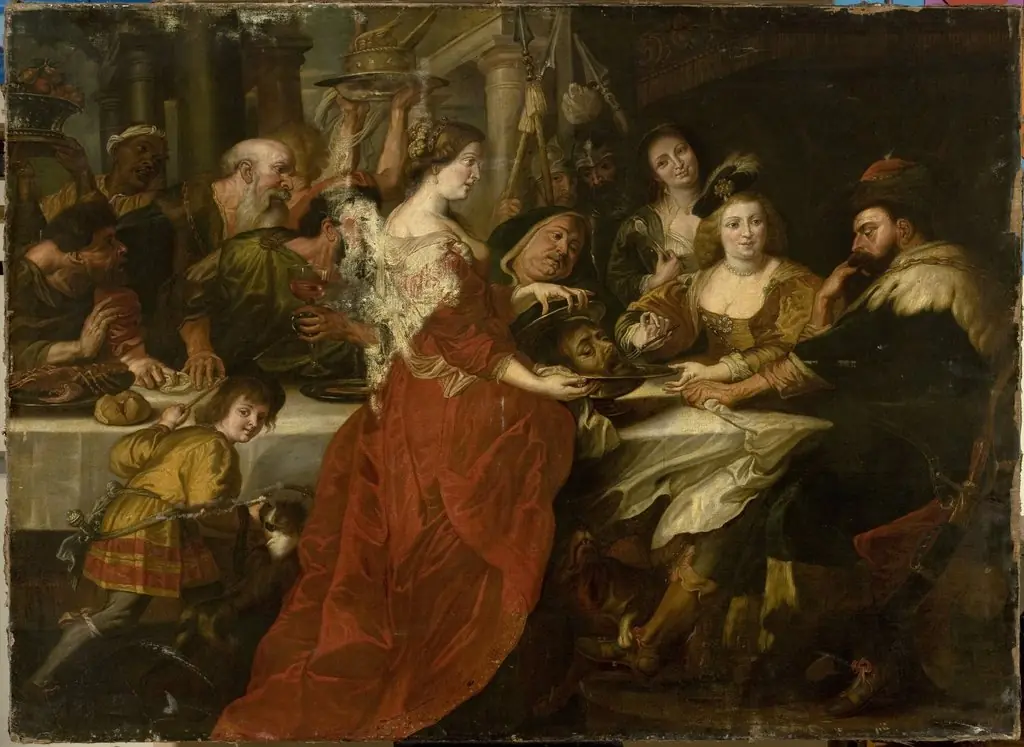 Salome with the head of St. John the Baptist at the banquet (Matthew 14:11; Mark 6:27-28)
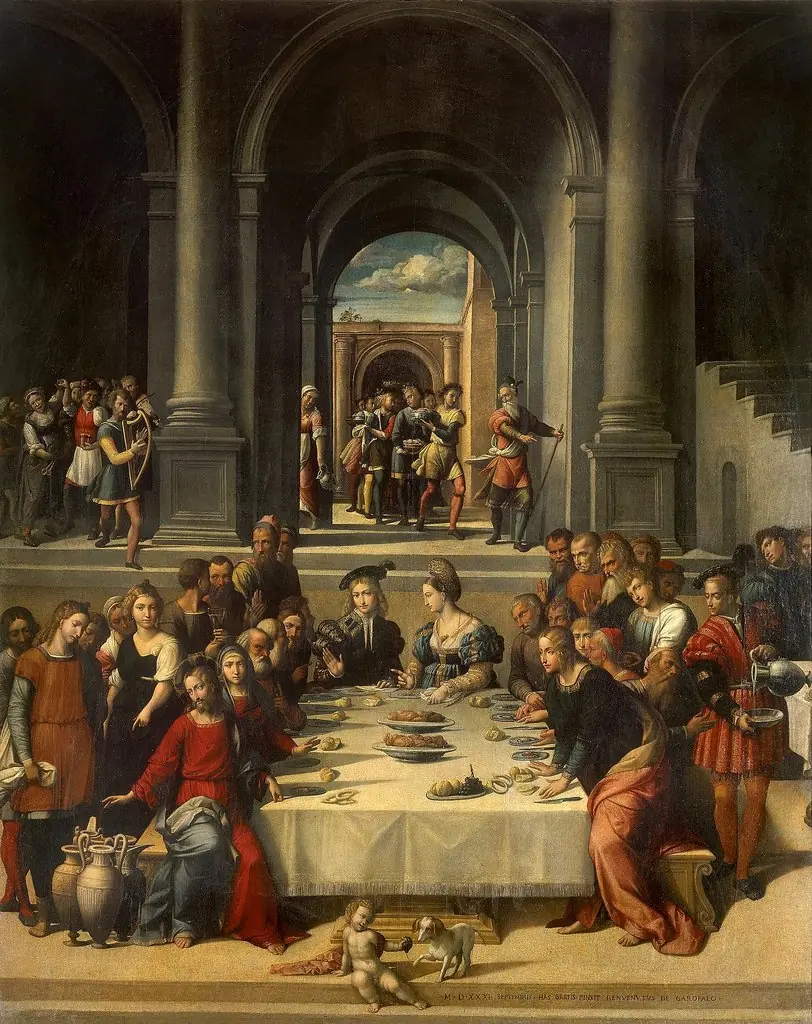 Marriage at Cana
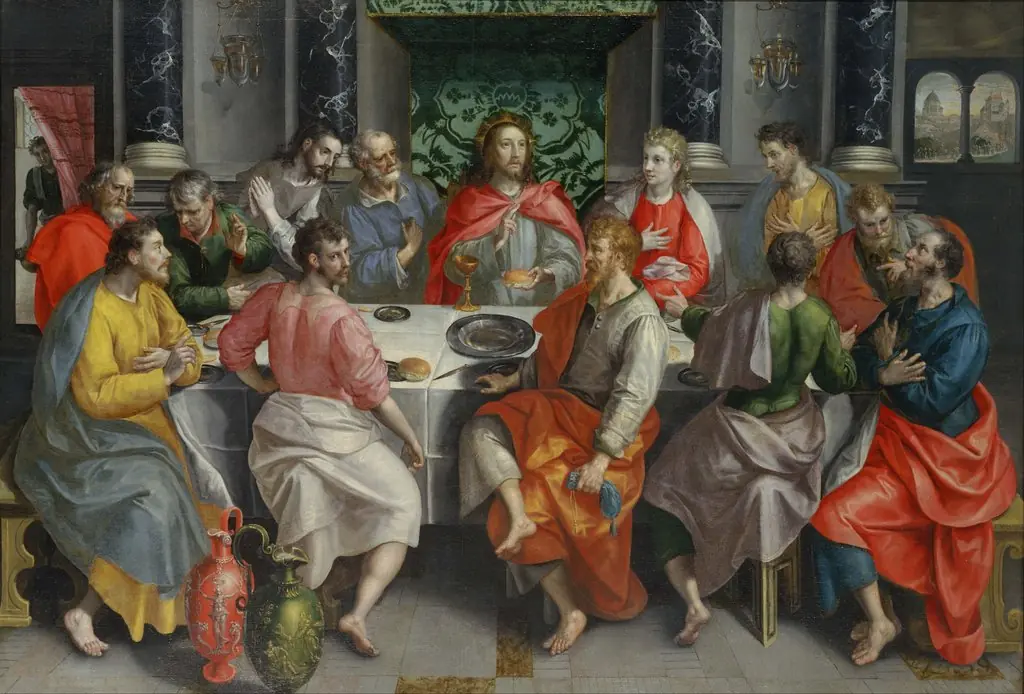 The Last Supper
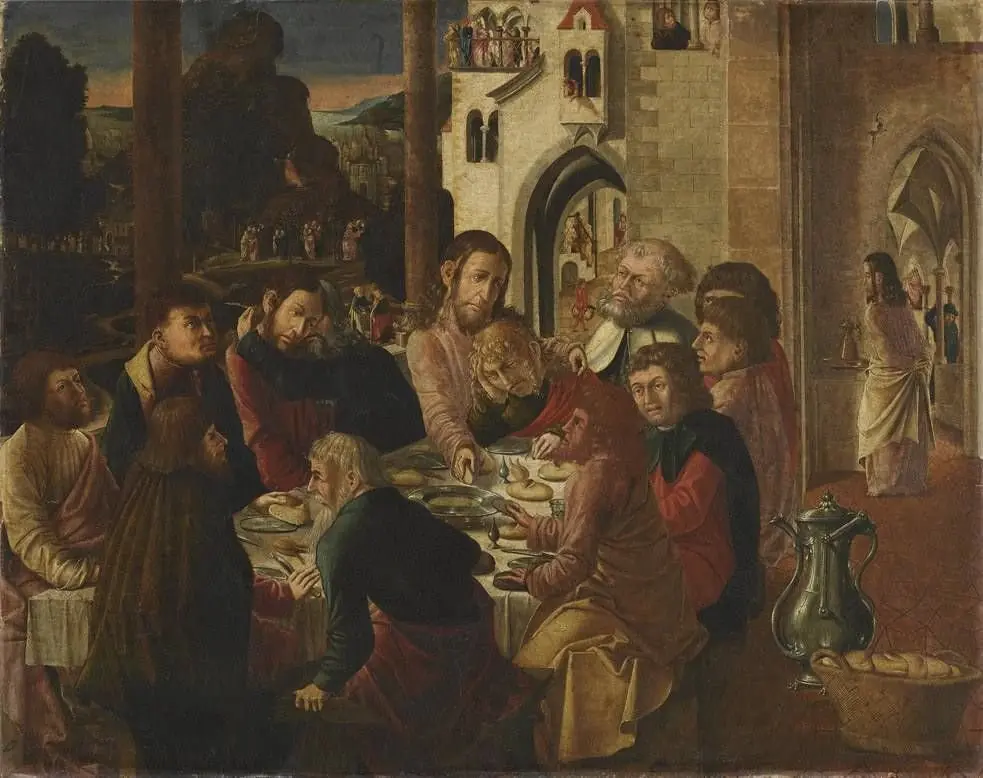 Jacob-Stephen (?): the Last Supper
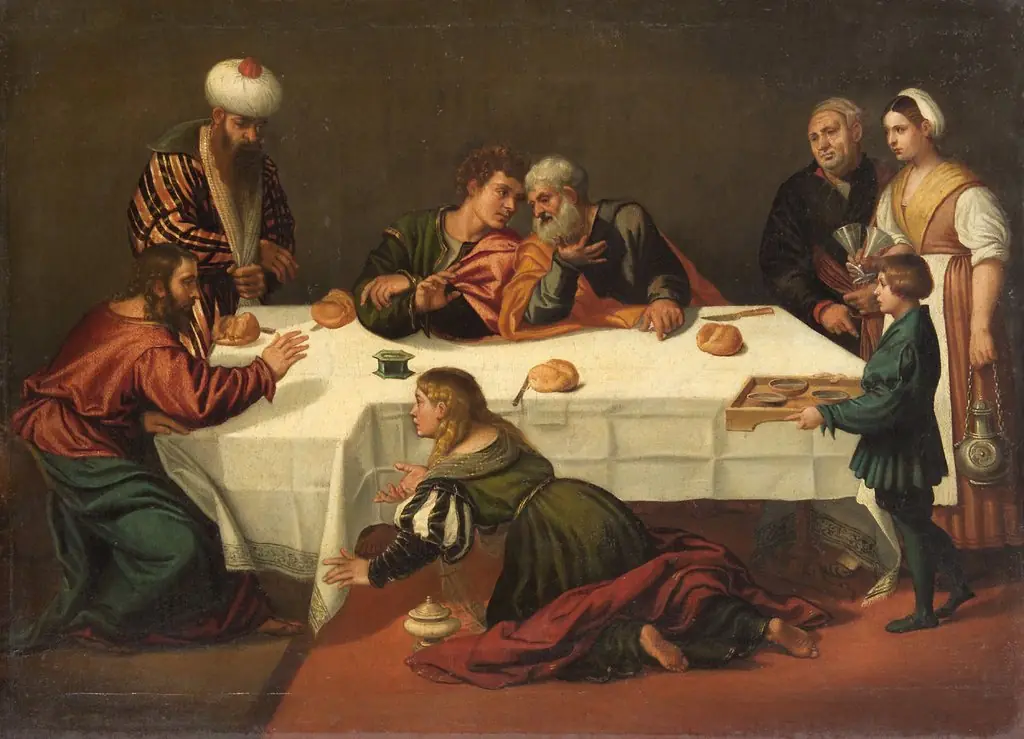 Anointing of Christ in Bethany
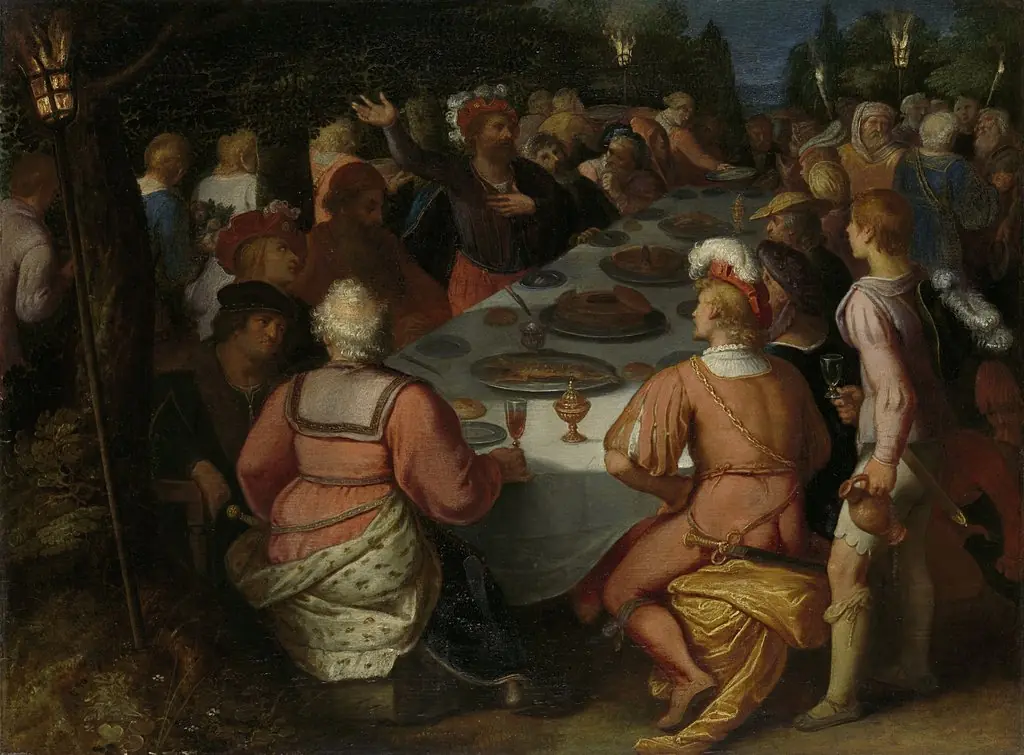 The Conspiracy of Claudius Civilis and the Batavians in the Schakerbos
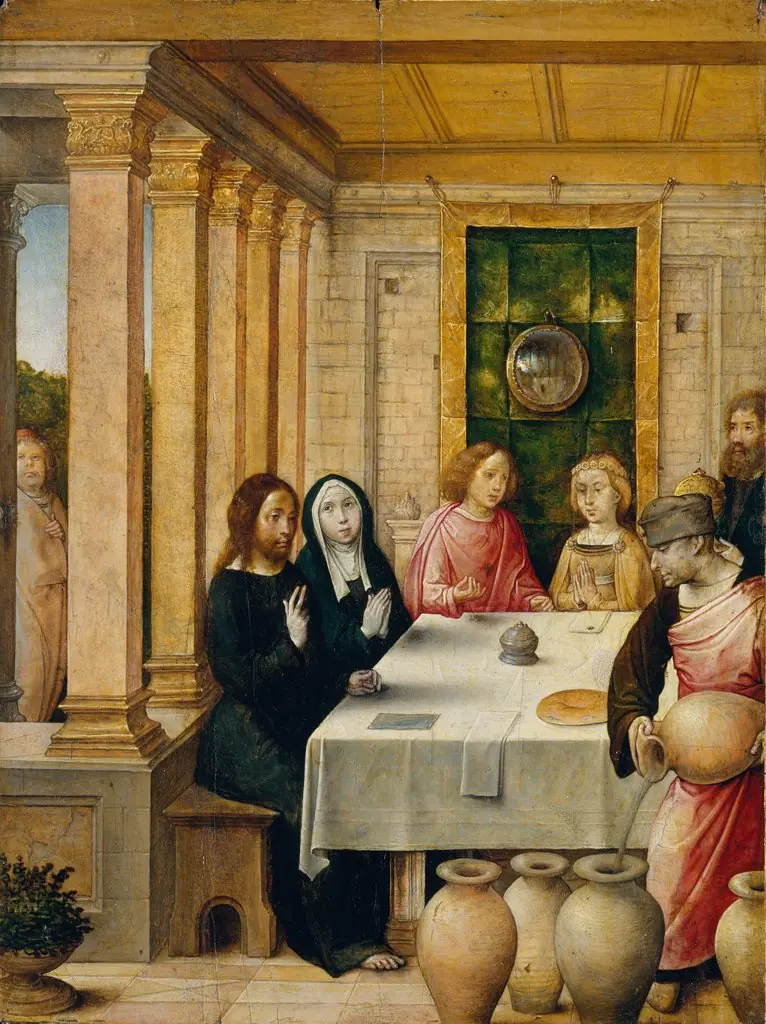 The Marriage Feast at Cana
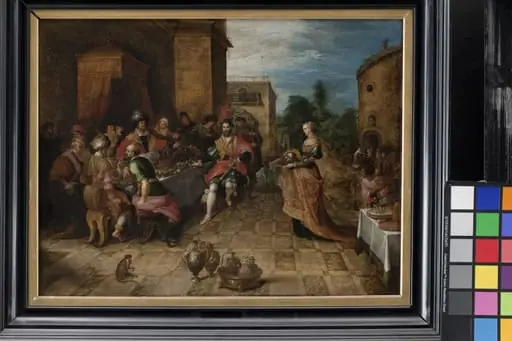 The Banquet of Herod. Salome Presents the Head of John the Baptist
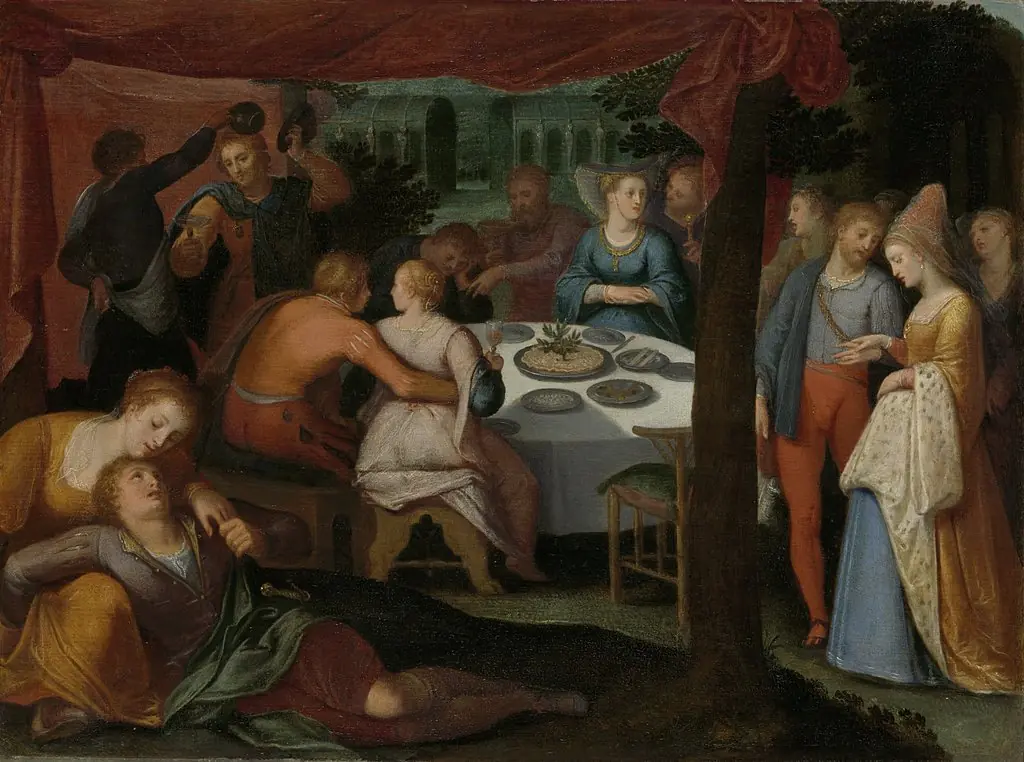 Evening Meal in the Woods