Artwork
Anointing of Christ in Bethany
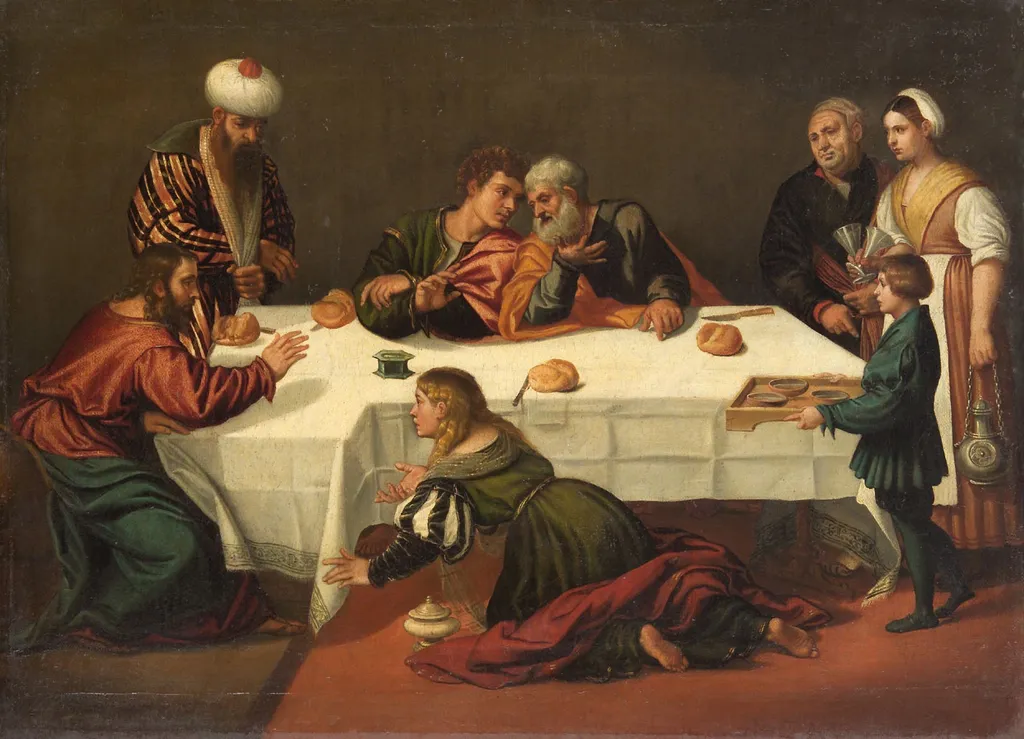
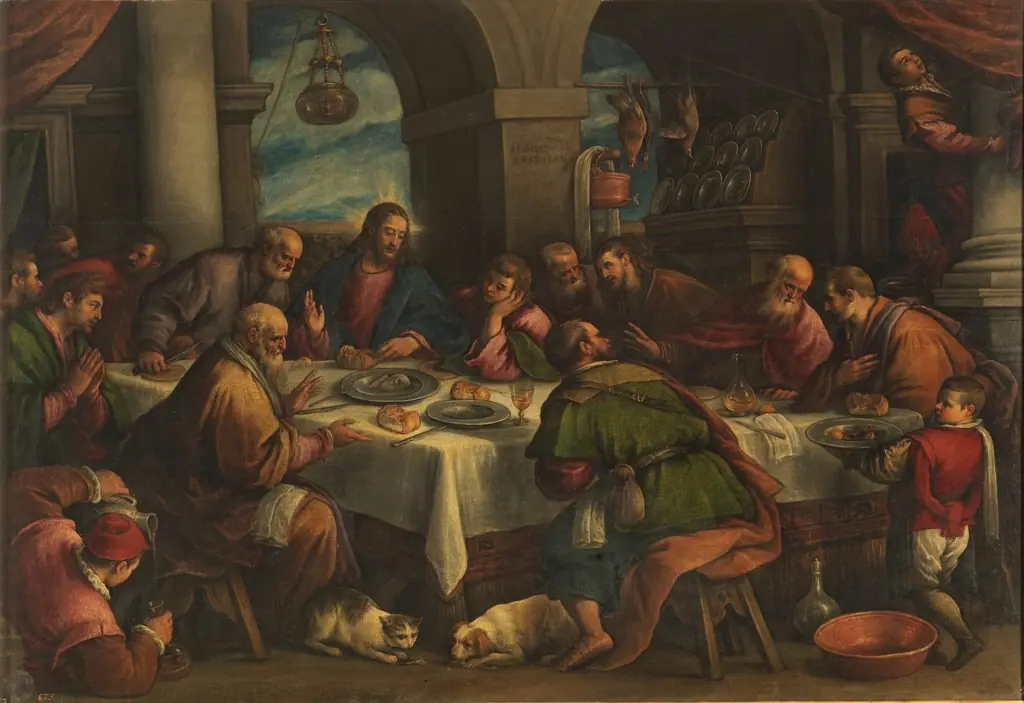
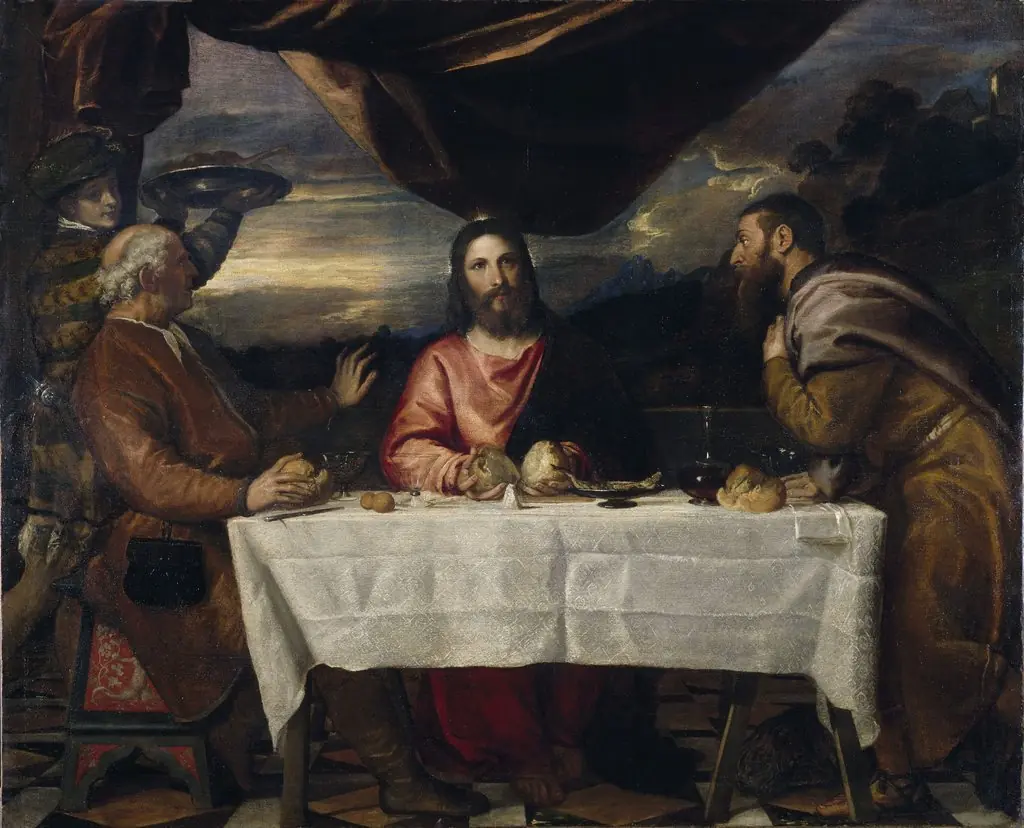
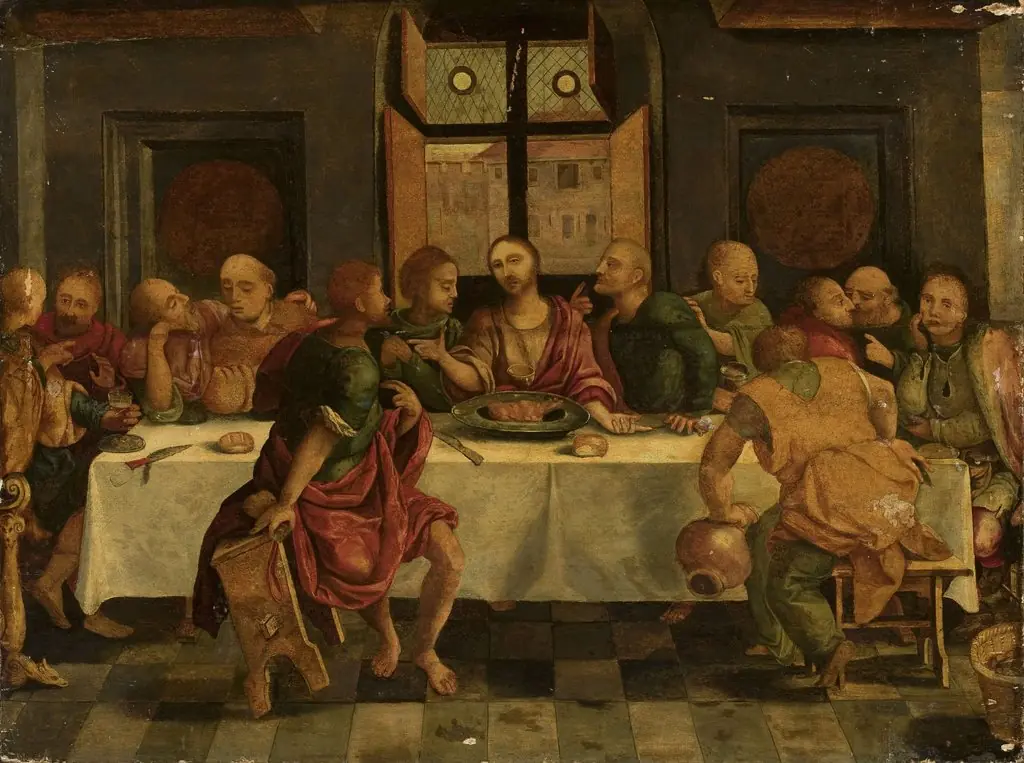
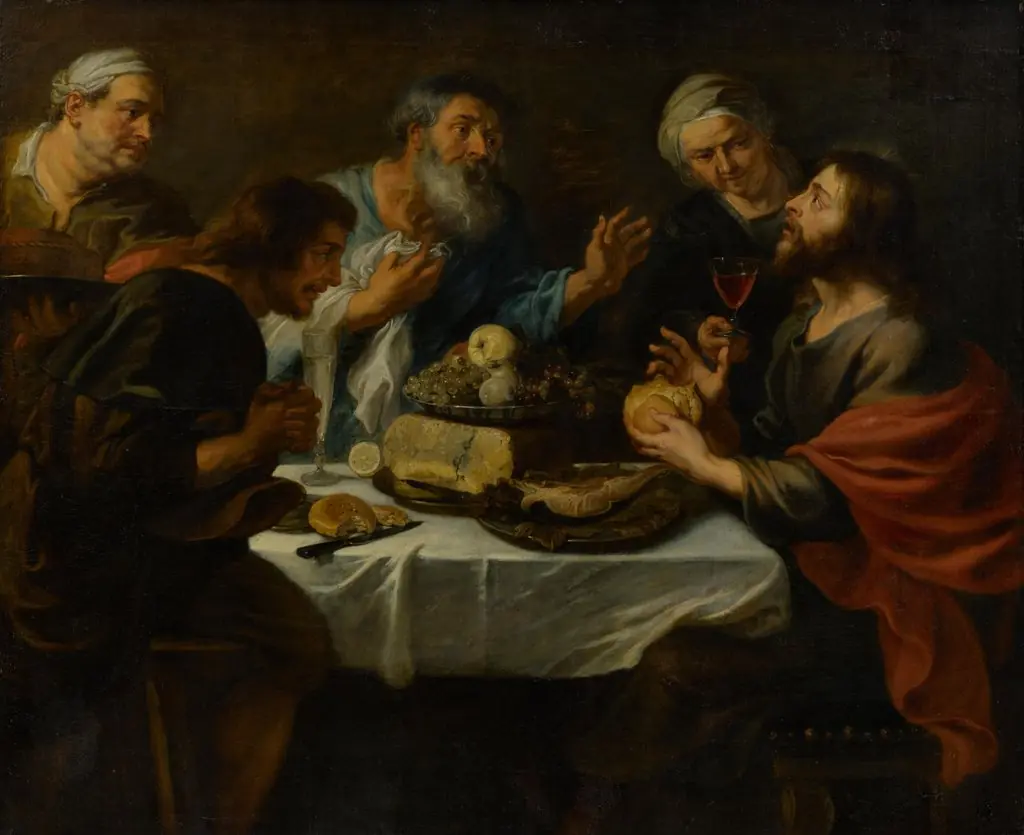
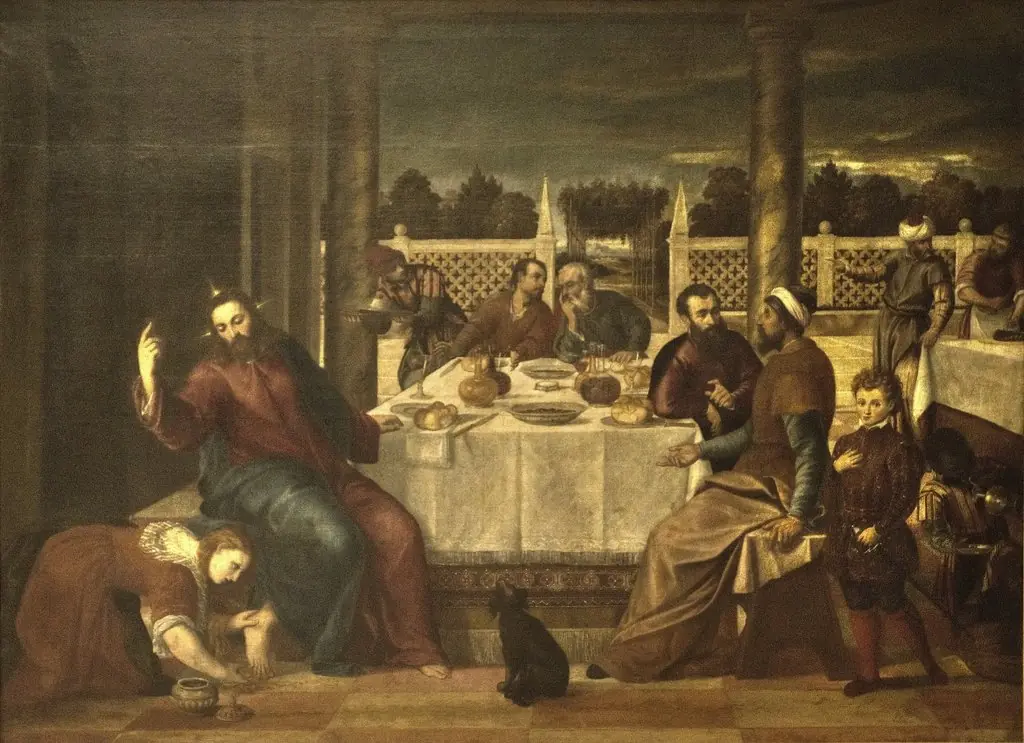
Anointing of Christ in Bethany is an oil painting by the Mannerist artist Polidoro da Lanciano. It dates from 1530 and is held in the collection of the Kunsthistorisches Museum.
About this work
Overview
Painted in 1530 by Polidoro da Lanciano, an Italian artist from Lanciano, this oil-on-panel work captures the biblical moment of Christ’s anointing in Bethany.
Painted in 1530 by Polidoro da Lanciano, an Italian artist from Lanciano, this oil-on-panel work captures the biblical moment of Christ’s anointing in Bethany. Executed during the early Mannerist period, the painting reflects a shift from High Renaissance harmony toward more expressive, emotionally charged compositions. It is now held in the collection of the Kunsthistorisches Museum in Vienna, where it remains a rare surviving example of the artist’s early career.
Subject & Meaning
The scene illustrates the Gospel account of a woman anointing Christ’s feet with costly ointment, an act interpreted as both devotion and foreshadowing of his burial. Christ, seated at a table, extends his hands in quiet acceptance, while the kneeling woman, her face turned upward in humility, embodies reverence. The inclusion of bread and a small vessel underscores the ritual’s symbolic weight, grounding the sacred moment in tangible, everyday objects.
Technique & Style
Polidoro employs oil paint to achieve subtle gradations of light and texture, particularly in the folds of the red robe and the sheen of the white tablecloth. The dark, undefined background isolates the figures, heightening their emotional intensity. The composition avoids symmetry, favoring a diagonal arrangement that draws the eye from the woman’s bowed head to Christ’s outstretched hands, characteristic of Mannerist tendencies toward dynamic tension and psychological depth.
History & Provenance
Created early in Polidoro’s career, the painting likely originated in central Italy before entering Habsburg collections. Its presence in the Kunsthistorisches Museum suggests it was acquired during the 16th or 17th century, possibly as part of a broader collection of Italian religious works. No significant alterations or restorations are documented, preserving its original surface and tonal balance.
Context
Painted during a period of religious upheaval, the work reflects the Catholic Church’s emphasis on devotional imagery to reinforce faith. While contemporaries like Raphael favored idealized forms, Polidoro’s approach leans toward intimate realism and emotional restraint, aligning with regional Mannerist trends in Abruzzo and the Marches. The painting’s modest scale and focused narrative suggest it was intended for private contemplation rather than public display.
Legacy
Though Polidoro da Lanciano is less known than his Roman contemporaries, this painting offers insight into the spread of Mannerist sensibilities beyond major artistic centers. Its preservation in a major European museum underscores its value as a document of early 16th-century devotional practice. The work remains a quiet but significant example of how regional artists interpreted biblical themes with personal, restrained intensity.
Artist & collection
Artist
Polidoro de Rienzo da Lanciano (Lanciano, 1515–1565) was an Italian painter. Relatively little is known of his life. He was born in Lanciano, a town that is a few miles inland from Ortona, a port on the Adriatic Sea.…