Artwork
The Ascension of the Virgin
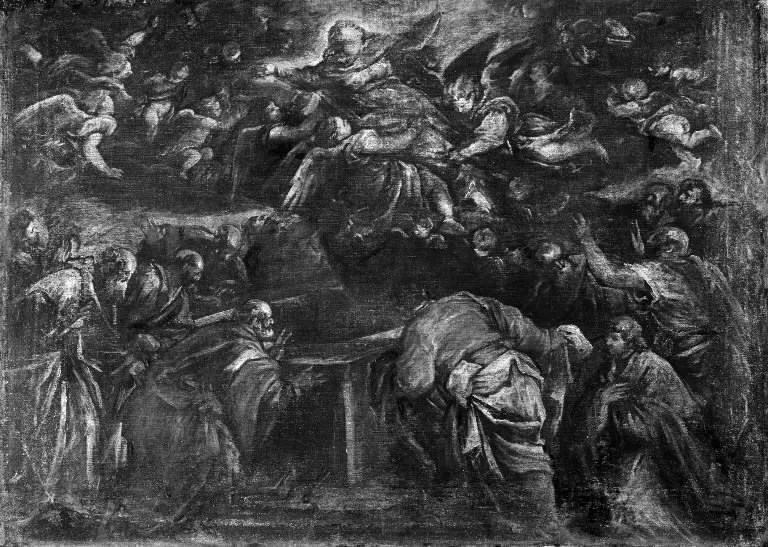
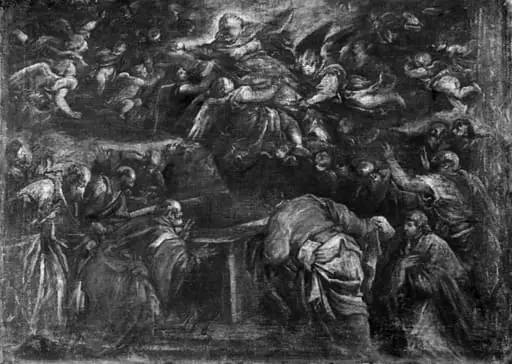
The Ascension of the Virgin is an oil painting by the Early Baroque Italian artist Francesco Bassano the Younger. It dates from 1590 and is held in the collection of the Statens Museum for Kunst.
About this work
Overview
Created during the early Baroque era in northern Italy, it reflects the continued influence of Venetian painting traditions.
Painted in 1590 by Francesco Bassano the Younger, this oil-on-canvas work depicts the Virgin Mary’s ascent into heaven. Created during the early Baroque era in northern Italy, it reflects the continued influence of Venetian painting traditions. Bassano, a member of a prominent artistic family, produced this piece while managing the family’s workshop in Venice. The painting is now held in the collection of Statens Museum for Kunst in Copenhagen.
Subject & Meaning
The scene illustrates the moment the Virgin Mary is taken bodily into heaven, a doctrine central to Catholic belief. She is shown floating upward, eyes closed and arms extended, as if in surrender to divine will. Below, a gathering of apostles and devotees gazes upward in silent prayer, their clasped hands and bowed postures emphasizing reverence. The composition conveys spiritual transcendence through stillness and focused attention rather than dramatic motion.
Technique & Style
Bassano employed oil paint to achieve rich, layered tones, particularly in the Virgin’s luminous white robe and the deep blues and golds of the surrounding figures. The background is rendered in dark, muted hues, creating strong contrast that isolates the central figures. Brushwork is controlled yet expressive, with soft transitions between light and shadow, characteristic of Venetian traditions adapted to the emerging Baroque emphasis on emotional clarity.
History & Provenance
Francesco Bassano the Younger, born in 1549 near Bassano del Grappa, inherited his father Jacopo’s artistic legacy and co-ran the family workshop with his brothers. This painting was likely produced for a religious setting in northern Italy before entering the Danish royal collection in the 18th century. It was later transferred to Statens Museum for Kunst, where it remains as part of a broader European collection of Renaissance and Baroque devotional art.
Context
Created during the Counter-Reformation, the painting aligns with Catholic efforts to reinforce doctrinal imagery through accessible, emotionally resonant visuals. While Venetian colorism persisted, the composition’s solemnity reflects broader trends toward clarity and piety in religious art. Bassano’s work bridges the late Renaissance and early Baroque, maintaining familial stylistic roots while adapting to new devotional demands across Europe.
Legacy
Though not widely known outside institutional circles, the painting exemplifies the sustained output of the Bassano workshop and the endurance of Venetian painting methods into the 17th century. It stands as a quiet testament to the role of family ateliers in preserving and transmitting artistic traditions during a period of stylistic transition, offering insight into regional religious practice beyond major urban centers.
Artist & collection
Artist
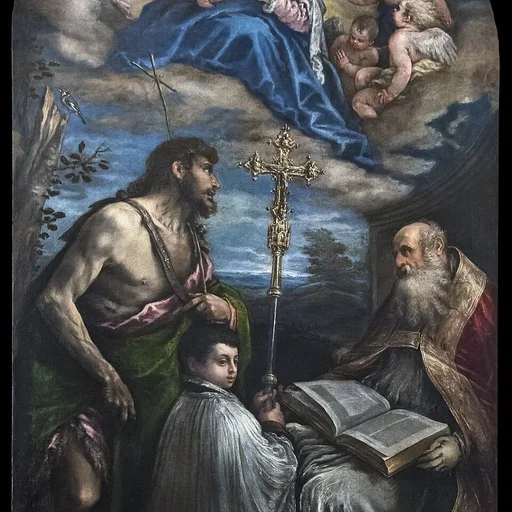
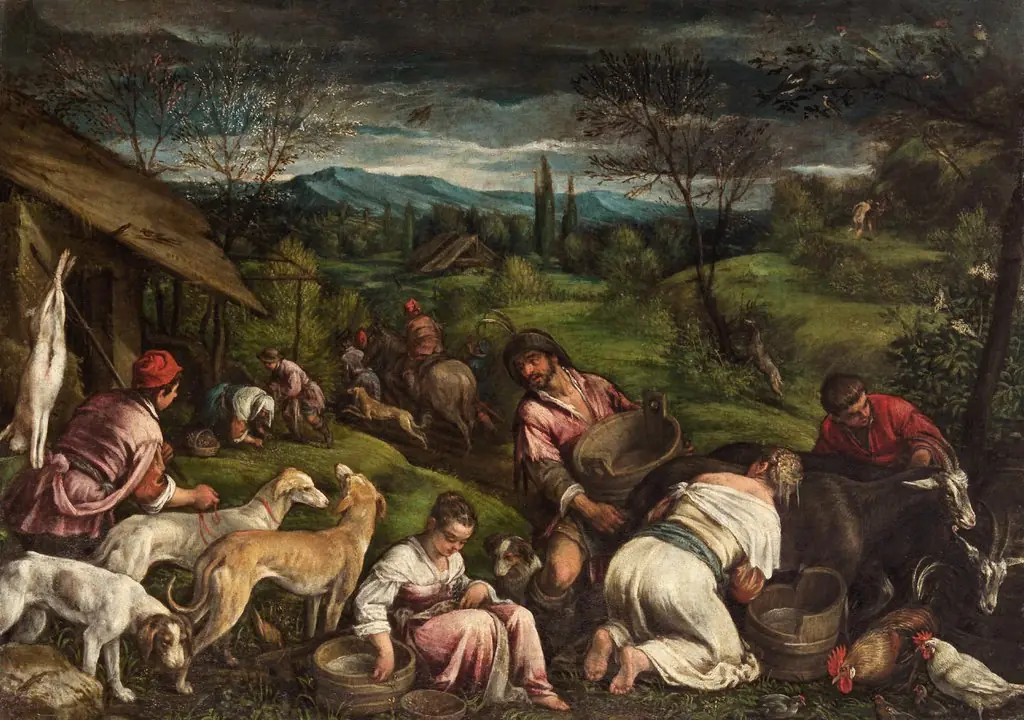
Francesco Bassano the Younger (Italian: Francesco Bassano il Giovane; 26 January 1549 – 4 July 1592), also called Francesco Giambattista da Ponte or Francesco da Ponte the Younger, was an Italian painter of the Renaissance period.

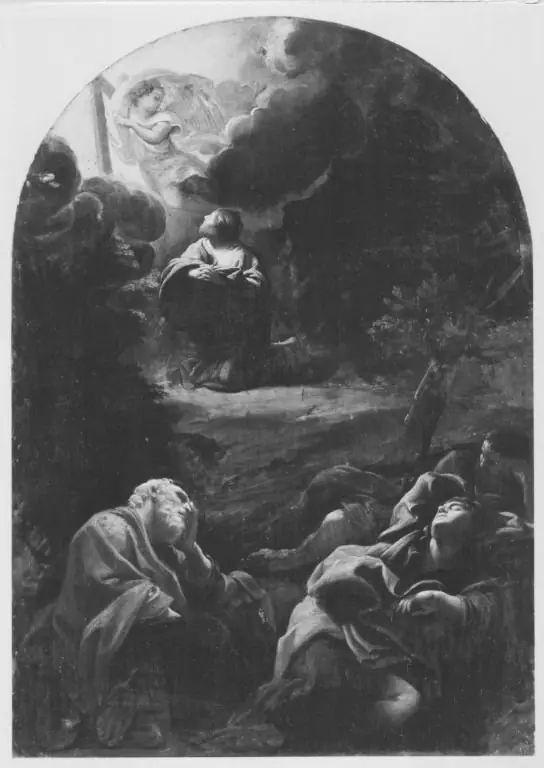 Christus am Ölberg
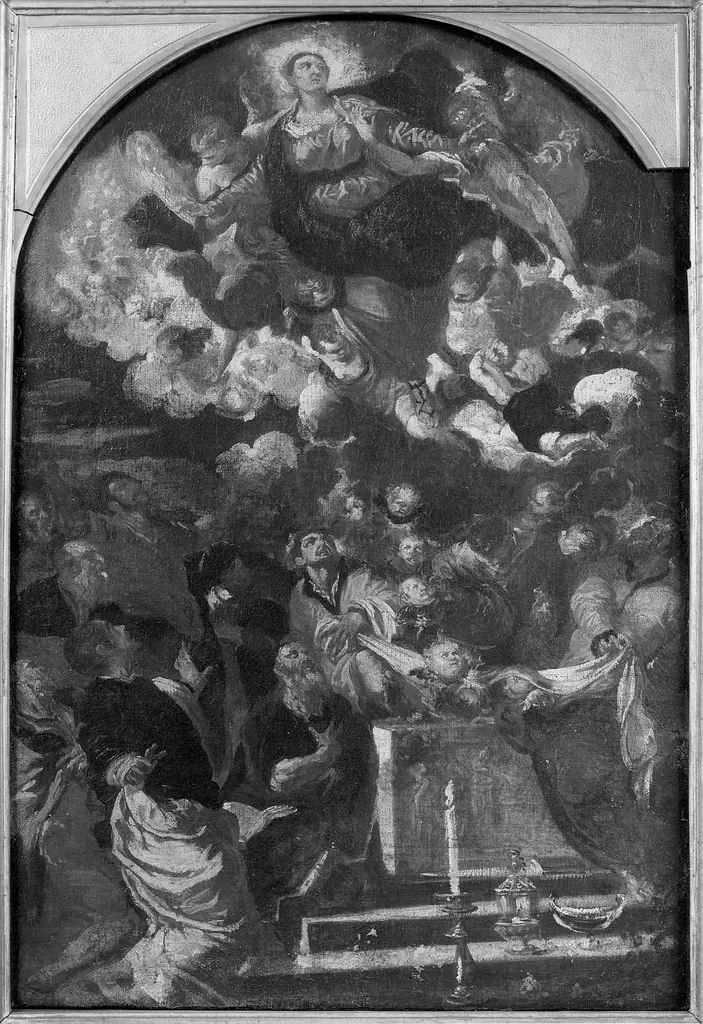 The Assumption of the Virgin
 Die Kinder der Niobe
 Himmelfahrt Christi
 Wunder des hl. Cajetan an Pestkranken
 Verkündigung an die Hirten
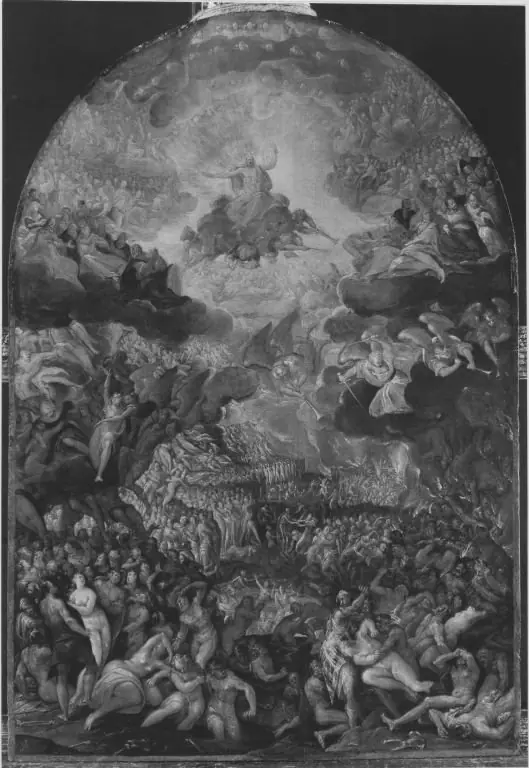 Jüngstes Gericht
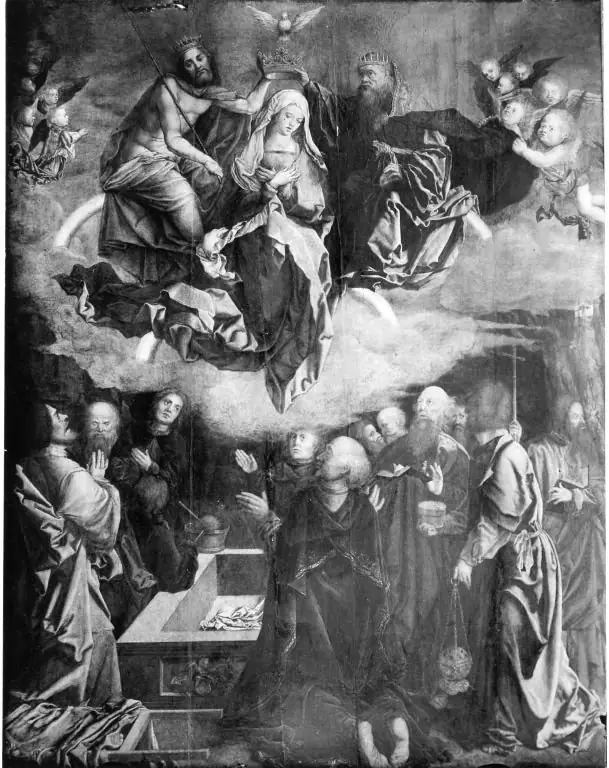 The Assumption of Mary (after Dürer's woodcut from the Life of Mary B. 94)
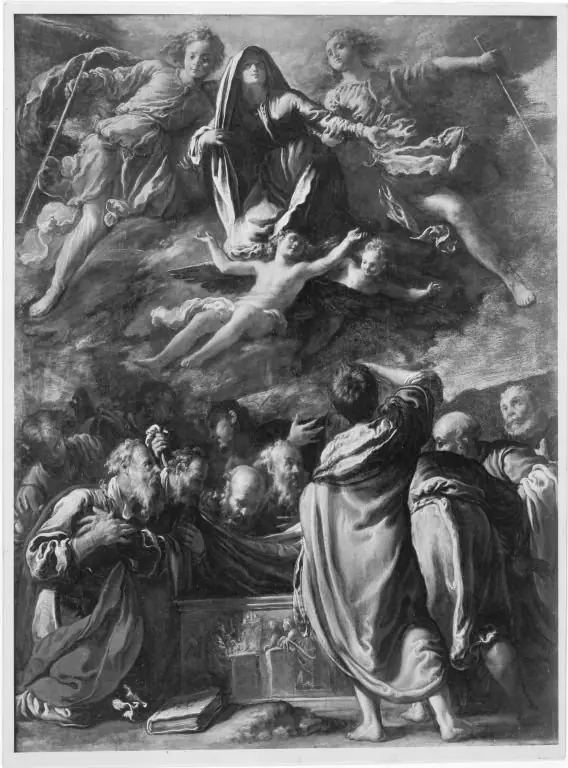 Himmelfahrt Mariä
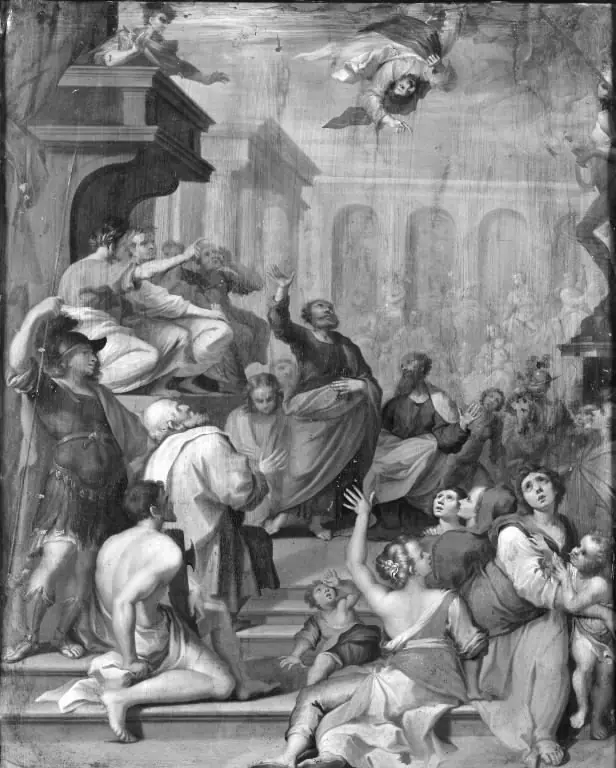 The Fall of Simon Magus
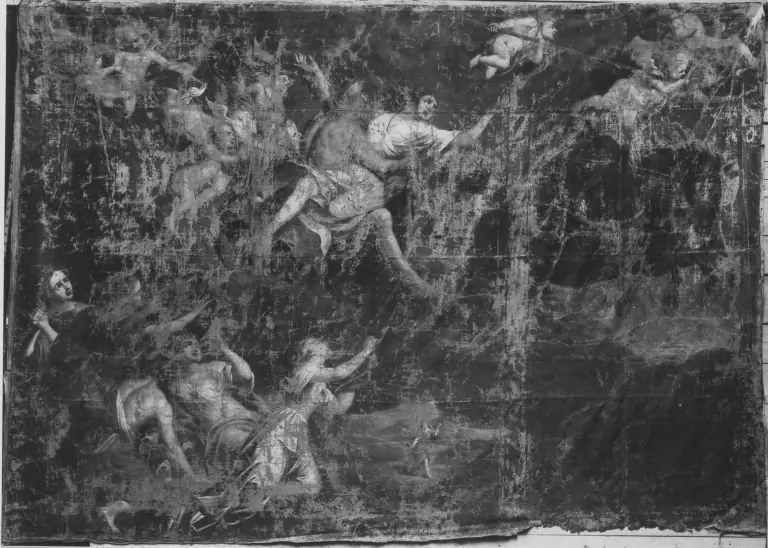 Pluto entführt Proserpina (zugeschrieben)
 The Ascension of the Virgin