Artwork
The adoration of the Child
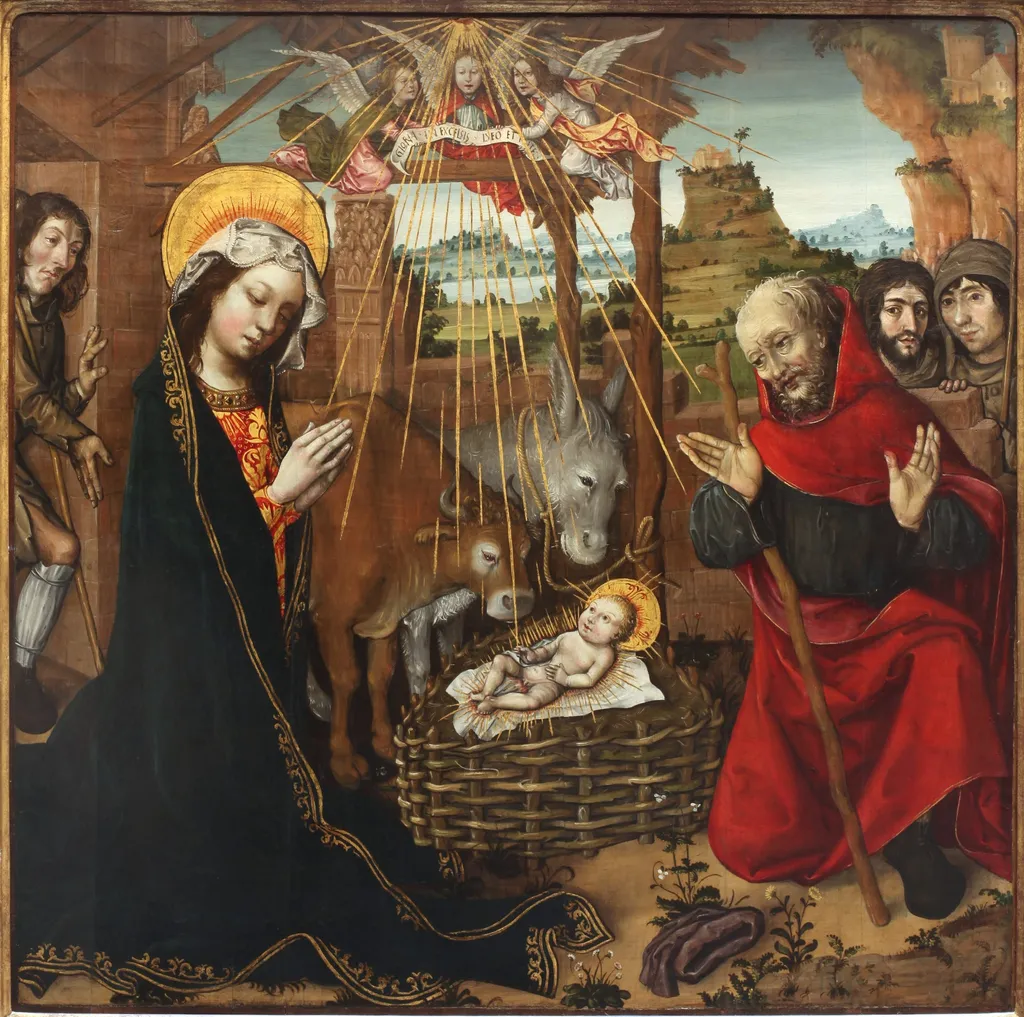
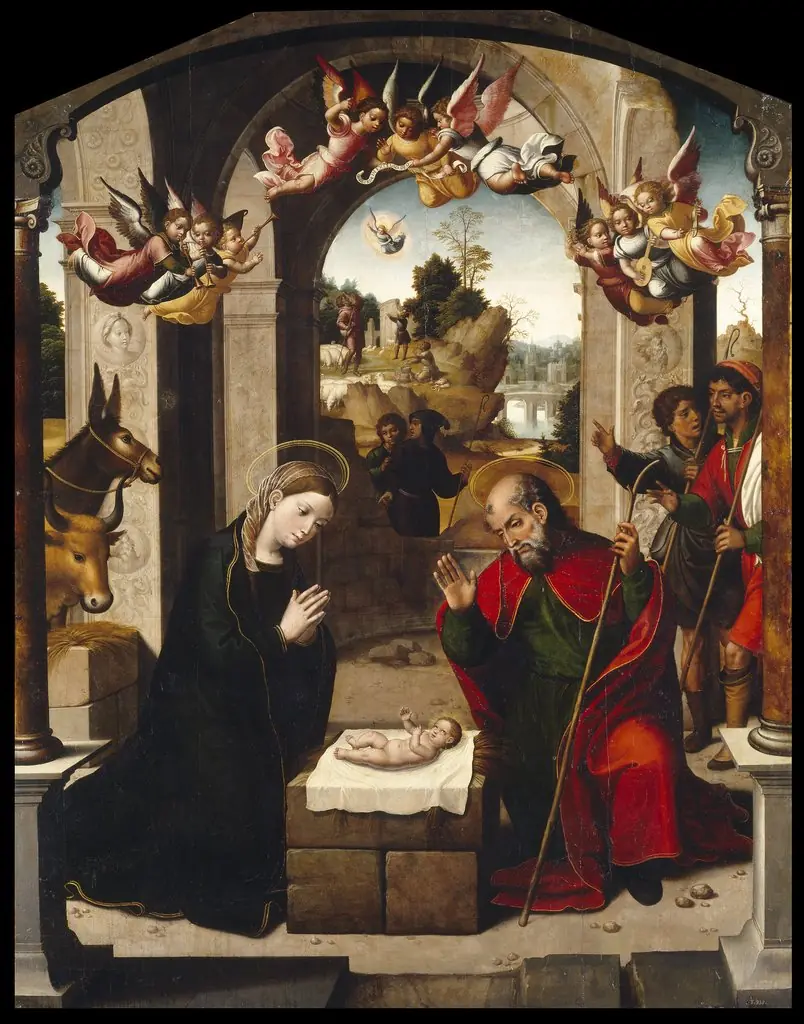
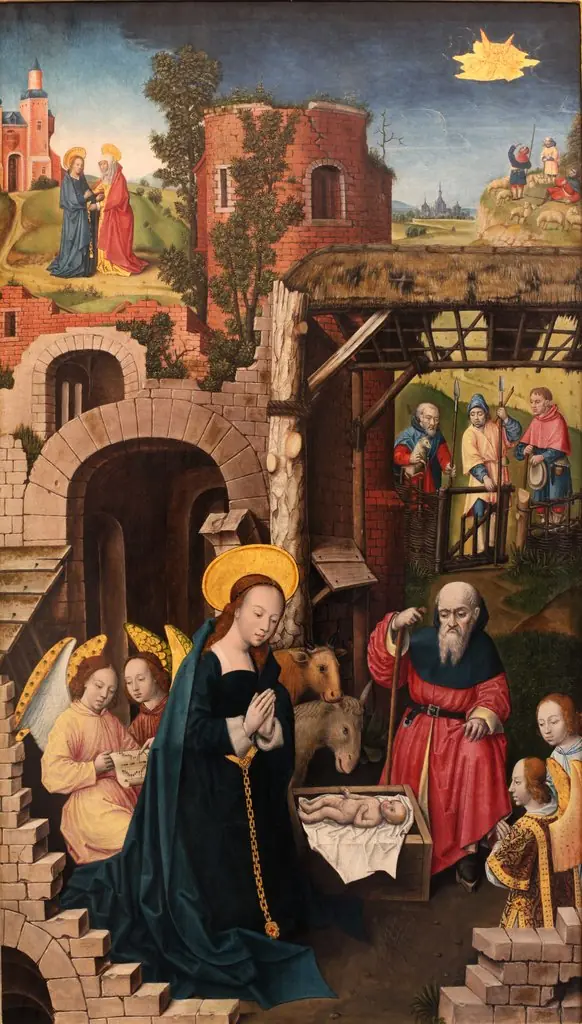
The adoration of the Child is an oil painting by the Northern Renaissance artist Jacquelin de Montluçon. It dates from 1498 and is held in the collection of the Museum of Fine Arts of Lyon.
About this work
Overview
Painted in 1498 by Jacquelin de Montluçon, this oil-on-panel work depicts the Nativity scene as a quiet, intimate moment.
Painted in 1498 by Jacquelin de Montluçon, this oil-on-panel work depicts the Nativity scene as a quiet, intimate moment. It resides in the Museum of Fine Arts of Lyon, where it stands as one of the few surviving works by the artist. The composition centers on the infant Christ in a manger, surrounded by figures drawn from the Gospel accounts, rendered with careful attention to spatial depth and atmospheric tone.
Subject & Meaning
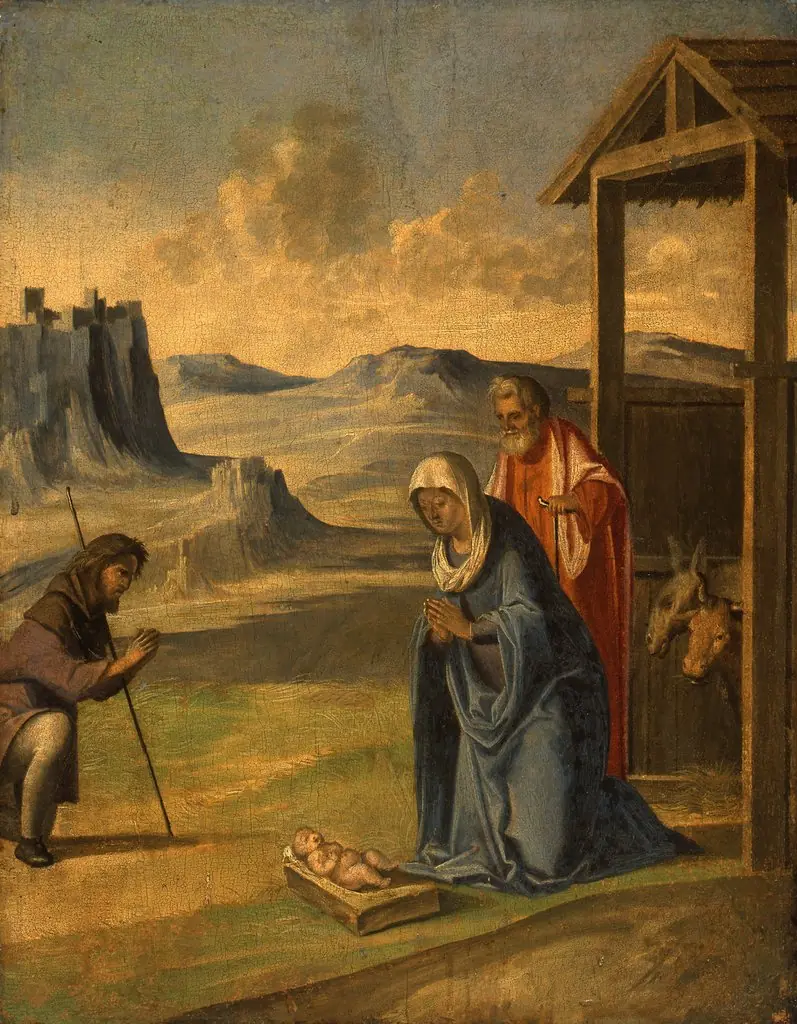
The painting illustrates the adoration of the newborn Christ by Mary, Joseph, shepherds, and angels, emphasizing humility and divine presence. The inclusion of the ox and donkey references traditional iconography linking the Nativity to Isaiah’s prophecy. The figures’ gestures and gazes direct attention toward the child, reinforcing his spiritual significance without overt drama, reflecting a devotional focus common in late medieval piety.
Technique & Style
Montluçon employed oil paint to achieve subtle gradations of light and texture, particularly in the folds of garments and the fur of the animals. The palette is dominated by earth tones—browns, ochres, and muted greens—with selective use of red and gold to highlight sacred elements. The brushwork is precise but not overly ornate, favoring quiet realism over theatricality, characteristic of regional French painting of the period.
History & Provenance
The painting has remained in France since its creation, eventually entering the collection of the Museum of Fine Arts of Lyon. Its survival is notable given the fragility of panel paintings from the late 15th century. While little is documented about its early ownership, its consistent presence in French institutional collections suggests it was valued locally, possibly within a religious or noble household before public acquisition.
Context
Created during the transition from medieval to early Renaissance sensibilities, the work reflects regional French traditions rather than Italian innovations. Its restrained composition and emphasis on spiritual stillness align with devotional practices in Burgundy and surrounding areas. Unlike more flamboyant altarpieces of the time, this painting prioritizes contemplation, suited for private or small-scale ecclesiastical use.
Legacy
Jacquelin de Montluçon’s oeuvre is sparse, and this painting remains a key reference for understanding regional French religious art of the late 1400s. It offers insight into how biblical narratives were visualized outside major artistic centers. Though not widely known beyond academic circles, it contributes to the broader narrative of Northern European painting’s evolution toward naturalism and emotional restraint.
Own this work as a print
Artist & collection
Artist
This late-1400s painter made small religious panels on wood, glowing with thin layers of oil paint.